12 Olympic Swimming Records That Stood Decades
Swimming records typically get shattered pretty quickly, though some performances have proven surprisingly resilient. Modern training methods, cutting-edge pool technology, and better nutrition have sped up the record-breaking process considerably. Yet certain Olympic swimming achievements managed to withstand time’s relentless march for years or even decades.
These records showcase swimmers who were genuinely ahead of their era. Here is a list of 12 Olympic swimming records that demonstrated remarkable staying power.
Mark Spitz’s 200m Butterfly Gold

Mark Spitz dominated the 200m butterfly at the 1972 Munich Olympics, creating a record that lasted an astounding 31 years. His time of 2:00.70 remained the Olympic standard until Michael Phelps finally broke it in 2003.
Spitz’s technique was so advanced for his era that three decades passed before anyone could match his achievement.
Janet Evans’ 800m Freestyle Dominance

Janet Evans established the Olympic record in the women’s 800m freestyle at the 1988 Seoul Olympics with 8:20.20. Her mark endured for 24 years until Katie Ledecky broke it at the 2012 London Olympics.
Evans’ distinctive high-stroke-rate technique — combined with incredible endurance — made her virtually untouchable in distance events for over two decades.
Matt Biondi’s 50m Freestyle Speed

The men’s 50m freestyle Olympic record set by Matt Biondi in 1988 lasted 12 years with a time of 22.14 seconds. His explosive start and powerful stroke mechanics were perfectly suited for sprint distance.
Biondi’s record finally fell at the 2000 Sydney Olympics, but his dominance in the pool’s shortest event was absolutely legendary.
Like Go2Tutors’s content? Follow us on MSN.
East German Women’s 4x100m Medley Relay
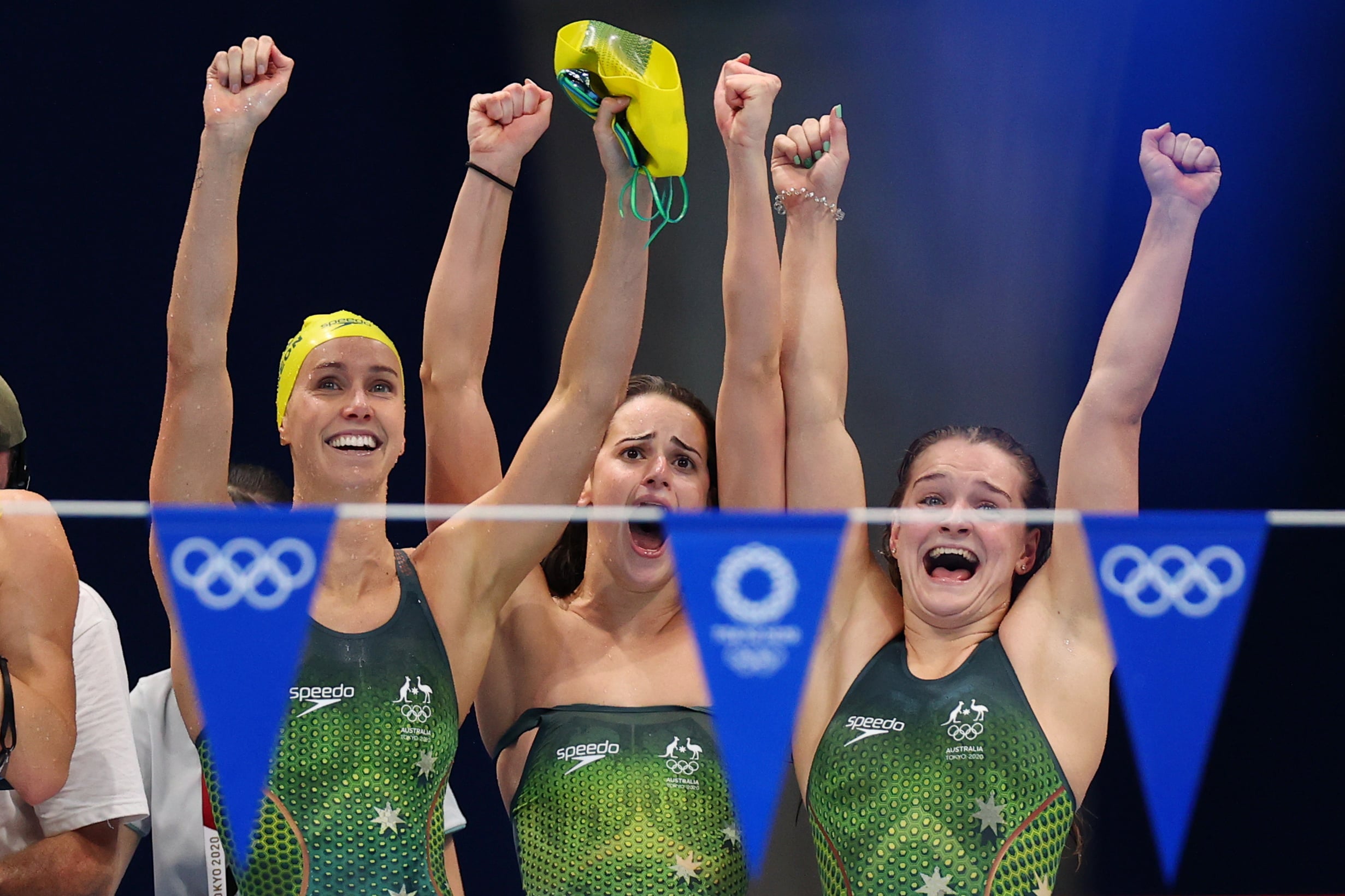
The East German women’s 4x100m medley relay team set an Olympic record in 1984 that stood for 16 years. Their systematic training approach — plus exceptional team coordination — created a standard other nations struggled to match.
The record eventually fell, though the East German program’s influence on relay swimming techniques lasted much longer.
Vladimir Salnikov’s 1500m Freestyle Marathon

Soviet swimmer Vladimir Salnikov’s 1500m freestyle Olympic record from 1980 endured for 12 years. His methodical pacing and incredible stamina made him the undisputed king of distance swimming.
Salnikov’s approach to the longest pool event influenced distance swimmers for generations, while his record represented the absolute pinnacle of endurance swimming.
Petra van Staveren’s 100m Breaststroke

Dutch swimmer Petra van Staveren set the women’s 100m breaststroke Olympic record in 1984 that lasted eight years. Her technical precision — especially the powerful underwater phase — was ahead of its time.
Van Staveren’s record demonstrated how perfect technique could overcome pure physical advantages in the technically demanding breaststroke.
Like Go2Tutors’s content? Follow us on MSN.
Silke Hoerner’s 200m Breaststroke Technique

East German swimmer Silke Hoerner’s 200m breaststroke Olympic record from 1988 lasted 12 years. Her smooth stroke technique and exceptional underwater work set a new standard for the event completely.
Hoerner’s record highlighted how technical mastery could create lasting advantages in the most technique-sensitive stroke.
Anthony Nesty’s 100m Butterfly Surprise

Surinamese swimmer Anthony Nesty’s shocking 100m butterfly Olympic record from 1988 stood for eight years. His victory over heavily favored Matt Biondi created one of swimming’s greatest upsets — period.
Nesty’s record proved that perfect race execution could overcome superior credentials and training resources.
Kristin Otto’s 50m Freestyle Sprint
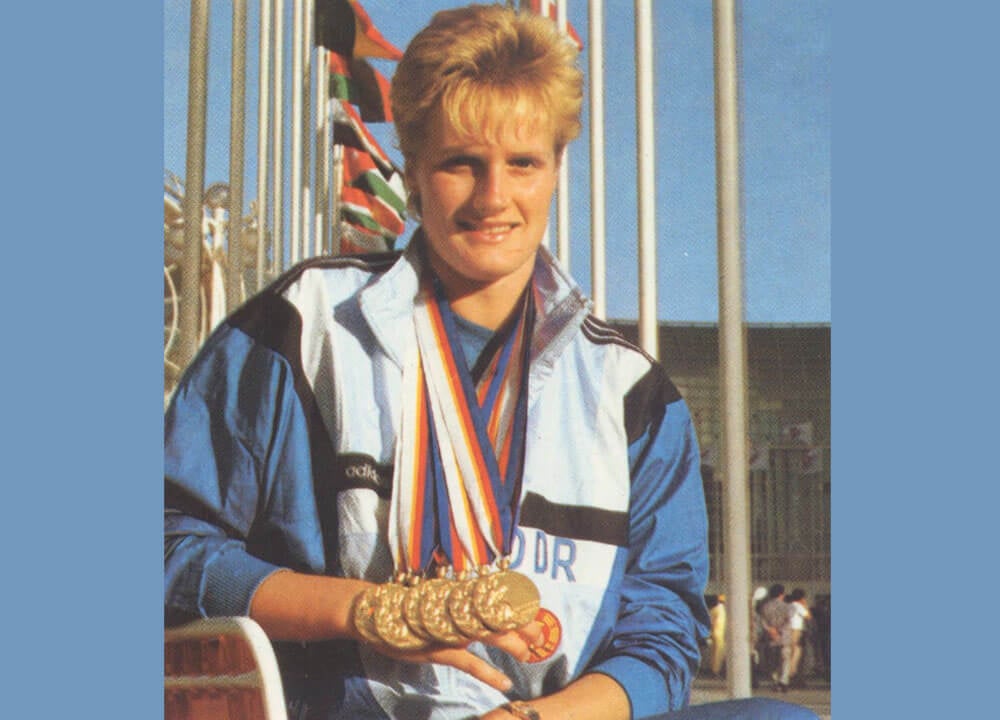
East German swimmer Kristin Otto set the women’s 50m freestyle Olympic record in 1988 that lasted for 12 years. Her explosive power combined with flawless technique made her the fastest woman in the pool.
Otto’s record demonstrated how sprint swimming required a unique combination of power, technique, and race tactics.
Like Go2Tutors’s content? Follow us on MSN.
Tom Jager’s 50m Freestyle Power
American swimmer Tom Jager’s 50m freestyle Olympic record from 1988 endured for 12 years. His incredible start and underwater dolphin kick technique were revolutionary for the era.
Jager’s record showed how innovations in racing technique could create lasting advantages in the shortest swimming events.
Ute Geweniger’s 100m Butterfly Stroke

East German swimmer Ute Geweniger’s 100m butterfly Olympic record from 1980 lasted for eight years. Her powerful stroke and exceptional timing made her untouchable in the demanding event.
Geweniger’s record highlighted how butterfly swimming required perfect coordination between stroke technique and race pacing.
Rowdy Gaines’ 100m Freestyle Speed

American swimmer Rowdy Gaines set the 100m freestyle Olympic record in 1984 that lasted for eight years. His smooth stroke technique and excellent race tactics made him the premier sprinter of his generation.
Gaines’ record showed how combining natural speed with intelligent race strategy could produce lasting achievements.
Like Go2Tutors’s content? Follow us on MSN.
When Records Become Benchmarks

These enduring Olympic swimming records represent more than just fast times. They showcase the evolution of swimming technique, training methods, and athletic achievement.
While modern improvements in coaching, equipment, and science mean that athletes regularly redefine what the human body can do in the water, these particular performances created benchmarks that challenged swimmers for years or decades. The swimmers who set these records didn’t just win gold medals; they established new standards that influenced how future generations approached their events.
Their achievements remind us that sometimes athletic greatness transcends the era in which it occurs, creating lasting markers of human potential in the pool.
More from Go2Tutors!

- 18 Unexpectedly Valuable Collectibles You Might Have Lying Around
- 20 Little-Known Historical Battles That Had Huge Consequences
- 20 Historical Artifacts That Scientists Can’t Explain
- 15 Inventions That Were Immediately Banned After Being Created
- 20 Actors Who Were Almost Cast in Iconic Roles
Like Go2Tutors’s content? Follow us on MSN.