These 17 Countries Do Not Welcome US Visitors
The world feels smaller every year. Flights connect continents in hours, and most Americans can flash their passport at dozens of borders without much hassle.
But that blue booklet doesn’t open every door. Some countries have shut Americans out completely, while others make entry so difficult it might as well be impossible.
The reasons vary—diplomatic tensions, safety concerns, reciprocal bans—but the result stays the same. These destinations remain off-limits or nearly unreachable for US travelers in 2026.
North Korea
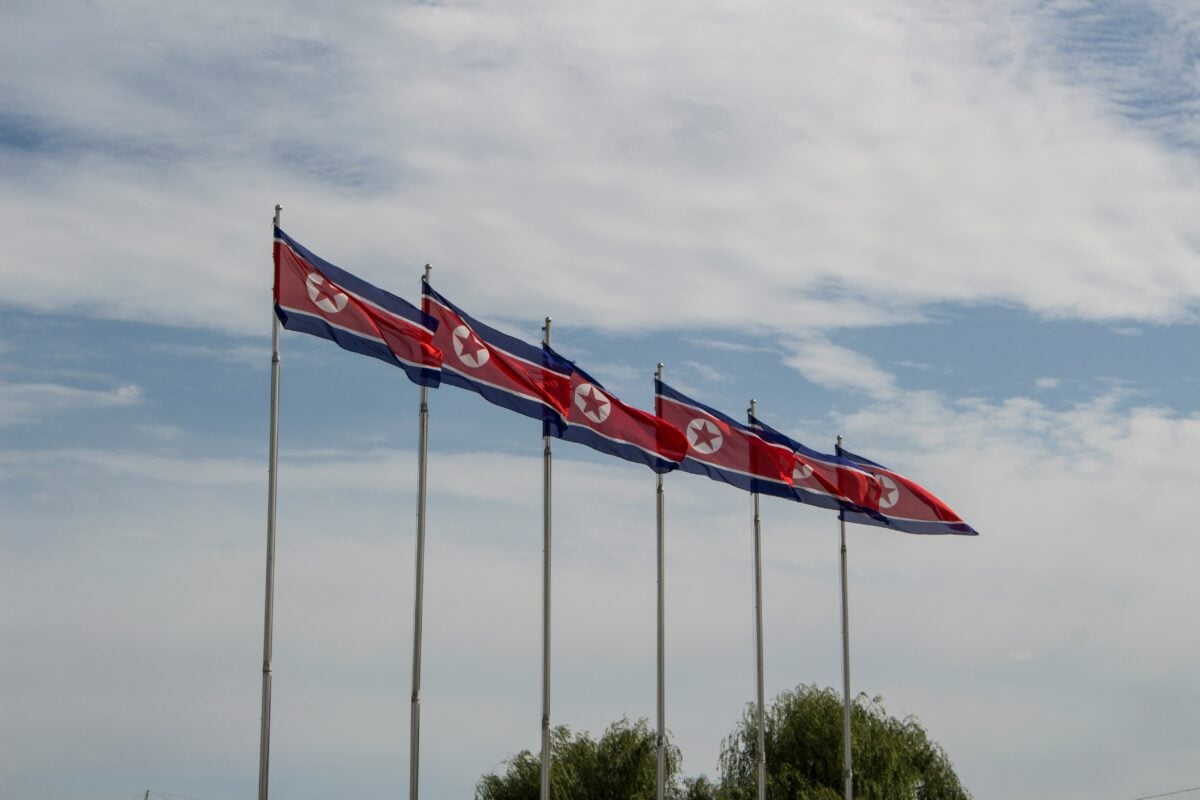
The Democratic People’s Republic of Korea tops every list of places Americans can’t visit, and for good reason. The US government banned its citizens from traveling there in 2017 after Otto Warmbier, a college student, died following his detention in the country.
The ban gets extended regularly and shows no signs of lifting. Even if you wanted to risk it, you’d face prosecution at home.
The restrictions aren’t just paperwork. North Korea operates as one of the most closed societies on Earth.
Independent travel doesn’t exist. Every movement gets monitored.
Foreigners who’ve managed to visit describe a surreal experience where guides control every interaction, every photo, every conversation. The country reopened limited tourism for non-Americans recently, but US passport holders remain locked out indefinitely.
Cuba

Cuba sits just 90 miles from Florida, close enough that you can sometimes pick up radio signals from Miami. But getting there legally as an American tourist remains complicated.
The US doesn’t allow tourism to Cuba—at least not officially. Instead, Americans must fit into one of 12 approved categories like “support for the Cuban people” or educational activities.
The rules create a strange dance. You can visit, but you need to justify it.
Book your trip through the right channels, keep your receipts, and be ready to explain your purpose if anyone asks. Some travelers report smooth experiences.
Others face scrutiny. The relationship between the two countries shifts with each administration, making Cuba a destination that feels perpetually uncertain for Americans.
Mali

This West African nation imposed a full ban on American visitors in late 2025, mirroring the restrictions Washington placed on Malian citizens. The government cited the principle of reciprocity—if Malians can’t enter the US, Americans won’t enter Mali either.
The ban took effect immediately, cutting off access to a country most Americans probably weren’t planning to visit anyway. Mali faces serious security challenges.
Armed groups control parts of the territory, and the country has been under military rule since a coup. The State Department already classified it as Level 4—do not travel—before the ban.
Still, the move carries symbolic weight. It shows how travel restrictions can spiral into diplomatic standoffs, with ordinary travelers caught in the middle.
Burkina Faso

Burkina Faso followed Mali’s lead within days, announcing its own reciprocal ban on US citizens. The country’s foreign minister made the reasoning explicit: same conditions, same requirements.
If the US won’t issue visas to people from Burkina Faso, those people’s government won’t issue visas to Americans. The practical impact stays minimal. Burkina Faso struggles with militant violence and political instability.
Few Americans traveled there before the ban, and the State Department discourages it strongly. But the gesture matters. It demonstrates that countries on the receiving end of US travel bans increasingly feel comfortable pushing back, even when they risk losing tourism revenue.
Niger

Niger declared a permanent halt to issuing visas for Americans, making its position crystal clear. The announcement came through diplomatic channels, with officials citing reciprocity as the driving force.
The US added Niger to its travel ban list, so Niger responded in kind. The country sits in the Sahel region, where militant groups linked to al-Qaeda and ISIS operate.
The security situation deteriorates regularly, with attacks on civilians and military targets. Even before the visa ban, traveling to Niger required serious preparation and risk acceptance.
Now, the door has closed entirely for Americans.
Chad

Chad announced restrictions on US visitors back in June 2025, making it one of the first to retaliate against American travel bans. President Mahamat Idriss Déby Itno delivered a pointed response: “Chad has neither plans to offer nor billions of dollars to give, but Chad has its dignity and pride.”
The country honors visas issued before the restrictions took effect, creating a strange limbo where some Americans might still enter while others cannot. Chad already presented challenges for visitors—limited consulates worldwide, expensive visa processes, mandatory police registration within 72 hours of arrival.
The ban adds another layer to an already complicated destination.
Syria

Syria’s civil war, which started in 2011, continues to make the country extremely dangerous. The US maintains a Level 4 travel advisory, and American citizens who enter face limited consular support since the US has no diplomatic presence there.
Entry requires special permits that rarely get granted. Most of the country remains unsafe.
Fighting persists in various regions, kidnapping targets foreigners, and basic services collapse in many areas. The government restricts movement heavily, and Americans who enter without proper authorization risk detention.
Syria once attracted tourists to its ancient cities and historic sites. That era feels impossibly distant now.
Iran
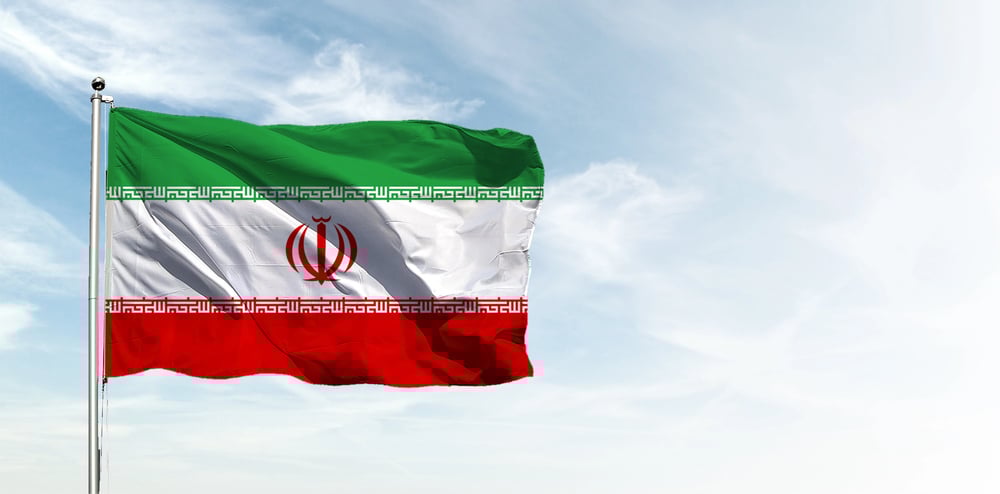
Americans can technically visit Iran, but the process makes it nearly impossible for most. US citizens must join government-approved guided tours with official handlers present at all times.
Independent travel doesn’t exist. The visa application requires coordination with Iranian authorities, takes weeks or months, and frequently ends in denial.
The relationship between the US and Iran has remained tense since the 1979 embassy crisis. Political tensions flare regularly over nuclear programs, regional influence, and sanctions.
Even tourists who receive approval face constant monitoring. The State Department warns Americans about the risk of arbitrary detention.
Iran’s ancient sites and cultural heritage remain largely inaccessible to US travelers.
Afghanistan

Afghanistan became effectively unreachable for Americans after the Taliban takeover in 2021. The US has no diplomatic presence, no embassy, no consular services.
Entry requires extraordinary circumstances and high-level government coordination. The State Department classifies it as do not travel under any circumstances.
The security situation remains catastrophic. Armed groups operate throughout the country, kidnapping remains common, and the Taliban government has shown little interest in protecting foreign nationals.
Americans considering travel there would need official authorization, extensive security arrangements, and compelling reasons. For practical purposes, Afghanistan is closed.
Russia

The war in Ukraine and deepening hostility between Moscow and Washington have transformed Russia from a popular destination into one of the hardest countries for Americans to visit. The US embassy urges citizens not to travel there, citing risks of wrongful detention, surveillance, and visa complications.
Even tourists who previously visited Russia safely now face obstacles. Visa applications take longer, denials happen more frequently, and consular support becomes limited during emergencies.
Americans living in Russia report difficulties leaving during political crackdowns. The cultural attractions of Moscow and St. Petersburg remain, but the political climate makes travel increasingly risky.
Russia introduced a new e-visa system that excludes Americans, British, and Australians. The old process required extensive documentation, detailed travel histories, and patience. Now, even that pathway feels uncertain.
Venezuela
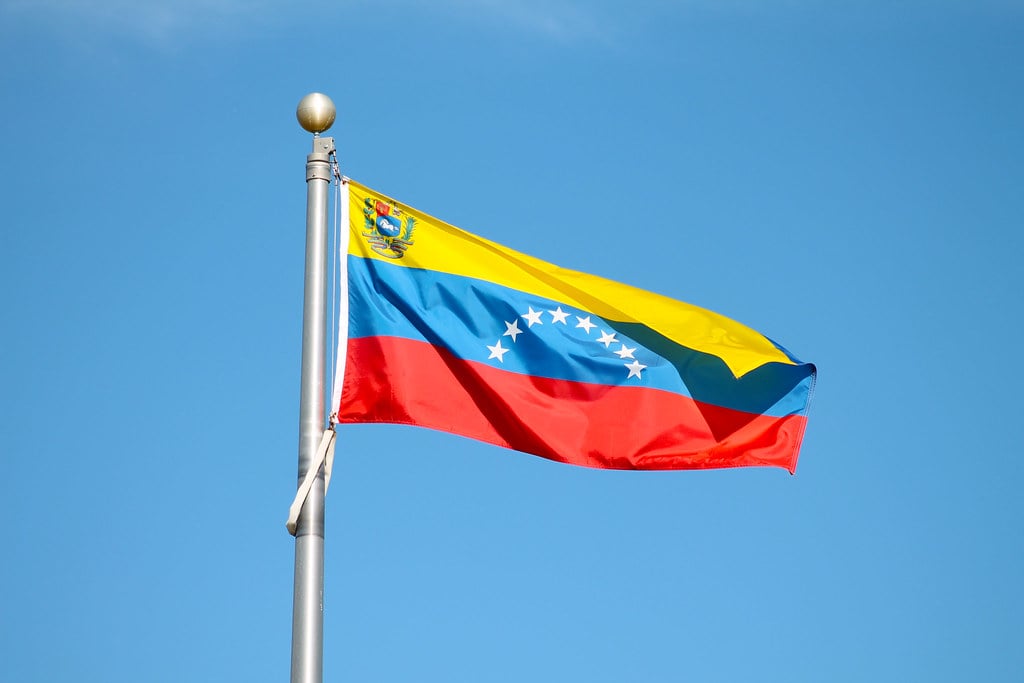
Venezuela’s embassy in the US closed in 2019, making visa applications nearly impossible. The country maintains severe restrictions on American travelers, and the State Department warns about harassment, detention, and anti-American sentiment.
Power outages, medicine shortages, and high crime rates compound the challenges. The Maduro government maintains strained relations with Washington, creating an environment where Americans face heightened scrutiny.
Despite Venezuela’s natural beauty—Angel Falls remains one of the world’s highest waterfalls—the practical risks outweigh the appeal. Travel there requires exceptional circumstances and serious risk tolerance.
Sudan

Civil war broke out in Sudan in 2023, pitting rival military factions against each other. The violence forced the US to evacuate its embassy, leaving American citizens without consular support.
The State Department maintains a Level 4 advisory: do not travel under any circumstances. Fighting continues across the country. Kidnappings target foreigners, lawlessness spreads, and basic services collapse.
Sudan once offered archaeological sites and diverse landscapes, but those attractions have become completely inaccessible. Americans are urged to avoid the country until stability returns, which could take years.
Haiti
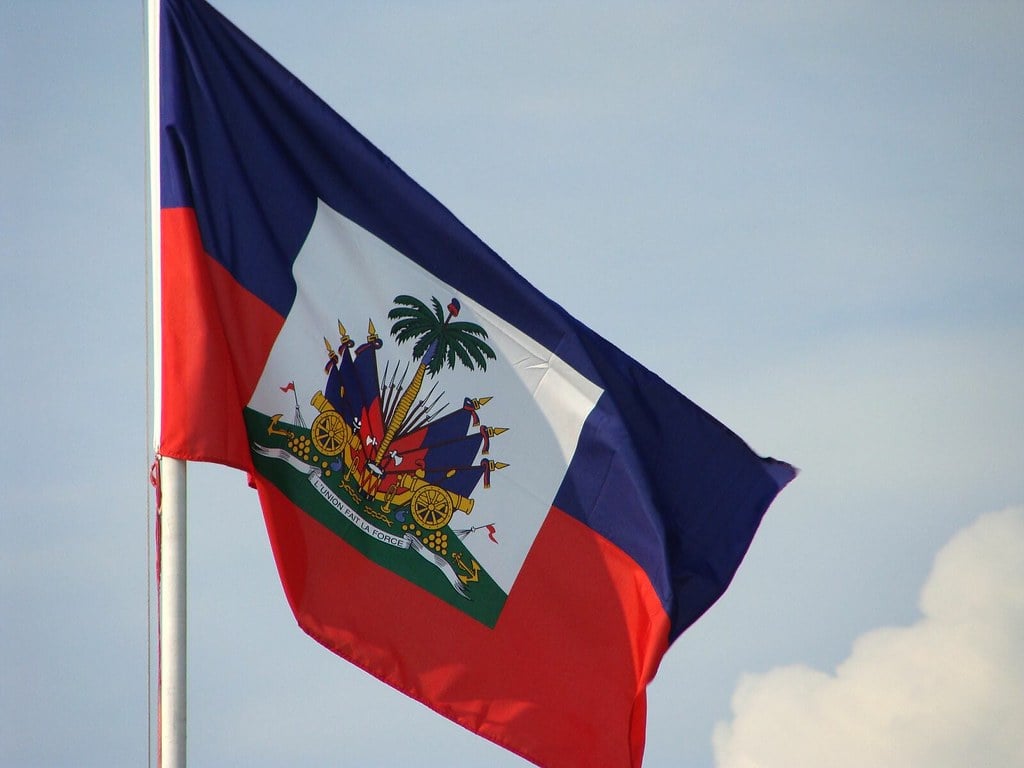
Gang violence has consumed Haiti, making it unsafe even for aid workers and journalists. The US government classifies it as do not travel, and the situation shows no signs of improving.
Political instability compounds the security crisis, with armed groups controlling significant portions of the capital. Americans who traveled to Haiti before the crisis found a vibrant culture and beautiful coastlines.
Now, kidnappings happen regularly, even in areas once considered safe. The government has limited capacity to provide security, and the US embassy operates under severe restrictions.
Haiti sits close to Florida, but it might as well be on another planet.
Libya
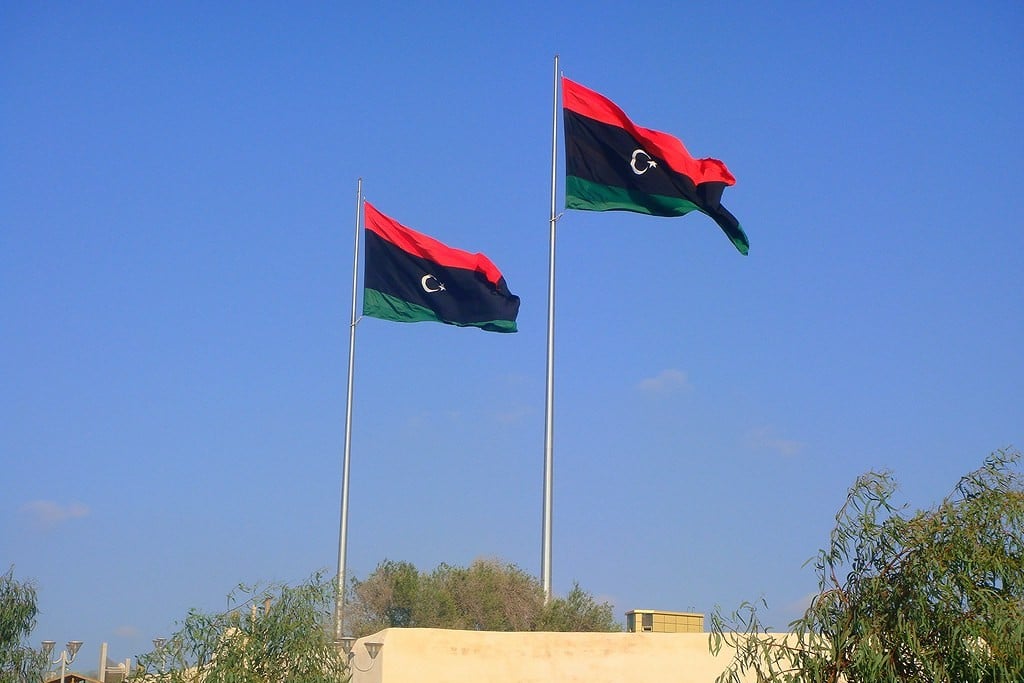
Libya’s ongoing conflict and factional fighting make it extremely dangerous for foreigners. The US has no diplomatic presence there, and Americans who enter do so without any consular support.
The State Department warns about terrorism, kidnapping, and armed conflict throughout the country. The security situation varies by region, but nowhere feels truly safe.
Militias control different areas, and fighting can erupt without warning. Libya’s Mediterranean coast and ancient Roman ruins remain inaccessible to most travelers.
The visa process, when it functions at all, requires extensive documentation and connections that few Americans possess.
Somalia

Somalia has struggled with instability for decades, and the security situation remains dire. The US maintains a Level 4 advisory, warning about terrorism, kidnapping, and crime.
The militant group al-Shabaab conducts regular attacks, including against foreigners and international organizations. Americans who need to visit Somalia for work—usually humanitarian or security-related—require extensive security protocols and armed escorts.
Tourism doesn’t exist in any meaningful sense. The government controls limited territory, and large portions of the country remain beyond its reach.
Somalia’s beaches and historical sites stay theoretical for American travelers.
Yemen

Yemen’s civil war, which started in 2014, continues to devastate the country. The US has no diplomatic presence, and Americans cannot obtain consular assistance.
The State Department’s Level 4 advisory warns about terrorism, civil unrest, health risks, kidnapping, and armed conflict. Multiple factions fight for control, humanitarian conditions have collapsed, and foreign nationals face extreme danger.
The country once attracted adventurous travelers to its ancient architecture and unique culture. Now, entry remains nearly impossible and extraordinarily dangerous.
Yemen will stay off-limits for American tourists for the foreseeable future.
Turkmenistan

Getting into Turkmenistan is tough for Americans, even if it isn’t technically forbidden. A state-approved tour operator must send an invitation before anything else happens.
Paperwork goes through an embassy, step by step. Weeks pass with no updates, just silence.
Roaming freely? That does not happen here.
Eyes watch every move tourists make. One of the planet’s most closed dictatorships runs this nation.
Because citizens face tight oversight, outsiders deal with similar barriers. A visa might come through – if you wait long enough, know someone, or get fortunate.
Many U.S. travelers dreaming of Turkmenistan quit when paperwork piles up. Its flaming gas pit and strange buildings stay out of reach for nearly everyone.
Where Borders Tell Stories

Travel limits tell us something deeper than places off-limits to US citizens. Hidden inside are signs of strained alliances, weak safety nets, governments at odds.
Certain countries ban travelers because conflict rages – stepping foot there could mean getting hurt or taken. Then again, some blocks come from stubborn standoffs, one nation mirroring another’s rules out of spite.
Change never stops. While some disputes fade, fresh ones spark across continents.
Places once open to U.S. travelers can shut without warning. As politics shift, certain nations begin allowing visitors again slowly.
Right now, access is blocked to these 17 spots – proof that no travel document overrides global uncertainty.
More from Go2Tutors!

- The Romanov Crown Jewels and Their Tragic Fate
- 13 Historical Mysteries That Science Still Can’t Solve
- Famous Hoaxes That Fooled the World for Years
- 15 Child Stars with Tragic Adult Lives
- 16 Famous Jewelry Pieces in History
Like Go2Tutors’s content? Follow us on MSN.