Save Money on Vet Visits Every Year
Pricing of vet care has been rising steadily, and an emergency visit can drain your bank account faster than you can say ‘swallowed a sock.’ The standard routine vet checkup now costs between $70 and $174 for dogs, and that’s before factoring in any treatments, drugs, or procedures.
Meanwhile, your pet still needs regular checkups, vaccinations, dental care, and all the other essentials that keep them healthy and happy. The good news is that with strategic planning and wise choices, you can significantly reduce your veterinary care costs without compromising your pet’s health.
Cutting corners in your pet’s healthcare is never an option—skipping preventive care or delaying treatment too long will end up costing you far more in the long run, as minor problems can escalate into expensive emergencies. Instead, the goal is to be proactive, informed, and frugal about managing pet healthcare.
Never Miss Annual Exams

Regular preventive checkups are the best way to save money on veterinary care throughout your pet’s lifespan. Regular check-ups capture issues early, when they are less expensive and easier to treat, and help avoid diseases that will cost thousands to treat later.
Prevention for heartworms averages $10 to $15 per month, whereas treatment for heartworm disease can cost $1,000 or more and expose your pet to a painful, potentially harmful treatment regimen. The same is true for dental disease, kidney disease, and many other health issues that creep up on us until they’re expensive crises.
Keep Your Pet at a Healthy Weight

Pet obesity leads to diabetes, arthritis, heart disease, and even some cancers—all of which require ongoing treatment that devours money. Veterinarians constantly see home pets that are overweight and have health problems that would have been prevented with a bit of portion control and regular exercise.
Measure food with a measuring cup, not guess portions, and give your pet daily exercise. Keeping your pet lean is less expensive in terms of food costs, reduces joint wear, and drastically reduces the risk of costly, long-term illness that will require medication and care for the remainder of their life.
Brush Their Teeth Regularly

The most common preventable disease in animals is dental disease, and professional cleaning costs range from $150 to $400, depending on the severity and whether extractions are needed. Brushing your cat’s or dog’s teeth at least twice a week with pet toothpaste will prevent costly dental procedures and heart and kidney problems caused by undiagnosed mouth infections.
Look to the Veterinary Oral Health Council website for list-approved dental products, such as toothpastes, dental chews, and water additives, that have been demonstrated to be effective. Your pet will protest at first, but an early dental regimen is rewarded with cost savings and better health.
Stay Up-to-Date on Parasite Prevention
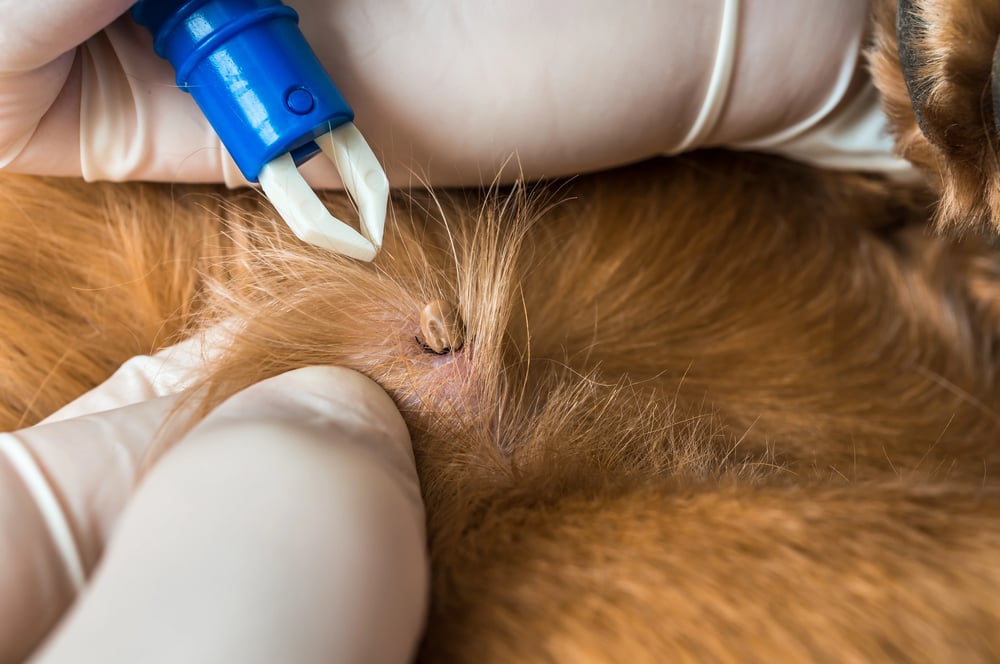
Flea and tick infestations trigger a cascade of medical problems ranging from minor skin irritation to fatal blood loss and disease transmission. Heartworms, transmitted by mosquitoes, require expensive and risky treatment if your pet becomes infected.
Preventative medication for a month only to guard against fleas, ticks, and heartworms is far cheaper than treating the problems that these parasites cause. Use products your veterinarian recommends and follow the instructions carefully—never use dog medication on cats, as some chemicals can kill them.
Purchase Pet Insurance Early

If you’re someone who will spend whatever it takes on your pet regardless of the expense, then you should get insurance. Pet insurance policies cover 80 percent of the costs after you’ve paid your deductible, so a $5,000 emergency operation only costs you roughly $1,000 out of your own pocket.
The solution is to sign up when your pet is young and healthy, before pre-existing conditions arise that would not be covered. Be sure to read the fine print, as not all Wellness Plans are alike—some have caps on their annual spending, exclude conditions, or fail to cover hereditary issues frequent in particular breeds.
Sign up for Wellness Plans

Wellness plans bundle routine services like annual exams, vaccinations, blood work, and every now and then dental cleanings into a yearly charge, typically between $20 and $60 per month. The plans spread the cost of preventive treatment over the year instead of requiring you to pay a large sum all at once, which is simpler and more reliable to plan for.
Most animal hospitals also have their own wellness plans, so see what your practice offers. Wellness plans cover routine care, not unexpected emergencies, and some owners use both for full coverage.
Shop Around for Medications

Your vet can write the prescriptions, but you don’t always have to buy them there. 1800PetMeds, VetRxDirect, and PetCareRx online pharmacies are cheaper than animal hospitals. Some human pharmacies can fill pet prescriptions when there’s an equivalent human drug, and prescription discount programs such as GoodRx occasionally work for pet meds as well.
Before ordering elsewhere automatically, also inquire about pricing from your veterinarian—they may match or even undercut the online price, and keeping your vet’s practice in business is worth more than mere dollars.
Tailor Your Pet’s Vaccine Schedule
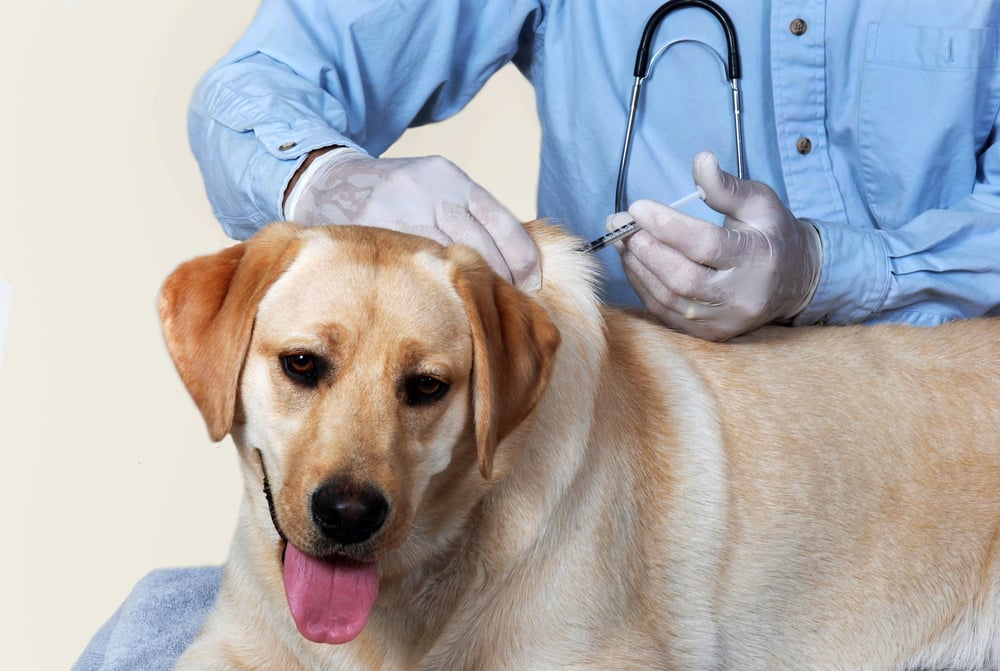
Some vaccines are required by law or to ensure your pet’s protection, while others are based on your pet’s lifestyle and risk factors. Talk to your vet about what vaccines your unique pet really needs.
If your dog has never been boarded or has never been to a dog park, they might not need Bordetella for kennel cough. Most vaccines are available in 3-year formulations, reducing the need to take them every year and lowering office visit fees and vaccine costs in the long run.
Never skip legally mandated ones like rabies or core vaccinations that protect against deadly diseases, but do have an open and honest dialogue about what’s necessary versus what’s standard.
Spay or Neuter Your Pet

In addition to preventing unwanted litters from happening, spaying and neutering significantly reduce the risk of various cancers and eliminate the possibility of expensive reproductive tract infections and complications. Spaying eliminates the risk of uterine and ovarian cancer and life-threatening diseases like pyometra, and neutering halts testicular cancer and reduces prostate problems.
Most towns offer inexpensive spay and neuter services through charities like the Humane Society or Friends of Animals, or discount coupons that one redeems at participating veterinarians. The upfront payment of surgery fees saves you from emergency surgeries down the line that cost you thousands more.
Learn to Groom at Home

Professional dog grooming costs between $30 and $90 for basic services, and much more if haircuts are included. Having your dog learn to bathe, brush, and trim their own nails at home saves you hundreds of dollars annually.
Cats don’t necessarily require professional grooming, but brushing them regularly keeps their coat in good shape, prevents hairballs, and so forth. Begin slowly if your pet is unfamiliar with grooming, and take them to the groomer once so you can observe the techniques.
Invest in quality equipment, like nail clippers and a brush suited to your pet’s hair type, as high-quality tools make the work easier and help prevent injury.
Find Low-Cost Veterinary Clinics

There are animal shelters or non-profit clinics in most communities that offer low-cost veterinary care, such as spay/neuter surgery, vaccinations, and other necessary care. Veterinary schools have clinics where student care is supervised at discounted rates compared to private clinics.
These are not giveaway situations—you’ll still be paying for services, but at lower rates in aid of the organization’s cause. Try looking under phrases like ‘low-cost vet clinic’ or ‘discounted price veterinary care’ with your city name tacked on in order to find such clinics in your area.
Some cities even have free rabies vaccination clinics every year.
Ask About Payment Plans

If you’re faced with a costly but unavoidable surgery and you’re an established, good-standing client, most vets will negotiate a payment schedule. Some offices even partner with third-party billers like VetBilling, CareCredit, or ScratchPay that let you pay incrementally over a series of payments.
Don’t be afraid to bring it up before committing to treatment—your vet would rather help you find a way to pay for effective care than have to turn your pet over or let an illness get worse. Some veterinary clinics even maintain charitable accounts funded by other clients specifically to help people in need.
Shop Around for the Best Price
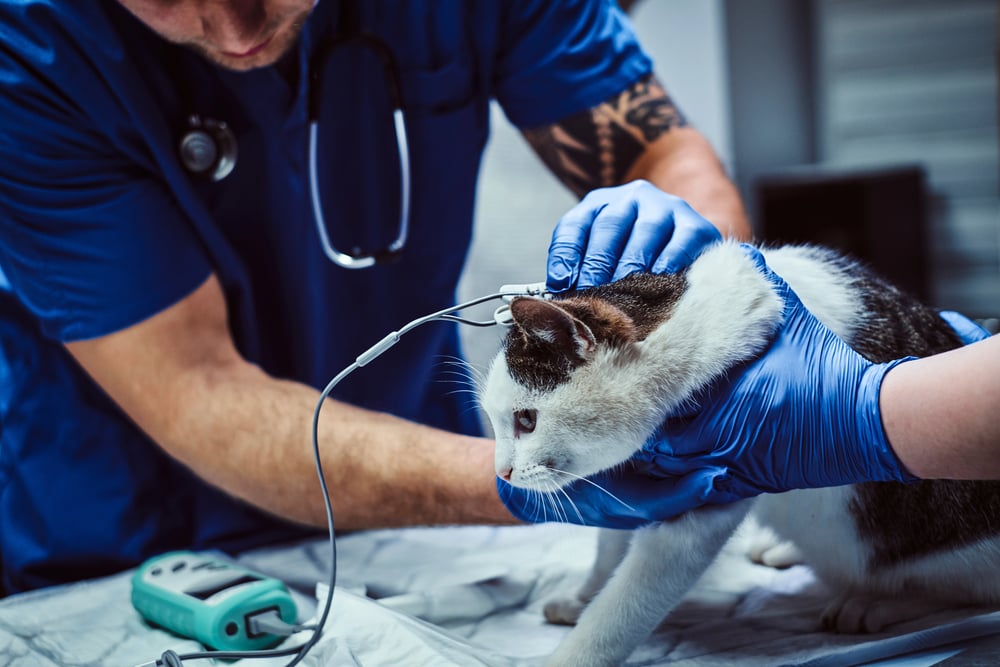
Veterinarian rates vary widely from office to office, even within the same neighborhood. Call around and shop around for regular care like yearly checkups, injections, and cleanings.
Rural or suburban offices are less expensive than city clinics, and new offices trying to build a client base may charge lower fees than established hospitals. Price, however, should not be the only consideration you look at—quality of care, convenience, and trust as well—but knowing the going rate makes you a savvy consumer.
If you do find a significantly lower cost elsewhere for the same treatment, ask your current vet if they will match it.
Be Honest About Your Budget

This is an awkward discussion, but veterinarians would rather you tell them how much you can pay than decline all treatment. There’s never just one treatment for an illness, and your vet can typically suggest alternatives that are less expensive but are fine.
Maybe the bloodwork can wait till next month, or maybe there’s a more affordable medicine that is pretty much as good. A responsible vet wants to help you care for your pet within your financial reality, and candor about your boundaries allows them to customize guidance and find creative solutions you haven’t even considered.
From Luxury to Necessity

Pets were privileged to see a vet only once during their lifetime unless something went dreadfully wrong fifty years ago. Vaccines were unknown, heartworm control didn’t exist, and tooth brushing a dog’s teeth would have gotten you laughed out of the room.
Pets now live longer, healthier lives due to veterinary medicine keeping pace with, if not exceeding, human healthcare in sophistication and capability. That progress does come with a price tag, but it’s well worth it in quality years spent with your best friend.
By being smart about preventive care, smart about shopping for drugs and services, and honest with your vet, you can provide excellent care without sacrificing your wallet. Your animal doesn’t know or care whether you paid retail or got a bargain—they just want to be healthy enough to continue taking food from your plate and hogging the good spot on the sofa.
More from Go2Tutors!

- The Romanov Crown Jewels and Their Tragic Fate
- 13 Historical Mysteries That Science Still Can’t Solve
- Famous Hoaxes That Fooled the World for Years
- 15 Child Stars with Tragic Adult Lives
- 16 Famous Jewelry Pieces in History
Like Go2Tutors’s content? Follow us on MSN.



