TV Shows That Continued After the Star Left
Television history is filled with gambles that should have failed but somehow didn’t. When a show’s main character walks away, most people expect the whole thing to collapse.
But some series found ways to keep going, reworking their entire formula or shifting focus to other characters who suddenly had room to shine. Let’s look at some shows that faced this challenge and lived to tell the tale.
That ’70s Show

Eric Forman was supposed to be the heart of this basement hangout comedy, but Topher Grace left after season seven to focus on his film career. The show brought in Randy, a new character who tried to fill that void, but fans never really warmed up to him.
The final season limped along without its central voice, though the rest of the gang did their best to keep the energy alive. Grace did return for the finale, which gave longtime viewers some closure, but those last episodes felt different without him anchoring the group.
Two and a Half Men
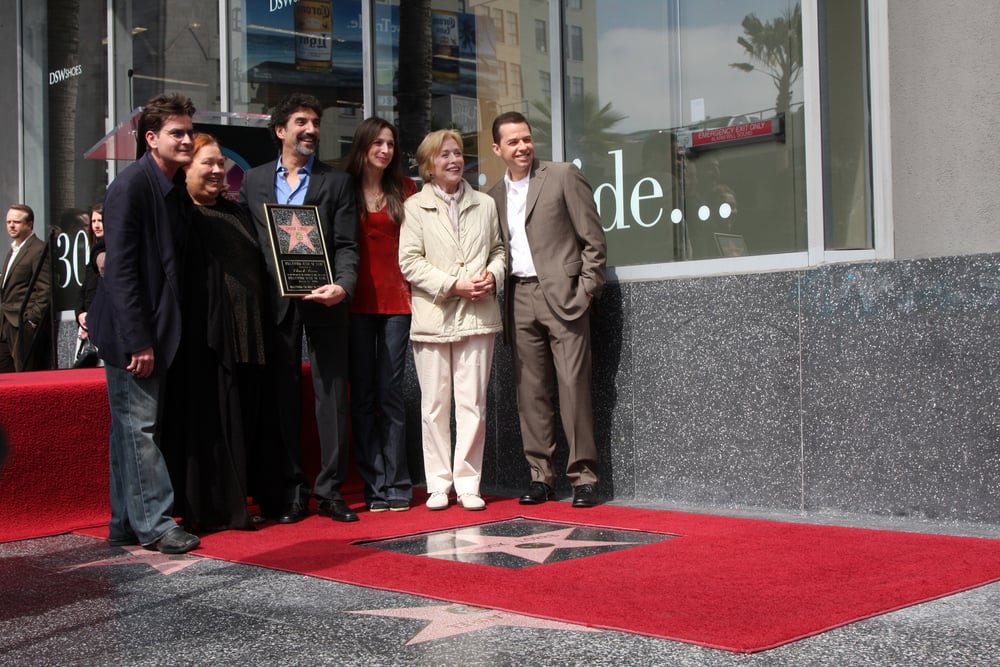
Charlie Sheen’s very public meltdown and firing in 2011 could have killed this sitcom instantly. Instead, the show brought in Ashton Kutcher as a billionaire who buys Charlie’s beach house and moves in with the remaining characters.
The tone shifted, the jokes changed, and somehow the show kept running for four more seasons. Ratings stayed strong enough to justify the continuation, even though plenty of fans complained it wasn’t the same show anymore.
The whole thing proved that a successful formula plus a big name replacement can keep a series alive, even when the original spark is gone.
The Office

Unsplash/Glenn Carstens-Peters
Steve Carell’s departure after season seven left a massive gap in this workplace comedy. Michael Scott was the chaotic center that everything revolved around, and his goodbye episode remains one of the most emotional moments in the series.
The show experimented with different managers, including James Spader as the bizarre Robert California, while giving more screen time to characters like Andy, Dwight, and Jim. Those final two seasons divided fans sharply, with some appreciating the ensemble approach and others feeling like the show had lost its soul.
The series finale brought things together nicely, but the middle stretch without Michael tested everyone’s patience.
Cheers

Coach was a beloved character on this Boston bar sitcom, but actor Nicholas Colasanto died during the third season. The show brought in Woody Harrelson as a naive farm boy who became the new bartender, and he quickly won over audiences with his innocent charm.
Woody wasn’t trying to replace Coach, he was his own character entirely, which helped viewers accept the change. The show went on to become one of the most successful sitcoms ever, running for eleven seasons total.
Sometimes a tragic loss forces a show to evolve in ways that actually make it stronger.
Scrubs
The original run ended after season eight, but ABC picked up the show for a ninth season that relocated to a medical school. Most of the original cast either left completely or appeared only in reduced roles, while new characters took over as students learning from the few remaining veterans.
JD showed up for six episodes, but this was essentially a spinoff masquerading as a continuation. Fans rejected it almost immediately, and the ratings reflected that disappointment.
The whole experiment proved that you can’t just slap a familiar title on something completely different and expect people to go along with it.
Valerie
This family sitcom faced disaster when Valerie Harper left after two seasons due to contract disputes. The show killed off her character and brought in Sandy Duncan as an aunt who moved in to help raise the kids.
They even renamed it ‘Valerie’s Family’ and then ‘The Hogan Family’ to distance themselves from the original star. The series kept running for four more seasons with decent ratings, focusing more on the teenage sons and their adventures.
Harper sued over the whole situation, and the behind-the-scenes drama became more interesting than anything happening on screen.
Roseanne

The revival of this working-class comedy was a huge hit in 2018, but Roseanne Barr’s racist tweets got her fired before the second season could air. ABC quickly retooled the show as ‘The Conners’, killing off Roseanne’s character with an opioid overdose and following the rest of the family as they dealt with her death.
The gamble paid off, and the spinoff has now run longer than the revival did. The show proved it was really about the whole family dynamic, not just one person, even if that person’s name was in the original title.
8 Simple Rules

John Ritter died suddenly during the second season, and the show had to figure out how to continue without its patriarch. The series addressed his character’s death directly, devoting emotional episodes to the family’s grief and bringing in James Garner and David Spade as grandfather figures.
The tone shifted from light comedy to something more serious and grounded, dealing with real loss and how families rebuild. It only lasted one more season after Ritter’s death, but the show handled an impossible situation with genuine heart.
Sometimes continuing isn’t about ratings, it’s about giving a cast and crew time to process their grief together.
Diff’rent Strokes

Gary Coleman’s declining health and behind-the-scenes issues plagued the later seasons of this sitcom, and the show kept losing cast members as it went along. By the final season, the focus had shifted significantly, and the show even moved to a different network in a desperate attempt to survive.
The magic of the early years was long gone, replaced by a sense that everyone was just going through the motions. The series finale felt like a mercy killing rather than a proper ending.
Sometimes a show should recognize when its time is up instead of dragging things out.
The X-Files

David Duchovny stepped back from his leading role after season seven, appearing only sporadically while Robert Patrick and Annabeth Gish joined as new agents. The chemistry that made the show special evaporated without Mulder and Scully working together every week.
Ratings dropped, fans complained, and the show ended after two seasons of this new arrangement. When they revived the series years later, they made sure both original stars were on board.
The lesson was clear, some partnerships can’t be replicated or replaced.
Supernatural

This one’s a bit different because both stars stayed, but the show lost its creator Eric Kripke after season five, which was supposed to be the grand finale. The network wanted more, so the series continued for ten additional seasons with different showrunners guiding the story.
The tone shifted, the mythology expanded in weird directions, and fan opinions split between those who loved the extra adventures and those who thought the show should have ended with Kripke’s vision. The brothers kept hunting monsters for so long that the show became a case study in how success can force a story to outlive its natural lifespan.
Bewitched

York played Darrin for five seasons before severe back pain forced him to leave the show. The producers replaced him with Sargent, and the series just kept going as if nothing had happened, never acknowledging the swap.
Fans noticed immediately, and the replacement Darrin never quite fit the same way, but the show ran for three more seasons anyway. Elizabeth Montgomery’s Samantha remained the real star, which helped smooth over the transition.
The whole thing became one of the most famous recasting examples in television history, spawning decades of jokes about the two Darrins.
Spartacus

Andy Whitfield was diagnosed with cancer after the first season of this violent historical drama, and Liam McIntyre took over the lead role while Whitfield fought for his life. The show acknowledged the change subtly, with characters commenting that Spartacus looked different after his ordeal in the arena.
McIntyre brought his own intensity to the role, and the show continued for two more seasons of bloody rebellion. Whitfield sadly passed away in 2011, but the series he started left a lasting impact.
The recasting worked because everyone involved approached it with respect for what Whitfield had built.
The Dukes of Hazzard

Tom Wopat and John Schneider left the show after the fifth season due to money disputes, and the producers brought in two cousins to drive the General Lee. Coy and Vance Duke were blatant substitutes, even wearing the same kind of clothes and pulling the same stunts.
Fans hated the replacements so much that CBS had to negotiate with the original actors to come back. The whole experiment lasted just 19 episodes before Bo and Luke returned and everyone pretended those cousins never existed.
Sometimes the chemistry between actors is so specific that copying it just highlights what’s missing.
House

This medical drama didn’t lose its star, but it did lose multiple cast members over the years as House’s diagnostic team kept changing. The show survived these exits by making the turnover part of the story, with House constantly cycling through new doctors who challenged him in different ways.
Some fans preferred the original team, others liked the later additions, but the show maintained quality by keeping Hugh Laurie’s brilliant performance at the center. The supporting cast could shift because the real draw was watching House solve impossible cases while being completely impossible himself.
The formula was flexible enough to handle change without breaking.
Community

Chevy Chase left after the fourth season following years of conflict with creator Dan Harmon, and Donald Glover departed during the fifth season to focus on his music and acting career. The show struggled to maintain its quirky energy without these key players, though it kept experimenting with format and style.
Yahoo picked it up for a sixth season after NBC cancelled it, but the Study Group felt incomplete without Troy and Pierce. The show’s meta humor and creative ambition kept it interesting, but the exits definitely hurt.
Ensemble comedies need their full ensemble to really work.
Law & Order
This procedural drama became famous for cycling through cast members over its 20-year run, proving that a strong format matters more than individual stars. The ‘ripped from the headlines’ approach and the reliable structure of investigation followed by prosecution kept viewers coming back regardless of which actors were wearing the badges.
J. Orbach’s death hit hard, and other beloved characters left for various reasons, but the show just brought in new detectives and prosecutors. The whole thing became a machine that could run forever as long as crimes kept happening in New York.
The show’s longevity proved that procedurals can survive almost anything if the formula is solid enough.
ER

This medical drama ran for 15 seasons and saw nearly every major character exit at some point, from George Clooney’s early departure to Anthony Edwards’ emotional goodbye. The show kept introducing new doctors and nurses, maintaining the chaotic energy of the emergency room regardless of who was working there.
Some seasons were stronger than others, and long-time fans had their preferences about which era was best, but the series remained a ratings powerhouse throughout most of its run. The hospital itself became the real star, with individual characters serving their time before moving on to new opportunities.
The constant turnover actually made the show feel more realistic, since real hospitals see staff come and go constantly.
Where they stand now

These shows prove that television is more resilient than anyone expects. Some series discover they were really about the ensemble all along, while others learn too late that their star was irreplaceable.
The successful transitions usually happen when producers are willing to genuinely reinvent rather than just substitute, giving remaining cast members room to grow into spaces they never had before. The failures come from trying to pretend nothing changed, insulting the audience’s intelligence by expecting them not to notice the obvious.
Either way, these gambles shaped how networks think about their properties, showing that sometimes a title and a time slot carry enough momentum to survive almost anything.
More from Go2Tutors!

- The Romanov Crown Jewels and Their Tragic Fate
- 13 Historical Mysteries That Science Still Can’t Solve
- Famous Hoaxes That Fooled the World for Years
- 15 Child Stars with Tragic Adult Lives
- 16 Famous Jewelry Pieces in History
Like Go2Tutors’s content? Follow us on MSN.



