15 Gestures or Hand Signs That Mean Different Things Around the World
Communication extends far beyond the words we speak. Our hands often tell stories of their own through gestures that can bridge language barriers—or accidentally create them. What might seem like an innocent hand movement in one country can translate to a grave insult in another. These cultural differences in nonverbal communication have caused countless awkward moments for travelers, business professionals, and diplomats alike.
Here is a list of 15 common hand gestures that carry dramatically different meanings depending on where you find yourself in the world.
Thumbs Up

In the United States and much of Europe, this gesture signals approval or that everything is going well. The same movement in parts of the Middle East and West Africa, however, is equivalent to raising your middle finger.
In Australia, when the thumb is jerked upward suddenly, it becomes an offensive insult rather than a sign of agreement.
OK Circle

Forming a circle with your thumb and index finger communicates ‘everything is perfect’ throughout North America. This seemingly innocent gesture translates to ‘worthless’ or ‘zero’ in France, denotes money in Japan, and represents a body orifice in Brazil and Turkey—making it highly offensive.
In parts of the Mediterranean, people use it to imply someone is homosexual, often with derogatory intent.
V Sign

When displayed with palm facing outward, the V sign universally stands for victory or peace. Flip your hand around in the United Kingdom, Australia, or Ireland, and you’ve just delivered a deeply offensive insult equivalent to the middle finger.
This distinction has embarrassed numerous American tourists and even a few politicians who unknowingly flashed the backward V while attempting to appear friendly.
Like Go2Tutors’s content? Follow us on MSN.
Beckoning Finger
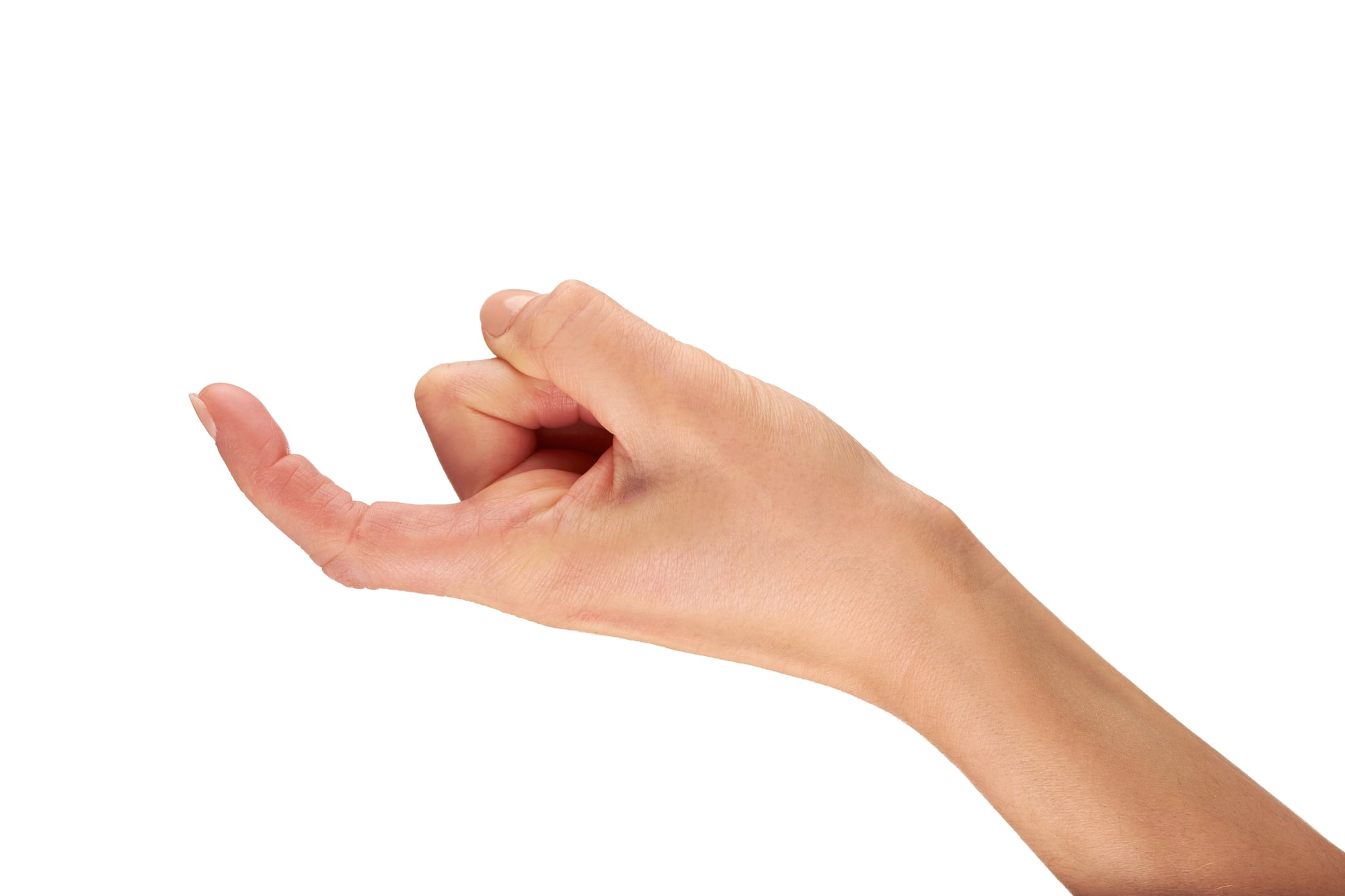
The curled index finger motion used to call someone over in Western countries carries serious negative connotations elsewhere. In the Philippines, beckoning someone with your finger is so offensive it can actually get you arrested—it’s reserved only for calling dogs.
Throughout much of Asia, the proper way to beckon involves waving with the palm down and fingers fluttering, not the single crooked finger.
Fig Sign

Formed by pushing your thumb between your first and second fingers, this ancient gesture represents good luck and fertility in parts of Europe and South America. The same hand position is a vulgar sexual insult in Turkey and Russia.
In ancient Rome, it was used as a protective symbol against evil, showing how one gesture can evolve to hold contradictory meanings.
Crossing Fingers

While Americans cross their fingers for good luck or to excuse a white lie, this gesture means nothing in many Asian countries. In Vietnam, however, it represents something far worse—this innocent Western sign resembles female genitalia and is considered one of the most obscene gestures possible.
Context matters enormously when deciding whether to cross your fingers abroad.
Like Go2Tutors’s content? Follow us on MSN.
Head Pat

Patting a child’s head seems like a universal sign of affection, but in many Buddhist countries including Thailand and Sri Lanka, the head is considered sacred as the home of the spirit. Touching someone’s head, even a child’s, can be seen as incredibly disrespectful.
The gesture that communicates endearment in the West becomes a spiritual affront in Southeast Asia.
Devil Horns

The hand sign made by extending the index and pinky fingers while holding the middle and ring fingers down means vastly different things globally. Heavy metal fans recognize it as the ‘rock on’ symbol, while in Mediterranean countries like Italy, it wards off the evil eye.
In some parts of Africa and South America, it implies someone’s spouse is unfaithful, making it a dangerous gesture to flash unknowingly.
Chin Flick

Brushing the back of your fingers in an upward motion under your chin doesn’t mean much in America, but this gesture delivers clear insults in Italy, France, and Tunisia. It typically translates to ‘get lost’ or ‘I’m not interested in what you’re saying.’
The movement originated as a way to indicate someone has a beard (implying they were a goat and therefore foolish).
Like Go2Tutors’s content? Follow us on MSN.
Finger Wag
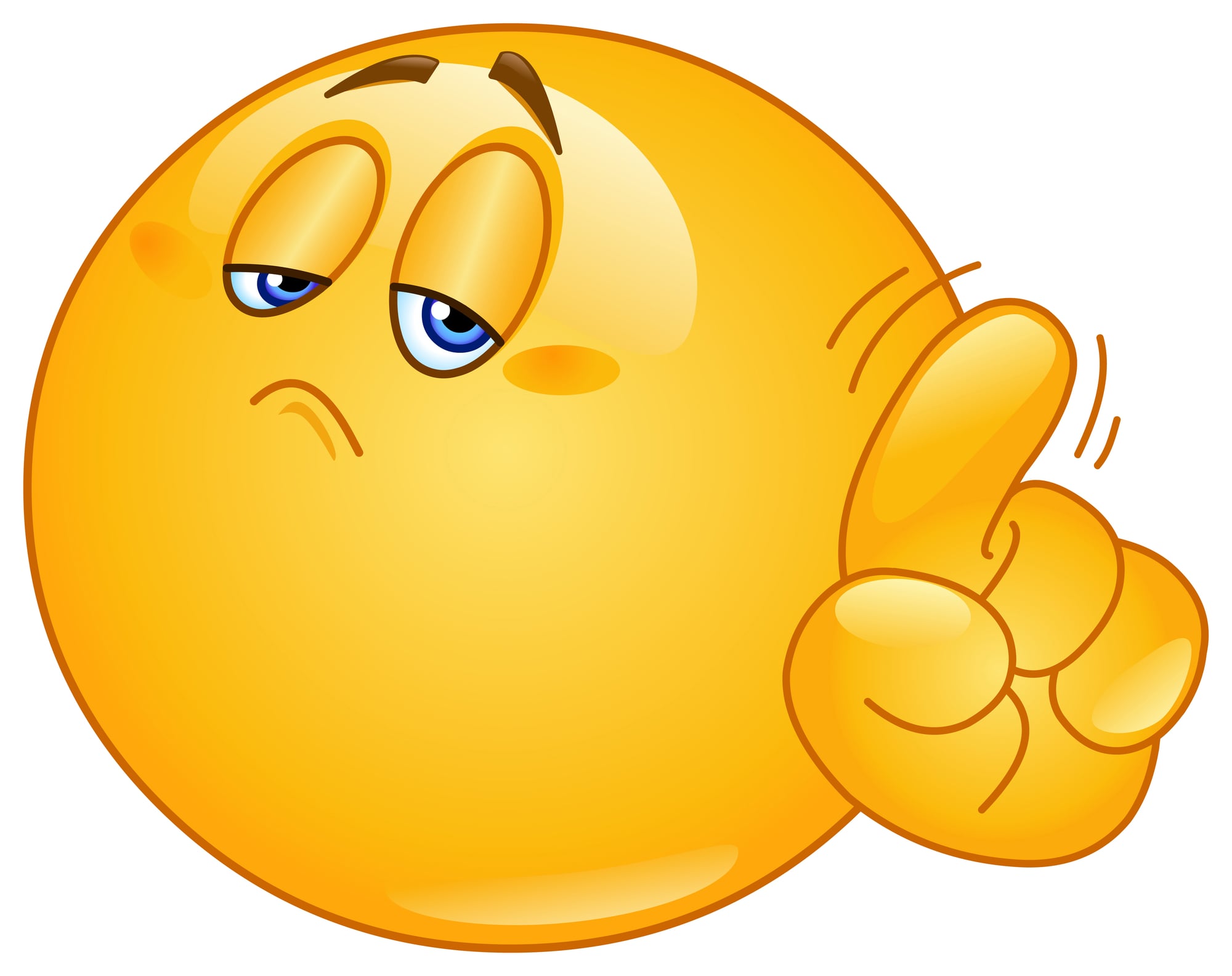
While wagging your index finger side-to-side communicates ‘no’ or disapproval in Western cultures, this gesture can seem incredibly condescending in Asia and the Middle East. In many countries, including Indonesia and China, motioning with just one finger is considered rude regardless of intent.
Instead, the entire hand should be used to indicate ‘no’ or to wave.
Tapping Elbow

This seemingly random gesture carries specific meaning in parts of Europe. In Belgium, tapping your elbow indicates someone is stingy or tight with money.
The logic connects to the phrase ‘not being able to reach your pocket,’ suggesting someone who refuses to pay their share. This gesture would leave most Americans completely confused while clearly insulting Belgians.
Hand-to-Chin

In Italy and some Mediterranean countries, taking the fingers of one hand and scraping them forward along the underside of your chin tells someone you couldn’t care less about what they’re saying. Most Americans would have no idea what this signifies, while an Italian would immediately recognize the dismissive intent.
The movement sometimes suggests someone is boring or talking excessively.
Like Go2Tutors’s content? Follow us on MSN.
Pointing

Directly pointing with your index finger seems harmless in Western countries, though somewhat impolite if aimed at a person. In many Asian, African, and Latin American cultures, however, pointing with one finger is considered extremely rude.
In Malaysia and Indonesia, people indicate direction using their thumb with fingers folded instead of an extended index finger to show proper respect.
Money Rub

Rubbing your fingers together universally signals money in North America and Europe, but this gesture doesn’t translate everywhere. In some Asian countries, particularly Japan, this motion would be interpreted as requesting a loan rather than merely discussing money.
The subtle difference can create confusion in business settings or when splitting bills in restaurants.
Moutza

The open palm with spread fingers might seem like a friendly wave to Americans, but in Greece, this gesture—called the moutza—delivers a serious insult when thrust toward someone. Dating back to Byzantine times when criminals were paraded through streets with ash on their faces, pushing your open palm toward someone’s face remains one of the most offensive gestures in Greek culture.
Navigating Cultural Handshakes
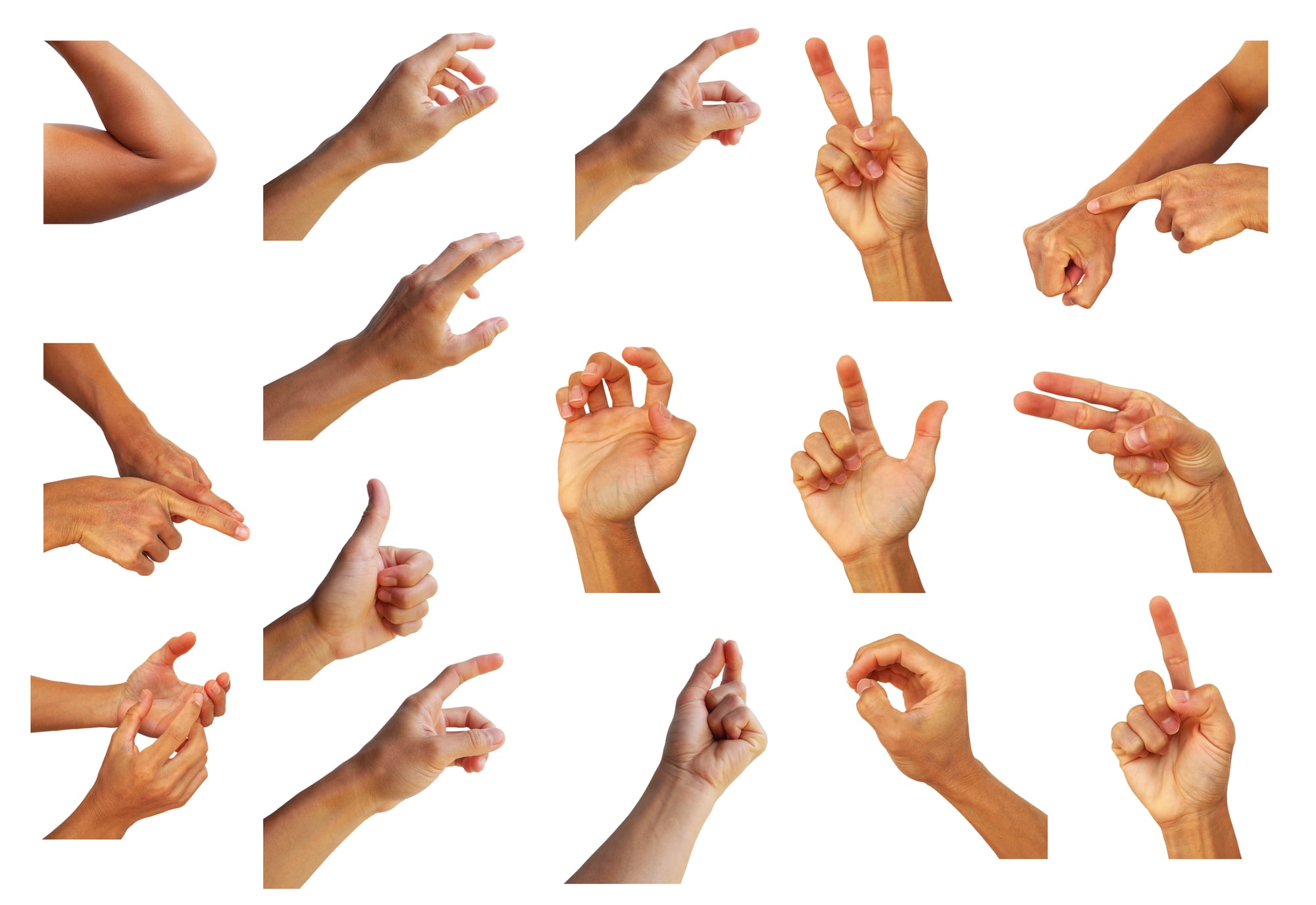
These contrasting interpretations remind us that even our most basic physical expressions carry cultural baggage invisible to us until we cross borders. What serves as friendly communication in one culture may translate to fighting words in another, highlighting the importance of cultural awareness in our increasingly connected world.
The next time your hands speak for you abroad, make sure they’re telling the story you actually intend.
More from Go2Tutors!

- 18 Unexpectedly Valuable Collectibles You Might Have Lying Around
- 20 Little-Known Historical Battles That Had Huge Consequences
- 20 Historical Artifacts That Scientists Can’t Explain
- 15 Inventions That Were Immediately Banned After Being Created
- 20 Actors Who Were Almost Cast in Iconic Roles
Like Go2Tutors’s content? Follow us on MSN.



