Shipwrecks That Rewrote Maritime Law
The ocean has always been humanity’s teacher, though the lessons often come at a devastating cost. Throughout history, maritime disasters have exposed fatal flaws in safety regulations, forcing lawmakers to rewrite the rules that govern travel at sea.
From overcrowded ferries to luxury liners, these tragedies transformed how we think about maritime safety and accountability. Here is a list of shipwrecks that fundamentally changed maritime law and continue to shape how we travel on water today.
RMS Titanic

The sinking of the Titanic in 1912 remains the most influential maritime disaster in legal history. When this supposedly unsinkable ship struck an iceberg and took over 1,500 lives with it, the world discovered that the vessel carried lifeboats for only about half its passengers.
The tragedy directly led to the first Safety of Life at Sea convention in 1914, which established mandatory lifeboat requirements for all passengers, 24-hour radio watch protocols, and the creation of the International Ice Patrol. These regulations became the foundation of modern maritime safety law.
SS Eastland

In a tragic irony, the SS Eastland disaster of 1915 was actually caused by safety regulations implemented after the Titanic sinking. The new federal Seaman’s Act required ships to carry enough lifeboats for 75 percent of passengers, but when the Eastland added this extra weight to its already unstable design, the ship became dangerously top-heavy.
On July 24, 1915, the vessel capsized in the Chicago River while still tied to the dock, killing 844 people. This disaster taught regulators that safety modifications must consider a vessel’s overall stability and design, leading to more comprehensive engineering assessments before implementing safety changes.
RMS Lusitania
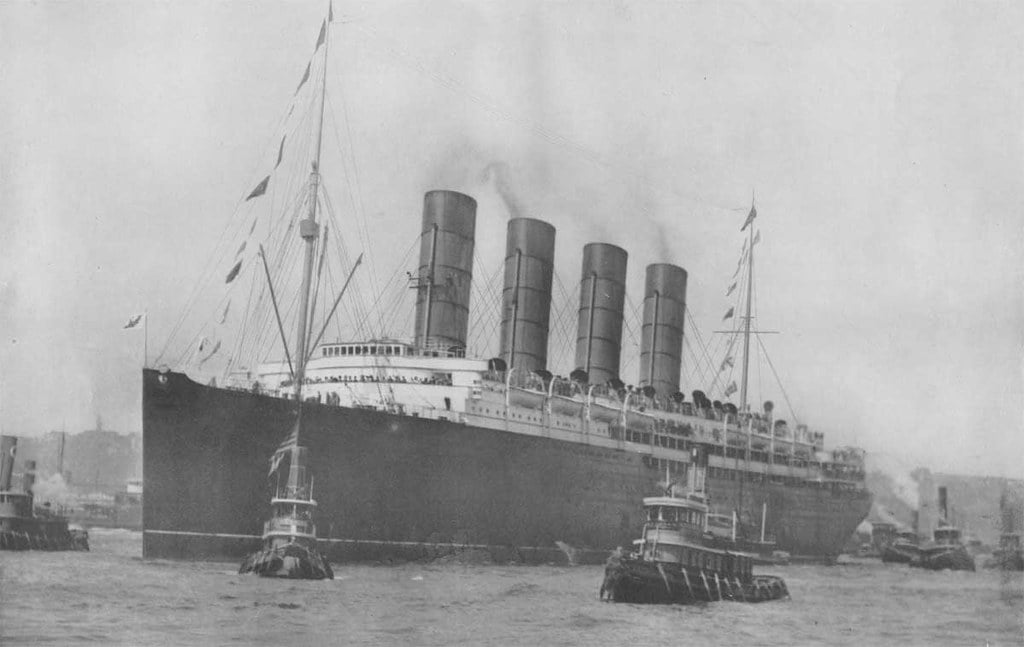
The 1915 torpedoing of the Lusitania by a German submarine killed nearly 1,200 civilians and fundamentally altered the rules of naval warfare. While primarily a military action, this tragedy established crucial precedents about attacks on passenger vessels during wartime.
The incident contributed to developing international laws protecting civilian ships and influenced later conventions about maritime neutrality and the treatment of non-combatant vessels during armed conflicts.
MS Herald of Free Enterprise

When this British ferry capsized just outside Zeebrugge harbor in 1987, it killed 193 people and exposed a corporate culture of negligence. The ship had sailed with its bow doors open because the assistant boatswain was asleep, but investigations revealed deeper problems with management oversight and communication.
The subsequent trial attempted to prosecute the company for corporate manslaughter, and though the case collapsed, it established that corporate manslaughter was recognized under English law. This disaster directly led to the Public Interest Disclosure Act of 1998 and eventually the Corporate Manslaughter and Corporate Homicide Act of 2007, fundamentally changing how companies can be held criminally responsible for safety failures.
Andrea Doria

The 1956 collision between the Italian liner Andrea Doria and the Swedish ship Stockholm demonstrated that new technology doesn’t automatically prevent disasters. Despite both vessels having radar equipment, they collided in fog near Nantucket due to misinterpretation of radar data and inadequate communication protocols.
The disaster killed 46 people and led to standardized radar training requirements and improved collision avoidance regulations that remain in use today.
Costa Concordia

When the Costa Concordia struck a reef off the Italian coast in 2012, killing 32 people, the world watched in horror as the captain abandoned ship while passengers remained trapped inside. The disaster changed the cruise industry overnight.
Major cruise lines now require mandatory safety drills before departure rather than within 24 hours of sailing, implementing 12 specific emergency instructions that include life jacket procedures and muster station locations. The incident also reinforced Italian maritime law regarding captain abandonment and sparked international discussions about cruise ship safety standards.
MV Sewol
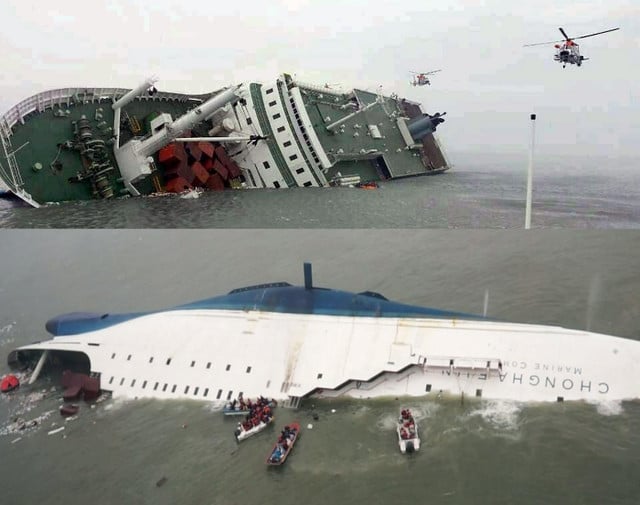
The 2014 capsizing of this South Korean ferry remains one of the most heartbreaking maritime disasters in recent history, killing 304 people, mostly high school students on a field trip. The tragedy was caused by overloading, improperly secured cargo, and crew members who told passengers to stay in their cabins while the ship sank.
South Korea implemented sweeping maritime reforms including stricter vessel inspections, higher penalties for safety violations, and enhanced crew training requirements. The disaster also led to the dissolution of the Korea Coast Guard in its previous form and the creation of new emergency response protocols.
Doña Paz
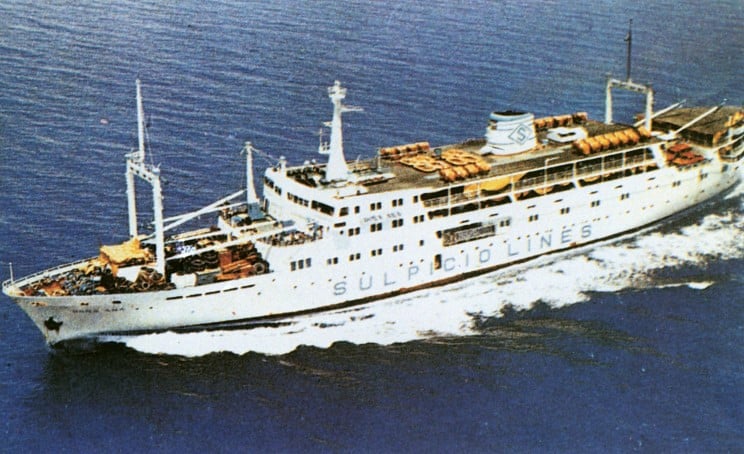
The 1987 collision between the Philippine passenger ferry Doña Paz and an oil tanker killed over 4,300 people, making it one of the deadliest peacetime maritime disasters in history. The catastrophe was caused by severe overcrowding, inadequate life-saving equipment, and lack of proper safety inspections.
This tragedy exposed the dangerous state of ferry operations in developing nations and prompted reforms in Philippine maritime law, though enforcement remains challenging.
Empress of Ireland
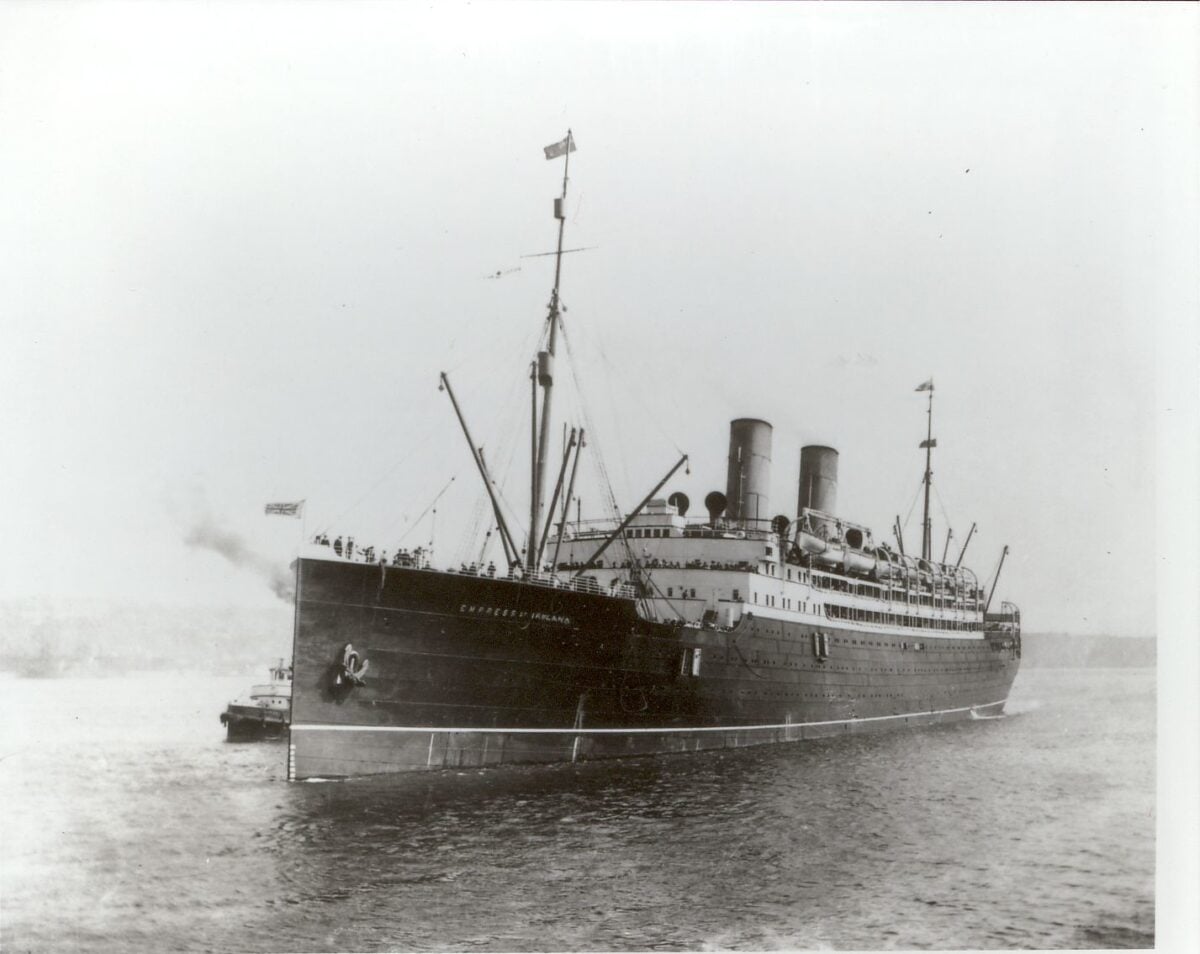
This Canadian Pacific steamship sank in the St. Lawrence River in 1914 after colliding with a Norwegian coal ship in thick fog, killing over 1,000 people. The disaster demonstrated the deadly consequences of inadequate fog navigation procedures and the need for better distress signal protocols.
The tragedy contributed to developing international rules for navigation in reduced visibility conditions and standardized emergency communication procedures that saved countless lives in subsequent decades.
PS General Slocum

When this passenger steamboat caught fire in New York’s East River in 1904, it killed over 1,000 people, mostly women and children from a church group. Investigations revealed that the lifeboats were wired to the deck and unusable, life preservers disintegrated when passengers tried to use them, and the crew had no fire safety training.
The disaster led to federal requirements for regular safety inspections of life-saving equipment and mandatory crew training in emergency procedures.
MS Estonia
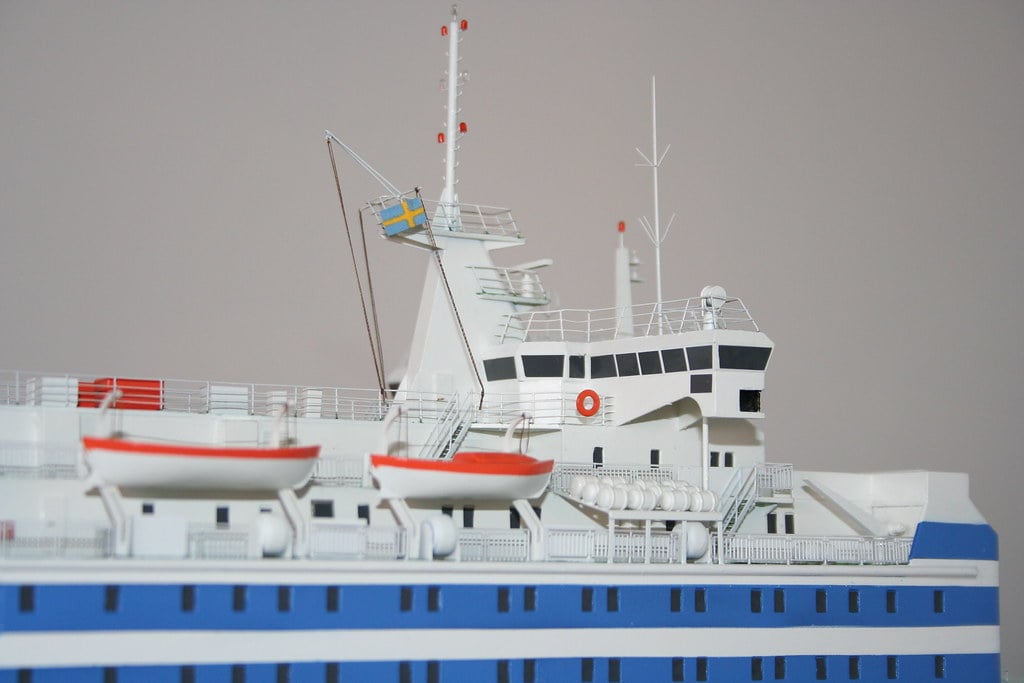
The 1994 capsizing of this ferry in the Baltic Sea during a severe storm killed more than 850 people and revealed critical design flaws in roll-on-roll-off ferries. The bow visor detached in rough weather, allowing water to flood the car deck and causing the ship to list and sink rapidly.
This disaster prompted the International Maritime Organization to introduce enhanced stability and survivability requirements for passenger ferries, including regulations about watertight compartments and improved bow door designs.
SS Sultana

The 1865 explosion and sinking of this Mississippi River steamboat killed an estimated 1,800 people, more than the Titanic, though it remains largely forgotten in American history. The vessel was carrying recently released Union prisoners of war and was severely overloaded when its boilers exploded.
Though it didn’t immediately change federal law, the disaster highlighted the need for boiler inspections and passenger capacity limits, eventually contributing to steamboat safety regulations.
Princess Victoria
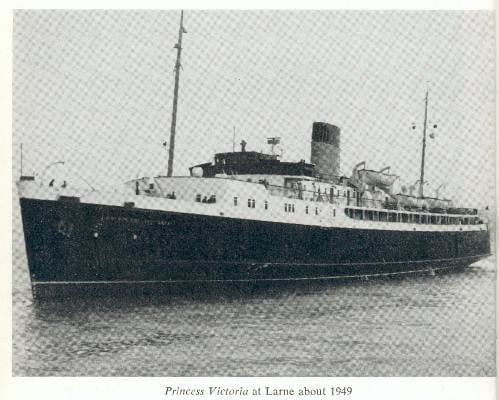
This British ferry sank in severe weather in the North Channel between Scotland and Northern Ireland in 1953, killing 133 people. The ship’s stern doors failed in heavy seas, allowing water to flood the car deck.
The disaster exposed the vulnerability of early roll-on-roll-off ferry designs and led to improved door securing mechanisms and stability requirements that influenced ferry design for decades.
MV Derbyshire
When this British bulk carrier disappeared in the Pacific Ocean during a typhoon in 1980, killing all 44 crew members, it was the largest British ship ever lost at sea. The subsequent investigation, which took years and included locating the wreck, revealed that bulk carriers had structural weaknesses in their bow sections.
This led to new international construction standards for bulk carriers and improved weather routing procedures for merchant ships.
MV Le Joola

This Senegalese ferry capsized in 2002, killing nearly 2,000 people and becoming Africa’s worst maritime disaster. The tragedy was caused by severe overcrowding, with the vessel carrying more than twice its capacity, combined with inadequate safety equipment and poor maintenance.
The disaster prompted reforms in West African maritime safety regulations, though implementation and enforcement remain significant challenges across the region.
SS Morro Castle

When this passenger liner caught fire off the New Jersey coast in 1934, killing 137 people, the disaster exposed major flaws in fire safety regulations and crew training. Investigations revealed inadequate fire detection systems, lack of crew coordination during the emergency, and questions about the captain’s death before the fire started.
The tragedy led to new requirements for automatic fire detection systems, fireproof construction materials, and comprehensive crew fire safety training.
SS Yarmouth Castle

This cruise ship caught fire and sank off the Bahamas in 1965, killing 90 people and highlighting dangerous regulatory loopholes. The vessel was registered in Panama and operated under minimal safety standards that wouldn’t have been legal for U.S.-flagged ships.
The disaster led to tightening of international maritime safety regulations and prompted efforts to address the issue of ships registering under flags of convenience to avoid stricter safety requirements.
The lasting impact

These disasters share a common thread beyond the terrible loss of life. Each exposed a gap in regulations that lawmakers had either overlooked or deemed unnecessary until tragedy proved otherwise. The reforms that followed transformed maritime travel from a relatively lawless frontier into one of the most regulated industries in the world.
Modern cruise ships, ferries, and cargo vessels operate under layers of international and national safety requirements, from lifeboat capacity to crew training to structural design, all written in response to lessons learned through catastrophe. The ocean continues to demand respect, but today’s maritime laws ensure that the mistakes of the past won’t be repeated, even as new challenges emerge with advancing technology and increasing global travel.
More from Go2Tutors!