Most Remote Islands With Residents
There’s something deeply human about living somewhere that takes weeks to reach. No traffic jams, no noise, no crowds pushing past you on the street.
Just the ocean in every direction and a small community that has figured out how to survive—and in many cases, thrive—at the edge of the known world. These islands aren’t postcard fantasies.
They’re real places where real people wake up every morning, go to work, raise children, and bury their dead. Some of the communities are ancient.
Others are accidents of history. All of them are worth knowing about.
Tristan da Cunha — The Farthest Place From Anywhere
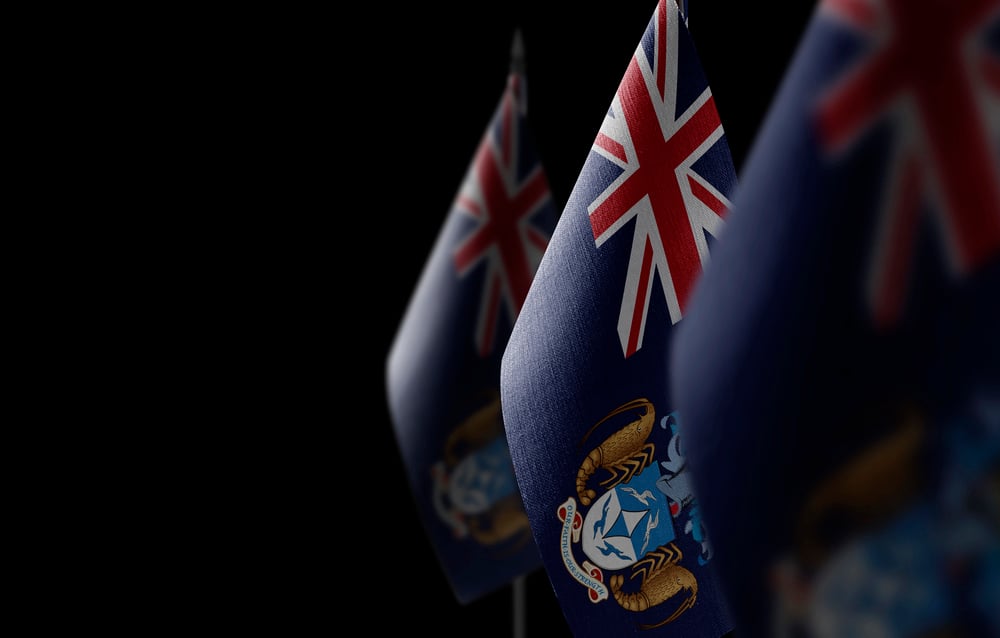
Tristan da Cunha holds the title of the most remote inhabited island on Earth, and it earns it. Sitting in the South Atlantic between South Africa and South America, the nearest landmass—Saint Helena—is still over 2,400 kilometres away.
There are no flights. Getting there means boarding a fishing vessel or supply ship and spending about a week at sea, assuming the weather cooperates.
About 250 people live on the island, almost all of them descendants of a handful of original settlers from the 1800s. The community shares just eight surnames.
There’s a small school, a hospital, and a post office. The island even has its own internet domain: .ta.
Fishing, particularly for lobster, drives the economy. When a volcano erupted in 1961, the entire population was evacuated to England.
Two years later, most of them asked to go home.
Pitcairn Island — A Colony Born From Mutiny
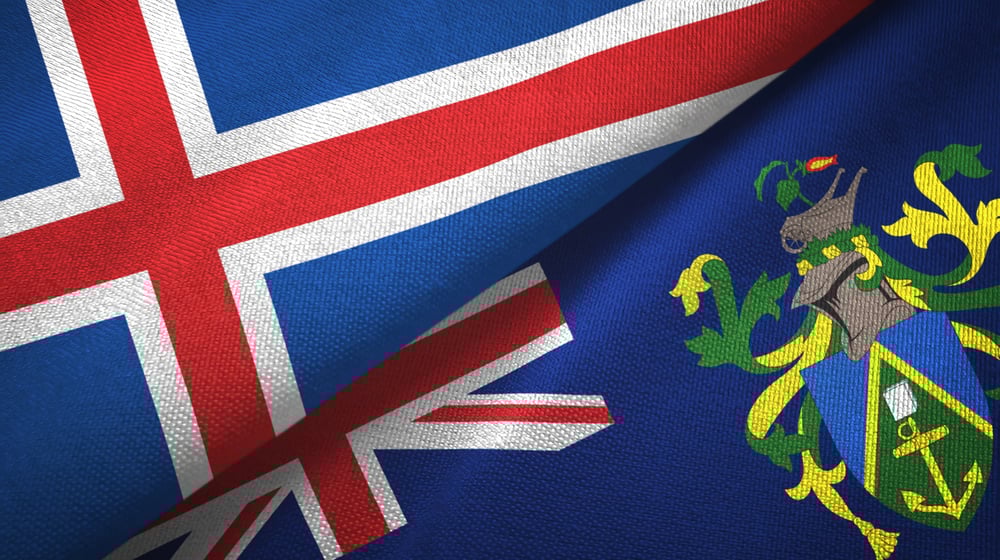
Pitcairn Island has one of the strangest origin stories of any inhabited place on Earth. In 1789, mutineers from HMS Bounty sailed there deliberately, hoping no one would find them.
They burned the ship. And for the most part, the world obliged — the island wasn’t rediscovered until 1808.
Today, Pitcairn has fewer than 50 permanent residents, all descendants of those mutineers and the Tahitian men and women who came with them. It sits in the Pacific Ocean, roughly halfway between New Zealand and Panama.
Supply ships stop about once every three months. There are no airports. The islanders rely heavily on selling honey, postage stamps, and handicrafts to the outside world.
Life is quiet, and the community is tightly knit — by necessity.
Easter Island (Rapa Nui) — Statues and Solitude
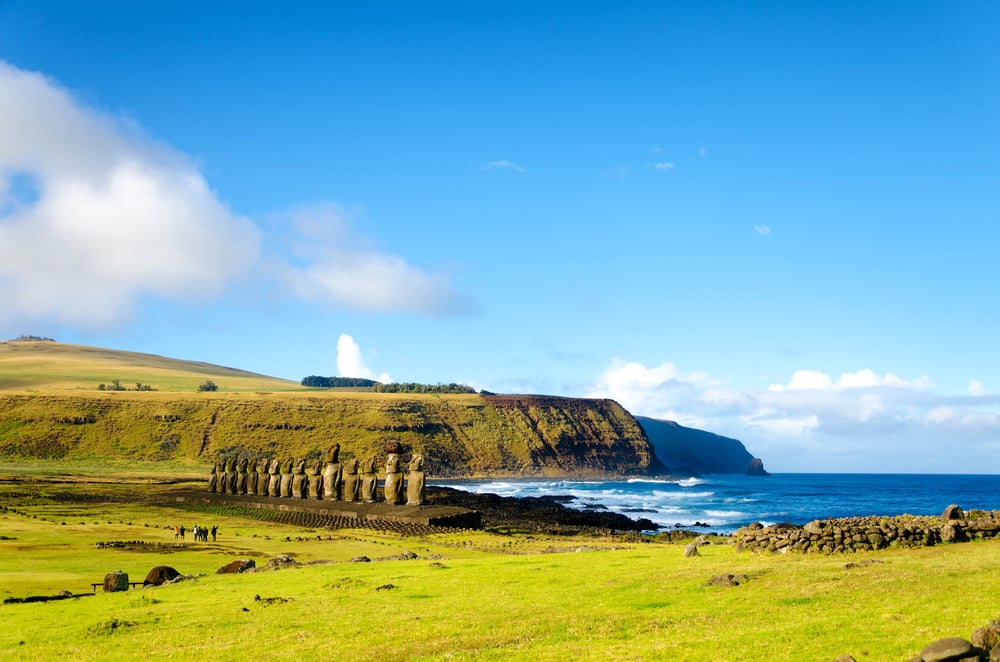
Easter Island is famous for its moai — those enormous stone heads that stand watch across a treeless landscape. But it’s also one of the most isolated places where a sizeable human population has lived continuously for over a thousand years.
The nearest inhabited land is Pitcairn Island, about 2,000 kilometres away.
Around 8,000 people live on Easter Island today, many of them indigenous Rapa Nui. Chile governs the island and maintains a regular air connection, which makes it far less isolated than it once was.
Still, the ocean is everywhere you look, and the nearest major city — Santiago — is a five-hour flight away. The island’s history of deforestation and ecological collapse gives it a particular weight.
It’s a place that has already survived its own end once.
Socotra — The Alien Garden
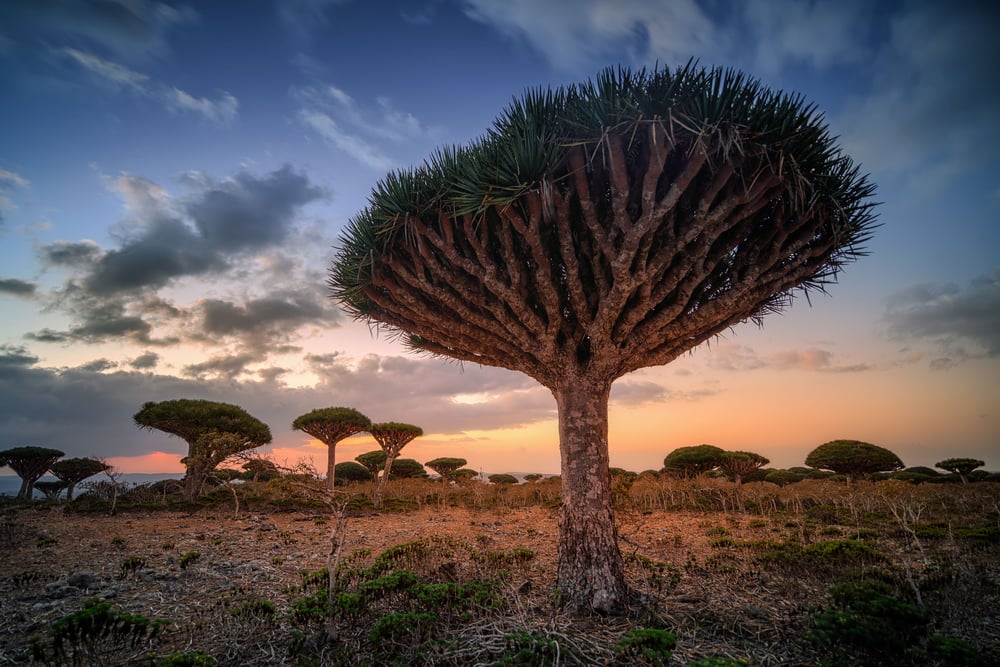
Socotra sits off the Horn of Africa, in the Arabian Sea, and it looks like nowhere else on the planet. The island is home to plants found nowhere else on Earth, most famously the dragon blood tree, which grows in an umbrella shape so perfect it looks like a rendering from a science fiction film.
About 60,000 people live there, part of Yemen, though the island’s geographic isolation has long kept it culturally distinct.
The isolation isn’t just visual. For much of the year, monsoon winds make the sea too rough to cross, and historically the island was cut off from the mainland for months at a time.
That’s part of why the biodiversity here is so extreme — evolution had room to run in strange directions. Despite the ongoing conflict in Yemen, the island has largely avoided the worst of it, though aid and development have suffered.
The Faroe Islands — Wind, Wool, and Independence
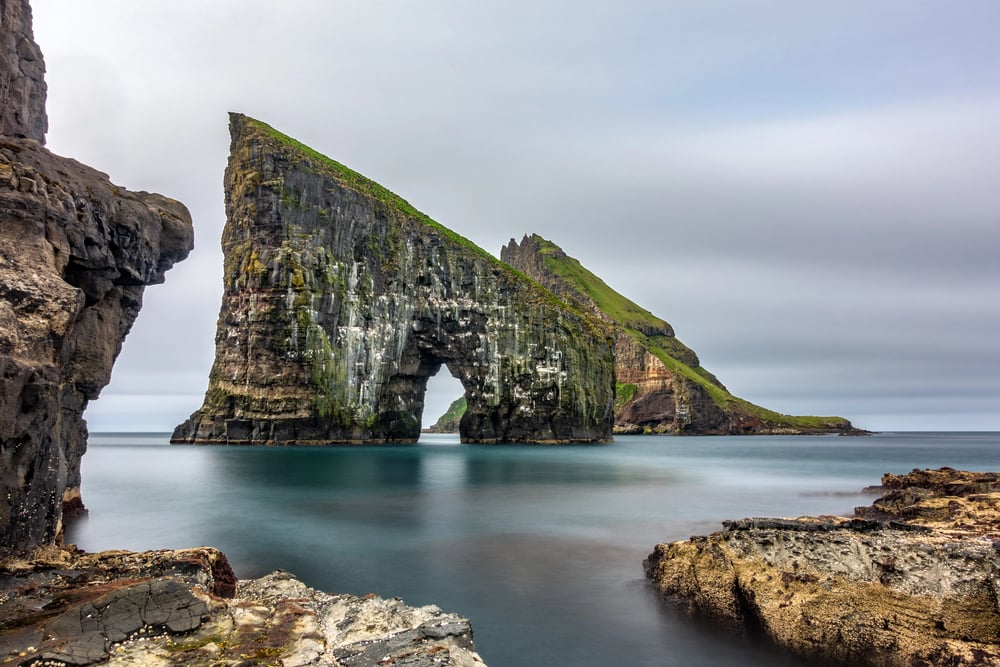
The Faroes sit halfway between Norway and Iceland, in the North Atlantic, and the weather makes that fact abundantly clear. Wind is the constant. Fog rolls in fast. The islands are green and dramatic, with cliffs that plunge straight into the sea and sheep outnumbering people by a comfortable margin.
About 53,000 people live across the 18 islands, making this one of the larger communities on this list. The Faroes are a self-governing territory of Denmark, with their own language, their own flag, and a growing reputation for food.
Several restaurants here have received international recognition for their cooking. The fishing industry anchors the economy. The islands are not easy to get to, but they’re not impossible either — there’s an airport on the main island, and a ferry connects to Denmark.
What makes the Faroes remote isn’t distance so much as the sea itself.
Saint Helena — Napoleon’s Final Address
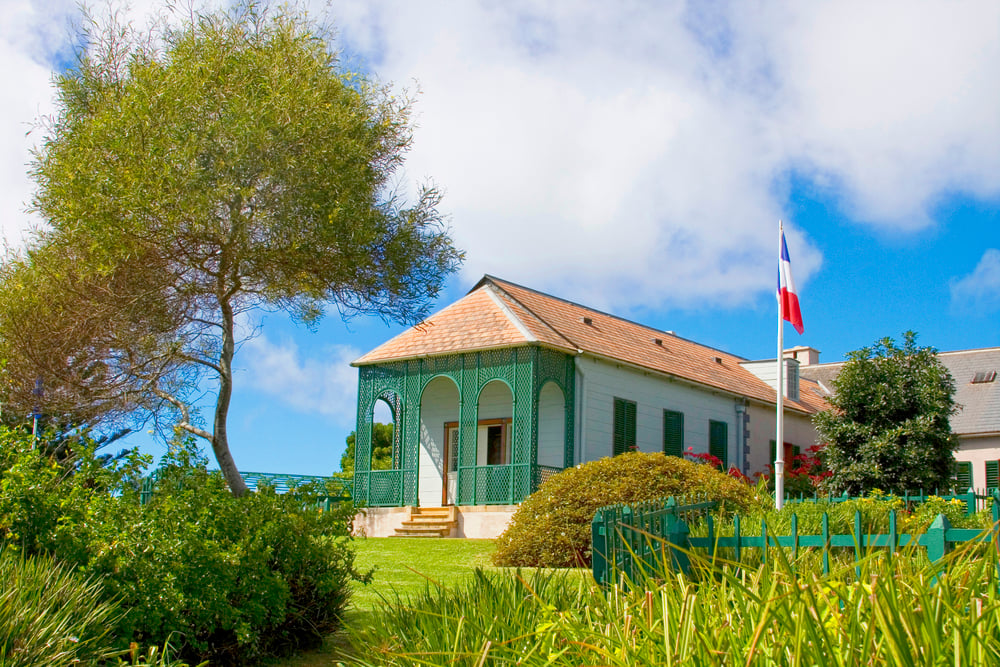
Saint Helena is the island where Napoleon Bonaparte spent the last six years of his life in exile, and it’s easy to understand why it was chosen as a prison. It sits in the South Atlantic, 1,200 kilometres west of Angola, and there was no way off without a boat.
For most of its history, the only way to reach it was by sea — a journey of days from the nearest coast. That changed in 2016, when an airport opened.
But the island still feels removed from the world. About 4,500 people live there, many working in tourism or the public sector.
The island is known for its coffee, its flax weaving, and Jonathan the tortoise, who is estimated to be over 190 years old and holds the record as the oldest known living land animal.
Napoleon’s house is still there. So is his original grave, though his body was moved to Paris long ago.
Niue — The Rock
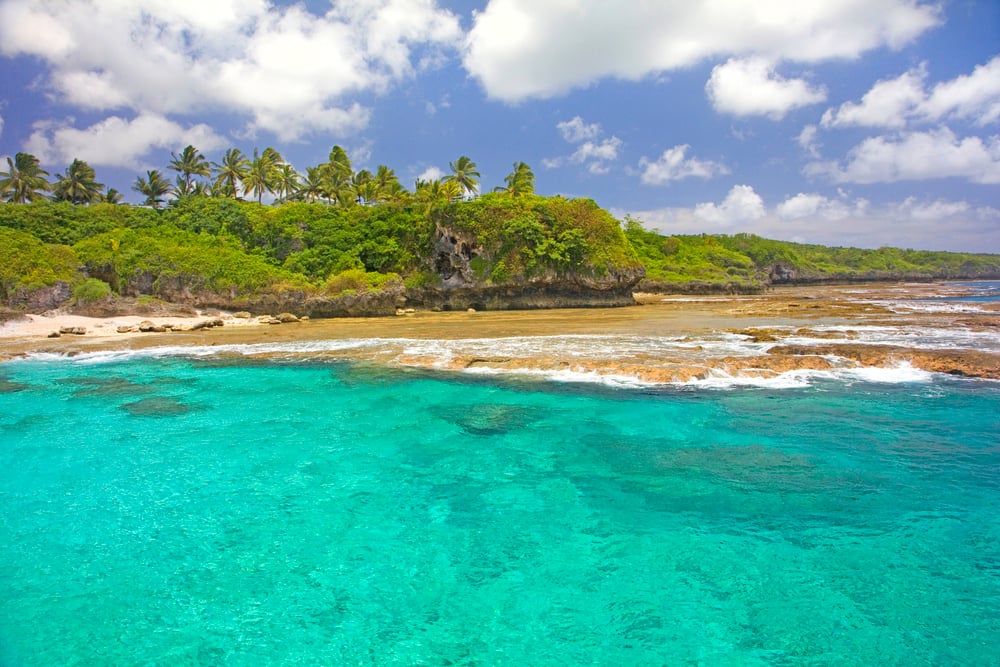
Niue is a single raised coral island in the South Pacific, east of Tonga. It’s one of the largest coral islands in the world and also one of the least visited places on Earth.
The population sits at around 1,600 people — though many Niueans live in New Zealand, where they have full citizenship rights.
The island has no rivers. Rainwater soaks straight through the coral rock, which means fresh water is a constant concern.
There’s a small airport and a weekly flight to Auckland. The economy leans heavily on foreign aid and remittances from the diaspora.
The ocean surrounding Niue is some of the clearest in the Pacific, and the island has built a quiet reputation among divers who find their way there.
Nauru — The Smallest Republic
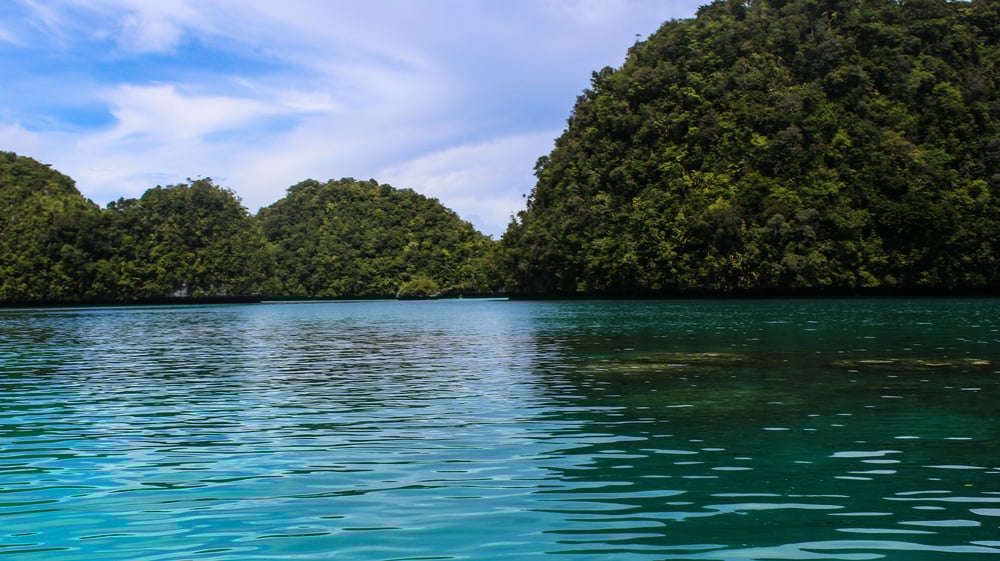
Nauru is the smallest island nation in the world, covering just 21 square kilometres in the central Pacific. It once had one of the highest per capita incomes on Earth, thanks to phosphate mining.
The money ran out. The phosphate ran out. What was left was a heavily mined interior that looks like a lunar landscape and a country that has had to rebuild its economy more or less from scratch.
About 10,000 people live there now. The island is genuinely remote — the nearest land is Banaba Island, about 300 kilometres away.
There are limited flights, and the economy now depends significantly on an Australian immigration processing arrangement. Nauru’s story is a sobering one about what happens when a place runs out of the one thing it had.
Tuvalu — Running Out of Time
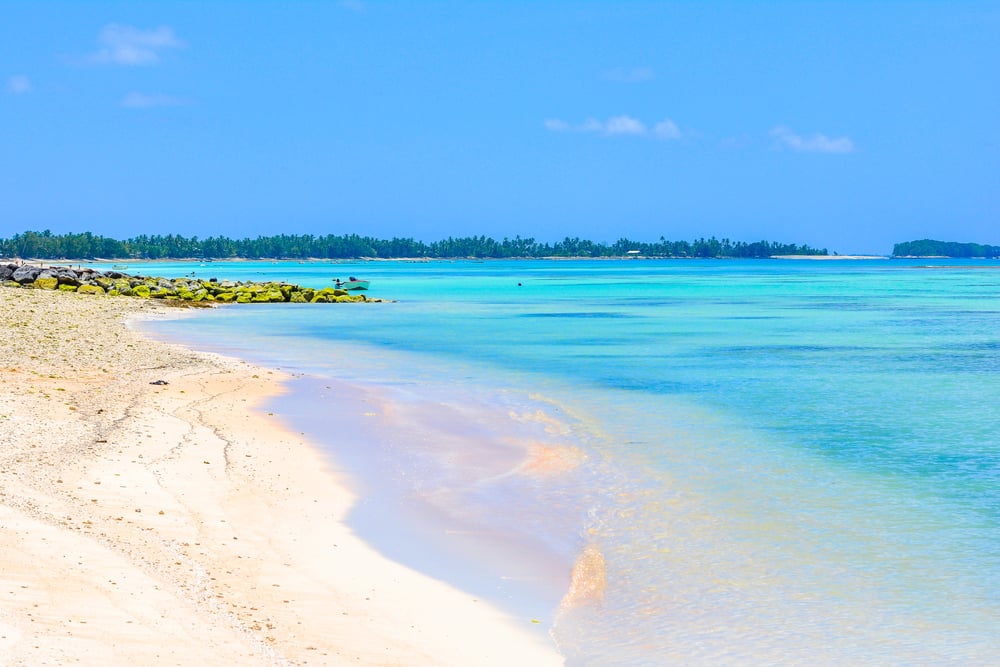
Tuvalu is a chain of nine coral atolls and reef islands in the Pacific, none of them rising more than a few metres above sea level. About 11,000 people live there.
The highest point on the islands is roughly 4.5 metres above the ocean. As sea levels rise, large parts of Tuvalu are expected to become uninhabitable within decades.
The government has already begun negotiating land rights in Fiji and Australia to relocate citizens. In 2023, Australia agreed to accept Tuvaluans as climate migrants.
There’s something profound and deeply sad about a country actively planning its own disappearance. The people of Tuvalu have contributed almost nothing to the emissions that threaten their home.
They’re dealing with the consequences anyway.
Cocos (Keeling) Islands — Two Atolls, One Territory
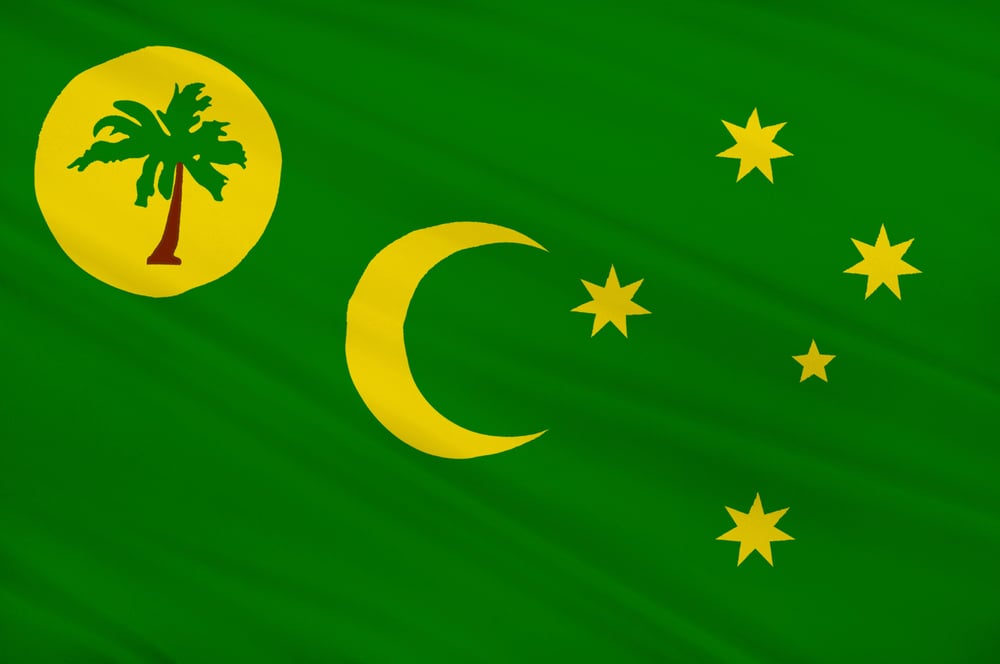
The Cocos (Keeling) Islands consist of two atolls in the Indian Ocean, roughly halfway between Australia and Sri Lanka. About 600 people live there — mainly on Home Island and West Island.
The territory is governed by Australia, but the community on Home Island is largely Malay-speaking, descended from workers brought there in the 19th century.
The two islands have very different characters. West Island is mostly government workers and infrastructure. Home Island is a tight-knit Cocos Malay community with its own language and culture.
They share an atoll but inhabit different worlds. Getting there requires a flight from Perth, which itself takes several hours.
It’s the kind of place that’s easy to forget exists.
Norfolk Island — Convicts and Mutineers
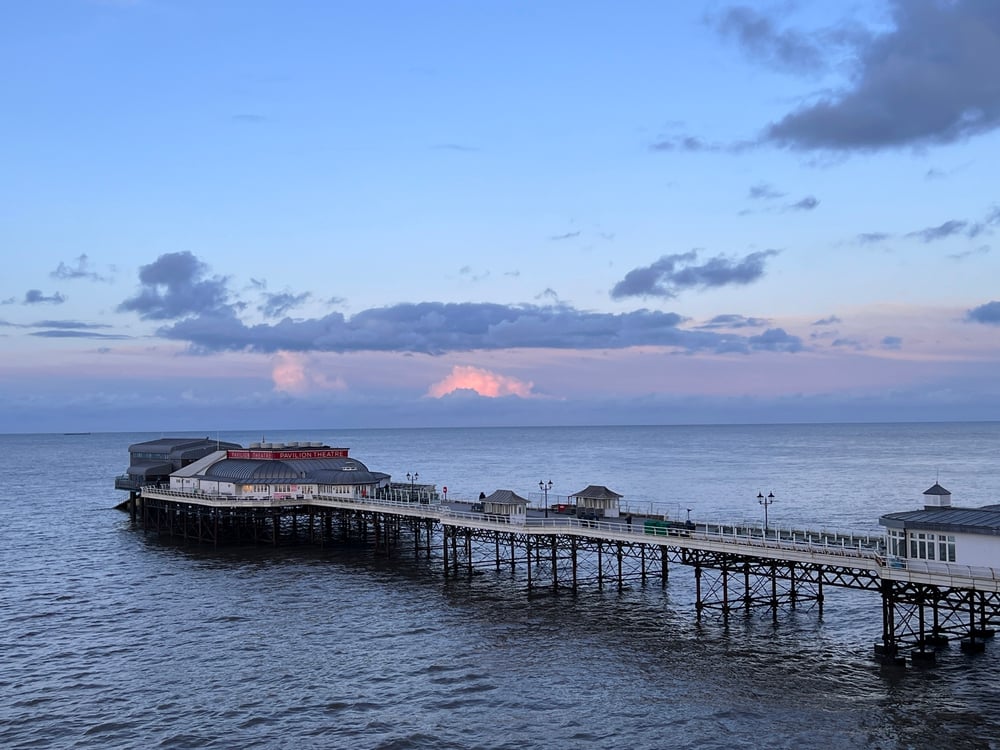
Norfolk Island sits in the Pacific, roughly 1,400 kilometres east of Australia. Its history is layered: first a brutal British penal colony, then a resettlement destination for the descendants of the Bounty mutineers from Pitcairn Island, who arrived in 1856 and whose descendants still live there today.
About 2,200 people live on Norfolk Island, and the community has a distinct identity — they even have their own creole language, Norfuk. For a long time, the island had its own legislature and significant autonomy.
Australia reduced that autonomy in 2015, a move that many islanders opposed strongly. There are regular flights from Australia and New Zealand.
The island grows its own food, keeps cattle, and has a small tourism economy.
Tokelau — No Capital, No Airport
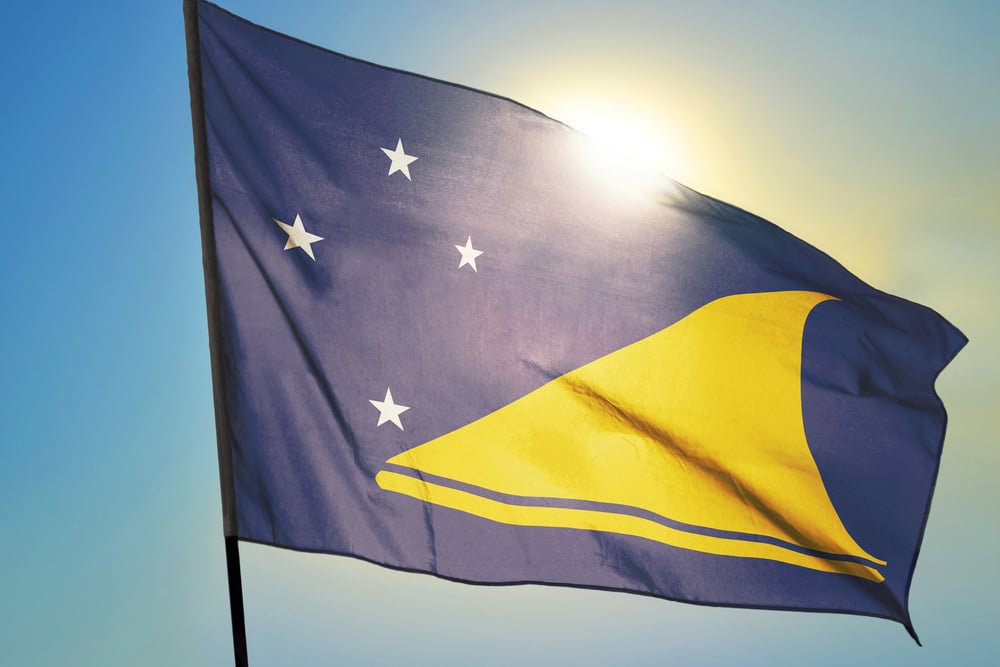
Tokelau is three atolls in the South Pacific, administered by New Zealand, and it has no airport. The only way in or out is by boat — a two-day ferry from Samoa.
The total land area is just 12 square kilometres. About 1,500 people live across the three atolls, and the government rotates its administrative centre between them on a yearly basis.
Tokelau generates almost all its electricity from solar power, making it one of the first territories in the world to run entirely on renewables. It has voted twice on independence from New Zealand and chose to remain a dependency both times.
Everything the islands need — from fuel to medicine to construction materials — arrives by that boat from Samoa.
Palmerston Atoll — One Man’s Island
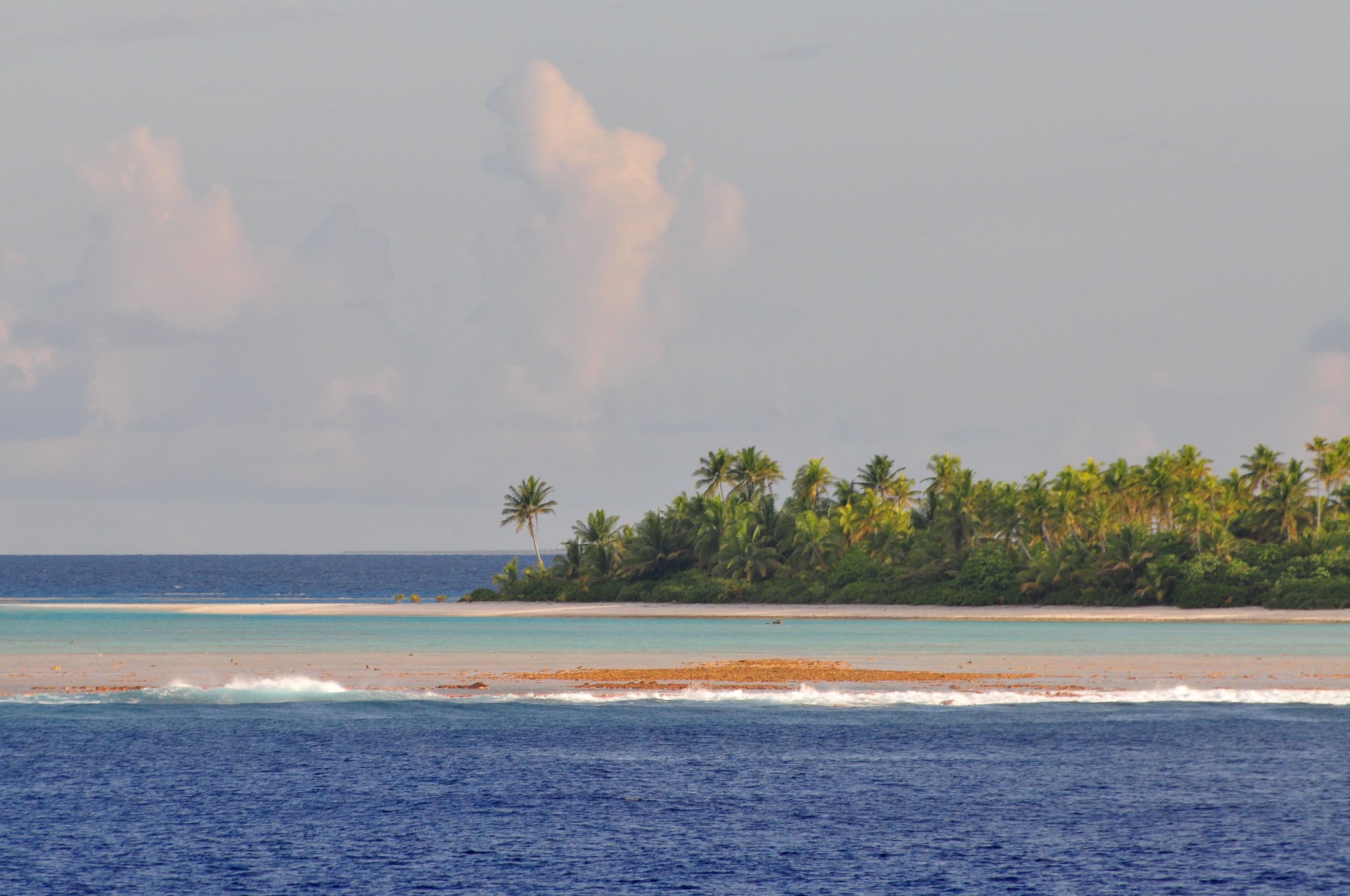
Out on Palmerston Atoll in the Cook Islands lives a small group of roughly sixty souls. Nearly every single person traces their roots back to just one fellow – William Marsters, an English seaman.
This man landed there in 1863, bringing along three Polynesian women as his spouses. With energy and determination, he set about filling the island with children.
Rather than mix everything together, he carved the land into three parts – one portion per wife’s bloodline. Strange as it sounds, those original divisions remain unchanged right up to now.
This place belongs to the Cook Islands, yet boats bringing supplies arrive just several times annually, while reaching it means enduring an extended journey by sea from Rarotonga. Not even a single runway exists here.
People catch fish, harvest coconut crops, living much like their ancestors did long ago. Each household carries the name Marsters without exception.
Because of isolation, bloodlines remain tightly woven, out of practical need.
Saba – The Quiet Island
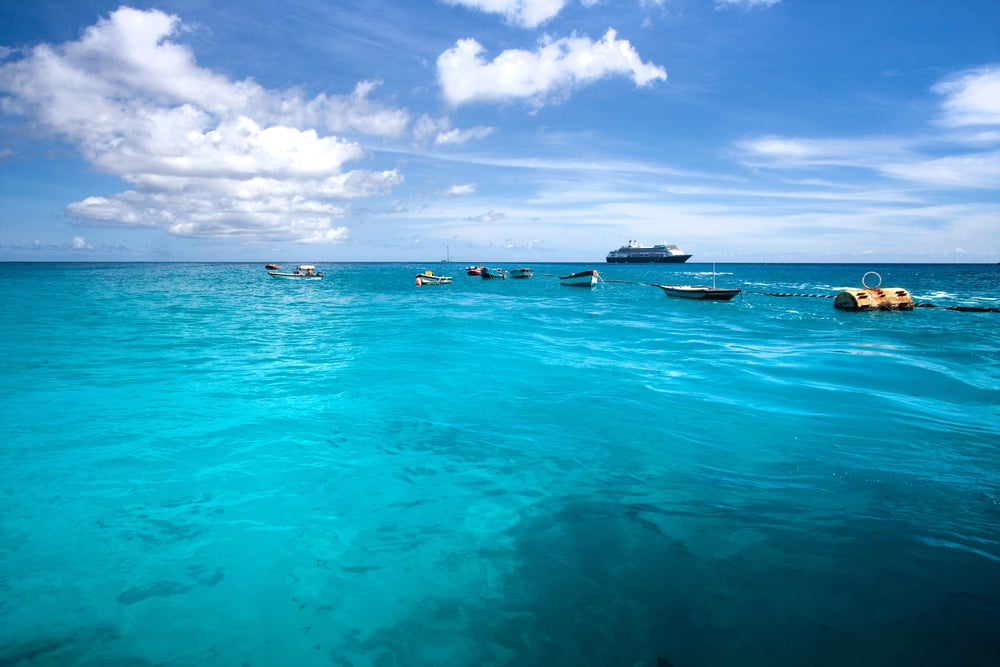
A speck in the Dutch Caribbean, Saba covers only thirteen square kilometres. Rising sharply from ocean depths, it builds up to a volcano at its heart.
Around two thousand residents call this place home. You will not find proper beaches here. That runway? Notoriously brief – among the shortest used by passenger planes globally – and it stops right near a drop-off.
Few beaches here, yet diving draws folks just the same. Down below, the sea guards its shapes carefully – coral thrives untouched by decay.
Stillness wraps the streets; life moves without rush or noise. Resorts never took root like they did elsewhere across those nearby islands.
Those who settle? They rarely pack a bag to leave. Folks often arrive just passing through yet find reasons to settle in.
A medical college anchors one corner of the island, cycling fresh faces every semester while roots run deep among longtime Caribbean kin. Weekends show both worlds crossing paths – students climbing hillsides, elders tending gardens, lives overlapping without blending.
Ascension Island at the Atlantic Crossing
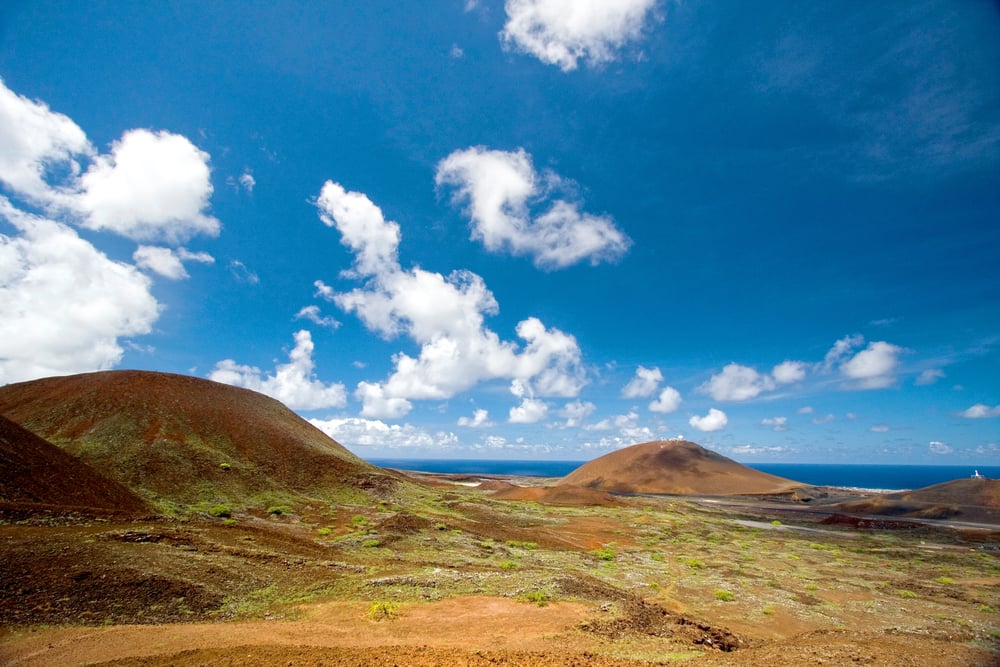
A speck in the South Atlantic, Ascension Island rests nearly halfway between Brazil and Africa. Not a single native inhabitant ever called it home – settlement began only through organized work postings.
Around eight hundred individuals occupy the land at any moment, drawn mainly from British and Saint Helenian backgrounds. Jobs tied to defense or public service bring most here, shaping the island’s quiet rhythm.
A BBC relay station sits on the island, along with an American air base and equipment for tracking satellites. Green sea turtles arrive each year to lay eggs in the sand, drawing attention despite little interest in visitors.
Getting there requires either a job offer or passage arranged via military flights from Britain. Tourism does not exist here, at least not how most would recognize it.
While lacking the feel of a typical town, residents often grow deeply tied to life on this remote spot.
The Pull of the Horizon
Hard to say exactly why folks stay in such spots. History left certain groups cut off, stuck where they landed long ago.
Not everyone was forced though – some picked solitude, hand it down like heirlooms. Rising seawater now chases a handful, creeping closer each year.
Far-off corners exist beyond reach, skipped entirely by today’s rush. Still, some worth lies in spots far from the rush.
Not where crowds blur faces, but where greetings happen by first name. When a boat brings goods, it stops routine like news does.
The edge of sight isn’t poetry here – it’s just what you see each morning. Life takes root even on scraps of land adrift in the ocean.
People stay, shape homes, make roots grow deep despite distance stretching wide around them. How you see it – admirable or simply rigid – might come down to which island you’re talking about.
More from Go2Tutors!

- The Romanov Crown Jewels and Their Tragic Fate
- 13 Historical Mysteries That Science Still Can’t Solve
- Famous Hoaxes That Fooled the World for Years
- 15 Child Stars with Tragic Adult Lives
- 16 Famous Jewelry Pieces in History
Like Go2Tutors’s content? Follow us on MSN.



