15 Birds with Bizarre Sound Mimicry Skills
Walk through any forest or park and you might hear what sounds like a car alarm, a chainsaw, or even a ringing phone. Before you start looking for the culprit, consider this: it might just be a bird showing off its vocal talents. Sound mimicry in birds is one of nature’s most entertaining quirks, with some species able to copy everything from other animals to mechanical noises with startling accuracy.
These feathered impressionists don’t just mimic for fun. They use their skills to attract mates, defend territory, steal food, and even confuse predators. Here’s a list of 15 birds whose mimicry abilities range from impressive to downright bizarre.
Superb Lyrebird
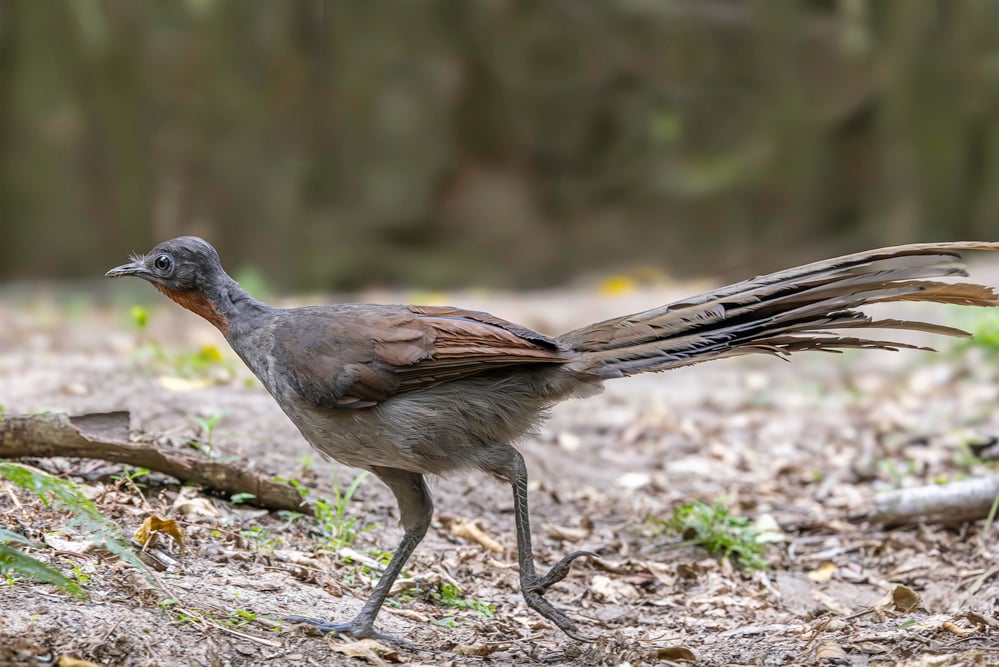
The superb lyrebird from Australia is often called the world’s greatest mimic, capable of imitating more than 20 different bird species with near-perfect accuracy. What makes this pheasant-sized bird truly bizarre is its ability to mimic mechanical sounds like camera shutters, car alarms, and chainsaws with the same precision it uses for natural sounds. One famous individual filmed by David Attenborough perfectly replicated the sound of chainsaws and loggers cutting down trees, having learned these sounds from its changing habitat.
Northern Mockingbird
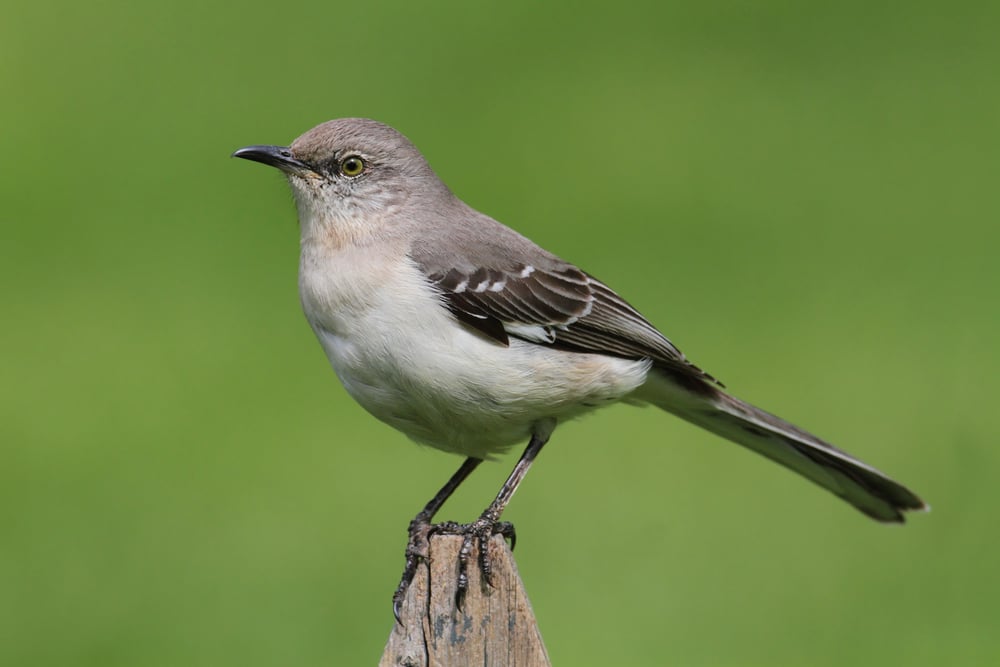
The northern mockingbird lives up to its name by mocking the calls of hundreds of other species, with individual males learning up to 200 different songs throughout their lifetimes. These birds mimic cellphones, car alarms, and even the whistles of passing trains. They repeat each phrase several times before moving to the next sound, creating a continuous medley that can last for hours.
Fork-tailed Drongo
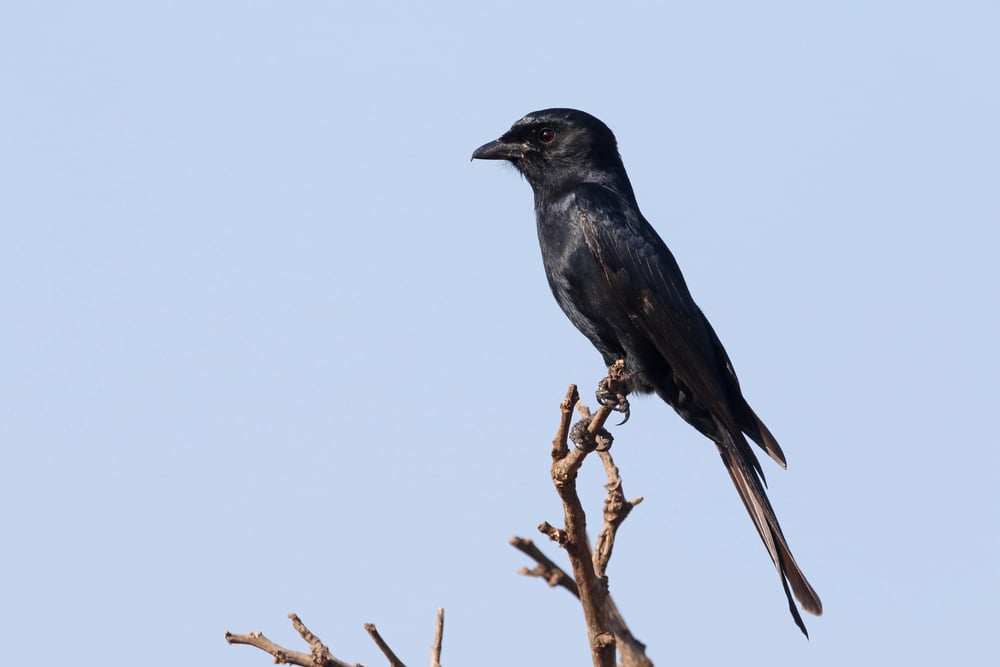
This African bird takes mimicry to a devious level by imitating the alarm calls of up to 45 different species to scare other animals away from their food, then swooping in to steal the abandoned meal. Studies show these birds get up to 23 percent of their daily food through this deceptive tactic. They even customize their fake alarms, using the victim’s own species’ alarm calls more often than others for maximum effectiveness.
Brown Thrasher
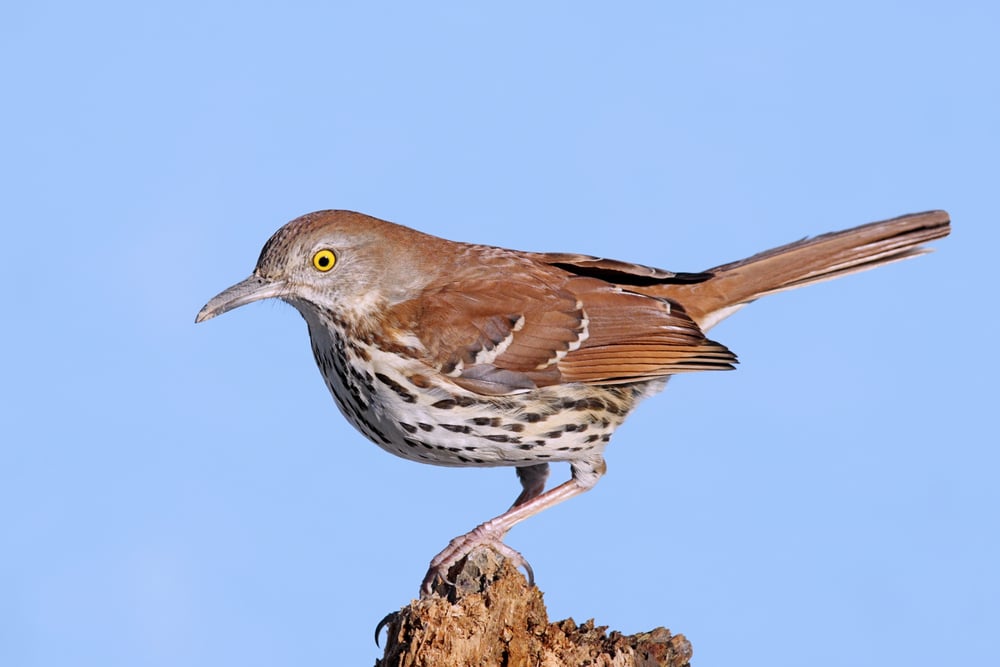
The brown thrasher has one of the largest vocal repertoires of any North American songbird, with estimates ranging from 1,000 to 3,000 different songs. Males engage in vocal mimicry by copying species like the northern flicker, white-eyed vireo, and wood thrush. Unlike mockingbirds that repeat phrases three or more times, thrashers typically sing in doublets or triplets, giving them a distinctive rhythmic pattern.
Marsh Warbler
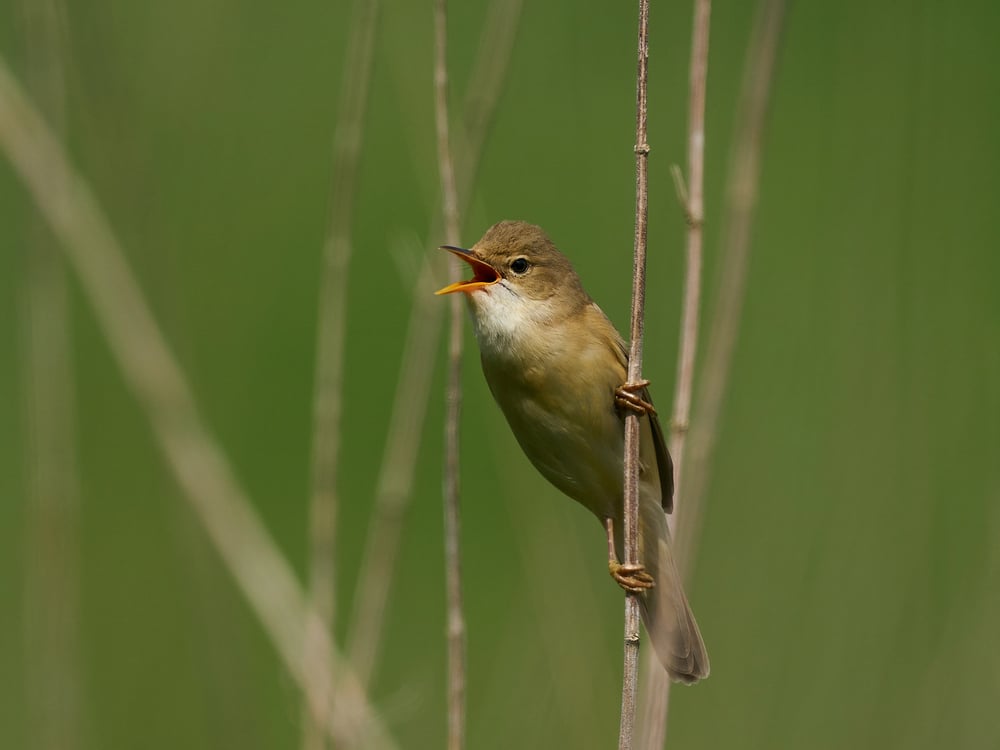
This European bird performs an astonishing feat by incorporating imitations of an average of 75 different species into its song, with more African than European birds represented. The marsh warbler was the first bird discovered to mimic sounds from both its summer and winter grounds, learning songs in Europe and Africa and keeping them for life. All this learning happens during the bird’s first year, with no new sounds added in subsequent years.
African Grey Parrot
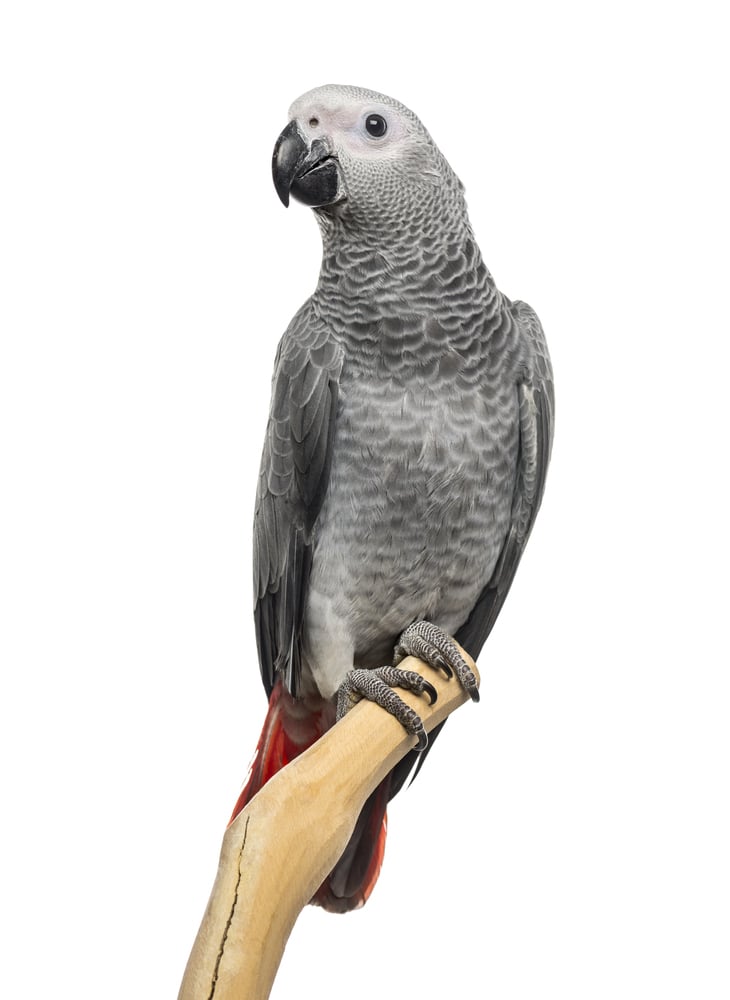
African grey parrots are among the most accomplished mimics in the bird world, with one famous individual named Prudle holding a vocabulary of more than 1,000 words. These parrots form close bonds with their owners, and their intelligence combined with their eagerness to communicate makes them especially skilled at mastering human speech. Unlike songbirds that have two sound-producing organs, parrots have just one syrinx located at the bottom of the windpipe, somewhat similar to the human larynx.
Common Hill Myna
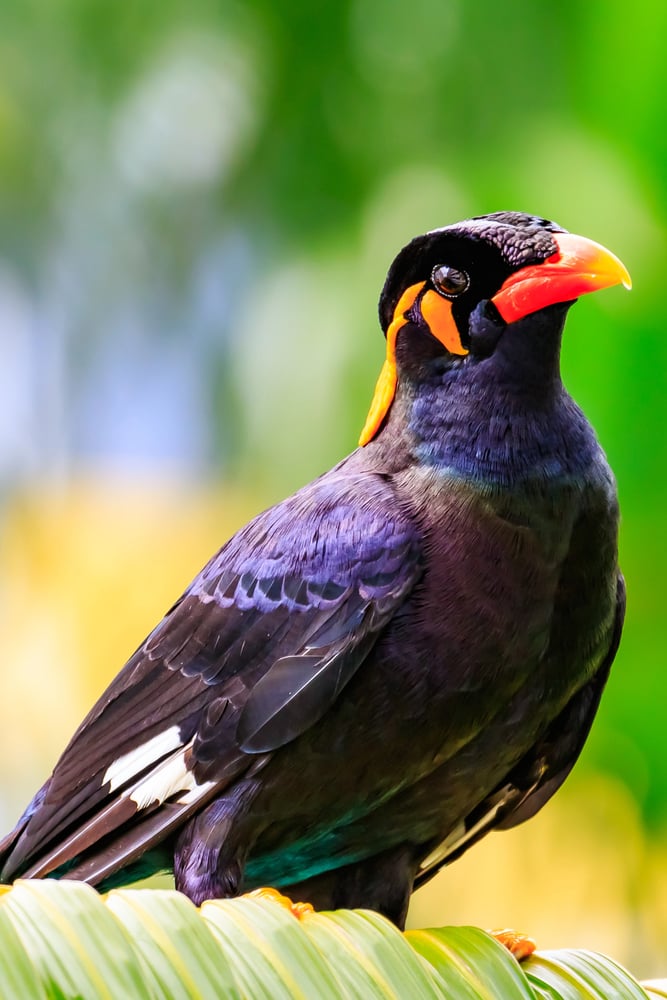
The common hill myna from Southeast Asia is renowned as potentially the best talking bird in the world, capable of mimicking human voices with highly accurate intonation and inflection. This Southeast Asian bird can replicate words and phrases with near-perfect pitch and rhythm. While parrots might be more famous, mynas often surpass them in the clarity and naturalness of their human speech imitations.
Blue Jay
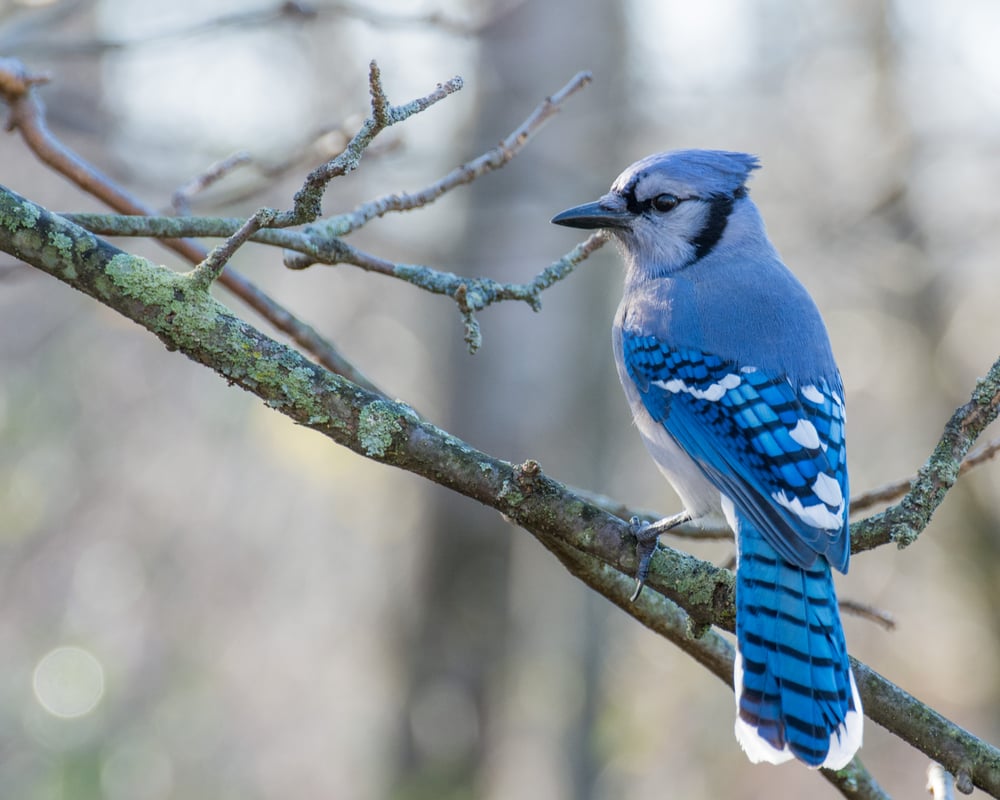
Blue jays are known for their dead-on impersonations of several hawk species including the red-tailed hawk, Cooper’s hawk, and red-shouldered hawk. The function of these hawk imitations remains unknown to scientists, though some theories suggest they use these calls to scare other birds away from food sources. Young male blue jays have been observed imitating hawk cries during mating season, possibly to attract the attention of females.
European Starling
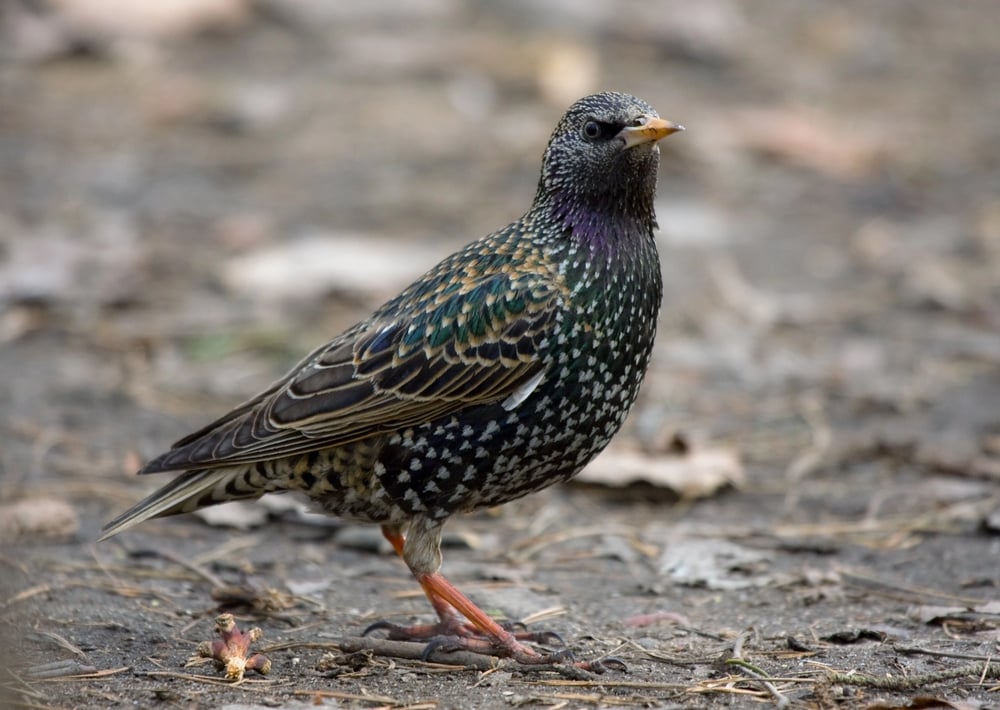
European starlings are accomplished mimics like their relatives the mynas, known to imitate not just other birds but also motorcycles and tea kettles. These birds can copy species that make whistling sounds like killdeer and quail, and their mechanical sound mimicry will have you checking for your phone or car alarm. They produce songs that mix whistles, clicks, rattles, and imitated sounds into complex vocalizations.
Gray Catbird
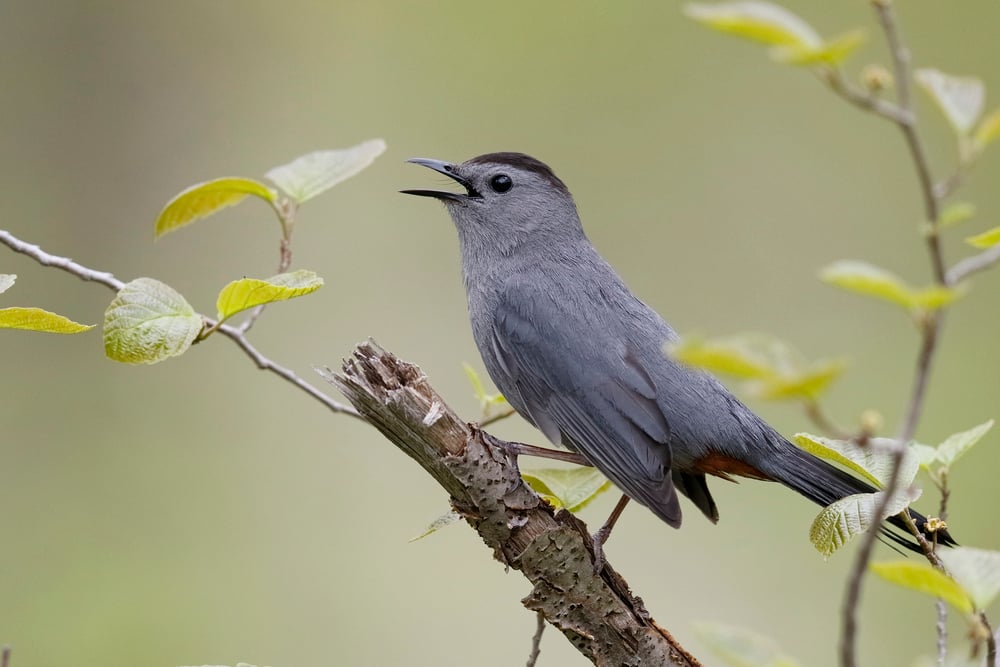
Named for their cat-like meow call, gray catbirds can mimic a variety of sounds from blackbirds, crows, and robins to a dog’s bark. These birds are believed to mimic at least 44 species and can also whistle, squeak, and make mechanical sounds. Master impressionists, gray catbirds can even mimic a sound and sing a song simultaneously.
American Crow
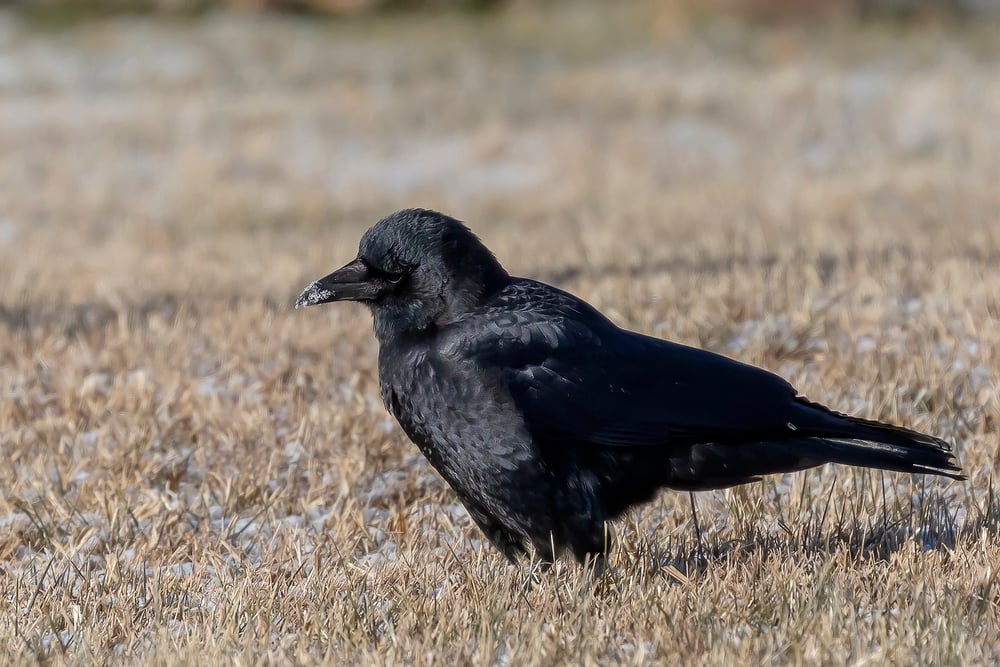
American crows are considered one of the most intelligent bird species and can mimic human voices as well as other sounds, with some experts suggesting their mimicry ability rivals that of parrots. These corvids have even been known to show interest in different languages. They’re also known for producing unusual sounds like rattles, growls, and cooing noises alongside their typical caws.
Australian Magpie
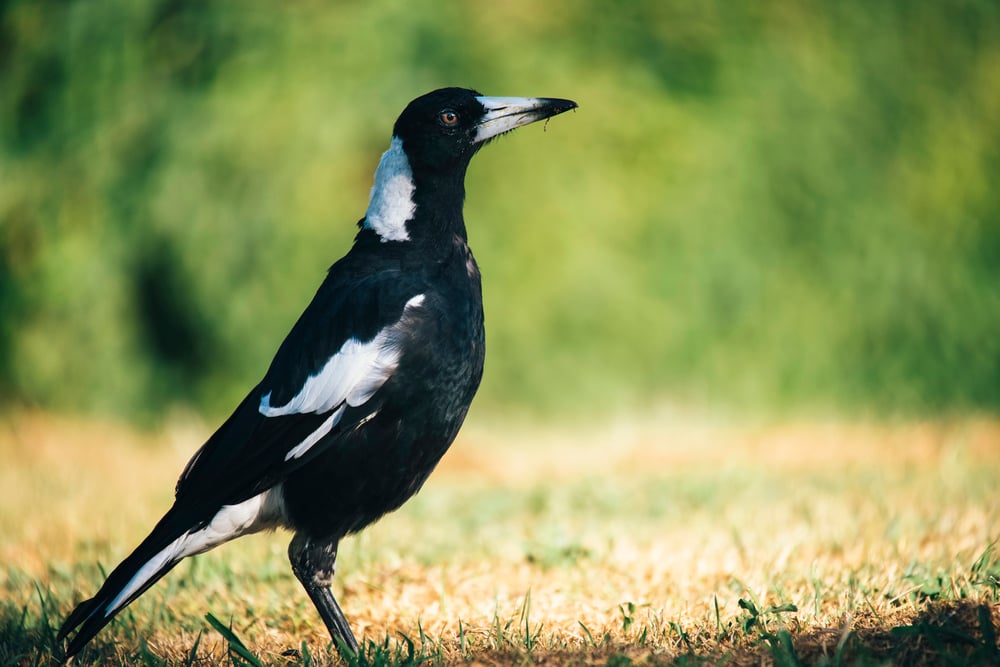
The Australian magpie can mimic over 35 species of native and introduced birds, as well as other animal calls like those of dogs and horses. When living in close proximity to humans, magpies have been noted to mimic human speech. Described as one of Australia’s most accomplished songbirds, the magpie has an array of complex vocalizations that earned it the alternative name of Flute Bird.
Satin Bowerbird
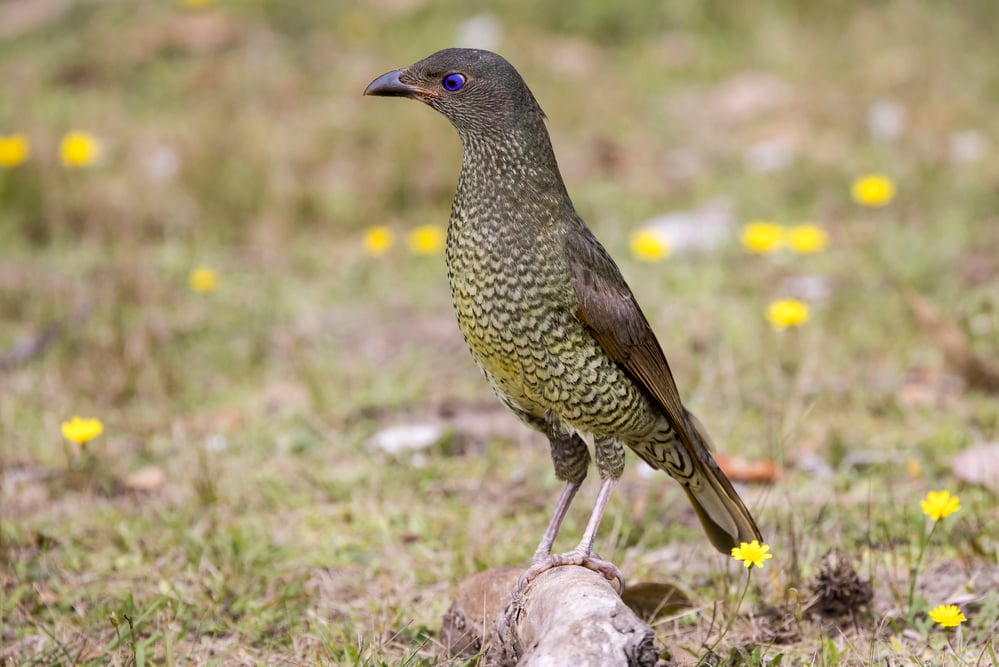
Satin bowerbirds use vocal mimicry as part of an elaborate courtship display that includes a decorative bower, with females preferring males that can accurately mimic a large number of different bird species. These Australian birds can imitate multiple species simultaneously, creating complex soundscapes. The precision of their mimicry suggests females use this ability to assess the genetic quality of potential mates.
Yellow-breasted Chat
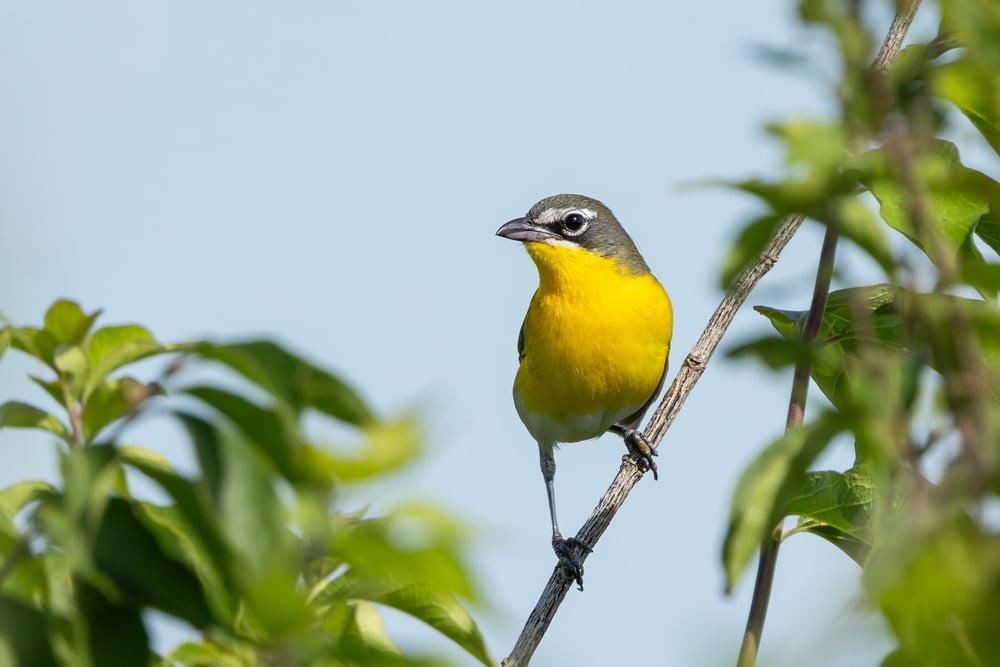
Called the ‘clown among birds’ by ornithologist Arthur Cleveland Bent, the yellow-breasted chat has an astonishing repertoire of sounds from catcalls and whistles to copying songs from other bird species. They often mix these vocalizations to cause confusion when birds and predators try to find them. Despite being part of the warbler family, these birds can echo crows, green herons, and several other species.
Spotted Bowerbird
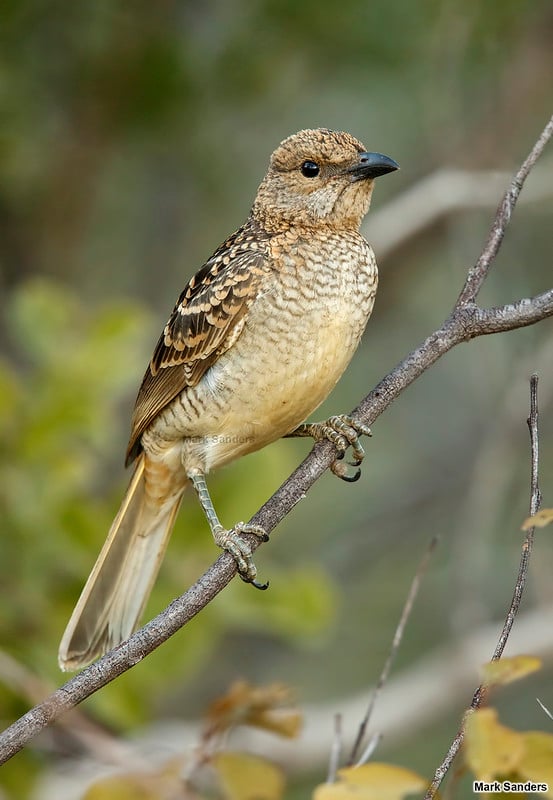
When approached by humans or other threats, male spotted bowerbirds at their bowers often mimic the calls of predatory birds like wedge-tailed eagles, kookaburras, and butcherbirds. Beyond bird calls, these Australian natives also mimic large herbivores moving through scrub, the twang of fence wire, wood chopping, and the crack of a stock whip. Their diverse mimicry repertoire reflects both natural and human-altered landscapes.
From Survival Tool to Cultural Phenomenon
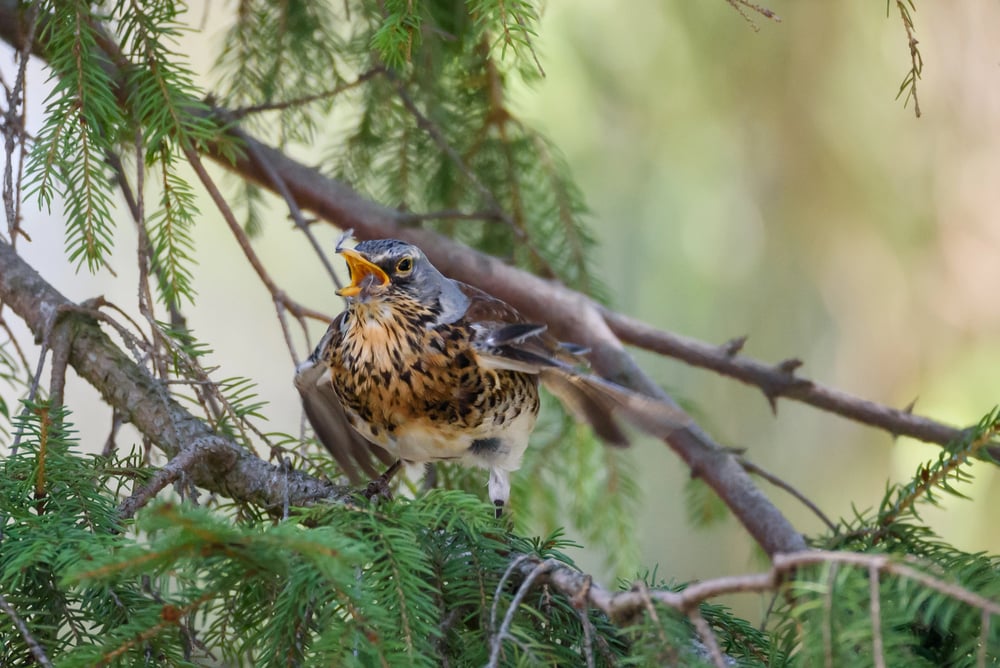
What started as an evolutionary advantage has become something far more complex, with birds using mimicry not just for mating and territory defense but also for deception, protection, and even social bonding. Australia appears to have a particularly high concentration of mimic species, leading early writers to suggest the continent might have more than its fair share of these vocal copycats. Urban birds now incorporate cellphones, construction sounds, and car alarms into their songs, while their rural cousins stick to natural sounds, showing how quickly these species adapt their repertoires to changing environments. The next time you hear an odd sound outside, take a moment to look up before assuming it’s mechanical.
More from Go2Tutors!

- The Romanov Crown Jewels and Their Tragic Fate
- 13 Historical Mysteries That Science Still Can’t Solve
- Famous Hoaxes That Fooled the World for Years
- 15 Child Stars with Tragic Adult Lives
- 16 Famous Jewelry Pieces in History
Like Go2Tutors’s content? Follow us on MSN.



