Snake Island Is Real—16 Fascinating Facts
Just off Brazil’s shore lies a tiny island few ever see – and staying away makes sense. About ninety miles from São Paulo rests Ilha da Queimada Grande, often called Snake Island, where deadly vipers gather in terrifying numbers.
Covering around 110 acres of tangled greenery, stone, and brush, its reputation was built through harsh reality. A scene that feels like pure fiction turns out to be completely true.
One Look at How Many Snakes There Are Will Stop You Cold
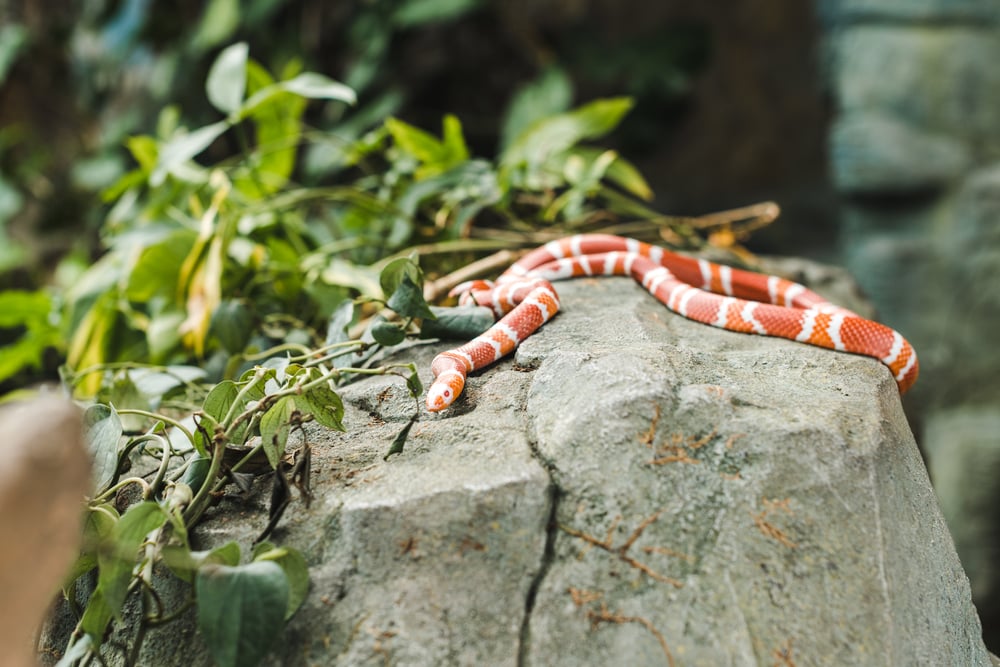
One guess says maybe 2,000 up to 4,000 golden lancehead pit vipers live on the island at this moment. In thick zones, you might find about one snake per single square meter.
Imagine stepping forward – each footfall close to a venomous serpent lurking just beside.
One Kind of Snake Stands Out Above the Rest
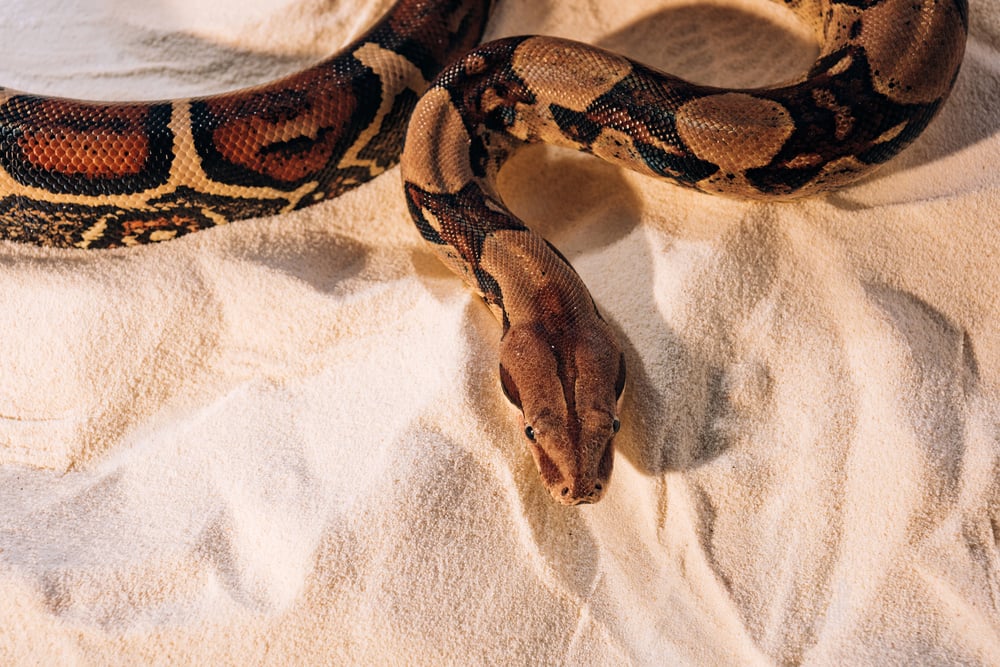
Out on this island, one snake stands alone – the golden lancehead pit viper, called Bothrops insularis in science books. Sea levels climbed long ago, sealing the island away from Brazil’s coast, trapping life here for ages.
Because of that separation, time rewrote its body and bite, making it unlike any cousin still living on land. Alone, it changed slowly, forced by silence, distance, and old stone.
The Venom Is Uniquely Fast-Acting
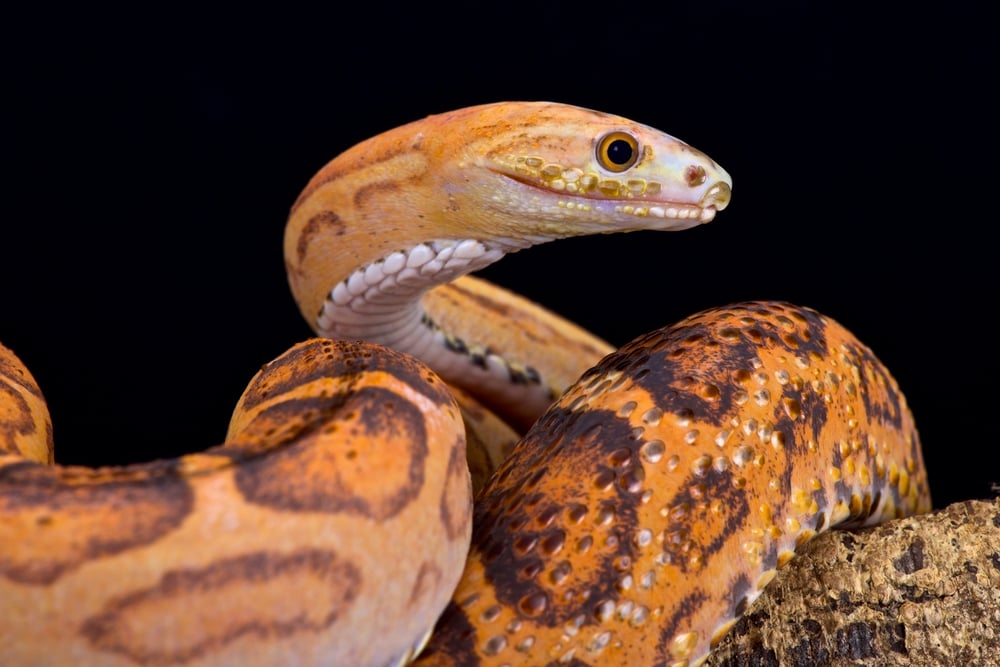
Fast-acting toxins in the golden lancehead’s venom destroy tissues swiftly. Fivefold stronger than its nearest relative on land, it strikes with brutal efficiency.
Birds might escape if bitten too weakly – so evolution favored a quicker kill. Sudden collapse matters when prey has wings.
Floods Rose Back Then, Sealing It Away
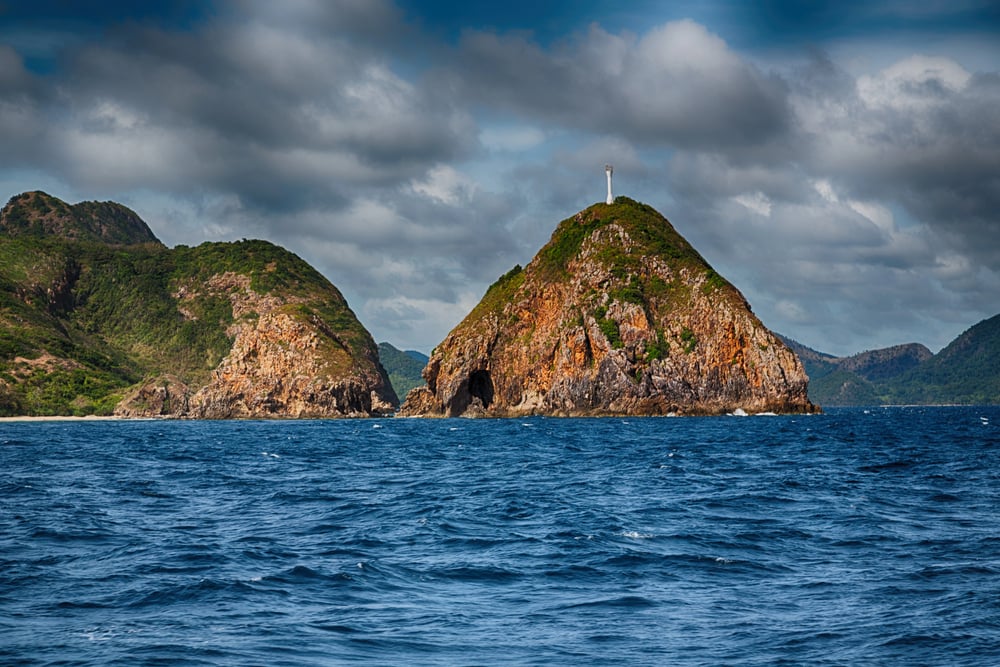
Long before cities rose, waves climbed higher and cut off today’s Snake Island from mainland South America. Trapped in place, those early snakes could not escape, while outside life never reached them.
Through slow shifts across thousands of years, they changed completely, shaped only by the island’s rhythm. Nowhere else exists a creature quite like them.
The Brazilian Navy Controls Access
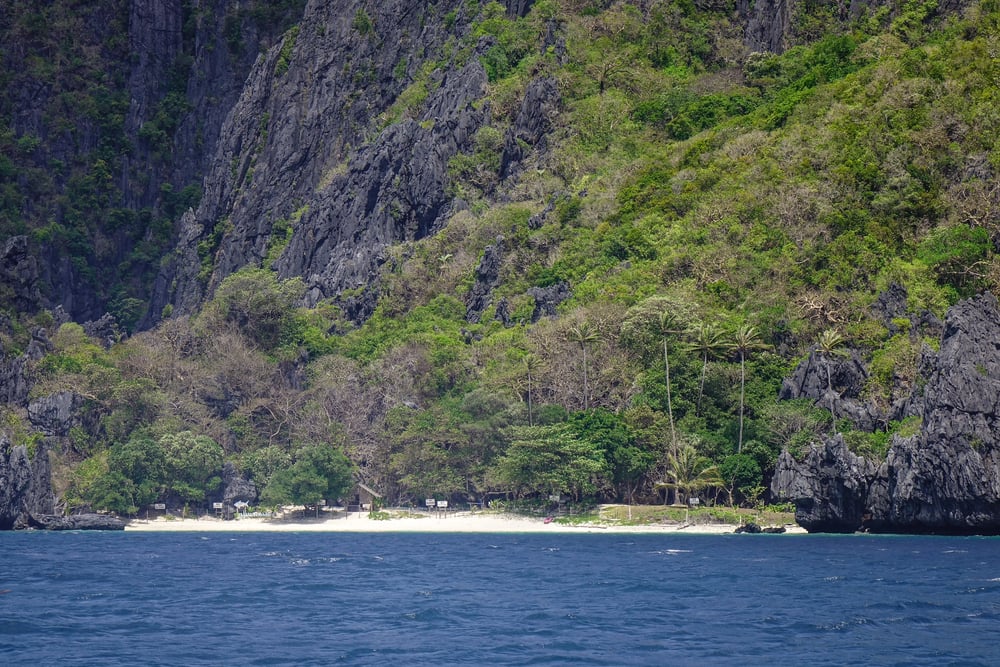
Nobody outside the military can set foot on the island, not allowed at all. Getting close is tough, with just a handful of scientists cleared annually.
Once, sailors kept watch over a light there, guiding ships through dark waters. Now machines handle everything, so people no longer stay behind.
A Story Grew Around the Keeper of the Light
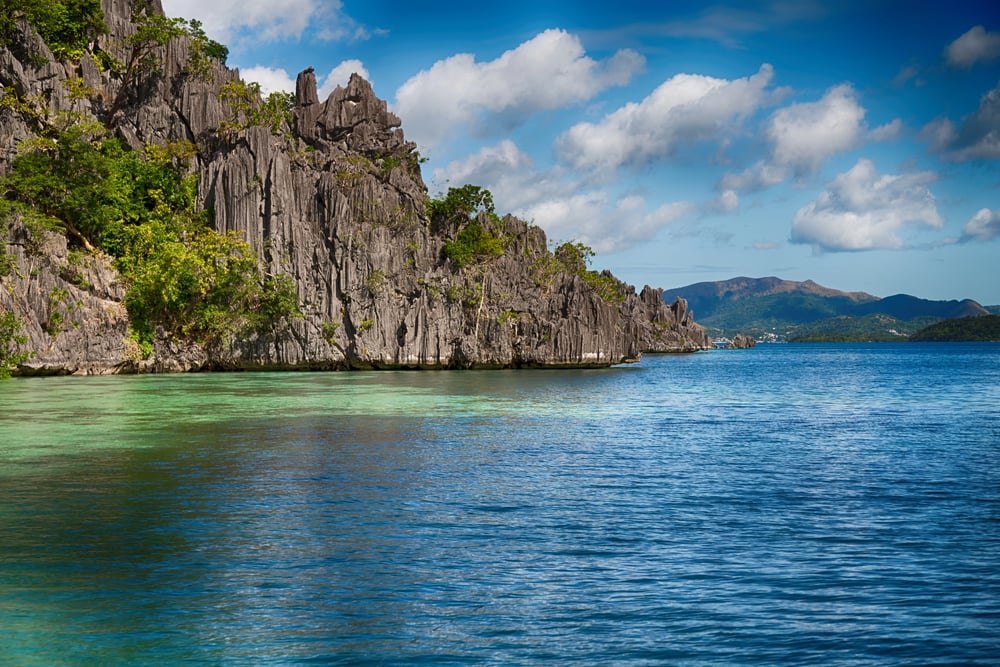
Left behind by accident one winter, the keeper supposedly fled after something slithered through his cabin window. Truth shifts depending on who tells it, yet people point to that moment when explaining the switch to machines.
Gaining its eerie name piece by quiet piece, the place grew infamous well before headlines found it.
Birds on the Move Make Up Most of What This Snake Consumes
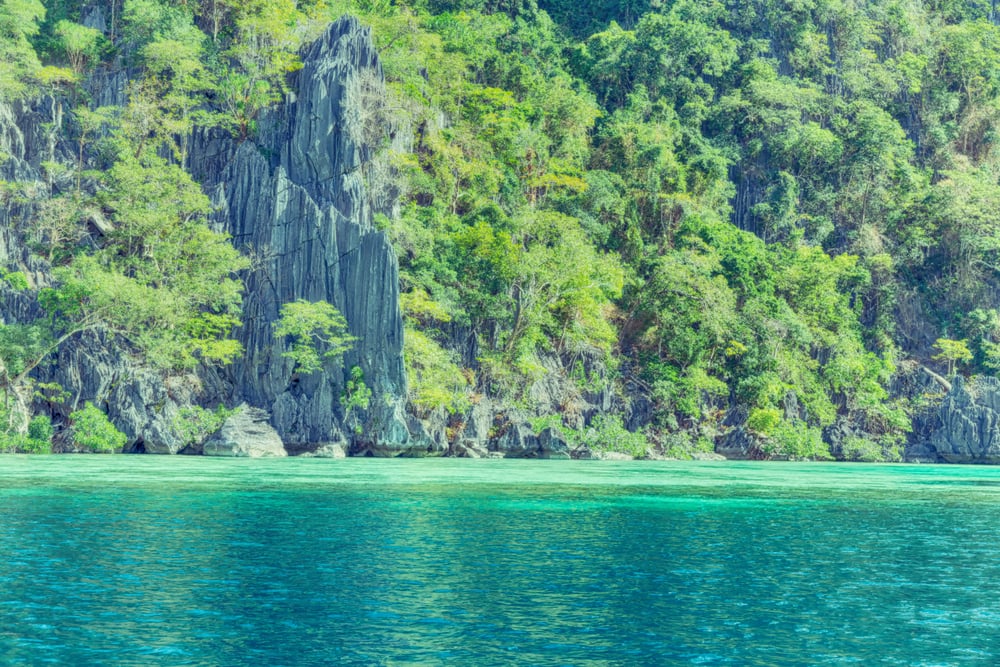
One reason these snakes climb trees is hunger – nothing on the ground fills their needs. Birds passing through become targets when they pause on the island.
Hidden among branches, motionless, the reptiles stay still. When a winged visitor picks an unlucky perch, escape often fails.
Scientists Study It Under Strict Rules
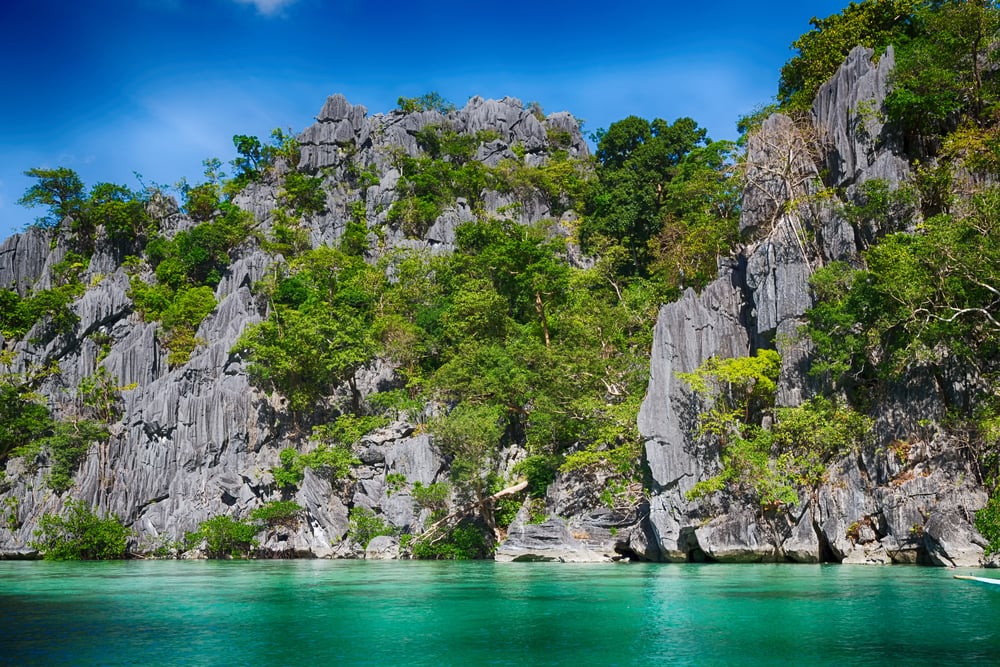
Every step taken by visiting scientists follows tight rules, often with a physician present. Though far out and tangled thick with plants, the place draws study due to rare life forms found nowhere else.
A single trip there demands precision – danger lurks in fast-striking serpents hidden beneath leaves. Value grows from what lives here, despite hurdles that slow every exploration.
The Golden Lancehead Is Critically Endangered
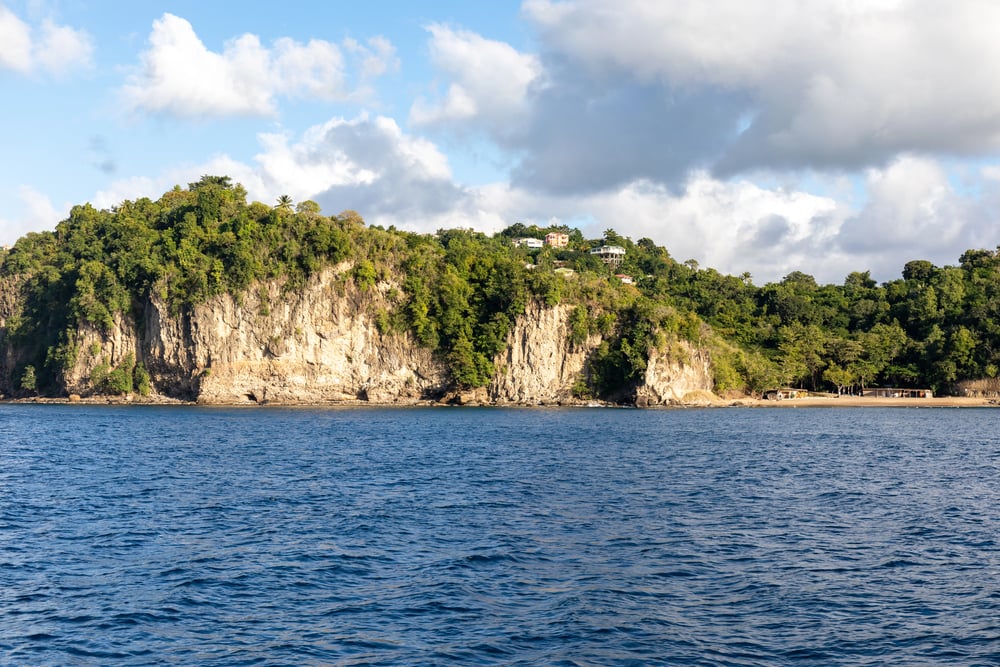
Despite the fearsome reputation of the island, the snake itself faces serious threats to its survival. Illegal collection by traffickers has reduced the population significantly, as the venom holds value in pharmaceutical research.
The species is currently listed as critically endangered on the IUCN Red List.
Poachers Have Targeted the Snakes for Profit
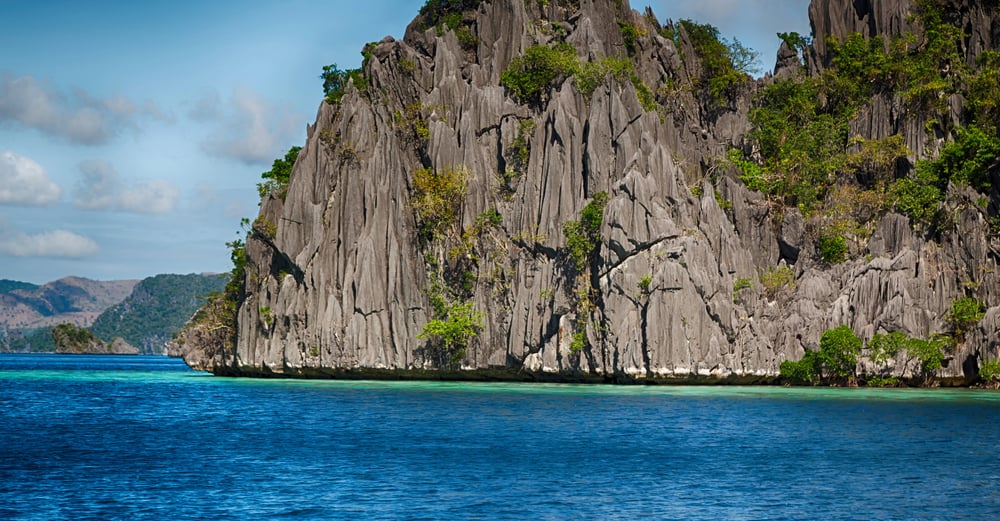
Golden lanceheads reportedly sell for tens of thousands of dollars on the black market due to their unique venom compounds. Poachers have made illegal trips to the island specifically to capture the snakes alive.
These removals, combined with the already small and isolated population, have made conservation efforts urgent.
The Venom Has Real Medical Potential
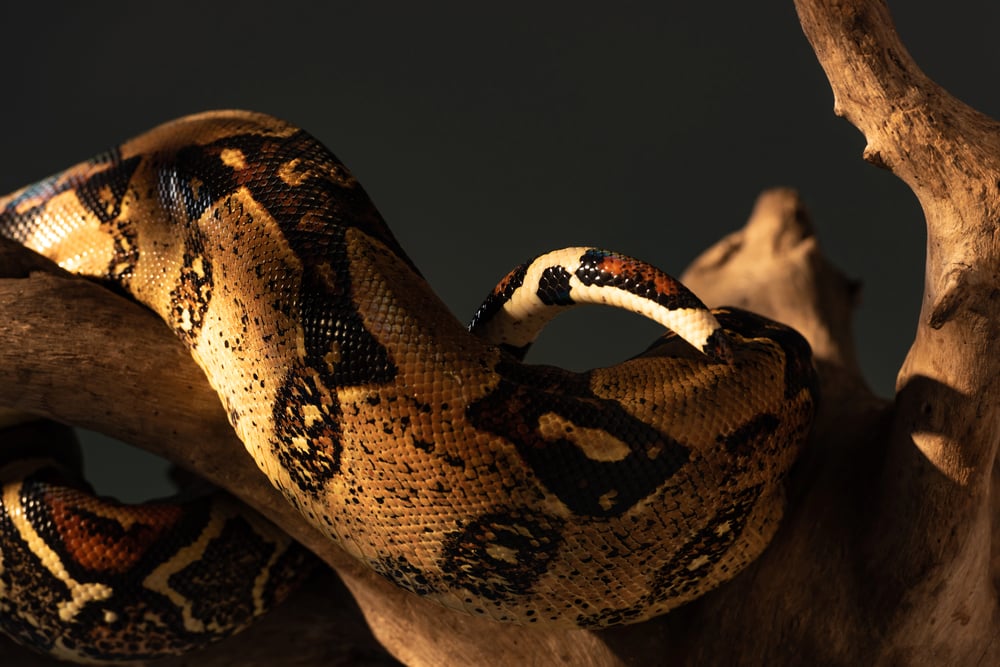
Scientists have studied compounds from the golden lancehead’s venom for potential use in treating heart disease, blood clots, and circulation disorders. One compound derived from a related Bothrops species already contributed to the development of a class of blood pressure medications.
The island’s snakes, in a strange twist, may one day help save lives.
The Island Has Dense, Difficult Terrain
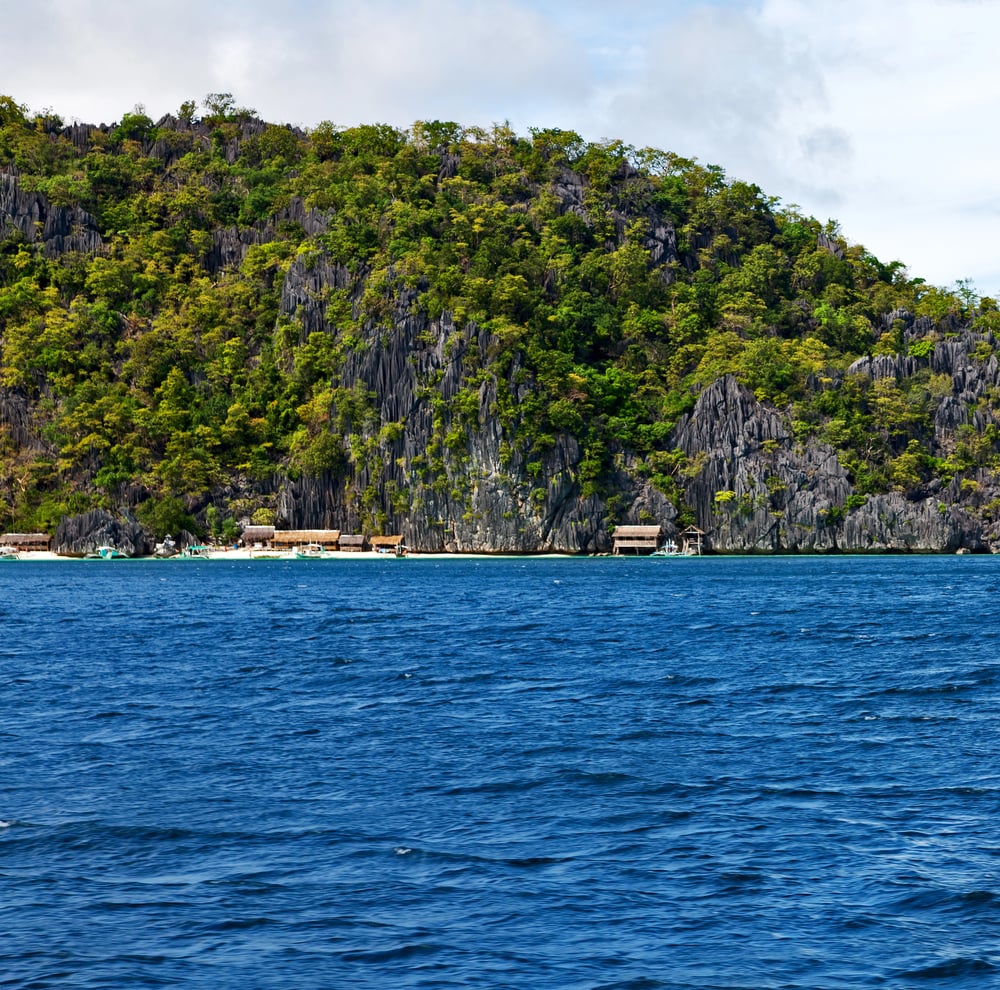
Snake Island is not just dangerous because of its snakes. The terrain itself is heavily forested in parts, with rocky outcrops and thick undergrowth that make movement slow and unpredictable.
Visibility is often limited, which means spotting a snake before getting close to one requires constant, focused attention.
Local Fishermen Avoid It Entirely
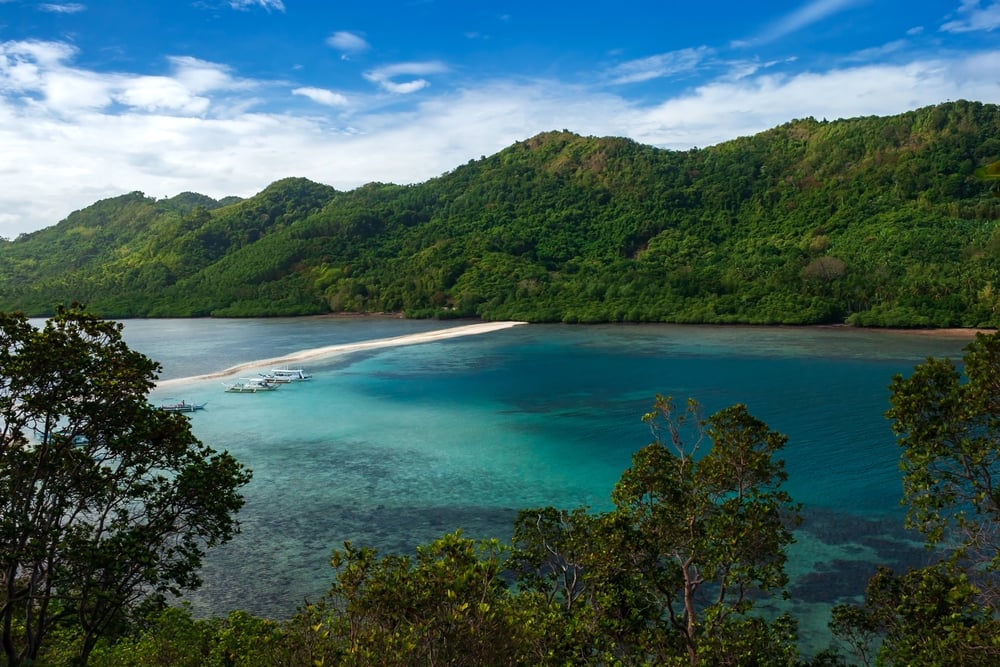
Fishing communities along the nearby Brazilian coast treat the island as strictly off-limits. Stories passed down through generations have kept people away far more effectively than any official signage.
The island has a reputation that does not need much reinforcing once people hear the details.
The Climate Suits the Snakes Perfectly
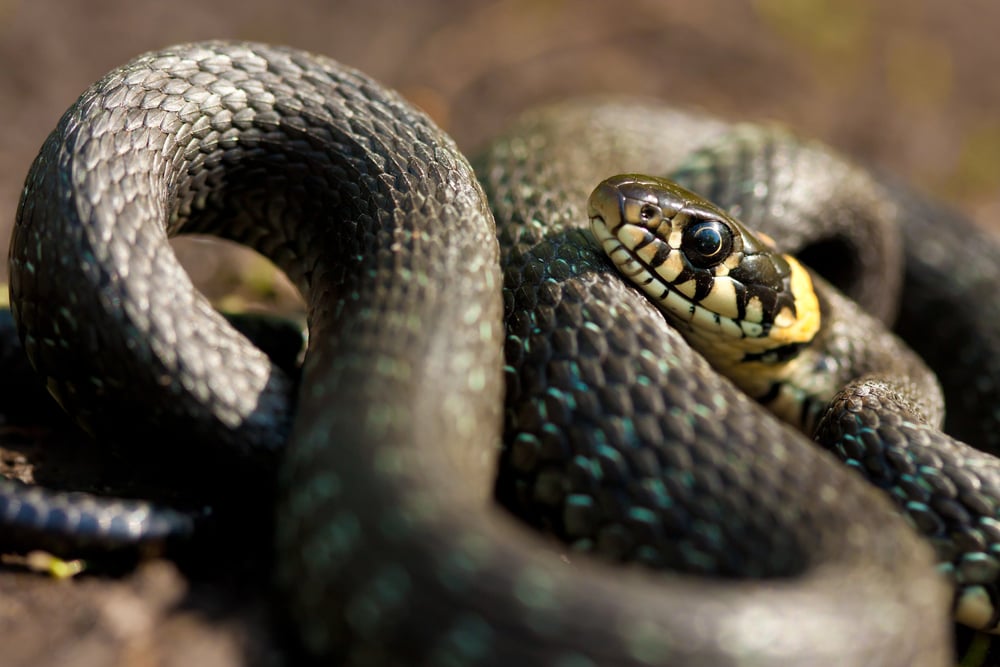
The island sits within a humid subtropical climate zone, with warm temperatures and consistent rainfall throughout the year. This environment supports the kind of forest cover and bird activity that the snakes depend on.
It is, by the nature of the ecosystem, almost tailor-made for their survival.
Documentaries Have Brought It to Global Attention
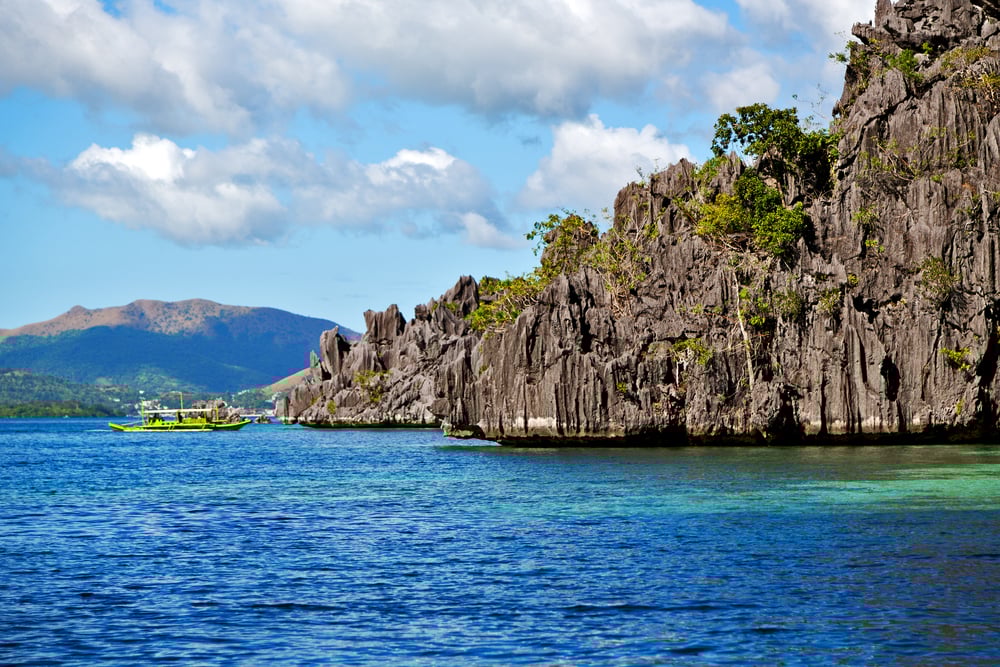
Over the past two decades, Snake Island has been featured in nature documentaries, travel programs, and wildlife series from around the world. Each piece of coverage tends to reignite public fascination with the place.
The island has become a symbol of how extreme and untouched certain corners of the natural world still are.
It Remains One of the World’s Most Restricted Places
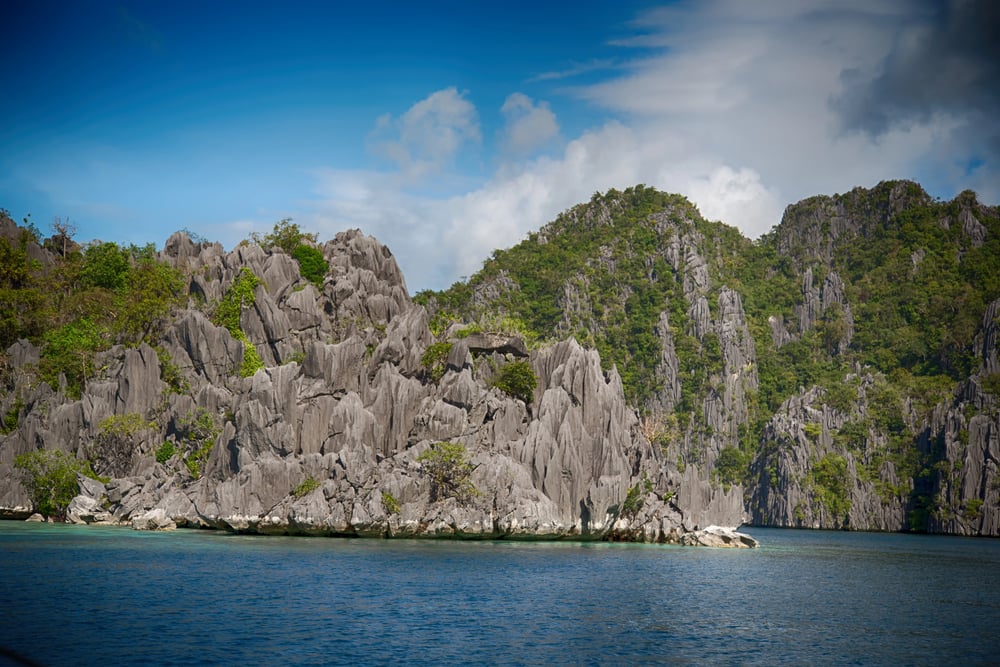
Very few places on Earth are as consistently off-limits to the general public as Snake Island. The restrictions are not political or military in nature.
They exist simply because the island poses a genuine, immediate physical danger to anyone who goes there unprepared. That honesty makes it all the more compelling.
The Island and the Future
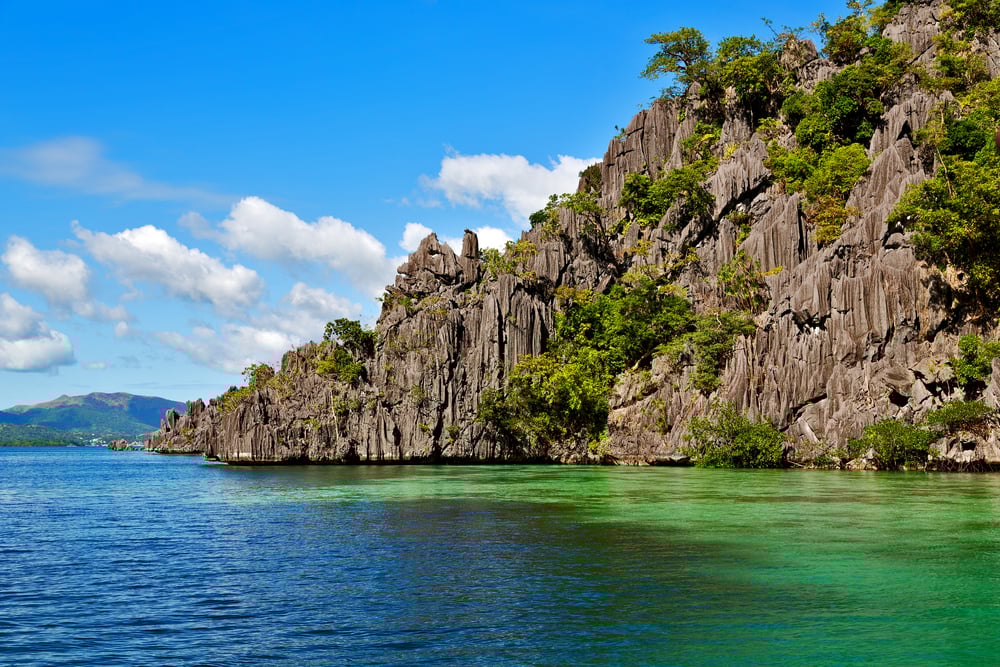
Snake Island is a reminder that nature does not always bend to human curiosity or comfort. The golden lancehead evolved over thousands of years into something perfectly suited to its tiny, isolated world, and that world is now under pressure from human interference, even as access is officially blocked.
Protecting the island means protecting a species that exists nowhere else, one that carries compounds in its venom that science is only beginning to understand. The island’s story is not just about fear or danger. It is about what happens when evolution runs its course completely uninterrupted, and how fragile that outcome can be.
More from Go2Tutors!

- The Romanov Crown Jewels and Their Tragic Fate
- 13 Historical Mysteries That Science Still Can’t Solve
- Famous Hoaxes That Fooled the World for Years
- 15 Child Stars with Tragic Adult Lives
- 16 Famous Jewelry Pieces in History
Like Go2Tutors’s content? Follow us on MSN.



