Famous Whistleblowers Who Changed History
Throughout the course of history, there have been instances when individuals came forward and disclosed information that powerful entities would like to keep under the radar. These individuals, referred to as whistleblowers, point the spotlight towards any wrongdoing, corruption, or malpractices taking place in the government, corporate, or any such institutions.
Although the process of whistleblowing is not an easy one, the decision of these individuals has the power to change the course of the nation’s conversation on the subject. Moreover, the impact of the actions of these whistleblowers has been felt over a long period of time.
Let’s take a closer look at some of the whistleblowers and their impact on the nation’s history.
Daniel Ellsberg
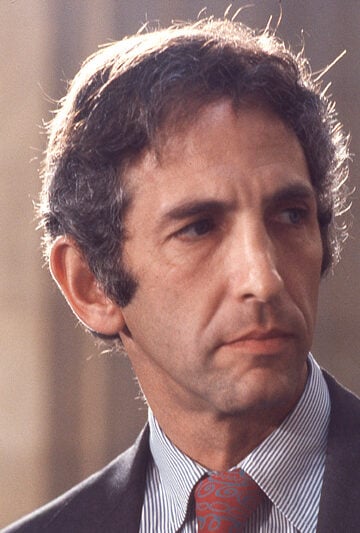
Daniel Ellsberg became one of the most influential whistleblowers of the twentieth century when he released the Pentagon Papers in 1971. The documents were part of a classified study examining the United States government’s decision-making during the Vietnam War.
Ellsberg, who had worked as a military analyst, became concerned about the gap between public statements and internal assessments. After copying the documents, he shared them with major newspapers.
The resulting reports revealed that officials had privately acknowledged major challenges in the war while publicly presenting a far more confident narrative. The disclosure intensified public skepticism toward the conflict.
The government attempted to block publication of the documents, leading to a landmark Supreme Court case that ultimately protected the right of newspapers to publish the material. Ellsberg’s actions helped expand discussions about press freedom, government secrecy, and public oversight.
Mark Felt

Mark Felt served as the associate director of the Federal Bureau of Investigation during the early 1970s. For decades, he was known only by the nickname ‘Deep Throat,’ a confidential source who secretly guided journalists investigating the Watergate scandal.
The Watergate investigation began after a break-in at the Democratic National Committee headquarters in 1972. Reporters Bob Woodward and Carl Bernstein relied on information from an anonymous source who confirmed key details and encouraged further investigation.
Felt’s guidance helped journalists connect several pieces of evidence that eventually revealed a larger political scandal involving attempts to interfere with democratic processes. The unfolding investigation led to major congressional hearings and the eventual resignation of President Richard Nixon.
Felt’s role demonstrated how confidential sources can help investigative journalism uncover powerful wrongdoing.
Jeffrey Wigand
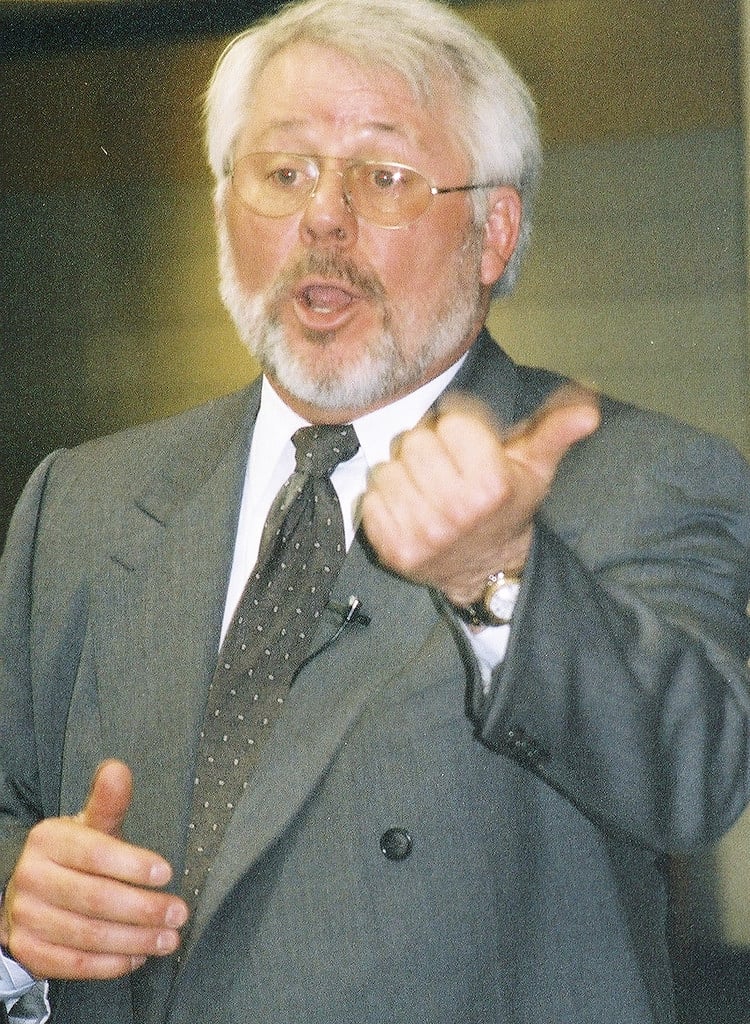
Jeffrey Wigand played a crucial role in exposing practices within the cig industry during the 1990s. As a former executive at a cig company, Wigand raised concerns about internal research suggesting that companies understood the addictive properties of their products while publicly minimizing those risks.
His testimony during legal proceedings helped shed light on how cig companies managed scientific research and public messaging. The information contributed to a growing body of evidence about the health consequences associated with cig use.
Wigand’s disclosures intensified public scrutiny of the cig industry and influenced a series of legal actions that eventually resulted in major financial settlements between cig companies and state governments. His story also highlighted the personal and professional pressures often faced by whistleblowers.
Sherron Watkins
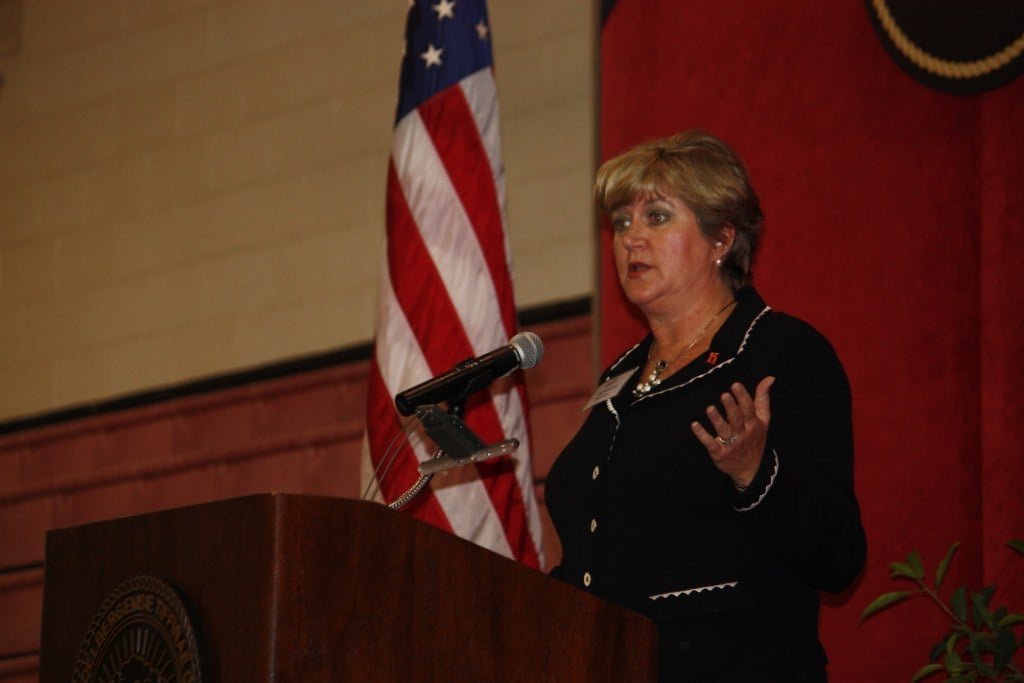
Sherron Watkins became widely recognized for raising concerns about accounting practices within the energy company Enron. In 2001, she wrote a memo to senior leadership warning that the company’s financial structure contained serious irregularities that could lead to major consequences.
Enron had been celebrated as one of the most innovative corporations in the United States, yet investigations later revealed that complex accounting arrangements had been used to conceal financial losses. As the situation became public, the company collapsed in one of the largest corporate scandals in modern history.
Watkins’ warnings became part of the broader investigation that exposed the company’s financial practices. The Enron scandal led to sweeping regulatory changes, including new rules designed to strengthen corporate governance and financial reporting.
Edward Snowden
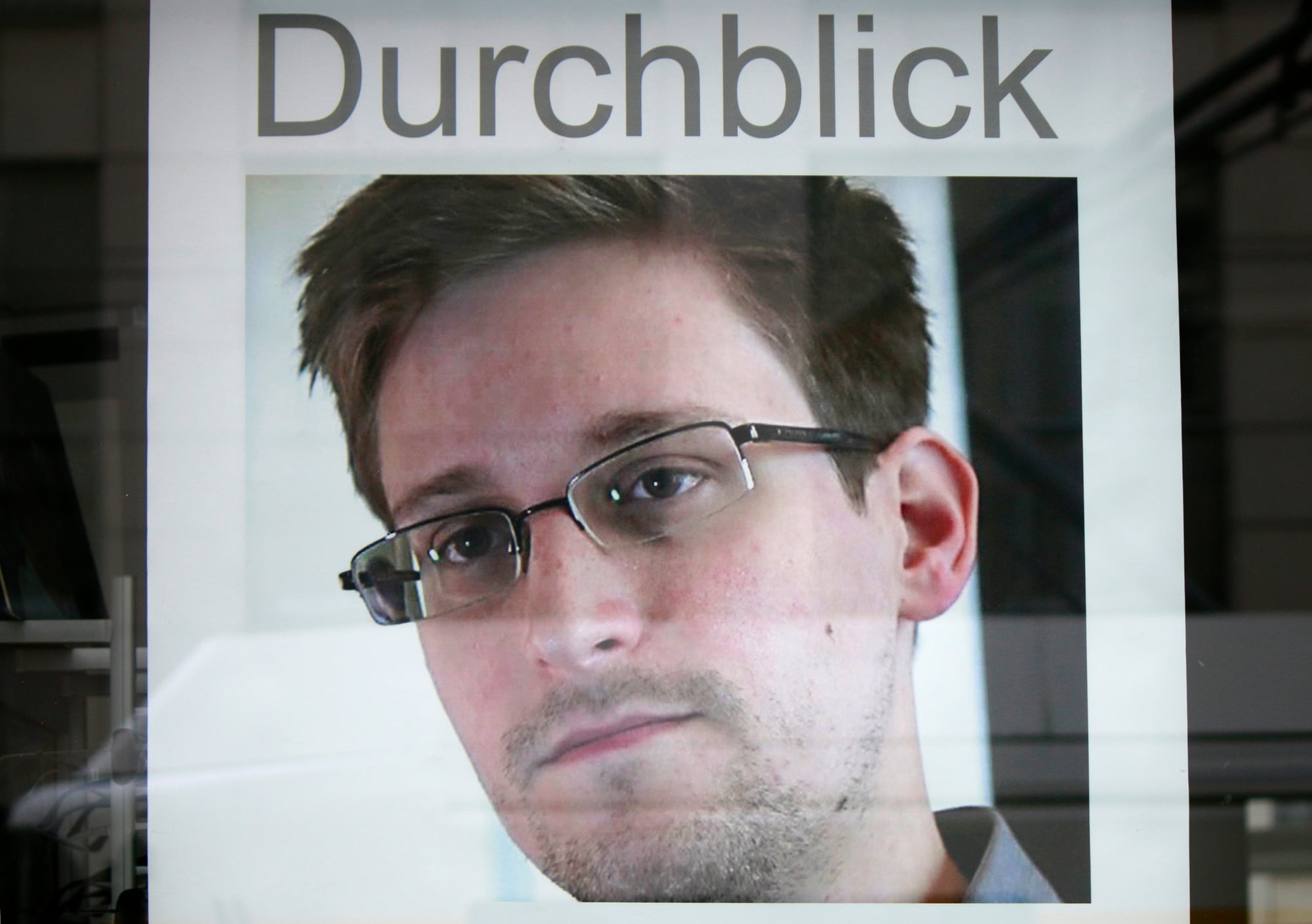
Edward Snowden, a former intelligence contractor, released a collection of classified documents in 2013 that described large-scale surveillance programs operated by intelligence agencies. The documents suggested that communication networks around the world were being monitored in ways many members of the public had not fully understood.
The revelations triggered intense global debate about digital privacy and national security. Governments and technology companies began reassessing how data is collected and protected.
Legislators in several countries also introduced new policies aimed at strengthening oversight of intelligence programs. Snowden’s disclosures helped push discussions about online privacy into the mainstream.
The case also raised complex questions about the responsibilities of whistleblowers when dealing with highly classified information.
Chelsea Manning

Chelsea Manning provided a large collection of classified military and diplomatic files to a publishing organization in 2010. The materials included field reports from military operations as well as diplomatic communications between governments.
The publication of the documents generated widespread debate about transparency, diplomacy, and the public’s right to information. Some observers argued that the disclosures helped reveal important realities about modern conflicts and international relations.
Others raised concerns about the risks associated with releasing sensitive material. Regardless of those debates, the case highlighted the growing influence of digital information and how rapidly large volumes of data can circulate in the modern era.
Frances Haugen

Frances Haugen gained public attention in 2021 after sharing internal documents from a major social media company with regulators and journalists. The documents included research suggesting that the company had identified potential concerns about how social media platforms could affect user behavior and online conversations.
Haugen later testified before lawmakers about the findings. Her disclosures prompted renewed discussions about the role of technology companies in shaping online communication and the responsibilities they hold toward users.
The case encouraged governments in multiple countries to examine new regulatory frameworks addressing online platforms, data practices, and user safety.
Katharine Gun

Katharine Gun worked as a translator for a British intelligence agency when she encountered a classified memo related to diplomatic activities surrounding the Iraq War in 2003. The memo described an effort to gather intelligence about certain international representatives involved in diplomatic discussions.
Gun believed the information raised serious ethical questions and decided to share the document with a journalist. The disclosure quickly became international news and sparked debate about intelligence gathering during diplomatic negotiations.
Although she faced legal charges under national security laws, the case against her was eventually dropped. Gun’s actions became part of broader discussions about whistleblowing, ethics, and the role of intelligence agencies.
Reality Winner
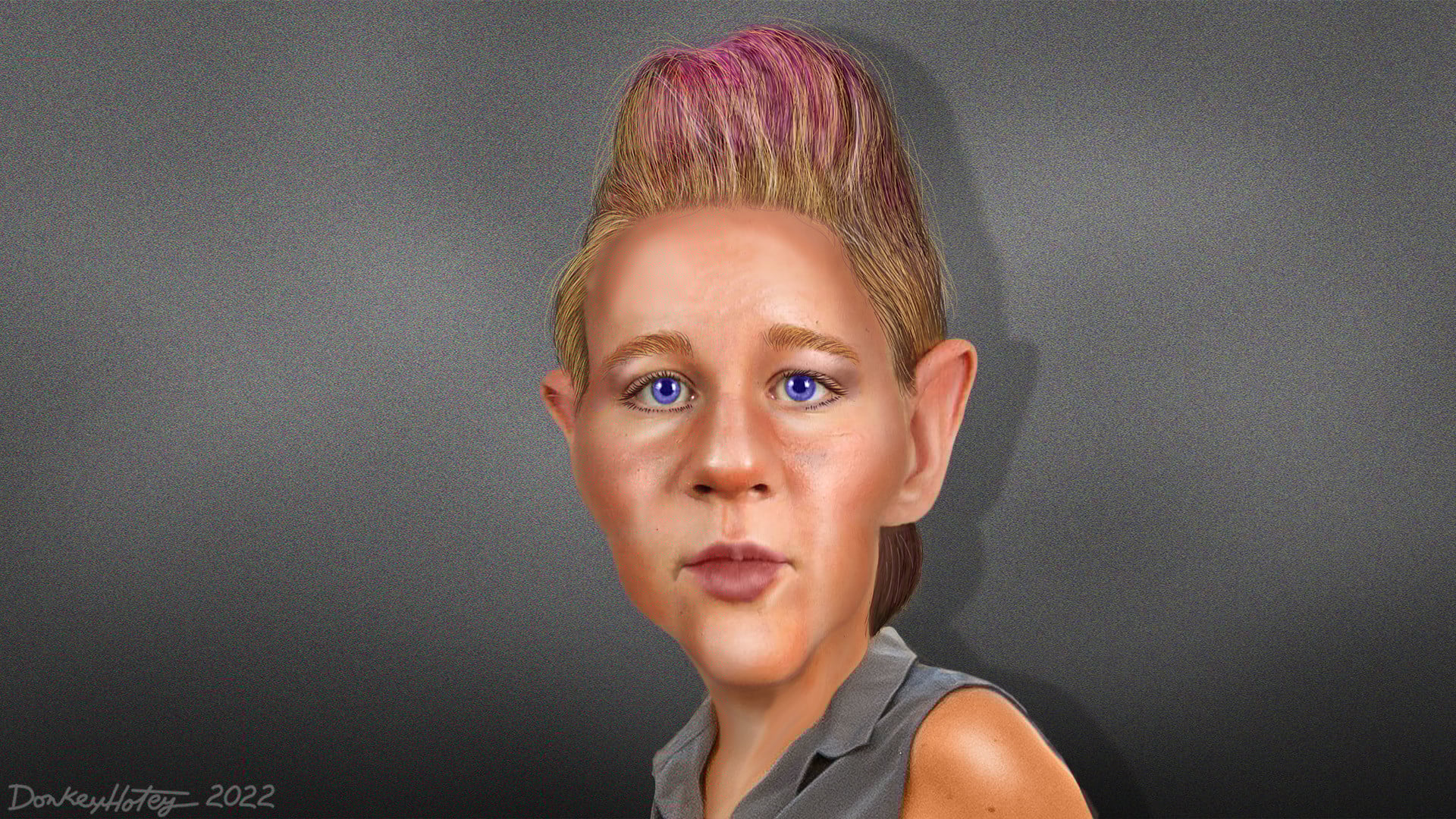
Reality Winner, a former intelligence contractor, disclosed a classified report in 2017 concerning attempts to interfere with election systems through cyber activities. The report described efforts to target election infrastructure using digital methods.
Once the information became public, it intensified concerns about election security and the vulnerability of democratic institutions to cyber operations. Government agencies and election officials began reviewing security practices in response to the revelations.
Winner’s case also reignited debates about how classified information should be handled and the responsibilities of individuals who encounter sensitive data.
The Lasting Impact of Whistleblowers
Whistleblowers are often at the center of a debate about ethics. While some are heralded for bringing to light information that is perceived to be in the interest of the public, others are accused of exposing confidential information that is considered critical to an organization’s success.
Regardless of the debate, there is no doubt that whistleblowers have consistently been at the center of bringing to light hidden issues. The history of whistleblowers is a demonstration of how individual actions can sometimes shape institutions.
The journey of information from secrecy to public discourse is a powerful tool for changing policies, rebuilding trust, and ensuring accountability in powerful institutions.
More from Go2Tutors!

- The Romanov Crown Jewels and Their Tragic Fate
- 13 Historical Mysteries That Science Still Can’t Solve
- Famous Hoaxes That Fooled the World for Years
- 15 Child Stars with Tragic Adult Lives
- 16 Famous Jewelry Pieces in History
Like Go2Tutors’s content? Follow us on MSN.