15 Weirdest Things Banned in Soviet Russia
The Soviet Union’s control mania extended far beyond travel restrictions and publication censorship. Communist officials declared war on any and everything, including confectionery and dress choices. Although it is common knowledge that dictatorships will repress political dissent, few are aware of the extent to which the paranoia of the Kremlin permeated daily life.
Party leaders somehow persuaded themselves that their revolutionary paradise would be safeguarded by prohibiting Western goods. These were also impulsive responses to anything that even somewhat smacked of capitalism, not planned choices. The 15 most bizarre items that were outlawed in Soviet Russia are listed here.
Blue Jeans

Denim represented pure evil in the eyes of Communist ideologues who saw American trousers as weapons of cultural warfare. Citizens caught sporting Levi’s faced serious consequences — including arrest and lengthy interrogations about their loyalty to socialist principles.
Rock and Roll Music

The government treated rock like a contagious disease spreading from the corrupt West. Underground musicians risked everything to perform forbidden songs, though secret concerts in basements and apartments continued despite brutal crackdowns on anyone caught participating.
Like Go2Tutors’s content? Follow us on MSN.
Chewing Gum

Soviet leaders couldn’t tolerate citizens enjoying this pointless Western indulgence that served absolutely no productive purpose. The ban created massive black market demand — where desperate gum enthusiasts paid ridiculous prices for single pieces of Wrigley’s smuggled from abroad.
Private Car Ownership

Ordinary people needed special government approval to own personal vehicles, a bureaucratic nightmare that could take years to navigate. High-ranking Party members drove luxury cars while preaching equality — exposing the hypocrisy at the heart of their supposedly classless society.
Beauty Pageants

Contests judging women’s physical appearance violated core communist beliefs about human worth and dignity. Officials argued these competitions reduced women to objects rather than celebrating their contributions as workers — though fears of Western cultural invasion probably drove the actual prohibition.
Like Go2Tutors’s content? Follow us on MSN.
McDonald’s and Fast Food

American restaurant chains symbolized everything wrong with the capitalist exploitation of both employees and customers. The state maintained strict control over dining establishments — until glasnost reforms finally allowed the Golden Arches to penetrate Soviet territory during the late eighties.
Jazz Music

Initially condemned as ‘degenerate’ art corrupting Soviet youth, jazz faced heavy restrictions even after gaining grudging acceptance. Musicians needed permits for performances while certain styles remained absolutely forbidden — particularly those emphasizing improvisation over prescribed musical conformity.
Foreign Currency Possession

Citizens discovered with Western money faced immediate imprisonment under strict economic control laws. The regime demanded complete monetary monopoly — preventing any independent financial transactions that might undermine centralized planning or enable unauthorized commerce with foreign entities.
Like Go2Tutors’s content? Follow us on MSN.
Genetic Research

Stalin declared genetics a ‘bourgeois pseudoscience’ contradicting Marxist theories about human nature and social development. Scientists studying heredity were persecuted, exiled, or executed — setting back Soviet biological research by decades while Western nations made breakthrough discoveries.
Abstract Art

Non-representational artwork was rejected as meaningless capitalist garbage offering nothing valuable to working-class consciousness. Artists faced pressure to create realistic propaganda glorifying Soviet achievements — while abstract painters risked censorship, career destruction, or imprisonment for pursuing creative freedom.
Coca-Cola
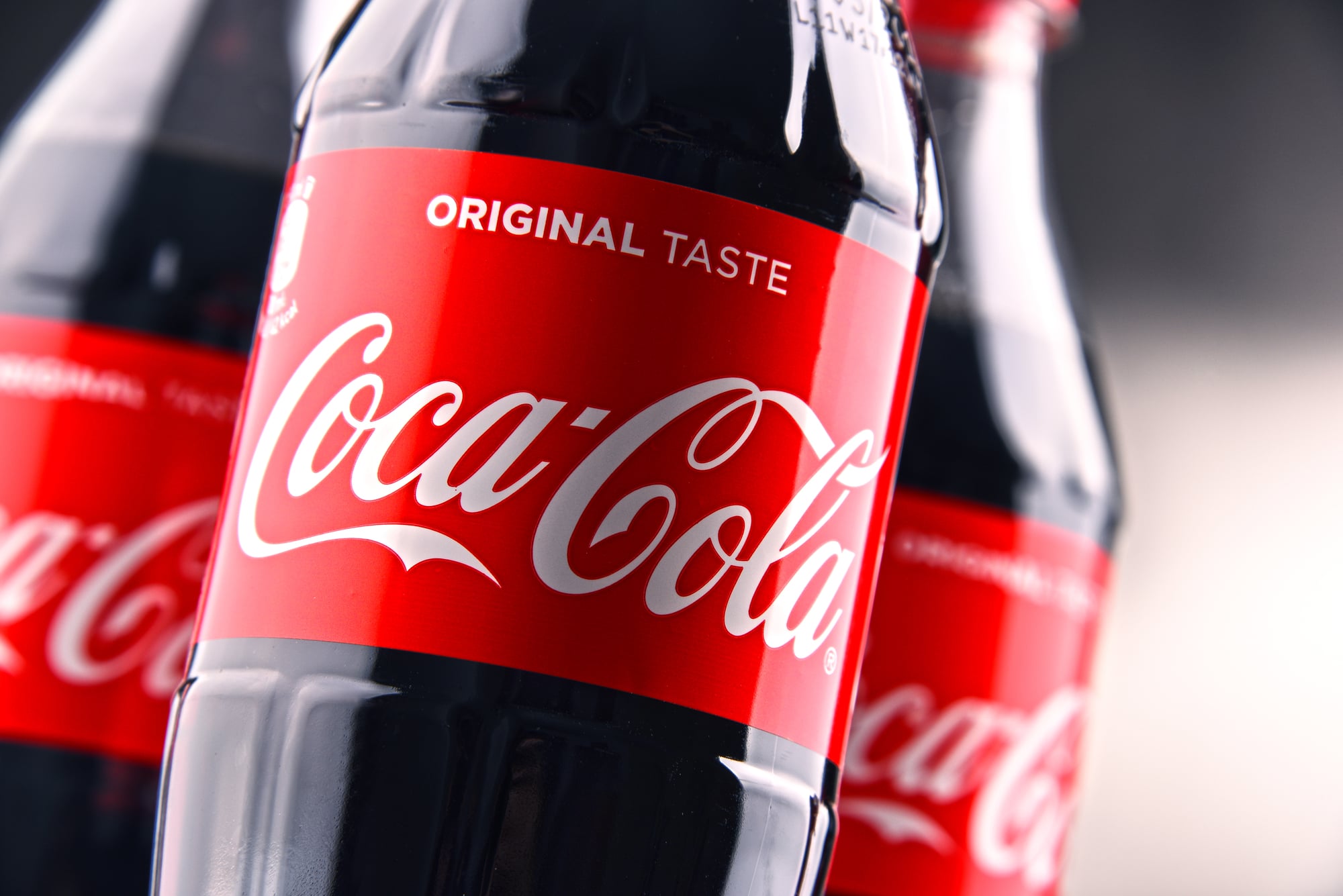
The iconic American soft drink was banned as liquid imperialism designed to corrupt pure socialist minds. Soviet chemists developed domestic cola substitutes like ‘Baikal’ to satisfy consumer demand while rejecting Western products that might introduce subversive capitalist thoughts among the population.
Like Go2Tutors’s content? Follow us on MSN.
Private Swimming Pools

Personal pools represented wasteful bourgeois excess incompatible with communist equality principles. Citizens had to use overcrowded public facilities controlled by the state, which theoretically ensured equal access while preventing wealth displays that could inspire dangerous capitalist envy.
Yoga and Meditation

Eastern spiritual practices were prohibited as religious distractions from workers’ duties to the collective. The government promoted militant atheism and viewed personal meditation as potentially threatening, since it encouraged individual contemplation rather than complete devotion to Party objectives.
Foreign Language Learning

Citizens couldn’t study Western languages without extensive official oversight and constant supervision by approved monitors. Authorities feared linguistic skills might facilitate exposure to capitalist propaganda or enable defection attempts, so education remained tightly controlled through state-approved institutions only.
Like Go2Tutors’s content? Follow us on MSN.
Breakdancing

When this energetic dance style arrived from America in the eighties, officials immediately recognized its subversive potential. The athletic movements promoted individualism and foreign cultural values among impressionable youth, leading to arrests at underground dance battles and private parties.
When Paranoia Runs Wild

These ridiculous Soviet prohibitions demonstrate how totalitarian governments can spiral into complete absurdity when fear drives policy decisions. The bans often proved counterproductive by making forbidden items irresistibly attractive, fueling underground markets and cultural resistance movements that eventually helped topple the system.
Many restrictions persisted for decades despite serving no rational purpose beyond satisfying bureaucratic paranoia. The Soviet collapse finally liberated citizens to embrace previously forbidden pleasures, though recovering from such comprehensive control took much longer than anyone anticipated.
More from Go2Tutors!

- 16 Restaurant Chains That Went Too Fast
- 12 Things Sold in the 80s That Are Now Illegal
- 15 Strange Things People Have Tried to Ban (And Failed)
- 16 Collectibles People Tossed Out Too Soon
- 17 Myths from Your Childhood That Were Actually Based on Real Things
Like Go2Tutors’s content? Follow us on MSN.