Sneakers That Defined 90s Street Style
The 1990s changed how people thought about sneakers. What started as athletic footwear became a statement about who you were and what you stood for.
Kids saved allowances for months to get the right pair. Adults lined up outside stores before dawn.
The sneakers you wore told your story before you said a word. Street style in the 90s meant something different than it does now.
Fashion magazines didn’t dictate trends. Your neighborhood did.
The sneakers that mattered were the ones people actually wore, day after day, until the soles wore thin and the colors faded just right.
Nike Air Max 90
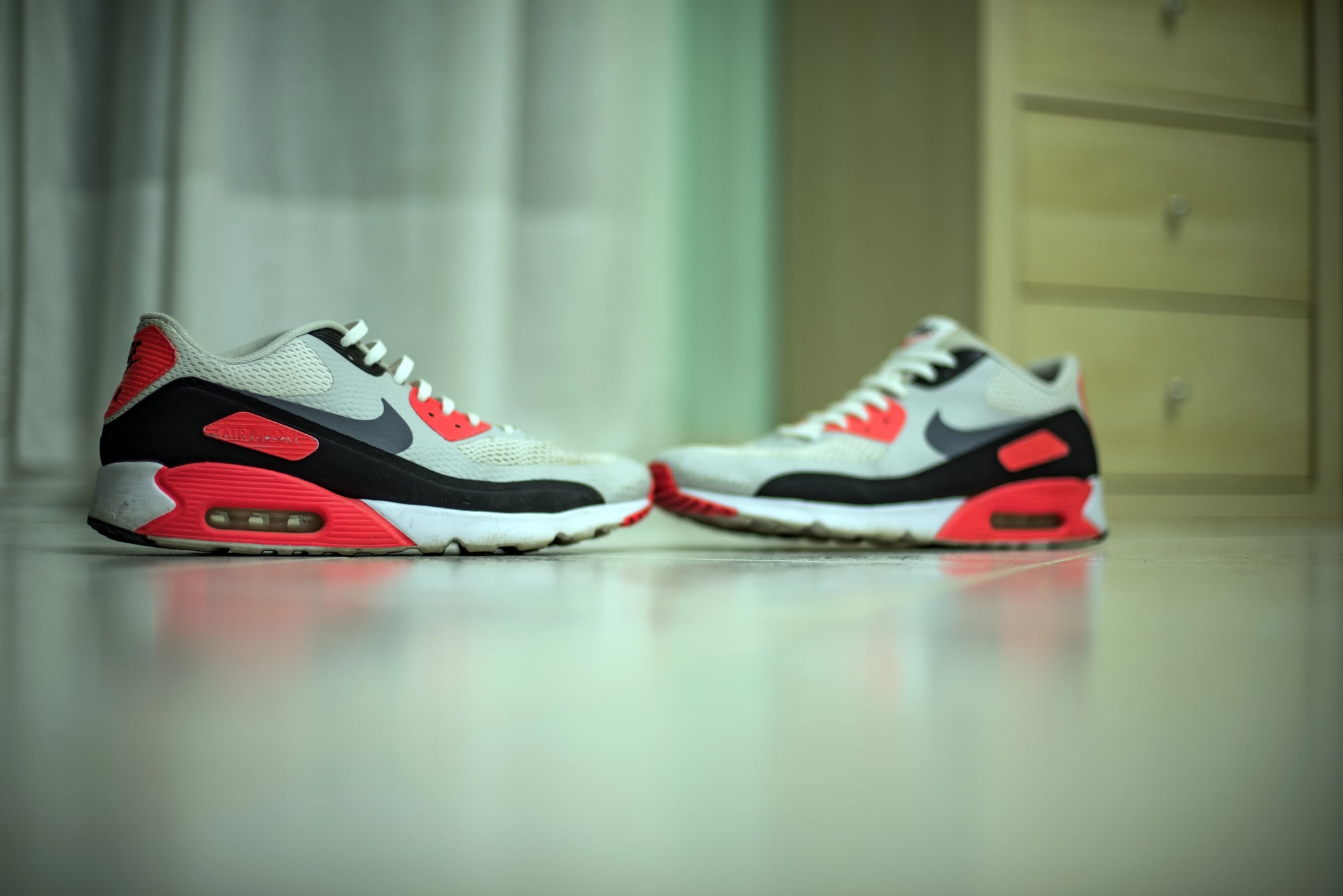
The visible air unit made this shoe impossible to ignore. When you walked, people noticed.
The chunky silhouette went against everything sleek and minimal, and that’s exactly why it worked. Skaters loved them because they could take a beating.
Hip-hop heads wore them because they made a statement. Different colorways meant different things in different cities.
The infrared version became iconic without trying. You either understood why these mattered or you didn’t.
There wasn’t much middle ground.
Reebok Question

Allen Iverson made these famous, but the streets made them legendary. The toe cap had that distinctive pattern nobody could copy.
When you wore Questions, you were saying something about toughness and style at the same time. They weren’t the most comfortable shoes ever made.
That didn’t matter. People wore them anyway because of what they represented—a refusal to compromise, a certain edge that defined 90s attitudes better than almost anything else.
Adidas Superstar
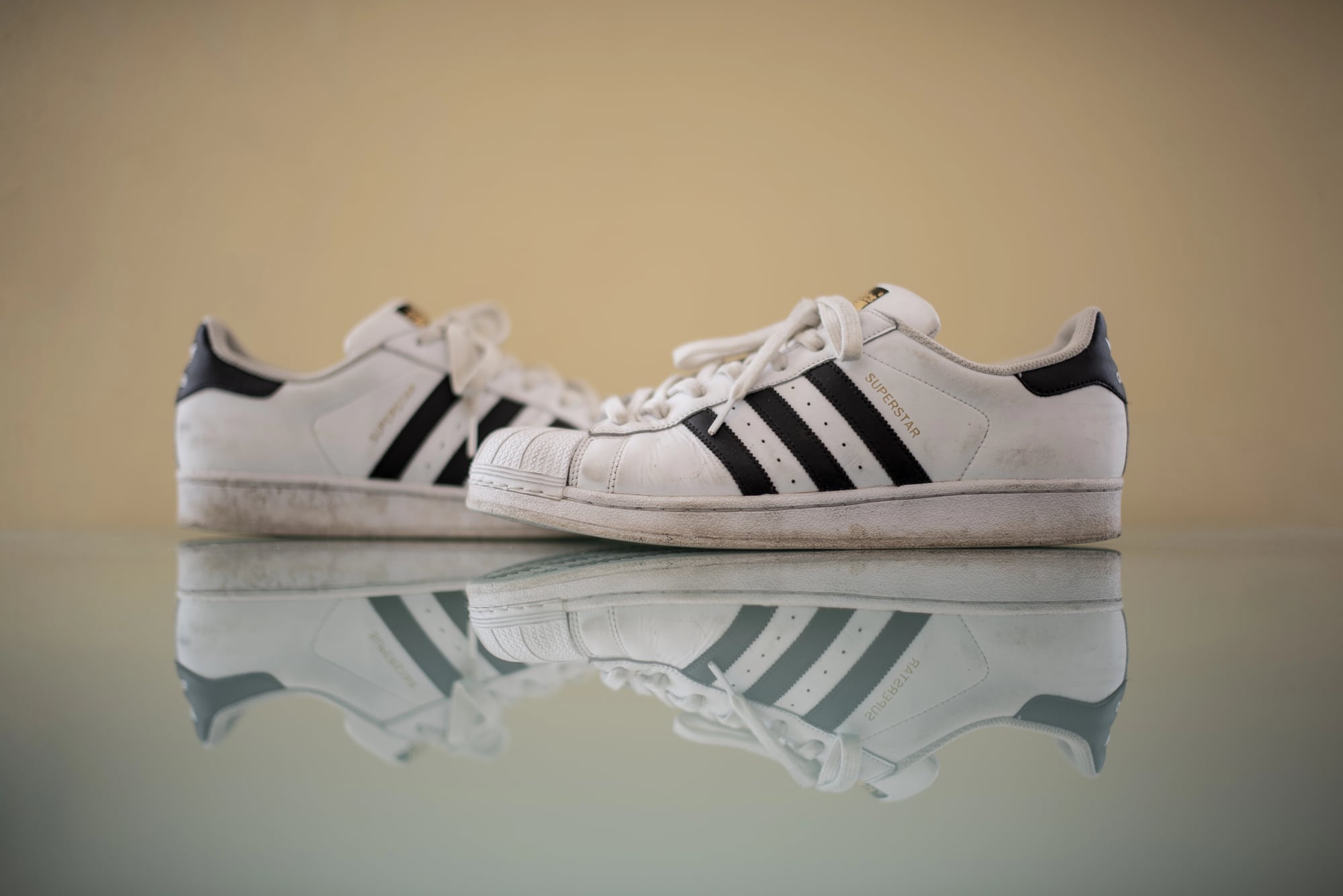
Run-DMC had already made these cool in the 80s, but the 90s kept them relevant. The shell toe design stood out from across the street.
You could spot Superstars from a block away. Fat laces became the standard modification.
Some people wrote on theirs. Others kept them pristine white no matter what.
The shoe worked for everyone from b-boys to art students to kids who just wanted to look right.
Nike Air Jordan 1

By the 90s, Jordan 1s had history behind them. They carried the weight of the banned shoe story.
Every colorway meant something to someone. Chicago, Bred, Royal—these weren’t just names, they were declarations.
You took care of Jordan 1s differently than other shoes. They got special treatment.
People boxed them up after wearing them. The leather aged in ways that made each pair unique.
Twenty years later, they’re still here because the design just works.
Fila Disruptor

This chunky monster divided people instantly. You either loved the exaggerated proportions or you couldn’t understand the appeal at all.
The platform sole added height and attitude in equal measure. Women drove the Disruptor trend, which set it apart from most 90s sneaker culture.
The shoe challenged what athletic footwear could look like. It was ugly in the best possible way—intentionally bold, refusing to apologize for taking up space.
Reebok Pump

The technology seemed futuristic at the time. Pressing that orange button to inflate the shoe felt like something from science fiction.
The ritual of pumping up your shoes before playing basketball or just hanging out became part of the experience. Shaq and Dee Brown gave the Pump credibility.
But regular kids made it their own. You could customize the fit to your exact preference, which made each pair feel personal.
The visible pump mechanism on the tongue became a status symbol all its own.
New Balance 574
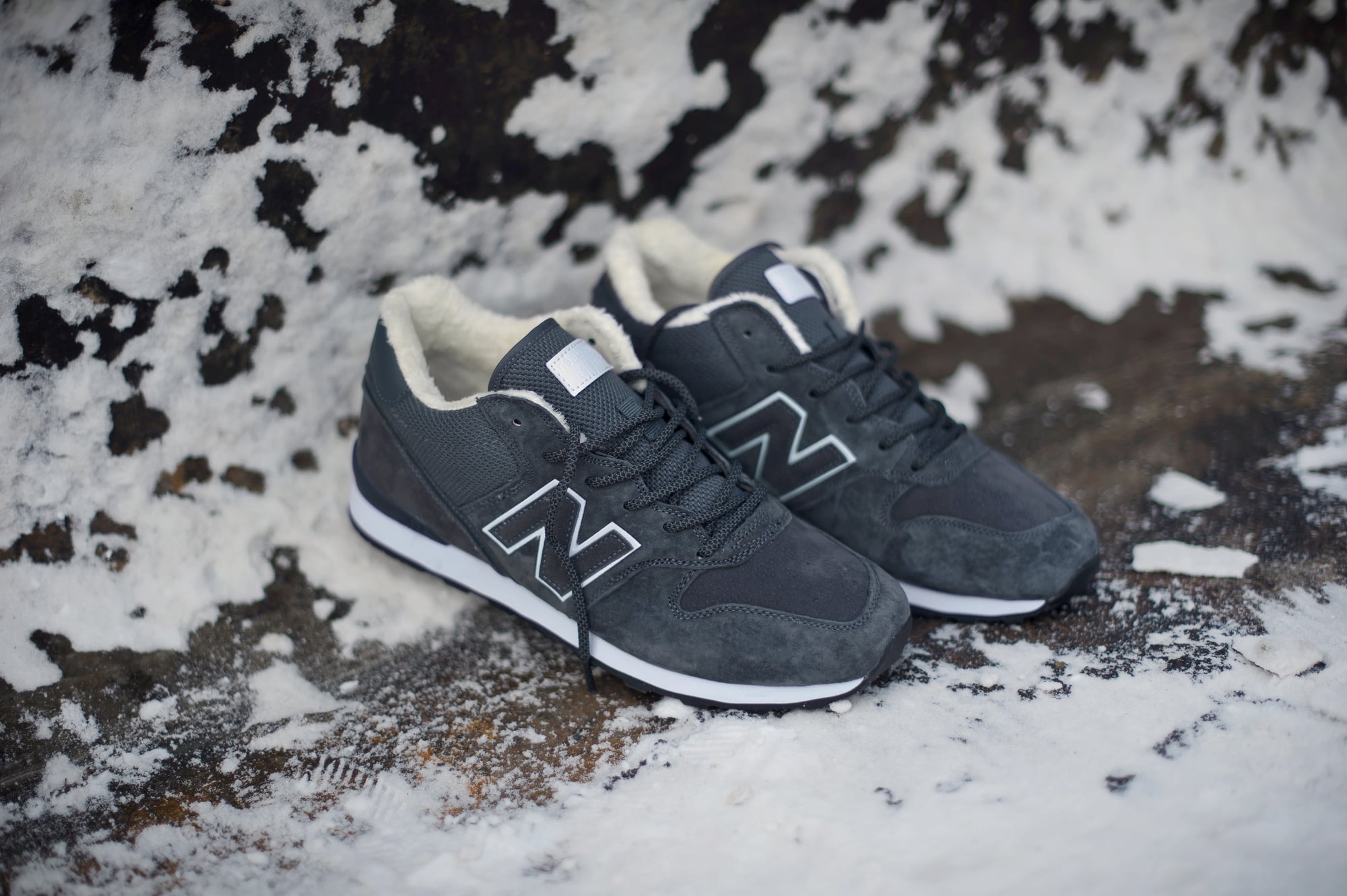
While everyone chased the flashiest options, the 574 offered something different—understated quality. The shoe didn’t scream for attention.
It earned respect through reliability. Dad shoe aesthetics weren’t ironic in the 90s.
The 574 just worked for people who valued comfort and durability over hype. You could wear these all day without thinking about your feet.
That practicality appealed to a certain kind of person who didn’t need validation from trends.
Vans Old Skool
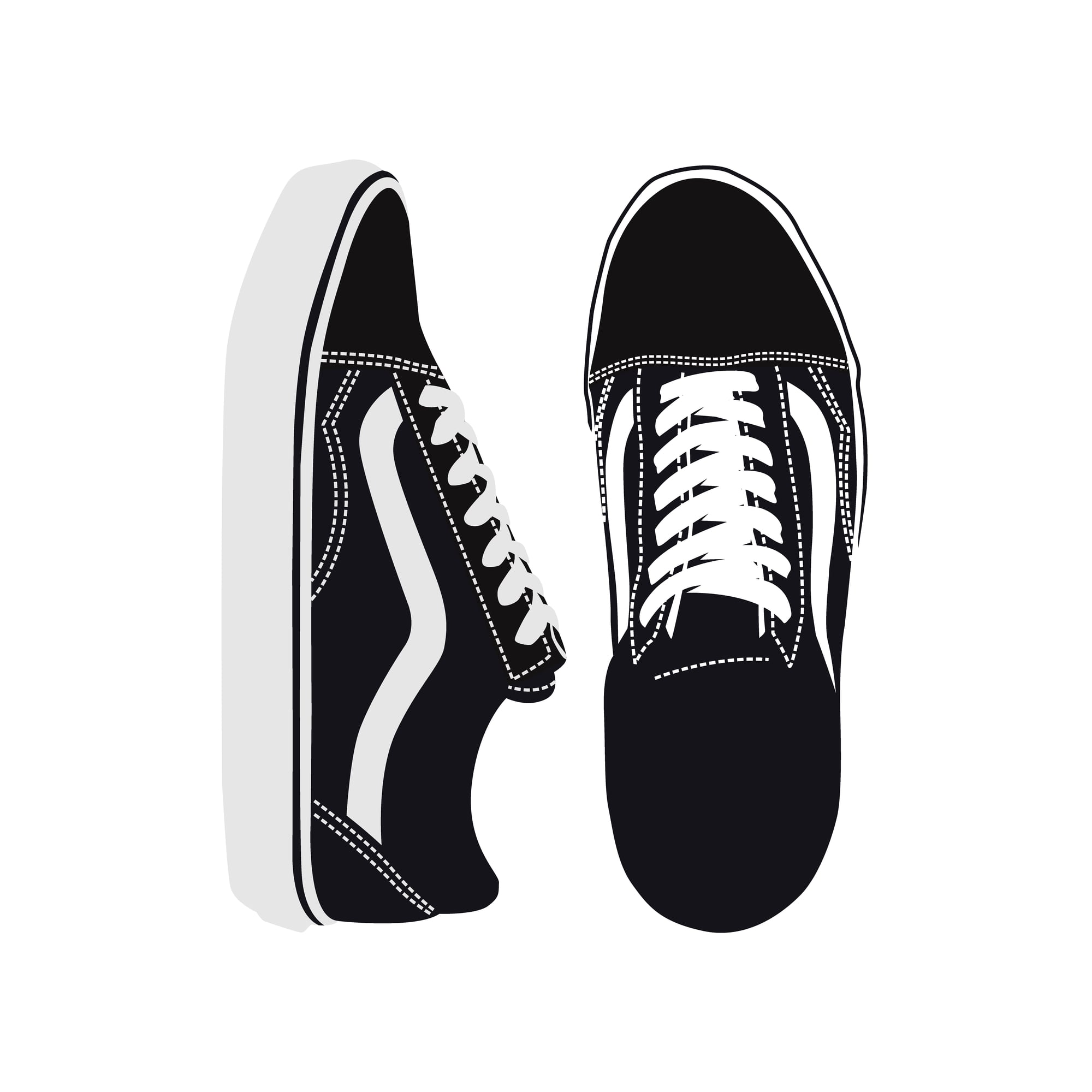
Skate culture owned the Old Skool completely. The canvas held up to grip tape abuse better than anything else at that price point.
The side stripe became one of the most recognized logos in street style. You broke these in until they molded to your feet.
The new Vans looked too clean. Worn Vans told stories—of tricks landed and missed, of long days at the skate park, of a lifestyle built around progression and persistence.
The shoe became an extension of the skater, not just footwear.
Converse Chuck Taylor All Star
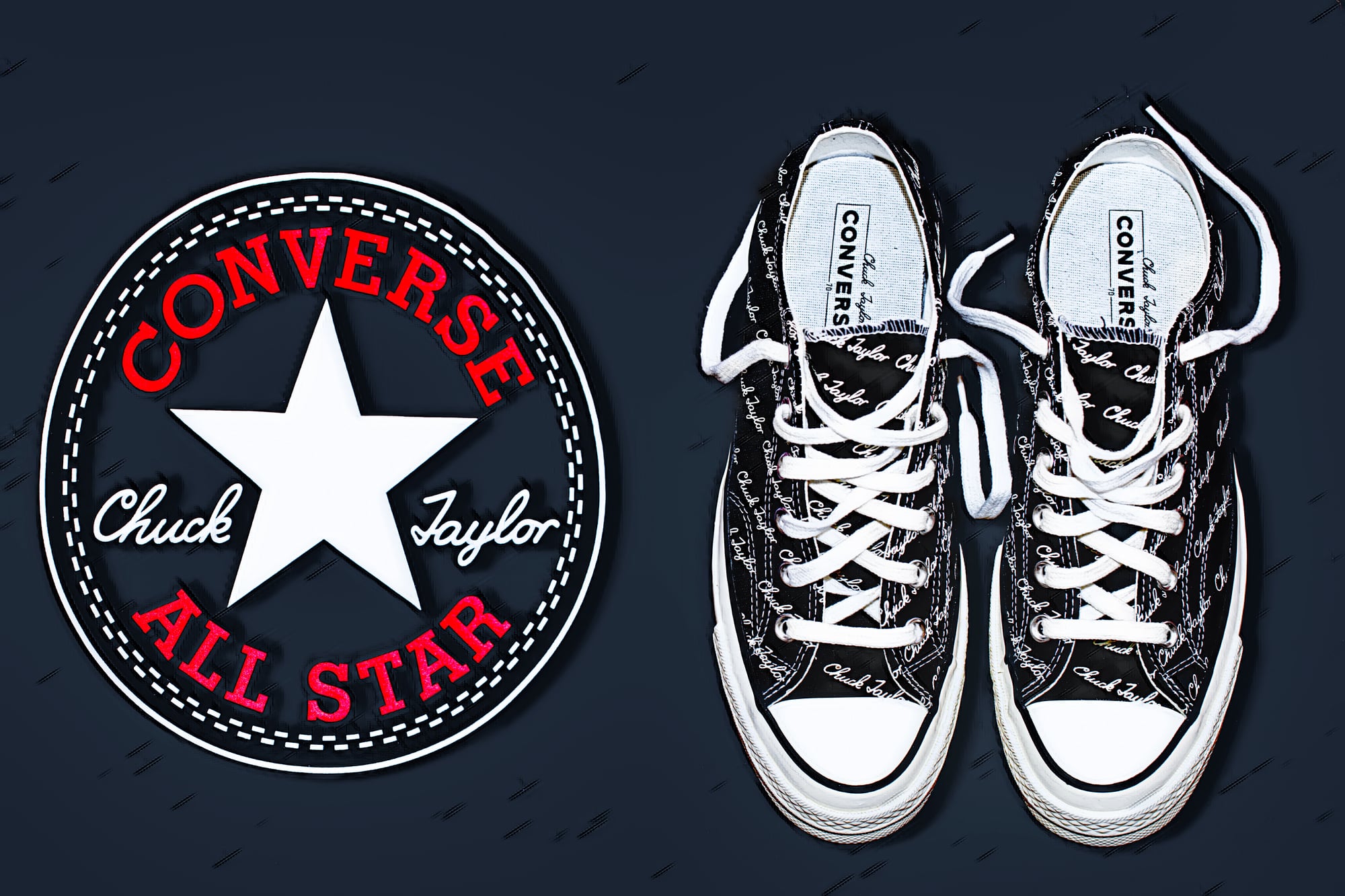
Chucks had been around forever, but the 90s gave them new meaning. Grunge musicians wore them on stage.
Artists wore them in studios. The shoe worked for anyone who wanted to distance themselves from mainstream athletic culture.
The high-top versus low-top debate defined friend groups. Black or white.
That was usually the choice, though some people went for colors. The flat sole and canvas construction made them terrible for actual basketball by this point.
That didn’t matter. They stood for something beyond sports.
Nike Air Force 1

Harlem made Air Force 1s essential. The all-white version became armor for style-conscious New Yorkers.
You didn’t let them get dirty. When they did, you bought a new pair.
Keeping your Forces crisp showed you cared about presentation. The shoe spread from New York to everywhere else gradually.
Each city developed its own relationship with the silhouette. Some places preferred high-tops.
Others stuck with lows. But everyone recognized the clean leather and the solid construction that made these last.
Adidas Gazelle
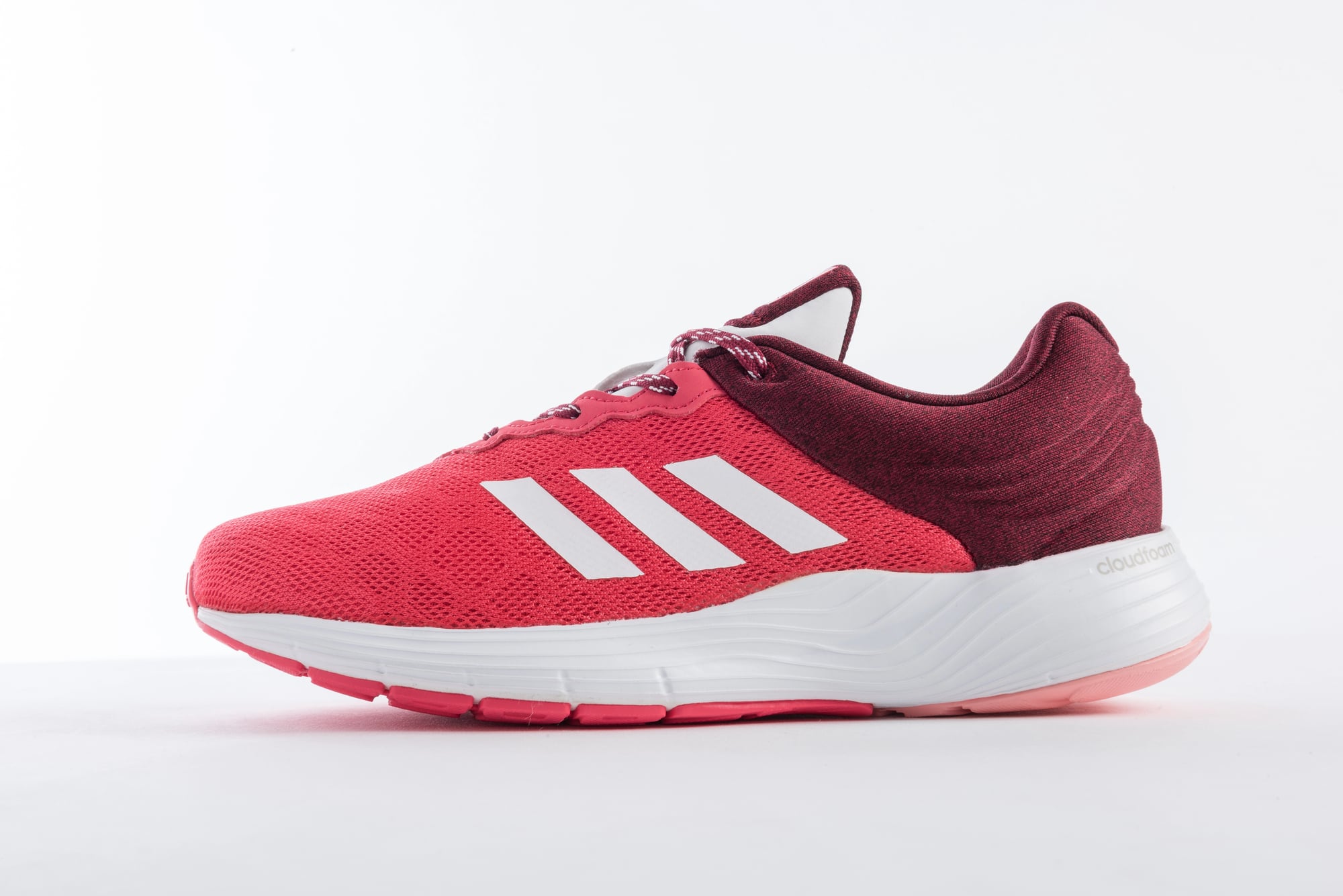
European football culture influenced American street style through the Gazelle. The suede upper and clean lines appealed to people who wanted something less bulky than the era’s chunky runners.
Indoor soccer players wore these, but so did kids who had never touched a soccer field. The shoe crossed boundaries easily.
You could dress it up more than most sneakers from this era. That versatility kept the Gazelle relevant as styles shifted.
Puma Suede

The Suede carried a serious heritage. B-boys had worn them for years before the 90s.
The wide shape and low profile worked perfectly for footwork. Breaking crews swore by them.
Fashion people discovered the Suede during the 90s minimalist movement. Suddenly the same shoe worked for dance practice and gallery openings.
That crossover appeal—athletic and artistic at once—captured something essential about how street style was evolving.
Asics Gel-Lyte III

The split tongue design made the Gel-Lyte III instantly recognizable. Most people couldn’t pronounce the name correctly.
That didn’t stop them from wanting a pair. Japan dominated sneaker innovation during this period, and the Gel-Lyte III showed why.
The comfort technology actually worked. The colorways took risks other brands avoided.
Owning a pair meant you knew something about shoes beyond the obvious choices.
Saucony Shadow 6000

Some folks never got why the Shadow 6000 stood out, but those who cared noticed right away. While others followed trends like Jordans or Air Maxes, a few stuck with this one quietly.
It wasn’t built for show – it came from real running roots. Layers of fabric, mesh, and synthetic bits gave it texture most basic models lacked.
Complexity showed up in how pieces fit together, not just color or logo size. Only a few were around, so they stood out.
Not every shop carried them, making it harder to come by. Because they were rare, people saw worth beyond price – less about noise, more about access gained through patience and knowing where to look.
Coming across one was its own reward.
Nike Cortez
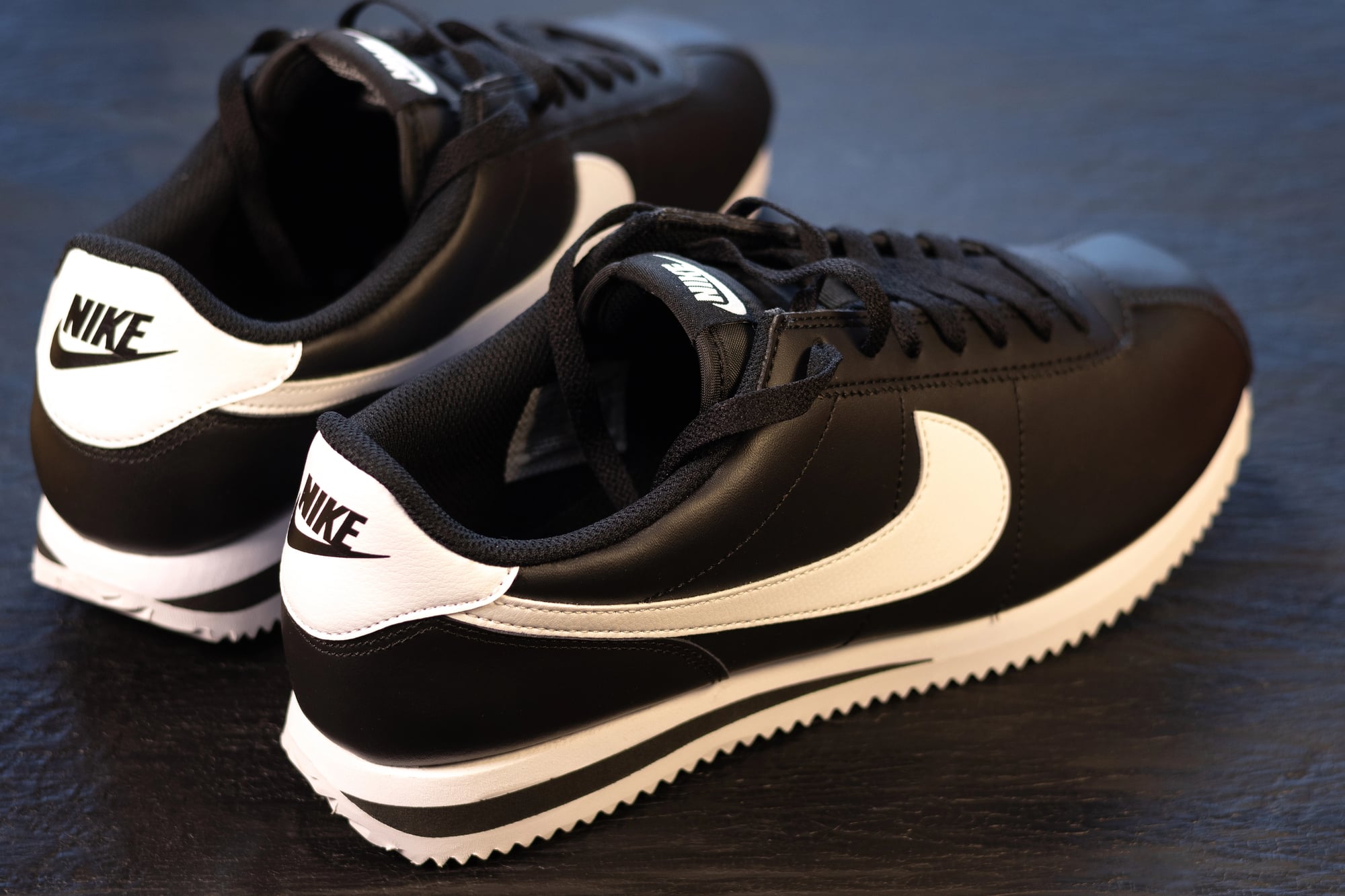
Out of nowhere, Forrest Gump brought the Cortez back into view. Still, folks on the West Coast already knew its name by heart.
A narrow shape, old-school look – these echoed a time when running shoes meant simplicity. Tired of clunky models shouting “future,” many found comfort in something quieter, older.
Some folks wore Cortez shoes because they ran long distances. Others picked them simply to stay sharp in appearance.
One group valued performance, yet another cared about how things looked. This mix of users gave the shoe a rare kind of fairness.
Hardly any sneaker ever reached that balance so naturally.
Where we stood, where we walked
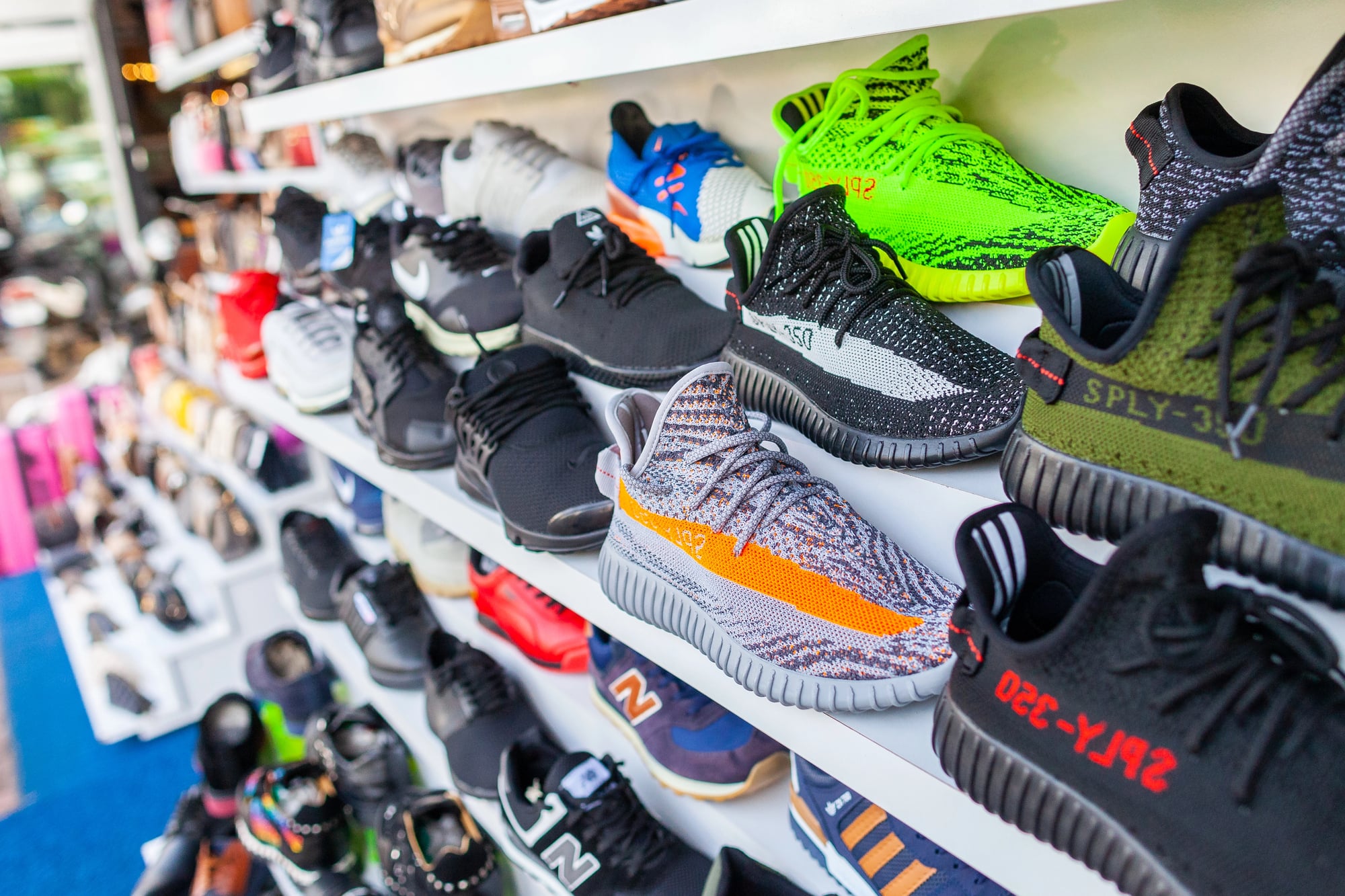
Midway through the 90s, sneakers lost their ties to sport alone. Instead, they started speaking silently about who you were.
Wearing a certain pair signaled your crowd, your beliefs, even heroes. Because of that change, clothing never went back to how it once was.
Now, those shoes look nearly plain beside what shows up lately. Not a single app.
Zero digital overlays. Leather, rubber, moments lived inside them.
Perhaps it is exactly that bareness making old designs stick around. Movement across streets shaped by their tread.
Friendships formed where they left marks. A version of you stepping forward, foot after foot.
More from Go2Tutors!

- The Romanov Crown Jewels and Their Tragic Fate
- 13 Historical Mysteries That Science Still Can’t Solve
- Famous Hoaxes That Fooled the World for Years
- 15 Child Stars with Tragic Adult Lives
- 16 Famous Jewelry Pieces in History
Like Go2Tutors’s content? Follow us on MSN.