The Most Prized Men’s Watches in the World
Walk into any high-end watch boutique and you’ll see price tags that rival down payments on houses. Some timepieces cost more than luxury cars. Others exceed the value of entire estates.
These aren’t just tools to tell time—they’re mechanical marvels, status symbols, and investments that can be appreciated over decades. Collectors wait years on lists just for the chance to buy certain models.
Understanding what makes these watches so valuable reveals a world where craftsmanship, heritage, and exclusivity create objects of intense desire.
Patek Philippe Nautilus 5711
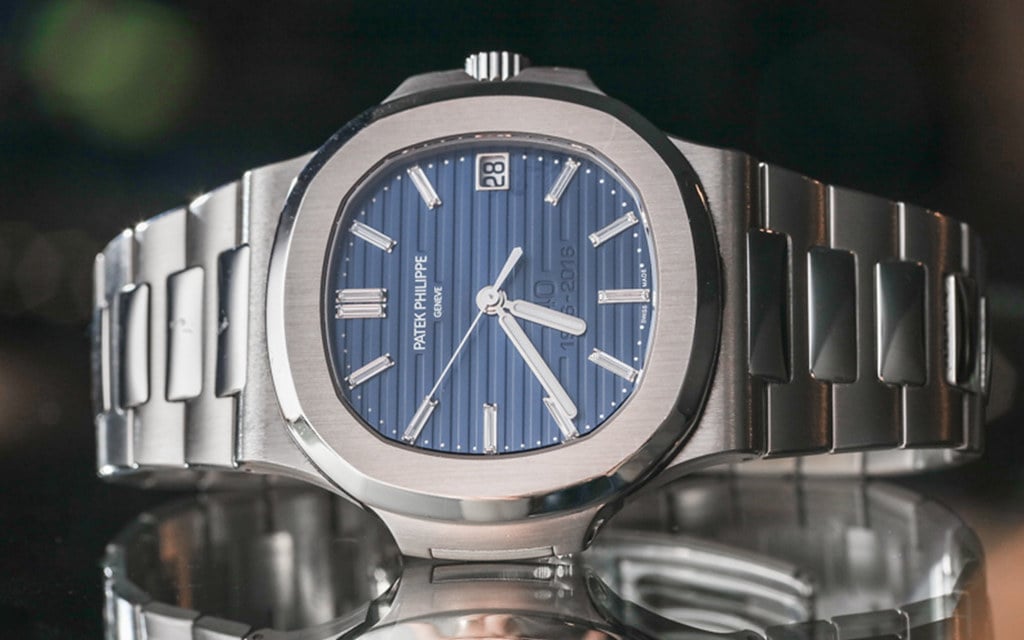
The Nautilus 5711 became one of the most sought-after watches before Patek Philippe discontinued it in 2021. Designed by Gerald Genta in the 1970s, the steel sports watch with its porthole-inspired case challenged conventions about luxury timepieces.
Steel watches were supposed to be affordable. This one wasn’t.
The retail price sat around $34,000, but actual market prices climbed past $150,000 as demand exploded. Authorized dealers couldn’t keep them in stock.
The waiting list stretched years long, and many potential buyers never got the call. When Patek announced the discontinuation, prices spiked even higher.
The watch represents perfect execution of a simple concept—a thin, elegant sports watch that works equally well with a suit or swim trunks.
Rolex Daytona in Steel
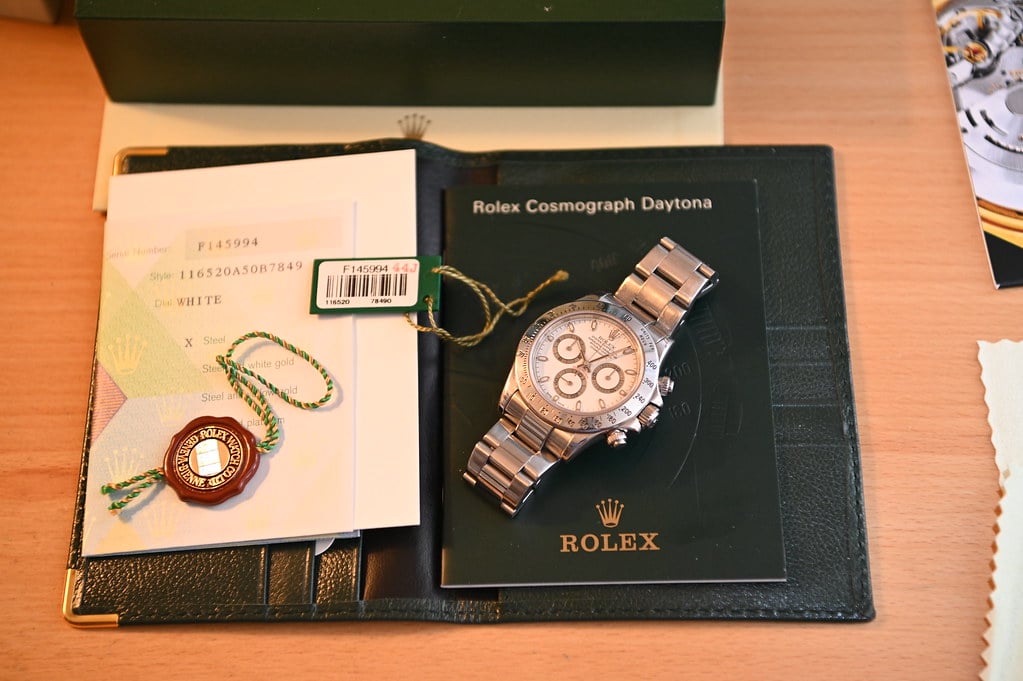
Rolex produces hundreds of thousands of watches annually, yet getting a steel Daytona remains nearly impossible through authorized channels. The chronograph with its racing heritage has captivated collectors since Paul Newman made the panda dial version famous in the 1960s.
Modern steel Daytonas retail for around $14,000 but sell immediately on the secondary market for two to three times that amount. The challenge of obtaining one creates its own mystique.
Authorized dealers maintain unofficial waiting lists. Your chances improve if you’ve already bought other Rolex models from that dealer.
Some people wait a decade without getting the call. This scarcity isn’t artificial—Rolex simply can’t produce enough to meet demand while maintaining their quality standards.
Audemars Piguet Royal Oak
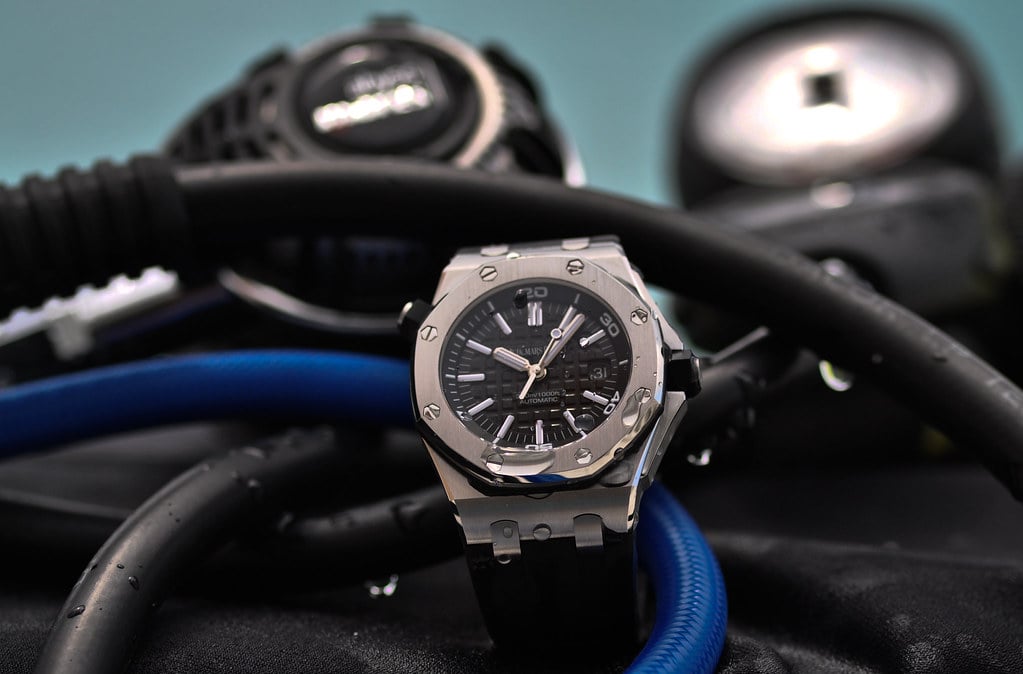
Gerald Genta designed the Royal Oak and the Nautilus, two watches that defined the luxury sports watch category. The Royal Oak came first in 1972. Its octagonal bezel with visible screws, integrated bracelet, and “tapisserie” dial broke every rule about high-end watches.
Audemars Piguet launched it at a price point that shocked the industry—ten times what steel sports watches typically cost. The gamble paid off.
The Royal Oak became iconic, and certain references now command prices well into six figures. The 15202 with its extra-thin movement captures the spirit of the original 1972 model.
Getting one from an authorized dealer requires patience, connections, or both. Many buyers turn to the secondary market and pay significant premiums.
F.P. Journe Chronomètre Bleu
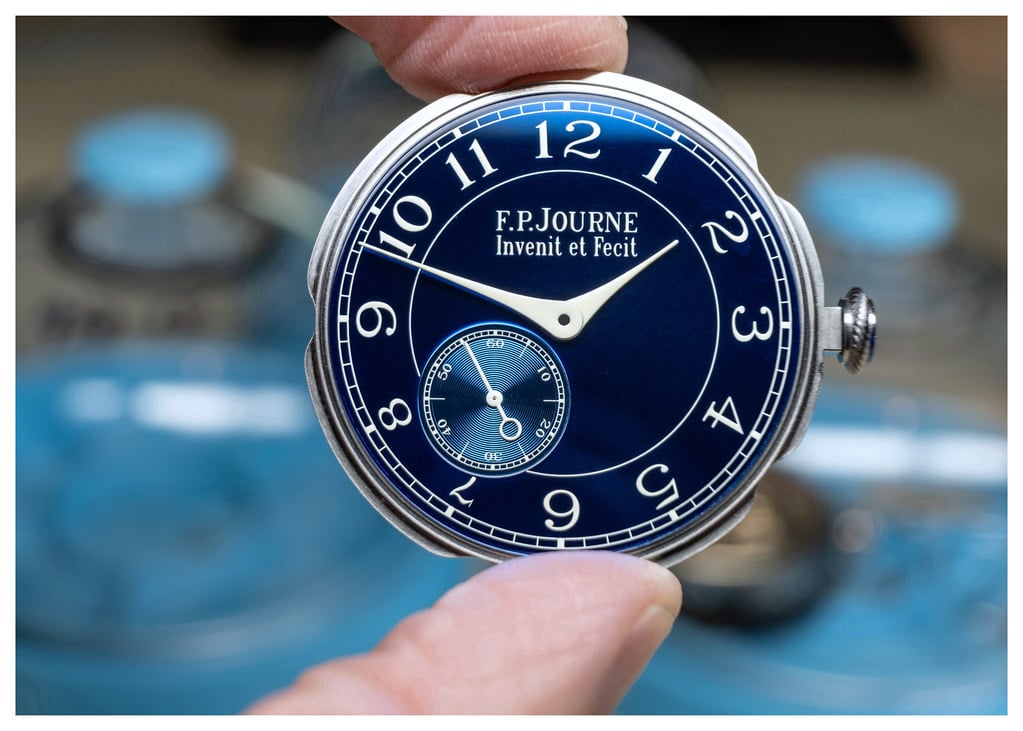
François-Paul Journe started his independent watch company in 1999 and quickly earned respect among serious collectors. The Chronomètre Bleu features a tantalum case and distinctive blue dial.
Journe limits production to maintain exclusivity and quality. Each watch receives meticulous attention during assembly.
The brand doesn’t advertise widely or court celebrity endorsements. Collectors discover Journe through research and word of mouth.
This approach creates a community of knowledgeable enthusiasts rather than casual buyers. Prices for certain Journe pieces have climbed dramatically at auction.
The Chronomètre Bleu represents the apex of independent watchmaking—small production numbers, innovative movements, and uncompromising finishing.
Richard Mille RM 011
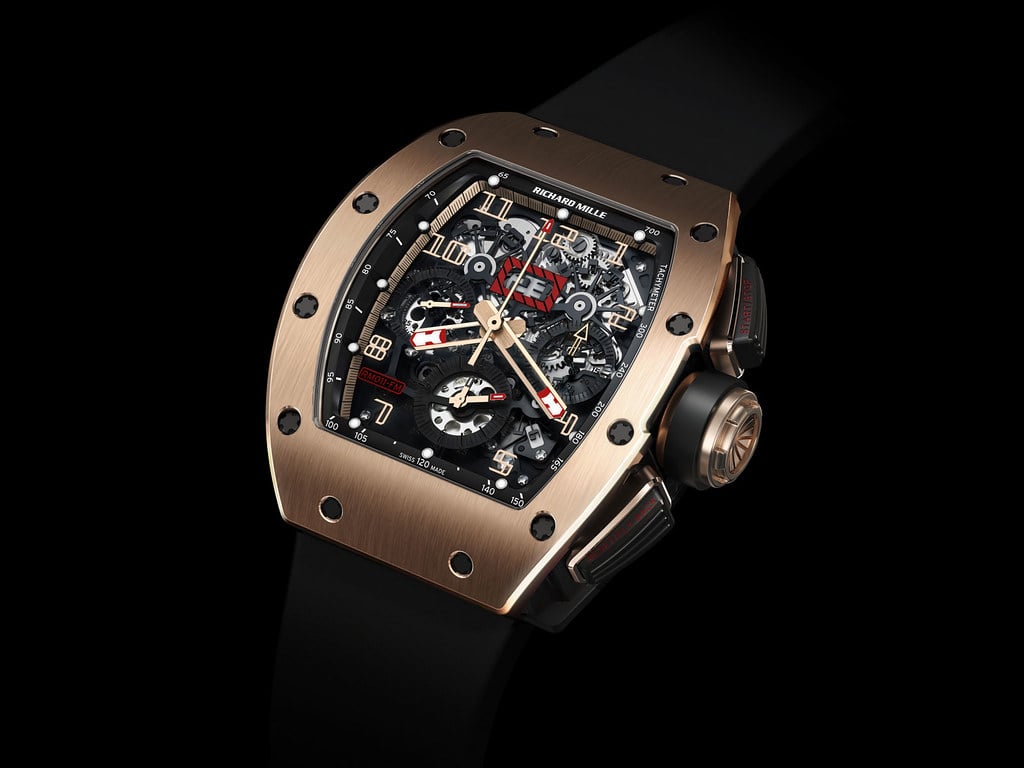
Richard Mille watches look like nothing else in horology. The skeletonized movements, tonneau-shaped cases, and use of aerospace materials create timepieces that resemble racing car engines more than traditional watches.
Prices start around $150,000 and climb well past $1 million for complicated models. Athletes wear Richard Mille watches during competition—Rafael Nadal plays tennis wearing pieces worth hundreds of thousands of dollars.
The movements withstand shocks that would destroy traditional watches. This combination of extreme durability, cutting-edge materials, and bold design attracts collectors who want something unmistakably modern.
The brand also produces in very limited quantities, ensuring scarcity supports high values.
Vacheron Constantin Historiques Ultra-Fine 1955
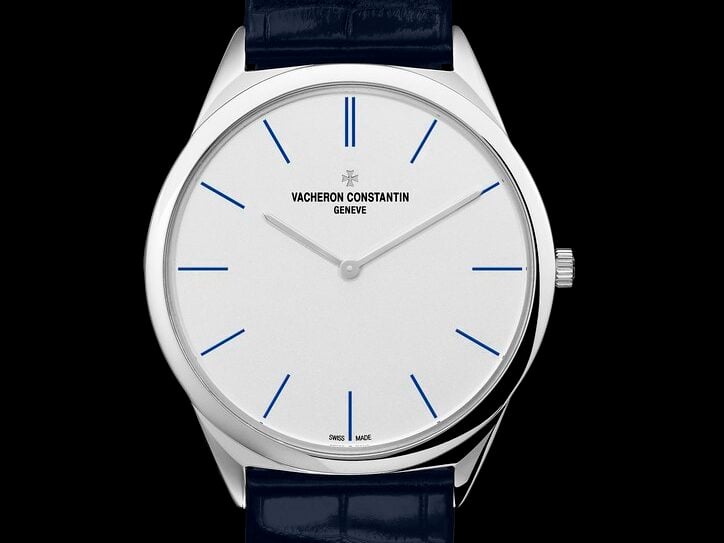
Vacheron Constantin, founded in 1755, holds the title of oldest continuously operating watch manufacturer. The Historiques Ultra-Fine 1955 recreates the elegance of mid-century dress watches.
At just over 4mm thick, it slides effortlessly under a shirt cuff. The manual-wind movement showcases traditional Geneva finishing techniques.
This watch appeals to collectors who appreciate restraint and classical proportions. No complications, no sportiness, just pure elegance.
Vacheron Constantin’s production numbers remain modest compared to larger brands. The Ultra-Fine 1955 captures an era when watches didn’t shout for attention—they whispered with confidence.
Finding one requires patience, as many collectors hold onto them indefinitely.
A. Lange & Söhne Lange 1
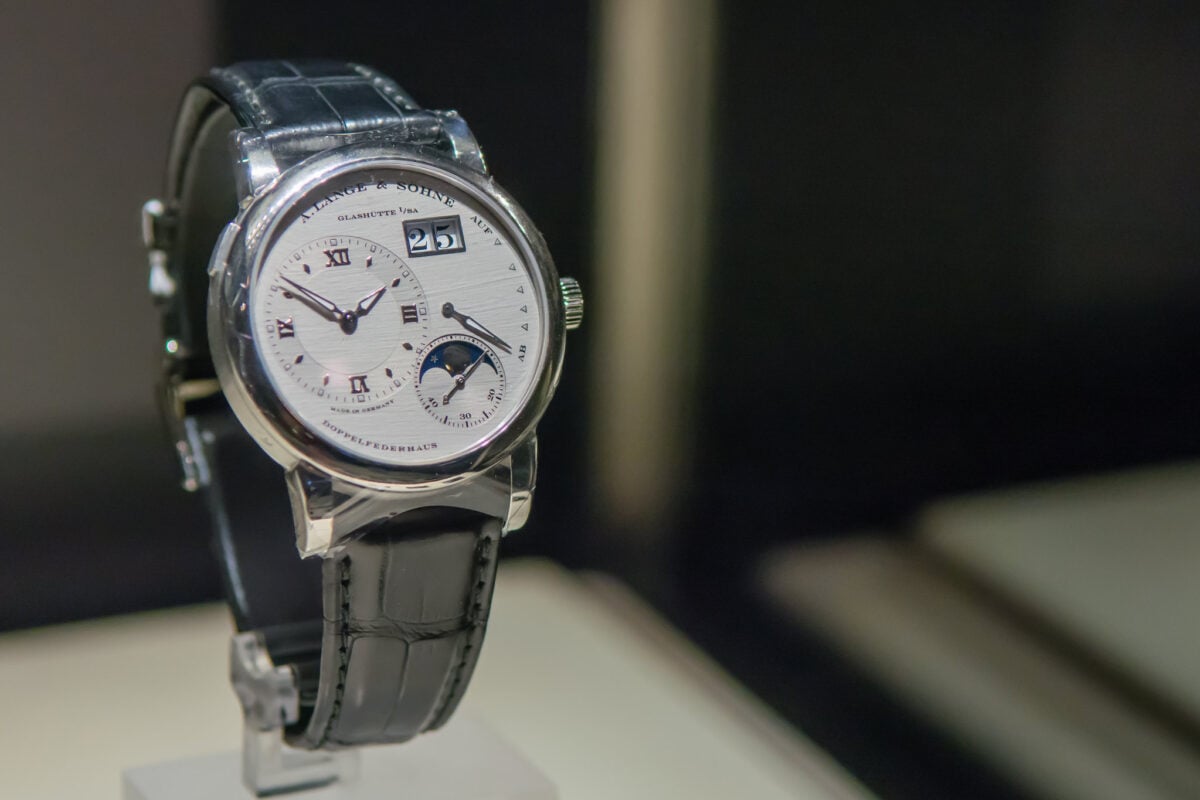
After German reunification, Walter Lange rebuilt his family’s watch company in 1990. The Lange 1, launched in 1994, announced the brand’s return with an asymmetrical dial layout that remains distinctive.
German watchmaking traditions emphasize technical perfection, and Lange delivers. Each movement receives hand-finishing that rivals anything from Switzerland.
The off-center time display, outsized date window, and small seconds create a balanced composition despite the unconventional layout. Lange produces relatively few watches annually, maintaining exclusivity.
The Time Zone model adds world time functionality while preserving the signature aesthetic. Collectors prize Lange watches for their engineering excellence and the story of a historic brand’s resurrection.
Rolex Submariner (Original References)
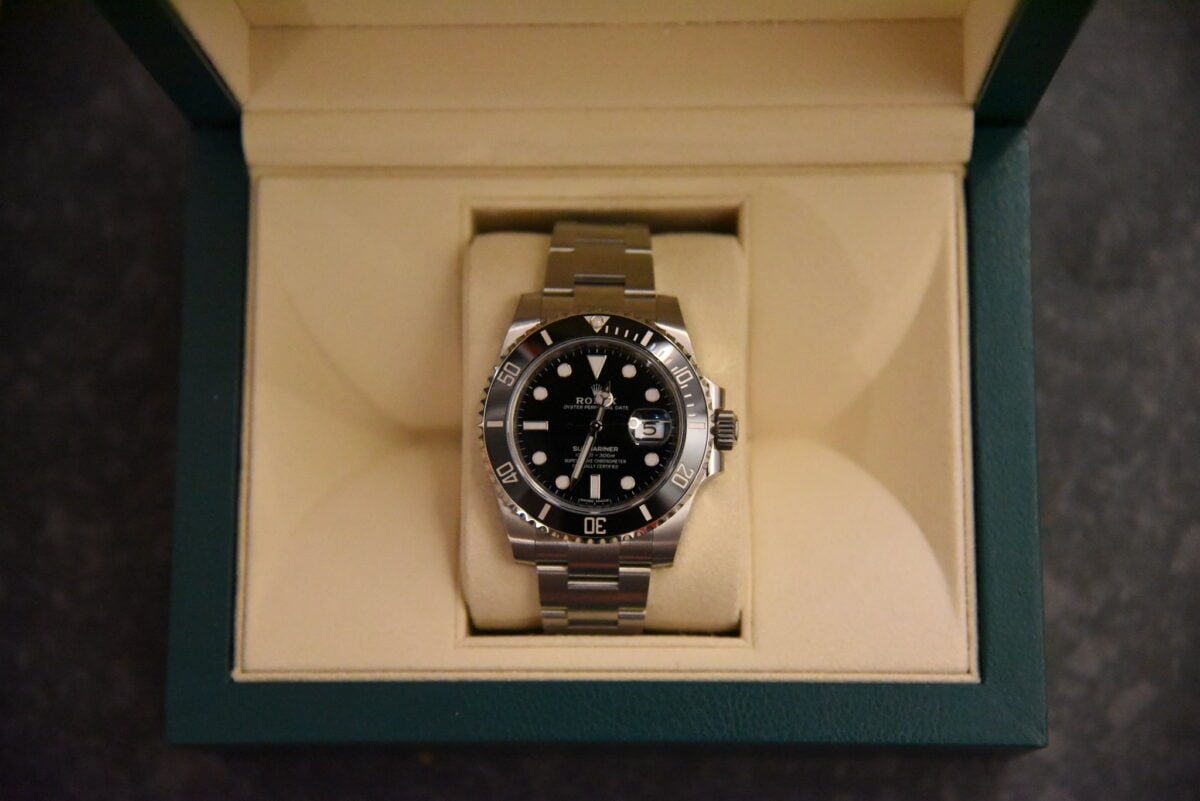
Vintage Rolex Submariners from the 1950s and 1960s sell for hundreds of thousands of dollars at auction. The watch that started as a tool for professional divers became a cultural icon.
Early references featured smaller cases, different dial configurations, and movements that collectors study obsessively. Condition matters enormously—original parts, unpolished cases, and correct hands dramatically affect value.
Some vintage Submariners have sold for over $1 million when provenance or rarity align perfectly. The modern Submariner remains highly desirable but accessible compared to its predecessors.
Collectors seeking vintage pieces need expertise to authenticate details and assess conditions. The market for these watches combines historical appreciation with speculation about future values.
Omega Speedmaster Professional Moonwatch
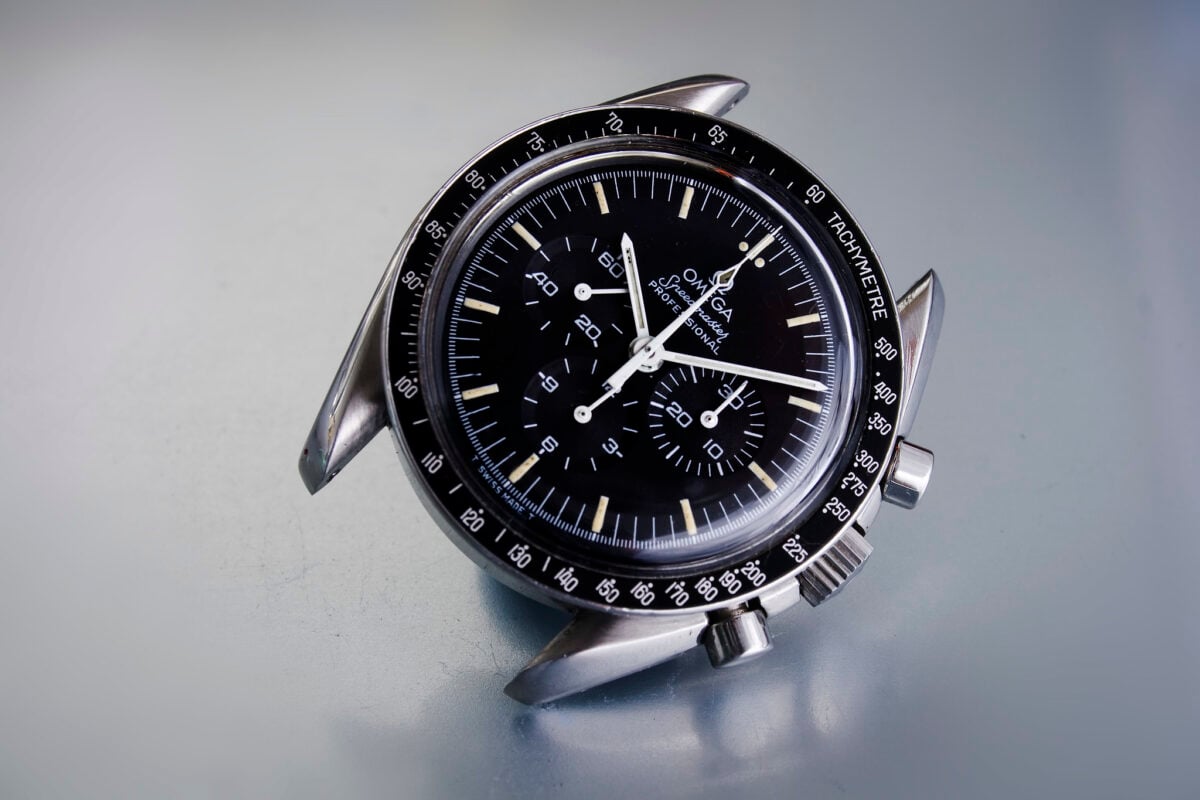
The Speedmaster Professional went to the moon on astronauts’ wrists during the Apollo missions. NASA tested numerous watches and selected the Speedmaster for spaceflight.
This history gives the watch significance beyond typical horology circles. Modern Speedmasters retail for under $7,000, making them accessible compared to other watches on this list.
However, certain vintage Speedmasters command extraordinary prices. Early references with specific dial configurations, particularly pre-moon landing models, sell for tens of thousands.
The watch represents an interesting category—highly collectible and historically important, yet the current production version remains within reach for many buyers. This accessibility combined with space heritage creates a unique position in the collector market.
Jaeger-LeCoultre Reverso
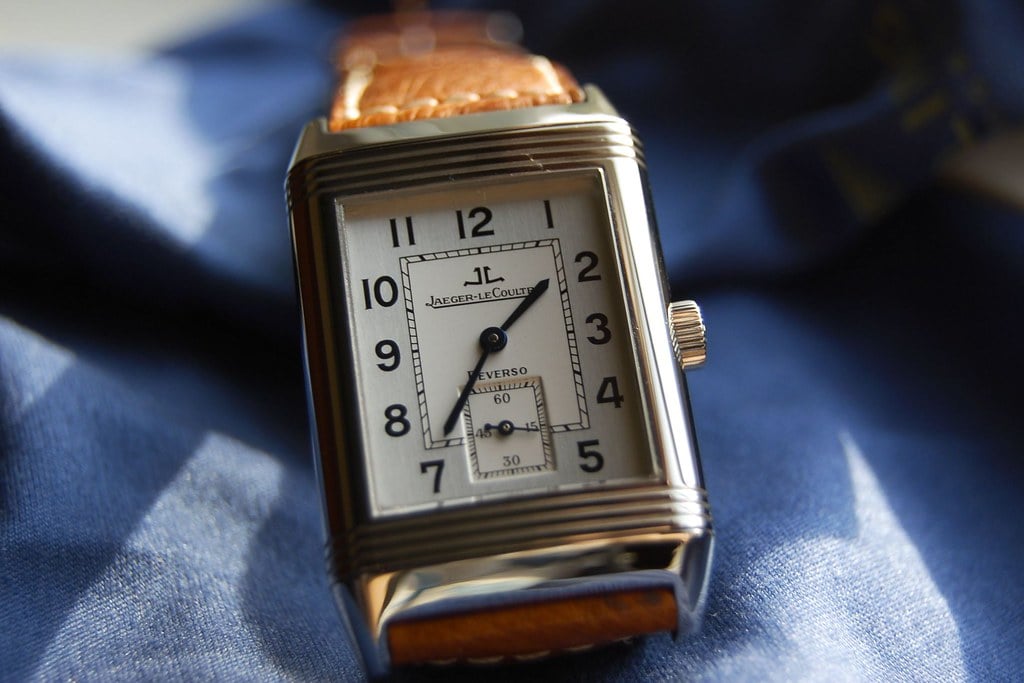
Designed in 1931 for polo players who needed to protect watch crystals during matches, the Reverso flips within its case to shield the dial. The rectangular Art Deco design stands apart from round watches.
Jaeger-LeCoultre has created hundreds of variations over the decades, from simple time-only models to complex pieces with separate dials on each side. The Reverso demonstrates how good design transcends trends.
The watch looks as contemporary today as it did ninety years ago. Collectors appreciate the engineering cleverness and the aesthetic purity.
Certain vintage Reverso models, particularly those with unusual complications or limited production, command significant premiums. The watch proves that mechanical ingenuity and artistic design can coexist beautifully.
Cartier Santos
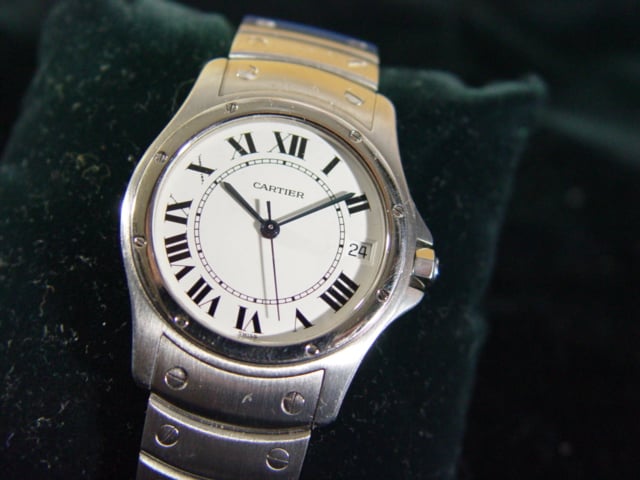
Louis Cartier created the Santos in 1904 for aviator Alberto Santos-Dumont, who complained about fumbling with pocket watches while flying. This makes the Santos one of the first purpose-built wristwatches.
The square case with exposed screws and Roman numerals became a Cartier signature. Modern Santos watches range from steel models around $7,000 to precious metal versions exceeding $30,000.
The watch bridges jewelry and horology—Cartier’s strength in both worlds shows in the design. Collectors value the Santos for its historical significance and its ability to work as both a daily wearer and a dress watch.
The quick-change bracelet system adds practical versatility to the elegant design.
Grand Seiko Snowflake
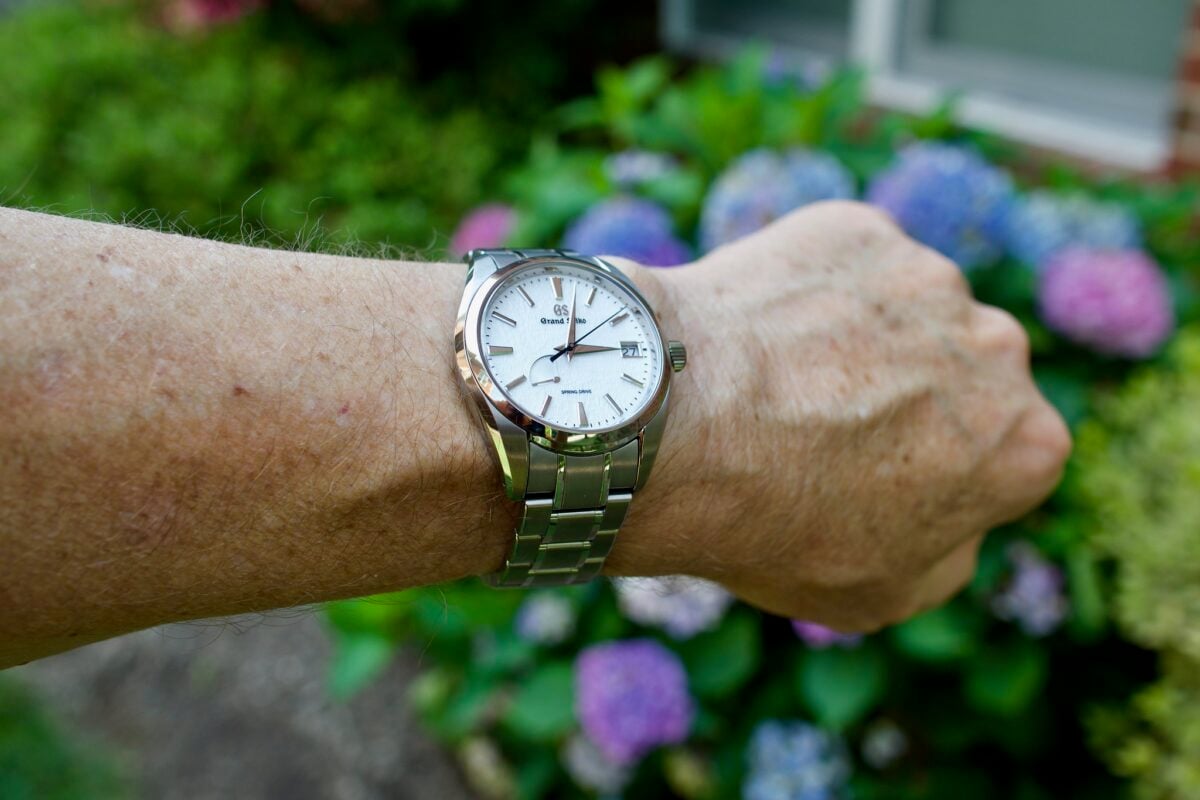
Grand Seiko challenges Swiss dominance with finishing quality that rivals brands costing twice as much. The Snowflake, with its textured white dial resembling snow on Mount Iwate, showcases Japanese attention to detail.
The Spring Drive movement blends mechanical watchmaking with quartz precision, sweeping smoothly without the ticking motion of traditional watches. Priced around $6,000, the Snowflake offers remarkable value.
Collectors who prioritize craftsmanship over brand heritage gravitate toward Grand Seiko. The zaratsu polishing technique creates distortion-free surfaces on cases and bracelets.
As more collectors discover Grand Seiko’s quality, certain limited editions appreciate in value. The brand proves that horological excellence exists outside traditional Swiss manufacturers.
IWC Big Pilot’s Watch
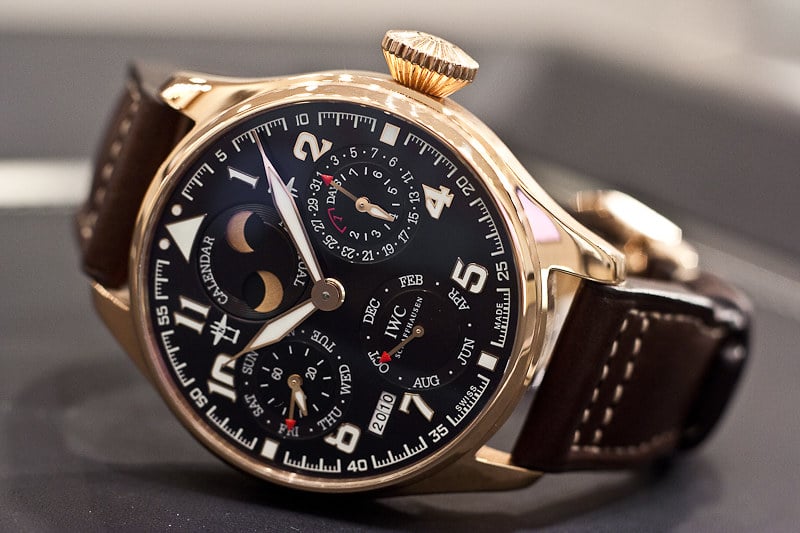
IWC built navigation watches for Luftwaffe pilots during World War II. The Big Pilot’s Watch recreates that heritage with a 46mm case, oversized crown for glove operation, and exceptional legibility.
The modern version uses in-house movements and various case materials. The watch appeals to collectors who want presence on the wrist without flashiness.
It’s large but wears comfortably. IWC’s pilot watch line includes numerous variations, but the Big Pilot remains the flagship. Certain limited editions and vintage references command premiums.
The watch represents functional design executed with luxury materials and Swiss precision.
H. Moser & Cie. Endeavour
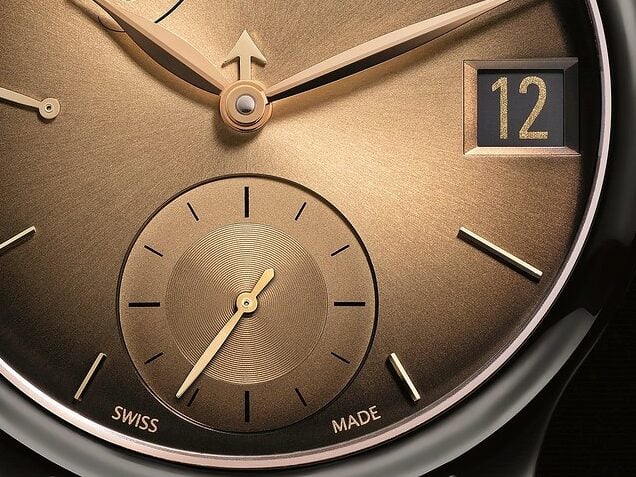
H. Moser takes an unconventional approach to luxury watchmaking. The Endeavour line features fumé dials—gradated colors that shift from dark edges to lighter centers.
The brand removes logos from dials and buckles, letting the watch speak through design rather than branding. This appeals to collectors tired of overt status symbols.
Moser produces small quantities and focuses on movement innovation. Their watches often subvert industry trends with subtle humor.
The perpetual calendar requires no adjustment until 2400. The minimalist aesthetic and technical accomplishment creates watches for people who know watches.
Market awareness of Moser is growing, and certain pieces already command waiting lists.
When Metal and Motion Matter Most
These timepieces have more in common than just cost. They show off top-tier engineering, smart design decisions, yet limited output.
Every maker protects their name tightly since here, history plus craftsmanship shape lasting worth. People get them expecting possible gains, though that’s not the real reason.
The idea’s about having a thing built with serious attention, one that lasts beyond your years – maybe even picks up tales richer than cash. Not just gears and steel, but pieces tracking not only moments, yet showing what folks pull off when cutting corners isn’t an option.
More from Go2Tutors!

- The Romanov Crown Jewels and Their Tragic Fate
- 13 Historical Mysteries That Science Still Can’t Solve
- Famous Hoaxes That Fooled the World for Years
- 15 Child Stars with Tragic Adult Lives
- 16 Famous Jewelry Pieces in History
Like Go2Tutors’s content? Follow us on MSN.



