Coldest Inhabited Places On The Planet Today
Out here, winter doesn’t whisper – it slaps you awake the moment you open the door. Not everyone flees such chill; some stay put, building lives where breath freezes mid-air.
Homes stand firm beneath layers of ice and time, held together by stubborn warmth inside. Laughter echoes even when thermometers drop beyond reason.
Frost claims fences, yet coffee still steams at kitchen tables. Life insists on moving forward, one heated room at a time.
Out in these spots, frost does more than chill the air – it shapes how people live. Cold here isn’t something that passes; it sticks around like an old habit.
Where winter rules longer than not, daily routines bend to its rhythm. Life moves differently when ice lingers on windows most months.
These regions don’t fight the freeze – they follow it.
Oymyakon, Russia
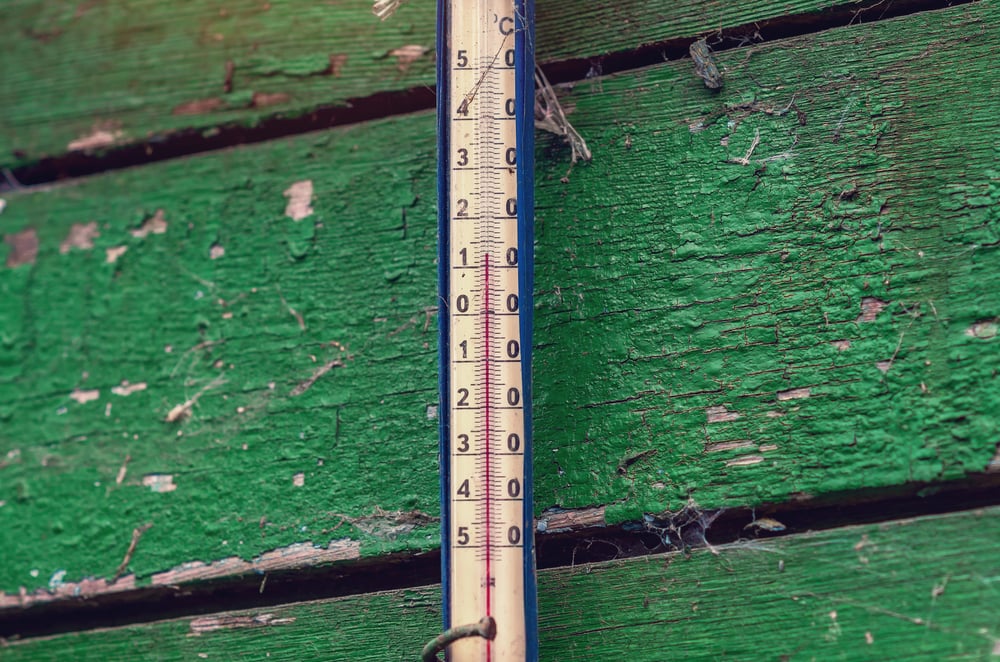
This tiny Siberian settlement claims the title of Earth’s coldest spot where people live year-round. Down to minus 90 degrees Fahrenheit it has plunged, while most winter days hover near minus 58.
Vehicles remain idling overnight since shutting them down means frozen motors, plus regular pens refuse to write at such lows.
Verkhoyansk, Russia
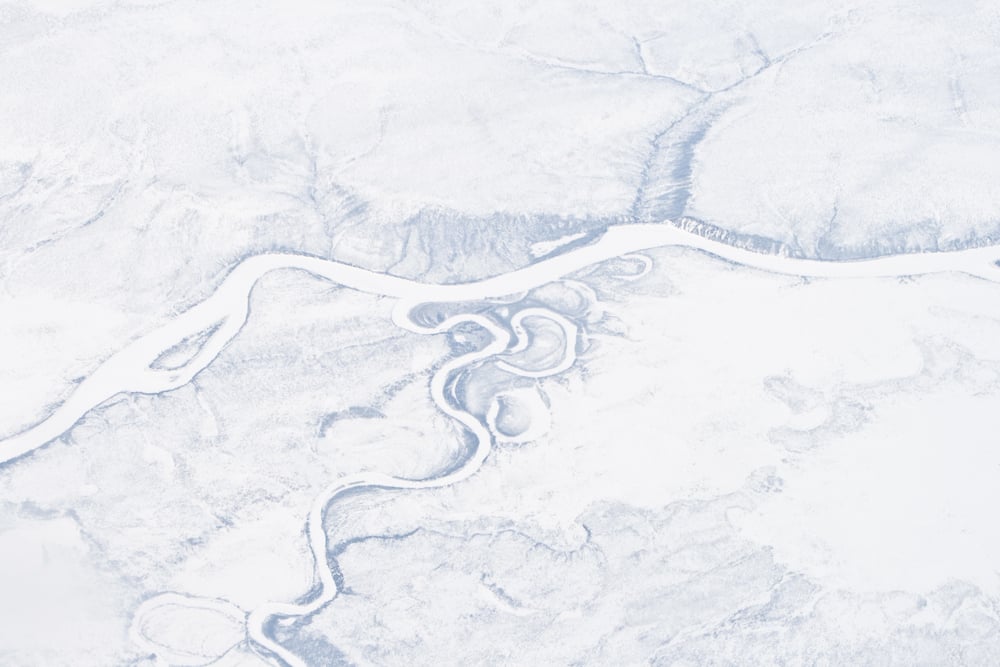
Deep in Russia’s far northeast, Verkhoyansk holds a record for bitter cold alongside Oymyakon. Winter here often drops past -60°F without warning.
Surprisingly warm months follow, which catches many off guard. One year packs both icy depths and summer warmth, back to back.
Yakutsk, Russia
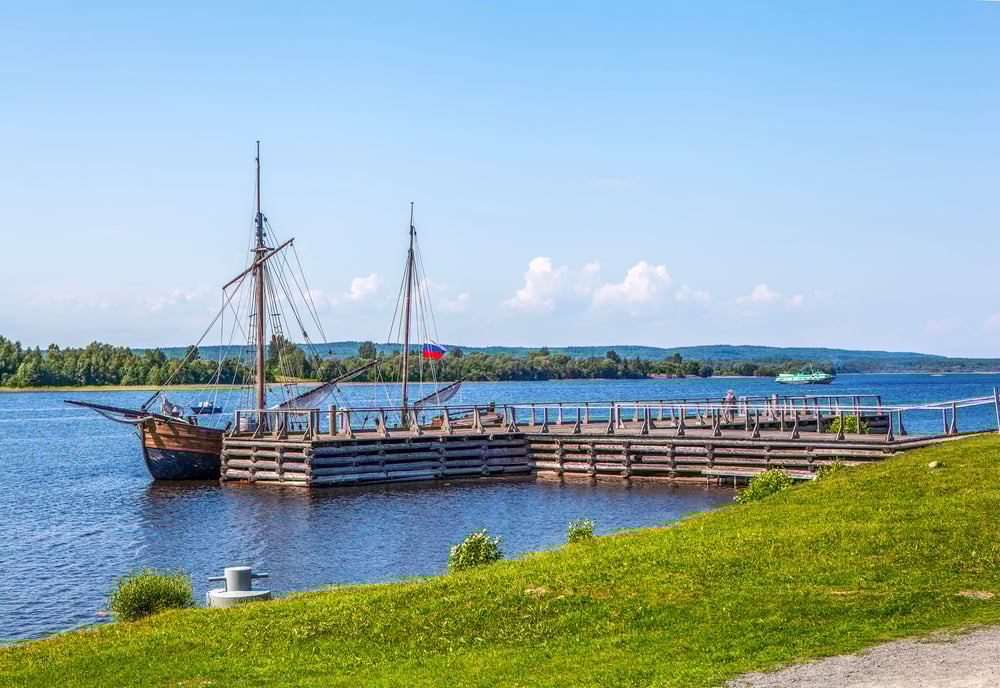
Home to roughly 300,000 souls, Yakutsk stands as the biggest urban spot resting on permafrost. Because buildings give off warmth that could thaw the icy soil below, they rest high up on wooden legs.
When winter hits minus forty degrees Fahrenheit, stepping outside means piling on clothing after clothing – just for a short walk to buy groceries.
Eureka, Canada
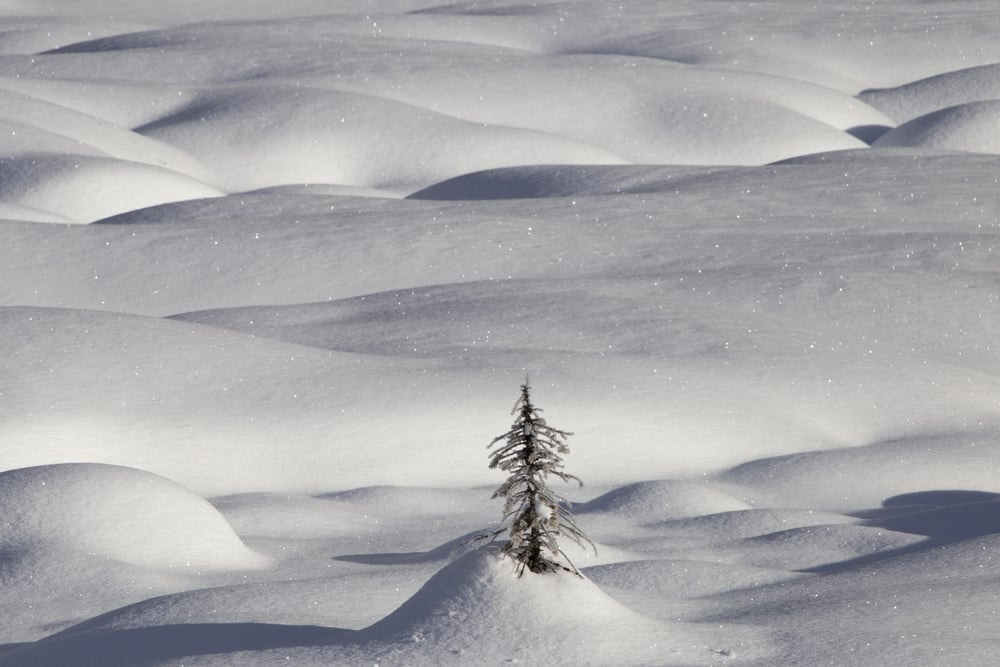
Perched atop Ellesmere Island in Nunavut, Eureka holds its ground as a bone-chilling outpost. Winter grips harder here, dragging temps way below the yearly mean of roughly -4°F.
People rarely stay long – just a handful of scientists and weather watchers rotate through. Life unfolds in deep solitude, cut off by ice and silence.
Alert, Canada
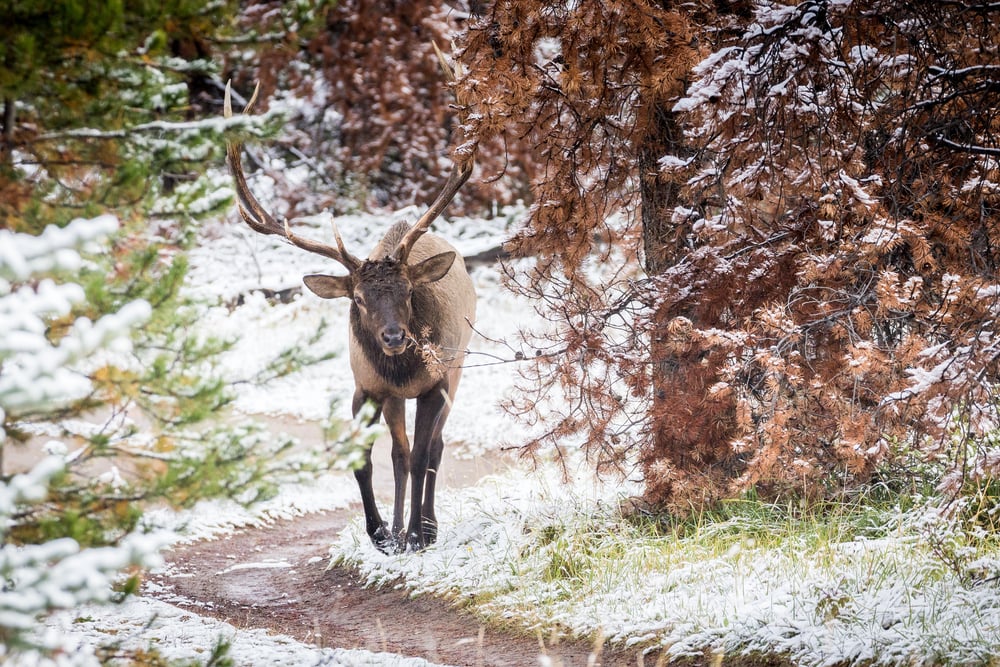
Up near the top of the world sits Alert – only about 508 miles from the North Pole, making it the most northerly spot where people live year-round. Winter here brings long stretches without sunlight, sometimes lasting several months straight.
It gets colder than minus forty degrees Fahrenheit more than once. Most who stay are scientists or military staff doing assigned work.
Barrow (Utqiagvik), Alaska

Poking out at the top edge of America, Barrow – known today as Utqiagvik – holds the spot farthest north. Far beyond the Arctic Circle it rests, where winter often drags temps down to -56°F.
With no roads linking it to other Alaskan towns, life runs on what comes through the air or across the sea. Supplies, gear, meals – all arrive either by vessel or flight.
Longyearbyen, Norway
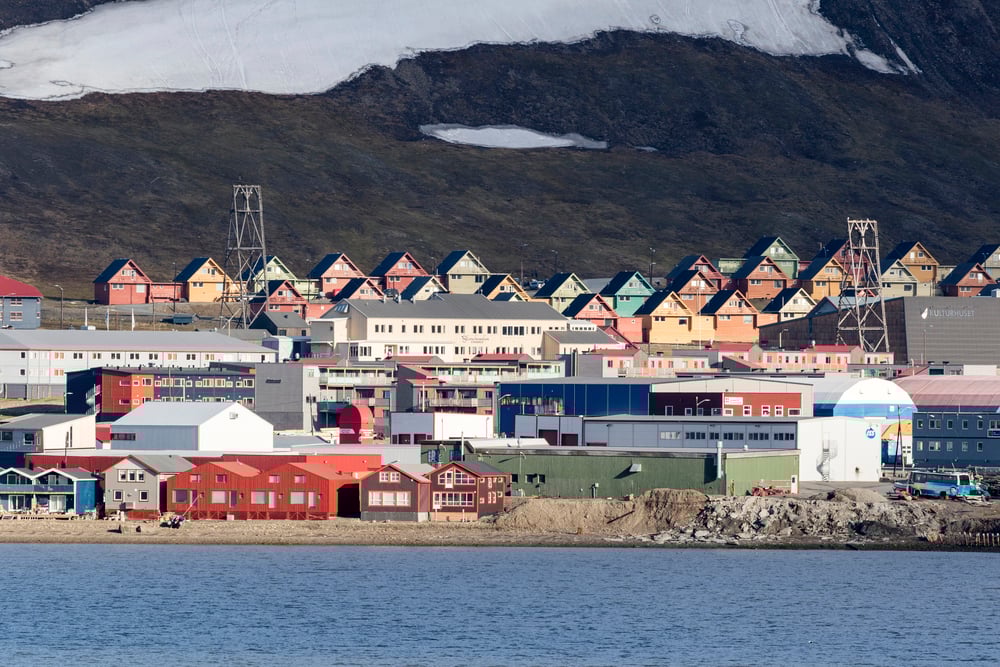
Up north in the Svalbard islands sits Longyearbyen – this place holds the title of being Earth’s most northerly town where regular people live. Cold hits hard here; winter often settles near 15 below zero, while darkness sticks around without sunlight for nearly half a year.
Yet life pushes on through: meals get served in eateries, kids attend classrooms, learning even stretches into higher studies at a local college. Comfort finds its way in strange forms amid frozen ground and sky full of night.
Yellowknife, Canada
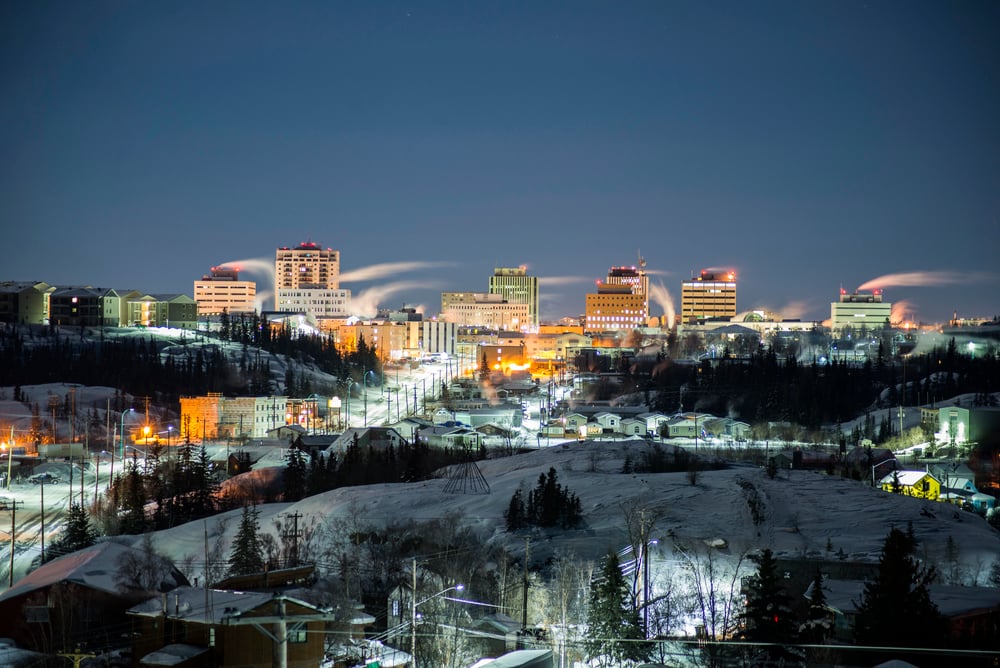
Great Slave Lake holds Yellowknife against its northern edge, where winter bites hard by November. Temperatures plunge past minus forty-nine, making frost a daily guest.
Snow piles up heavily, starting in October, staying till May almost every time. The sky dances with green ribbons then – northern lights spinning like old records.
Norilsk, Russia
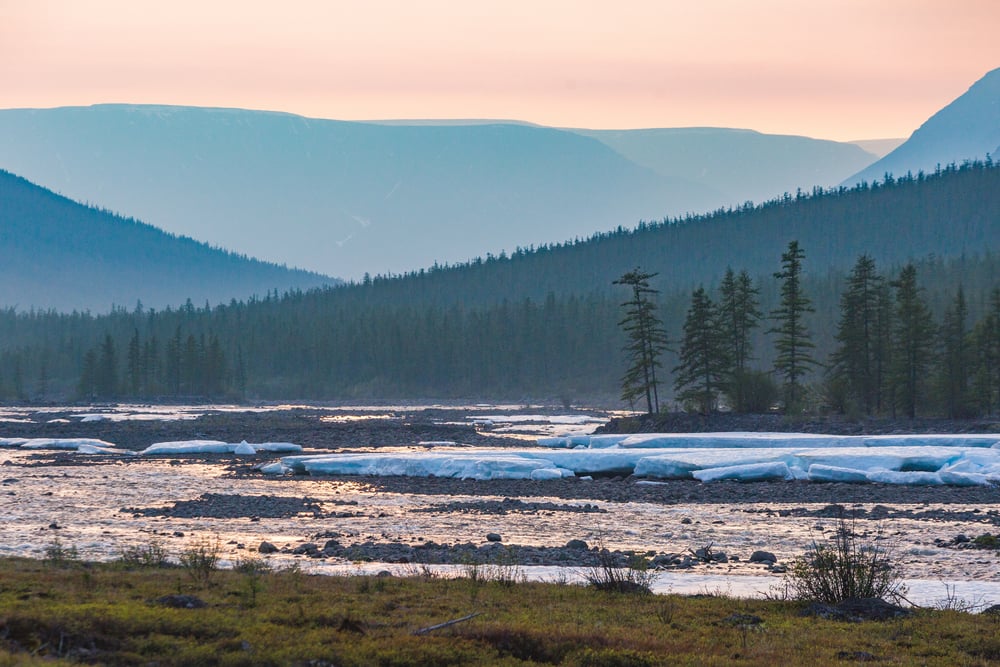
Norilsk is one of the world’s most polluted cities and also one of the coldest, with temperatures falling to around -55°F in winter. It sits above the Arctic Circle and was originally built using prison labor during the Soviet era.
About 175,000 people live there today, most working in the massive nickel and copper mining industry.
Snag, Yukon, Canada
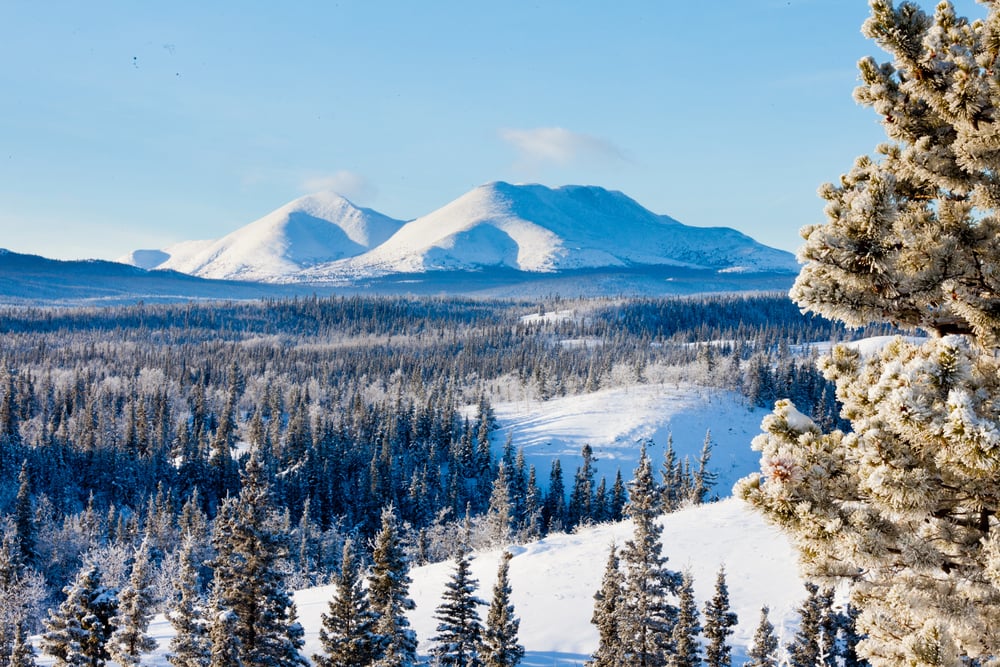
Snag recorded the coldest temperature ever measured in North America at -81°F back in 1947. It is a tiny settlement with very few permanent residents, but it earned its place in history because of that record-breaking cold snap.
The village sits in the Yukon interior, where cold air gets trapped by the surrounding mountains and just sits there, getting colder.
Harbin, China
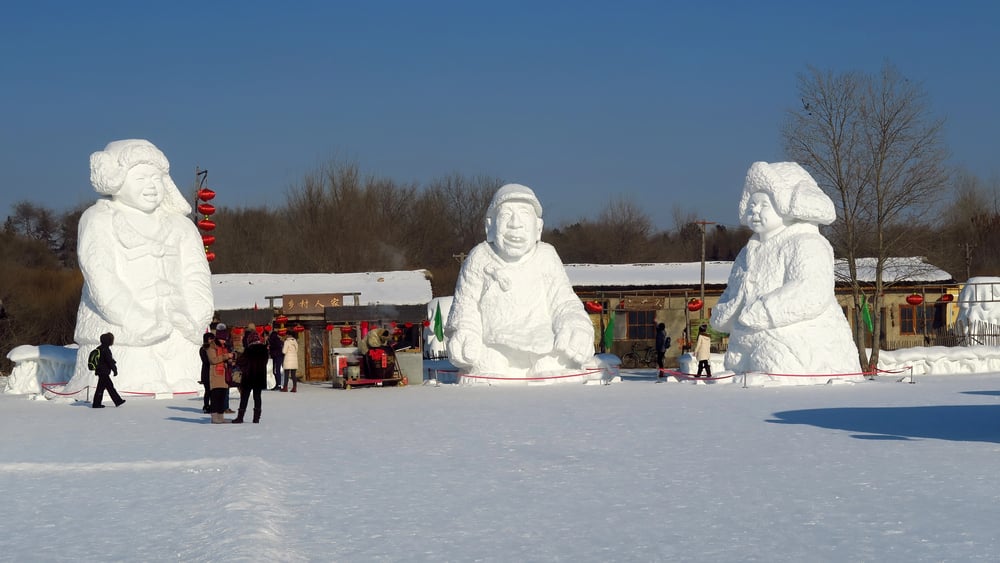
Harbin is a large Chinese city that endures some of the harshest winters in Asia, with temperatures dropping to around -31°F. It sits in northeastern China near the Russian border, and the cold comes in fast and stays long.
Every winter, Harbin hosts a massive ice and snow festival where local artists carve enormous sculptures out of frozen river water, turning the cold into a celebration.
Astana, Kazakhstan
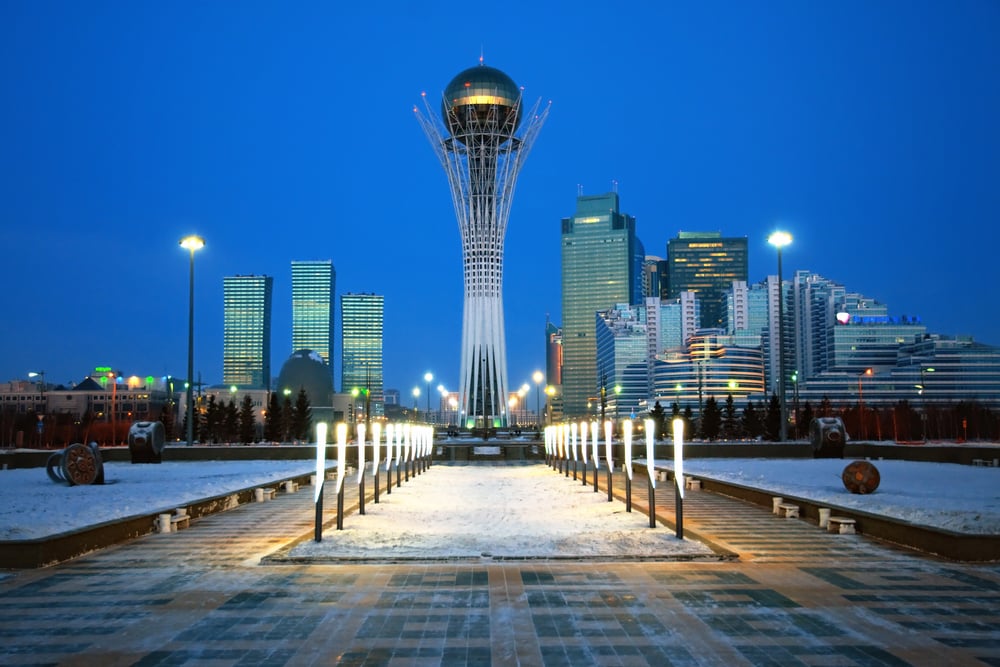
Astana, now known as Nur-Sultan, is one of the coldest capital cities in the world. Winter temperatures regularly fall below -40°F, and fierce winds make it feel even worse.
The Kazakhstani government deliberately moved the capital there in 1997, and billions were spent building a modern city that still functions in brutal winter conditions.
Ulaanbaatar, Mongolia
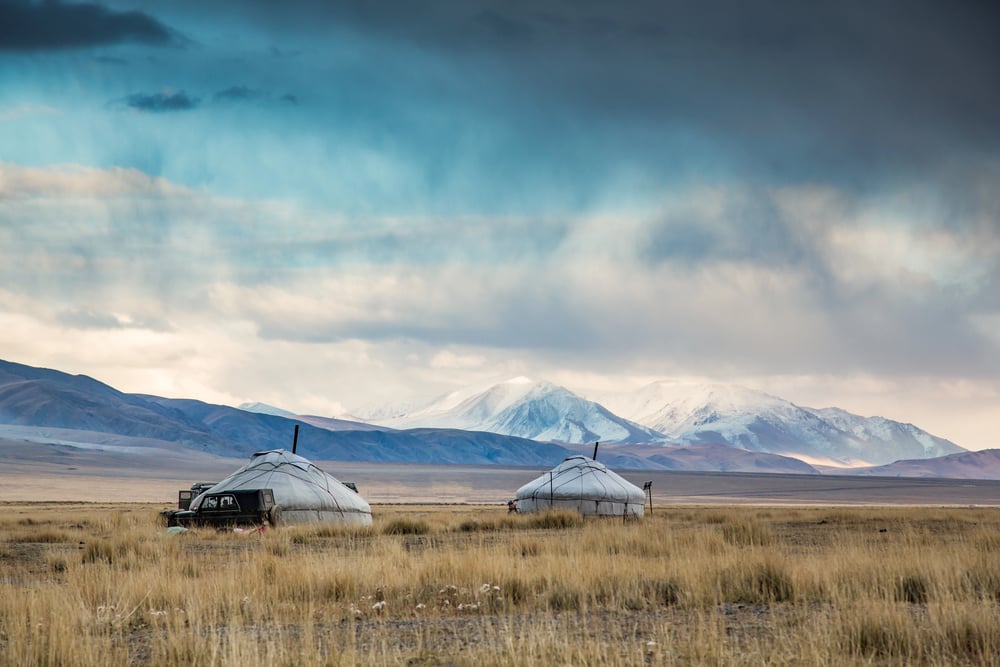
Ulaanbaatar holds the title of the coldest capital city on Earth by average annual temperature. It sits at around 4,400 feet above sea level, and winter temperatures regularly hit -40°F or colder.
The city has grown rapidly, but many residents still live in traditional felt tents called gers on the outskirts, heating them with small coal-burning stoves during the long winters.
Resolute, Canada
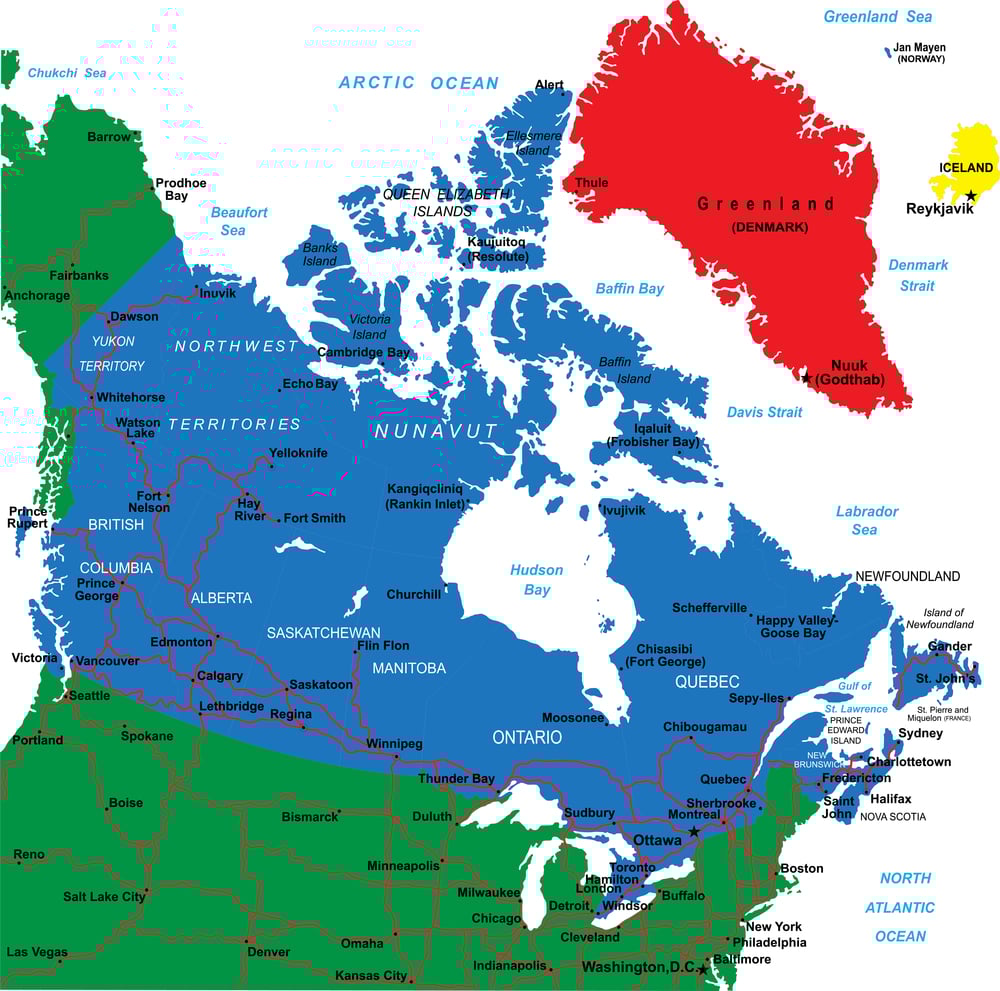
Resolute, located in Nunavut, Canada, is one of the coldest places where civilians actually choose to live. The average January temperature sits around -33°F, and the wind chill regularly makes it feel far worse.
It has a small Inuit community, an airport, and a research station, and it serves as a jumping-off point for Arctic expeditions.
International Falls, Minnesota
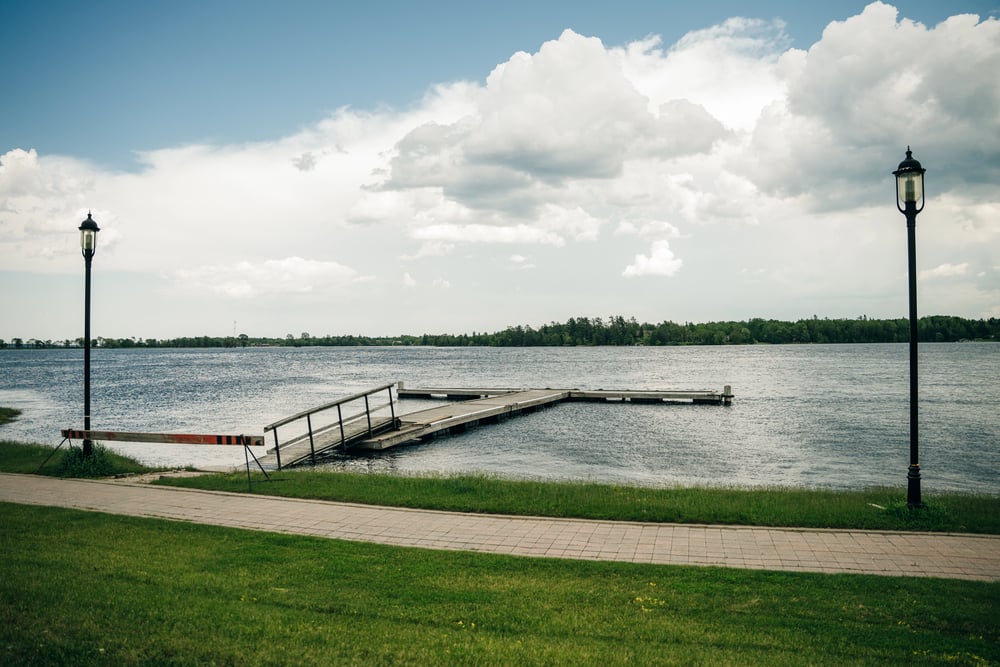
International Falls sits on the U.S.-Canada border and proudly calls itself the ‘Icebox of the Nation.’ Temperatures here regularly drop to -40°F in deep winter, and snowfall is heavy and persistent from November through March.
Unlike the remote Arctic settlements on this list, International Falls is a proper town with schools, businesses, and about 6,000 residents who have completely made peace with the cold.
Rogers Pass, Montana
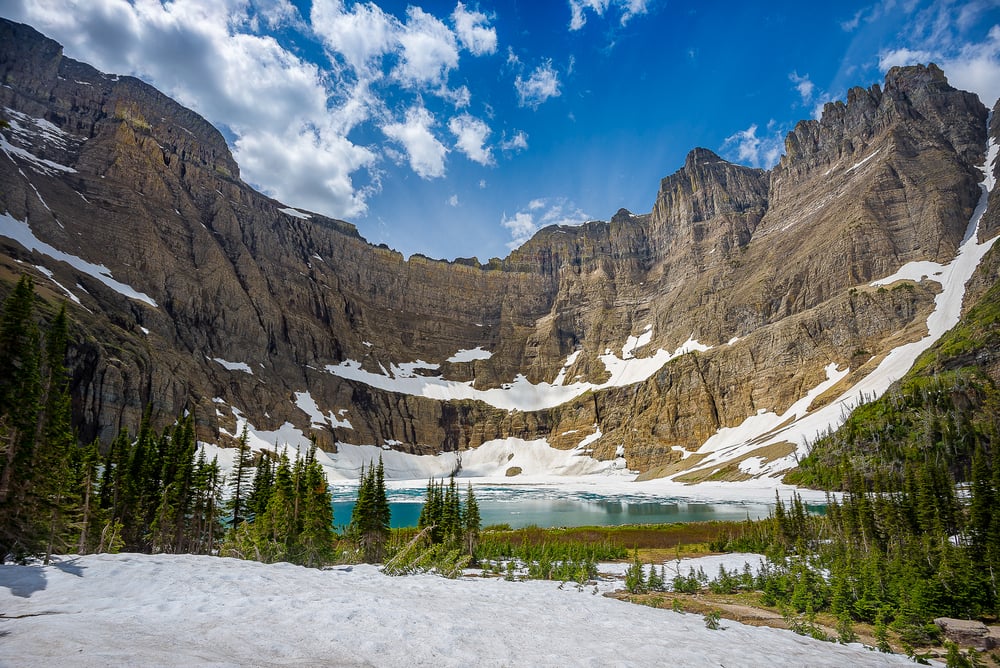
Rogers Pass in Montana recorded -70°F in January 1954, making it the coldest temperature ever recorded in the contiguous United States. The area is not densely populated, but people do live and work nearby, enduring winters that regularly drop well below zero.
It sits in a narrow mountain valley where cold air funnels in and gets trapped, creating conditions that even seasoned winter veterans find extreme.
Where Cold Becomes Home
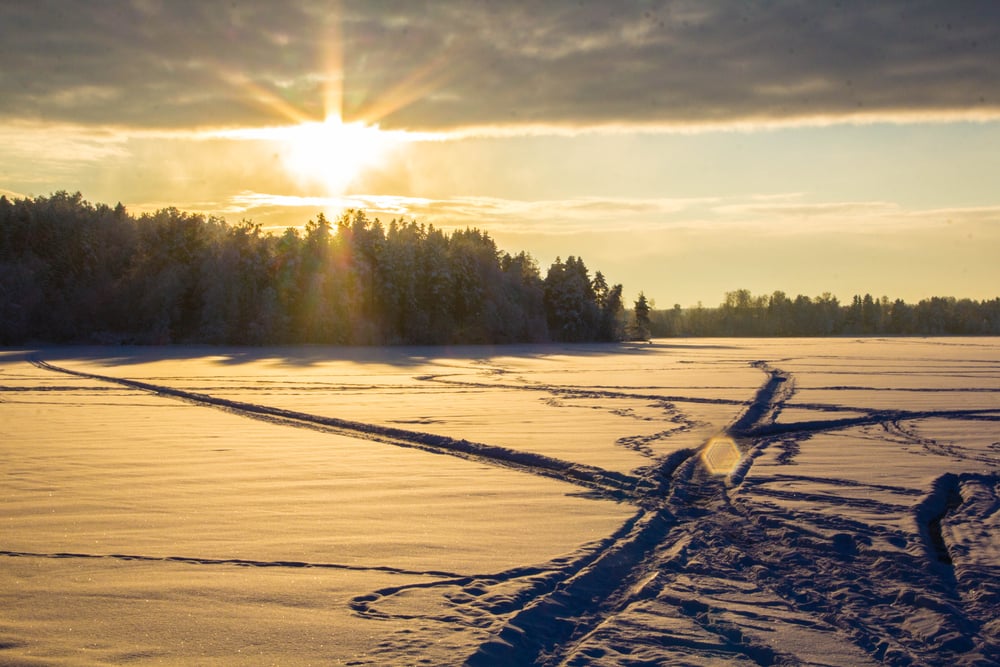
What stands out about every place on this list is that cold never stopped people from building real lives there. Communities grew, cities were planned, and traditions formed, all around the reality of extreme temperatures.
The cold shapes everything: the food people eat, the clothes they wear, how buildings are designed, and even how neighbors treat each other. That kind of resilience is not something you find in warm-weather cities, and it deserves genuine respect.
More from Go2Tutors!

- The Romanov Crown Jewels and Their Tragic Fate
- 13 Historical Mysteries That Science Still Can’t Solve
- Famous Hoaxes That Fooled the World for Years
- 15 Child Stars with Tragic Adult Lives
- 16 Famous Jewelry Pieces in History
Like Go2Tutors’s content? Follow us on MSN.