Social Movements That Began With a Single Act of Defiance
History has a habit of hinging on moments that looked, at the time, like nothing more than one person refusing to do what they were told. A seamstress who wouldn’t give up her bus seat.
A student who stood in front of a tank. A group of patrons who wouldn’t leave a bar quietly.
These moments didn’t arrive with press releases or organized marches — they arrived as gut reactions, as small human choices made under enormous pressure, and the world rearranged itself around them. What follows is a look at the movements born from exactly those moments: the ones where defiance wasn’t a strategy, it was just the only thing left to do.
Rosa Parks and the Montgomery Bus Boycott
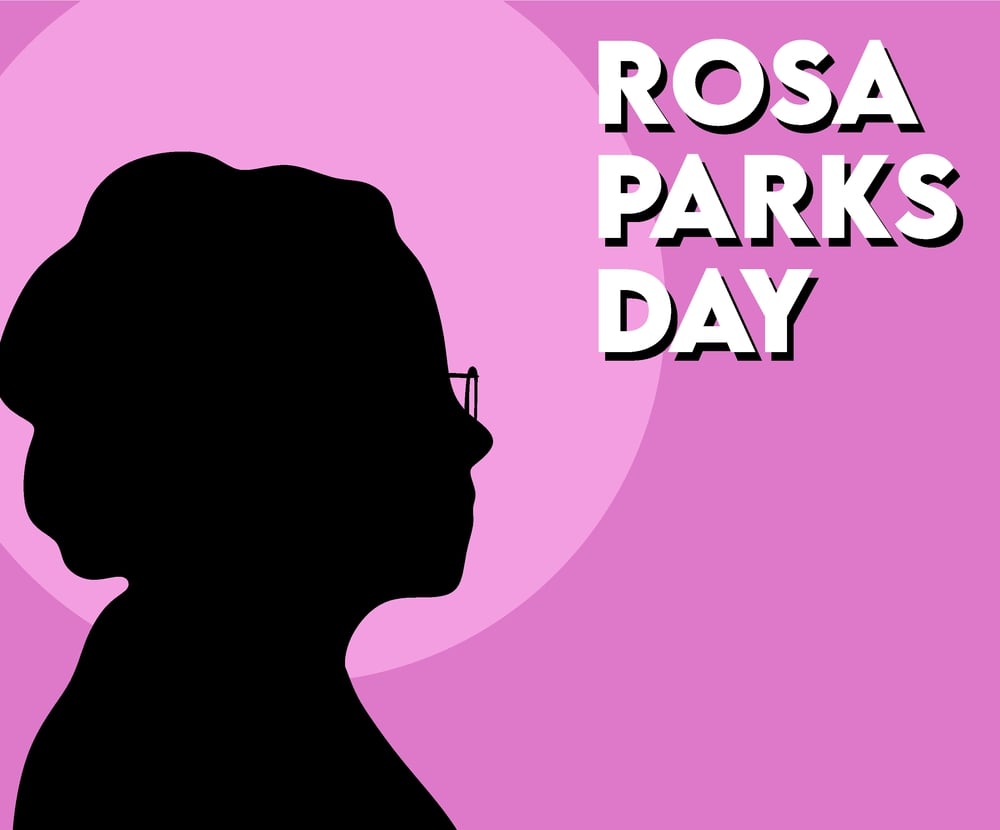
Rosa Parks didn’t move. On December 1, 1955, she stayed in her seat on a Montgomery, Alabama bus, and that refusal — quiet, deliberate, and absolute — triggered a 381-day boycott that broke the back of segregated public transit.
The Supreme Court ultimately ruled bus segregation unconstitutional in 1956, and a movement that had been building for years finally had its defining symbol.
The Stonewall Uprising
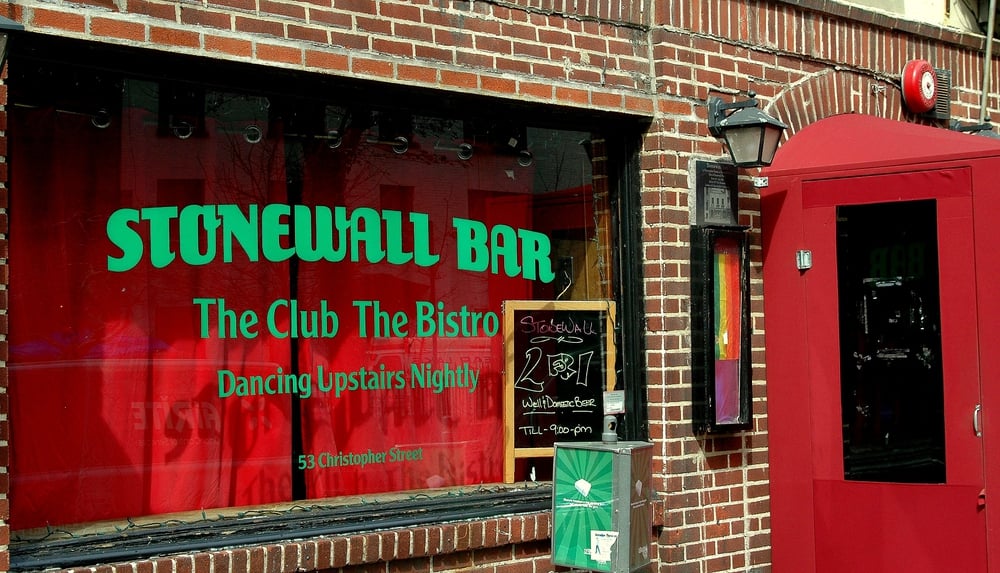
The Stonewall Inn was a raid target, not a rallying point — until the night of June 28, 1969, when patrons inside the Greenwich Village bar fought back against New York City police instead of quietly dispersing, and something that had been suppressed for decades finally broke open. So the modern LGBTQ+ rights movement traces its birthday to a bar fight on Christopher Street, which is either poetic or perfectly logical depending on how you look at it.
The first Gay Pride marches, held exactly a year later, were direct responses to that night.
Emily Wilding Davison and the Suffragette Movement
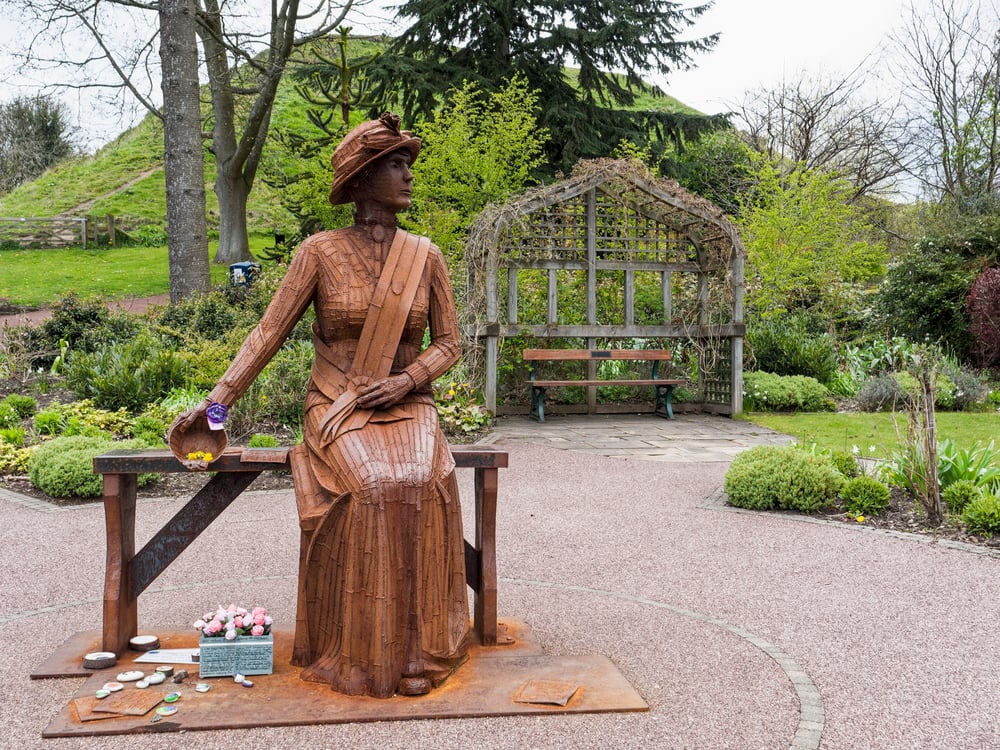
Emily Wilding Davison stepped onto the track at the 1913 Epsom Derby and was struck by King George V’s horse. She died four days later.
Her death galvanized the British suffragette movement in ways that years of petitions and marches hadn’t, forcing a public conversation about women’s right to vote that the government could no longer quietly shelve — and the footage of her action, captured on newsreel, circulated in a way that made looking away genuinely difficult.
The Salt March
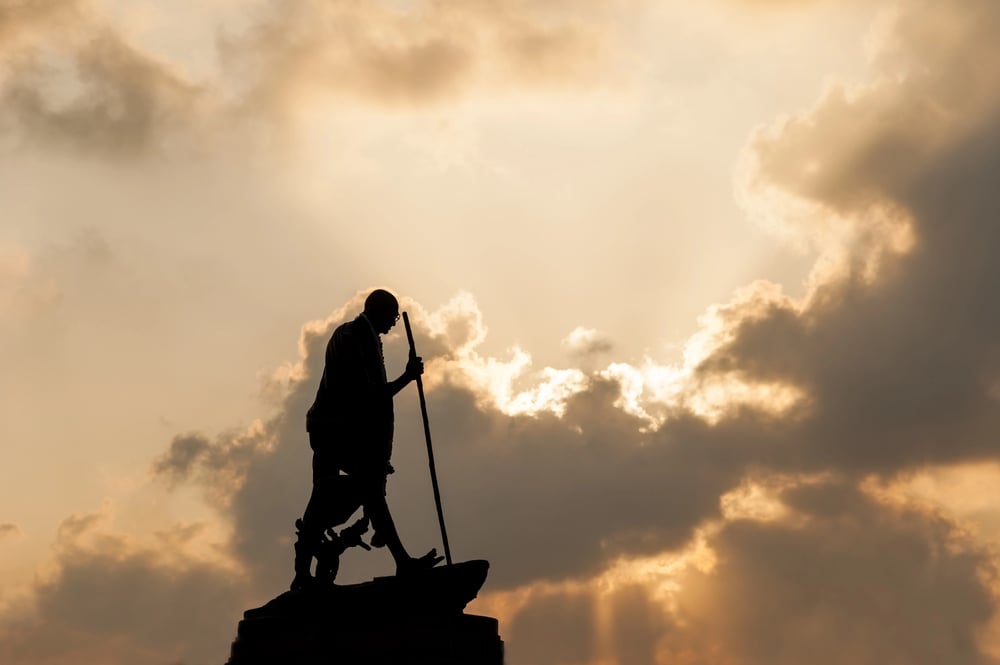
Mahatma Gandhi walked 241 miles to the Arabian Sea coast at Dandi in March of 1930 to make salt from seawater — illegal under British law — and in doing so turned a mineral into a monument. The act was so deliberately simple, so visually plain, that the British administration struggled to explain why it warranted a violent response, and that confusion was exactly the point.
The Salt March became the spine of India’s civil disobedience campaign against colonial rule.
Mohamed Bouazizi and the Arab Spring

Mohamed Bouazizi was a 26-year-old fruit vendor in Tunisia who set himself on fire on December 17, 2010, after a government official confiscated his cart and humiliated him publicly. His act of protest spread through social media at a speed that no government censorship apparatus was prepared for.
Within weeks, protests had toppled Tunisia’s president, and within months, governments across Egypt, Libya, Yemen, Bahrain, and Syria were facing uprisings — the entire sequence carrying the name Arab Spring.
Tank Man and Tiananmen Square
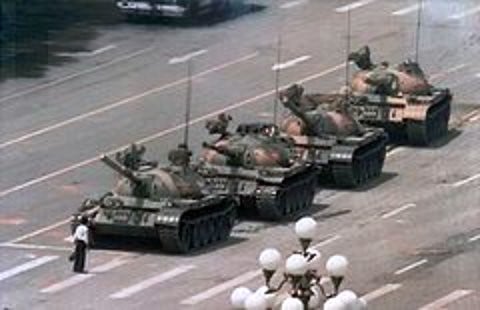
One man. A shopping bag in each hand, standing in the path of a column of Type 59 tanks on Chang’an Avenue on June 5, 1989.
The image — four photographers captured it simultaneously from the Beijing Hotel — became one of the most reproduced photographs of the 20th century, and yet the man’s identity has never been officially confirmed. The movement he embodied, the pro-democracy protests that filled Tiananmen Square for weeks, was violently suppressed, but the image itself proved impossible to suppress.
The Greensboro Sit-Ins
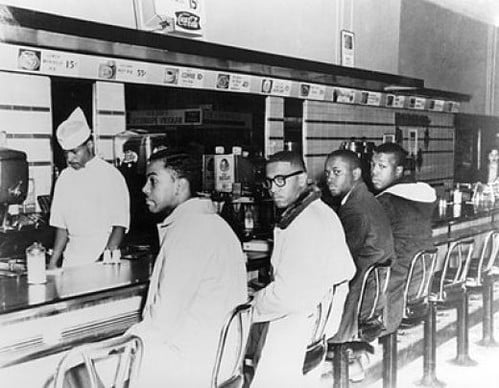
Four Black college freshmen — Joseph McNeil, Franklin McCain, Ezell Blair Jr., and David Richmond — sat at a whites-only Woolworth’s lunch counter in Greensboro, North Carolina on February 1, 1960, ordered coffee, and refused to leave when service was denied. By the end of the week, hundreds of students had joined them; by the end of the year, the sit-in tactic had spread to more than 55 cities across the American South.
Woolworth’s desegregated its lunch counters six months after that first afternoon.
Cesar Chavez, Dolores Huerta, and the Delano Grape Strike
The Delano Grape Strike began in 1965 when Filipino farmworkers in California’s San Joaquin Valley walked off the fields, and Cesar Chavez and Dolores Huerta’s National Farm Workers Association joined them — a decision that turned a local labor dispute into a national cause. The boycott that followed asked every American grocery shopper to leave California table grapes on the shelf, and turns out, that kind of ask, repeated loudly enough, works.
By 1970, most Delano growers had signed contracts recognizing the union.
Nelson Mandela’s Defiance Campaign
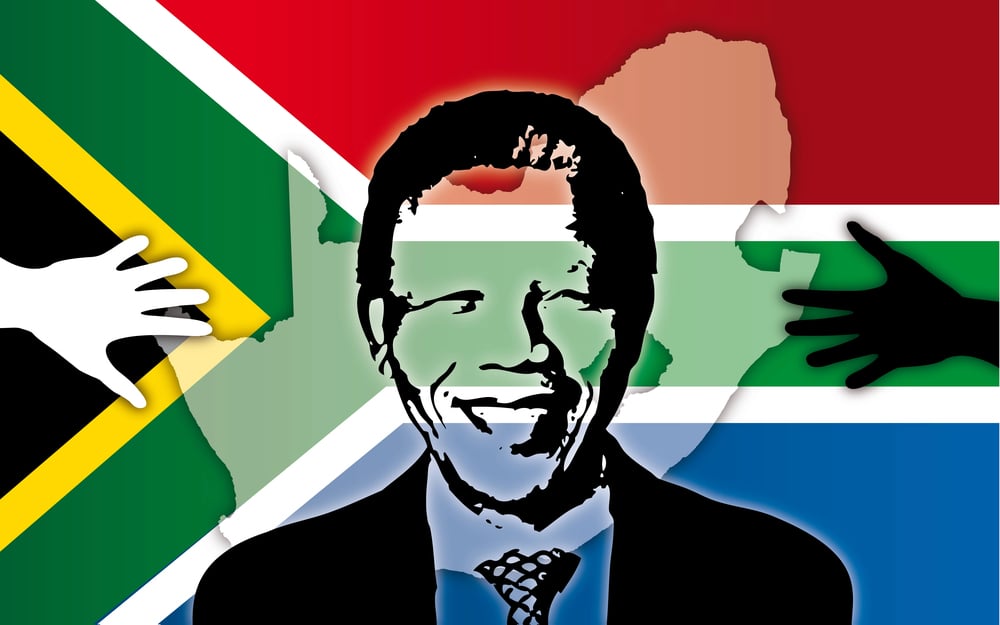
Long before his 27 years in prison, Nelson Mandela helped organize the 1952 Defiance Campaign in South Africa — a deliberate, coordinated act of disobeying apartheid laws by entering spaces reserved for white citizens, using facilities marked for other races, and refusing to carry the pass books the government required. The campaign drew 8,500 volunteers who courted arrest as a statement.
It didn’t end apartheid immediately, but it established the African National Congress as a mass movement rather than a polite political organization.
Malala Yousafzai’s Blog
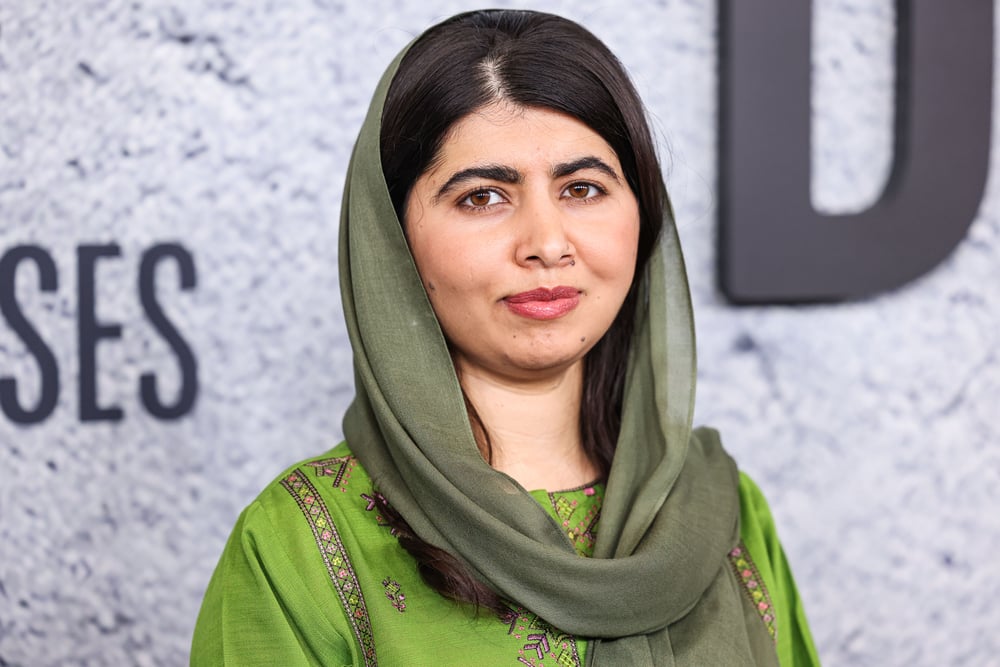
Malala Yousafzai was 11 years old when she began writing an anonymous BBC Urdu blog under the pseudonym Gul Makai, describing life in Pakistan’s Swat Valley under Taliban occupation — specifically the closing of girls’ schools. The blog, which ran in 2009, was a child’s diary but functioned like a spotlight.
Her identity was eventually revealed, she survived an assassination attempt in 2012, and she became the youngest Nobel Peace Prize laureate in history at age 17.
The Boston Tea Party
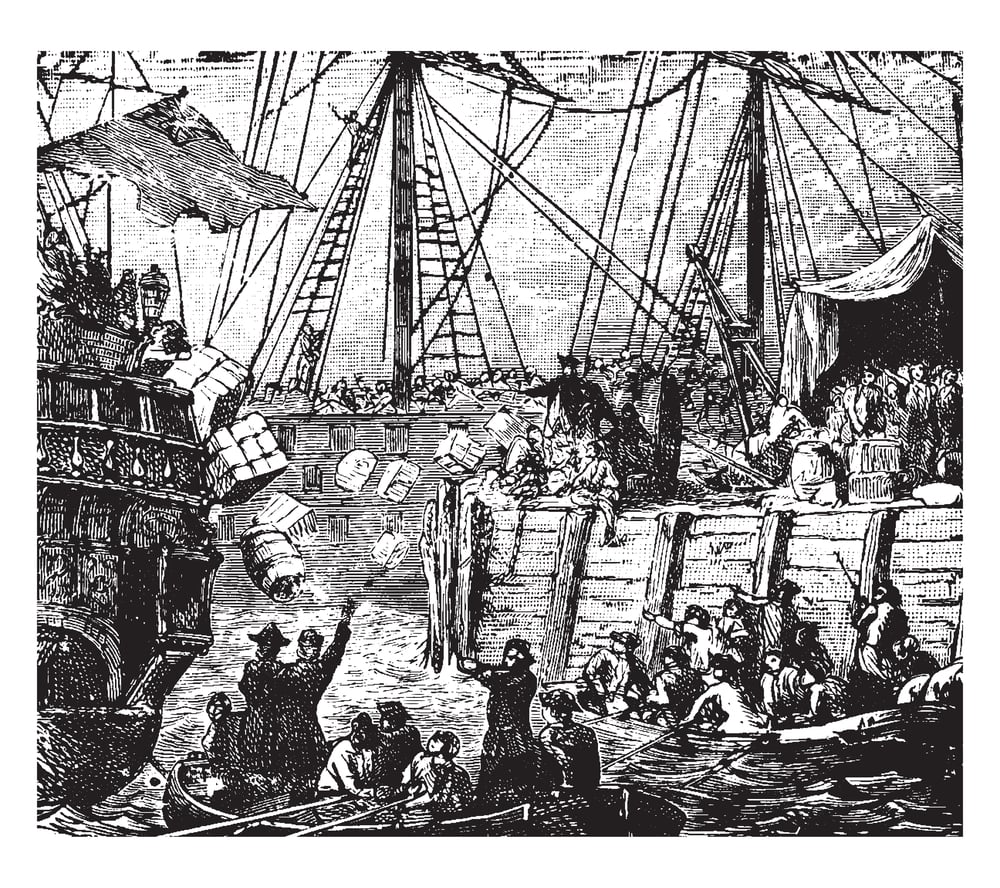
On the night of December 16, 1773, a group of colonists disguised as Mohawk Indians boarded three ships in Boston Harbor and dumped 342 chests of British East India Company tea into the water. It was destruction of property, plainly stated — but it was also the most legible possible rejection of the principle of taxation without representation.
The British government’s retaliatory Coercive Acts, passed the following year, pushed the colonies closer to open revolution than any prior provocation had managed to do.
Harvey Milk and San Francisco’s Castro District
Harvey Milk opened Castro Camera on Castro Street in San Francisco in 1972, and that shop became the organizational nucleus of a political movement that hadn’t fully named itself yet. Milk ran for city supervisor three times before winning in 1977, becoming one of the first openly gay elected officials in American history — and his visibility, his deliberate public presence, made something possible that policy papers and petitions hadn’t: the idea that LGBTQ+ citizens could hold power rather than merely request tolerance.
His assassination in 1978 accelerated rather than ended that movement.
The Singing Revolution
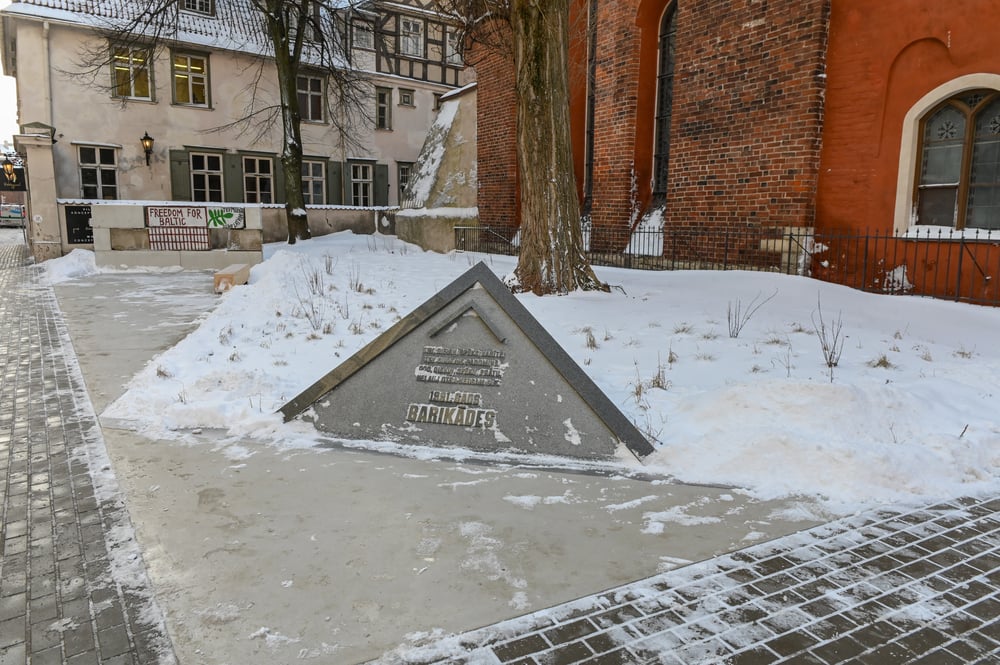
Three small Baltic nations — Estonia, Latvia, and Lithuania — spent the late 1980s singing their way out of Soviet occupation, which sounds like a metaphor but wasn’t. The most striking moment came on August 23, 1989, when approximately two million people formed a human chain roughly 420 miles long across all three countries, known as the Baltic Way, holding hands in a peaceful demand for independence.
All three nations regained independence by 1991.
Wangari Maathai’s Green Belt Movement

Wangari Maathai planted seven trees in her backyard in Nairobi on World Environment Day in 1977. That’s not a metaphor — she literally planted seven trees, and from that gesture grew the Green Belt Movement, which eventually mobilized tens of thousands of women across Kenya to plant more than 51 million trees.
The movement was inseparable from women’s rights and political activism; Maathai was arrested multiple times for her environmental work, which tells you something about what governments fear when ordinary people decide to put roots in the ground.
The Hungarian Revolution

A student protest in Budapest on October 23, 1956 — originally planned as a solidarity march with Polish reformers — turned into a full-scale national uprising against Soviet rule almost by accident, the way a match dropped in dry grass doesn’t plan to become a fire. Protesters tore down a massive bronze statue of Stalin in the city center.
Soviet tanks entered Hungary within days, and the revolution was crushed with brutal efficiency — but the uprising permanently altered how the West understood the Soviet bloc, and it never quite left the Hungarian national memory.
The Velvet Revolution
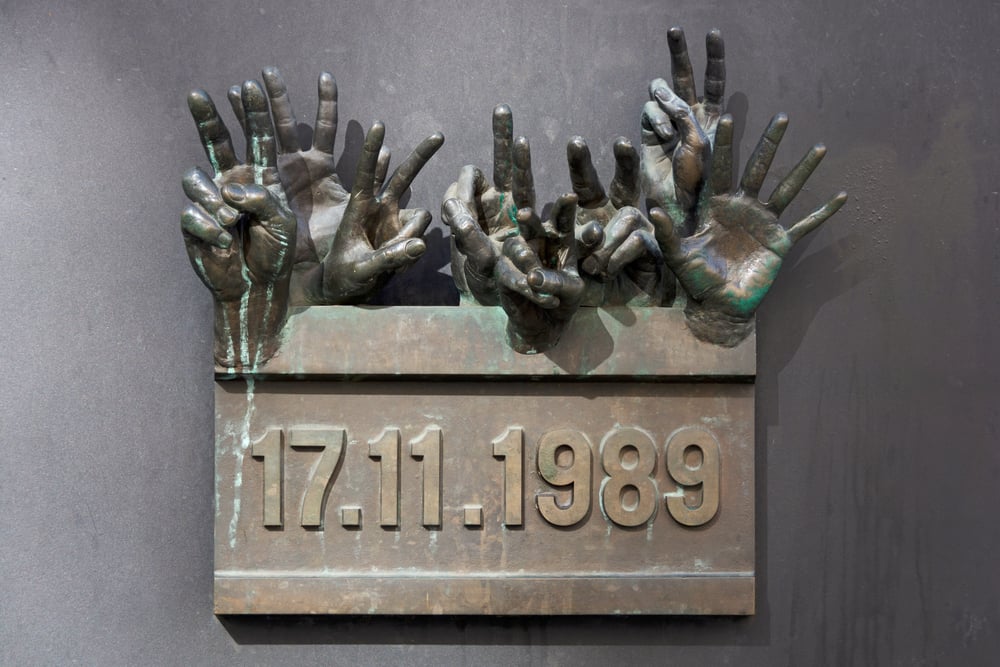
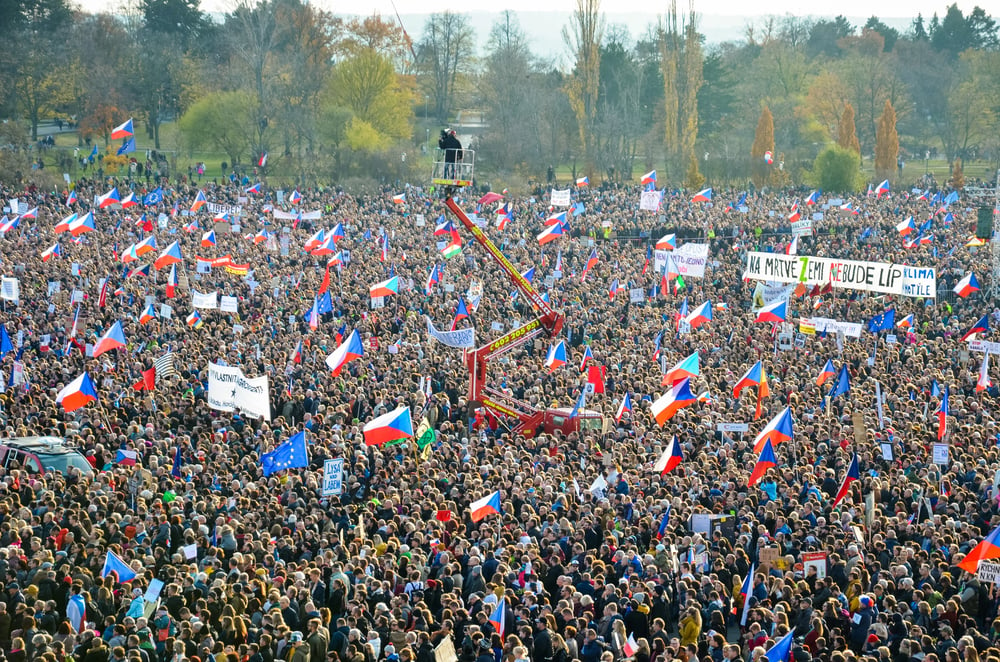
On November 17, 1989, riot police in Prague beat student demonstrators who were carrying candles and flowers. That singular act of state violence — mishandled, disproportionate, and very public — converted a modest protest into a mass movement that filled Wenceslas Square with hundreds of thousands of people within days.
Czechoslovakia’s communist government resigned by December 10, and the whole transition took roughly six weeks: the gentlest revolution in the history of revolutions, named for the fabric it most resembled.
A Single Step, Repeated Endlessly
There’s a pattern running through all of these stories that’s worth sitting with. None of these moments were guaranteed to matter.
Rosa Parks was not the first Black woman to refuse to give up her bus seat on a Montgomery bus — Claudette Colvin had done exactly that nine months earlier. Mohamed Bouazizi was not the first person in Tunisia to suffer at the hands of petty government authority.
What separated the moments that lit the world from the ones that didn’t is difficult to fully explain, which might be the most honest thing you can say about history. Defiance, it turns out, is not a plan — it’s a beginning, and where it ends depends on everyone who decides to take the next step.
More from Go2Tutors!

- The Romanov Crown Jewels and Their Tragic Fate
- 13 Historical Mysteries That Science Still Can’t Solve
- Famous Hoaxes That Fooled the World for Years
- 15 Child Stars with Tragic Adult Lives
- 16 Famous Jewelry Pieces in History
Like Go2Tutors’s content? Follow us on MSN.