Solar Power Facts You Should Know
Energy bills keep climbing, and more people are looking up at their roofs with new ideas. Solar panels have moved from being a rare sight to a common feature in neighborhoods across the country.
But understanding how they actually work—and whether they make sense for you—requires cutting through the noise and getting to the real facts.
The Sun Delivers More Energy Than We Could Ever Use
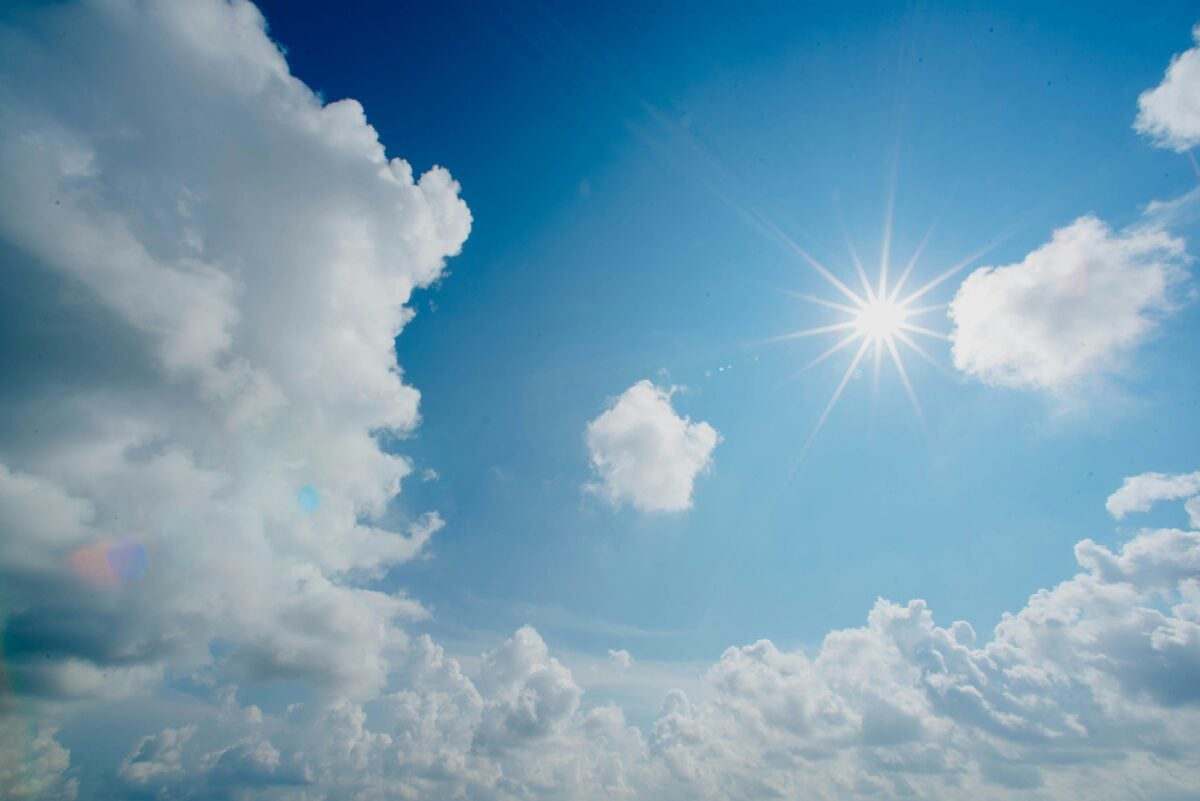
Every hour, the sun sends enough energy to Earth to power the entire planet for a year. That’s not an exaggeration or a rough estimate.
The numbers are staggering when you really think about them. About 430 quintillion joules of energy hit the Earth every single hour from the sun.
The challenge isn’t finding enough energy—it’s capturing and storing what arrives. Current solar technology can only convert a fraction of that sunlight into usable electricity, but even with those limitations, the potential remains enormous.
Solar Panels Keep Working on Cloudy Days
A common myth suggests that solar panels become useless when clouds roll in. This isn’t accurate.
Panels still generate electricity on overcast days, just at reduced capacity. Think of it like getting a tan through clouds.
You can still get sunburned on a cloudy day because UV rays penetrate cloud cover. Solar panels work similarly—they capture diffuse sunlight that makes it through the clouds.
Production drops by about 10-25% on cloudy days compared to clear ones, depending on cloud thickness. Germany leads the world in solar capacity despite having weather more similar to Alaska than Arizona.
That fact alone tells you something important about whether clouds make solar impractical.
The Price Has Dropped by Over 90% Since 2010
Solar panels used to be something only wealthy environmentalists could afford. That’s changed dramatically.
The cost of solar photovoltaic modules has fallen by more than 90% over the past decade. In 2010, installing a residential solar system cost around $7 to $9 per watt.
Today, that same installation runs about $2.50 to $3.50 per watt. For a typical home system, this translates to savings of tens of thousands of dollars compared to just 15 years ago.
This price drop happened because of improved manufacturing processes, increased competition, and economies of scale as production ramped up globally. China’s massive investment in solar manufacturing drove much of this change.
Modern Panels Last 25-30 Years or More
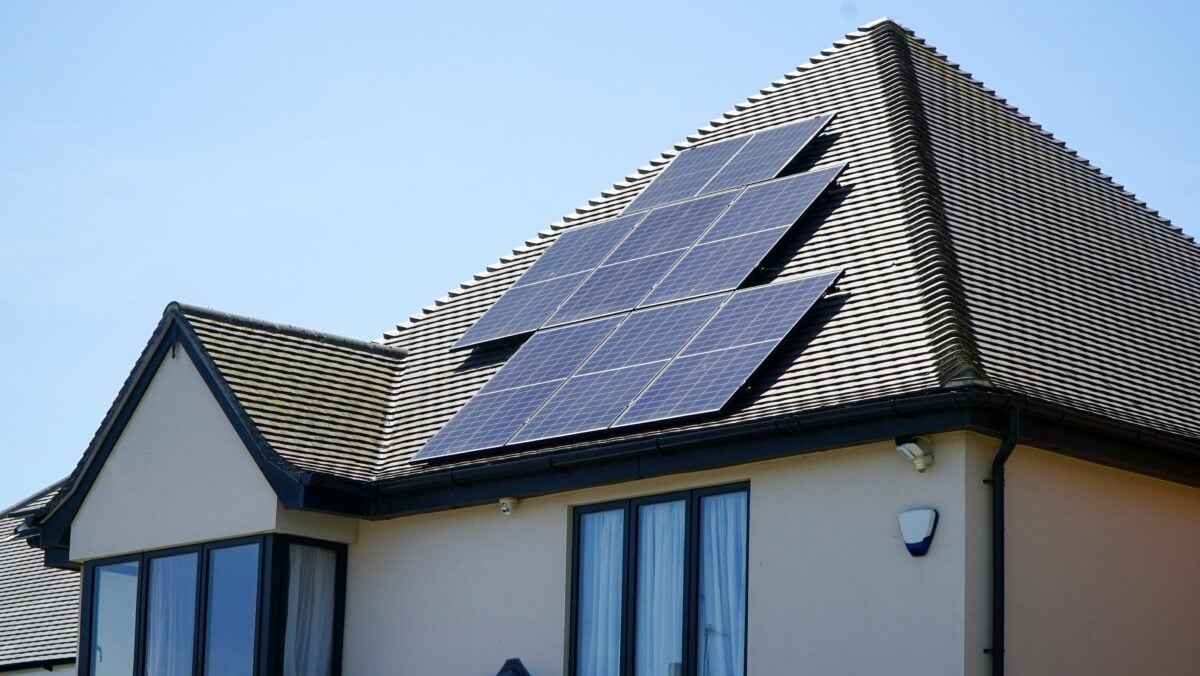
When you buy solar panels, you’re making a long-term investment. Most manufacturers guarantee their panels will still produce at least 80% of their original capacity after 25 years.
In practice, many panels continue working well beyond their warranty period. Some of the first solar panels installed in the 1970s still generate electricity today, though at reduced efficiency.
The materials are remarkably durable—tempered glass, aluminum frames, and silicon cells don’t just fall apart. Weather poses the biggest threat.
Hail, extreme winds, and falling debris can damage panels physically, but the solar cells themselves degrade very slowly. Annual degradation rates typically sit around 0.5% per year, meaning a 20-year-old panel still produces about 90% of its original output.
Your Location Determines How Much Power You’ll Generate
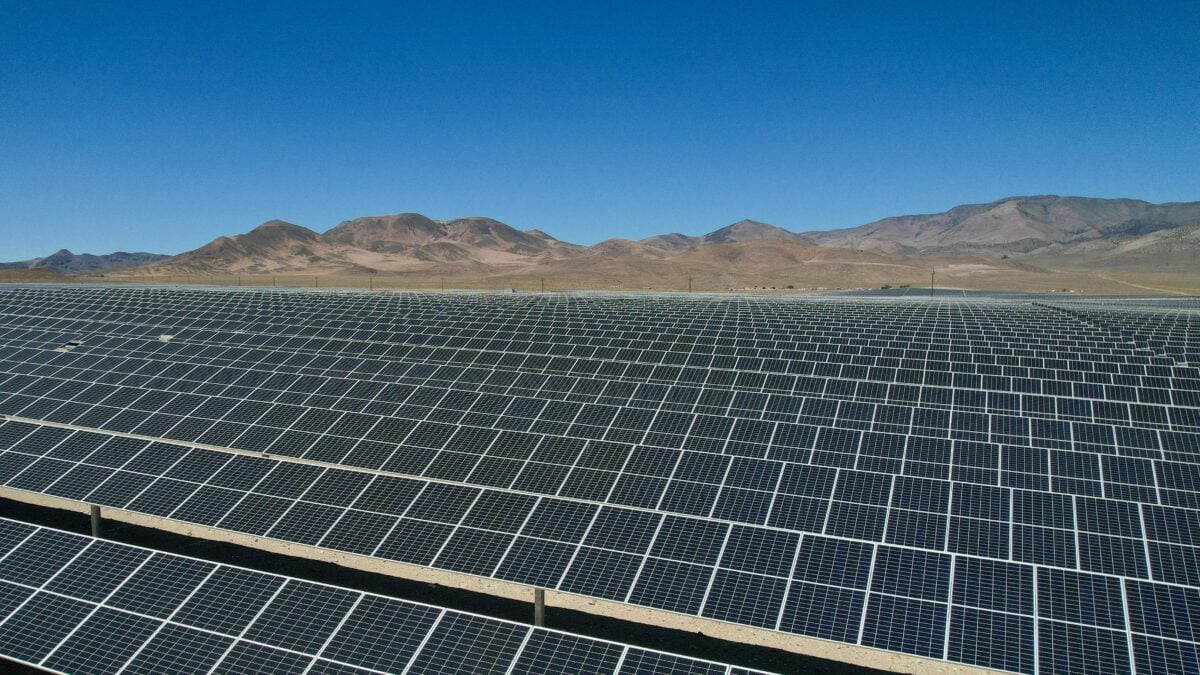
Geography plays a huge role in solar productivity. Arizona homeowners get far more energy from solar panels than those in Seattle, simply because they see more sunny days.
Solar irradiance—the amount of solar energy that reaches a given area—varies significantly across regions. The southwestern United States receives about 50% more solar energy annually than the Pacific Northwest.
But that doesn’t make solar uneconomical in cloudier areas. Electricity costs, local incentives, and other factors can offset lower production.
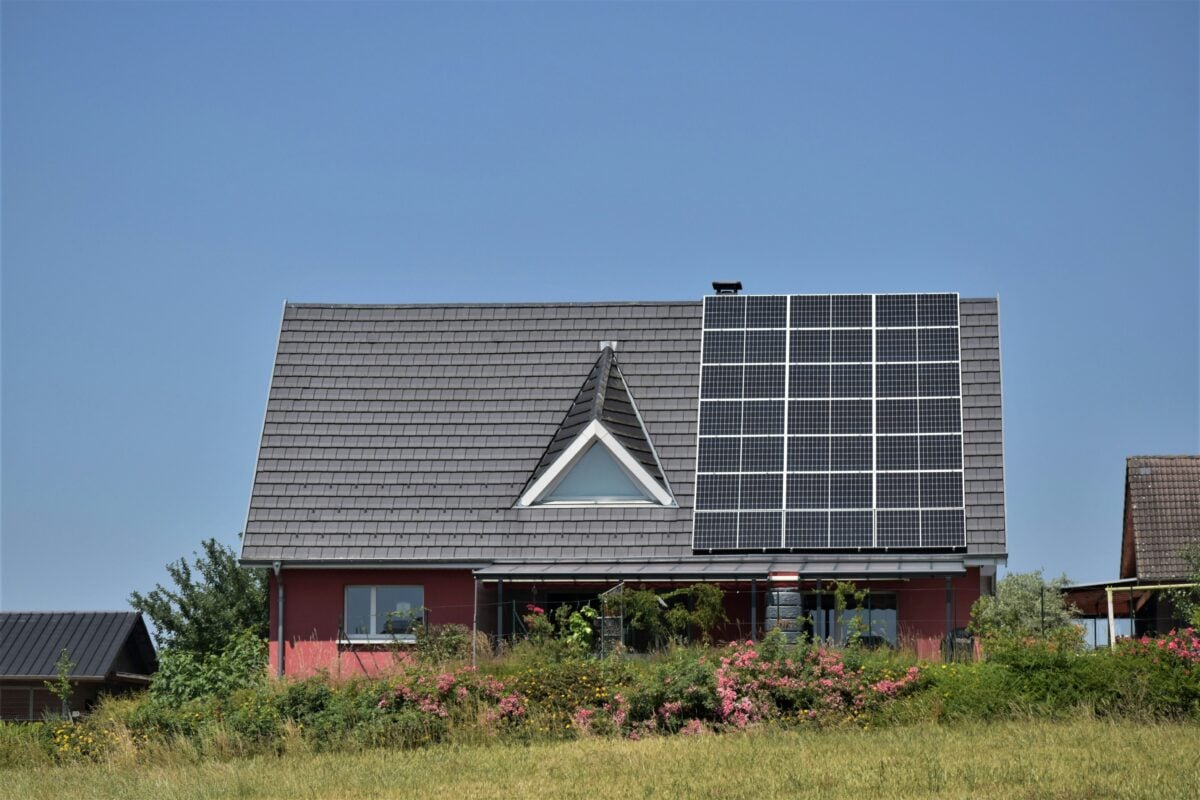
Your roof’s orientation matters too. South-facing roofs in the Northern Hemisphere capture the most sunlight throughout the day.
East or west-facing installations still work but produce less power. North-facing roofs are generally poor candidates for solar in the Northern Hemisphere.
Energy Storage Solves the Nighttime Problem
Solar panels don’t generate electricity after dark. That’s basic physics, not a design flaw.
But battery storage systems now offer a practical solution. Home battery systems, like the Tesla Powerwall and similar products, store excess energy generated during the day for use at night.
This addresses one of solar power’s primary limitations—intermittency. The batteries charge when your panels produce more electricity than your home needs, then discharge that stored energy when the sun goes down.
Battery costs have also dropped significantly, though they still represent a substantial investment. A typical home battery system adds $10,000 to $15,000 to a solar installation.
The economics improve in areas with time-of-use electricity rates, where power costs more during peak evening hours.
Solar Panels Require Almost No Maintenance
Once installed, solar panels sit on your roof and work with minimal intervention. They have no moving parts to wear out or break down.
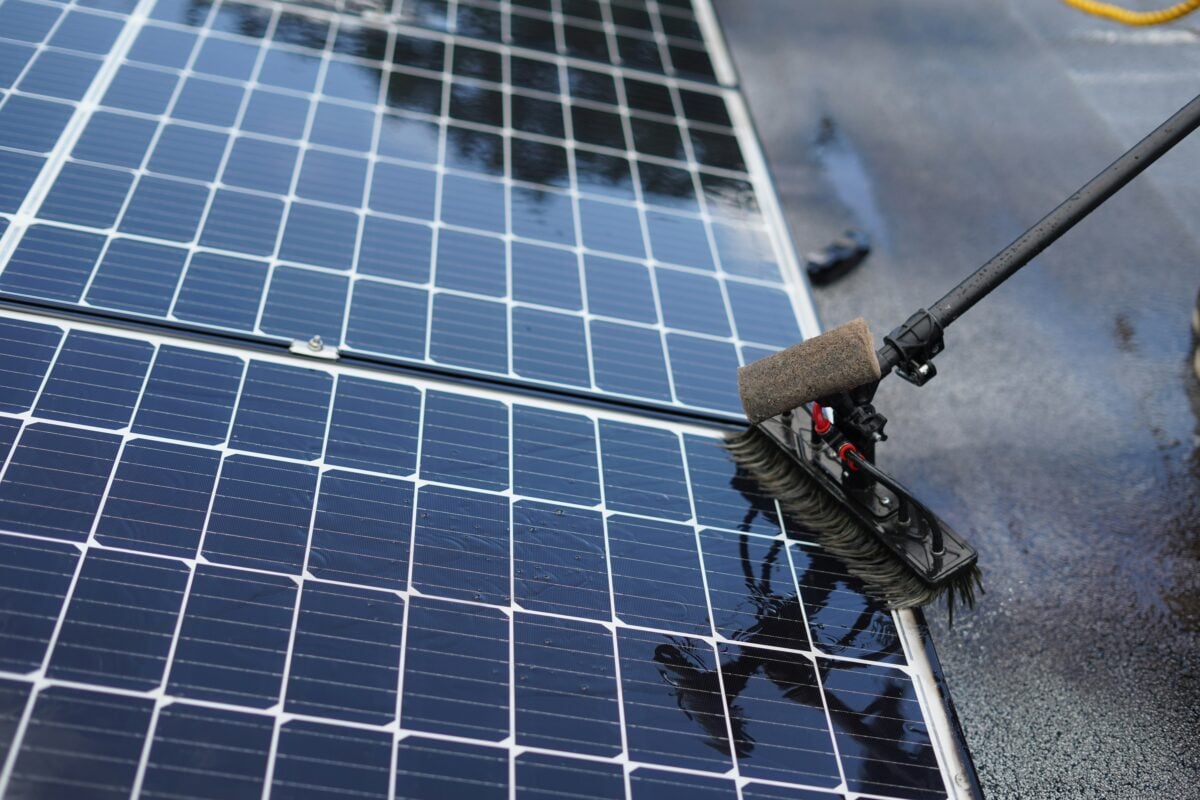
Rain typically washes away dust and debris, keeping them reasonably clean. Some situations require occasional cleaning.
If you live in a dusty area, near farms, or under trees that drop sap and pollen, periodic washing helps maintain efficiency. But for most homeowners, nature handles the cleaning automatically.
The inverter—which converts DC power from panels to AC power your home uses—represents the one component likely to need replacement during your system’s lifetime. Inverters typically last 10-15 years, while the panels themselves keep going for decades.
Net Metering Can Eliminate Your Electric Bill
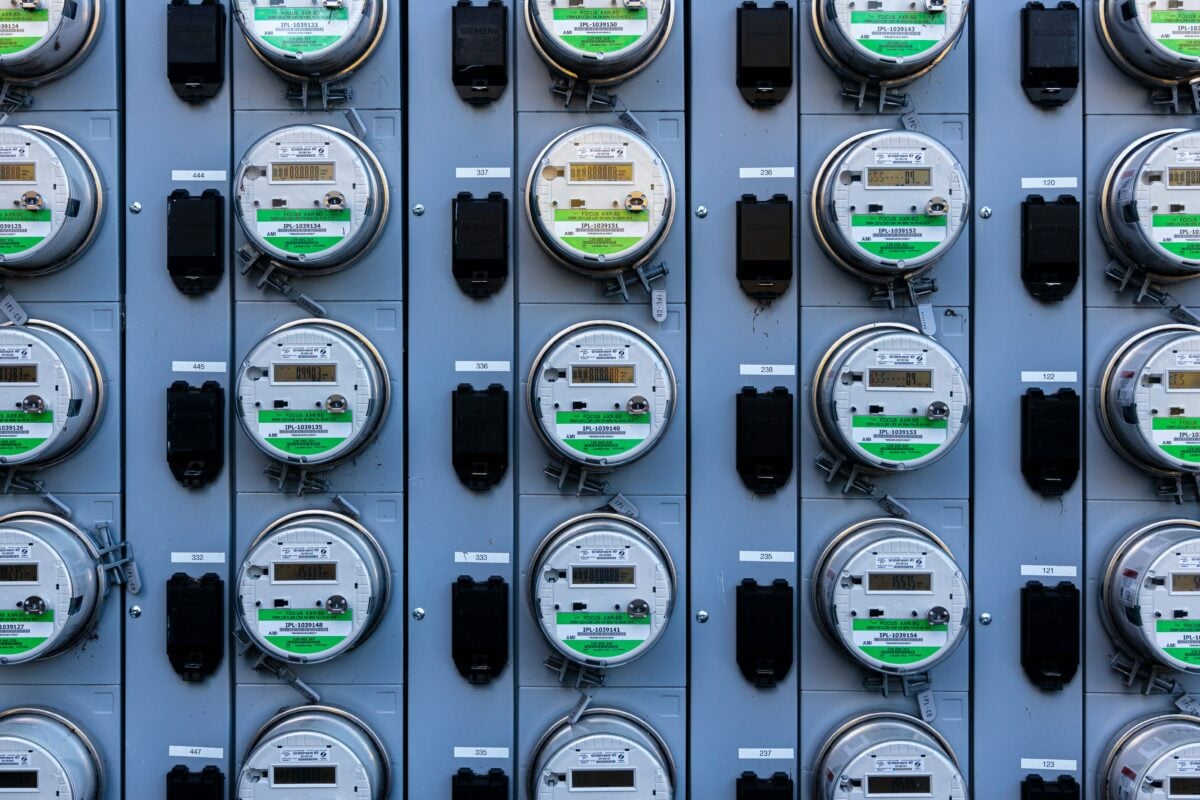
Net metering programs let you sell excess solar power back to the grid. When your panels produce more electricity than you need, the surplus flows to the utility grid, and your meter runs backward.
You get credits for this exported power. These credits offset the electricity you draw from the grid at night or during low production periods.
In many cases, homeowners with properly sized systems see their annual electric bills drop to just the monthly connection fee. But net metering policies vary widely by state and utility company.
Some offer full retail credit for exported power, while others pay wholesale rates or have caps on how much you can export. California’s recent changes to net metering reduced the value of exported solar power, affecting the financial calculus for new installations.
Solar Adds Value to Your Home
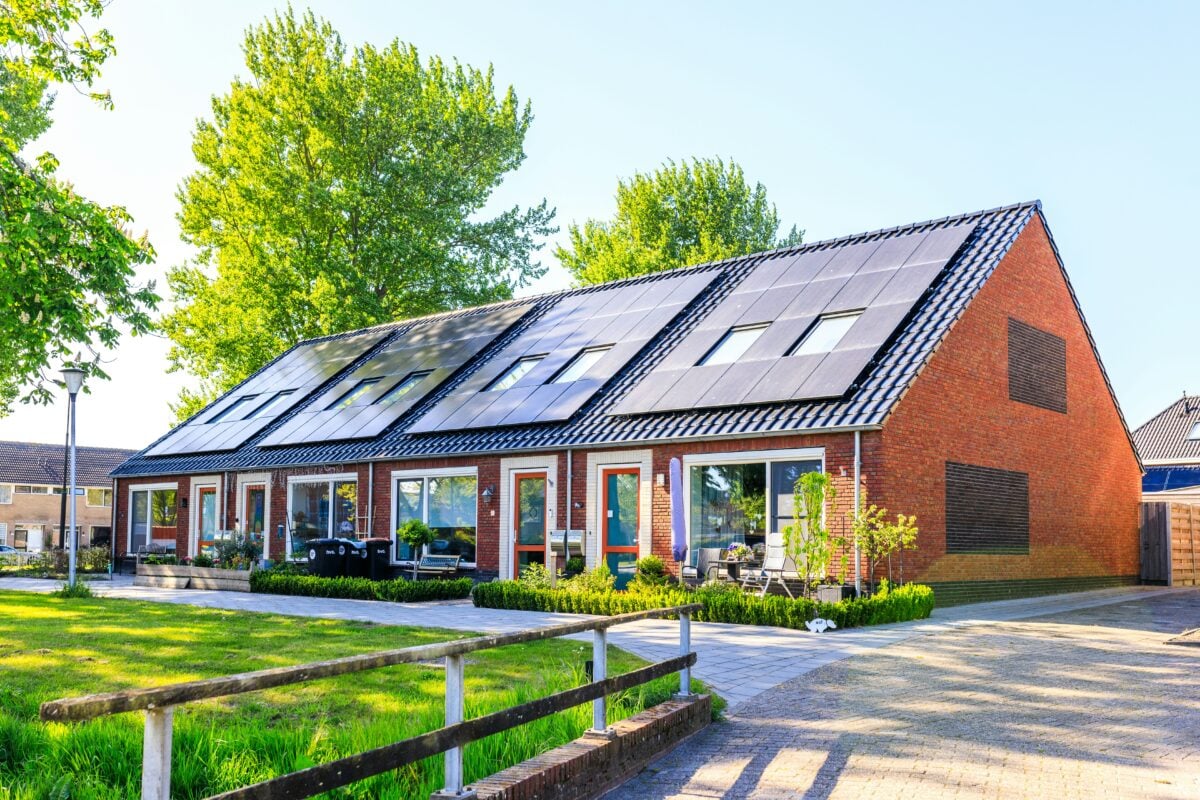
Real estate data shows homes with solar installations sell for more than comparable homes without panels. Studies put the premium at about $4 per watt of installed capacity, or roughly $12,000 to $15,000 for a typical residential system.
Buyers see solar panels as a valuable upgrade that reduces ongoing energy costs. The added value often equals or exceeds the system’s cost, especially in states with high electricity rates.
Location influences this premium. Solar panels add more value in markets where electricity is expensive and environmental concerns rank high among buyers.
In areas with cheap power or where solar is less common, the boost to home value may be smaller.
The Technology Keeps Improving
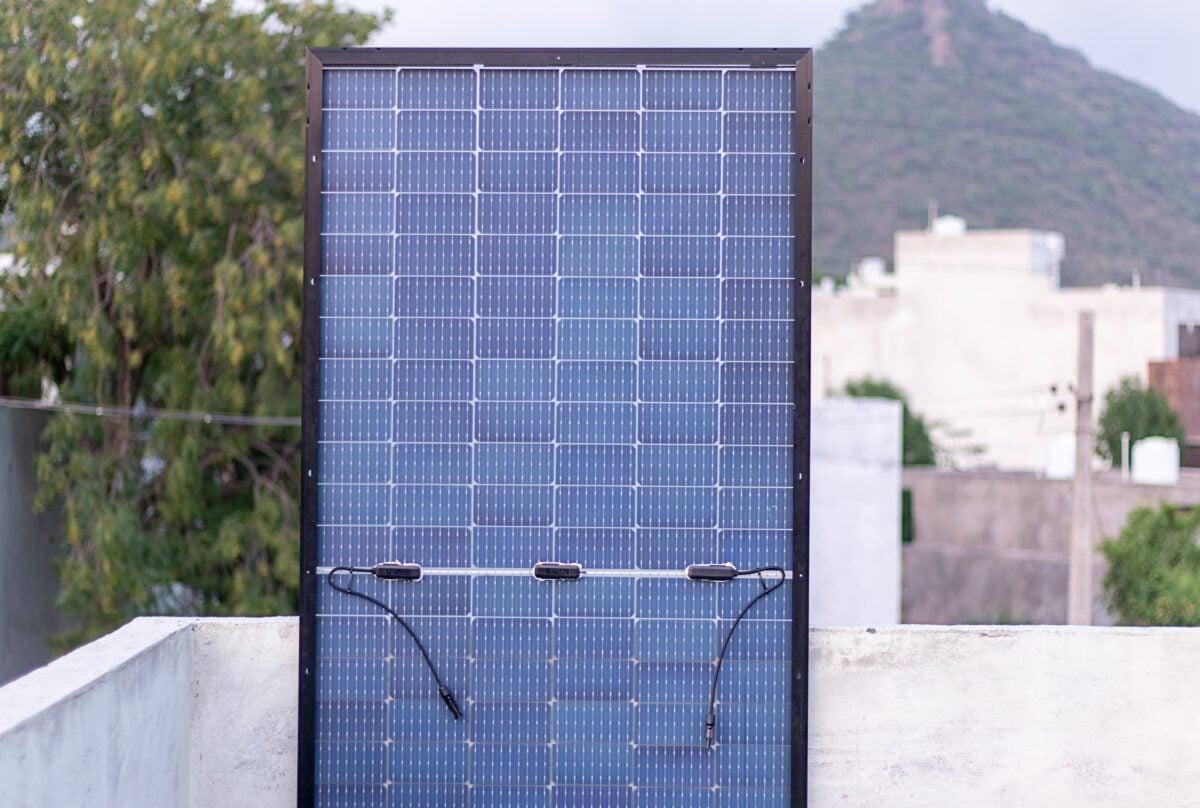
Photovoltaic efficiency—how much sunlight a panel converts to electricity—has steadily increased. Commercial panels in the 1970s achieved about 10% efficiency.
Today’s standard panels reach 18-22%, and premium models push past 23%. Research laboratories have demonstrated solar cells exceeding 40% efficiency under concentrated sunlight, though these aren’t commercially available for residential use yet.
The gap between lab achievements and mass-market products always exists, but history shows that gap narrows over time.
Bifacial panels represent one notable innovation. These panels capture light on both their front and back surfaces, boosting total energy production by using reflected light from the ground or roof.
They cost more but generate 10-30% more power than traditional panels.
Solar Power Creates Jobs Faster Than Most Industries
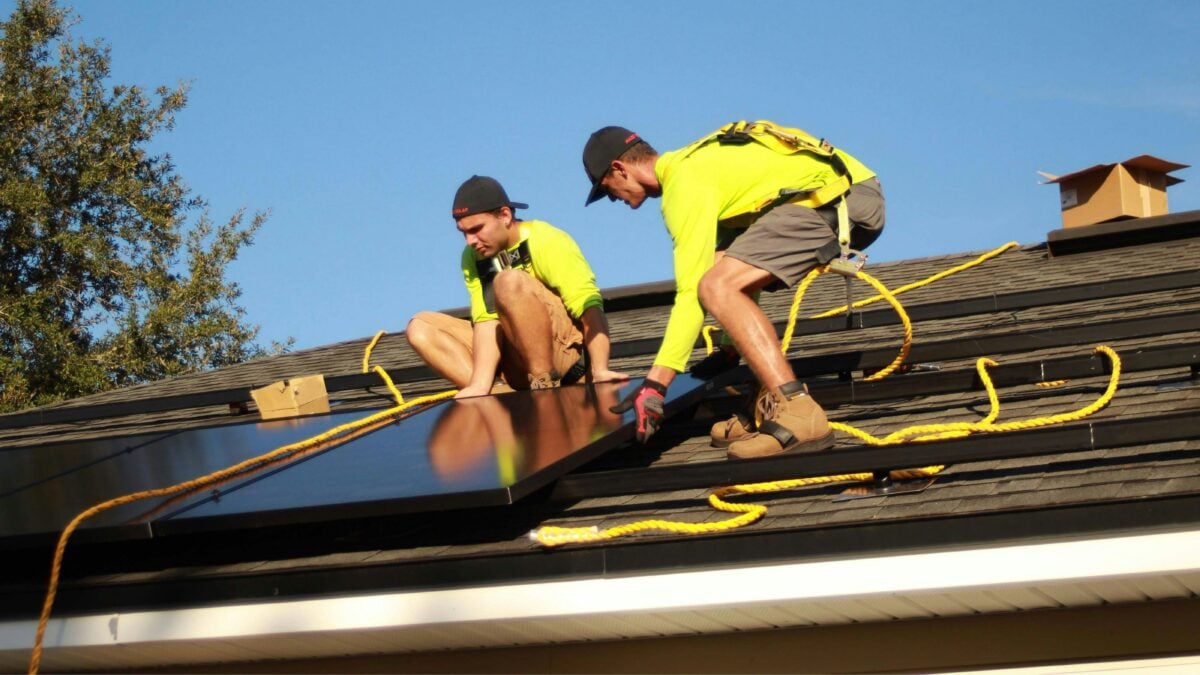
The solar industry employs hundreds of thousands of people across installation, manufacturing, sales, and maintenance roles. Job growth in solar has outpaced overall job growth in the economy consistently over the past decade.
Installation jobs make up the bulk of solar employment. These positions require training but not necessarily four-year degrees, making them accessible to many workers.
Electricians, roofers, and laborers with appropriate certifications can enter the field. Manufacturing jobs have shifted overseas, particularly to China, which dominates solar panel production.
But installation and maintenance work remains local by necessity—you can’t remotely install panels on someone’s roof from another country.
Small-Scale Solar Runs More Than Just Homes
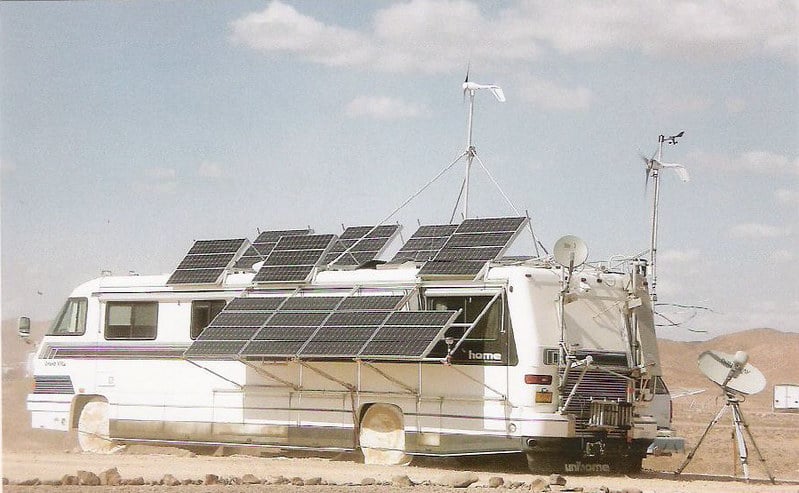
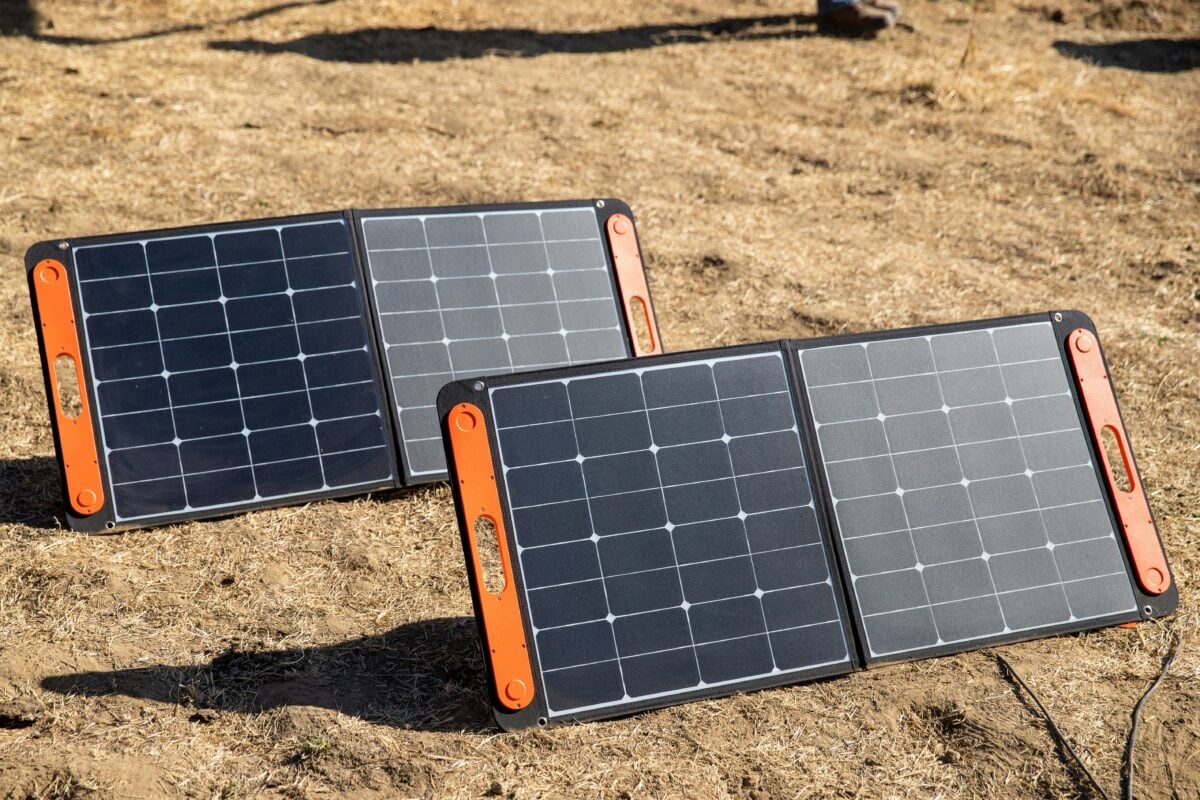
Portable solar panels and compact systems power everything from RVs to remote cabins to emergency preparedness setups. The same technology that goes on residential roofs scales down effectively.
These smaller systems use the same basic components—panels, charge controllers, batteries, and inverters—just sized appropriately. An RV might run on 200-400 watts of panels, while a small cabin could need 1,000-2,000 watts depending on energy needs.
Remote locations without grid access find solar particularly valuable. Running power lines to isolated areas costs far more than installing a standalone solar system.
National parks, backcountry shelters, and communication towers increasingly rely on solar power for this reason.
Grid-Scale Solar Competes on Price with Fossil Fuels
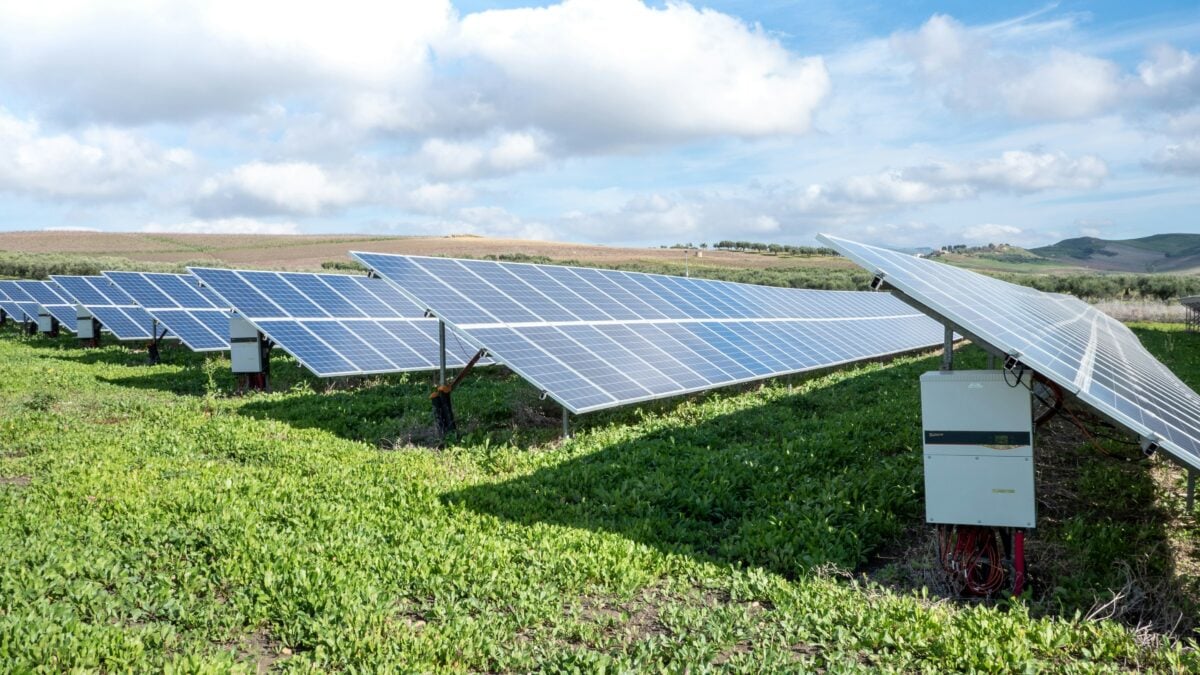
Utility-scale solar farms now generate electricity at costs competitive with natural gas and coal plants. In many markets, solar has become the cheapest source of new electricity generation.
These massive installations cover hundreds of acres with thousands of panels, achieving economies of scale impossible for residential systems. Without buildings or trees blocking sunlight, and with professional optimization of panel angles and spacing, efficiency stays high.
Solar farms do face challenges that traditional power plants don’t. They need lots of land, produce power intermittently, and require either battery storage or fossil fuel backup for nighttime and low-production periods.
But pure generation costs have dropped to the point where solar makes economic sense even without environmental considerations.
Recycling Programs Are Starting to Emerge
When solar panels wear out, they give up useful stuff like silicon, silver, copper, because demand grows. Though recycling systems were missing at first, things shift now since early models are dying off.
Out in the sun for decades now, old solar panels from the 90s and early 2000s are reaching their end. Worthwhile stuff hides beneath the glass, so pulling it back out pays off.
Yet getting those units down from countless roofs? That part drags.
Hauling them in makes sense only if the route works smoothly. Not far behind, Europe pushes ahead with rules that make producers manage old solar panels.
Slower steps mark U.S. progress, though certain businesses and regions begin testing reuse systems. Nearly all of a panel’s mass – up to 95 percent – can find new life when processing works right.
When The Light Finds You
A single beam of sunlight sets tiny particles moving inside a glass-like surface, starting a flow of energy. This happens because light pushes hidden bits free, making electricity appear.
Over time, how much it costs, how well it works, and how big the setup can get have shifted sharply. The core idea stays unchanged, even if everything around it keeps shifting.
Sunlight matters more than location when using solar power. A patch of open roof or yard helps, along with funds to cover setup costs.
Once installed, the system works without fuss, turning light into energy – morning through evening, summer through winter – for decades. Panels often last longer than vehicles, sometimes even stretching beyond home loan terms.
Picking solar power does not come from wanting to help Earth or show support for a cause. Numbers decide it.
Panels must produce savings over years that cover what you pay at first – or they fail. Recently, those figures have leaned strongly toward yes for plenty of house owners.
Yet your own case – where you live, how much energy costs, the state of your roof, perks offered nearby – shapes if it adds up right there.
More from Go2Tutors!

- The Romanov Crown Jewels and Their Tragic Fate
- 13 Historical Mysteries That Science Still Can’t Solve
- Famous Hoaxes That Fooled the World for Years
- 15 Child Stars with Tragic Adult Lives
- 16 Famous Jewelry Pieces in History
Like Go2Tutors’s content? Follow us on MSN.