Special Forces Units With Fierce Reputations
When people think about military power, they often picture tanks rolling across fields or jets screaming through the sky. But some of the most dangerous operations happen in the shadows, carried out by elite soldiers who train for years to become the best of the best.
These aren’t your average troops. They’re the ones governments call when failure isn’t an option and the mission is too dangerous for anyone else.
Let’s look at some of the most respected and feared special forces units around the world.
Navy SEALs
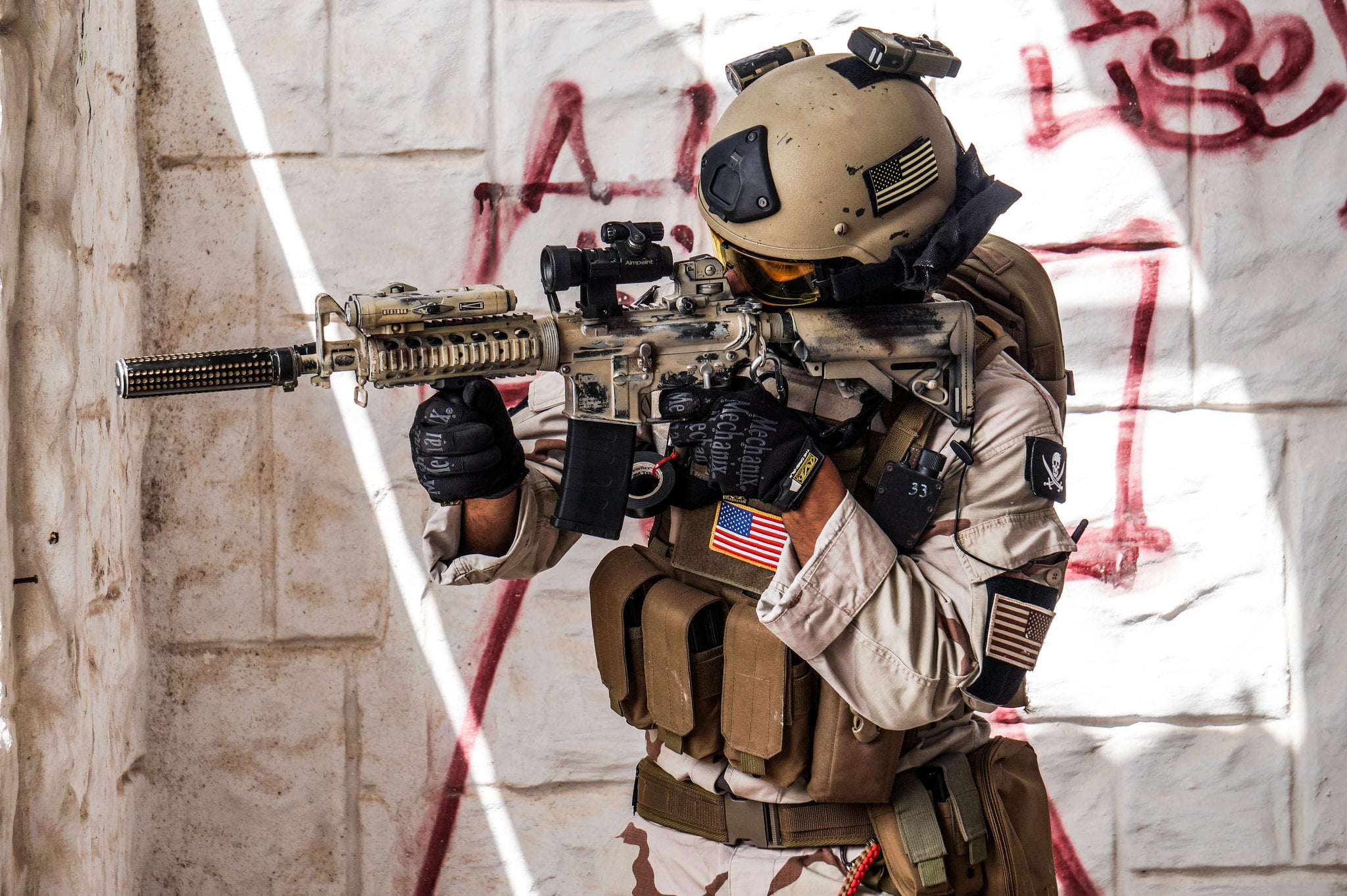
The United States Navy SEALs have become almost legendary, and for good reason. These warriors go through some of the most brutal training on Earth, with a dropout rate that hovers around 75 percent.
They can operate anywhere: underwater, on land, in the air, or from the sea. The name actually stands for Sea, Air, and Land, which tells you everything about their versatility.
Their most famous mission was taking down Osama bin Laden in 2011, but that’s just one highlight in decades of classified operations that most people will never hear about.
British SAS

The Special Air Service started during World War II and basically wrote the book on modern special operations. Other countries looked at what the SAS was doing and tried to copy it.
These soldiers undergo selection in the Brecon Beacons mountains of Wales, where the weather is miserable and the terrain will break you if the instructors don’t first. They’re known for being calm under pressure and incredibly resourceful.
The SAS famously ended the Iranian Embassy siege in London in 1980, storming the building in front of live television cameras and rescuing hostages in just 17 minutes.
Russian Spetsnaz
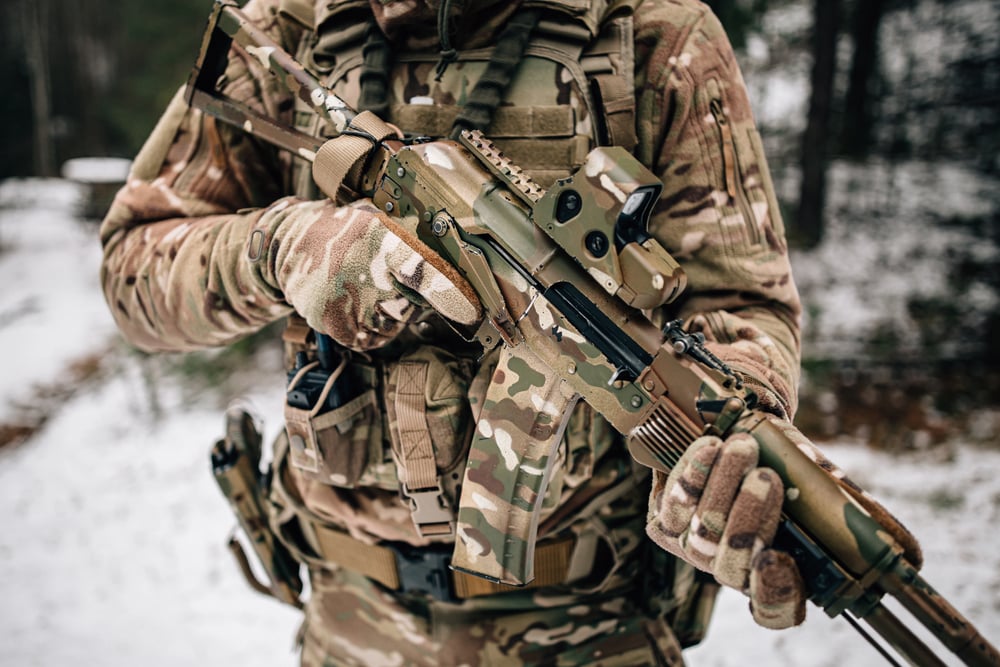
The name Spetsnaz actually covers several special forces units in Russia, but they all share a reputation for being absolutely ruthless. Their training includes getting punched in the stomach to build pain tolerance and practicing with live ammunition flying over their heads.
These aren’t soldiers who worry much about comfort or safety during training. Spetsnaz operators played key roles during the Soviet war in Afghanistan and have been involved in conflicts from Chechnya to Syria.
They’re trained to survive in the harshest conditions imaginable and to complete missions no matter what stands in their way.
Israeli Sayeret Matkal
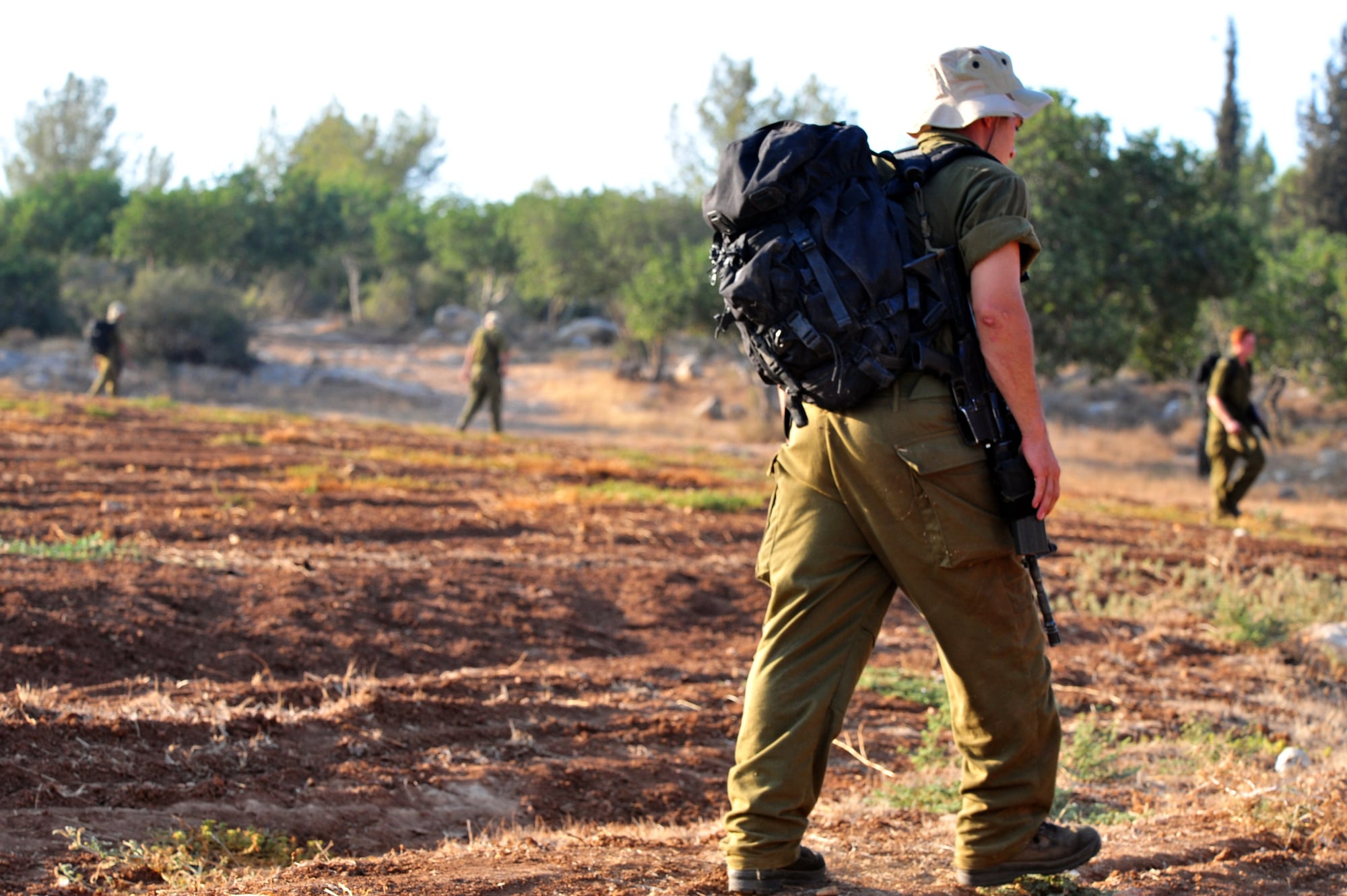
Israel’s most elite unit operates in complete secrecy, with members rarely talking about their service even after they leave. Sayeret Matkal recruits the smartest and toughest soldiers from the Israeli Defense Forces.
They specialize in intelligence gathering and hostage rescue, which makes sense given Israel’s constant security challenges. The unit carried out the famous Entebbe raid in 1976, flying 2,500 miles to Uganda to rescue over 100 hostages from hijackers.
Several former Israeli prime ministers, including Benjamin Netanyahu and Ehud Barak, served in this unit.
Delta Force
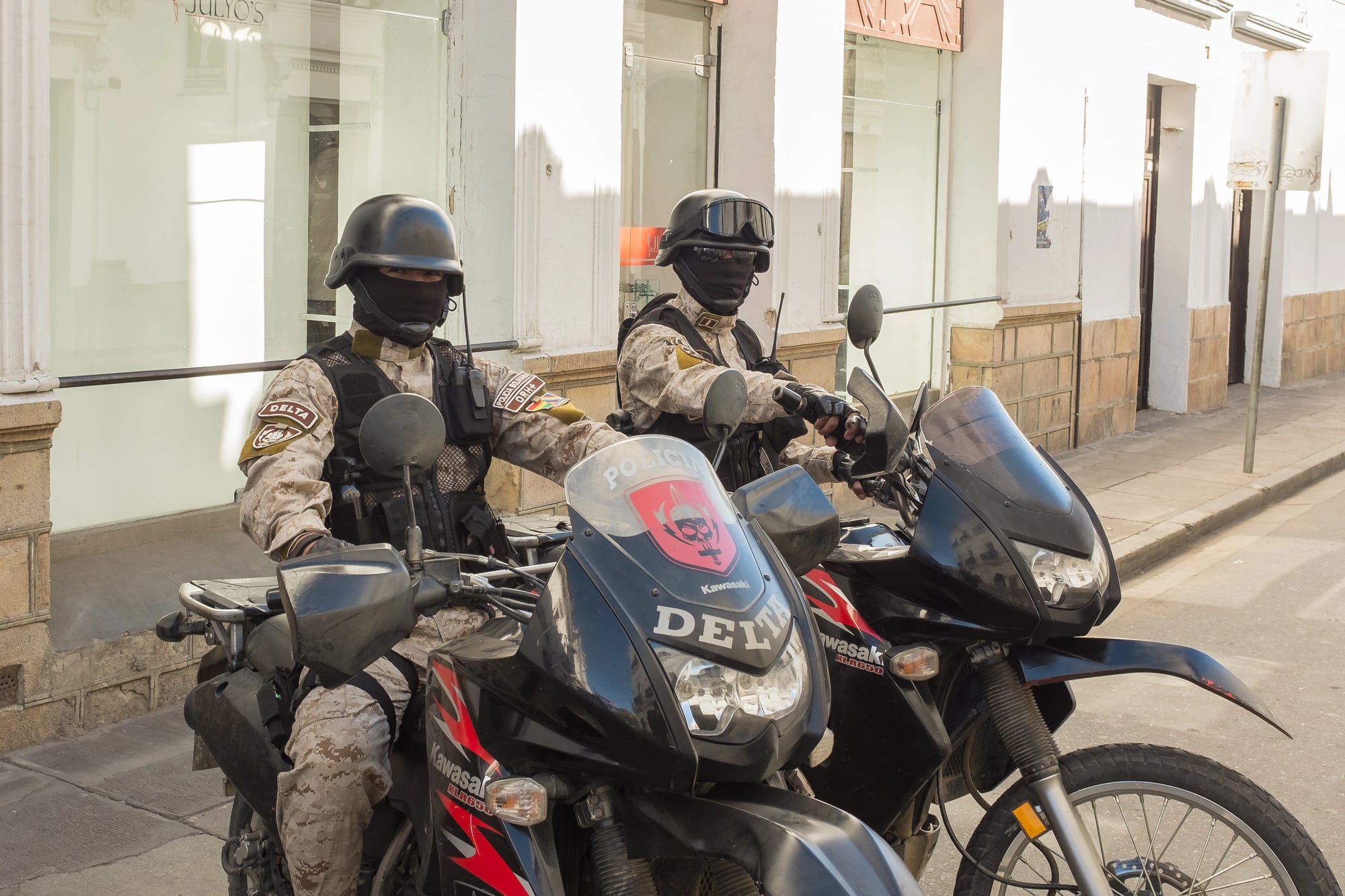
Officially called 1st Special Forces Operational Detachment-Delta, this American unit is so secretive that the government didn’t even acknowledge it existed for years. Delta Force was created in the late 1970s after a failed hostage rescue mission in Iran showed the U.S. needed a dedicated counter-terrorism unit.
They handle the most sensitive missions, from hunting terrorists to rescuing hostages in hostile territory. Delta operators train at a classified facility in North Carolina and are some of the most skilled shooters and close-quarters combat experts in the world.
The unit works so closely with the CIA that the line between military and intelligence operations often blurs completely.
French GIGN

The National Gendarmerie Intervention Group started as a response to the Munich Olympics massacre in 1972. France realized it needed a specialized unit to handle terrorism and high-risk situations.
GIGN operators train in everything from precision shooting to negotiation, because sometimes talking works better than bullets. These soldiers have completed over 1,800 missions with a success rate that makes other countries jealous.
In 1994, they stormed a hijacked Air France plane in Marseille, killing all four terrorists without losing a single hostage. GIGN members also provide security for French nuclear facilities, which tells you how much trust the government places in them.
Polish GROM
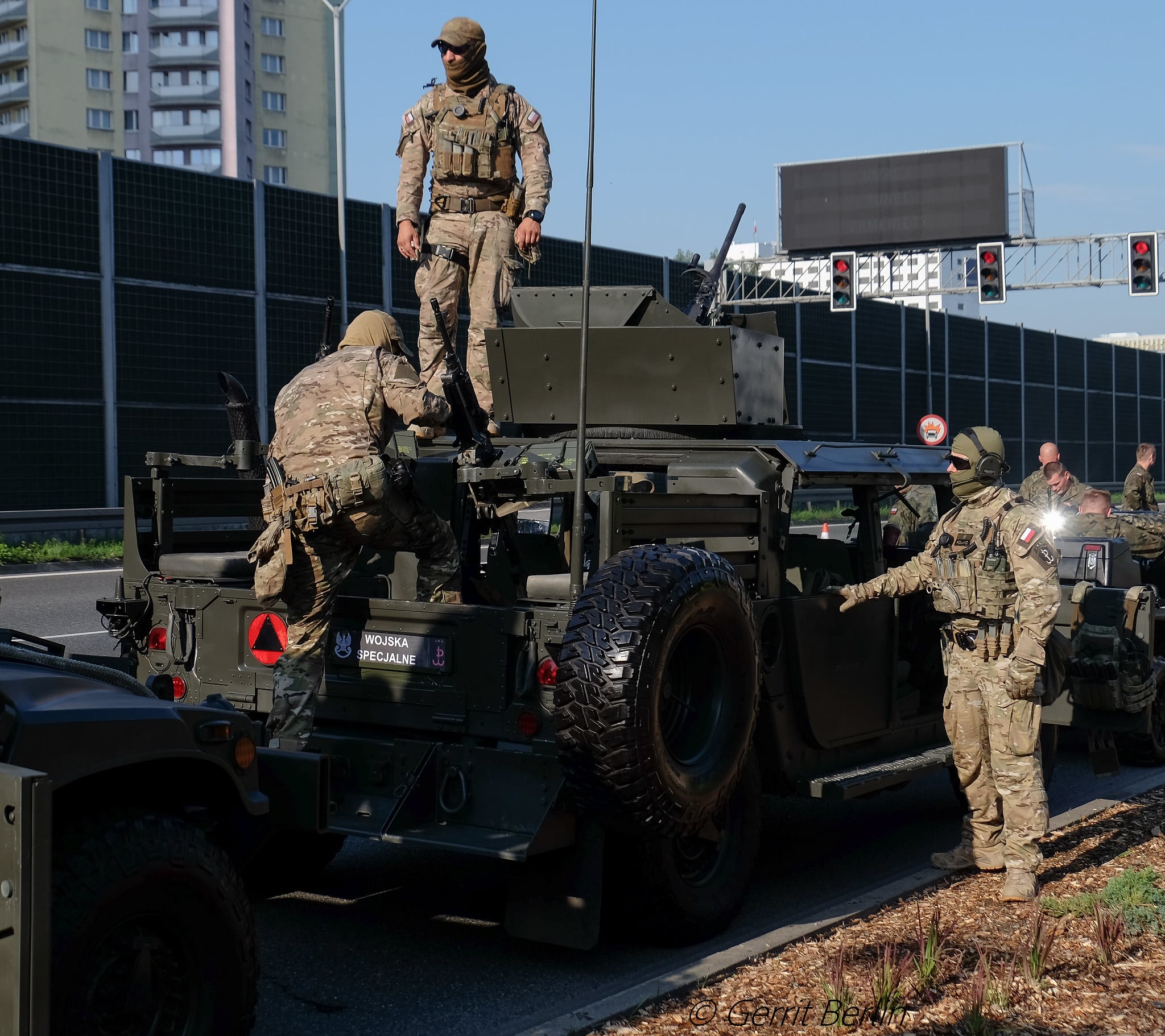
GROM was created in 1990, making it relatively young compared to other units on this list. But these Polish operators quickly earned respect by training with the best forces from America and Britain.
The unit’s first major operation happened during the Gulf War, when they helped evacuate diplomats from Iraq. GROM soldiers deployed to Afghanistan and Iraq alongside American forces, earning praise for their professionalism and skill.
They specialize in counter-terrorism and high-risk arrests. Poland keeps this unit small, with only about 300 operators, which means every single member is exceptionally qualified.
Australian SASR
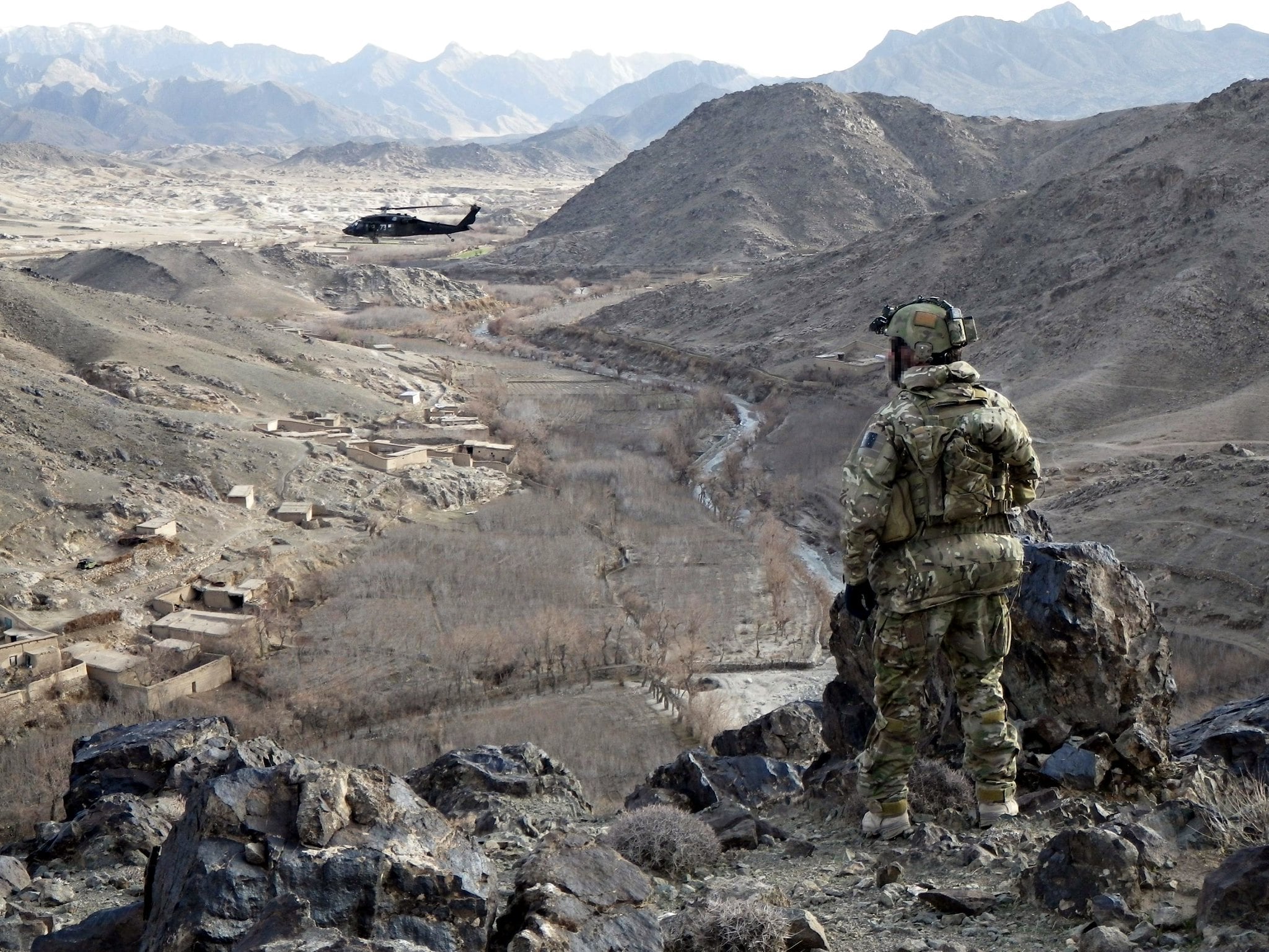
The Special Air Service Regiment might share a name with their British counterparts, but Australia’s version has carved out its own fierce reputation. These soldiers train in some of the world’s harshest environments, from scorching deserts to dense jungles.
SASR operators spent years in Afghanistan, often working deep behind enemy lines with minimal support. They’re known for being incredibly fit and able to cover huge distances on foot while carrying heavy loads.
The selection course is so demanding that most candidates quit before they finish, and the unit only accepts a handful of new members each year.
German KSK

Germany’s Special Forces Command was established in 1996, partly because of lessons learned from the Rwandan genocide. KSK operators handle counter-terrorism, hostage rescue, and special reconnaissance.
They’ve deployed to Afghanistan, where they earned a reputation for being highly effective in combat. German special forces train for years before they’re considered fully qualified, learning everything from mountaineering to advanced medical care.
The unit faced some controversy in recent years when authorities discovered extremist materials among a few members, leading to reforms and stricter oversight.
South Korean 707th
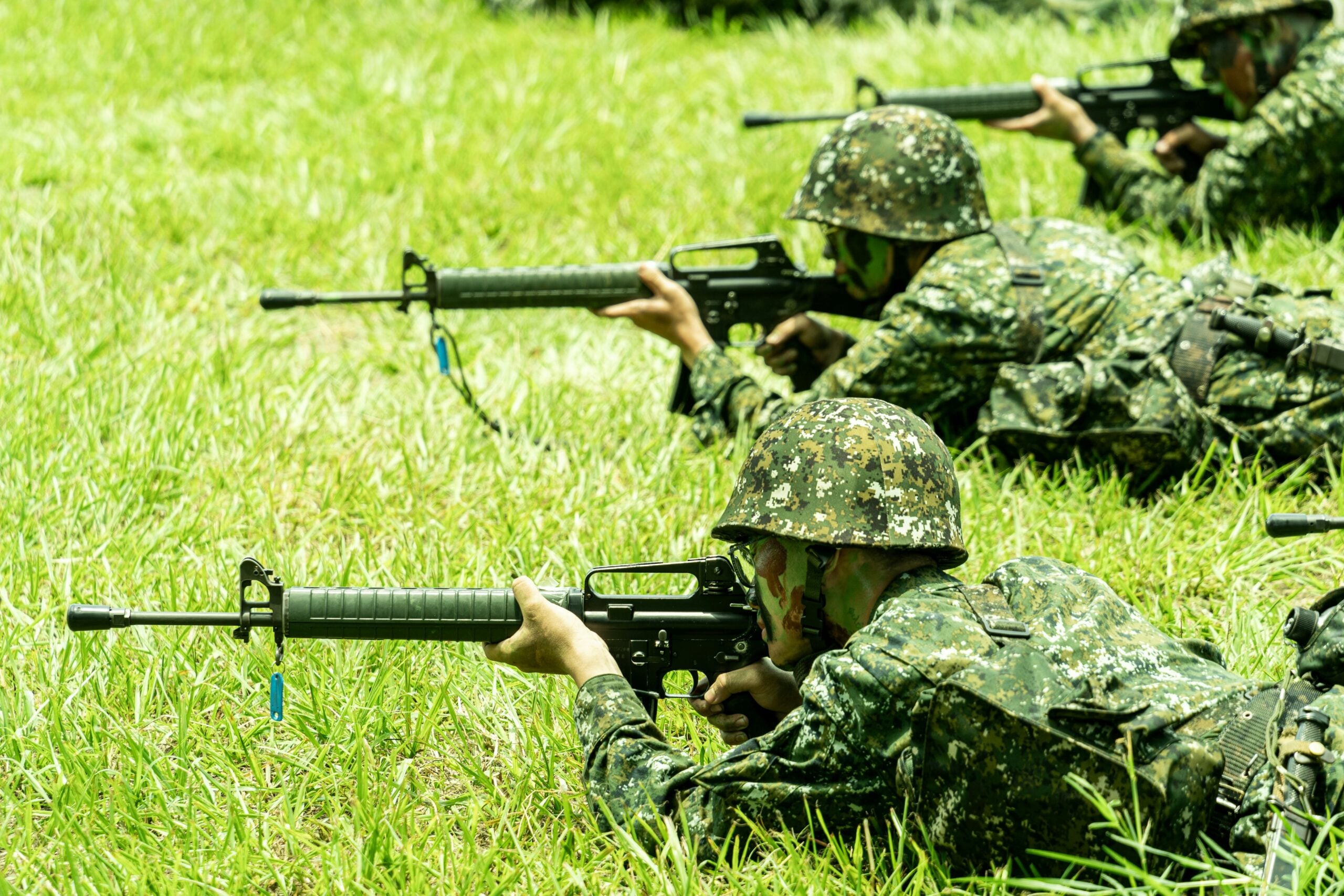
This unit was created after North Korean commandos nearly assassinated the South Korean president in 1968. The 707th Special Mission Group trains specifically for threats from North Korea, including infiltration attempts and potential attacks on key facilities.
These soldiers practice building assaults constantly because Seoul is so close to the border that response time matters more than almost anywhere else. They also protect South Korean leaders and have deployed overseas on peacekeeping missions.
The training is brutal, with candidates facing sleep deprivation and constant physical challenges designed to weed out anyone who lacks the mental toughness to succeed.
Italian GIS
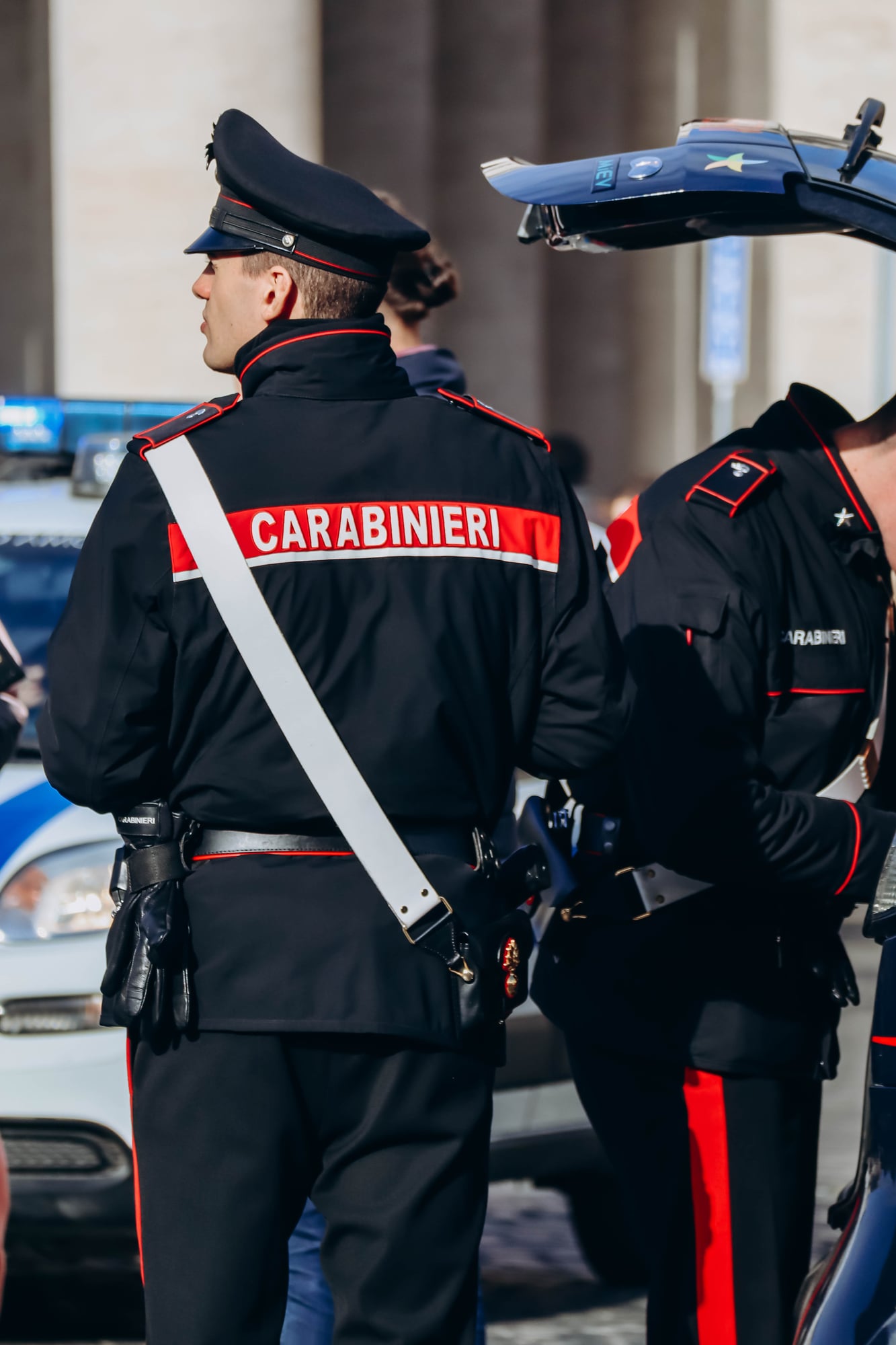
The Special Intervention Group operates under Italy’s Carabinieri and handles counter-terrorism throughout the country. GIS was formed in 1978 during a wave of terrorism and political violence that hit Italy hard.
These operators train in everything from maritime operations to mountain warfare, which makes sense given Italy’s geography. They’ve worked with other European special forces units and deployed to conflict zones including Iraq and Afghanistan.
GIS members go through psychological testing as rigorous as their physical training because the job requires split-second decisions that can mean life or death.
Canadian JTF2
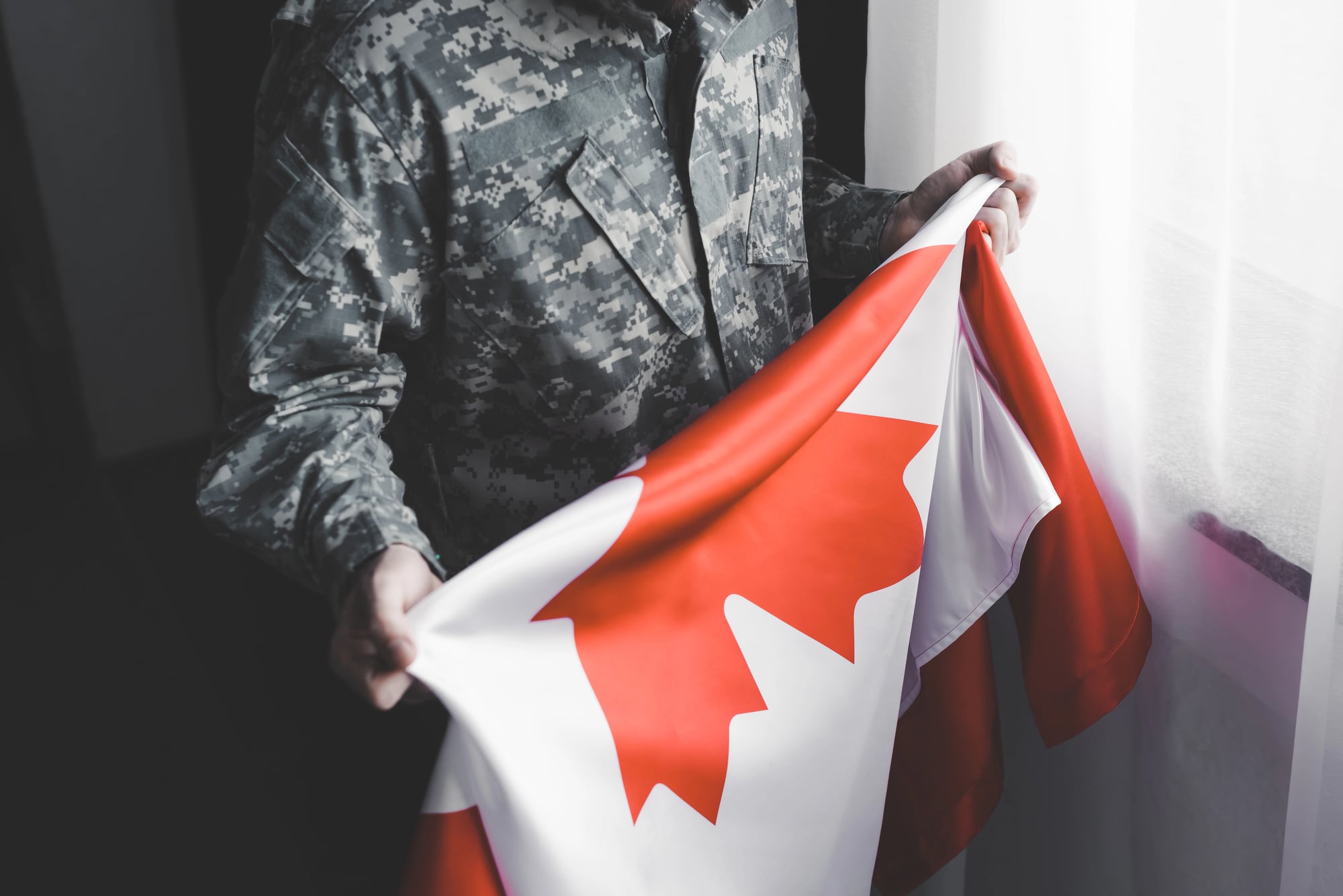
Joint Task Force 2 is so secretive that Canada didn’t even officially acknowledge the unit existed until years after its creation. These operators have earned respect from American and British special forces, which is saying something given how competitive that community can be.
JTF2 deployed to Afghanistan and reportedly had one of the highest kill ratios of any unit there. They train in Canada’s brutal winter conditions, giving them an edge in cold-weather operations.
The unit also handles counter-terrorism at home, including providing security during major events like the Olympics.
Spanish UOE
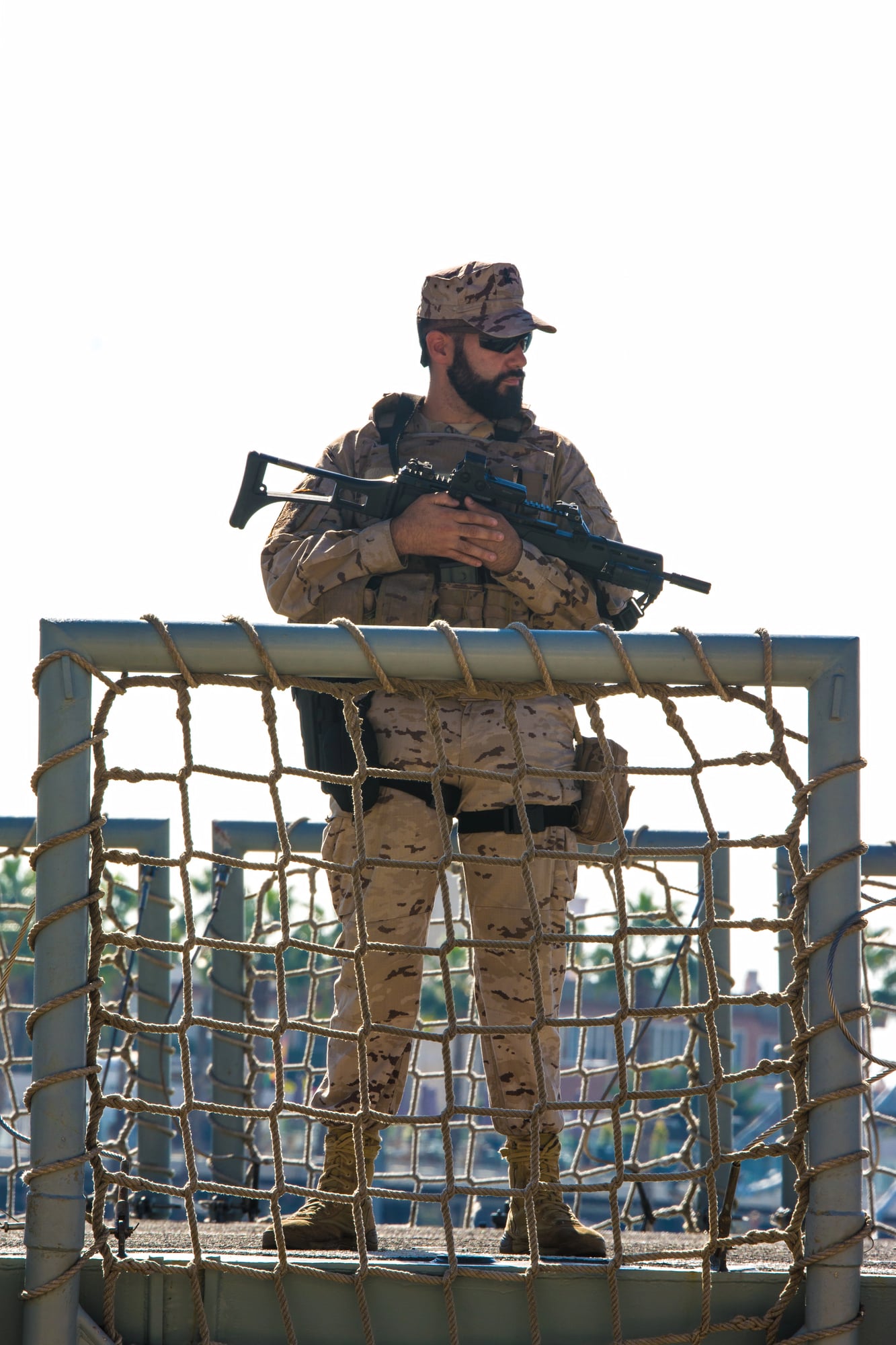
The Special Operations Unit of the Spanish Navy traces its roots back to combat divers from the 1950s. These sailors can operate from submarines and conduct underwater infiltration missions.
UOE operators train in maritime environments but also learn land-based skills because modern warfare doesn’t respect neat boundaries. They’ve deployed to places like Afghanistan and Lebanon, often working alongside other NATO special forces.
Spain keeps this unit relatively small, emphasizing quality over quantity. Every operator goes through grueling selection that includes underwater tests designed to induce panic and see who can keep their cool when drowning seems like a real possibility.
Turkish SAT

The Underwater Offense Group is Turkey’s equivalent to the Navy SEALs, specializing in maritime special operations. SAT operators train in the Mediterranean and Black Sea, learning to conduct raids from the water and protect Turkish naval assets.
Turkey’s location makes this unit strategically important, sitting between Europe, Asia, and the Middle East. These soldiers have been involved in operations against Kurdish separatists and have trained for scenarios involving Greek territorial disputes.
The training includes psychological pressure designed to break candidates, with only about 10 percent making it through to join the unit.
Indian MARCOS
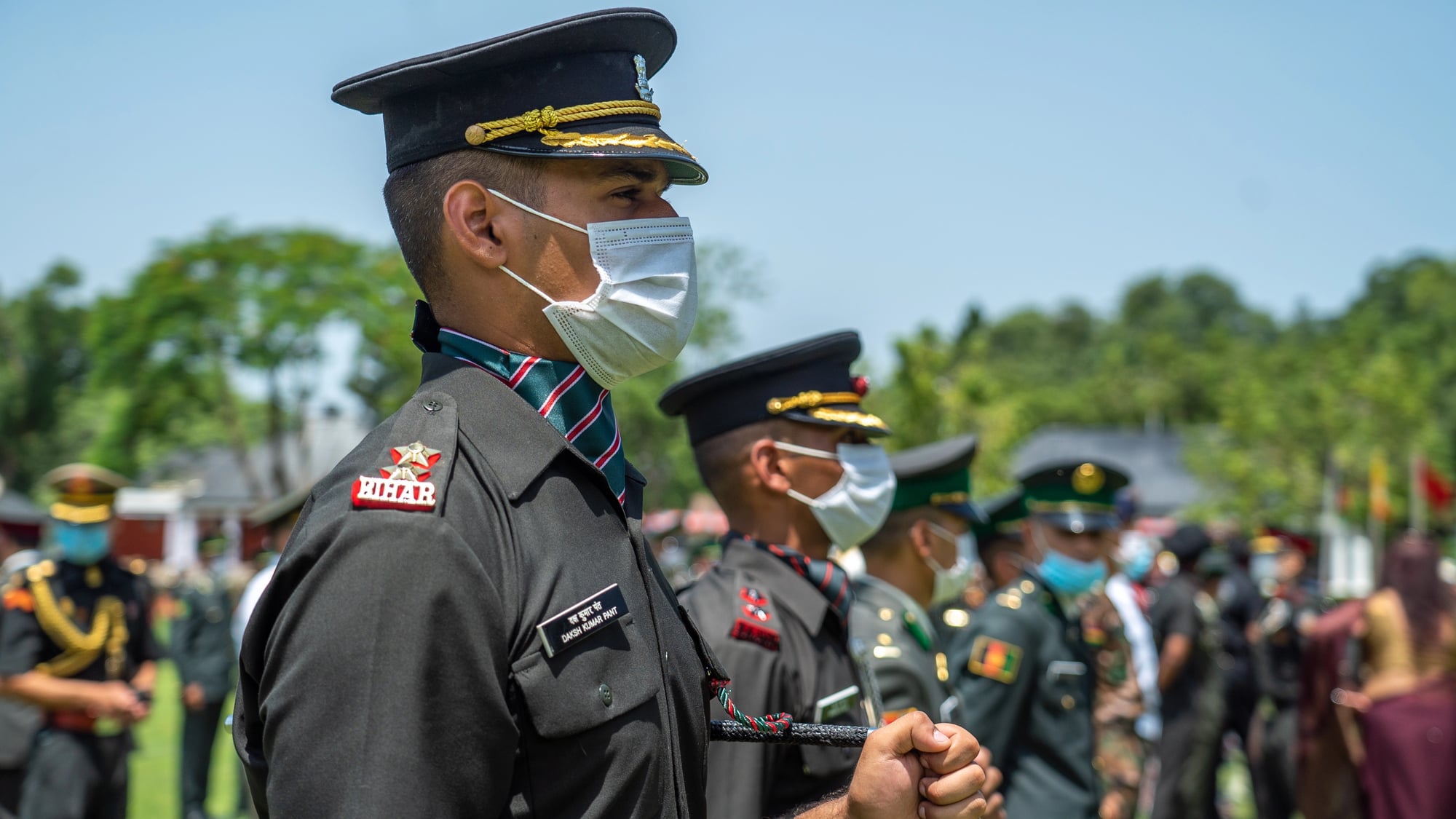
Marine Commandos train in some of the most diverse environments imaginable, from the Himalayas to tropical coastlines. MARCOS operators can parachute into the ocean, swim to shore, and conduct raids inland without any support.
They’ve been involved in counter-terrorism operations in Kashmir and anti-piracy missions in the Indian Ocean. The training is incredibly long, taking almost three years before a soldier is considered fully qualified.
MARCOS uses a lot of Russian and Israeli equipment, giving them capabilities that blend different military traditions.
Norwegian FSK

The Norwegian Special Operations Commando operates in Arctic conditions that would kill most people in hours. These soldiers train in some of the coldest environments on Earth, learning to survive and fight when temperatures drop far below zero.
FSK deployed to Afghanistan, where their cold-weather training actually proved useful in the mountainous regions. Norway’s strategic location near Russia means this unit practices defending against threats from the north.
The selection process deliberately takes place during winter, when candidates face brutal weather that tests their limits. Only the toughest make it through.
Belgian SFG
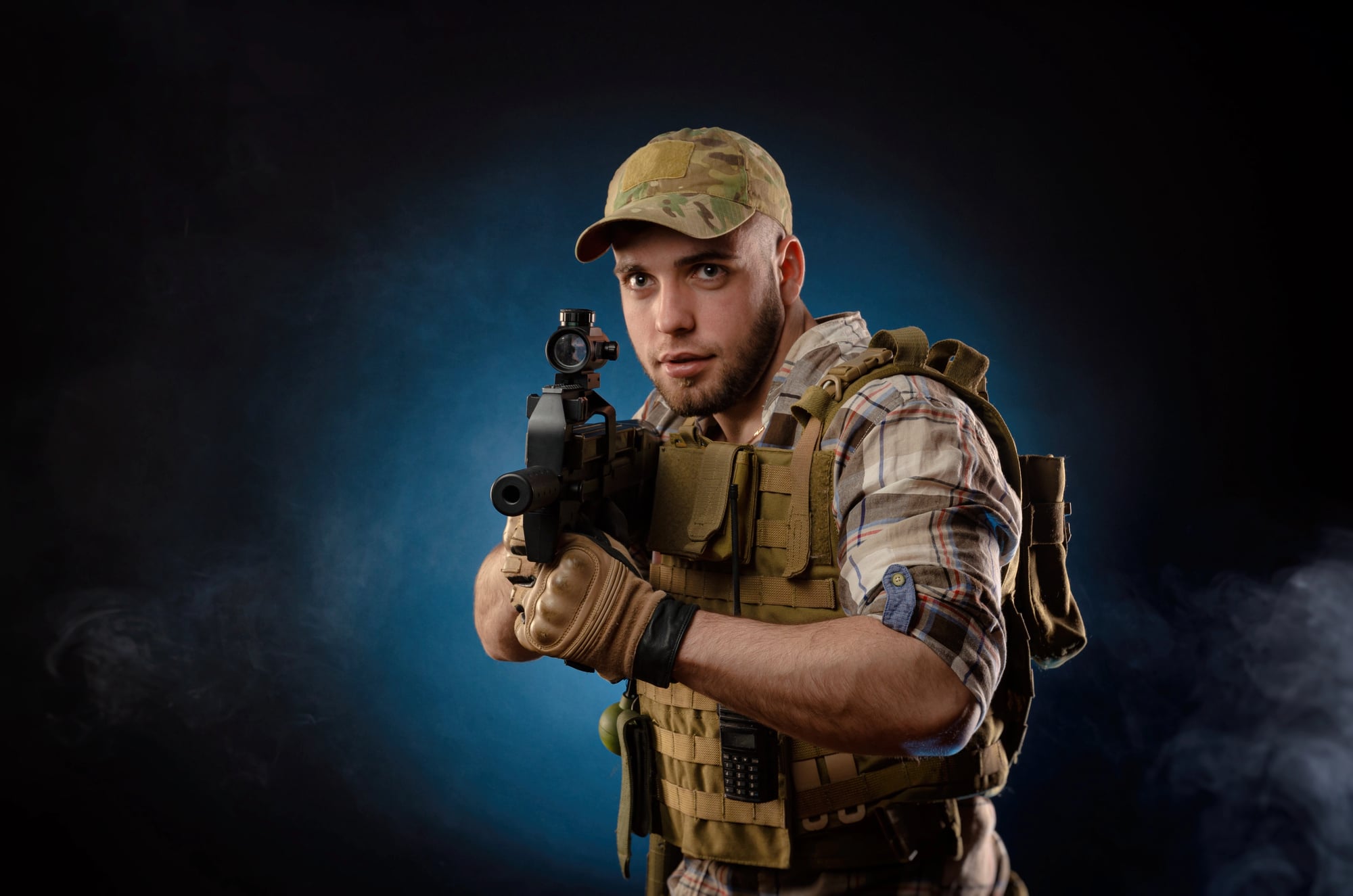
The Special Forces Group handles counter-terrorism and special operations for Belgium. These operators work closely with other European units and have deployed to conflict zones including Afghanistan and Mali.
Belgian special forces train in urban environments, which makes sense given how densely populated Europe is. They’ve been involved in several counter-terrorism operations in Brussels and other Belgian cities.
The unit is small but highly trained, with members learning multiple languages since Belgium itself has three official languages and the unit often works across borders.
Pakistani SSG

The Special Service Group wears a distinctive maroon beret and has a reputation as one of the toughest units in South Asia. SSG operators have been involved in conflicts with India and in counter-terrorism operations against militant groups within Pakistan.
They train at high altitudes in the mountains near the Afghanistan border, learning to operate in terrain that exhausts ordinary soldiers. American special forces worked alongside SSG during operations in Afghanistan, though the relationship has been complicated by political tensions.
The selection course is notoriously difficult, with candidates facing sleep deprivation and constant physical challenges over many weeks.
The enduring legacy

These elite units represent something deeper than just military capability. They show what humans can achieve when pushed to their absolute limits and beyond.
The soldiers who wear these uniforms have sacrificed years of their lives to reach a level of skill that most people can’t even imagine. Some of these operators have moved on to train the next generation, while others work in private security or intelligence roles where their expertise remains valuable.
The missions they’ve completed, both the ones we know about and the many we never will, have shaped global events in ways that historians are still trying to understand.
More from Go2Tutors!

- The Romanov Crown Jewels and Their Tragic Fate
- 13 Historical Mysteries That Science Still Can’t Solve
- Famous Hoaxes That Fooled the World for Years
- 15 Child Stars with Tragic Adult Lives
- 16 Famous Jewelry Pieces in History
Like Go2Tutors’s content? Follow us on MSN.