Spiciest Peppers Grown
Some people can barely handle the mild kick of a bell pepper, while others chase the kind of heat that makes their eyes water and their lips go numb. The quest to grow the hottest pepper on Earth has turned into a serious competition, with growers around the world constantly trying to breed something fiercer than what came before.
These aren’t your typical garden vegetables. The spiciest peppers measure their heat in millions of Scoville Heat Units, a scale that puts them hundreds of times hotter than a jalapeño and firmly in the territory of barely edible.
The race for the hottest pepper keeps getting more intense. Each record holder eventually gets beaten by something even more extreme.
Pepper X

Pepper X measures an average of 2.693 million Scoville heat units, making it the current world record holder as of 2023. Ed Currie, the same person who created the Carolina Reaper, spent over ten years developing this pepper by cross-breeding a Carolina Reaper with another pepper sent to him by a friend.
When Currie ate one, he felt the heat for three and a half hours and then experienced cramps that left him laid out flat on a marble wall for approximately an hour in the rain. Seeds and plants aren’t available to the public yet, but you can taste Pepper X in certain hot sauces like The Last Dab XXX.
Carolina Reaper
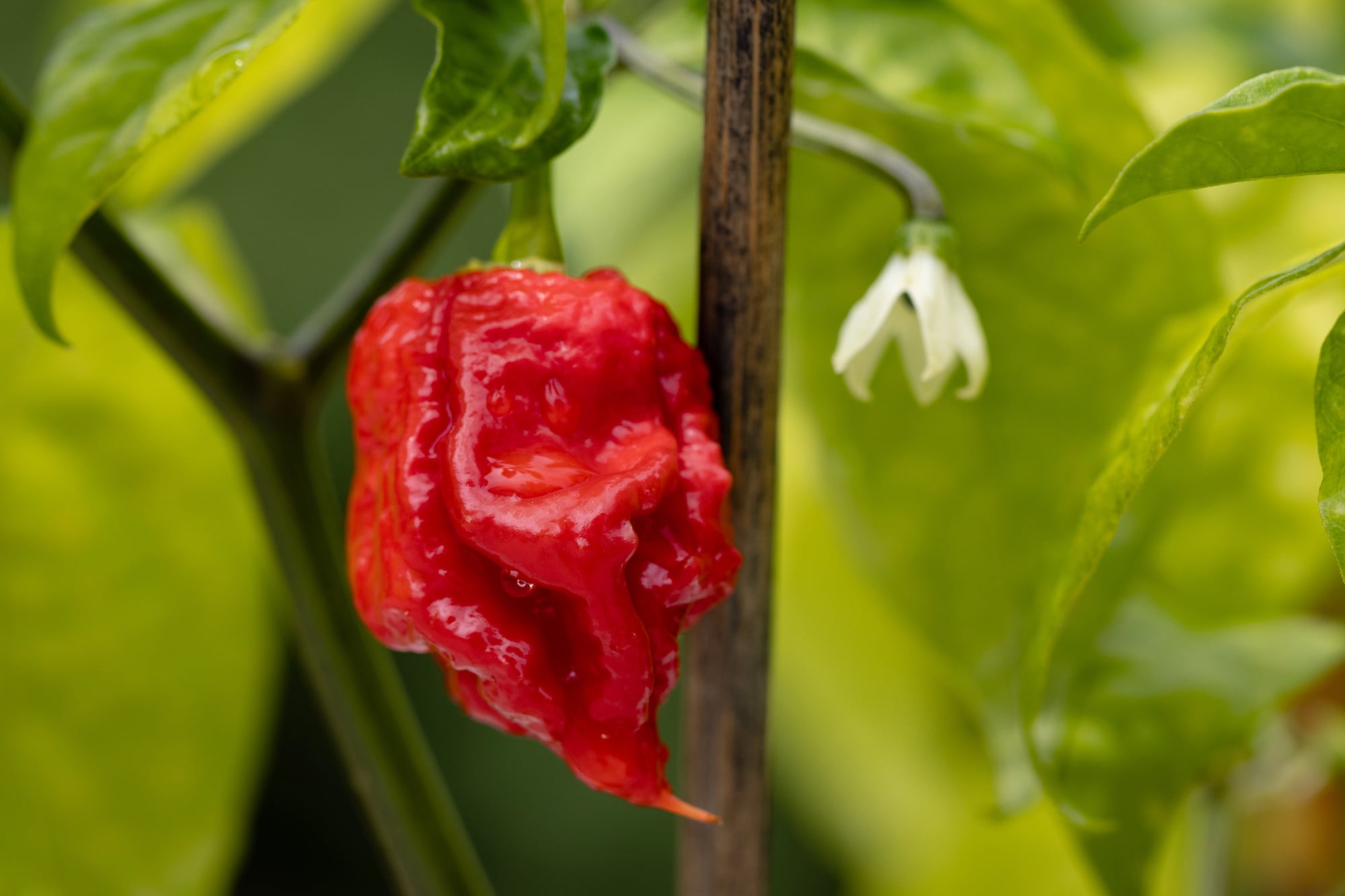
Before Pepper X took the crown, the Carolina Reaper ruled as the world’s hottest pepper for a solid decade. The Carolina Reaper was certified as the world’s hottest chili pepper by Guinness World Records on August 11, 2017, with testing showing an average heat level of 1,641,183 SHU, though individual peppers have reached 2.2 million SHU.
The pepper gets its name from its distinctive tail that looks like a sickle blade. Ed Currie created it by crossing a La Soufrière Habanero from Saint Vincent with a Ghost pepper from Assam.
Despite its extreme heat, the Reaper actually has a fruity flavor once you get past the overwhelming burn.
Trinidad Moruga Scorpion

In 2012, the Chile Pepper Institute called the Trinidad Moruga scorpion the new hottest pepper, saying it had been measured at 2 million SHU, the first time the 2-million mark had been reached. Native to the Moruga region of Trinidad and Tobago, this pepper was only recently discovered by the wider world.
The heat doesn’t hit all at once but keeps building and building with no end in sight. Some individual peppers from this variety have tested just as hot as the Carolina Reaper, making them basically tied in terms of pure fire power.
Ghost Pepper
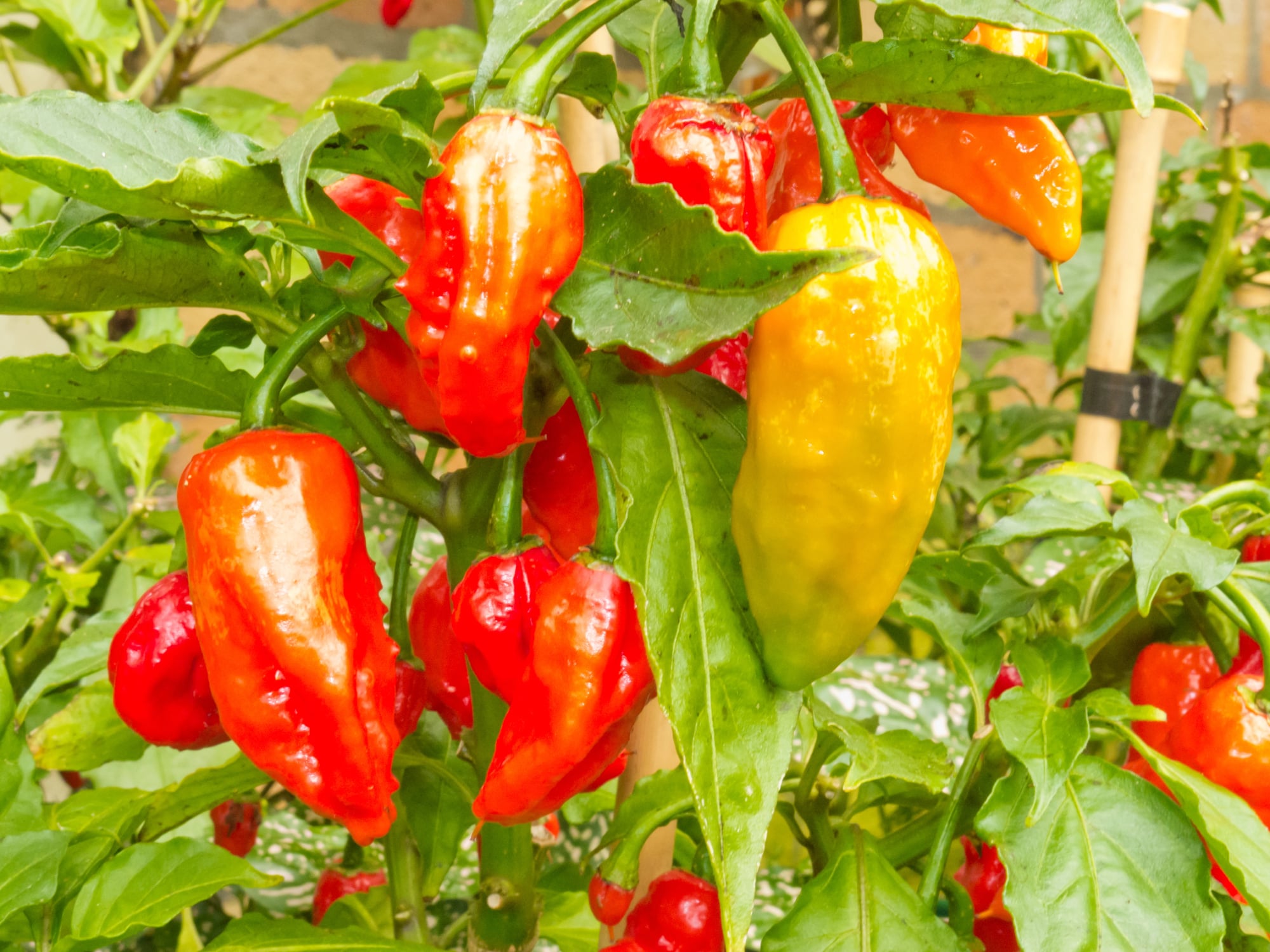
In 2007, Guinness World Records certified that the ghost pepper was the world’s hottest chili pepper, 170 times hotter than Tabasco sauce. Also known as Bhut Jolokia in its native northeastern India, this pepper was the first to break the one million SHU barrier when it tested at over 1,041,000 SHU.
Paul Bosland, a researcher at the Chile Pepper Institute, visited India to collect specimens of ghost pepper in 2001, and when he grew and tested the pepper, he discovered it measured over 1 million SHU, which kind of opened the floodgates. The ghost pepper became famous through YouTube challenge videos where people tried to eat whole peppers and usually ended up regretting it.
Chocolate Bhutlah

Don’t let the name fool you into thinking this pepper tastes like candy. The Chocolate Bhutlah gets its name from its rich brown color when ripe, and it ranks around 2 million SHU.
This pepper was created by crossing a Ghost pepper with a 7 Pot Douglah, combining two already extremely hot varieties into something even more intense. The plant produces fairly large pods, which means more surface area carrying capsaicin.
The heat is immediate and overwhelming, without much fruity flavor to balance it out.
Trinidad Scorpion Butch T

The Trinidad Scorpion Butch T pepper held the Guinness World Record in 2011, testing at 1,463,700 SHU. Butch Taylor of Zydeco Hot Sauce propagated this variety, which is how it got its name.
The pepper earned the scorpion name from the pointed tail found at the tip. Eating one of these reportedly feels like swallowing a thousand suns, with a burn that’s different from other peppers.
The heat hits hard and fast, then sticks around for what feels like forever.
Naga Viper

This extremely rare pepper was cultivated in the UK and briefly held the world record in 2011, though only for about a month. The Naga Viper is an unstable cross of three peppers: Bhut Jolokia, Naga Morich, and Trinidad Scorpion.
Gerald Fowler, who runs the Chili Pepper Company in England, created it through years of cross-pollination. The pepper was never fully stabilized before being released, which means pod variation is expected from plant to plant.
It has a fruity, floral flavor followed by quick, intense heat that doesn’t last quite as long as other superhots.
Naga Morich
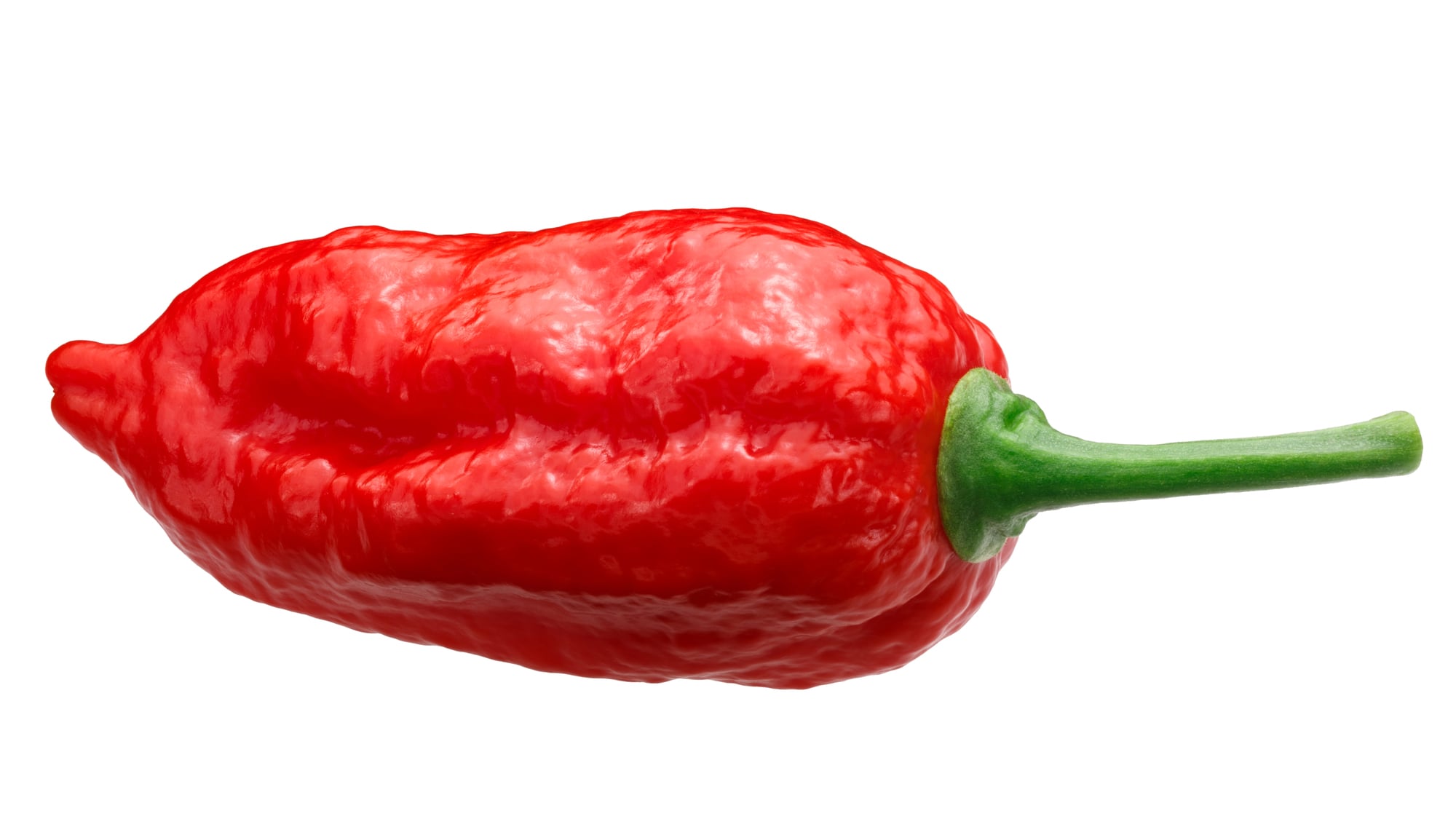
This superhot pepper from Northeast India and Bangladesh is closely related to the Bhut Jolokia and reaches up to 1.5 million SHU. The name means snake chili, and it’s been cultivated in the region for a very long time before the rest of the world discovered it.
The Naga Morich has become a parent pepper for many hybrid varieties because of its intense heat and relatively good flavor. It’s one of the landrace superhots, meaning it evolved naturally in its region rather than being created through modern breeding programs.
Dorset Naga
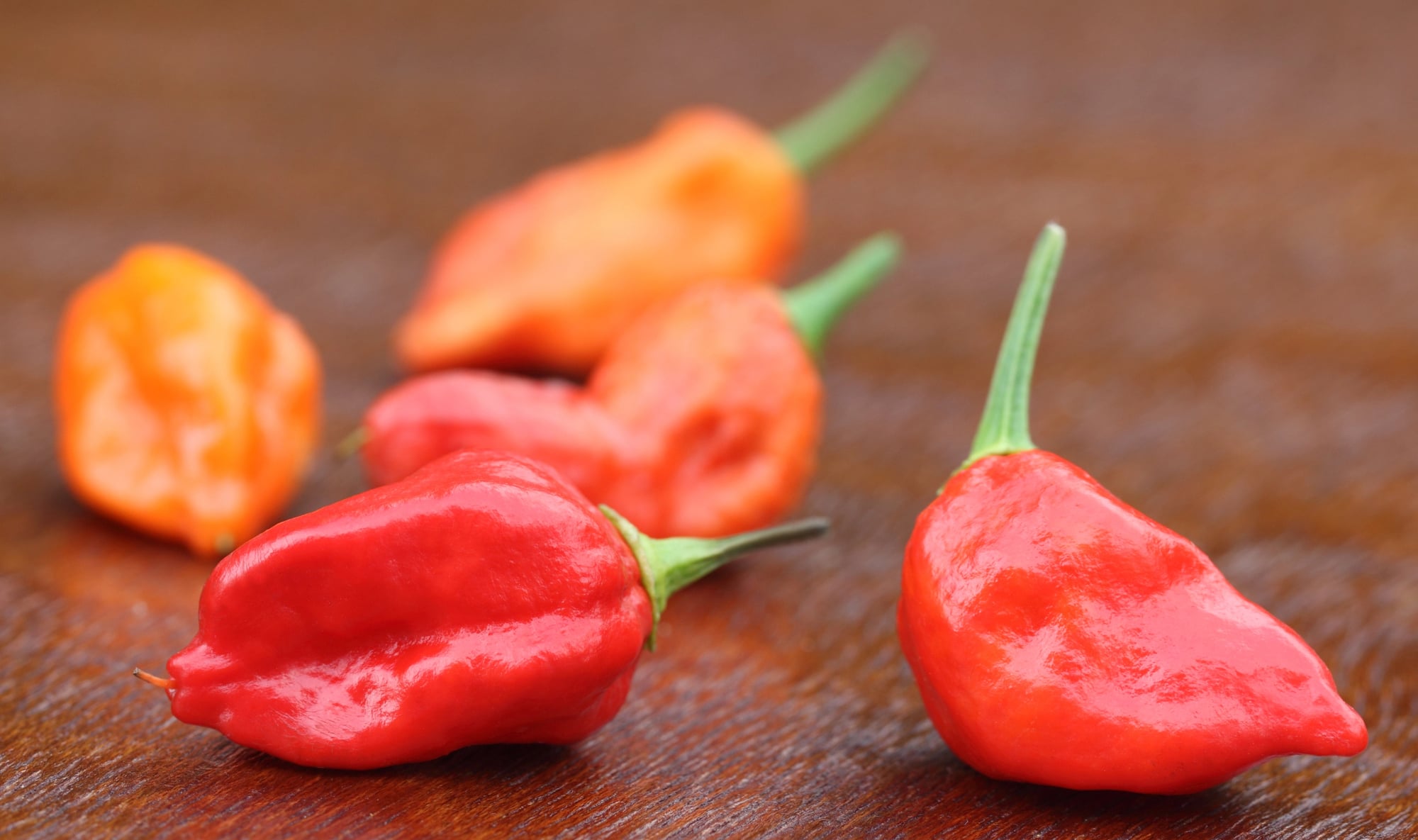
Developed in Dorset, England by Joy and Michael Michaud, the Dorset Naga is derived from the Naga Morich pepper from Bangladesh. It reaches around 1.85 million SHU and has a fruity flavor and aroma along with vibrant red pods that look similar to Ghost peppers.
The Michauds run a company called Peppers by Post and spent years selectively breeding their seeds to create this variety. For a brief period, it even claimed to be hotter than the Ghost pepper before being overtaken by even fiercer varieties.
Dragon’s Breath

Bred by a farmer in Wales, the Dragon’s Breath pepper was originally developed as a topical anesthetic rather than food. Initial findings showed Scoville ratings of just under 2.5 million SHU, which would make it hotter than the Carolina Reaper.
However, Guinness World Records has not officially certified it, and there’s speculation that it might just be an overwintered Carolina Reaper plant producing smaller pods. Whether it’s a distinct variety or not, the heat level is serious enough that eating one would be dangerous.
Red Savina Habanero

A grower named Frank Garcia in California started with a twist on a habanero, shaping what became the Red Savina. Back in 1994, its heat hit 570,000 units – seen then as about as fiery as peppers could go.
Many believed there was no way past that level. That idea lasted until the Ghost pepper arrived, blowing right through old assumptions.
Now some chilies climb beyond 2.6 million units, making the once-record holder feel tame. Still, one thing stands – it lit the spark behind today’s race to breed ever-hotter varieties.
When heat becomes a badge of honor

By 2013, making and selling hot sauce ranked as one of America’s quickest-rising trades – totaling around a billion bucks. Labels featuring globally known chiles now drive higher sales across brands.
Growers chasing extreme heat records can pocket large sums within mere days. When the Trinidad Moruga Scorpion earned its crown in 2012, seed orders brought ten grand in forty-eight hours.
What once grew simply in soil now stands tall as both a badge of pride and brand booster. Watching folks try to chew these peppers pulls in huge crowds online, while diners turn meals into endurance tests.
Growers keep chasing fiercer varieties, eyes locked on a future pepper that could hit 3 million SHU – one bite closer to the edge.
More from Go2Tutors!

- The Romanov Crown Jewels and Their Tragic Fate
- 13 Historical Mysteries That Science Still Can’t Solve
- Famous Hoaxes That Fooled the World for Years
- 15 Child Stars with Tragic Adult Lives
- 16 Famous Jewelry Pieces in History
Like Go2Tutors’s content? Follow us on MSN.



