Most Extreme Ocean Depths Ever Explored By Scientists
Most of our planet is water, but only a small part has been seen up close. Down below, where sunlight vanishes, conditions twist into something alien – cold, black, immense.
Life clings there anyway, shaped by forces that would destroy us instantly. Steel frames buckle under the weight pressing in from every side.
Machines and humans keep pushing further, driven by quiet curiosity rather than bold claims. Strange bodies drift through fields of silence, unseen until recently.
Even today, most of it remains untouched, unvisited, unknown. Peering into the deepest parts of the ocean means facing crushing pressure, total darkness.
Some humans have made the journey, riding inside metal spheres built to survive. Others sent robotic eyes ahead, letting machines do the diving.
Each dive reveals something new about Earth’s last frontier. These are the records, the risks, the quiet triumphs beneath the waves.
Challenger Deep Mariana Trench
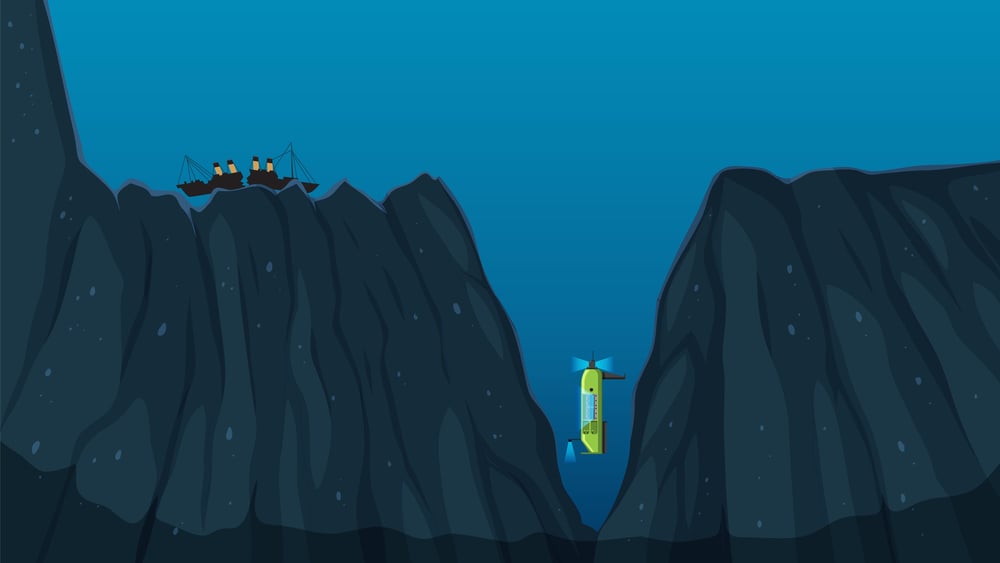
Far beneath the waves, almost thirty six thousand feet down, lies Challenger Deep – the lowest spot anyone has found in Earth’s oceans. Located in the western part of the Pacific, it marks the end of the Mariana Trench, a vast crack running across the bottom of the sea.
Down there, the weight of water presses with one thousand times more force than what we feel up above – imagine fifty massive airplanes piled high on your shoulders. Researchers come back again and again since each trip turns up creatures never seen before, unusual chemical reactions, mysteries waiting just beyond sight.
The First Human Descent
Down in 1960, Don Walsh – a U.S. Navy officer – and Jacques Piccard, a scientist from Switzerland, stepped into a small undersea craft named Trieste and began dropping toward the deepest known point on Earth. Five hours passed before they touched down at Challenger Deep.
Their time on the floor of the ocean lasted only twenty minutes. Yet within those moments, they saw something no one expected: a flatfish lying still on the seabed.
Scientists had long believed such depths were too harsh for any complex creature. This glimpse rewrote what experts thought possible about life beneath miles of water.
James Cameron Descends Alone
Back then, in 2012, James Cameron slipped into the deep quiet by himself – something unseen since more than half a century past. Not many tried, but he dropped straight down inside a custom-built machine named Deepsea Challenger, hitting the floor of the Mariana Trench after only two hours and thirty-six minutes.
Once there, time moved differently; he drifted through those dark depths gathering pieces of life, filming what few eyes have witnessed. A glitch tugged him back earlier than planned, cutting his stay near three hours short.
Yet still, from that brief visit came visuals clearer than any scientist had laid eyes on before.
Five Deeps Expedition
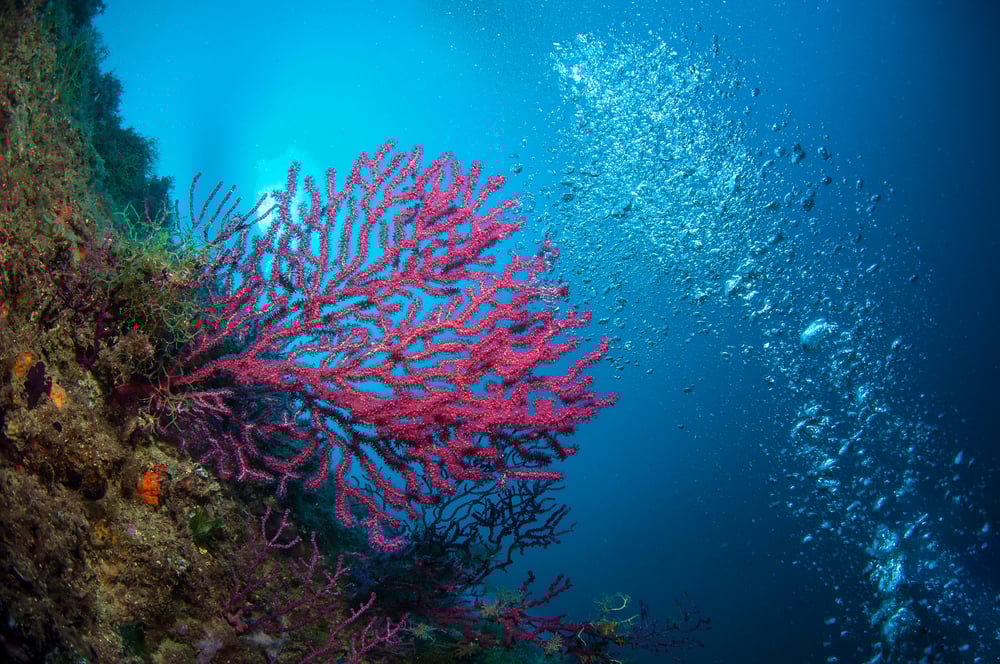
Once a Navy man and climber, Victor Vescovo aimed for the lowest spots in each ocean. From 2018 into 2019, he made it down every time – riding inside a craft named Limiting Factor.
At one point, depth gauges hit 35,853 feet, edging past earlier records in Challenger Deep. During a descent like that, his crew spotted something off: trash, man-made debris, resting where few thought possible.
That sight said more about us than the sea ever could.
Puerto Rico Trench
Far below the waves of the Atlantic Ocean lies the Puerto Rico Trench, plunging nearly 27,480 feet deep. This spot holds the title of the Atlantic’s lowest elevation, formed where massive pieces of Earth’s crust grind together.
Robotic explorers have made the journey down, capturing clues about strange minerals and living things hidden in darkness. Life shows up in surprising ways – tiny organisms survive here, powered by chemicals rising from cracks in the ocean floor rather than sunlight.
South Sandwich Trench
Down near Antarctica, a deep cut in the ocean floor drops about 24,390 feet into the southern Atlantic. Reaching it took Victor Vescovo months – his descent marked the first time anyone had touched that bottom.
Cold grips everything down there, where pressure crushes and darkness holds steady. Life persists despite it; strange creatures turned up in mud pulled from the depths.
Cut off from elsewhere, places like this breed life forms found nowhere else.
Java Trench
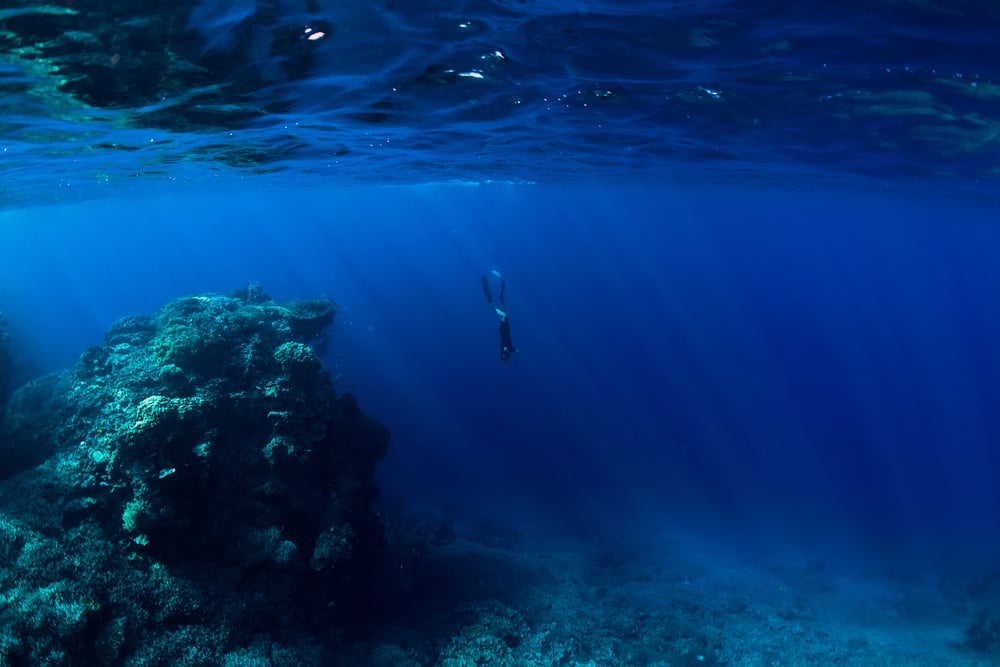
The Java Trench, also called the Sunda Trench, is the deepest point in the Indian Ocean at about 23,596 feet. It runs along the floor of the northeastern Indian Ocean and is one of the most geologically active trenches in the world.
Vescovo dove here too, finding life at the very bottom including small crustaceans called amphipods, which seem to thrive in extreme depth conditions. The trench sits near the same fault line responsible for the devastating 2004 Indian Ocean tsunami.
Philippine Trench

The Philippine Trench stretches along the eastern coast of the Philippines and drops to roughly 34,580 feet, making it the third deepest trench in the world. Danish scientists first explored it in the 1950s during the Galathea expedition, hauling up sea cucumbers, worms, and other creatures from the deep.
Modern dives have confirmed that life at that depth is far more diverse than anyone originally expected. The trench continues to attract researchers studying how life adapts to constant darkness and extreme pressure.
Tonga Trench
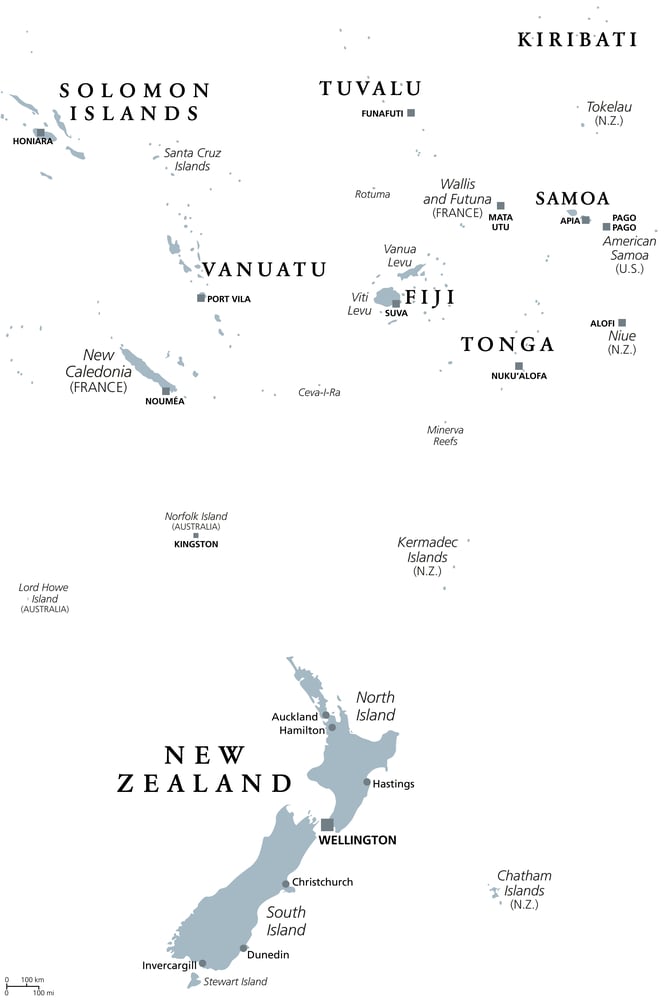
The Tonga Trench in the South Pacific reaches about 35,702 feet, placing it just behind Challenger Deep in terms of depth. It is also one of the fastest-moving tectonic boundaries in the world, where the Pacific Plate dives beneath the Tonga Plate at a rapid rate.
Scientists have used both crewed and uncrewed submersibles to examine the trench, finding amphipods, sea cucumbers, and even fish at staggering depths. The trench is also of interest to earthquake researchers because of how frequently the region generates seismic activity.
Kermadec Trench

Running parallel to the Tonga Trench just south of it, the Kermadec Trench descends to about 32,963 feet. New Zealand and international research teams have conducted multiple expeditions here, studying the food chains that exist without any sunlight.
Scientists discovered that even at those depths, marine snow, tiny particles of dead organic matter drifting down from above, feeds a surprisingly active community of creatures. The Kermadec Trench is now part of a protected ocean zone, limiting human interference in the area.
The Hadal Zone

The hadal zone is not a specific location but a classification, referring to any ocean depth below 19,685 feet. It is named after Hades, the Greek underworld, because for a long time people assumed nothing could survive there.
Scientists now know that dozens of species have adapted specifically to hadal conditions, including snailfish, which currently hold the record for the deepest-living vertebrate ever observed. The zone is still one of the least explored areas on Earth, and researchers believe it holds thousands of undiscovered species.
Nereus Submersible Dives

The Nereus was an unmanned U.S. hybrid submersible built specifically to explore hadal depths. In 2009, it successfully reached Challenger Deep, sending back video and collecting sediment samples without any humans on board.
It could switch between being remotely operated and working autonomously, giving researchers more flexibility in how they conducted dives. Nereus was eventually lost in 2014 during a dive in the Kermadec Trench when it imploded under the pressure, a reminder of how unforgiving these depths truly are.
HADES Project
The HADES project, short for Hadal Ecosystems Studies, was a major U.S. scientific effort funded by the National Science Foundation to study life in the deepest ocean trenches. Researchers deployed landers, which are essentially unmanned cameras and traps lowered on a cable, into multiple trenches across the Pacific.
The project revealed that different trenches host distinctly different communities of organisms despite sharing similar conditions. One of the most surprising findings was that pollutants like PCBs, banned industrial chemicals, showed up in the tissues of amphipods at the very bottom of the Mariana Trench.
Snailfish Depth Record
In 2023, a research team captured footage of a snailfish at a record-breaking depth of 27,349 feet in the Izu-Ogasawara Trench near Japan. The pale, small-looking fish appeared completely relaxed despite the crushing pressure around it.
Snailfish have a soft, gelatinous body structure that allows them to withstand pressures that would destroy a rigid frame. Scientists believe the snailfish is likely close to the absolute biological limit of how deep a vertebrate can physically survive.
Deep-Sea Landers
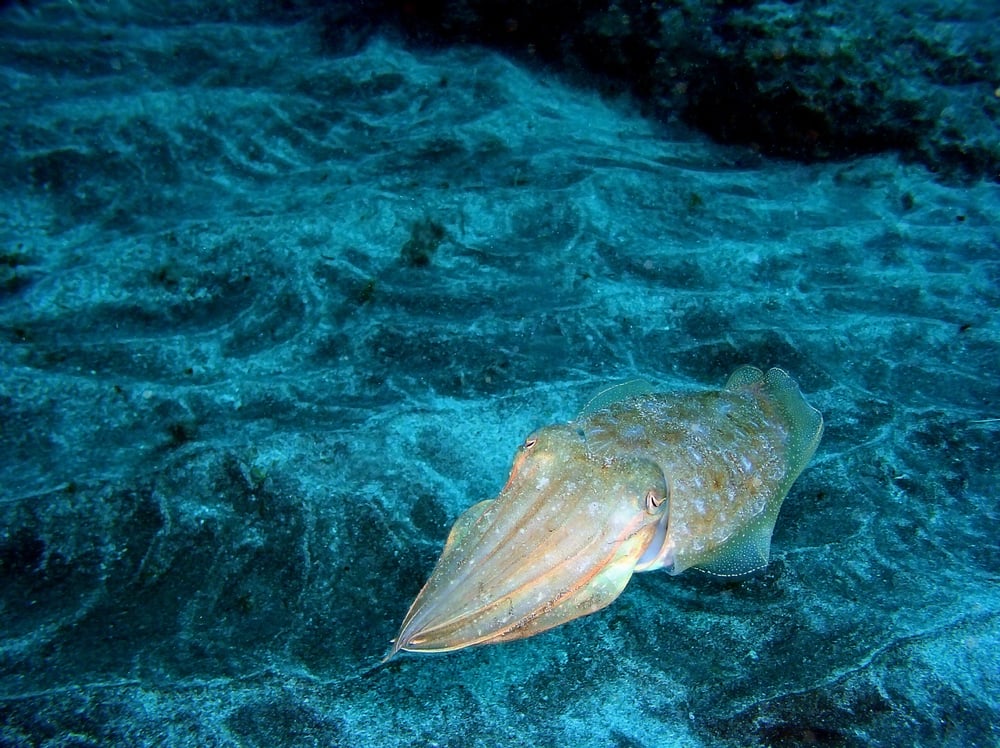
Landers are one of the most useful tools scientists have developed for extreme ocean research. They are uncrewed devices loaded with cameras, bait, and sensors that free-fall to the ocean floor, collect data, and then release a weight to float back up.
Teams from the University of Aberdeen and other institutions have used landers to document life in dozens of trenches worldwide. Because they carry no pilot and require no tether, landers can reach depths and locations that crewed submersibles simply cannot access.
What The Deep Ocean Is Still Hiding
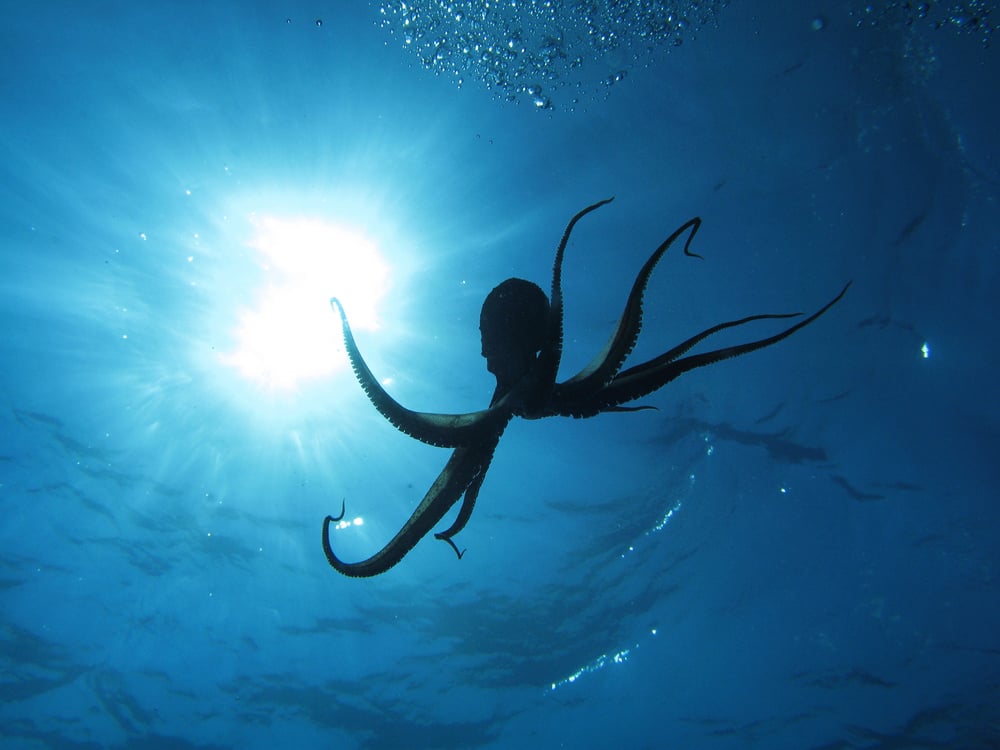
Despite decades of effort, scientists estimate that less than 0.001% of the hadal zone has been meaningfully studied. New trenches, some in the Arctic and Indian Oceans, have barely been touched by any research equipment.
Each new dive tends to produce at least one organism or chemical finding that surprises researchers. The deep ocean is not a barren place waiting to be explored.
It is an active, dynamic, and surprisingly busy environment that has been running its own systems long before humans ever thought to go looking.
The Future Of Deep-Ocean Exploration
Advances in material science, robotics, and underwater communication are making it cheaper and faster to reach extreme depths than ever before. Countries including China, Japan, and the United States are all investing in next-generation deep-sea submersibles.
Private companies have also entered the space, driven by interest in deep-sea minerals and biodiversity research. The combination of better tools and growing scientific interest means the next decade will likely produce more new discoveries from the deep than the entire previous century combined.
The Ocean Floor Is Not The End
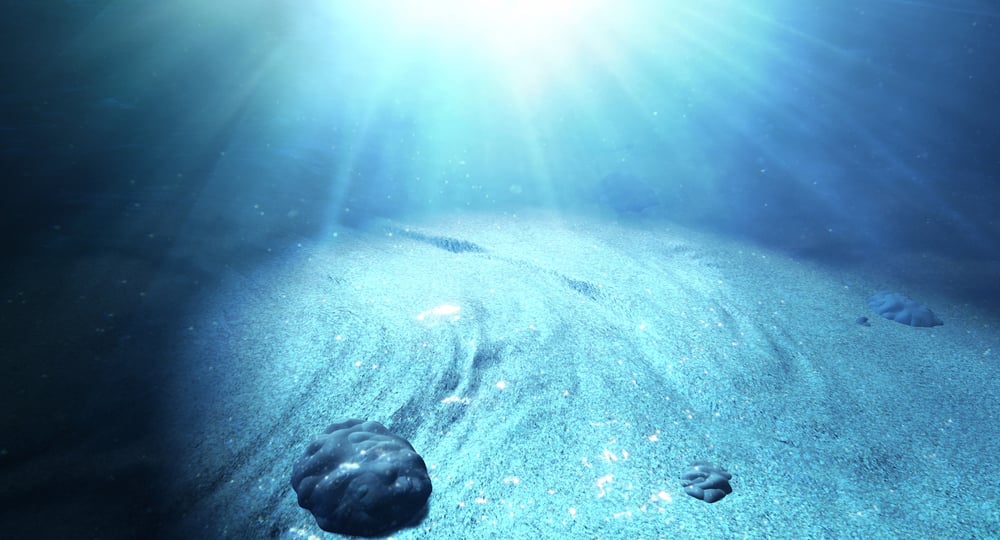
Every extreme depth that scientists have reached has turned out to be a beginning rather than a destination. The creatures found at 30,000 feet have forced researchers to rethink the limits of biology.
The pollutants discovered at the very bottom of the ocean have reframed conversations around environmental responsibility. The deep ocean does not sit quietly in the dark waiting to be understood.
It pushes back with surprises that keep changing the way people see the planet they live on.
More from Go2Tutors!

- The Romanov Crown Jewels and Their Tragic Fate
- 13 Historical Mysteries That Science Still Can’t Solve
- Famous Hoaxes That Fooled the World for Years
- 15 Child Stars with Tragic Adult Lives
- 16 Famous Jewelry Pieces in History
Like Go2Tutors’s content? Follow us on MSN.