Stained Glass Windows Explained
Walk into any old church, cathedral, or historic building, and the first thing that catches your eye is probably the windows. Not just any windows, but those brilliant, colorful pieces of art that seem to glow from within.
Stained glass has been around for centuries, turning ordinary buildings into spaces filled with light and color. These windows tell stories, mark important moments, and transform how sunlight enters a room.
So what makes these windows so special, and how do artists actually create them? Let’s break down everything you need to know about this ancient craft.
What stained glass actually is

Stained glass isn’t just colored glass stuck in a window frame. Artists create it by adding metallic salts to molten glass during the manufacturing process, which gives each piece its distinct color.
Copper creates green and blue hues, while gold produces ruby red tones. The glass itself becomes colored all the way through, not just on the surface.
This means the color won’t fade or wear off over time, which explains why medieval windows still look vibrant today.
The history goes back further than you think

People have been making stained glass since ancient times, with evidence of colored glass appearing in Roman buildings. The craft really took off during the medieval period, particularly in the 12th and 13th centuries when Gothic cathedrals started popping up across Europe.
Churches became the primary home for stained glass because religious leaders wanted to educate people who couldn’t read. Each window told a biblical story through pictures, serving as a visual Bible for the congregation.
How artists design the patterns

Creating a stained glass window starts with a detailed drawing called a cartoon. Artists sketch out the entire design at full scale, planning every line, color, and detail before cutting a single piece of glass.
They number each section and note which colors go where, creating a roadmap for the entire project. This design phase can take weeks or even months for complex windows, and any mistakes here will show up in the final product.
Cutting glass requires serious skill

Once the design is ready, artists cut individual pieces of glass using special tools. They score the glass with a cutting wheel, then snap it along the line to create clean breaks.
Each piece must fit perfectly with its neighbors, like a puzzle made of fragile, colorful materials. Master glass cutters can create incredibly intricate shapes, including tiny details like facial features or flower petals.
Lead came holds everything together

Those dark lines you see between colored glass pieces aren’t just decorative. They’re strips of lead called came, shaped like an H in cross-section with grooves on each side to hold the glass.
Artists fit each glass piece into these lead channels, building up the window section by section. The lead is soft enough to bend around curves but strong enough to support the weight of the glass.
Why some windows have painted details
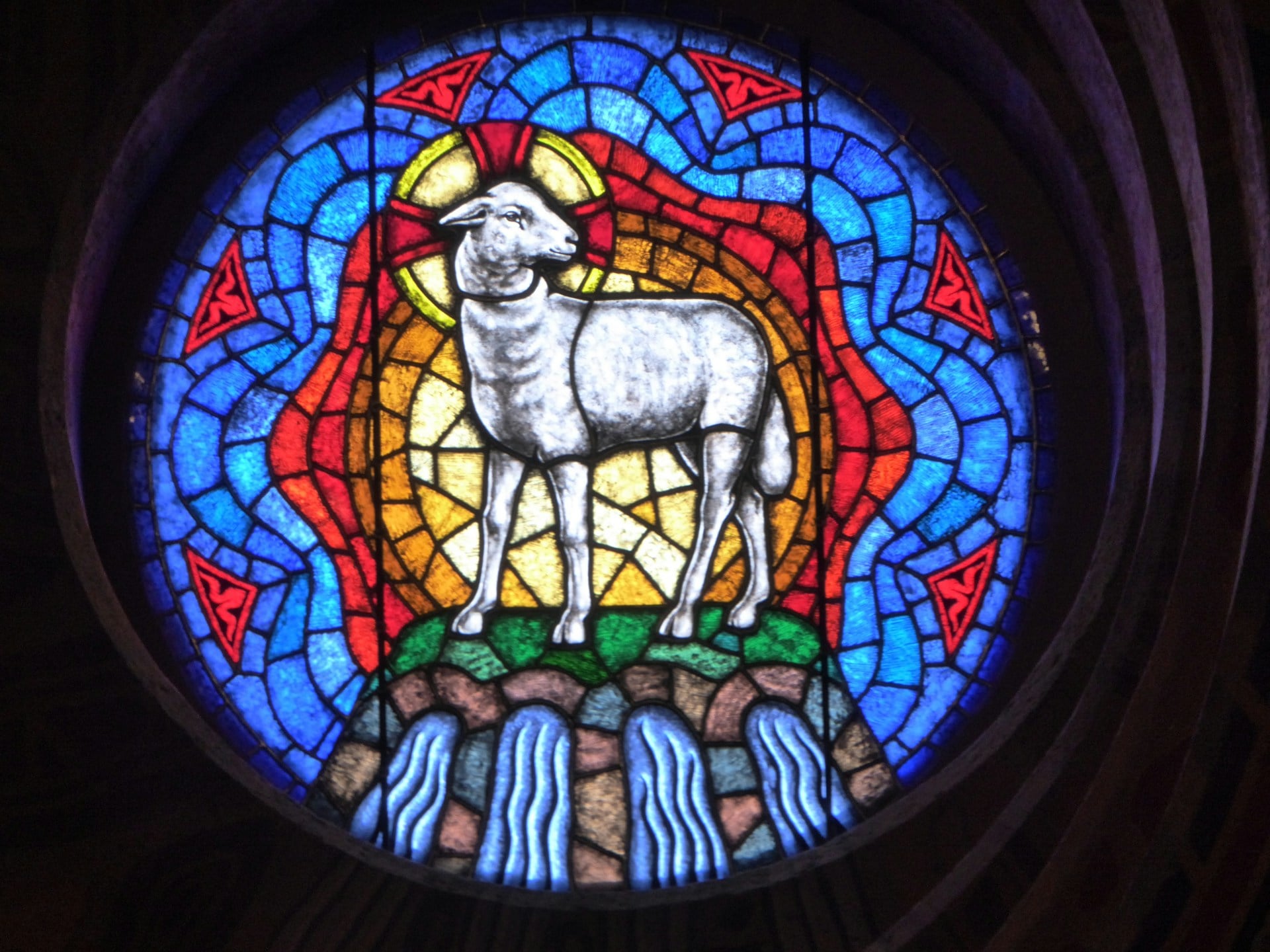
Not every detail can be achieved through colored glass alone. Artists paint directly onto glass pieces using special pigments made from ground metal oxides mixed with powdered glass.
They fire these painted pieces in a kiln, fusing the paint permanently to the glass surface. This technique allows for fine details like facial expressions, text, or intricate patterns that would be impossible to create with lead and colored glass alone.
Different colors come from different metals

The chemistry behind stained glass colors is fascinating and precise. Cobalt creates deep blue, manganese produces purple, and selenium makes pink or red depending on the concentration.
Iron can produce both green and amber colors depending on its oxidation state. Getting the right shade requires exact measurements and careful control of the furnace temperature during glass production.
Medieval windows told specific stories

Religious scenes dominated medieval stained glass, with each window functioning as a chapter in a larger narrative. The life of Christ, stories of saints, and biblical events filled cathedral windows from floor to ceiling.
People would walk through churches reading these glass stories in sequence, much like flipping through a book. Some windows even included donor portraits, showing the wealthy patrons who paid for their creation.
The rose window became an iconic design

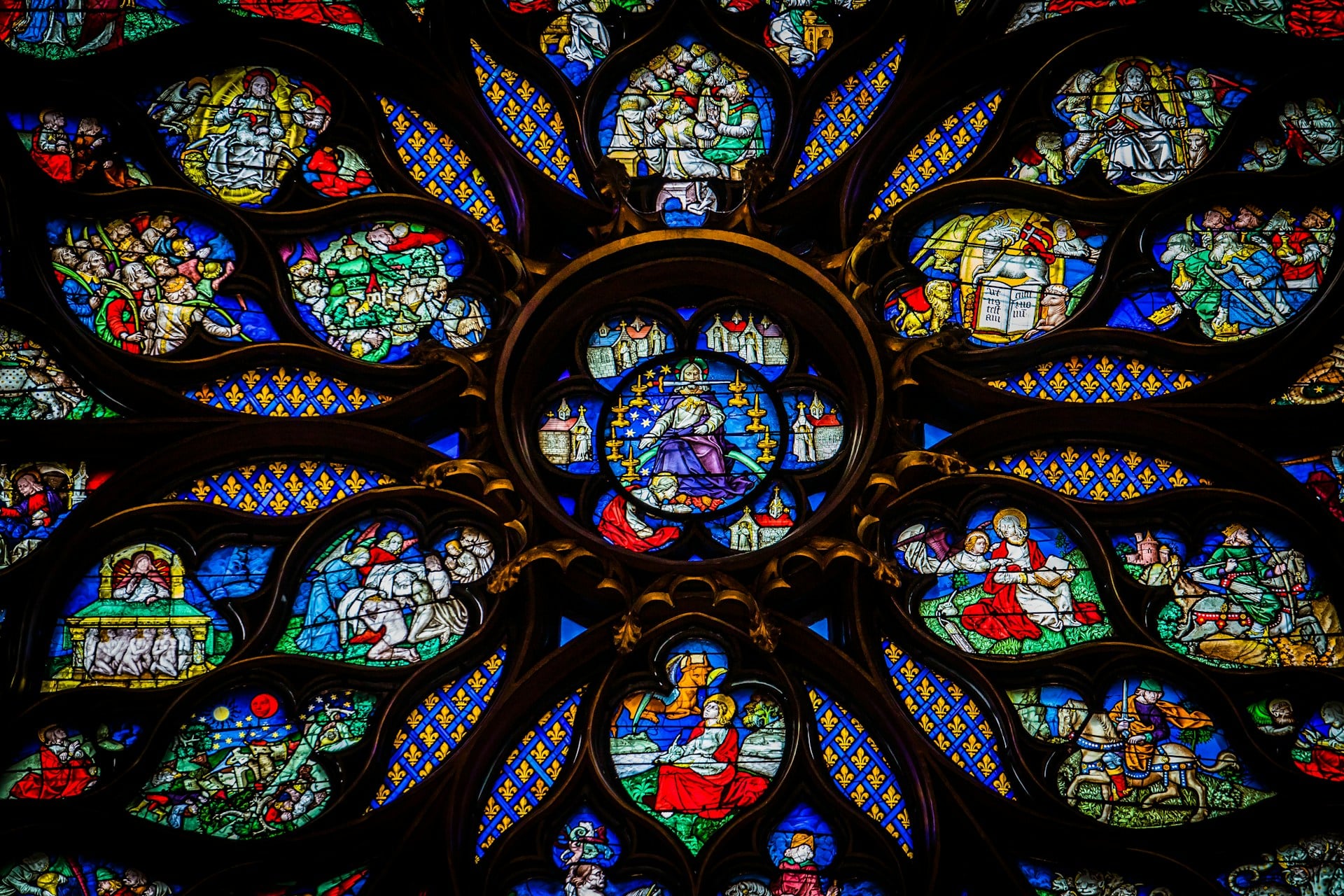
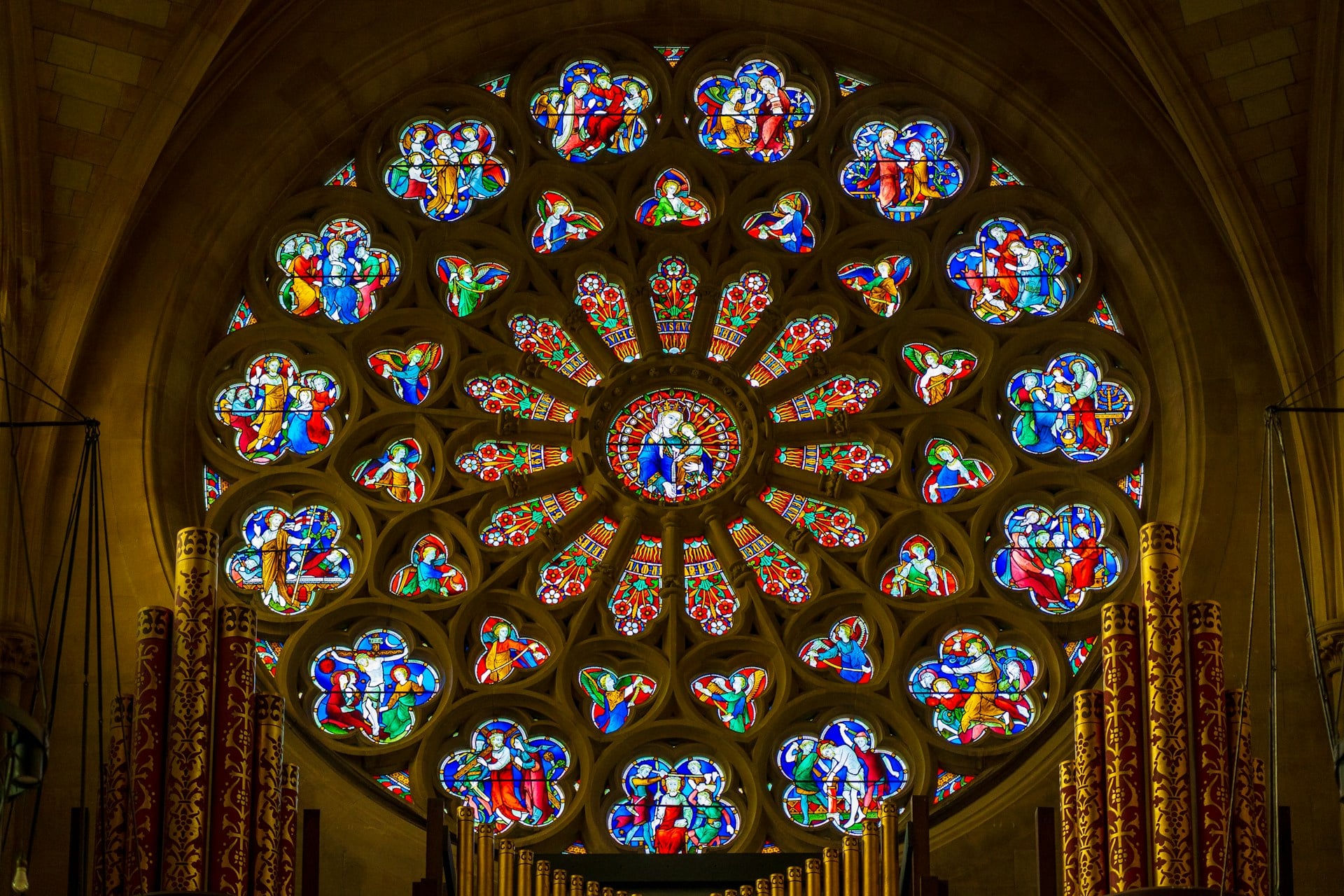
Large circular windows, called rose windows, became signature features of Gothic cathedrals. These massive pieces of art could span 30 feet or more in diameter, featuring symmetrical patterns that radiated from a central point.
Notre-Dame in Paris has three famous rose windows, each containing hundreds of individual glass pieces arranged in geometric perfection. Creating one required incredible mathematical precision and artistic vision.
Light changes how the colors appear
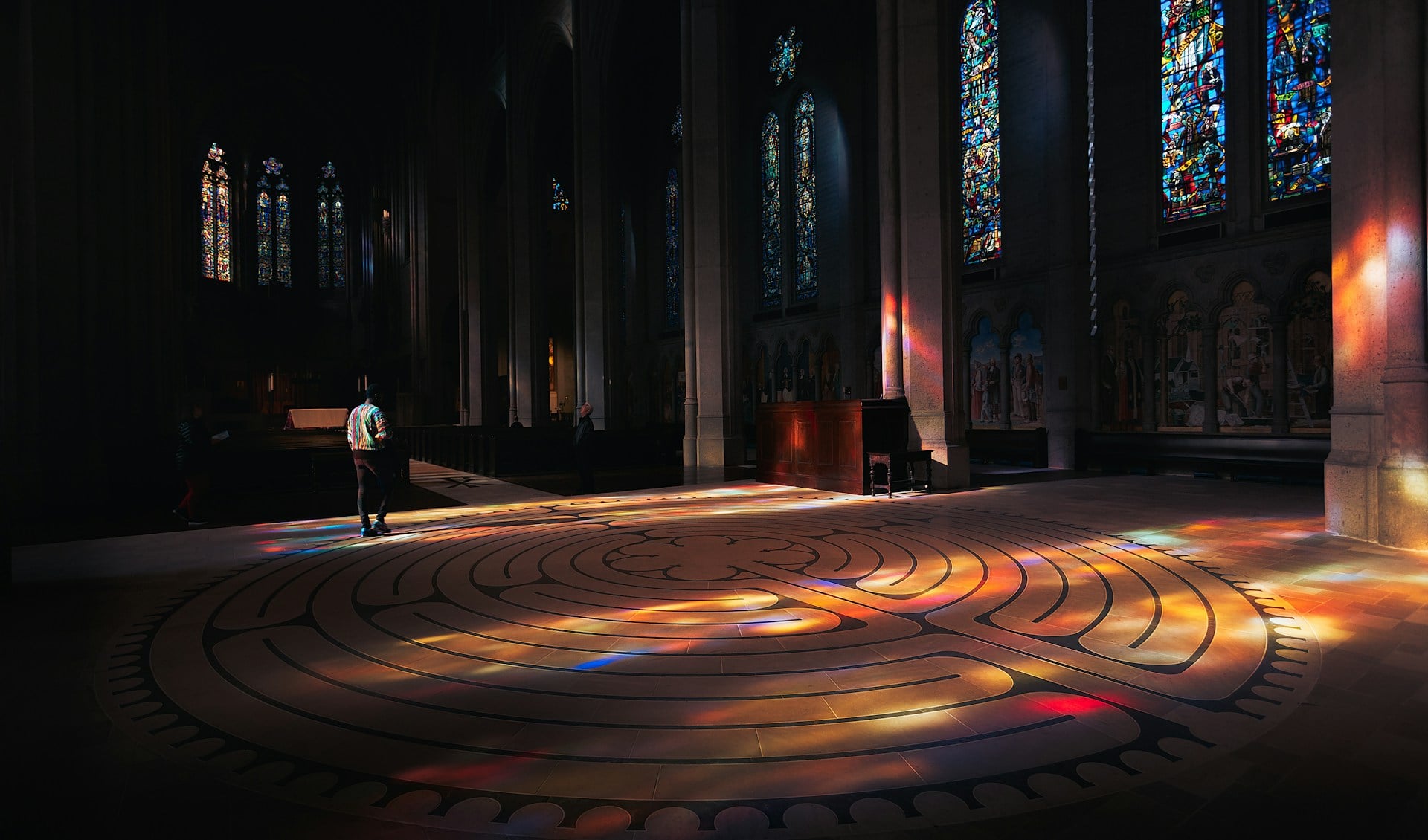
Stained glass looks completely different depending on the time of day and weather conditions. Morning light creates softer, warmer tones, while afternoon sun produces more intense, saturated colors.
Cloudy days make the windows appear muted and subtle, while bright sunshine causes them to practically explode with color. This changing quality means the same window can look like entirely different artwork throughout a single day.
The craft nearly died out

By the 1600s and 1700s, stained glass fell out of fashion as architectural styles changed. Clear glass became more popular, and many churches replaced their colorful windows with plain ones to let in more light.
The techniques and knowledge of medieval glass-making were nearly lost entirely. Only a handful of craftspeople kept the tradition alive during these dark centuries for the art form.
Victorian era brought it roaring back
The 1800s saw a massive revival of interest in medieval art and architecture. Artists like Louis Comfort Tiffany in America revolutionized stained glass by developing new techniques and styles.
The Arts and Crafts movement embraced stained glass as a key decorative element for homes, not just churches. Suddenly, middle-class families could afford smaller stained glass panels for their front doors or windows.
Modern artists push the boundaries

Today’s stained glass makers craft bold patterns, faces, or outdoor scenes – stuff old-world artisans didn’t think possible. A few use stuff like epoxy glue rather than classic lead frames.
Some play with stacking tinted panes to give a sense of thickness or roughness. Core methods haven’t changed much; still, current creators twist them into new forms.
Fixing things means playing a kind of puzzle game
Fixing ancient stained glass turns you into a mix of detective, scientist, and painter. Instead of just copying, folks rebuild missing bits using faded pictures or written notes from long ago.
Grime built up over hundreds of years gets wiped off slow and gentle – so the delicate paint and brittle panes don’t crack. Every job drags on for ages, demanding focus down to the tiniest flaw.
Why churches still commission new windows
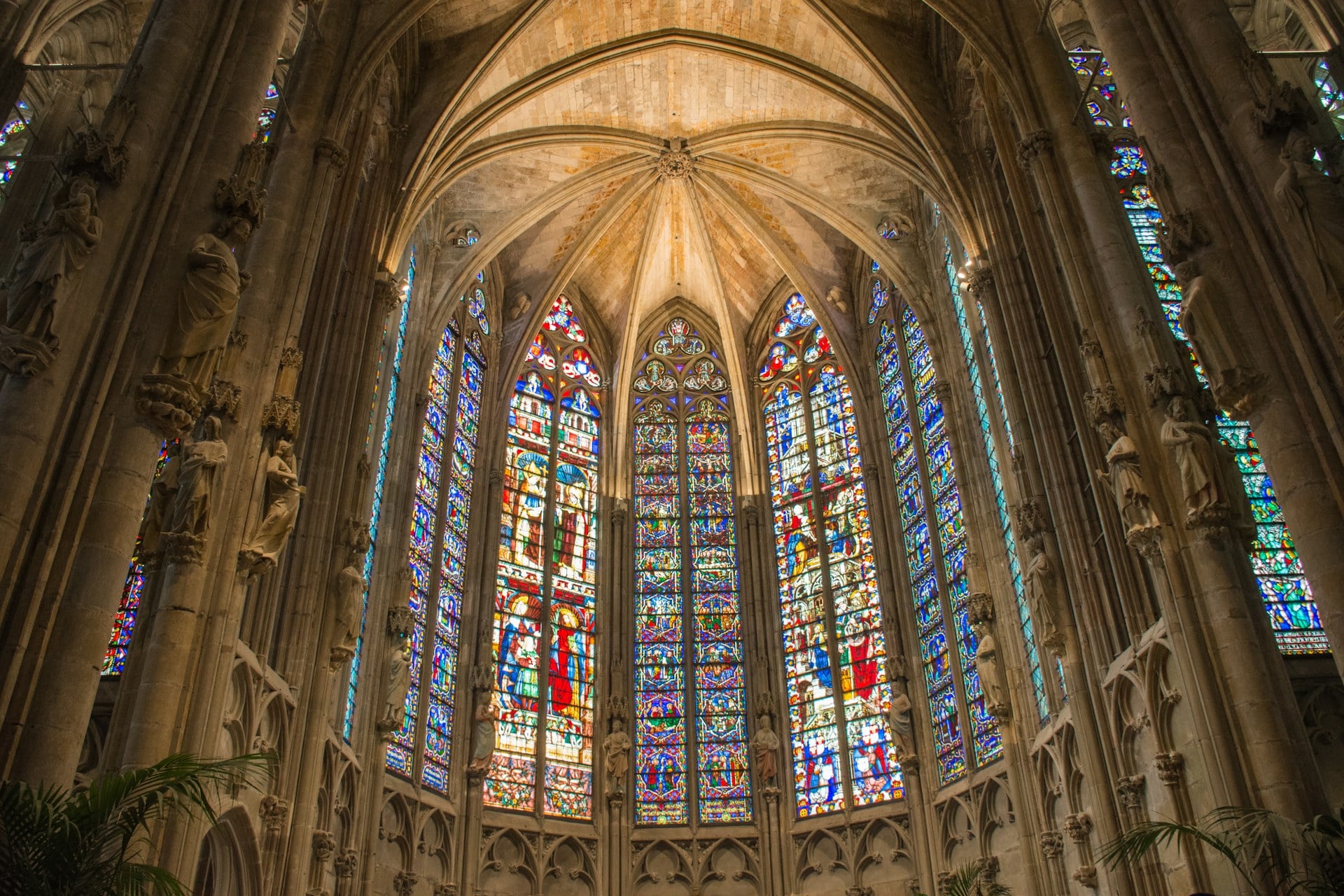
Churches keep buying colored glass for fresh builds or updates. Still used to stir emotions, bright panes shape mood with glow and hue.
Today’s designs show recent holy people or hometown believers mixed into classic scripture tales. Craftsmanship holds up just like back in medieval times.
The value keeps increasing
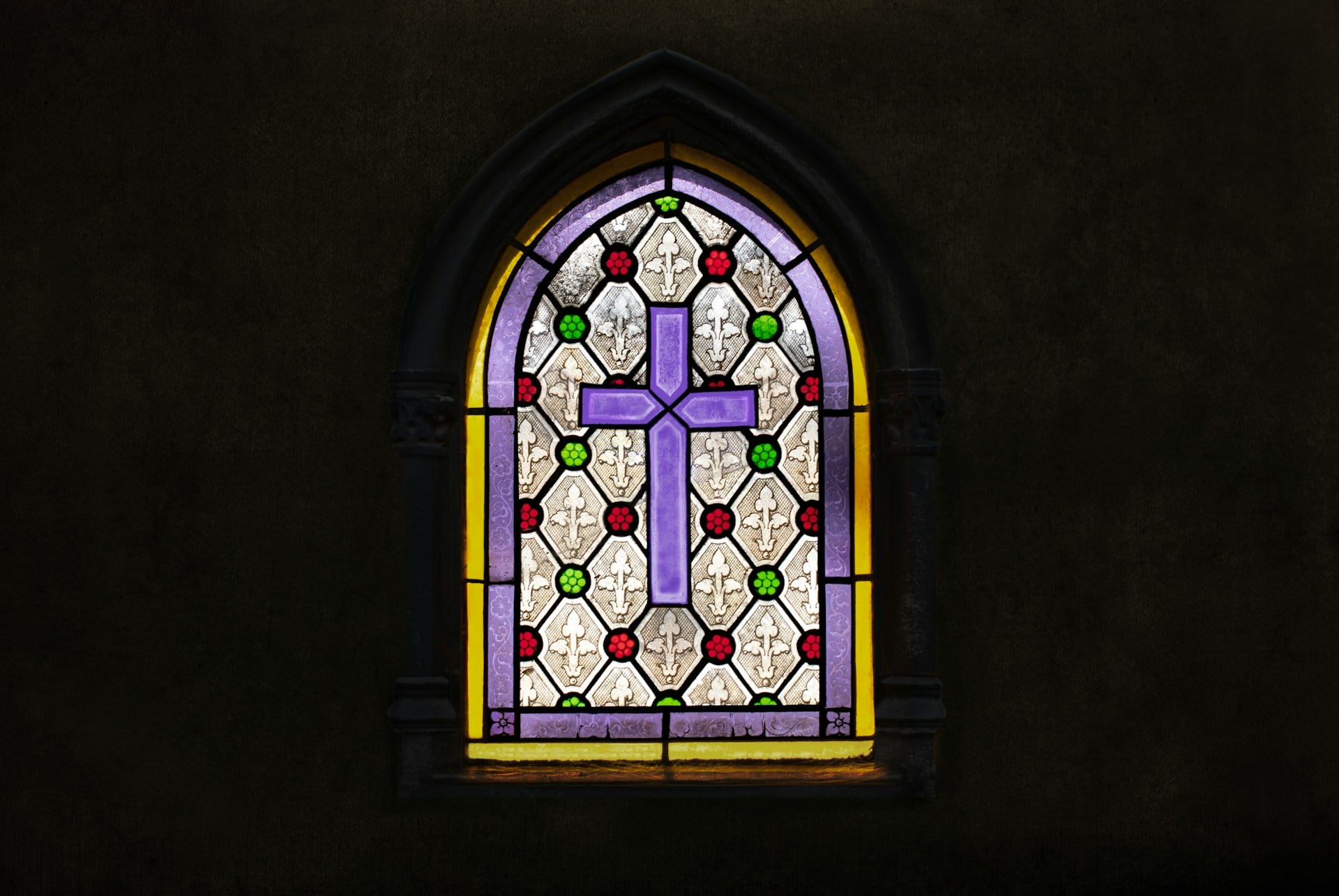
Old stained glass windows fetch big money when sold, especially rare ones going for six-figure sums. Smaller pieces from the Victorian period still pull in several grand thanks to eager buyers.
Their appeal comes from history, craftsmanship, yet also how hard they are to make by hand. Institutions bid against individuals trying to grab standout specimens.
Home setups bring unique flair
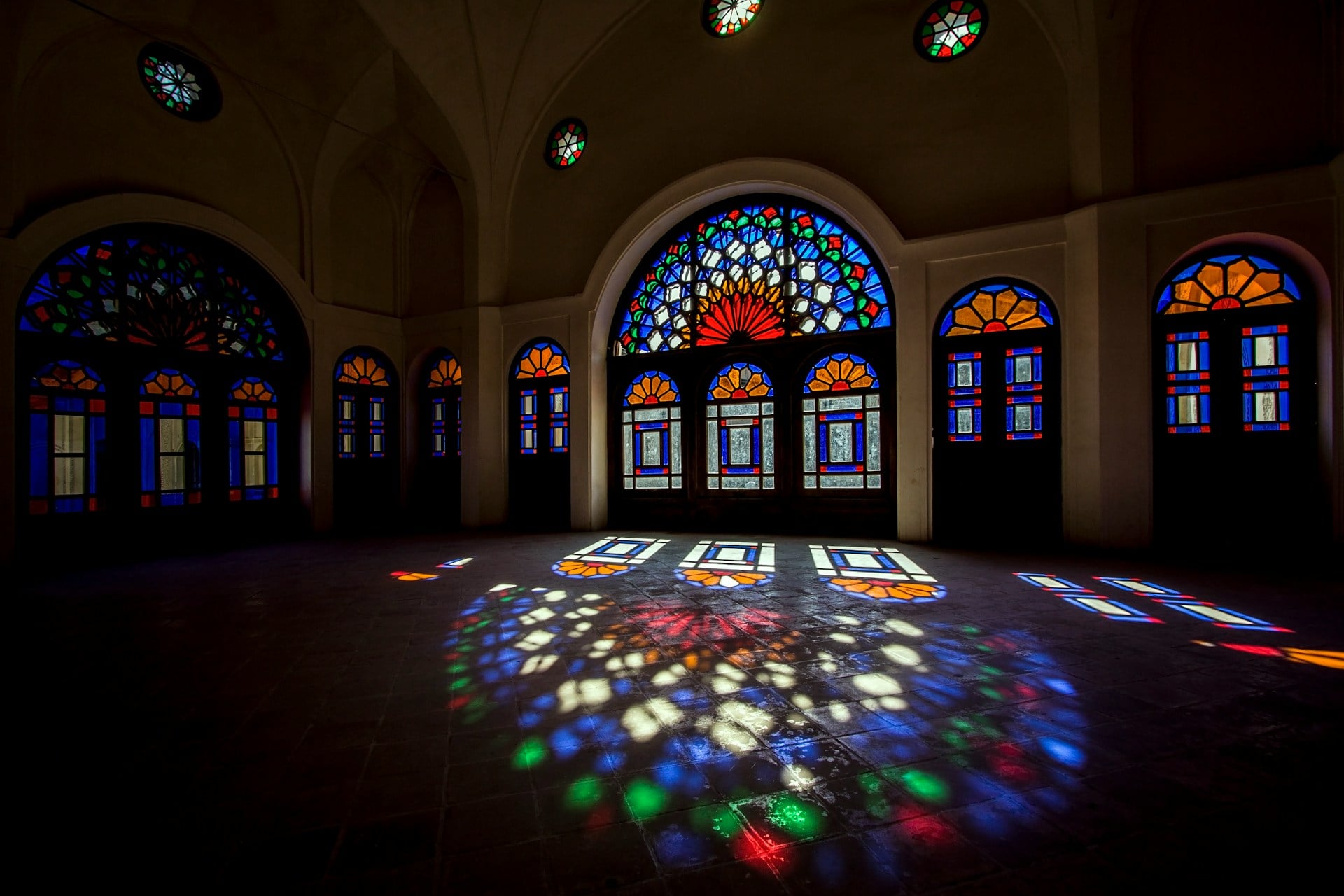
Homeowners nowadays are bringing back colored glass in houses, wanting one-of-a-kind details. Instead of just plain windows, they pick personal patterns – maybe a birthday, a pet, or garden vibes.
Put it on an entry door or landing window, suddenly boring spots feel special. It’s not just nice to look at; homes can go up in price too.
Light turned into artwork

Stained glass sticks around – not because it’s flashy, but ‘cause it plays light like nothing else. Instead of just hanging there, it uses sunbeams to throw colors that dance and change all day.
One moment you see deep reds, next thing – soft blues, thanks to clouds rolling by. How it looks depends on where you stand, what time it is, even how you’re feeling.
More from Go2Tutors!

- The Romanov Crown Jewels and Their Tragic Fate
- 13 Historical Mysteries That Science Still Can’t Solve
- Famous Hoaxes That Fooled the World for Years
- 15 Child Stars with Tragic Adult Lives
- 16 Famous Jewelry Pieces in History
Like Go2Tutors’s content? Follow us on MSN