15 Legendary Explorers and Their Discoveries
Long before GPS and travel influencers, explorers were the original adventurers. They crossed oceans, scaled mountains, and wandered into lands unknown—all with basic tools and a whole lot of courage. These weren’t just travelers; they were pathfinders who changed the world by discovering places, people, and routes that no one from their world had ever seen.
Some were searching for gold, others for glory, and a few simply for knowledge. Here are 15 legendary explorers whose journeys left a mark on history. Each of their stories shows how curiosity and bravery helped shape the world we know today.
Marco Polo

Marco Polo didn’t discover lands in the way some others did, but his journey to Asia opened the West’s eyes to what was possible. He traveled across the Silk Road to China and stayed in the court of Kublai Khan, bringing back stories that sounded like fiction to the people of Europe.
His detailed accounts helped Europeans learn about Asian goods, cultures, and inventions. Even though some doubted his tales, his book became one of the most-read travel accounts for centuries.
It inspired other explorers, including one very famous one—Christopher Columbus.
Christopher Columbus

Christopher Columbus didn’t actually discover America, but his 1492 voyage did lead Europeans to lands they hadn’t known existed. He set out looking for a new route to Asia and instead landed in the Caribbean.
While he thought he had reached India, he had actually stepped foot on islands that would become central to European colonization. His journey marked the beginning of centuries of exploration—and conflict—in the Americas.
Columbus’s voyages changed trade, culture, and history forever.
Ferdinand Magellan
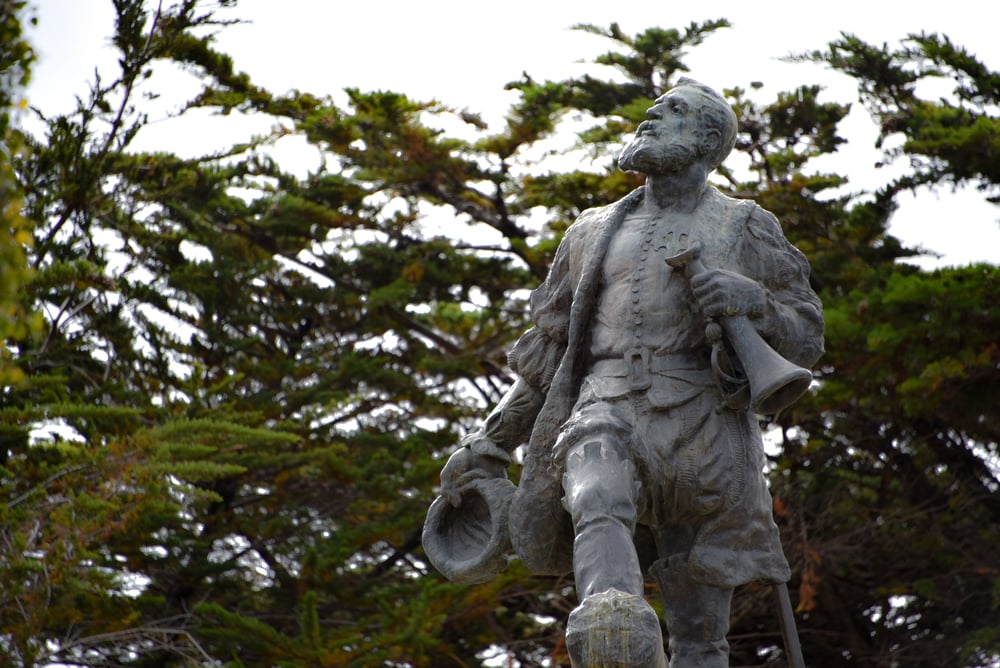
Magellan didn’t survive his entire journey, but his expedition was the first to sail all the way around the world. He proved that Earth could be circumnavigated by sea, which changed how people understood geography.
Starting in Spain in 1519, his ships traveled around South America through what’s now called the Strait of Magellan. Magellan died in the Philippines, but his crew completed the trip in 1522.
It showed just how big—and connected—the world really was.
Vasco da Gama

Vasco da Gama was the first European to reach India by sea, and that was a really big deal back then. Instead of using long land routes filled with danger and delays, he sailed around the southern tip of Africa in 1498.
This changed global trade forever. Spices, textiles, and goods started moving faster between Europe and Asia, making Portugal a major power.
Da Gama’s route was copied by others for hundreds of years.
John Cabot
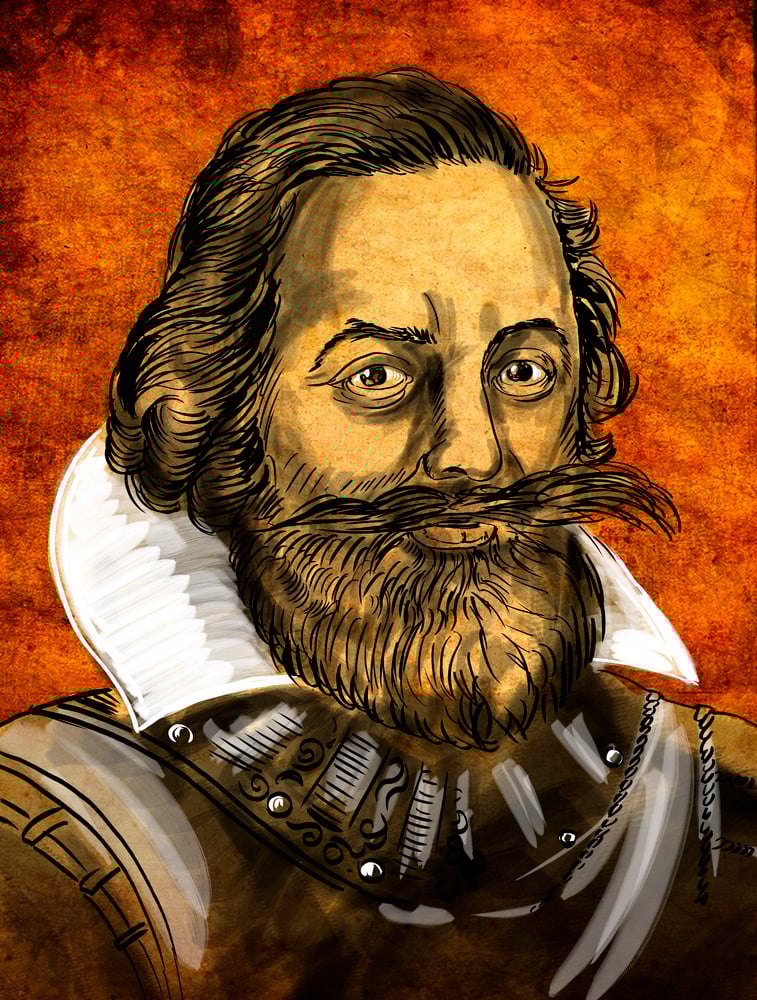
John Cabot, an Italian sailing for England, helped lay the foundation for British claims in North America. In 1497, he reached what is believed to be parts of Canada, probably Newfoundland.
While he didn’t stick around long, his voyage gave England a reason to come back later. Cabot’s discovery was a quiet start to what would later become a global empire.
He didn’t find gold, but he gave England a future foothold across the ocean.
Hernán Cortés
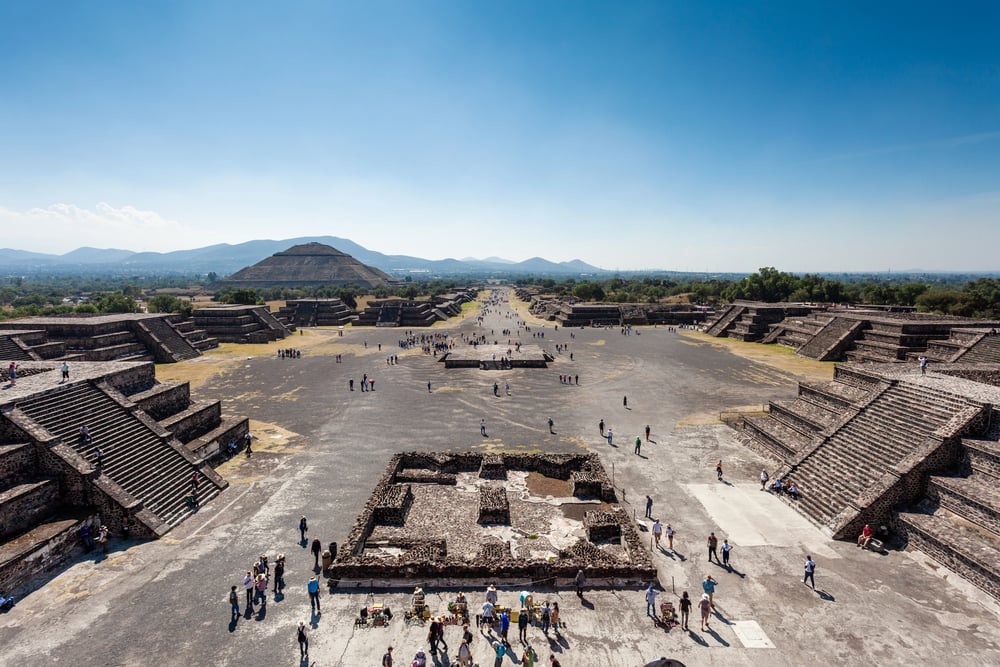
Cortés’s journey changed history—but also caused major destruction. In 1519, he landed in what’s now Mexico and eventually led the conquest of the powerful Aztec Empire.
His discovery of the riches and structures of Tenochtitlán shocked Europe. Gold, silver, and other goods flowed into Spain after his campaign.
But it also marked the start of a long and painful period of colonization for indigenous peoples. Cortés’s name is remembered with both fame and controversy.
Francisco Pizarro

Pizarro followed a similar path to Cortés but headed farther south. He led the expedition that brought down the Inca Empire in Peru.
When he and his men encountered the Inca, they were stunned by the roads, cities, and gold everywhere. His “discovery” brought enormous wealth to Spain but also led to the collapse of one of the most advanced civilizations in the Americas.
Like Cortés, his name is tied to both exploration and conquest.
Lewis and Clark

Lewis and Clark were not looking for new continents but trying to understand one that was still mostly a mystery to Americans. Sent by President Jefferson in 1804, they led an expedition west from the Mississippi River all the way to the Pacific Ocean.
Along the way, they mapped land, met Native American tribes, and recorded animals and plants no one in the U.S. had seen before. Their journey helped open up the American West and gave the young nation a sense of its size and possibilities.
Abel Tasman

Abel Tasman was the first European to reach the islands of Tasmania and New Zealand. Sailing for the Dutch in the 1600s, he helped fill in big blank spots on the map of the Southern Hemisphere.
He didn’t stay long—conflicts with local Māori warriors forced him to leave—but his name remains in places like Tasmania. His voyages showed that there was much more to discover beyond Asia and Africa.
Zheng He

Long before many European explorers set sail, China’s Zheng He was leading huge fleets across the Indian Ocean. In the early 1400s, his ships visited places like India, Africa, and the Middle East.
His expeditions weren’t about taking land but showing China’s power and building relationships. The size of his ships amazed people wherever he went.
Even today, historians are still surprised by how far his fleets traveled.
Sir Francis Drake

Sir Francis Drake was known as both an explorer and a pirate—depending on who you asked. He became the first Englishman to sail around the world between 1577 and 1580.
Along the way, he raided Spanish ports and returned to England with tons of treasure. He was a hero at home and a villain in Spain.
But no one could deny that his journey proved the strength of English ships and sailors.
David Livingstone

David Livingstone wasn’t just exploring Africa for fame—he also wanted to fight the slave trade and bring knowledge to Europe. He mapped parts of the continent no outsider had seen and became the first European to see Victoria Falls.
His long disappearances made headlines back home, and when he was finally found, the phrase “Dr. Livingstone, I presume?” became famous. He became a symbol of exploration mixed with humanitarian goals.
Roald Amundsen
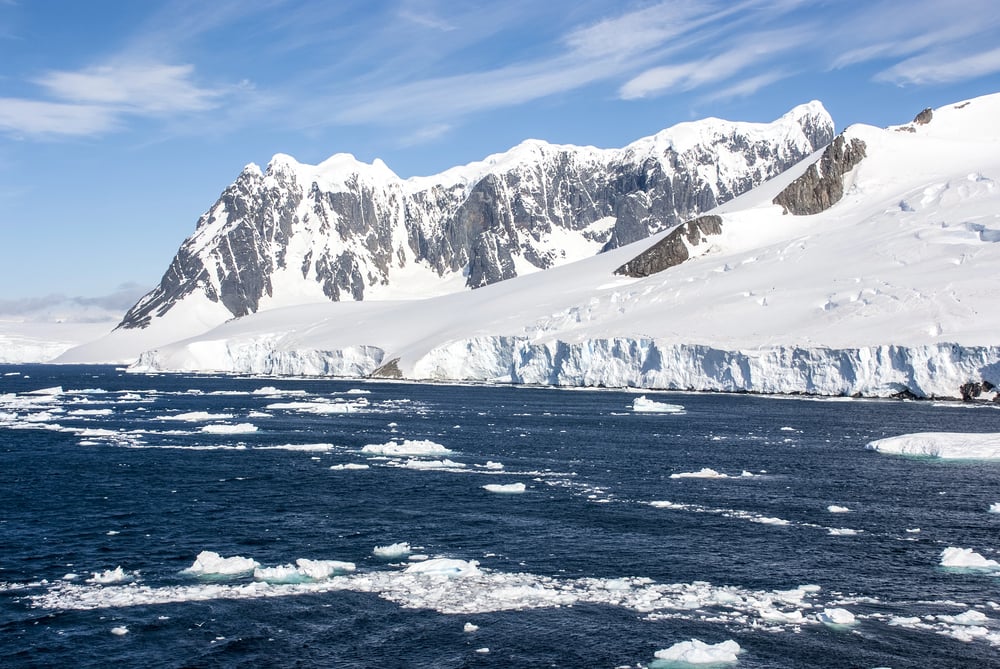
Amundsen was the first person to reach the South Pole, beating a British team in a race that caught the world’s attention. He used sled dogs and careful planning to reach the pole in 1911.
Later, he also became the first to navigate the Northwest Passage from the Atlantic to the Pacific. His discoveries weren’t about new lands, but proving that even the coldest, most dangerous places could be reached with the right strategy.
He showed that success came not from bravery alone, but preparation.
James Cook

Captain James Cook mapped places that had never been accurately recorded by Europeans. He explored Australia, New Zealand, and many Pacific Islands in the 1700s.
Cook wasn’t just planting flags—he made detailed maps, took scientific notes, and worked with local communities. His discoveries helped expand global understanding of the Pacific and opened up trade and travel routes that would later become crucial.
His careful work left a huge mark on how the world understood geography.
Amerigo Vespucci
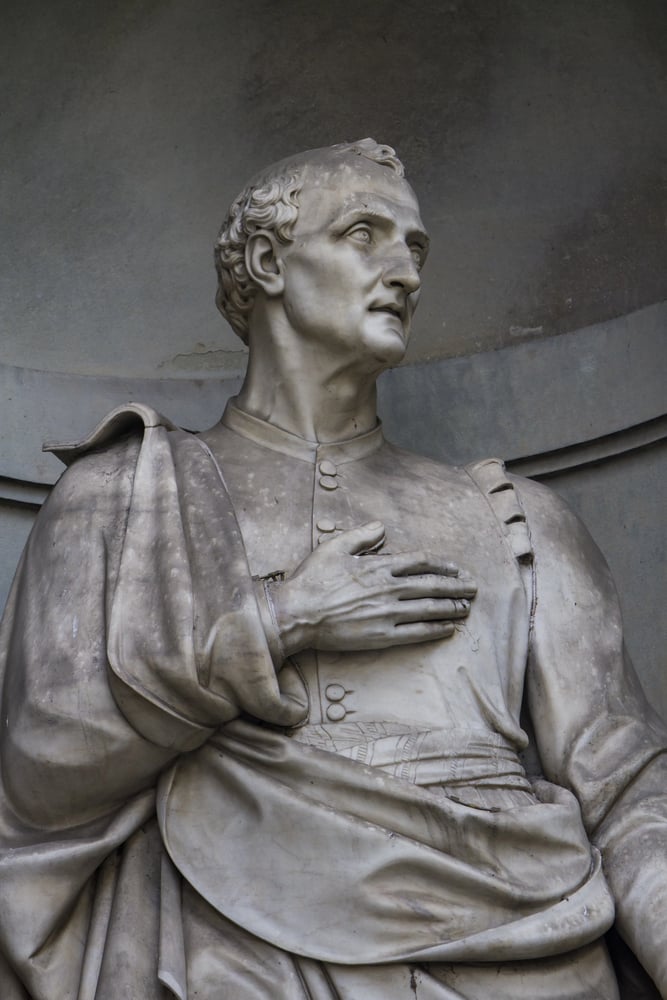
Amerigo Vespucci didn’t cross the Atlantic first, but he realized something important—these new lands weren’t Asia, they were a totally separate continent. He sailed along the coast of South America and figured out that this was not just the edge of India.
His name ended up on the maps—literally. That’s why both North and South America are named after him.
Vespucci’s insight helped reshape how people thought about the world’s layout.
Where the World Once Felt Endless

The stories of these explorers remind us of a time when people looked out at the horizon and saw nothing but questions. They sailed into unknown waters, walked into unfamiliar lands, and faced the kind of danger most can’t imagine today.
Some sought riches, others knowledge, and a few were driven by curiosity alone. Whatever their reasons, each one helped connect parts of the world that had long been separated.
And in doing so, they brought the map a little closer to what we now call home.
More from Go2Tutors!

- The Romanov Crown Jewels and Their Tragic Fate
- 13 Historical Mysteries That Science Still Can’t Solve
- Famous Hoaxes That Fooled the World for Years
- 15 Child Stars with Tragic Adult Lives
- 16 Famous Jewelry Pieces in History
Like Go2Tutors’s content? Follow us on MSN.