Strange Facts About the Food We Eat Every Day
Food keeps us alive, but how much do we really know about what ends up on our plates? The things we eat every single day have some pretty wild backstories and surprising truths that most people never hear about.
From everyday fruits to common snacks, the food world is filled with oddities that can change how we look at our next meal. Ready to discover some seriously weird facts about your favorite foods?
Here are some things that might just surprise you.
Honey Never Goes Bad
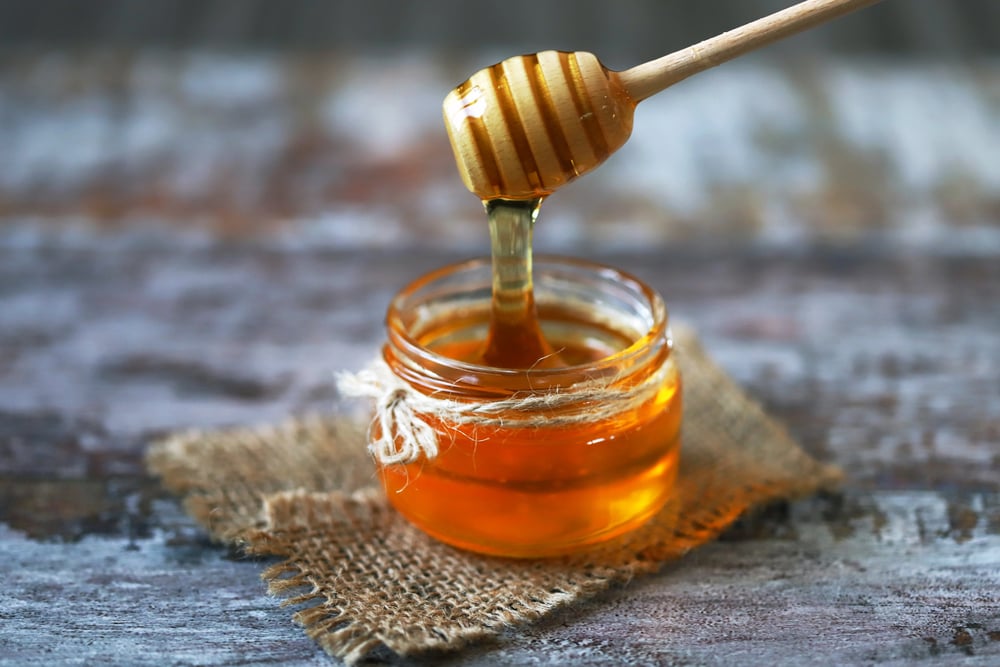
Archaeologists have found pots of honey in ancient Egyptian tombs that are over 3,000 years old and still perfectly edible. Honey has such low moisture content and high acidity that bacteria simply can’t survive in it.
The ancient Egyptians knew what they were doing when they used it to preserve things. That jar sitting in your kitchen cupboard could technically last forever if you keep it sealed.
Bananas Are Berries, But Strawberries Aren’t
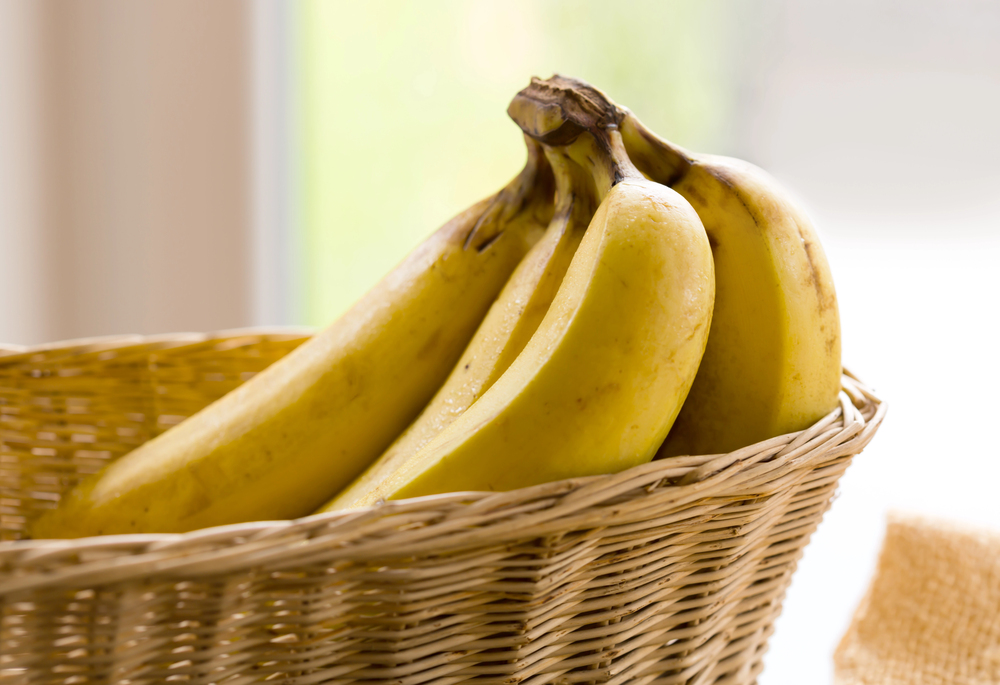
Botanically speaking, bananas qualify as berries while strawberries don’t make the cut. A true berry develops from a single flower with one ovary and has seeds embedded in the flesh.
Strawberries have their seeds on the outside and come from a flower with multiple ovaries, which disqualifies them from the berry club. Raspberries and blackberries also fail the test, making the whole fruit naming system pretty confusing for regular folks.
Carrots Used To Be Purple
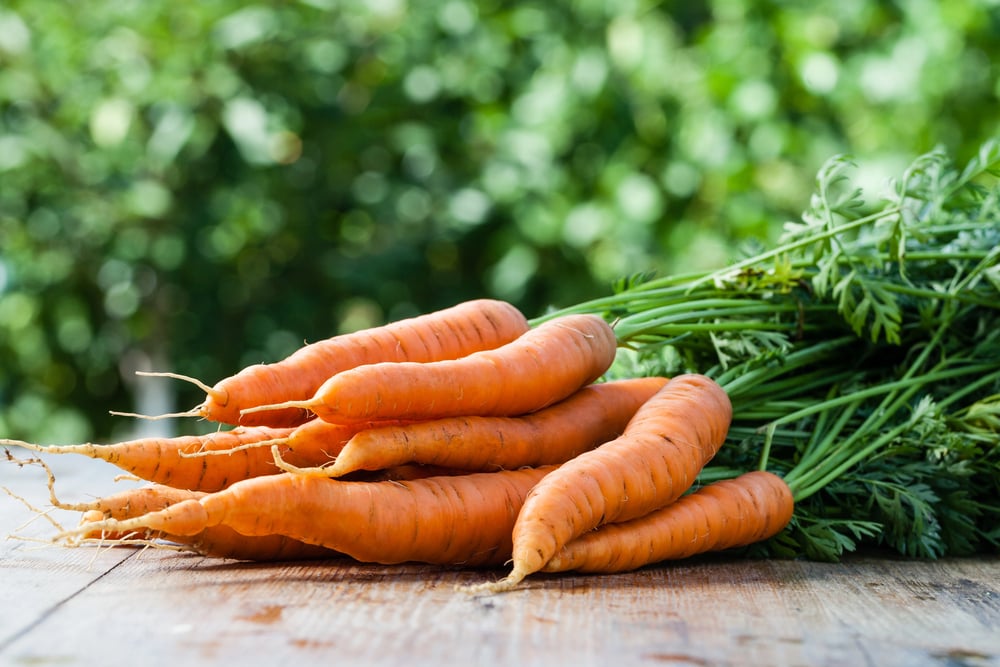
The orange carrots we know today didn’t exist until Dutch farmers bred them in the 17th century. Before that, carrots came in purple, white, yellow, and red varieties.
The Dutch created orange carrots as a tribute to William of Orange, who led their fight for independence. Wild carrots growing along roadsides today sometimes still show hints of that original purple color.
Peanuts Aren’t Actually Nuts
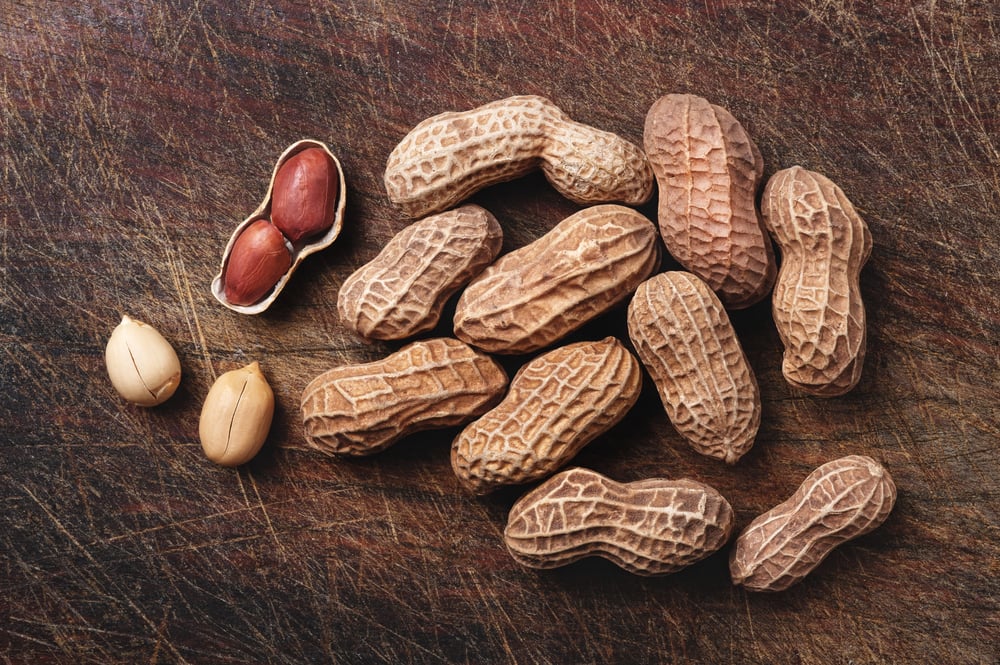
Despite the name, peanuts grow underground and belong to the legume family along with beans and peas. True nuts like almonds and walnuts grow on trees and have a hard shell that doesn’t split open naturally.
Peanuts develop in pods below the soil after the flower gets pollinated and bends down toward the ground. This underground growing habit makes them more closely related to chickpeas than to cashews.
Apples Float Because They Contain 25% Air
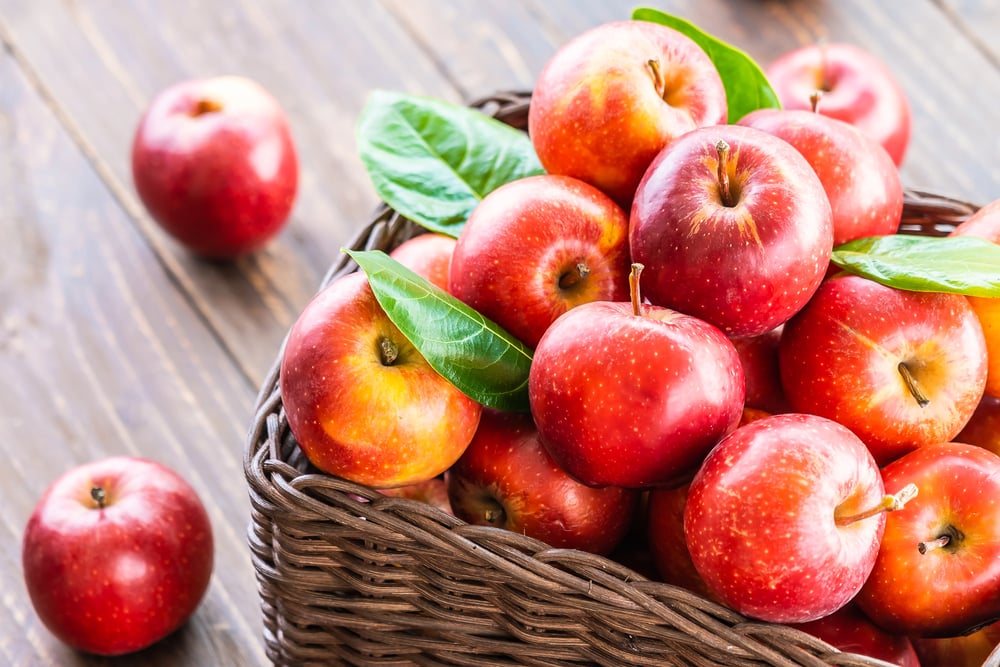
Drop an apple in water and it bobs right back up to the surface. The flesh of an apple contains tiny air pockets that make up about a quarter of its total volume.
This built-in flotation system helped people come up with the Halloween game of bobbing for apples centuries ago. The air also gives apples that satisfying crunch when you bite into them.
Ketchup Was Once Sold As Medicine
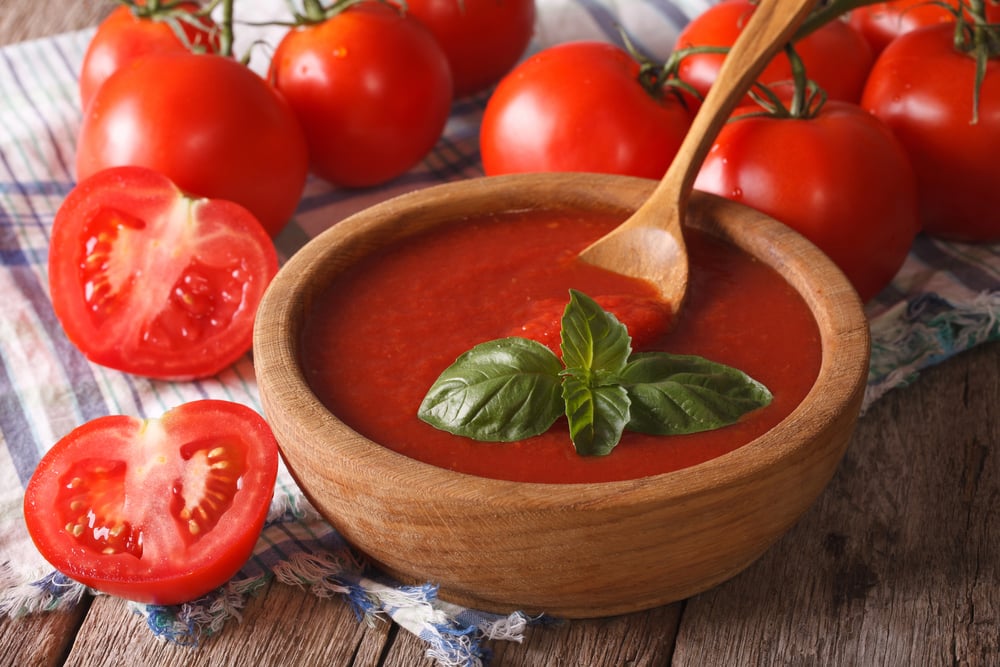
Back in the 1830s, an Ohio doctor named John Cook Bennett sold tomato ketchup as a cure for indigestion and other ailments. He claimed it could treat diarrhea, jaundice, and rheumatism.
People bought it in pill form before anyone thought to put it on food. The medicinal ketchup craze didn’t last long once other doctors pointed out it probably wasn’t curing much of anything.
Chocolate Comes From The Same Plant Family As Cotton
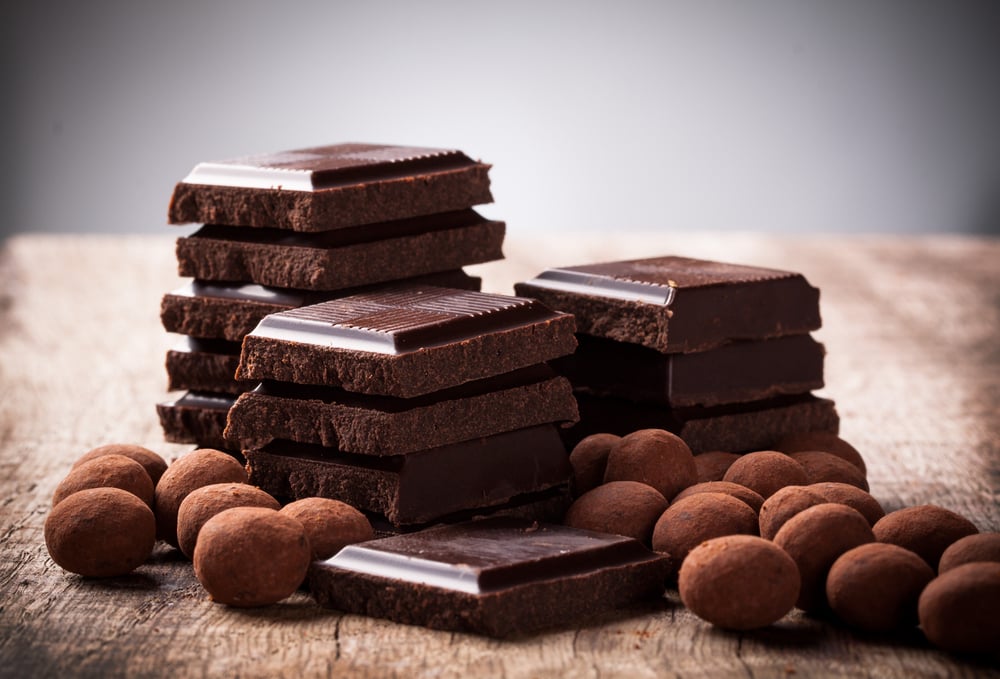
Cacao trees that produce chocolate beans belong to the Malvaceae family, sharing their lineage with cotton, okra, and hibiscus. The connection seems strange until you look at the flowers, which share similar characteristics across these plants.
Cacao pods grow directly on the trunk of the tree rather than on branches, which sets them apart from most fruit-bearing plants. Each pod contains about 30 to 40 beans covered in sweet white pulp.
Crackers Have Little Indentations To Prevent Air Pockets
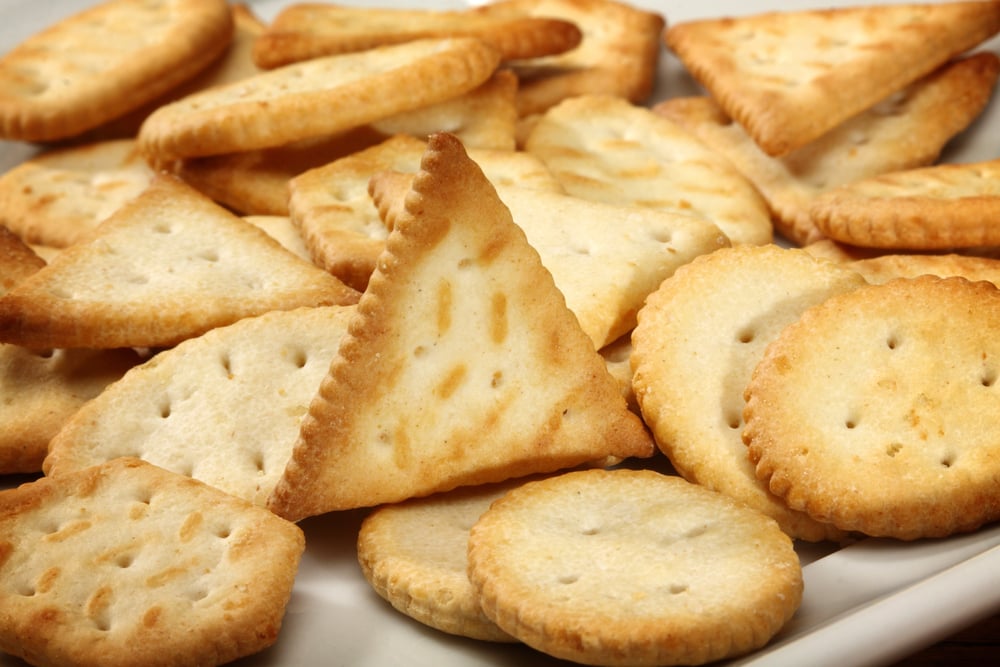
Those tiny perforations covering crackers and cookies serve a real purpose during baking. Without them, steam would get trapped inside and create big bubbles that would make the crackers puff up unevenly.
Bakers call this process ‘docking,’ and it ensures every cracker comes out flat and crispy. The pattern of marks might look decorative, but it’s purely functional.
Almonds Are Part Of The Peach Family
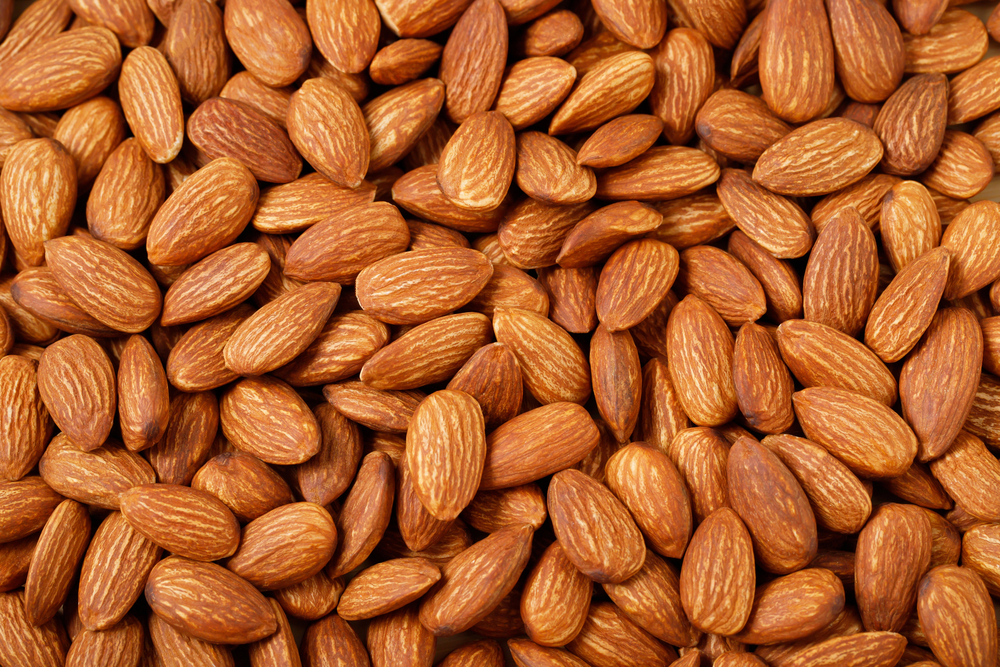
The difference is that almond trees were bred over thousands of years to produce larger seeds and smaller, less appealing fruit flesh. Some almond varieties even have fruit that resembles a green, fuzzy peach before it dries up.
White Chocolate Isn’t Technically Chocolate
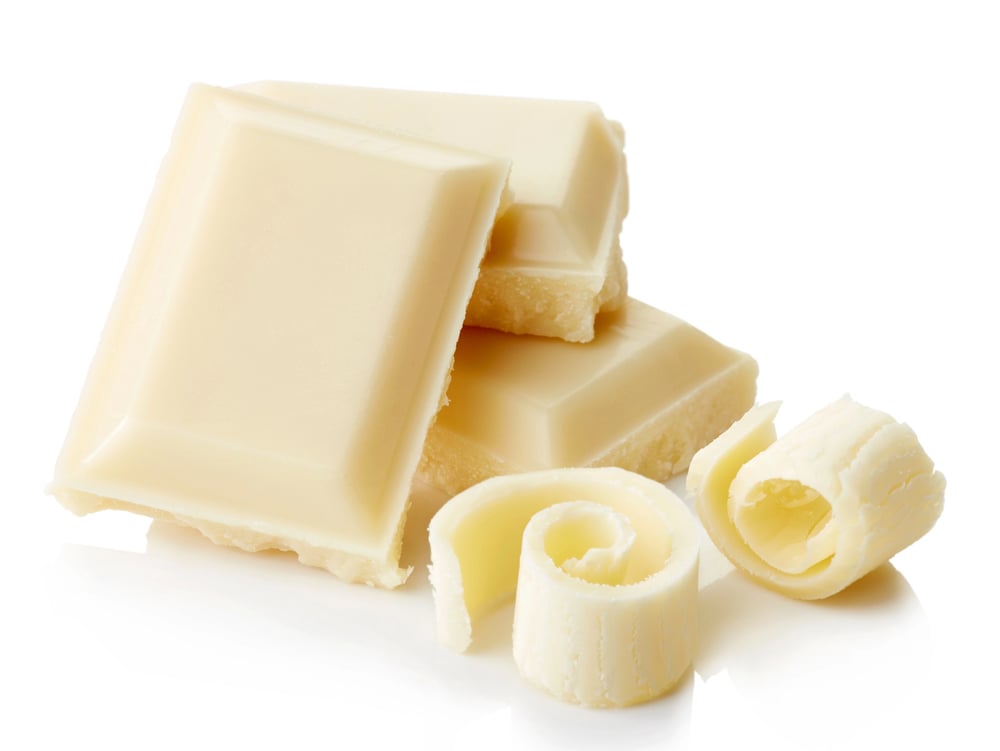
Real chocolate must contain cocoa solids from the cacao bean, but white chocolate only has cocoa butter. The FDA doesn’t even classify it as chocolate because it’s missing the brown cocoa powder that gives regular chocolate its color and much of its flavor.
White chocolate is basically a blend of cocoa butter, milk, and sugar. Some chocolate purists refuse to acknowledge it as part of the chocolate family at all.
Unlike most nuts that develop inside a protective shell within a fruit, cashews dangle from the bottom of a cashew apple. The kidney-shaped nut hangs there completely exposed while the apple grows above it.
You’ll never find raw cashews for sale in stores because the shell contains toxic oils that can burn skin. Workers must roast the nuts to neutralize these chemicals before anyone can safely eat them.
Ripe Cranberries Bounce Like Rubber Globes
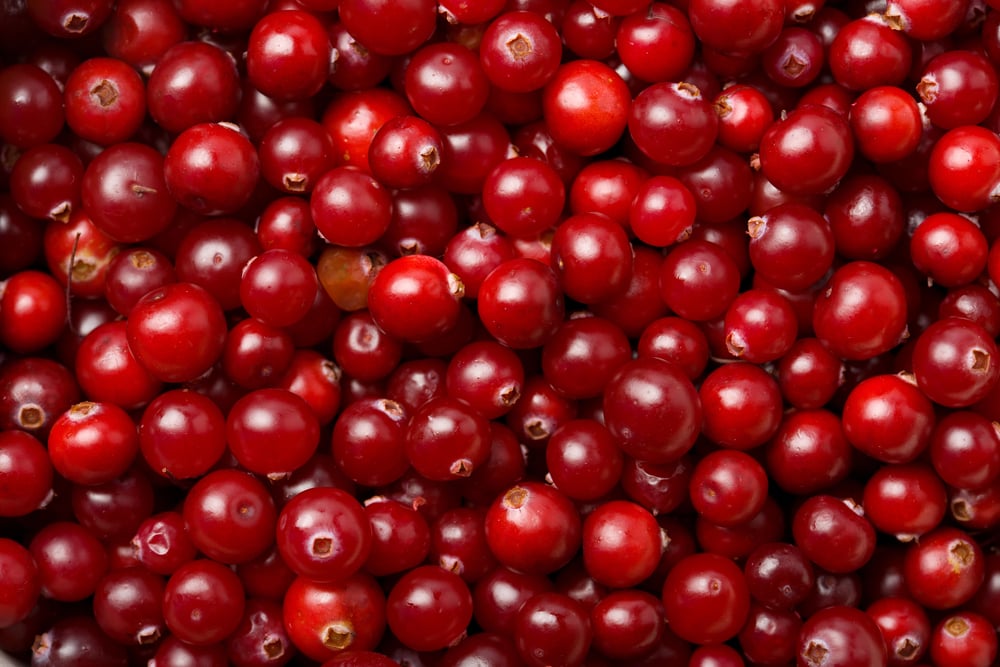
Farmers test cranberries for ripeness by dropping them on hard surfaces to see if they bounce. Fresh, ripe cranberries have air pockets inside that act like tiny springs.
Some cranberry sorting machines use this bouncing ability to separate good berries from bad ones. The berries that don’t bounce get rejected because they’re either too soft or damaged.
Cucumbers Are 96% Water
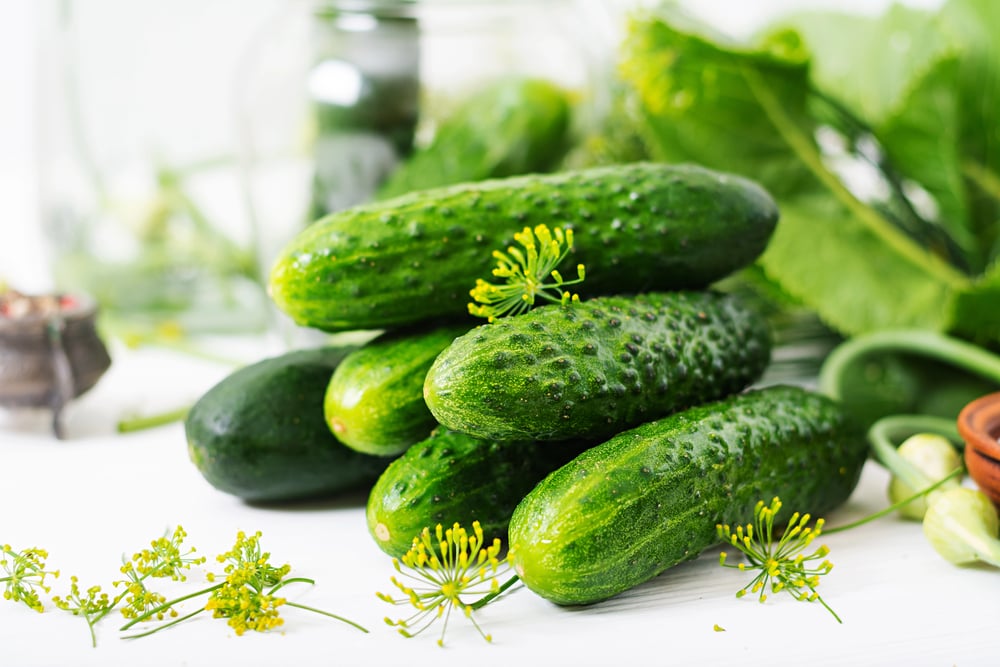
These green vegetables contain more water by percentage than almost any other food you can buy. Watermelon gets all the credit for being watery, but it only clocks in at about 92%.
The high water content makes cucumbers incredibly refreshing and explains why they feel so cool when placed on tired eyes. Despite being mostly water, they still pack in vitamins K and C along with several minerals.
MSG Occurs Naturally In Tomatoes And Cheese
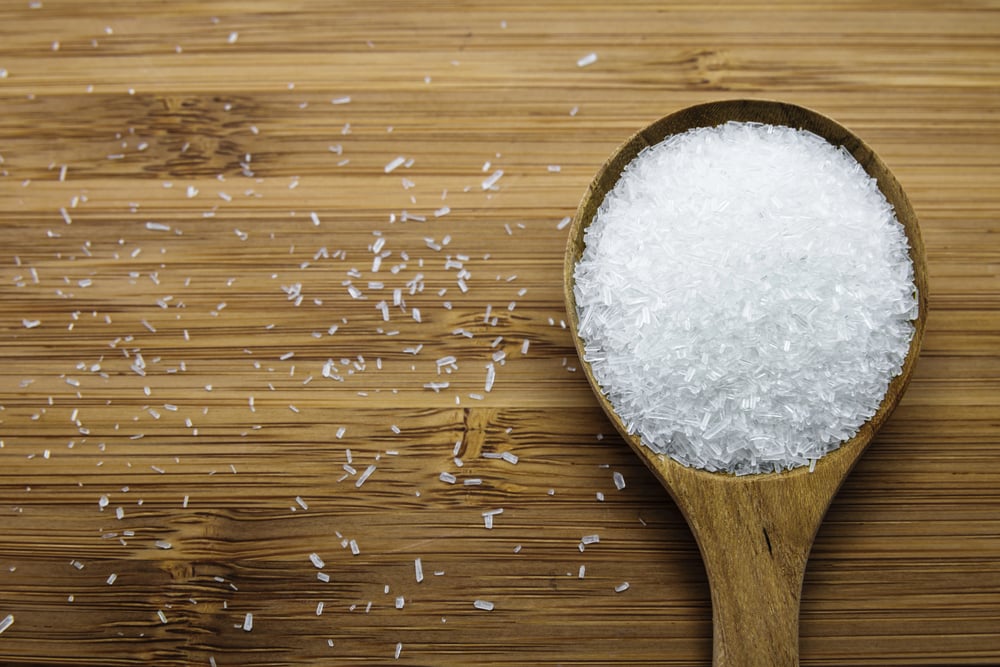
Monosodium glutamate, the flavor enhancer people love to hate, shows up naturally in lots of everyday foods. Tomatoes, mushrooms, and aged cheeses like Parmesan contain glutamates that give them that savory, umami taste.
The human body produces glutamate too, using it as a neurotransmitter. The MSG added to food is chemically identical to what occurs in nature, just concentrated for convenience.
Grapes Explode When Microwaved
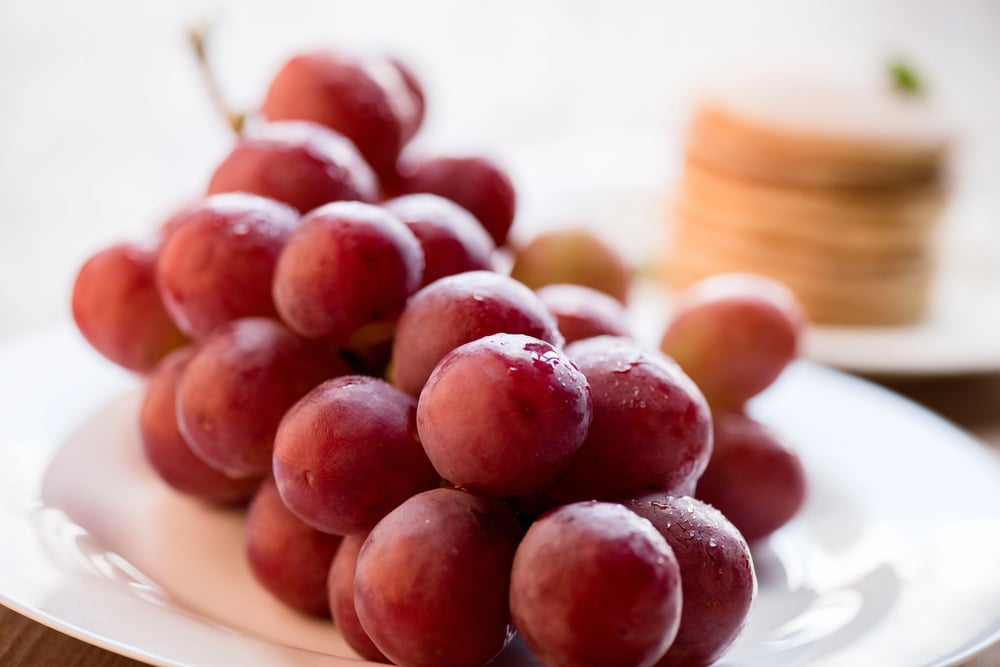
Heating a grape in the microwave for just a few seconds creates a tiny fireball of plasma. The grape acts as a resonator for the microwave energy, concentrating it at the point where two halves touch.
Scientists have used this quirky reaction to study plasma physics. Don’t try this at home unless you want to clean grape residue off the inside of your microwave.
Pistachios Can Self-Ignite In Large Quantities
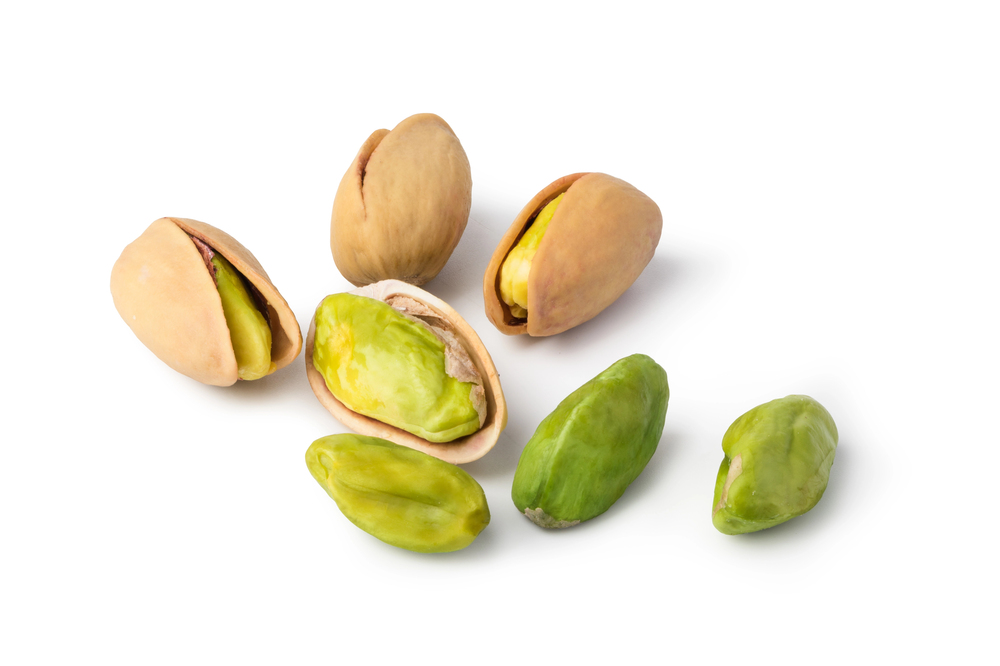
When stored in massive shipments, pistachios sometimes spontaneously catch fire without any external spark. The high fat content combined with moisture and heat creates the perfect conditions for combustion.
Shipping companies now monitor pistachio containers carefully and limit how many they transport together. The nuts generate their own heat as they age, and in confined spaces, temperatures can climb high enough to start a blaze.
Where Food Science Meets Daily Life
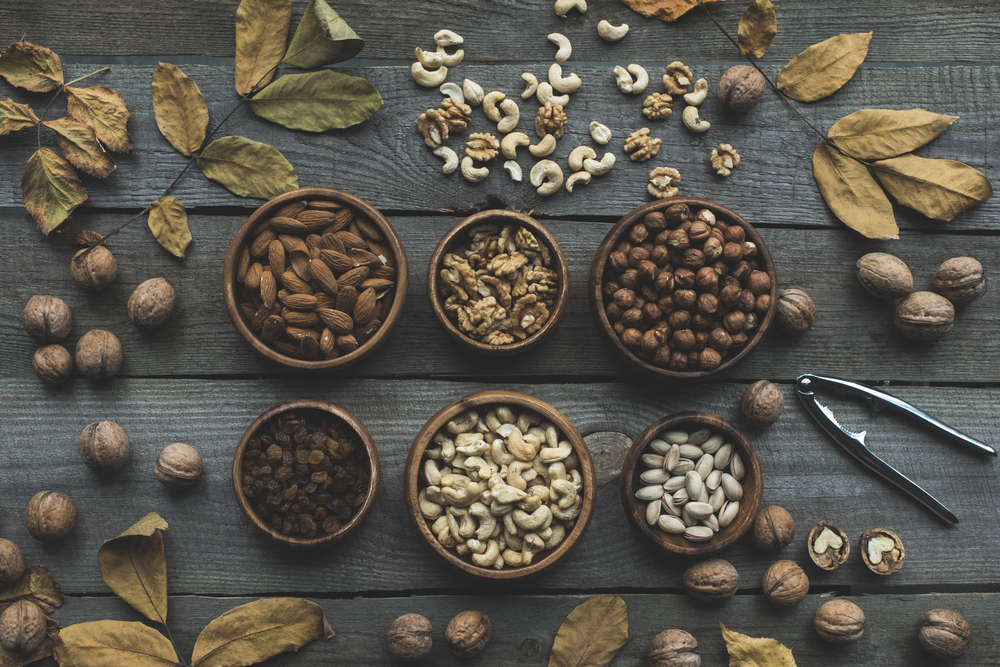
Aisle staples people toss into carts hold stories shaped by ages and faraway lands. Brought together through wild paths across oceans, they settled into identical packages lining supermarket rows.
Knowing their strange backgrounds will not affect flavor one bit, yet unpacking them feels different afterward. Reaching for a bottle of tomato condiment or crunching on fruit suddenly opens hidden chapters.
More from Go2Tutors!

- The Romanov Crown Jewels and Their Tragic Fate
- 13 Historical Mysteries That Science Still Can’t Solve
- Famous Hoaxes That Fooled the World for Years
- 15 Child Stars with Tragic Adult Lives
- 16 Famous Jewelry Pieces in History
Like Go2Tutors’s content? Follow us on MSN.