Strange History Facts About US States
Every state in America has its own story, and some of those stories are downright odd. From bizarre laws that once existed to unusual events that shaped communities, the United States is packed with quirky historical moments that most people never learned in school.
These aren’t the grand battles or famous speeches that fill textbooks. They’re the weird, funny, and sometimes shocking details that make you wonder how they ever happened in the first place.
Let’s dive into some of the strangest pieces of history hiding in plain sight across the country.
Pennsylvania’s Great Molasses Flood Happened In Boston, But The Keystone State Had Its Own Food Disaster
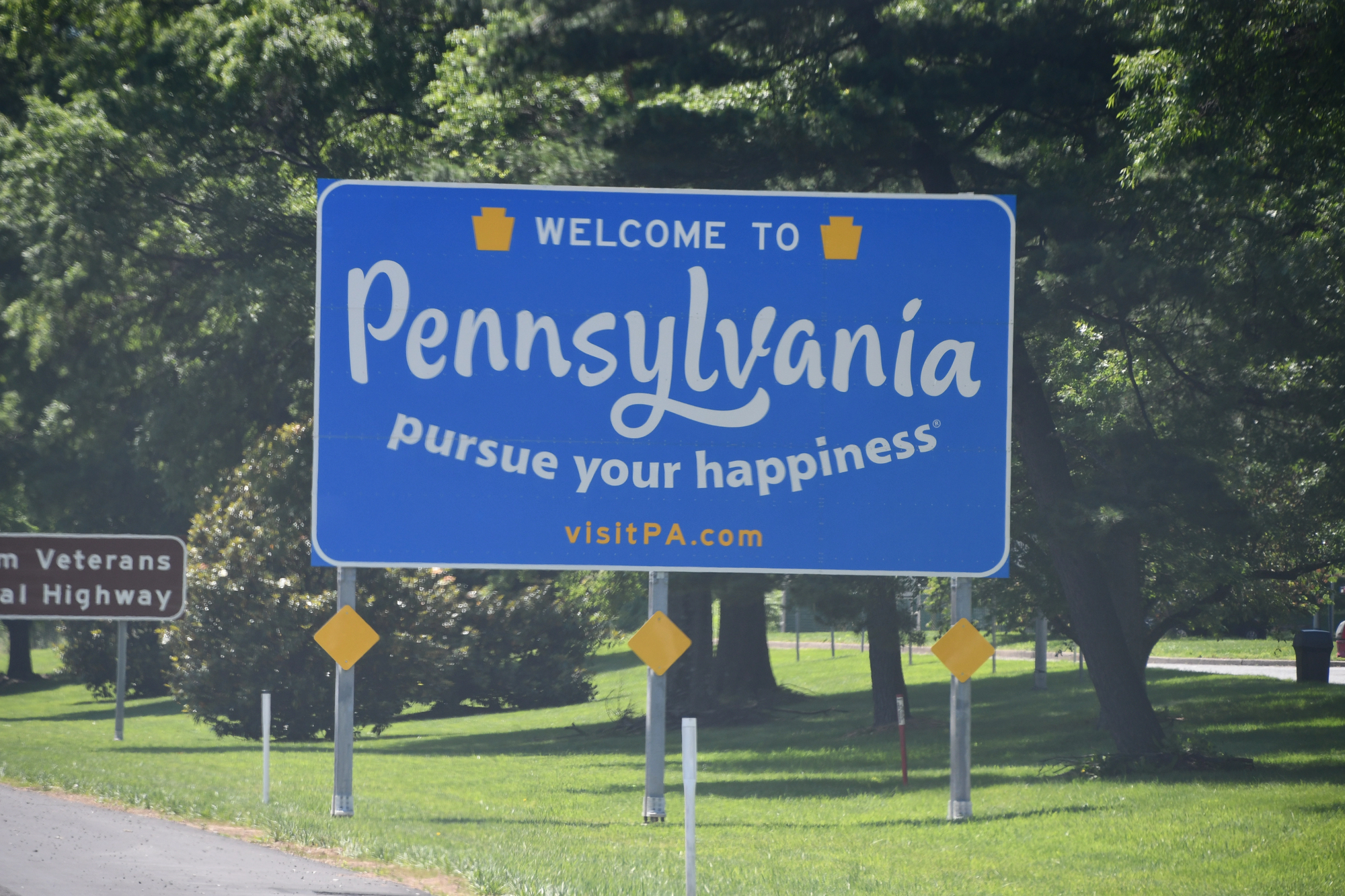
Pennsylvania might be famous for cheesesteaks and pretzels today, but back in 1919, the state dealt with a different kind of food crisis. A massive storage tank in Philadelphia burst and sent thousands of gallons of beer flooding through the streets when Prohibition arrived.
People ran out with buckets, pots, and anything they could find to save what they could before it all washed away. The scene turned into chaos as neighbors competed to grab as much free beer as possible before the authorities showed up.
Connecticut Banned Pickle Sales Unless They Bounced
This sounds like a joke, but Connecticut actually had a law about pickles that stayed on the books for years. Any pickle sold in the state had to pass the bounce test, meaning if you dropped it from a specific height and it didn’t bounce, it wasn’t fit for sale.
The law came about because some sellers were passing off cucumbers soaked in brine as proper pickles. Officials decided that a real pickle, properly fermented, would have enough firmness to bounce when dropped.
Oregon’s Exploding Whale Became A Cautionary Tale
In 1970, a dead whale washed up on an Oregon beach, and local authorities had no idea what to do with it. Someone decided that blowing it up with dynamite would solve the problem.
The explosion sent huge chunks of whale blubber flying through the air, crushing at least one car parked nearby and covering spectators in rotten whale bits. The whole disaster got caught on camera and became one of the most famous examples of a plan gone horribly wrong.
Kentucky Tried To Settle A Beef Between Two Governors With A Literal Duel
Two men both claimed they won the 1899 Kentucky governor’s race, and things got so heated that they nearly settled it with guns. William Goebel and William Taylor both insisted they were the rightful governor, and Goebel actually got shot during the controversy.
He died a few days later, but not before the legislature declared him the official winner. That made Goebel the only governor in U.S. history to die while in office from an assassination directly related to an election dispute.
Arizona’s London Bridge Isn’t In London Anymore
Most people think of London Bridge as something that belongs in England, but Arizona actually bought the whole thing and moved it. In 1968, the city of Lake Havasu purchased the bridge for about $2.5 million and had it shipped piece by piece to the desert.
Some stories claim the buyers thought they were getting the much fancier Tower Bridge, but that’s probably not true. Either way, the real London Bridge now sits in the middle of the Arizona desert, spanning a man-made canal.
Nebraska’s Town Of Monowi Has Exactly One Resident
Monowi, Nebraska, holds the record as the only incorporated town in the United States with just one resident. Elsie Eiler lives there alone and serves as the mayor, bartender, and librarian all at once.
She pays taxes to herself and grants herself a liquor license to run the town’s only tavern. The population dropped to one in 2004 when her husband passed away, but Elsie has kept the town going ever since.
Vermont Almost Became Part Of Canada
Before Vermont joined the United States as the 14th state, it actually functioned as an independent republic for 14 years. During that time, some Vermonters seriously discussed joining Canada instead of the U.S.
The negotiations with British Canada went on for a while, but ultimately fell apart. Vermont finally joined the Union in 1791, becoming the first state added after the original thirteen colonies.
Wisconsin’s Town Of Rhinelander Feared A Creature Called The Hodag
In the 1890s, a Wisconsin businessman named Eugene Shepard claimed he captured a terrifying beast called the Hodag. He described it as having horns, sharp claws, and a spiky back, and he even displayed what he said was the real creature at the county fair.
Thousands of people paid to see it, and newspapers ran stories about the discovery. Eventually, Shepard admitted the whole thing was a hoax made from wood and animal hides, but Rhinelander still celebrates the Hodag as its official symbol today.
Maine Almost Went To War With Canada Over A Border Dispute
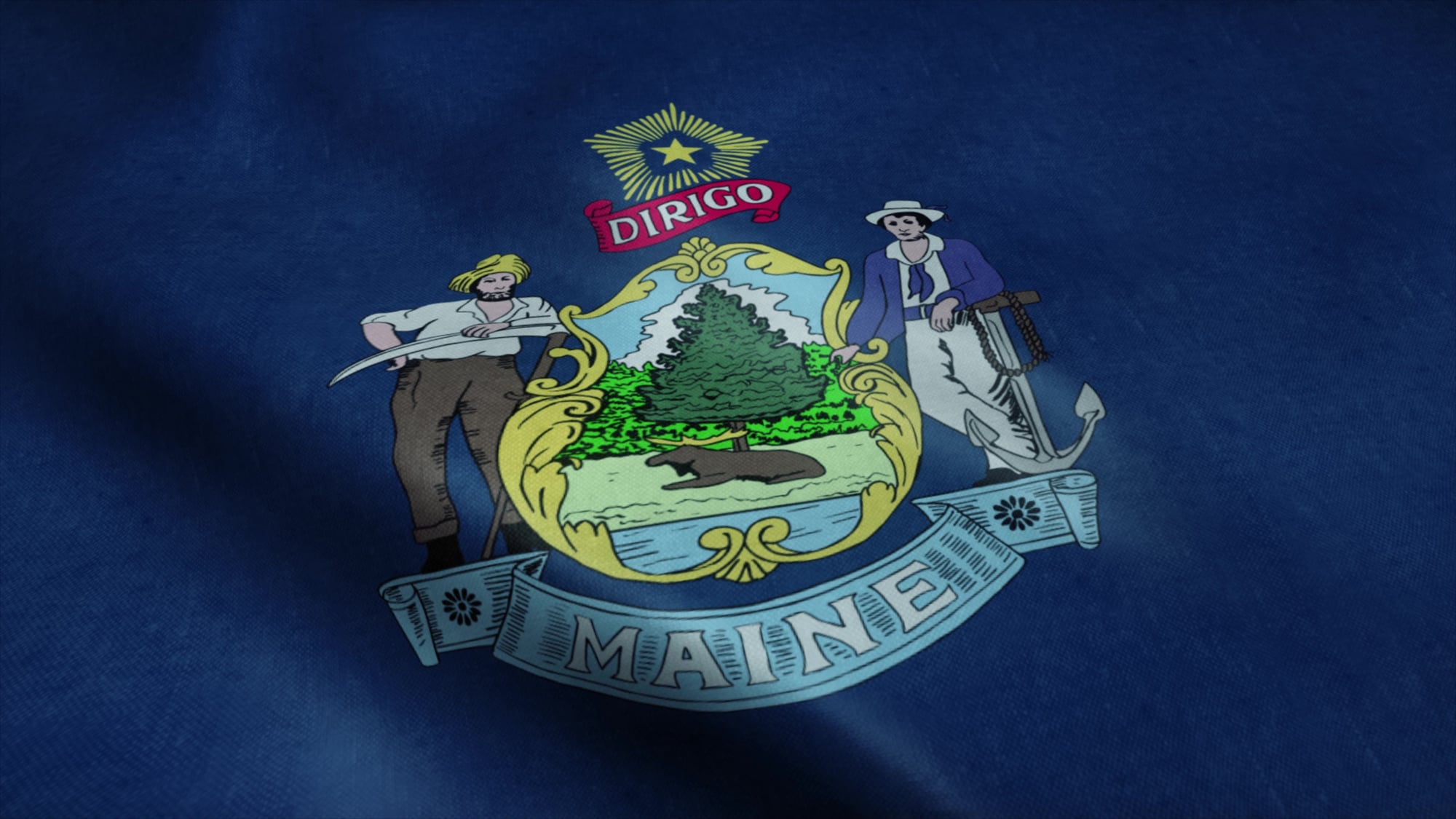
The Aroostook War of 1839 nearly turned into a real fight between Maine and the Canadian province of New Brunswick. Both sides claimed ownership of the same timber-rich land, and things got tense when lumberjacks started confronting each other in the woods.
Militias mobilized, and troops headed to the border ready for battle. Luckily, diplomats stepped in and settled things peacefully through the Webster-Ashburton Treaty, so no actual fighting happened despite all the buildup.
Texas Was Its Own Country And Had Its Own Currency
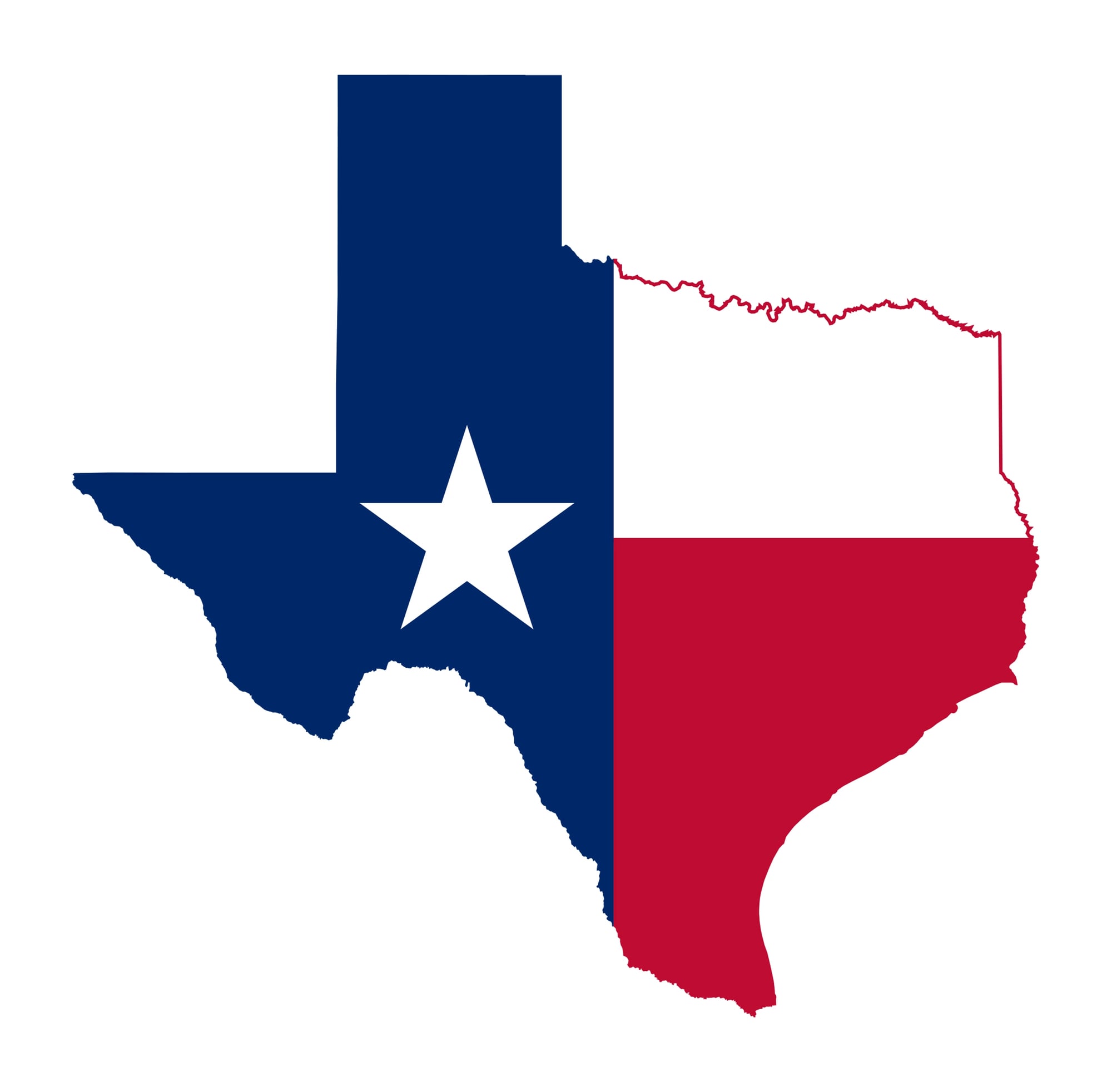
Most people know Texas was independent before joining the United States, but the Republic of Texas functioned as a completely separate nation for nearly ten years. From 1836 to 1845, Texas had its own president, printed its own money, and even sent ambassadors to other countries.
The Texas dollar traded alongside American and Mexican currency during that time. Some Texans still take pride in that independent streak and remind everyone that their state was once its own boss.
California’s Winchester Mystery House Was Built To Confuse Ghosts
Sarah Winchester, heir to the Winchester rifle fortune, believed ghosts haunted her because of all the people killed by Winchester guns. She started building a massive mansion in San Jose in 1884 and didn’t stop construction for 38 years.
The house has staircases that lead to nowhere, doors that open into walls, and windows that look into other rooms. Winchester supposedly thought the constant construction and confusing layout would keep angry spirits from finding her.
New Jersey’s Pine Barrens Is Home To The Jersey Devil Legend
For over 250 years, people in New Jersey have told stories about a creature called the Jersey Devil that supposedly lives in the Pine Barrens. The legend says it was born in 1735 as the 13th child of a woman named Mother Leeds, and it transformed into a winged beast with hooves.
Thousands of people have claimed to see it over the years, including a whole week in 1909 when sightings got reported across multiple towns. Schools and factories actually closed for a few days because people were too scared to go outside.
Ohio Started The Whole ‘Birthplace Of Aviation’ Argument
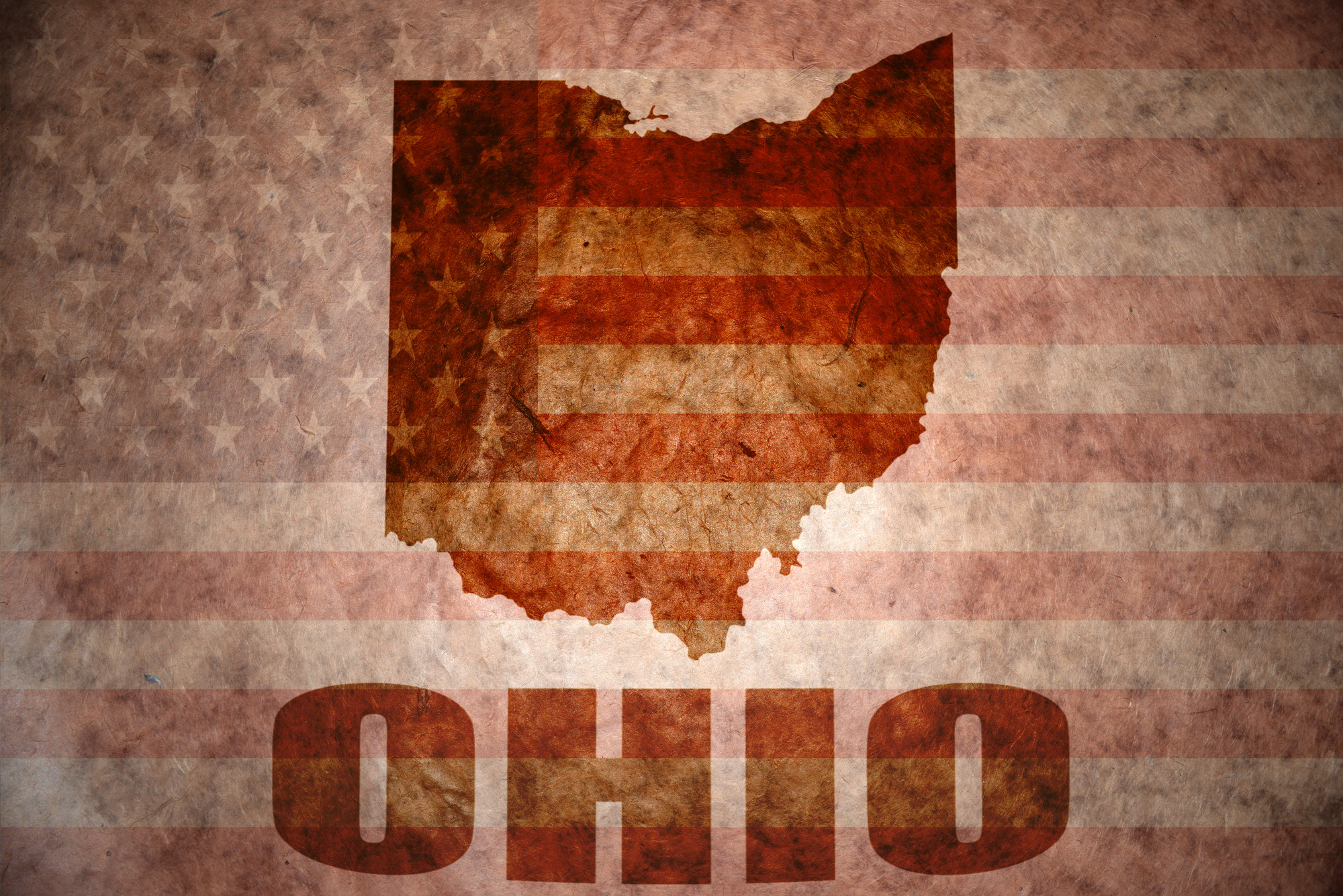
Ohio and North Carolina have argued for over a century about which state deserves credit for aviation. The Wright brothers built and tested their plane in Ohio, but they flew it for the first time in Kitty Hawk, North Carolina.
Ohio’s license plates say ‘Birthplace of Aviation,’ while North Carolina’s say ‘First in Flight.’ The argument got so intense that Ohio threatened to dig up the Wright brothers and move them if North Carolina didn’t back down.
Both states still claim the title and probably always will.
Montana’s Berkeley Pit Is A Toxic Lake That Kills Birds
What started as a copper mine in Butte, Montana, eventually became one of the largest toxic lakes in the country. After the mine closed in 1982, water started filling the massive pit and dissolved all the heavy metals and chemicals left behind.
The water became so poisonous that it killed birds that landed on it. In 1995, a whole flock of geese died after stopping there during migration.
The lake is now over 900 feet deep and still growing.
Michigan’s Upper And Lower Parts Almost Became Separate States
Michigan’s Upper Peninsula wasn’t originally supposed to be part of Michigan at all. The territory belonged to Wisconsin until a border dispute with Ohio in the 1830s forced a compromise.
Michigan gave up its claim to the Toledo Strip and got the Upper Peninsula instead, even though there was no land connection between the two parts. Many people in the Upper Peninsula still feel more connected to Wisconsin than to the rest of Michigan, and some jokingly call themselves ‘Yoopers’ to set themselves apart.
Rhode Island Was Last To Ratify The Constitution
It took longer than any other – Rhode Island waited more than two years before saying yes to the U.S. Constitution. Called ‘Rogue Island’ for holding back, people there feared giving up control too soon.
Not until May 29, 1790, did they agree, barely winning approval with just 34 votes against 32. While delay stretched on, Washington’s government began acting as if the place wasn’t part of the union at all.
Trade barriers loomed close, pushed by frustration over refusal to join.
Few People Know It, Yet That Piece Of Land Changed Hands At A Price Below Two Pennies An Acre
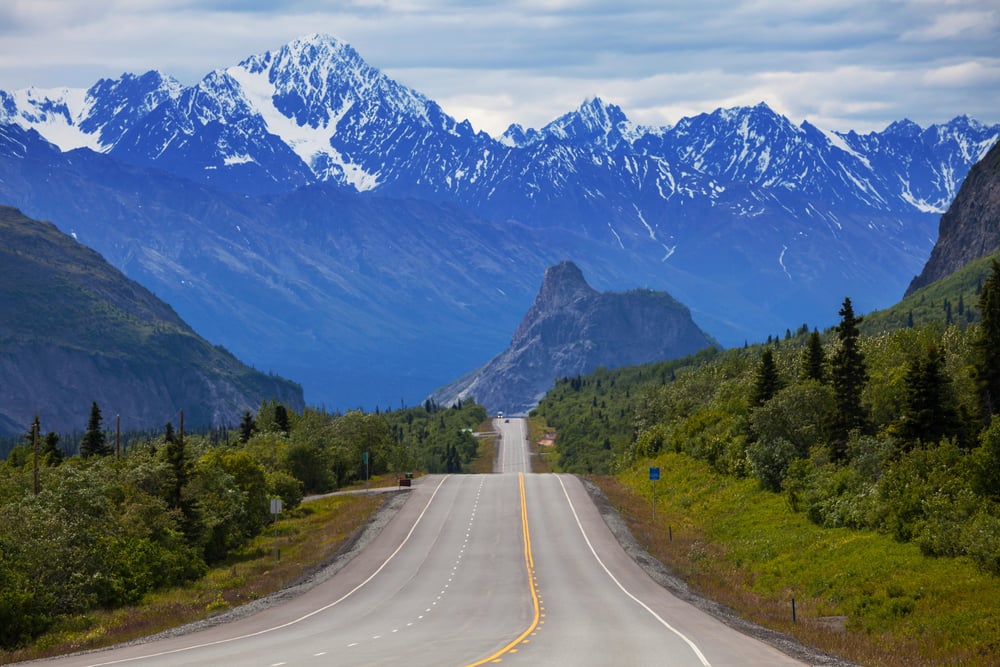
Back when the U.S. took over Alaska from Russia in 1867, plenty of people laughed – naming it ‘Seward’s Folly’ after William Seward, the man behind the talks. That piece of paper cost seven-point-two million dollars, roughly two cents every acre across nearly six hundred thousand square miles.
Editors had a field day, calling it a frozen wasteland with zero worth. But everything shifted once gold glittered up north in the Klondike, then oil came rushing in later; value exploded overnight.
Overnight, what seemed like nonsense turned into one of the smartest moves ever made.
How Yesterday’s Oddities Became Today’s Stories
Out in the open fields of memory, odd events from long ago still echo through towns dotting the map. These quirks helped mold how people live now, coloring daily life with local flavor.
A few oddities drew visitors curious to see where it happened; some taught hard lessons after plans went sideways. Yet every tale shows history lives beyond textbooks and speeches.
Often, the strangest tales linger loudest – revealing truths nothing else can.
More from Go2Tutors!

- The Romanov Crown Jewels and Their Tragic Fate
- 13 Historical Mysteries That Science Still Can’t Solve
- Famous Hoaxes That Fooled the World for Years
- 15 Child Stars with Tragic Adult Lives
- 16 Famous Jewelry Pieces in History
Like Go2Tutors’s content? Follow us on MSN.



