Surprising History of Household Cleaning Products
Ancient Romans cleaned their togas with stale urine collected in public pots.
Medieval Europeans believed bathing was dangerous.
And the sparkling clean homes of today owe more to accidental discoveries and wartime innovation than deliberate invention.
Below are household cleaning staples whose origins reveal just how recently humans figured out how to actually sanitize their living spaces.
Soap

The earliest evidence of soap-like substances dates back to ancient Babylon around 2800 BCE.
Clay cylinders described mixing fats with ashes — though historians debate whether these recipes were for cleaning or textile processing.
Romans preferred their urine method for laundry.
Soap existed but wasn’t popular for bathing.
The fall of Rome actually set hygiene back centuries, with soap-making knowledge preserved mainly in Middle Eastern and Mediterranean regions.
Bleach
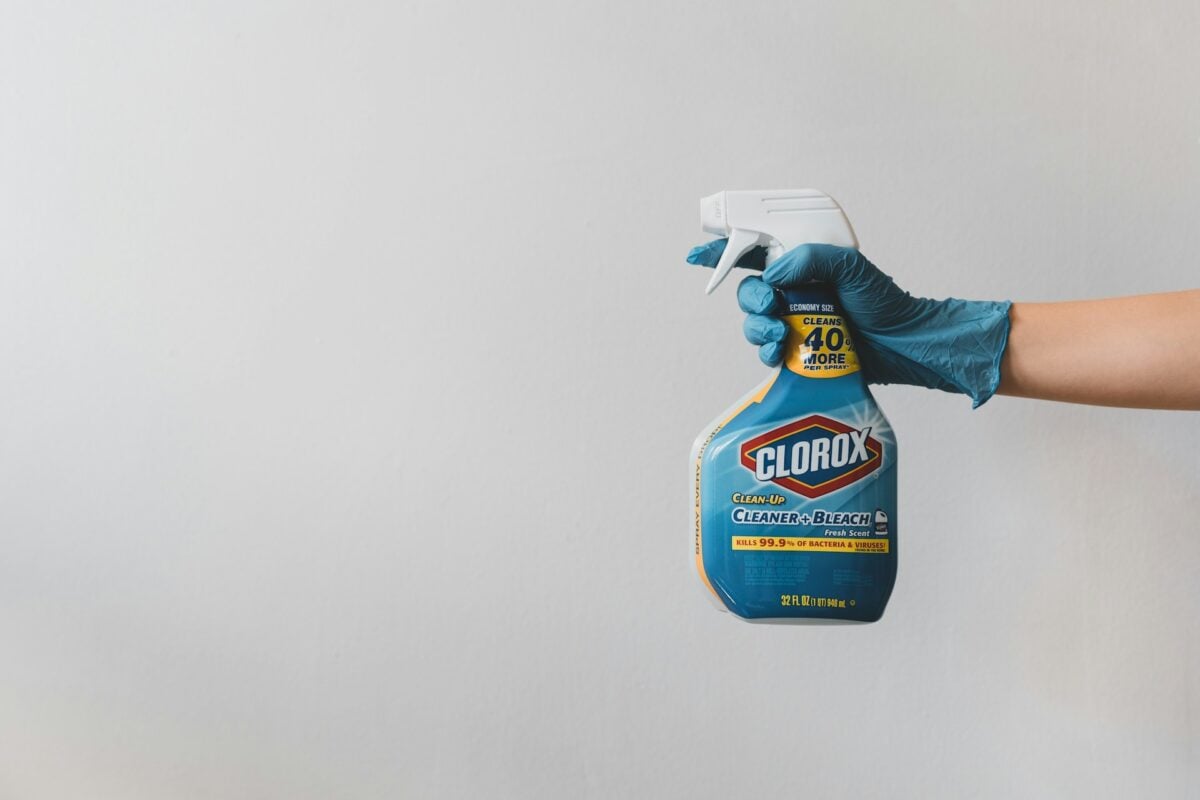
French chemist Claude-Louis Berthollet discovered sodium hypochlorite’s whitening properties in 1785.
Not for laundry at first.
He was experimenting with chlorine gas reactions.
Textile manufacturers immediately recognized its potential.
By the early 1800s, bleaching powder became commercially available, revolutionizing both fabric production and eventually household cleaning.
The sharp smell still triggers memories in anyone who’s ever over-poured it.
Ammonia
oerendhard1
Ancient Egyptians produced ammonia by heating animal dung and urine salts.
They called it “sal ammoniac” after the temple of Jupiter Ammon, where deposits were collected from camel dung near the shrine.
For centuries, it remained an industrial chemical.
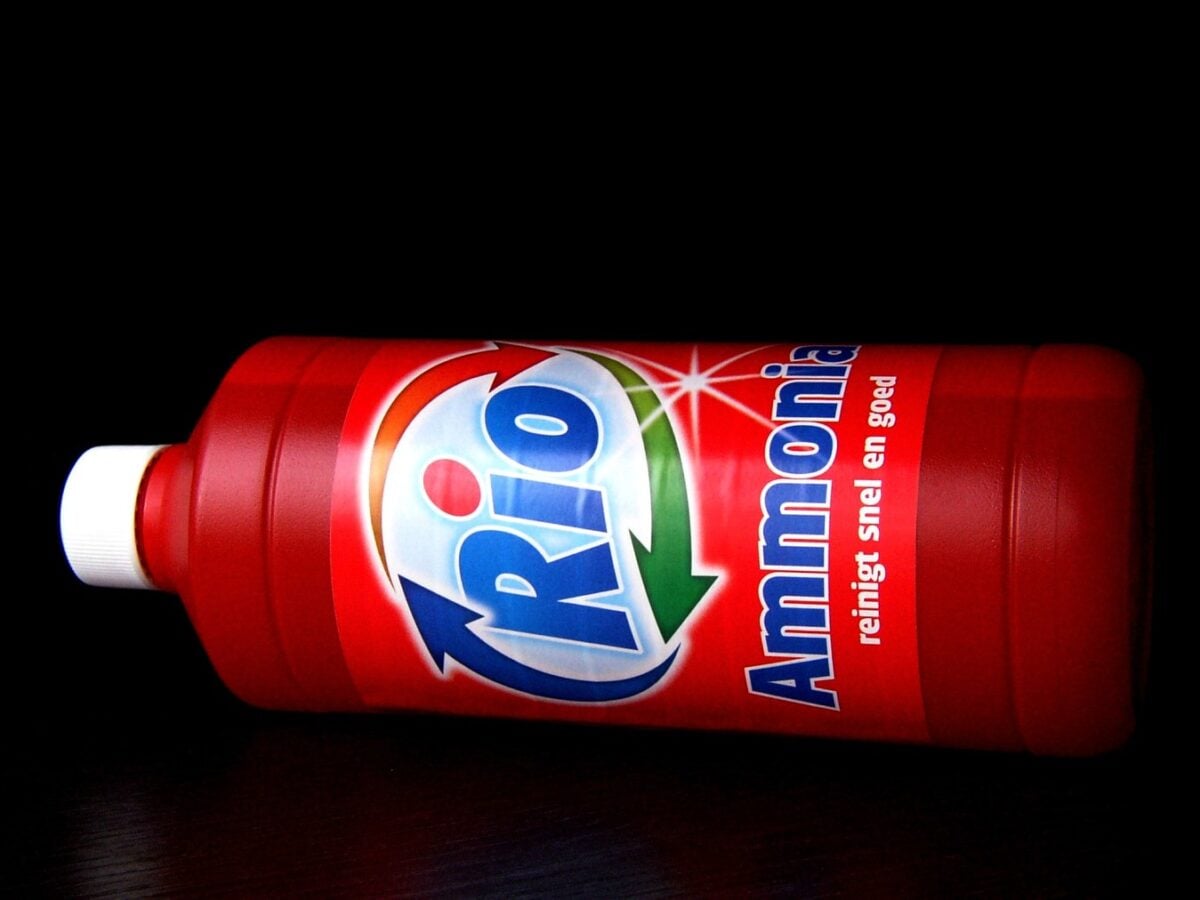
Household use didn’t become common until the 1900s when companies started diluting and bottling it as a glass cleaner.
Still works better than most modern alternatives.
Baking Soda
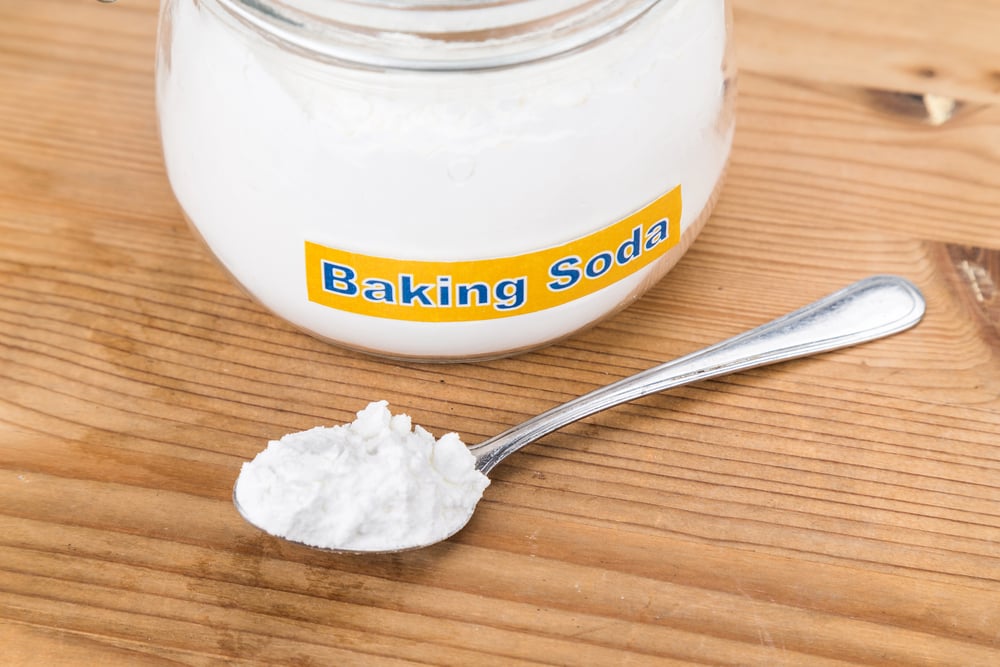
Arm & Hammer started selling baking soda in 1846, but sodium bicarbonate itself had been used for millennia.
Ancient Egyptians harvested natron — a naturally occurring mixture containing sodium bicarbonate — from dry lake beds to preserve mummies and clean their homes.
The modern kitchen staple emerged from this ancient tradition.
And yet most people today only remember to buy it when their refrigerator starts smelling like last month’s takeout.
Vinegar
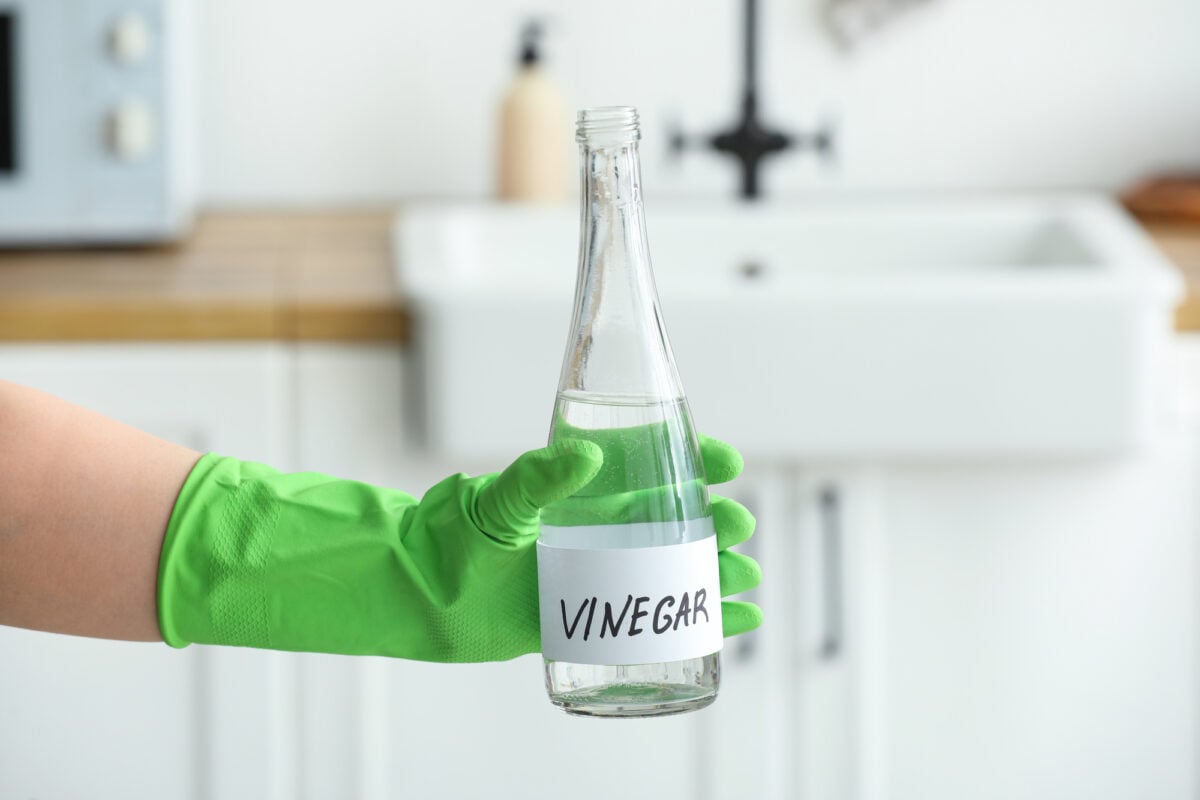
Acetic acid fermentation happens naturally when alcohol is exposed to air.
Every ancient civilization that made wine or beer accidentally made vinegar too.
The Babylonians used it around 5000 BCE for preserving food and as a cleaning agent.
Romans added it to water for drinking (posca).
Medieval Europeans used it to combat plague.
Victorian households relied on it for everything from pickling to window washing.
The same bottle has been sitting in kitchens for 7,000 years.
Borax
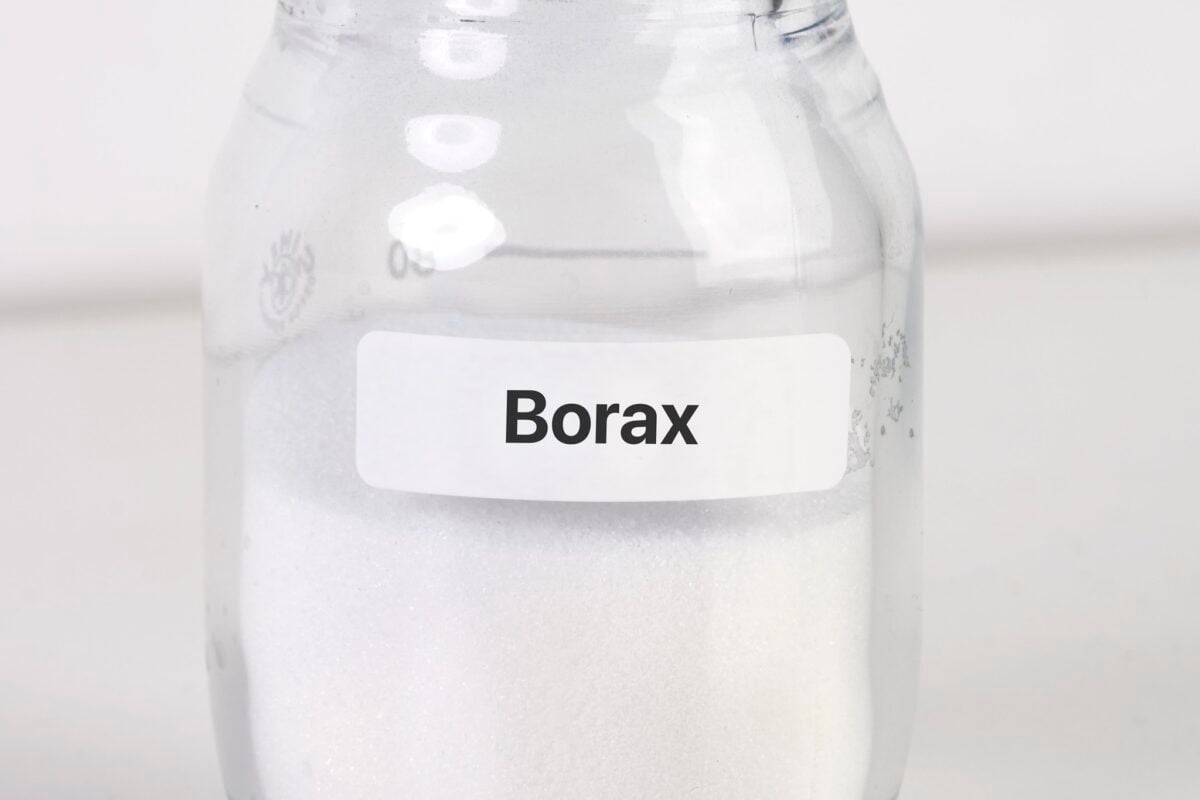
Chinese alchemists were importing borax from Tibet as early as 300 CE.
Europeans didn’t encounter it until Marco Polo’s travels in the 13th century brought knowledge of this mysterious white powder westward.
Commercial mining began in California and Nevada during the 1860s.
The 20 Mule Team brand became iconic, named after the actual mule teams that hauled borax 165 miles across Death Valley.
Today it’s banned in some countries but still sold freely in others — regulatory agencies can’t agree on its safety profile.
Lye
Potassium hydroxide, made from wood ash and water, gave pioneer households their cleaning power.
The process was simple:
- Collect hardwood ashes
- Pour water through them repeatedly
- Boil down the liquid until concentrated
- Mix with fat to make soap
But lye itself was caustic enough to strip paint. And skin.
And pretty much anything organic.
Colonial women knew to keep it away from children and treat it with the same respect as poison.
Pine-Sol

Created in 1929 by Harry A. Cole in Mississippi, Pine-Sol began as a pine oil-based cleaner.
The original formula actually contained real pine oil extracted from trees.
Modern versions use synthetic pine scent.
The smell still evokes sterile cleanliness in the minds of millions, even though the chemistry changed decades ago.
Marketing won over authenticity.
Lysol
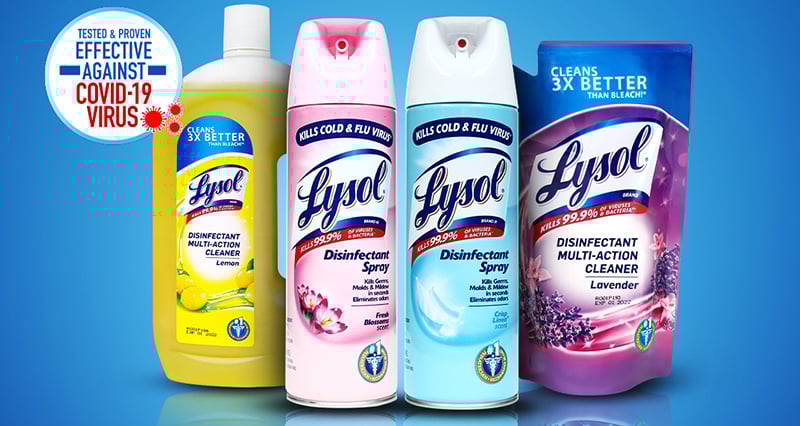
Initially marketed in 1889 as a surgical disinfectant.
Then, disturbingly, as a feminine hygiene product through the 1960s.
Advertisements suggested women use it for “intimate cleanliness” to maintain their marriages — a recommendation that was both ineffective and dangerous.
The FDA eventually cracked down.
Lysol returned to its legitimate purpose: killing germs on hard surfaces.
The company doesn’t advertise that chapter of its history.
Ajax
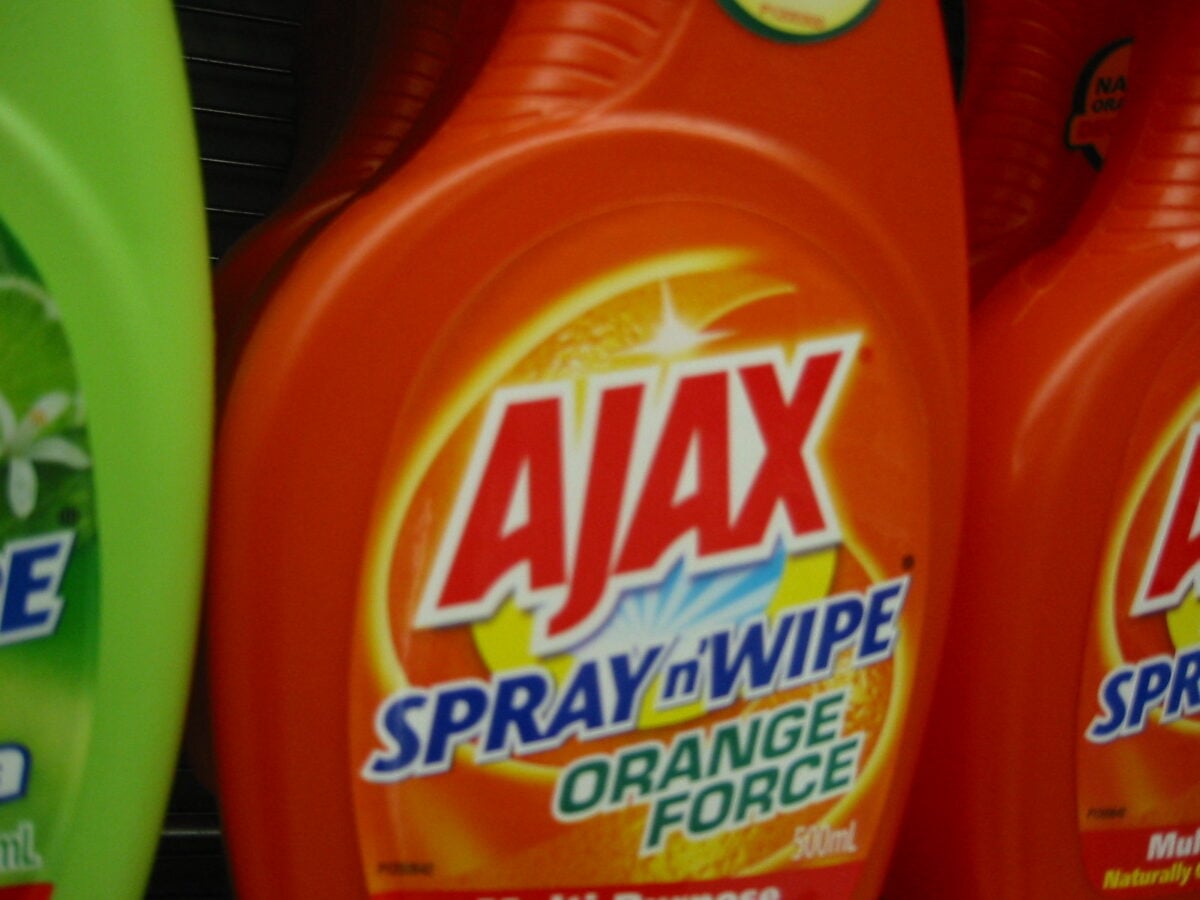
Colgate-Palmolive introduced Ajax cleanser in 1947, named after the Greek warrior known for his strength.
Post-WWII America wanted powerful cleaning solutions, and Ajax delivered with its abrasive powder formula.
The product rode the wave of suburban expansion and the rise of homemaking culture in the 1950s.
Television commercials featuring the “Ajax Pixies” became cultural touchstones.
Nothing whispered “midcentury modern” quite like that cylindrical container under the sink.
The Clean Revolution
Cleaning products evolved from accidental discoveries and desperate measures into the billion-dollar industry that now offers seventeen varieties of the same disinfectant.
Humans spent thousands of years figuring out basic sanitation — then perfected it in roughly fifty years during the 20th century.
More from Go2Tutors!

- The Romanov Crown Jewels and Their Tragic Fate
- 17 Halloween Costumes Once Considered Taboo
- Famous Hoaxes That Fooled the World for Years
- 15 Child Stars with Tragic Adult Lives
- 16 Famous Jewelry Pieces in History
Like Go2Tutors’s content? Follow us on MSN.