Actors, Authors, Athletes, and Other Famous Figures Who Died Broke
Fame doesn’t guarantee fortune, and fortune doesn’t guarantee it will last. Throughout history, some of the most beloved and talented individuals have found themselves penniless at the end of their lives, despite achieving incredible success.
Their stories serve as sobering reminders that talent, popularity, and financial security don’t always go hand in hand.
Edgar Allan Poe
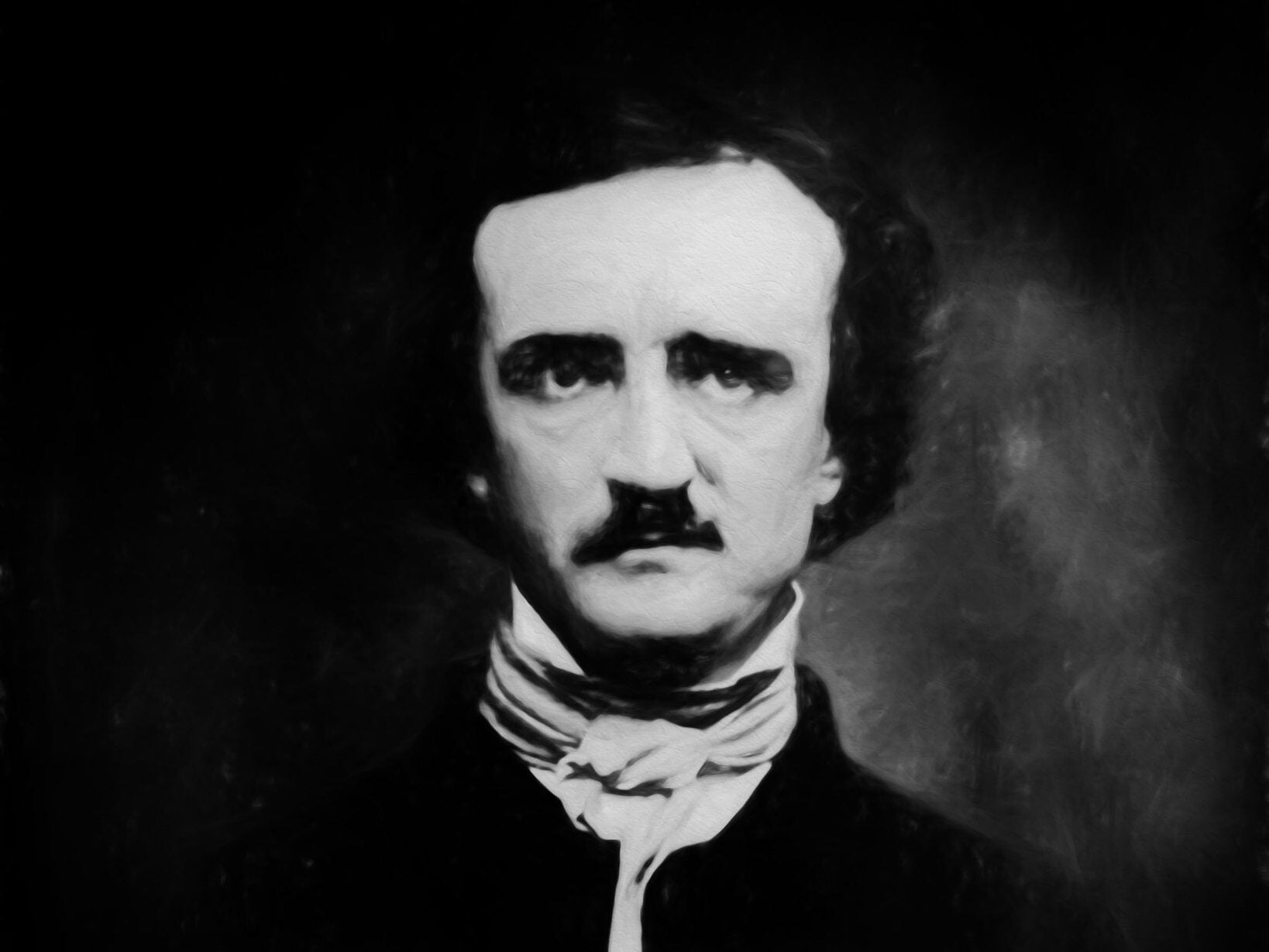
Poe died with 38 cents in his pocket. His gothic tales and haunting poetry would eventually influence generations of writers, but commercial success eluded him during his lifetime.
Publishers paid him practically nothing for masterpieces like “The Raven.”
Oscar Wilde

Prison destroyed Wilde financially. After serving two years for “gross indecency,” he fled to Paris where he lived in cheap hotels under an assumed name.
The wit who once dazzled London society died in poverty, reportedly saying on his deathbed that he was “dying beyond his means.”
Zora Neale Hurston

The circumstances that led Hurston to die in obscurity (and near-poverty) in 1960 reveal something troubling about how literary success gets measured, particularly for writers whose work doesn’t fit neatly into the categories that publishers and critics find comfortable. Her novel “Their Eyes Were Watching God” — now considered a masterpiece — was dismissed by many contemporary reviewers who couldn’t grasp what she was attempting, and by the time she died, working as a maid in Florida, the literary world had largely forgotten her contributions to American letters.
But here’s the thing about being ahead of your time: sometimes the time catches up, but not soon enough to matter to you personally.
And yet her work endured in ways that more “successful” contemporaries didn’t. So you wonder if the definition of broke needs expanding.
Joe Louis
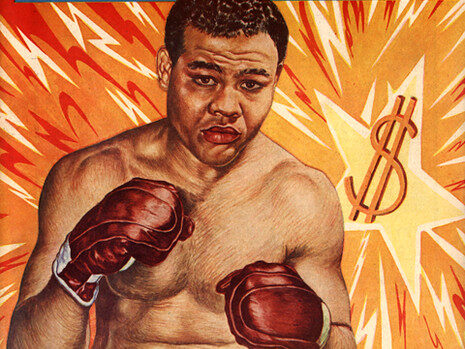
Boxing made Louis wealthy, then took it all away. The IRS pursued him relentlessly for back taxes while he struggled with the physical toll of too many fights.
America’s hero ended up working as a greeter in a Las Vegas casino to pay his bills.
Dorothy Dandridge
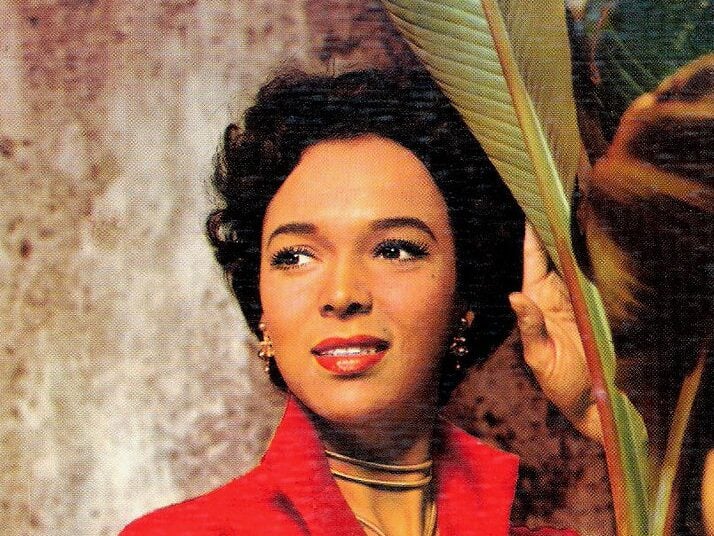
Dandridge was a pioneering Black actress and singer who received a Golden Globe nomination for “Bright Road” (1953), but Hollywood’s racist system offered her few meaningful roles. Bad investments and limited opportunities drained her finances.
She died alone in her apartment at 42, with $2.14 in her bank account.
Edgar Rice Burroughs
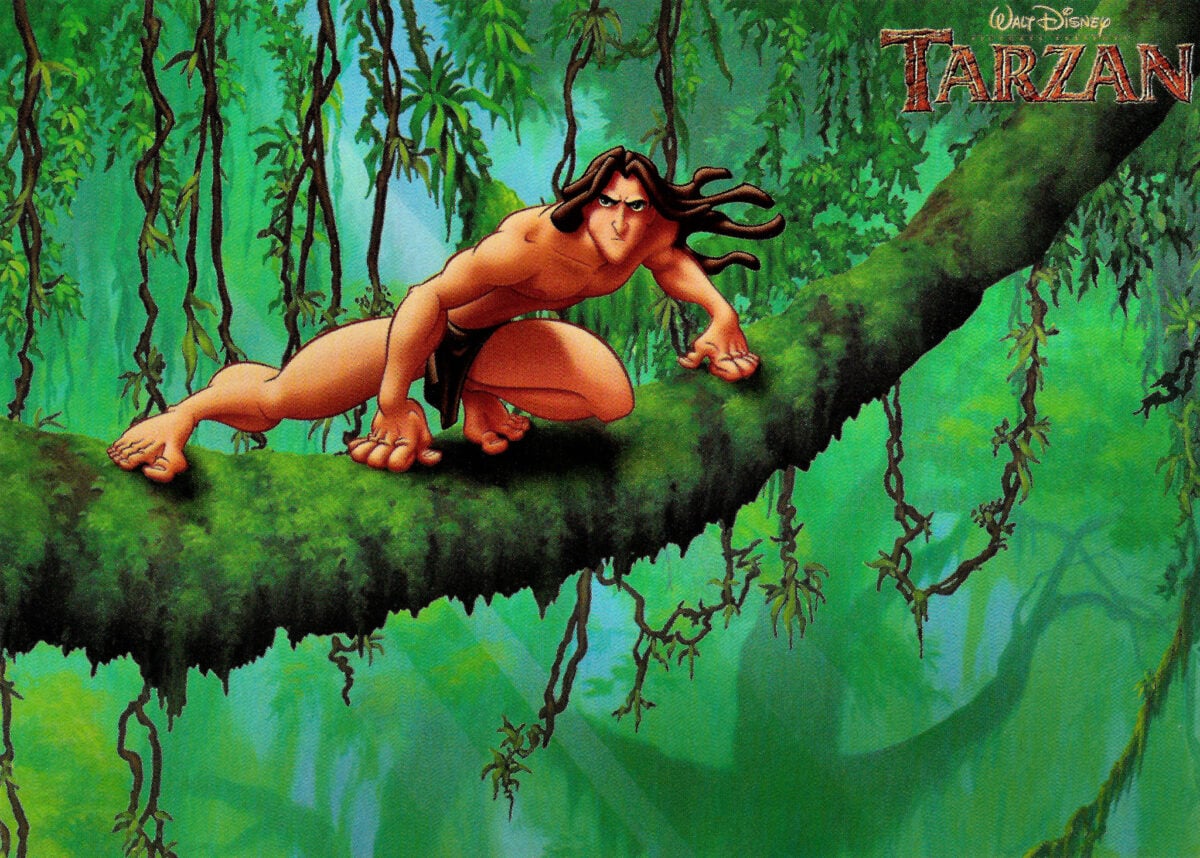
You’d think creating Tarzan would set someone up for life, and it should have (Burroughs was actually quite savvy about licensing and merchandising, pioneering many of the practices that modern franchises take for granted), but a series of business ventures that seemed sound at the time — a ranch, a planned community in California, various publishing endeavors — gradually consumed his Tarzan earnings, and by the time he died in 1950, the man who gave the world one of its most enduring characters was essentially broke, which seems particularly cruel given that Tarzan continues generating millions in revenue decades after his creator’s death.
The estate recovered, of course. But not in time for him.
Billie Holiday
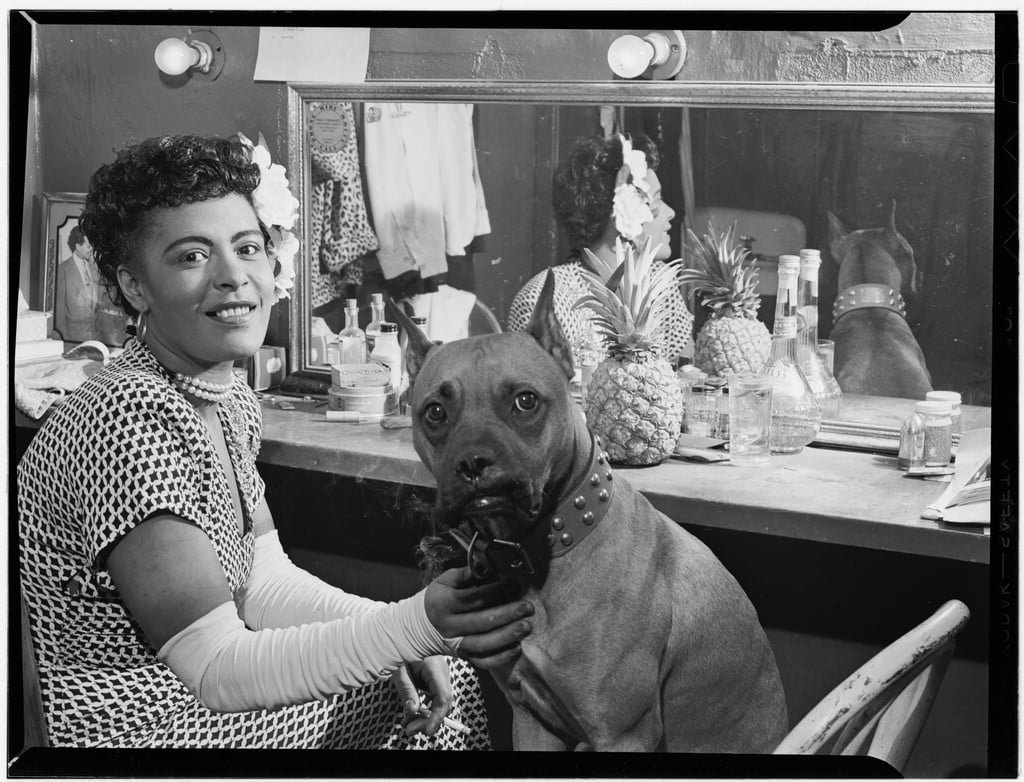
Holiday’s struggles with addiction and legal troubles stemming from her substance use created a vicious cycle. Record labels and club owners took advantage of her desperation, paying her poorly even as she packed venues.
She died with $750 in the bank and $1,000 taped to her leg — money she’d hidden from creditors and handlers.
Wolfgang Amadeus Mozart

Mozart composed over 600 pieces of music that still move audiences today, yet he was buried in an unmarked pauper’s grave. Court politics and poor financial management left one of history’s greatest composers destitute.
His wife had to sell his manuscripts to survive after his death.
Charlie Chaplin (Early Career)

Before becoming wealthy, Chaplin grew up in London’s workhouses and spent years struggling as a performer. His childhood poverty was so severe that he and his brother sometimes had to enter the workhouse when their mother couldn’t care for them.
The Little Tramp character drew directly from these experiences with destitution.
Herman Melville
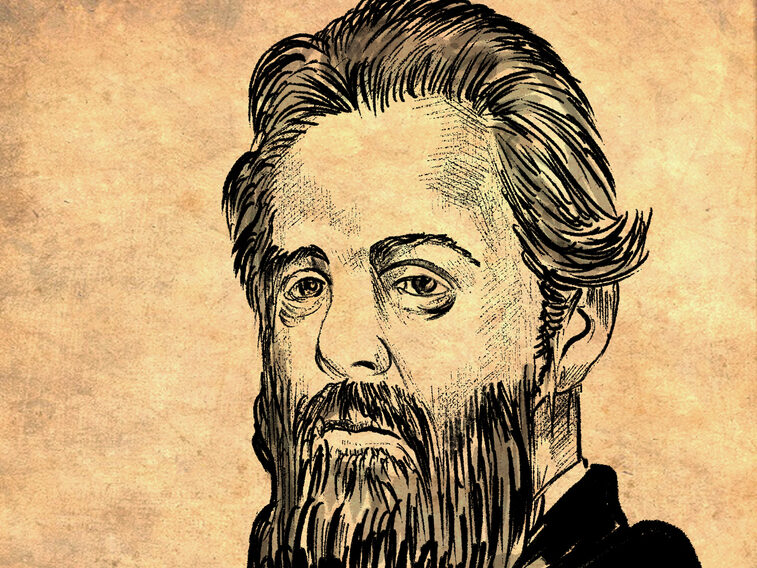
The famous whale is now considered one of America’s greatest novels, but it was a commercial disaster that effectively ended Melville’s career as a novelist. He spent his final decades working as a customs inspector in New York, largely forgotten by the literary world.
His masterpiece wasn’t rediscovered until decades after his death.
Buster Keaton
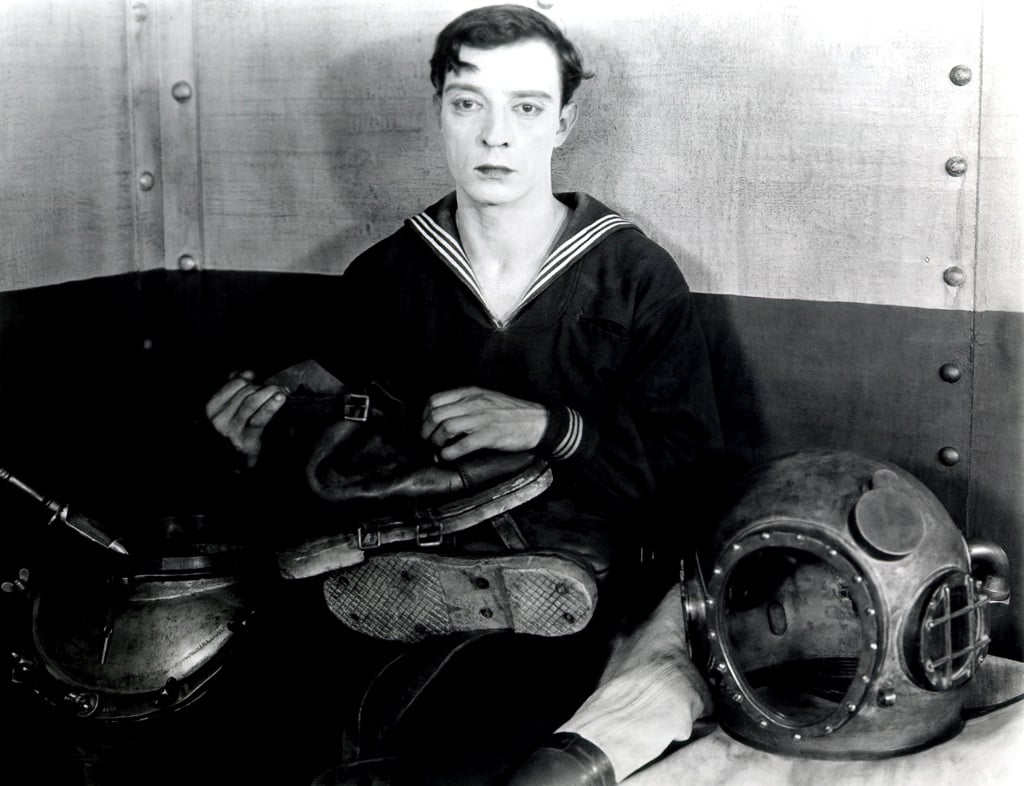
The physical comedy that made Keaton famous also destroyed his body and his bank account. Bad contracts with MGM stripped him of creative control while alcoholism derailed his career.
He spent his later years making industrial films and appearing in small television roles to make ends meet.
Tennessee Williams
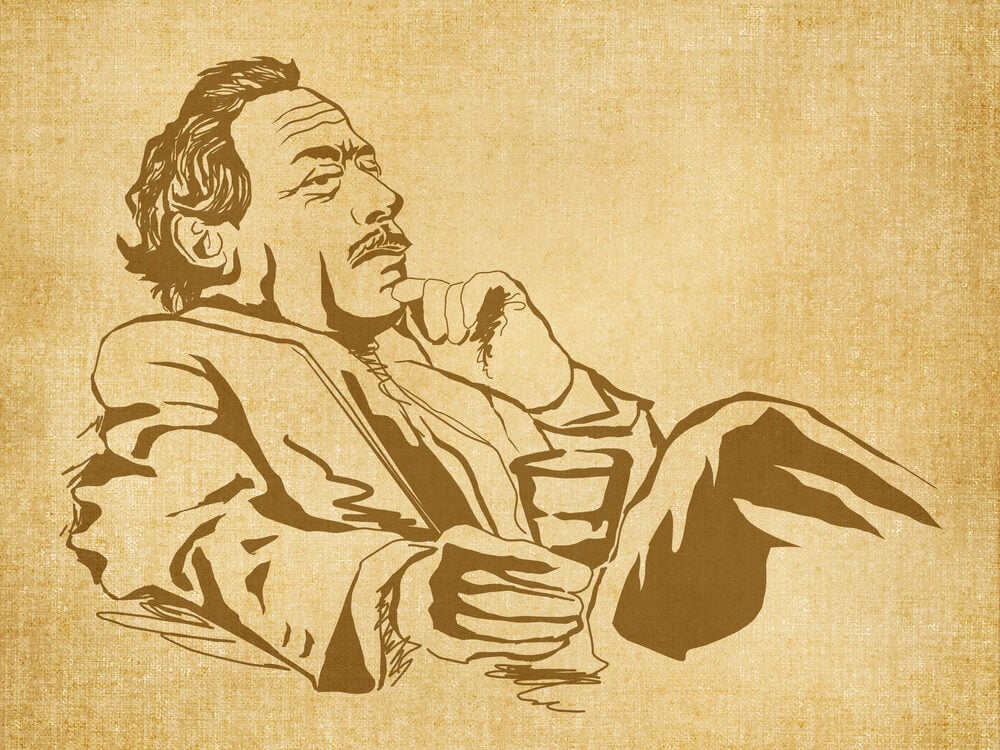
Williams earned millions from plays like “A Streetcar Named Desire” and “Cat on a Hot Tin Roof,” but addiction and paranoia consumed his later years. He became convinced that people were trying to steal his money and made increasingly erratic financial decisions.
By his death, most of his fortune had disappeared.
Judy Garland
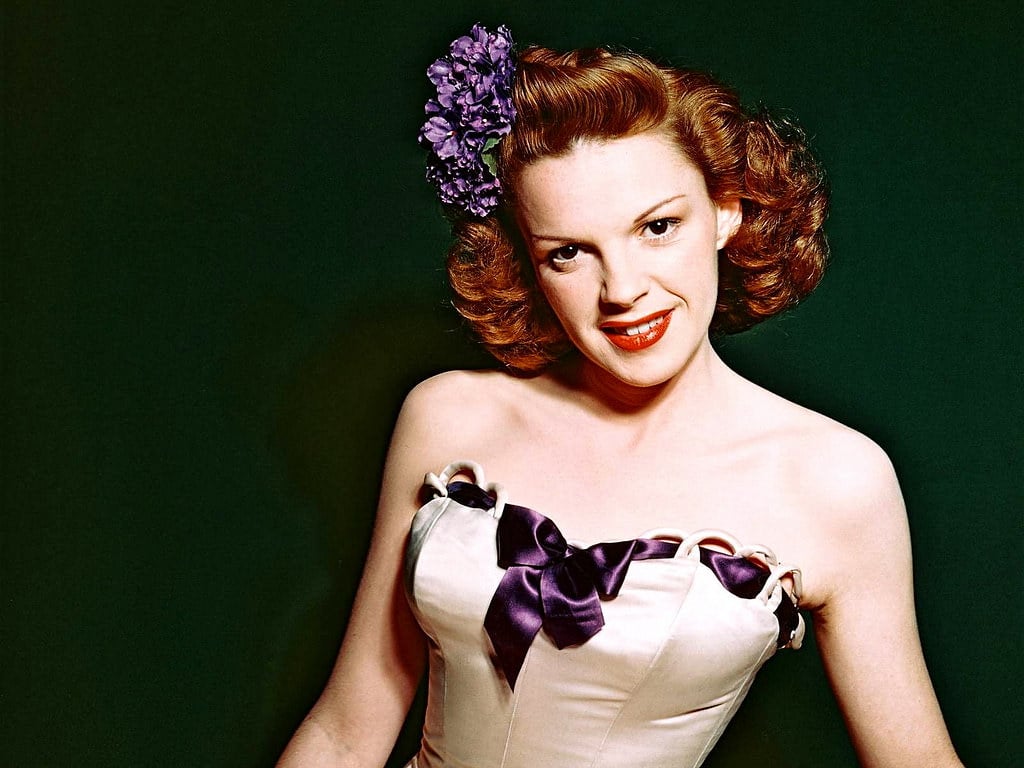
The studio system that made Garland famous also set her up for financial ruin. MGM controlled her earnings while feeding her pills to maintain their grueling schedule.
Years of legal battles, addiction treatment, and exploitation by managers left the “Wizard of Oz” star with massive debts when she died at 47.
When the applause fades

These stories share common threads — exploitation by the entertainment industry, addiction struggles, poor financial advice, and the harsh reality that artistic genius doesn’t guarantee business sense. Many of these figures created works that generate enormous profits today, enriching estates and corporations long after their creators died struggling to pay rent.
Their legacies remind us that fame and talent are fragile shields against life’s hardships, and that society often fails to protect its most gifted individuals when they need help most.
More from Go2Tutors!

- The Romanov Crown Jewels and Their Tragic Fate
- 13 Historical Mysteries That Science Still Can’t Solve
- Famous Hoaxes That Fooled the World for Years
- 15 Child Stars with Tragic Adult Lives
- 16 Famous Jewelry Pieces in History
Like Go2Tutors’s content? Follow us on MSN.