The 15 Most Watched TV Finales of All Time
There is something about a TV finale that hits differently. It’s not just the end of a show, it is the end of a routine, a ritual, a relationship people have built with characters over years.
When a beloved series signs off for the last time, viewers show up in numbers that put even big sporting events to shame. So here’s the thing: some of these finales drew audiences so enormous that they basically broke what we know about TV ratings.
From crying at Boston bars to laughing through Korean War tents, these are the shows that people refused to miss.
Gunsmoke
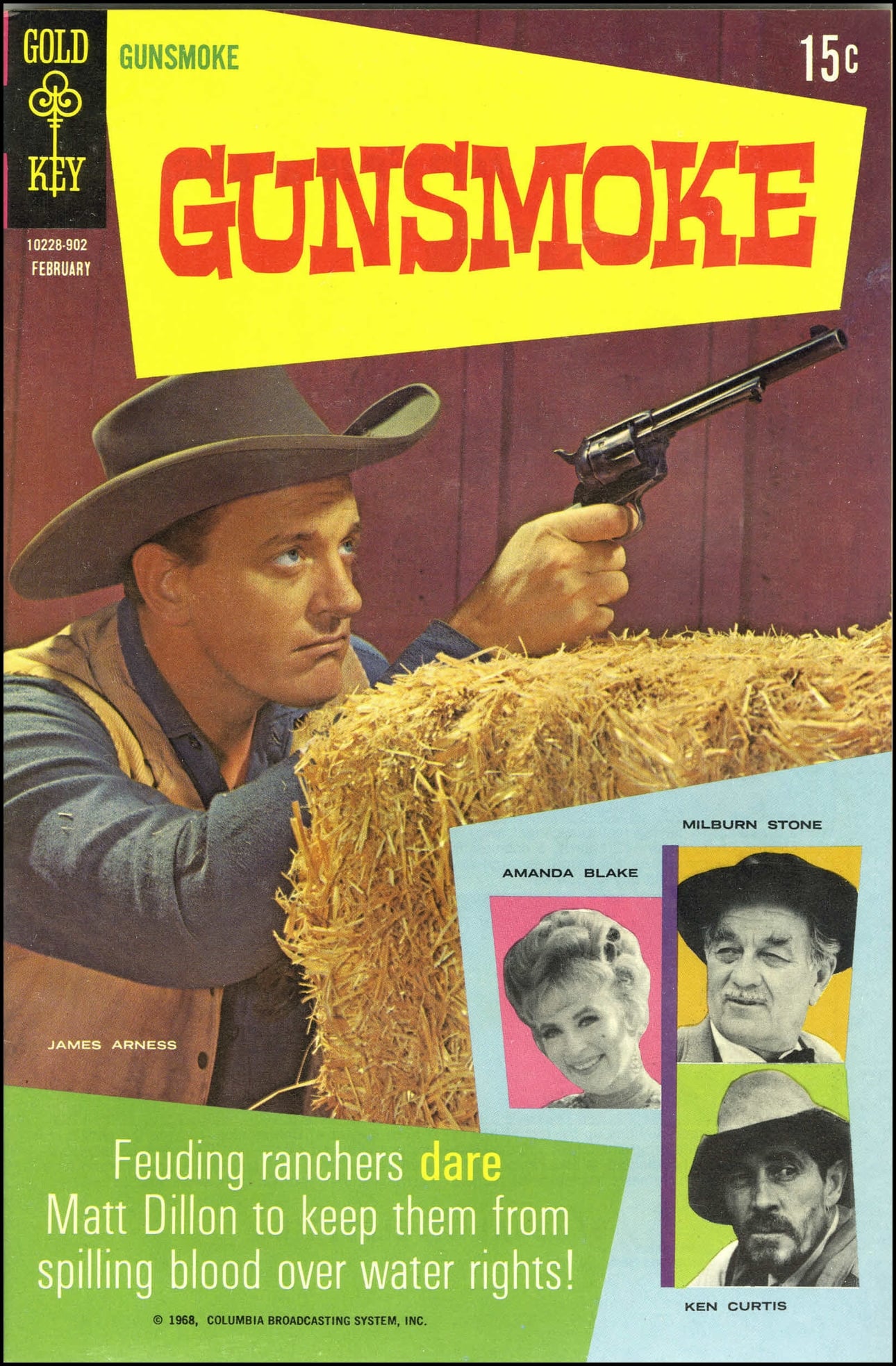
Gunsmoke ran for 20 seasons, making it one of the longest-running scripted shows in American TV history. That alone is a record worth celebrating.
When it finally ended in 1975, roughly 30.9 million viewers tuned in, even though the cast did not know it was the last episode, since the network had not officially confirmed the cancellation in time for a proper send-off. The episode, ‘The Sharecroppers,’ was just a regular story about frontier life, with no dramatic goodbye or tearful farewell.
Still, 30.9 million people watched, and the show later returned through five TV movies.
Star Trek: The Next Generation

Set nearly a century after the original Star Trek, this series brought a whole new generation of fans into the franchise. Captain Jean-Luc Picard, played by the brilliant Patrick Stewart, became one of the most respected figures in sci-fi television.
The two-part finale, ‘All Good Things…,’ sent Picard traveling through time to prevent a disaster that threatened all of humanity, and it earned universal praise for wrapping up the series with intelligence and heart. Around 31 million viewers watched in 1994, a particularly impressive number given that the show aired in syndication rather than on a traditional network broadcast slot.
Everybody Loves Raymond
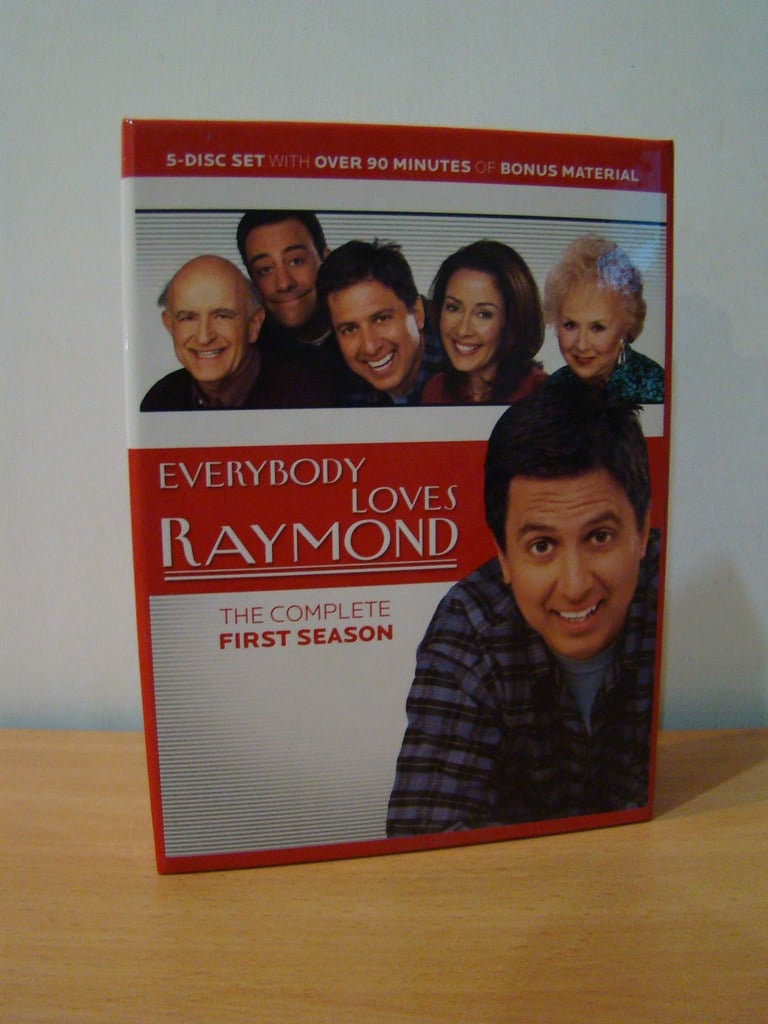
Nine seasons of family chaos, passive-aggressive in-laws, and Ray Barone’s wonderfully relatable problems kept audiences coming back week after week. The show’s finale in 2005 drew 32.9 million viewers, which is remarkable considering how fragmented TV audiences had already become by that point.
The episode kept things true to the show’s spirit: Ray goes in for minor surgery, things briefly go sideways, the family panics, and they all end up arguing at the breakfast table as usual. No dramatic twist, no big speech.
Just the Barones being the Barones, and that was more than enough. It also holds the record as the most recent series finale to pull in over 22 million viewers.
Dallas

Dallas was the show that proved America loved watching rich, scheming families tear each other apart on prime-time television. The series ran for 14 seasons and became a global phenomenon, best known for the ‘Who Shot J.R.?’ cliffhanger that gripped the entire world in 1980.
By the time the finale aired in 1991, the numbers had thinned out compared to the show’s peak, but 33.3 million people still showed up for ‘Conundrum,’ a two-hour special that saw J.R. Ewing faces an existential reckoning with his life choices. The episode ended on a deliberately ambiguous note, leaving viewers to wonder whether J.R. had survived, which was exactly the kind of dramatic exit a show like Dallas deserved.
Frasier

Frasier holds a rare distinction in TV history: it is a spinoff that became bigger and better-loved than the show it came from. Running for 11 seasons after splitting off from Cheers, the show followed the brilliantly neurotic Frasier Crane as he returned to Seattle, reconnected with his father and brother, and hosted a radio psychiatry program.
The finale, ‘Goodnight, Seattle,’ pulled in 33.7 million viewers in 2004, which was a fitting send-off for a show that had won 37 Emmy Awards during its run, a record at the time. Frasier ultimately chose to leave Seattle and start over again, and fans accepted the bittersweet ending because the show had always been about self-reinvention.
Home Improvement

Tim Allen’s Home Improvement was a defining show of the 1990s, built on the very relatable premise of a man who talks about tools all day but cannot fix things at home without causing a disaster. The show ran for eight seasons, and while its ratings had dipped in later years, the three-part finale brought 35.5 million viewers back to their screens in 1999.
Tim and his wife Jill faced a real decision about moving their family for a job opportunity, and neighbor Wilson finally stepped out from behind his iconic fence and showed his face after years of keeping it hidden. That moment alone was worth the price of admission for fans who had waited eight seasons for it.
Family Ties
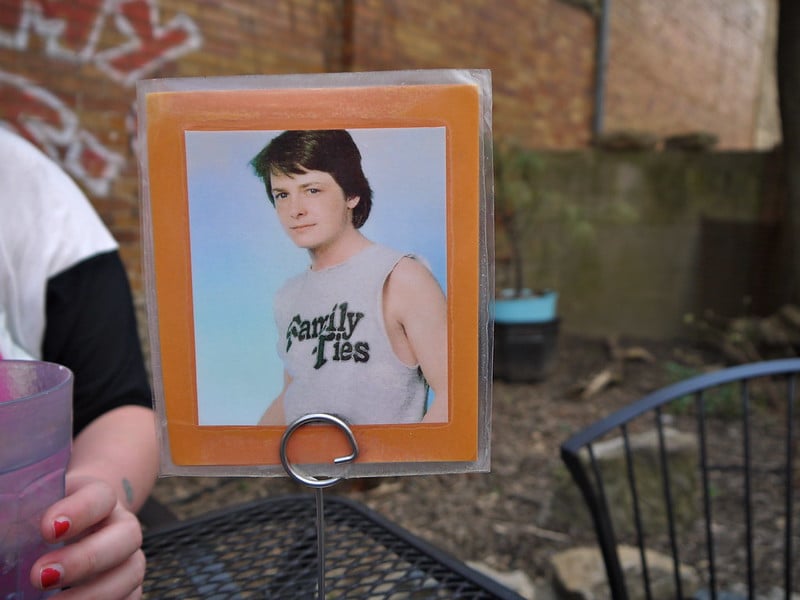
Family Ties gave Michael J. Fox his big break and turned him into one of the biggest stars on television throughout the 1980s. He played Alex P. Keaton, a sharply dressed, conservative teenager raised by liberal former hippie parents, and the clash between them drove some of the sharpest comedy of its era.
Fox won three Emmy Awards for the role, and when the show ended in 1989 with Alex leaving home for a dream job in New York, 36.3 million viewers tuned in. The finale struck the right note between funny and emotional, letting the characters say goodbye in a way that felt true to who they were rather than forcing a neat ending.
All In The Family
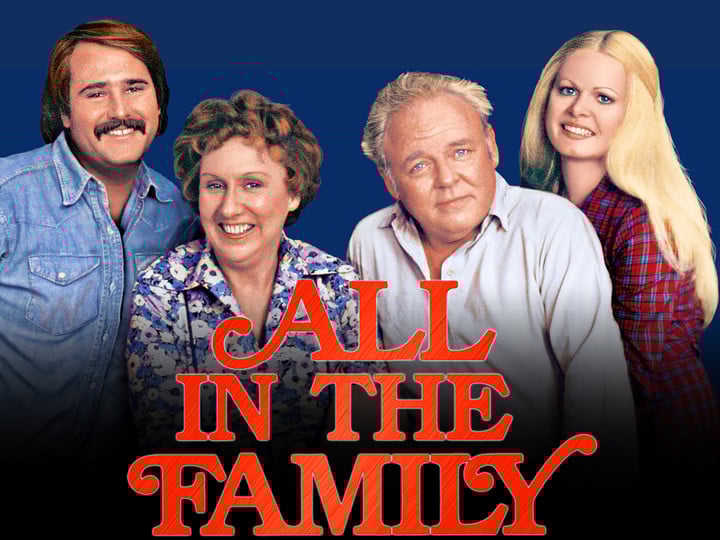
All in the Family changed what American sitcoms were allowed to talk about. The show tackled race, gender, politics, and class in ways that had never been done on prime-time network television before, and it did so through the loudmouth but oddly lovable Archie Bunker.
Carroll O’Connor’s performance was one of the great acting achievements in TV history, and when the series ended in 1979, 40.2 million viewers came to say goodbye. The finale gave Archie a rare moment of tenderness, as he admitted to his ailing wife Edith that he would be lost without her.
For a character famous for never showing his feelings, it was a quietly powerful ending.
The Cosby Show

The Cosby Show ran for eight seasons and was consistently one of the highest-rated shows on American television throughout the 1980s. It focused on the Huxtable family, a professional African American household in Brooklyn, and it became a cultural touchstone for its warm, funny, and grounded portrayal of family life.
The two-part finale in 1992 drew 44.4 million viewers and centered on Theo graduating from college, a moment the show had been building toward for years. The final scene, in which Cliff and Clair dance together in their living room before the camera pulls back to show the studio audience, was a perfect, joyful send-off for a show that had been built on warmth and humor from the very beginning.
Magnum, P.I.
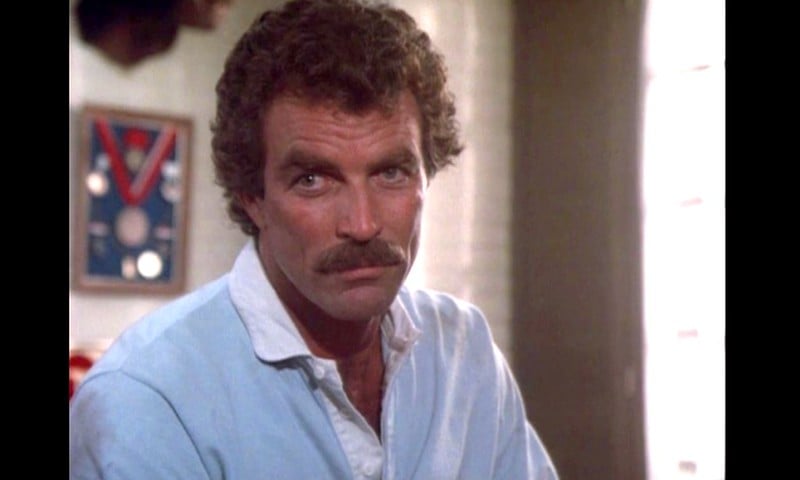
Tom Selleck as Thomas Magnum was one of the coolest characters on 1980s television. The show ran for eight seasons set in Hawaii and followed a Vietnam veteran working as a private investigator with a remarkable mustache and an even more remarkable ability to land in trouble.
The finale story was actually produced twice: fans were so upset when Magnum appeared to die at the end of the seventh season that the network brought the show back for an eighth season just to give him a proper goodbye. The actual finale, ‘Resolutions,’ drew 50.7 million viewers in 1988 and gave Magnum a clean, satisfying ending as he rejoined the Navy and closed the chapter on his years as a private investigator.
Friends

Friends ended in 2004, and the finale drew 52.5 million viewers at a time when streaming services and hundreds of cable channels had already pulled audiences in many different directions. That makes it all the more impressive.
The show had spent 10 seasons building toward the question of whether Ross and Rachel would finally get together for good, and the finale delivered the answer most people had been hoping for since the pilot episode. Rachel got off the plane.
People genuinely gasped. The show found new life on streaming platforms years later, introducing entirely new audiences to Central Perk and proving that a great ensemble comedy never really goes away.
Seinfeld
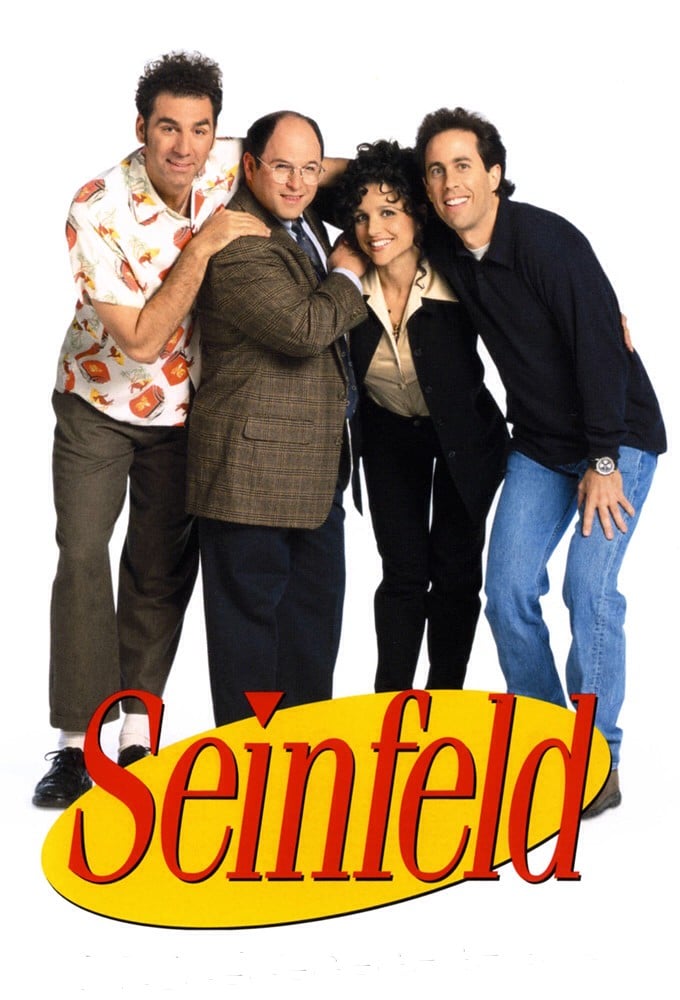
Seinfeld’s finale is one of the most talked-about in TV history, and not entirely for good reasons. The show ended in 1998 with 76.3 million viewers watching, which put it firmly in the same territory as a Super Bowl audience.
Seinfeld, George, Elaine, and Kramer were arrested for violating a Good Samaritan law while watching a man get robbed, and the episode brought back dozens of characters from across the show’s nine seasons to testify against them. Fans had wildly different reactions: some thought it was a clever, fitting conclusion for characters who had spent a decade being selfish, while others felt deeply let down.
Either way, everyone watched, and the debate about whether it worked has never fully ended.
The Fugitive
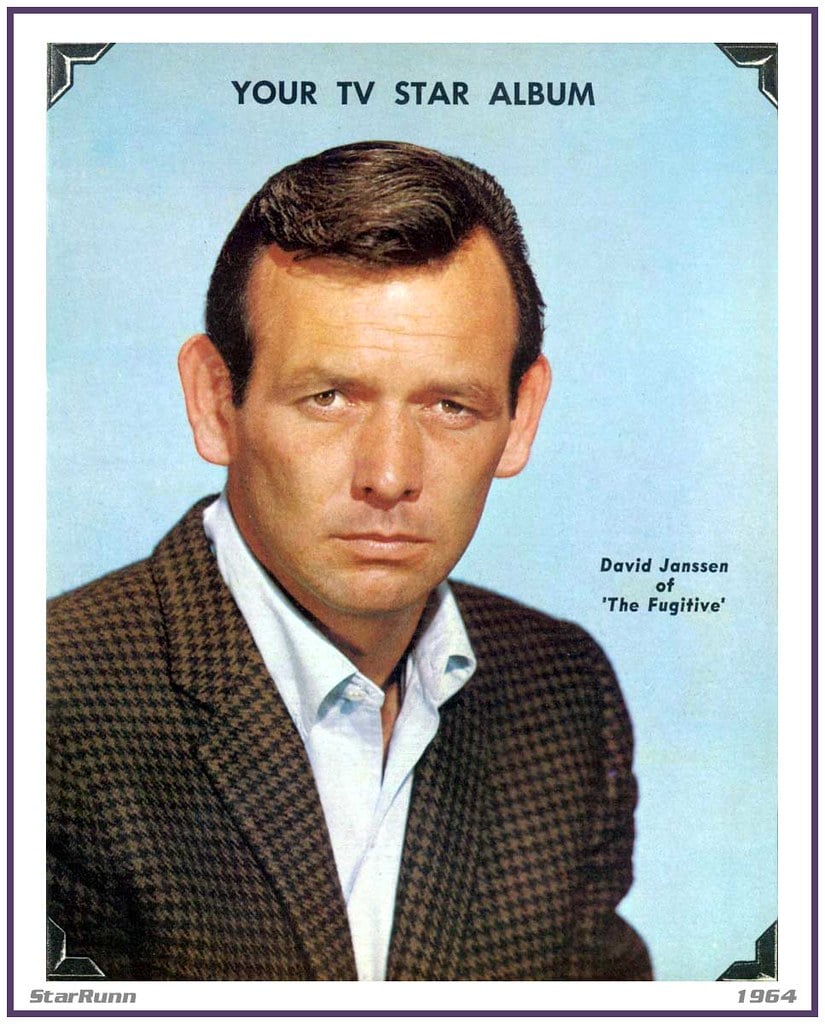
The Fugitive was a drama series that ran from 1963 to 1967, following Dr. Richard Kimble, a man convicted of murdering his wife who escaped and spent years on the run while chasing the one-armed man he believed was the real culprit. It was the kind of show that kept viewers on the edge of their seats week after week, and when the finale aired in August 1967, roughly 78 million people watched to finally find out the truth.
At the time, it was the most-watched episode in American television history. The finale is widely credited with inventing the modern concept of the TV series finale as a cultural event, and it inspired the 1993 Harrison Ford film of the same name.
Cheers
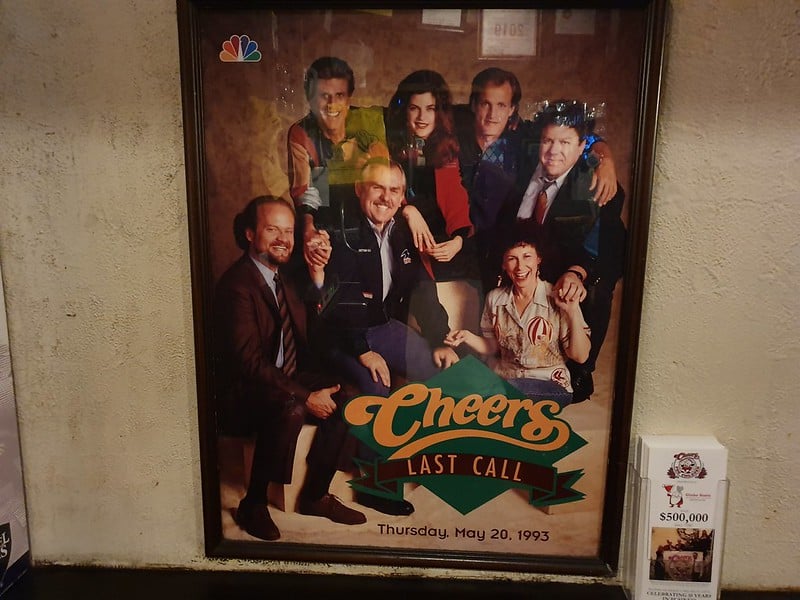
One night in May 1993, a TV episode pulled more than eighty million viewers just to say goodbye. Cheers wasn’t just a show – it became a place folks visited like an old friend.
Eleven years went by, each season adding to its warmth, held together by faces now etched into living rooms everywhere. At the center stood Ted Danson, playing Sam Malone, a guy who flirted with trouble almost as much as he did with customers.
When the last chapter aired, even Shelley Long came back, slipping once more into the role of Diane Chambers. Their story, tangled for so long, finally got its closing note – would they stay together?
Turned out, Sam let love go quiet. Instead, he walked through the empty bar alone, switched off the lights, locked the door behind him.
That moment didn’t need big speeches. Some endings feel right because they match how things always were.
Home isn’t always a person. Sometimes it’s four walls, laughter caught in wood grain, and a stool saved just for you.
MASH

That night in 1983 changed how people saw TV endings. MASH closed its story on February 28 with a stretch of ninety minutes that gripped 105.9 million viewers.
One of every three U.S. citizens tuned in back then, when choices were limited – just three channels, nothing saved, nowhere else to go. Streaming? Not even imagined yet.
The series built eleven years of depth inside a war zone far from home, using humor and pain like few shows dared. Its farewell episode met those high hopes without faltering.
For nearly three decades afterward, no single broadcast pulled more eyes – not sports, not news, not anything. Only in 2010 did a football game barely surpass it.
A Screen Age Gone For Good

Finales like these come from an era when TV united the country, pulling folks from every city into one room through screens on the same night. Now streaming scatters that moment.
Episodes conclude, actors walk off screen for good, viewers feel the weight just as before. Yet gathering tens of millions together around a story – without touchdowns or playoffs – is nearly impossible today.
What remains isn’t merely data – it points to a presence long gone. Seasons built trust slowly, without showiness.
Their endings answered that loyalty plainly.
More from Go2Tutors!

- The Romanov Crown Jewels and Their Tragic Fate
- 13 Historical Mysteries That Science Still Can’t Solve
- Famous Hoaxes That Fooled the World for Years
- 15 Child Stars with Tragic Adult Lives
- 16 Famous Jewelry Pieces in History
Like Go2Tutors’s content? Follow us on MSN.