The Appeal of Lionel Model Trains: History and Value
For over a century, Lionel trains have occupied a special place in American homes, basements, and hearts. What started as a storefront novelty in 1900 transformed into an enduring symbol of childhood wonder and serious collecting. These miniature locomotives represent more than just toys—they’re pieces of history that connect generations through shared memories and meticulous craftsmanship.
Here’s a list of 14 factors that explain the enduring appeal of Lionel model trains, covering their rich history and impressive value in today’s collector market.
A Revolutionary Beginning

Joshua Lionel Cowen founded Lionel in 1900, creating what would become the world’s first electric train when he debuted The Electric Express in 1901. The train was initially designed as a store display to attract attention to other electrical novelties Cowen was selling, but customers kept asking where they could buy the trains themselves.
That unexpected demand launched an empire. Lionel sold just 12 examples of that first Electric Express, yet those dozen trains sparked what would become one of the most recognized trademarks in the world.
The Golden Era of Pre-War Production
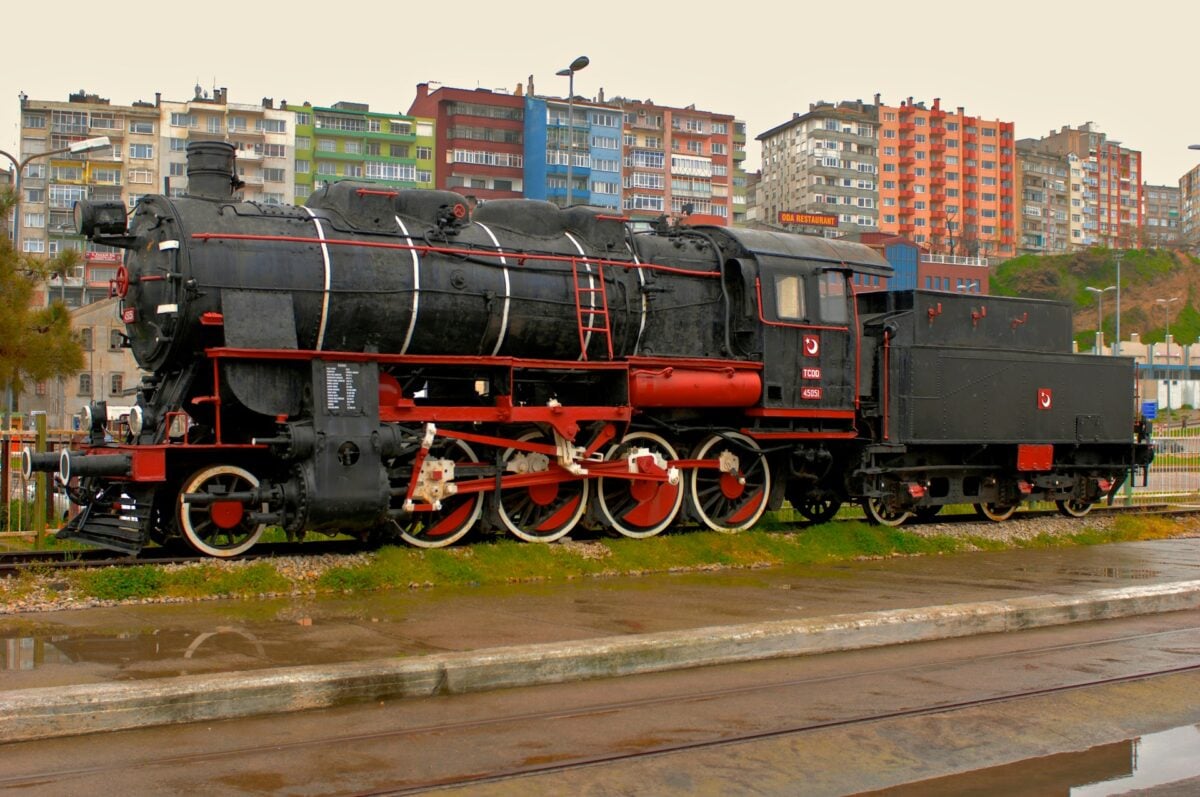
The Pre-War Era from 1901 to 1942 saw Lionel develop and perfect its model designs and layouts. Early trains weren’t exactly safe. They ran on dangerous wet-cell batteries, which were soon replaced by safer 110-volt transformers paired with a three-rail standard gauge track designed to minimize short circuits.
This period produced some of the most coveted pieces among collectors today. The most valuable Lionel train set ever sold was a 1934 standard gauge diesel set in mint condition with its original box, which went to an unknown collector for $250,000.
Like Go2Tutors’s content? Follow us on MSN.
Post-War Innovation and Peak Popularity
Lionel entered the postwar period in 1945 with a train set featuring remote-control uncoupling, followed by landmark models like the Pennsylvania Railroad GG1 in 1947 and the famous Santa Fe F3 in 1948. The popularity of Lionel train sets peaked in the mid-1950s, when the company sold $25 million worth of trains annually.
That’s serious money for tiny locomotives. Many collectors consider the 746, released in 1957 as a model of Norfolk and Western’s J class steam engine, the best postwar Lionel locomotive ever produced. These years represent what many enthusiasts call the golden age of model railroading, and looking back at the craftsmanship from that era, it’s easy to see why.
Nostalgia as the Ultimate Driver

Ken Bianco Jr., third-generation owner of the country’s largest Lionel retailer, puts it simply: ‘Everybody likes Lionel. It’s nostalgic.’ Many club members still vividly recall childhood memories of special Christmases when Santa placed a Lionel train set under the holiday tree.
This emotional connection transcends the physical object itself. One collector explained that while he carefully restored a valuable Dorfan locomotive that he’ll likely sell someday, his Lionel set will be passed down to his children and grandchildren because it brings back memories of the identical set he received at age 5.
That sentimental value often proves priceless.
Christmas Tradition and Cultural Impact

When most people think of Christmas, they think of model trains around a tree—and there’s a good chance it’s a Lionel. New interest in model trains has emerged through Christmas products that draw on the power of nostalgia, keeping collecting active even as the hobby faces challenges from electronics and video games.
The Polar Express train set, created through Lionel’s 2004 collaboration with Warner Bros. Studios, became the company’s all-time best seller and remains the most popular choice with customers for the last 20 years.
The association between Lionel trains and holiday magic has cemented itself across multiple generations, showing up in living rooms every December like clockwork.
Like Go2Tutors’s content? Follow us on MSN.
Exceptional Craftsmanship and Detail
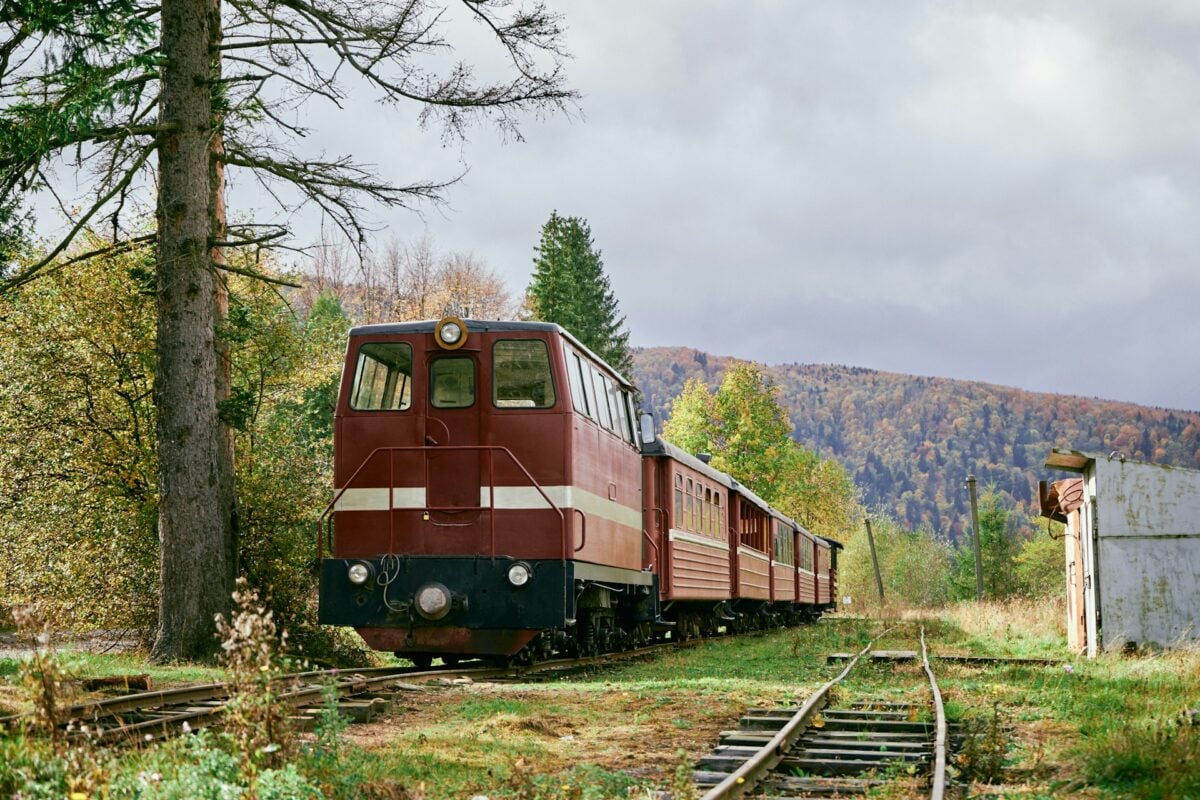
Collectors value Lionel trains not just for their playability but also for their craftsmanship, precision, and historical accuracy, with each model meticulously crafted to replicate the details of iconic trains throughout history. One collector notes that if you examine the engineering that went into Lionel trains and the colors they used, they appeal to people who appreciate that type of workmanship.
The attention to detail extends beyond aesthetics—working headlights, smoke units, and realistic sound effects create immersive experiences.Even the smoke gets special treatment. Some enthusiasts use different scented smoke fluids for steam locomotives, with options like gingerbread and blueberry adding another sensory dimension to the hobby.
The Rarity Factor in Valuation

Collectors want all-original trains that have never been tampered with, and once originality has been compromised, prices take a steep turn downward from their original counterparts. Minute variations can mean the difference between a few hundred and a few thousand dollars of profit.
The second most valuable Lionel set ever sold was an all-brass prewar 700E Hudson prototype piece that went for $70,000 in 2004, with prototypes being incredibly valuable as they were made in limited quantities during testing phases. Condition matters tremendously—the less visible wear and play, the higher the price collectors will pay.
The Controversial Girls’ Sets
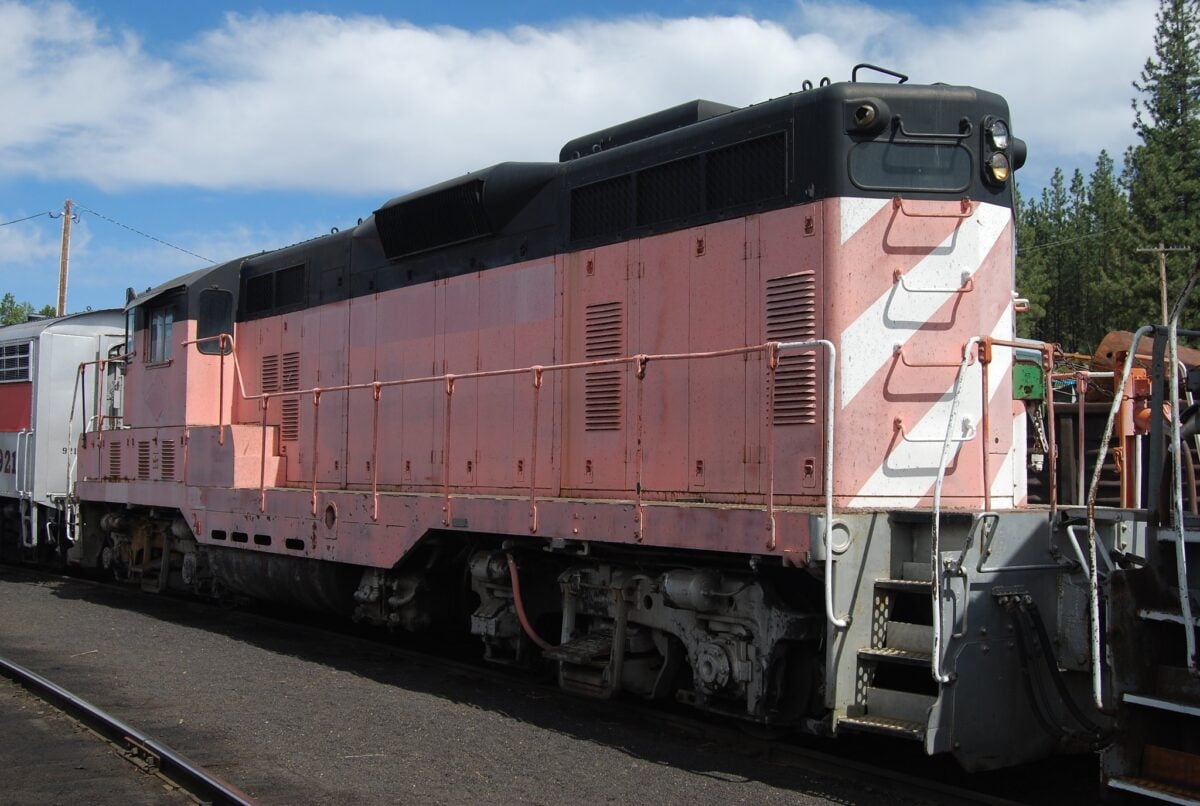
Lionel produced ‘girls sets’ featuring less realistic car models painted in stereotypically feminine colors like pink, light blue, and lavender. These sets bucked the trend of marketing exclusively to boys during an era when gender-specific toys dominated the market.
Despite their departure from realism, these sets are valuable today because they’re hard to come by and represent a unique piece of both Lionel train and girlhood history, with one set selling for $2,800 in 2016. What seemed like a marketing misstep at the time has become a fascinating collectible that tells a broader cultural story.
Like Go2Tutors’s content? Follow us on MSN.
Turbulent Ownership Changes
Business declined as television became popular, leading Joshua Lionel Cowen and his son Lawrence to sell their interest in 1959, with the company filing for bankruptcy in 1967. Not exactly a smooth ride.
General Mills acquired the rights to Lionel model trains in 1969, incorporating the business into their Model Products Corporation subsidiary, which was later renamed Fundimensions in 1973. This era from 1969 to 1995, known as the MPC or Fundimensions Era, saw the company use cheap manufacturing techniques including plastic trucks and couplers to cut costs, making trains from this period less desirable to collectors.
The brand bounced between owners until finding stability again, though those years left their mark on both quality and reputation.
The Richard Kughn Renaissance

In 1986, Detroit-based real estate developer and railroad enthusiast Richard Kughn bought the brand and established Lionel Trains Inc. Kughn, working with musician Neil Young (an avid model railroader), created Liontech in 1992 to develop exclusive new model train control and sound systems, introducing TMCC (Trainmaster Command Control) in 1994. This technology, similar to Digital Command Control, allowed collectors to walk around their layout while operating trains by remote control, introducing features like whistles, bells, and the ability to turn RailSounds on or off.
Kughn’s passion for trains translated into meaningful innovation that revitalized the brand.
Modern Technology Meets Classic Design

As technology advanced, Lionel trains continued to incorporate new and improved technologies, including its current remote control system called LionChief. In 2006, Lionel unveiled their new Legacy system, phasing out TMCC in favor of more advanced control capabilities.
Today’s Lionel trains can be controlled via smartphone apps with Bluetooth connectivity, bridging the gap between traditional hobby railroading and modern expectations. Serious collectors like Benjamin Laremont, an aerospace engineer with over 100,000 Instagram followers on his Ben’s Trains account, showcase high-end detailed models running on basement layouts, proving the hobby adapts to new generations.
The trains might be over a century old as a concept, but they’re keeping pace with technology just fine.
Like Go2Tutors’s content? Follow us on MSN.
The Collector Community Connection

Model railroading has fostered a vibrant community through clubs, online forums, and annual conventions that highlight the shared passion for Lionel trains. The Lionel Train Club, established in 1950, remains one of the oldest and most influential organizations in this community, with the Lionel Collectors Club of America now boasting nearly 10,000 members worldwide.
Members enjoy exclusive networks to buy, sell, and trade Lionel model trains, with special production runs and convention cars made exclusively for club members. This sense of belonging transforms individual collecting into a social experience where knowledge and enthusiasm flow freely between generations.
Investment Potential with Caveats

Pre-war Lionel trains cost around $20 to a few thousand dollars, while post-war trains start at $10 and go up to several thousand dollars. Current market trends show that pre-war train collectors still exist but numbers are getting smaller as new generations lose interest, with more high-grade items coming to market following simple supply and demand metrics.
The collector value of modern era Lionel trains produced after 1969 has been limited compared to earlier production, though values may increase as another generation grows nostalgic for this period. Like any collectible market, timing and authenticity determine whether your trains appreciate or languish in value.
So buying trains as an investment? Maybe not the safest bet unless you really know what you’re doing.
Special Editions and Limited Runs

In 2000, Lionel introduced a series of reproductions of its historic Standard and O gauge trains from the Pre-War and Post-War Eras to commemorate the company’s 100th anniversary. Employee-issue cars distributed internally to Lionel Trains Inc.
employees during holidays and never made available to the public have become coveted limited-release items in collector markets. Recent offerings like the SP Black Widow FT Diesel passenger set, produced in a single run exclusively through the LCCA Store, demonstrate how limited availability drives collector interest.
These special releases keep the secondary market dynamic and give collectors specific pieces to hunt.
Like Go2Tutors’s content? Follow us on MSN.
Where Passion Meets Permanence
The story of Lionel trains isn’t really about metal, paint, or miniature engineering—it’s about how objects capture moments in time and carry them forward. With an estimated 500,000-plus hobbyists in the United States alone still participating in model railroading according to the American Model Railroad Association, the enduring appeal of quality models remains strong.
In 2006, Lionel’s electric train became the first electric toy inducted into the National Toy Hall of Fame, recognizing its profound cultural impact. Whether displayed on elaborate basement layouts or circling Christmas trees each December, these trains continue doing what they’ve done for 125 years—connecting people to something larger than themselves, one tiny locomotive at a time.
More from Go2Tutors!

- 16 Historical Figures Who Were Nothing Like You Think
- 12 Things Sold in the 80s That Are Now Illegal
- 15 VHS Tapes That Could Be Worth Thousands
- 17 Historical “What Ifs” That Would Have Changed Everything
- 18 TV Shows That Vanished Without a Finale
Like Go2Tutors’s content? Follow us on MSN.