Historic Relics Made of Jade in Chinese Courts
For thousands of years, jade was more than a gemstone in China—it was a statement of power, purity, and immortality. Emperors prized it above gold, artisans shaped it with near-religious devotion, and scholars wrote poems about its quiet glow.
The imperial courts became the ultimate stage for jade’s beauty, with each dynasty leaving behind pieces that bridged myth and craftsmanship.
Below are some of the most remarkable jade relics once treasured within China’s royal halls—each an emblem of divine authority and artistry that never fades.
The Heirloom Seal of the Realm
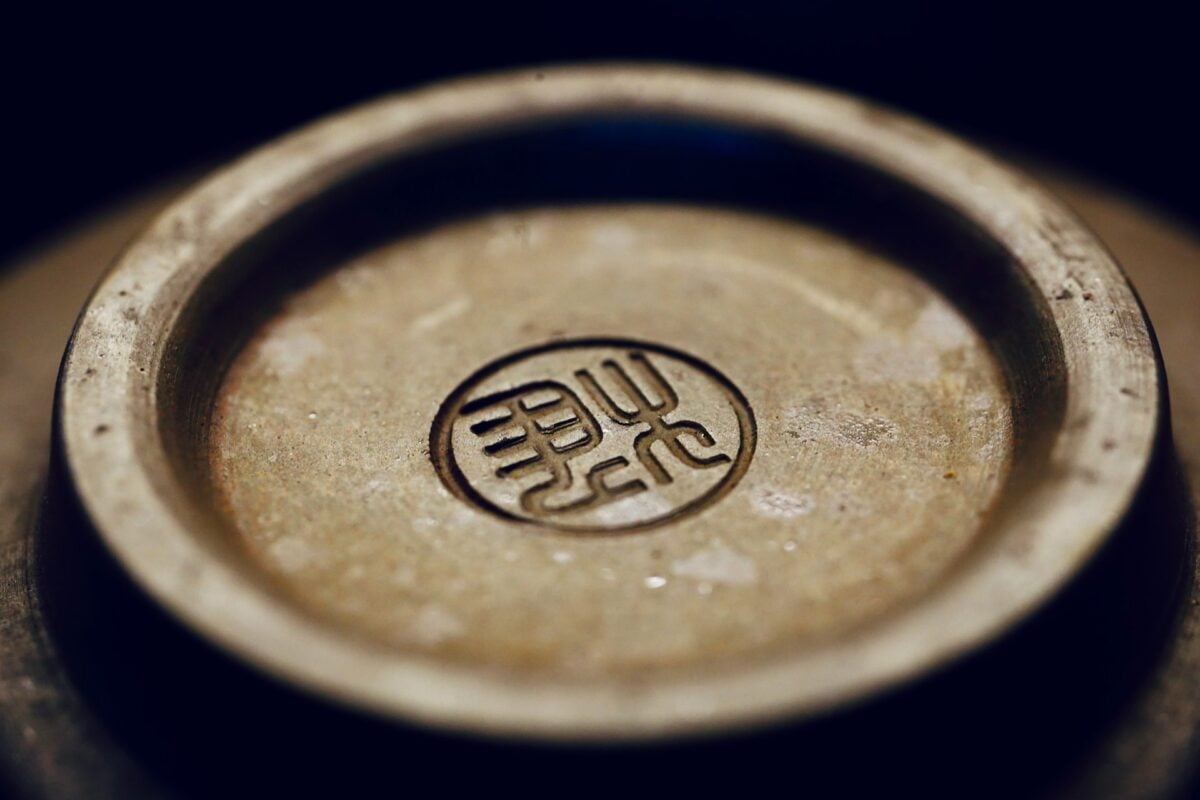
Said to have been carved from the legendary Heshibi jade, this imperial seal symbolized heaven’s mandate itself. Emperors held it as proof that their rule was divinely ordained.
Wars were fought over it. Dynasties fell trying to possess it.
And then—it vanished. Somewhere between the Tang and Song eras, the seal disappeared from history.
Some say it was buried with an emperor. Others, that it was melted in desperation.
Either way, it’s the most famous missing relic in Chinese history.
The Jade Burial Suits
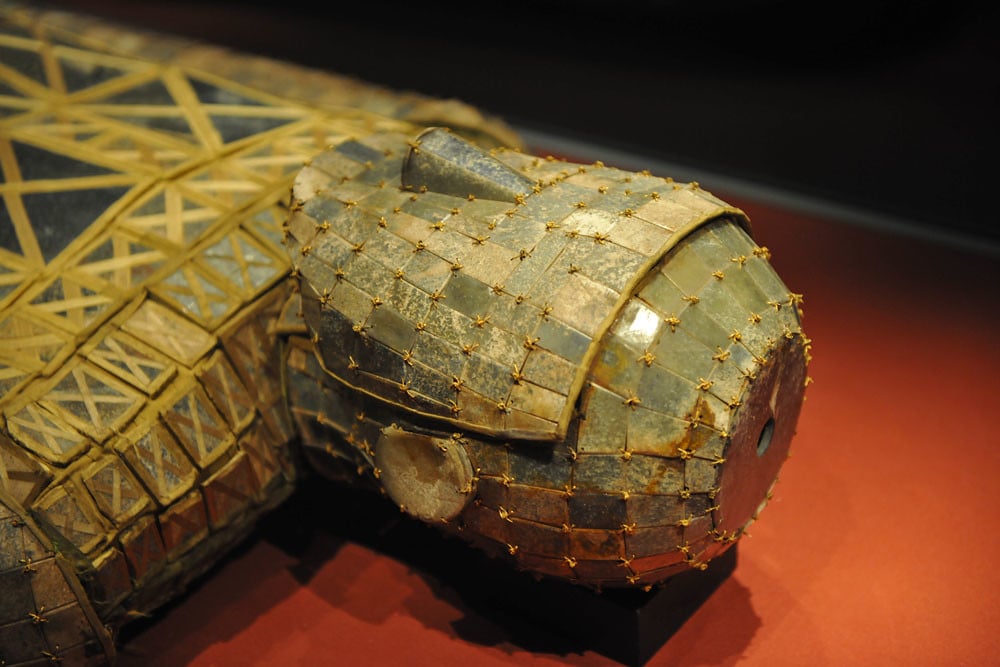
During the Han Dynasty, emperors and nobles were laid to rest in burial suits made entirely of jade plaques, each piece sewn together with gold or silver wire. The belief was simple yet haunting—that jade could preserve the body and the soul from decay.
The suits are eerie up close—cold, delicate, almost too perfect. In one chamber, the faint mineral scent lingers, mixed with the echo of eternity.
Like Go2Tutors’s content? Follow us on MSN.
The Nine-Dragon Cup
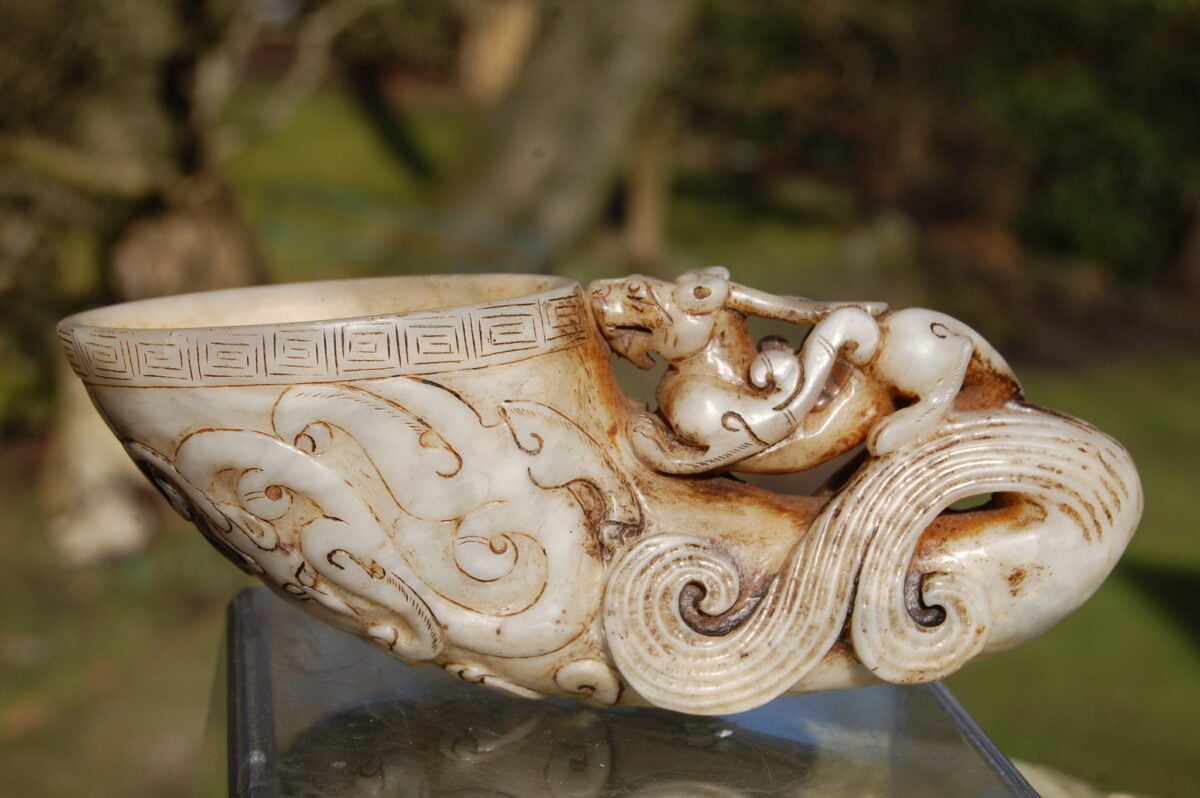
A marvel of the Qing court, this translucent white jade cup is carved with nine intertwined dragons—symbols of ultimate imperial power. Each dragon seems to rise and coil from the stone itself, as if alive.
It was said to bring luck when used during state banquets, though few ever dared to handle it. One slip, and centuries of reverence would shatter in an instant.
The Jade Bi Discs

Dating back to Neolithic times, the bi—a flat circular disc with a crater at its center—was used in ancient court rituals as an offering to heaven. By the time of the Zhou and Han courts, these discs had become symbols of virtue and rank.
Some bi were etched so finely they looked translucent, others rough and heavy, meant to endure. Scholars later compared jade’s sheen to moral perfection—smooth, enduring, incorruptible.
The Cabbage of Eternal Spring
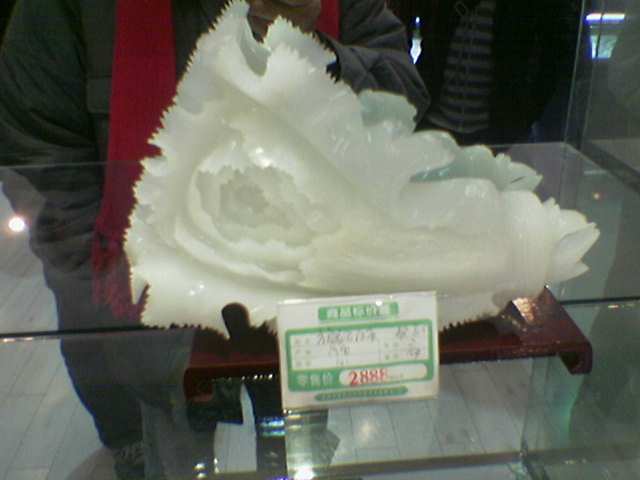
It sounds whimsical, but this small sculpture—carved from a single piece of jadeite—is among the Qing court’s most beloved treasures. The artist used the stone’s natural green and white hues to mimic the veins of cabbage leaves, and a tiny locust hides in the folds.
It’s delicate, domestic, oddly intimate. Proof that even the grandest courts had room for playfulness.
Like Go2Tutors’s content? Follow us on MSN.
The Jade Mountains of the Qianlong Era

The Qianlong Emperor adored jade. His reign produced monumental carvings depicting entire mountain landscapes—temples, waterfalls, pine trees—all etched from blocks of jade weighing tons.
Standing before one, it’s hard not to wonder how anyone had the patience. Weeks turned into years for a single piece.
Still, the result was breathtaking—a miniature universe of jade mist and silence.
The Jade Water Basin of the Ming Court

A rare piece known as the Dushan jade basin once stood in the Forbidden City’s private gardens. Nearly three feet across, it was filled with water so clear it mirrored the sky above. The basin’s rim bore carvings of lotus blossoms, cranes, and clouds. On hot summer days, the emperor would pause beside it, dipping his fingers into the cool jade edge.
Just for a moment—peace.
The Jade Imperial Scepters (Ruyi)

Curved like clouds and smooth to the touch, jade ruyi scepters were more than ornaments—they were tokens of blessing and authority. Court officials offered them to emperors on birthdays, coronations, and anniversaries.
Their surfaces shimmered under candlelight, each swirl of green or white carrying quiet meaning: “May all be as you wish.”
Like Go2Tutors’s content? Follow us on MSN.
The Jade Phoenix Hairpins
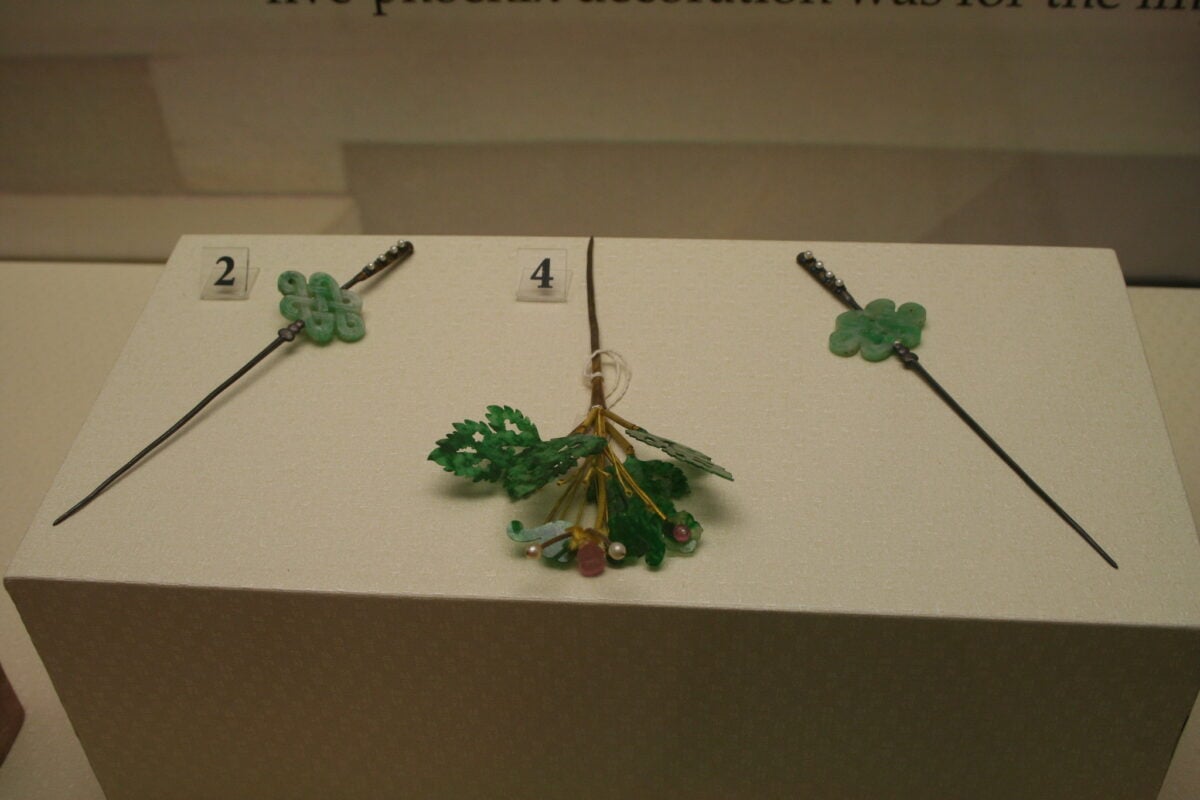
In the women’s quarters of the imperial palace, jade appeared in subtler forms. Hairpins carved as phoenixes, peonies, or clouds adorned empresses and concubines, each design reflecting status and grace.
Some pins were carved so thin they could bend slightly without breaking—a feat only a handful of artisans could achieve. Still, they weren’t just decoration; they were quiet assertions of power in a world ruled by ceremony.
The Jade Tablet of Harmony

Used during major rituals, the heping tablet symbolized unity between heaven and earth. When held upright before the emperor, it served as a bridge between mortal rule and divine will.
It gleamed pale green under the torchlight. Heavy. Cool.
A reminder that power, even in jade, must be held carefully.
Eternal Stone, Fleeting Dynasties
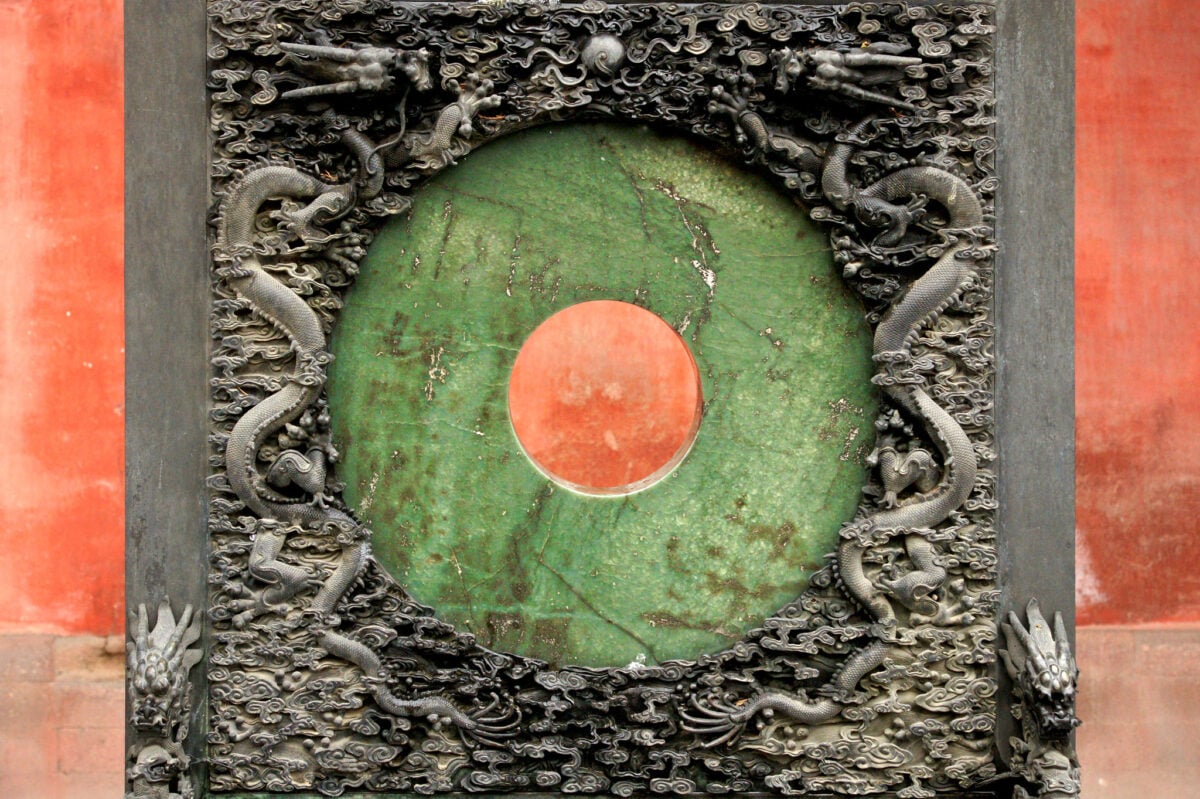
Dynasties rose and vanished, yet jade remained—unchanged, unyielding, serene. Each piece outlasted its maker, carrying whispers of ritual, artistry, and the belief that beauty could outlive mortality itself.
Empires crumble. Jade endures.
More from Go2Tutors!

- 16 Historical Figures Who Were Nothing Like You Think
- 12 Things Sold in the 80s That Are Now Illegal
- 15 VHS Tapes That Could Be Worth Thousands
- 17 Historical “What Ifs” That Would Have Changed Everything
- 18 TV Shows That Vanished Without a Finale
Like Go2Tutors’s content? Follow us on MSN.