The Hidden Talents of Leonardo da Vinci
When you think of Leonardo da Vinci, your mind probably goes straight to the Mona Lisa or The Last Supper. But the Renaissance master was way more than just a brilliant painter.
He was like the ultimate jack-of-all-trades, except he actually mastered everything he touched. While most people know about his famous paintings and futuristic inventions, there’s a whole other side to Leonardo that doesn’t get nearly enough attention.
The guy could play musical instruments, plan extravagant parties, write riddles that would stump anyone, and even use both hands with equal skill. Here is a list of hidden talents that prove Leonardo da Vinci was even more remarkable than you thought.
Musical Performer

Leonardo wasn’t just creating visual masterpieces—he was making music too. Contemporary accounts describe him as a skilled performer who could play the lyre and sing beautifully without any preparation.
When he first moved to Milan, his primary job wasn’t even painting—it was performing music at the Duke’s court, which tells you something about how good he must have been.
Instrument Designer
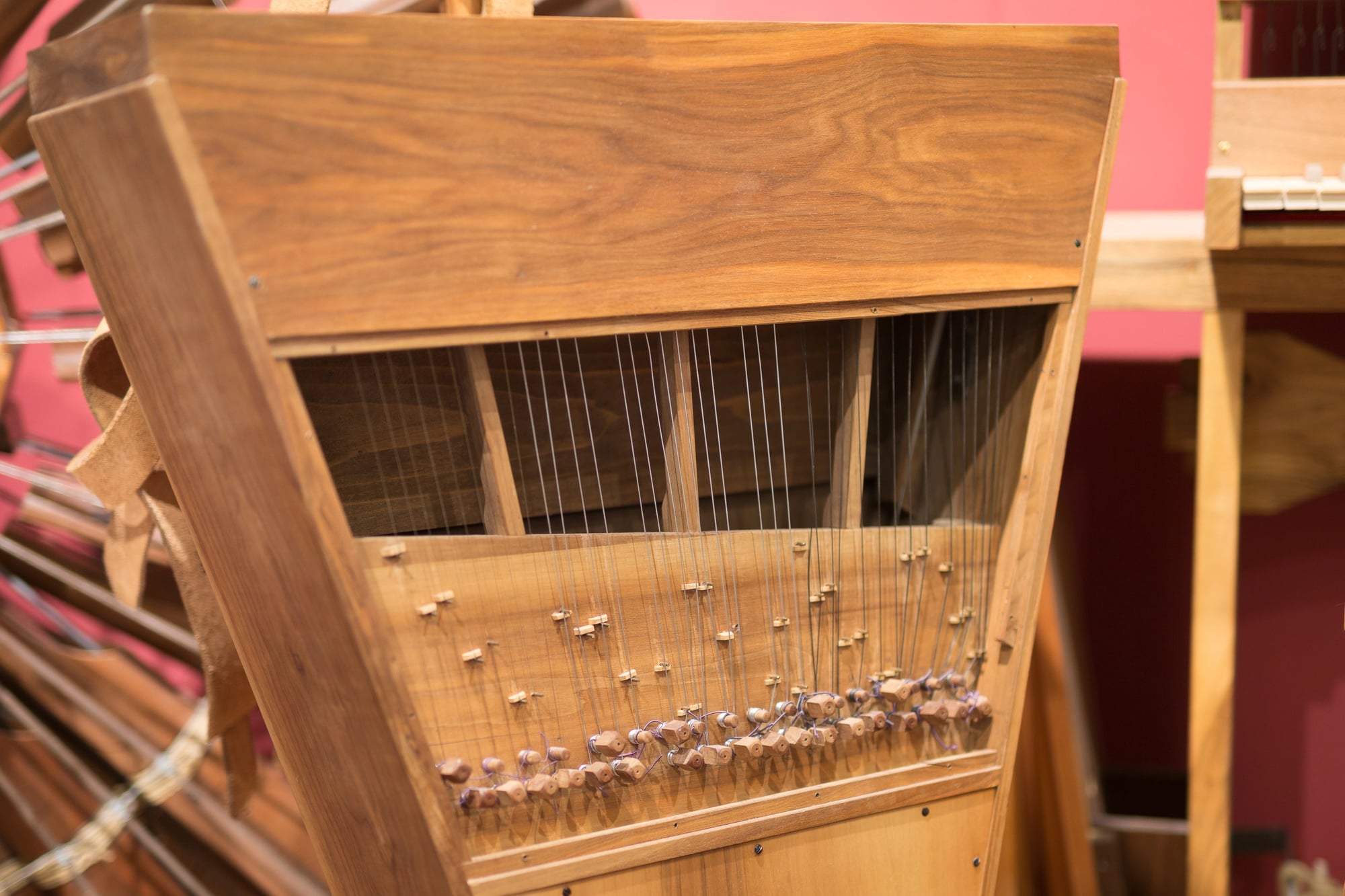
Not satisfied with just playing existing instruments, Leonardo decided to invent his own. He designed the viola organista, a bizarre hybrid between a harpsichord and a cello that used spinning wheels of horsehair to vibrate strings.
He also crafted a silver lyre shaped like a horse’s skull, which reportedly had an incredibly resonant sound that impressed everyone who heard it.
Animal Rights Activist

Centuries before anyone used the term ‘animal rights’, Leonardo was already there. He refused to eat meat and regularly bought caged birds from markets just to set them free.
His notebooks are filled with passionate arguments against using animals for food, and he criticized everything from leather shoes to harvesting honey from bees as unnecessary cruelty.
Party Planner

Here’s something that might surprise you—Leonardo spent a significant chunk of his career organizing elaborate parties and weddings. For the Duke of Milan’s daughter’s wedding in 1489, he created the ‘Feast of Paradise’ with rotating planets, celestial themes, and performers dressed as deities.
He designed everything from the menu to the guests’ hats, basically inventing the concept of a professional event planner.
Theatrical Producer

Beyond parties, Leonardo was deeply involved in theater production. He designed sets, costumes, and stage machinery that could make performers fly through the air or disappear through trapdoors.
Some historians believe his famous helicopter design was actually intended as a device for changing scenery during theatrical performances rather than actual flight.
Mirror Writer

Leonardo developed a peculiar habit of writing backwards, from right to left, creating text that could only be read easily with a mirror. While some think this was to keep his notes private, it was probably just more comfortable for him as a left-handed writer.
The really wild part is that he could do this while simultaneously drawing with his other hand.
Ambidextrous Master

Recent research confirmed what scholars long suspected—Leonardo could use both hands with equal skill. Analysis of his earliest known drawing showed he wrote backwards with his left hand on one side and forwards with his right hand on the other.
Some accounts even claim he could write with one hand while drawing with the other, which sounds like a party trick but was apparently just Tuesday for Leonardo.
Riddle Maker

Leonardo loved entertaining people with clever riddles and prophecies. He wrote hundreds of them in his notebooks, designed to be shared at court gatherings.
They sounded apocalyptic but had simple answers—like describing plowing fields as ‘men tormenting the earth’ or calling sowing seeds ‘throwing food out of houses’. It shows he had a wicked sense of humor hiding behind all that genius.
Mapmaker

Long before satellite imagery, Leonardo was creating incredibly accurate maps from a bird’s-eye view perspective. He developed new surveying techniques using odometers and magnetic compasses, producing what’s considered the earliest ichnographic plan.
His world map even showed Antarctica roughly the correct size and depicted the Arctic as an ocean, both of which were remarkably advanced for his time.
Geologist

Leonardo made groundbreaking observations about rock formations and fossils that wouldn’t be understood by mainstream science for another 300 years. He correctly identified that fossils were once-living organisms and that marine fossils found in mountains proved those areas were once underwater.
He basically figured out the law of superposition and understood geological time before anyone else.
Paleontologist
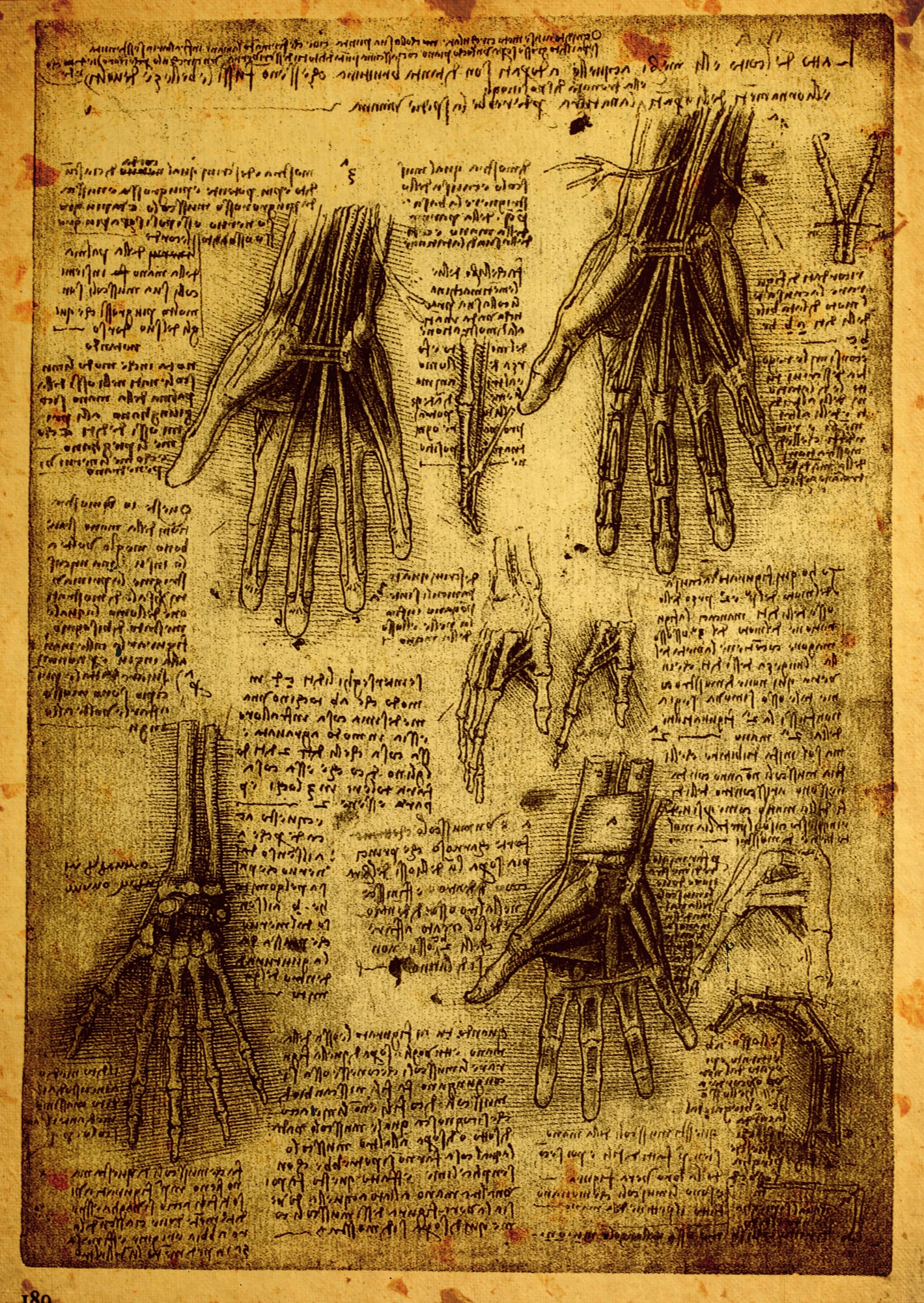
Related to his geological work, Leonardo studied fossils extensively and drew correct conclusions that wouldn’t become accepted for centuries. He rejected the idea that Noah’s flood explained fossil locations and instead understood they represented different time periods in Earth’s history.
His observations showed he grasped that the planet was far older than religious texts suggested.
Fable Writer
Leonardo composed numerous fables and bestiary entries, using animals to illustrate moral lessons in ways that were both entertaining and thought-provoking. Unlike other fabulists of his time, he often used these stories to critique how humans treated animals, celebrating animal strengths and wisdom while pointing out human cruelty and foolishness.
Hydraulics Engineer
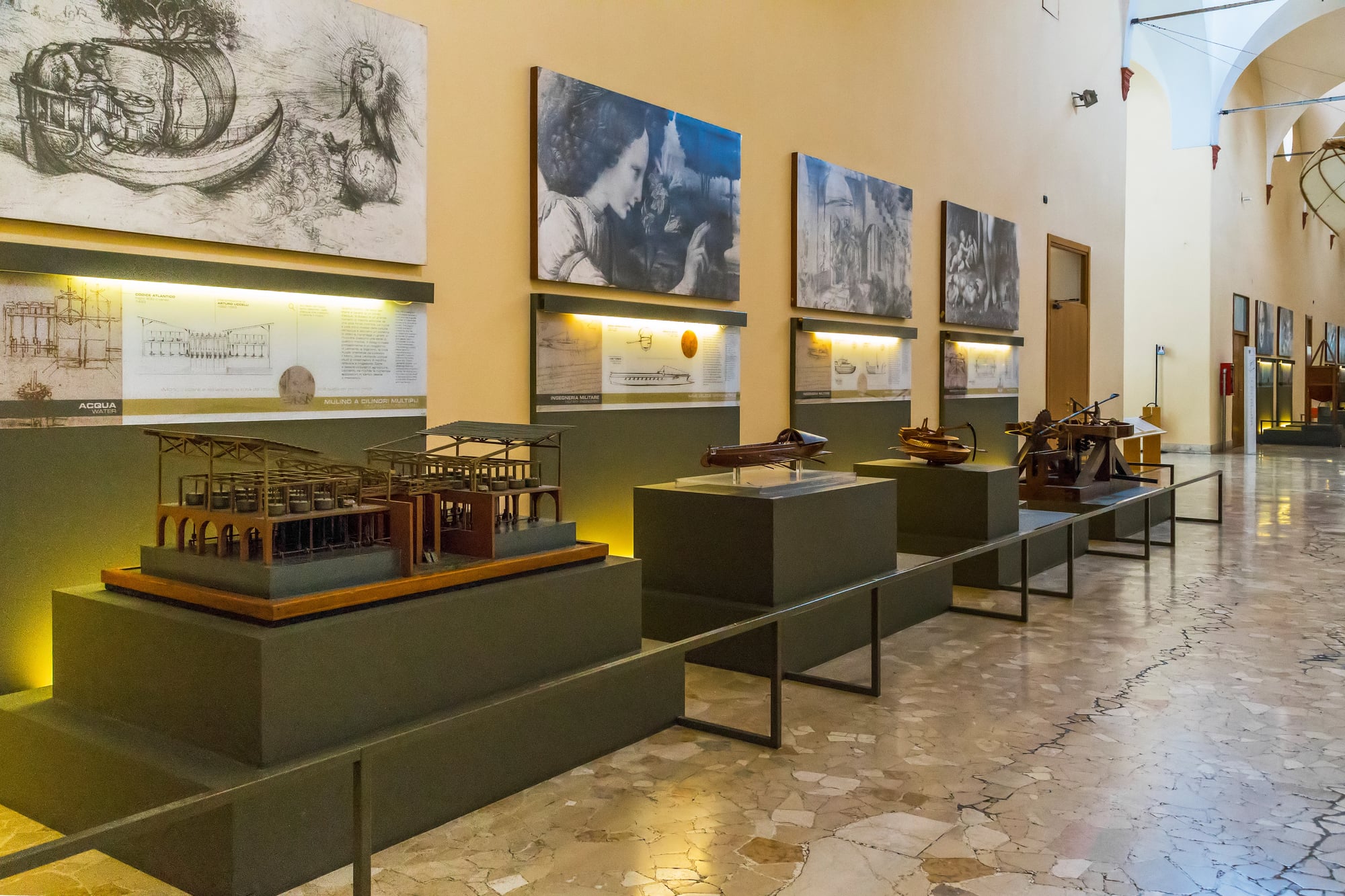
Water fascinated Leonardo, and he designed countless machines and systems to harness its power. He created plans for movable dikes to protect Venice, proposed diverting the Arno River to flood Pisa during warfare, and designed various pumps and water-lifting devices.
His understanding of fluid dynamics was centuries ahead of its time.
Botany Researcher
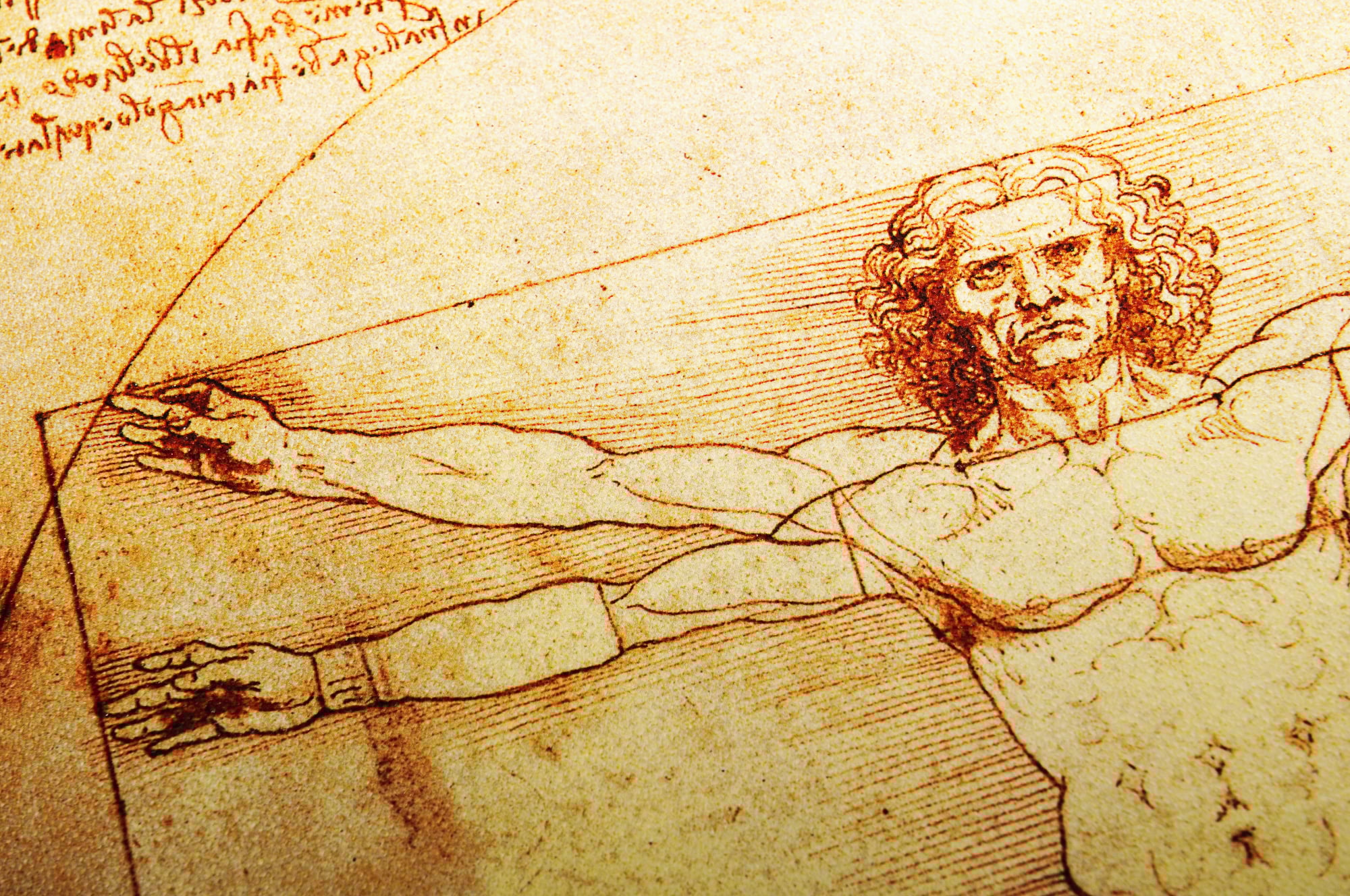
While less famous than his other scientific work, Leonardo conducted detailed botanical studies throughout his life. He observed plant growth patterns, documented various species, and used this knowledge to inform both his paintings and his broader understanding of natural systems.
His botanical drawings show the same meticulous observation he applied to anatomy.
Costume Designer

For the theatrical productions and pageants he organized, Leonardo didn’t just design the sets—he created the costumes too. His designs were elaborate and innovative, incorporating mechanical elements and special materials.
For one production, he designed angel costumes with movable wings and planet costumes for performers who would rotate around Jupiter.
Self-Taught Scholar

Perhaps Leonardo’s most remarkable talent was his ability to teach himself basically everything. Born illegitimate and denied formal education, he learned to read, write, and do arithmetic at home.
This actually became an advantage—he wasn’t constrained by traditional academic thinking and developed his own methods of observation and experimentation that were far more advanced than what universities were teaching.
A Renaissance Mind for Modern Times

Leonardo da Vinci’s hidden talents reveal something crucial about genius—it doesn’t exist in isolation. His music informed his mathematics, his theatrical work influenced his engineering, and his observations of nature shaped everything he touched.
Five hundred years later, we’re still discovering new dimensions to his work, finding innovations and insights scattered through thousands of notebook pages. What makes these lesser-known abilities so fascinating isn’t just their variety but how they all connected in Leonardo’s mind, creating a web of knowledge that made him not just a great artist or inventor, but perhaps the most complete thinker humanity has ever produced.
More from Go2Tutors!

- The Romanov Crown Jewels and Their Tragic Fate
- 13 Historical Mysteries That Science Still Can’t Solve
- Famous Hoaxes That Fooled the World for Years
- 15 Child Stars with Tragic Adult Lives
- 16 Famous Jewelry Pieces in History
Like Go2Tutors’s content? Follow us on MSN.