The Most Fascinating Dinosaurs and Why They Stand Out
Dinosaurs ruled the Earth for over 160 million years, and during that time, they evolved into some of the most incredible creatures ever to walk, swim, or fly. From giants that shook the ground with every step to tiny hunters with razor-sharp claws, these ancient reptiles came in endless shapes and sizes.
Some had armor that could stop almost any attack, while others developed features so strange that scientists are still trying to figure out how they worked. Let’s explore some of the most captivating dinosaurs that ever lived and discover what made each one truly special.
Tyrannosaurus Rex

The T-Rex stands as one of the most powerful predators in Earth’s history, with a bite force that could crush bone like cardboard. This massive hunter stretched 40 feet long and weighed around 9 tons, making it roughly the size of a school bus.
Its teeth grew up to 12 inches long, and unlike most other predators, the T-Rex didn’t just slice through flesh but demolished entire skeletons. Scientists once thought its tiny arms were useless, but recent research suggests they might have been strong enough to lift several hundred pounds.
Spinosaurus

Spinosaurus carried a massive sail on its back that could reach heights of nearly 6 feet, creating one of the most recognizable silhouettes in the dinosaur world. This beast actually spent much of its time in water, hunting fish with its crocodile-like snout and cone-shaped teeth.
At up to 50 feet long, it may have been even larger than T-Rex, though built for a completely different lifestyle. The sail probably helped with temperature control or attracting mates, though scientists still debate its exact purpose.
Velociraptor

Hollywood got the size wrong, but everything else about Velociraptor’s fearsome reputation holds true. These hunters stood only about 2 feet tall and weighed around 30 pounds, closer to a turkey than the human-sized monsters in movies.
What they lacked in size, they made up for with intelligence, speed, and a 3-inch curved claw on each foot designed for slashing. Fossil evidence suggests they hunted in packs, using coordinated attacks to bring down prey much larger than themselves.
Triceratops

Three horns and a massive bony frill made Triceratops look like a living tank from the Late Cretaceous period. The largest of these horns stretched over 3 feet long and could gore attackers with devastating force.
Despite weighing up to 12 tons, Triceratops moved on four sturdy legs and probably traveled in herds for protection. Their beaked mouths worked like giant scissors, slicing through tough vegetation that other dinosaurs couldn’t eat.
Ankylosaurus

Ankylosaurus transformed defense into an art form with armor plating covering nearly every inch of its body. Thick bony plates studded with spikes protected everything from its head to its tail, creating a fortress that few predators could penetrate.
The real weapon sat at the end of its tail: a massive club of fused bone that could swing with enough force to shatter an attacker’s legs. Even T-Rex thought twice before messing with an adult Ankylosaurus.
Brachiosaurus
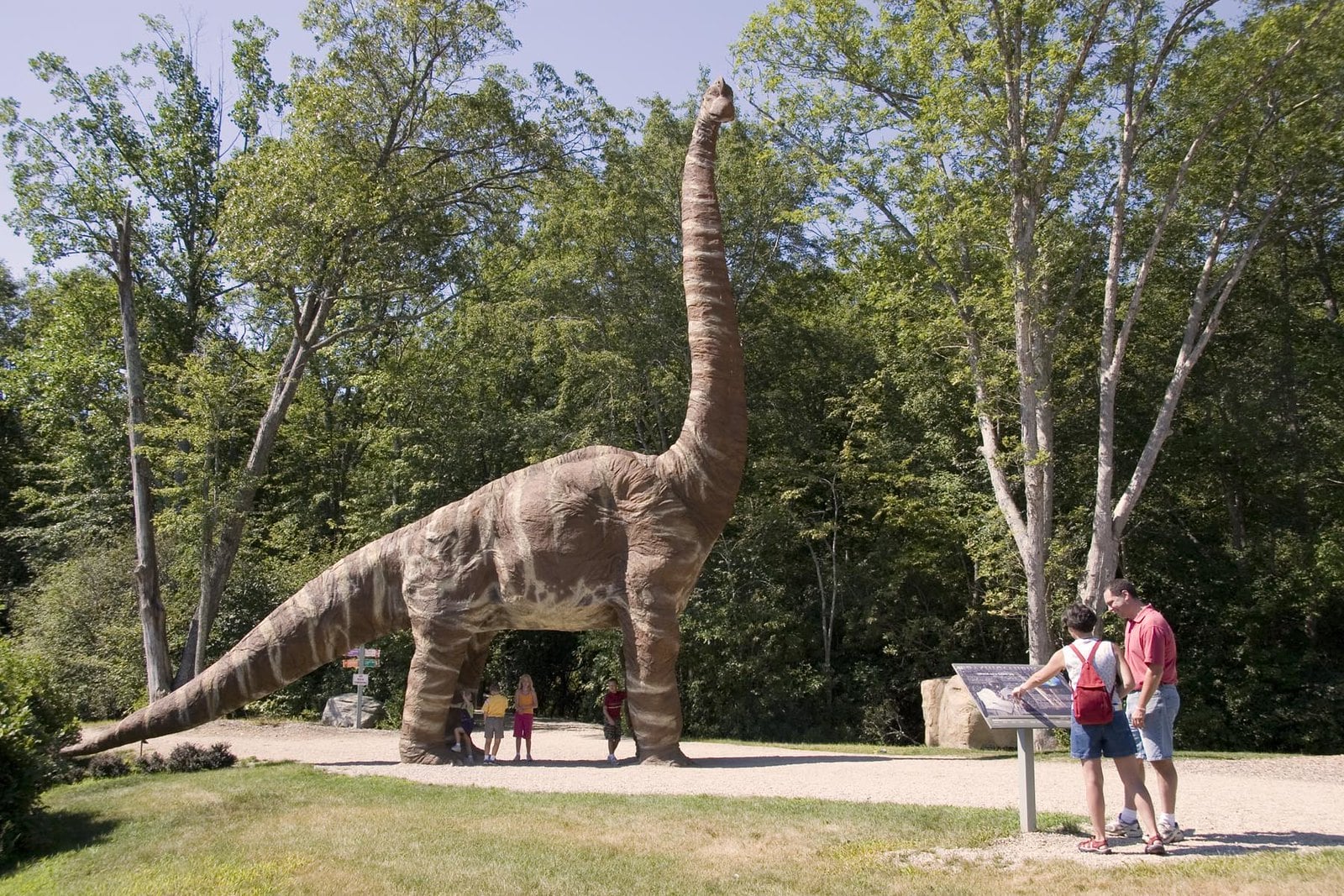
Towering up to 40 feet high, Brachiosaurus could peek into fourth-story windows if buildings had existed back then. This gentle giant weighed around 60 tons and needed to eat hundreds of pounds of plants every single day just to survive.
Unlike most long-necked dinosaurs, Brachiosaurus had longer front legs than back legs, giving it an upward-reaching stance perfect for browsing treetops. Its nostrils sat high on its head, once leading scientists to mistakenly believe it lived underwater like a snorkel.
Stegosaurus
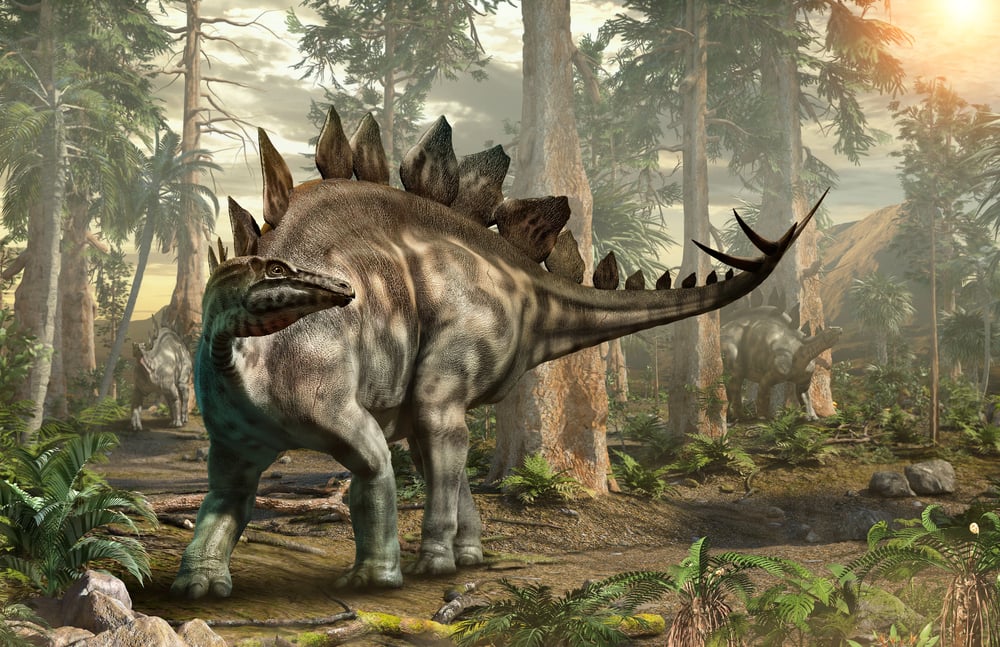
The plates running down Stegosaurus’s back created one of nature’s most distinctive designs, though scientists argue about whether they regulated temperature or served as display features. Despite having a body the size of a van, this dinosaur had a brain roughly the size of a walnut.
Four sharp spikes on its tail, each up to 3 feet long, provided a lethal defense against predators. Stegosaurus walked on its toes despite weighing up to 5 tons, giving it surprising agility for such a heavily built animal.
Parasaurolophus
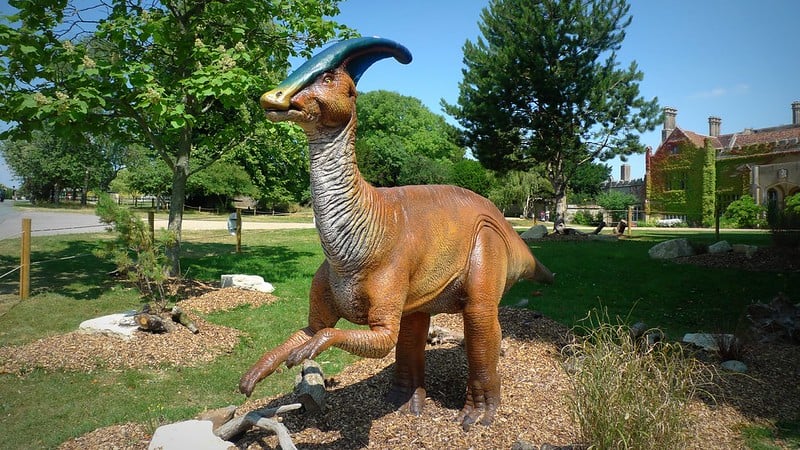
A hollow crest extending back from its skull gave Parasaurolophus the ability to produce haunting sounds that echoed across ancient landscapes. This tube-like structure could reach over 6 feet long and worked like a natural trumpet or trombone.
Herds likely used these calls to communicate over long distances, warn of danger, or attract mates. The crest also enhanced their sense of smell, giving them an advantage in detecting both food and threats.
Allosaurus
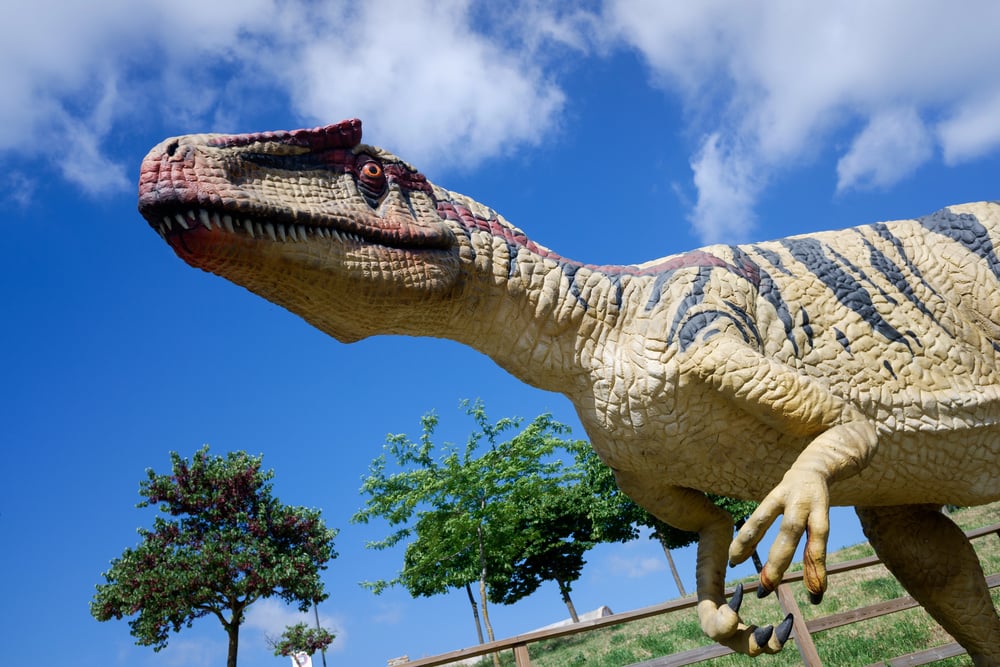
Allosaurus dominated the Jurassic period as the top predator, filling the same role that T-Rex would millions of years later. Lighter and faster than its famous successor, this hunter relied on slashing attacks rather than crushing bites.
Its skull contained dozens of sharp teeth that curved backward, preventing prey from escaping once caught. Fossil evidence shows healed injuries on many specimens, proving these dinosaurs survived fierce battles throughout their lives.
Microraptor
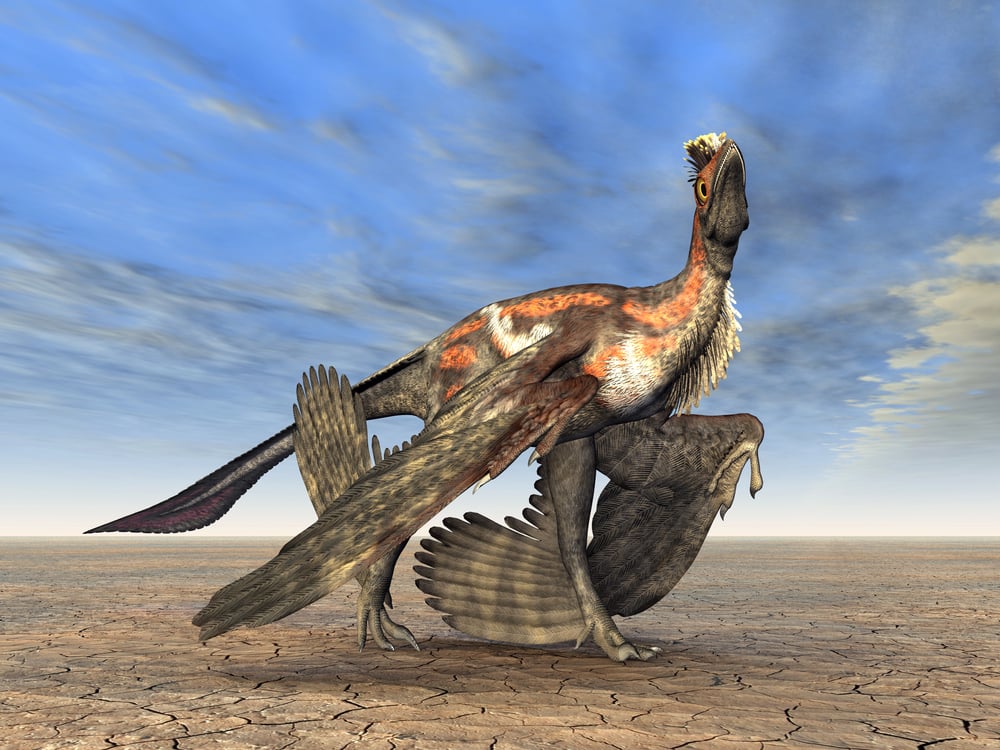
Four wings made Microraptor one of the strangest flyers ever discovered, with feathers on both its arms and legs. This crow-sized dinosaur probably couldn’t fly like modern birds but glided between trees in dense forests.
Its iridescent feathers shimmered with colors similar to modern ravens or grackles. Sharp claws on all four limbs helped it climb, and its teeth suggest it hunted small mammals, lizards, and insects.
Diplodocus

Stretching up to 90 feet from nose to tail tip, Diplodocus ranks among the longest animals ever to walk on land. Its incredibly long tail worked like a whip and might have created sonic booms when snapped at high speed.
Despite its enormous size, Diplodocus had a relatively small head with peg-like teeth suited only for stripping leaves from branches. The neck alone contained 15 vertebrae, giving it both reach and flexibility.
Carnotaurus

Short arms barely visible against its massive body and two distinctive horns above its eyes made Carnotaurus instantly recognizable. This South American predator could run faster than most other large meat-eaters thanks to its powerful leg muscles and lightweight build.
The horns probably served in head-butting contests with rivals rather than hunting. Its skin impressions show it had scales of various sizes covering its body in a pattern unlike any other known dinosaur.
Pachycephalosaurus

A dome of solid bone up to 10 inches thick crowned the head of Pachycephalosaurus, turning its skull into a natural battering ram. Males likely crashed their heads together in dominance battles, similar to how modern bighorn sheep compete.
The dome’s bone structure could absorb tremendous impacts without causing brain damage. Small spikes and knobs decorated the back and sides of its head, adding to its intimidating appearance.
Therizinosaurus

Giant claws stretching up to 3 feet long made Therizinosaurus look like something from a horror movie, yet it ate only plants. These massive curved talons probably helped it pull down tree branches to reach fresh leaves.
Walking upright on two legs, this dinosaur stood around 16 feet tall and weighed several tons. Its long neck and pot belly gave it an unusual profile that confused scientists when first discovered.
Deinonychus

The find of Deinonychus flipped dinosaur science on its head – suddenly they seemed quick, alert, not lazy or dull. Instead of plodding along, this medium-sized hunter moved sharp and smart, relying heavily on that big toe claw to strike.
Signs point to a fast-burning body heat system, maybe topped off with fuzzy plumage. When chasing meals, these creatures likely teamed up – the bones tell stories of several going after one target at once.
Giganotosaurus

Larger than T-Rex but equally fierce, Giganotosaurus roamed present-day Argentina around the middle Cretaceous era. Measuring more than 40 feet, it carried a head shaped to cut instead of smash.
These beasts might’ve teamed up to take on giant plant-eaters living nearby. With new teeth growing in regularly, its bite stayed razor-sharp at all times.
Pteranodon

Even though it wasn’t actually a dinosaur – more like a sky glider – Pteranodon flew over seas on wings stretching nearly 23 feet. A long fin stuck out from the back of its head, maybe for balance mid-air or showing off to potential partners.
Instead of having teeth like today’s fliers, it grabbed fish near the surface without landing. Lightweight due to air-filled bones, it stayed aloft even with its large frame.
Iguanodon

One of the earliest dinosaurs studied by science, Iguanodon moved on two feet when walking but dropped to all fours while eating. Instead of just using claws, it had a sharp spike on its thumb – good for defense or handling leaves.
At first, researchers put that spike on its snout, assuming it resembled an oversized iguana with a nasal horn. Groups of these leaf-eaters traveled together, leaving behind footprints that experts now examine to learn how they lived.
Where These Giants Live Now
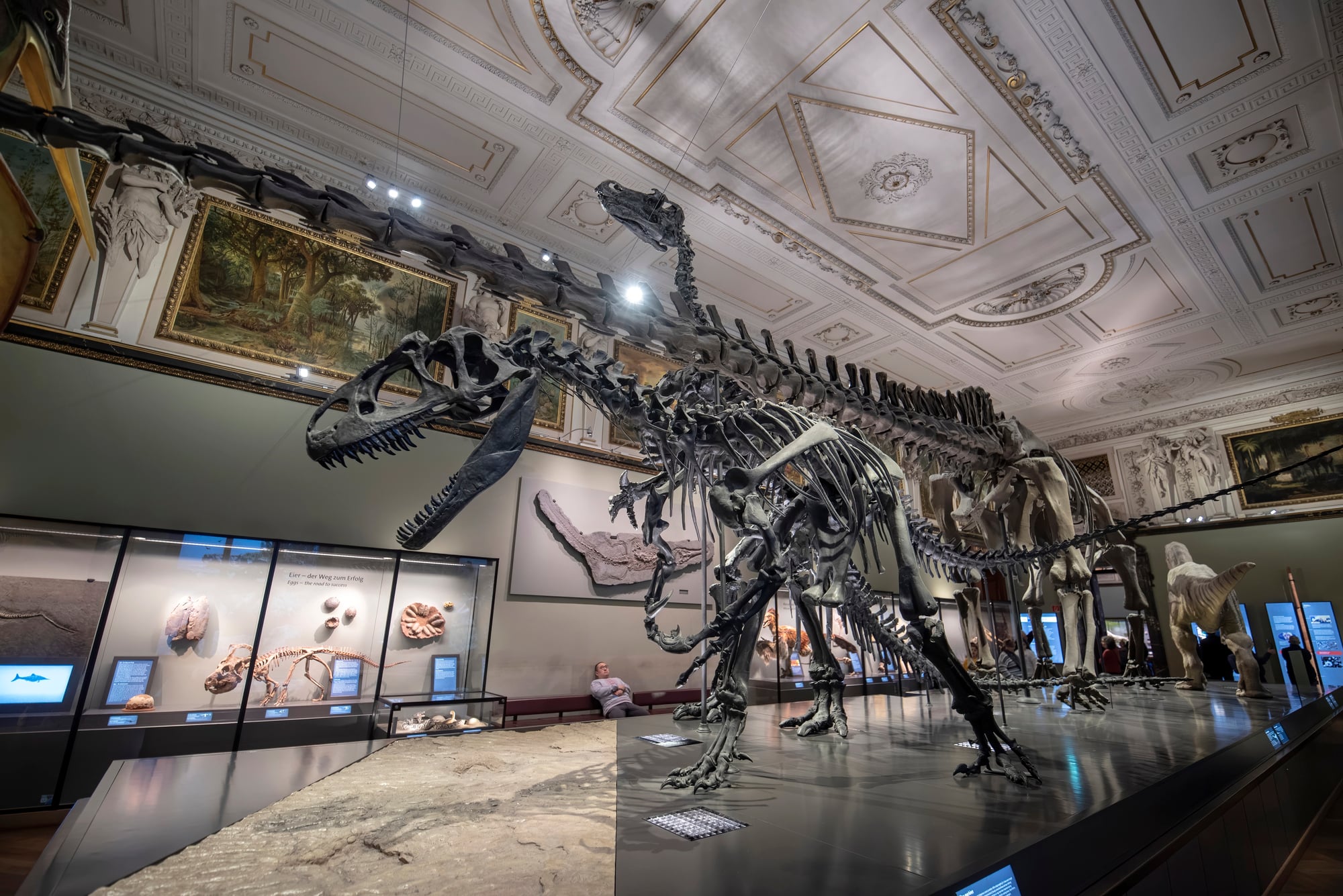
Museums everywhere keep these amazing beasts alive in memory using bones and lifelike models – helping us picture animals long gone. Fresh finds constantly shift our understanding of dinosaurs; researchers spot feathers instead of just scaly skin, plus habits that overturn past beliefs.
Each skeleton shares tales from eons ago, linking today to a time oddly distant yet recognizable. These prehistoric lives show how much older Earth’s journey is than ours – and how nature keeps inventing the unbelievable.
More from Go2Tutors!

- The Romanov Crown Jewels and Their Tragic Fate
- 13 Historical Mysteries That Science Still Can’t Solve
- Famous Hoaxes That Fooled the World for Years
- 15 Child Stars with Tragic Adult Lives
- 16 Famous Jewelry Pieces in History
Like Go2Tutors’s content? Follow us on MSN.



