Why Hippos Rank Among Nature’s Killers
When you think of Africa’s most dangerous animals, hippos probably don’t top the list. Lions get the headlines.
Crocodiles have the reputation. Elephants command respect.
But ask anyone who’s spent real time around African waterways, and they’ll set you straight pretty quickly. Hippos kill more people in Africa than most other large animals combined.
These aren’t isolated incidents or freak accidents — it’s a pattern that’s been consistent for decades. What makes this particularly unsettling is how completely it contradicts everything about their appearance.
They look like oversized pool toys. They spend their days lounging in muddy water, occasionally yawning wide enough to show off teeth that belong in a horror movie.
The disconnect between what hippos look like and what they’re capable of doing might be nature’s cruelest joke. Or maybe it’s the perfect evolutionary strategy.
Deceptively Dangerous Appearance
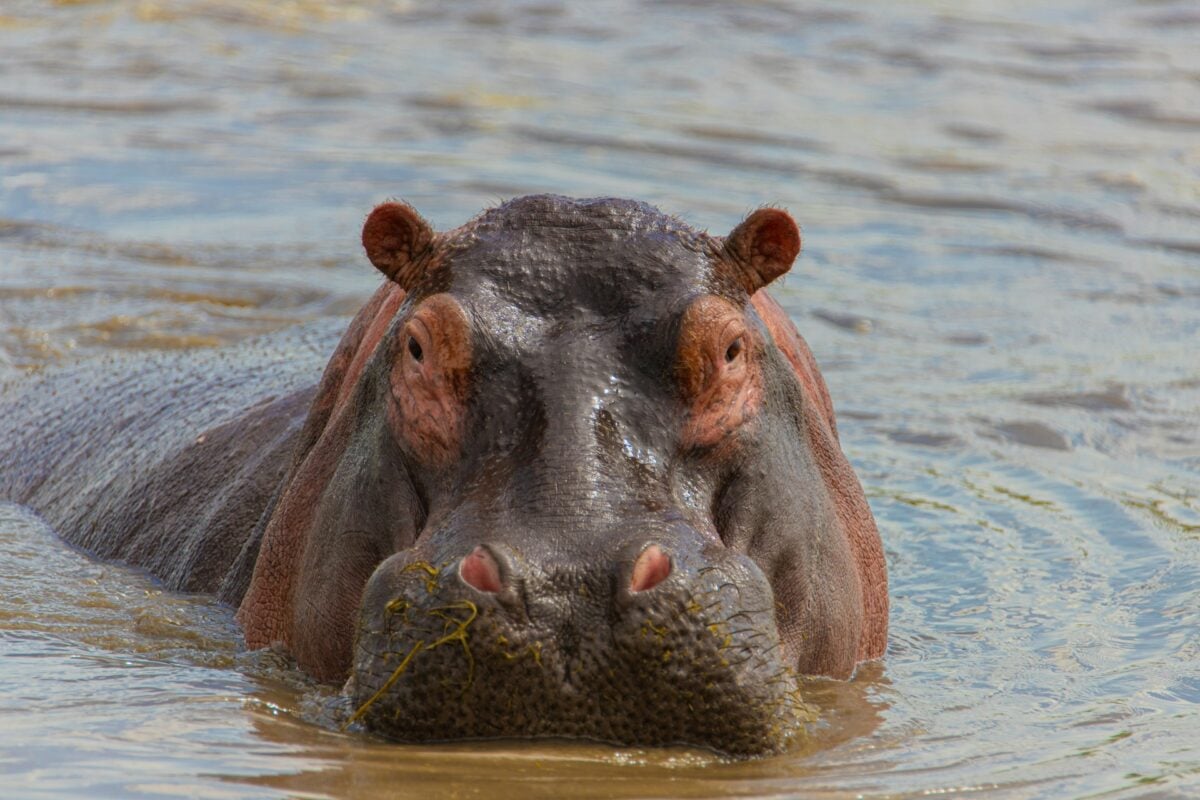
Hippos look harmless. Round bodies, stubby legs, perpetually sleepy expressions.
They float in rivers like living boulders, barely moving except to surface for air. The yawns don’t help their tough-guy image either.
When a hippo opens its mouth, it looks like it’s having the most relaxed moment of its life.
Territory Defense
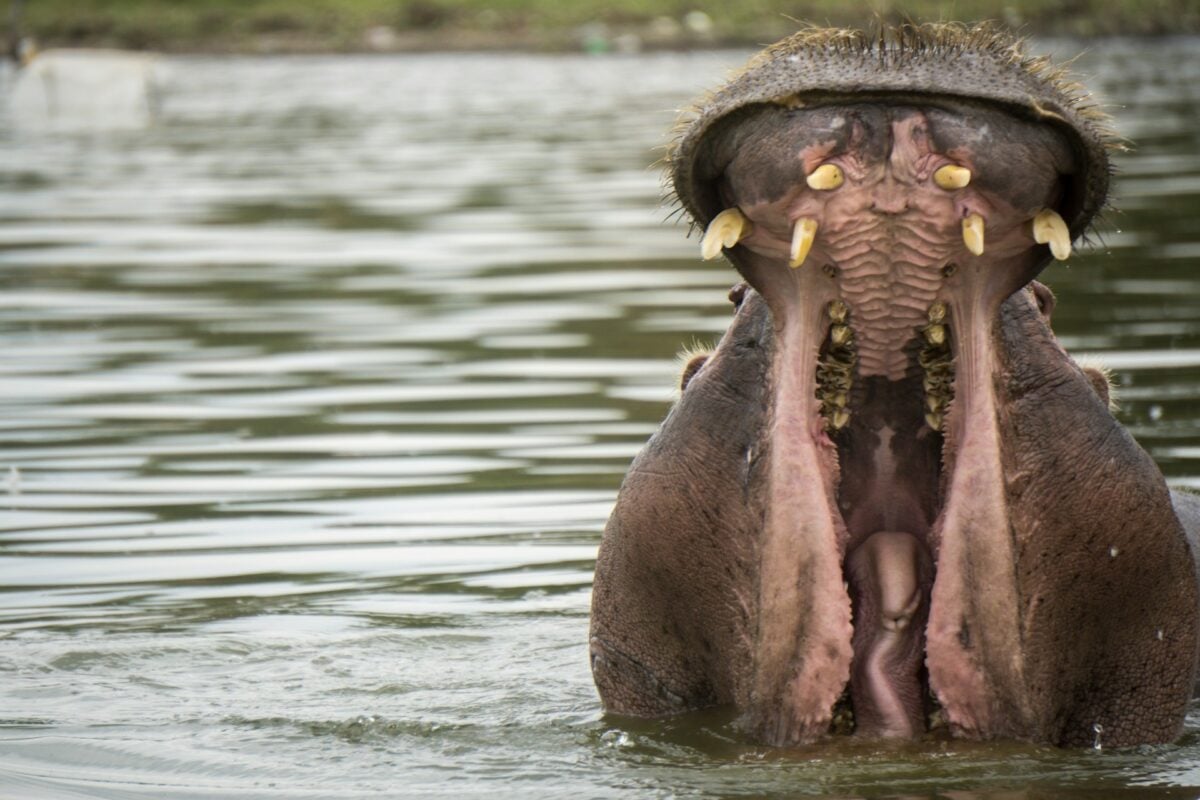
But those yawns aren’t about being tired — they’re warnings, and the difference matters more than anyone wants to find out firsthand. When hippos open their mouths (which can gape to nearly 180 degrees, though that’s getting ahead of the technical details here), they’re displaying canine teeth that can grow up to 20 inches long and giving anyone within eyeshot a clear preview of what happens to things that don’t take the hint.
So those sleepy-looking river potatoes are actually marking their territory every time they stretch their jaws. And the territory they’re claiming isn’t small. A single hippo can control a stretch of river several hundred meters long, which means crossing certain waterways becomes less about navigation and more about asking permission from a 3,000-pound mammal that doesn’t speak your language and has already made its position clear.
But here’s where it gets particularly problematic for humans: hippos don’t just defend water.
Nighttime Foraging Behavior
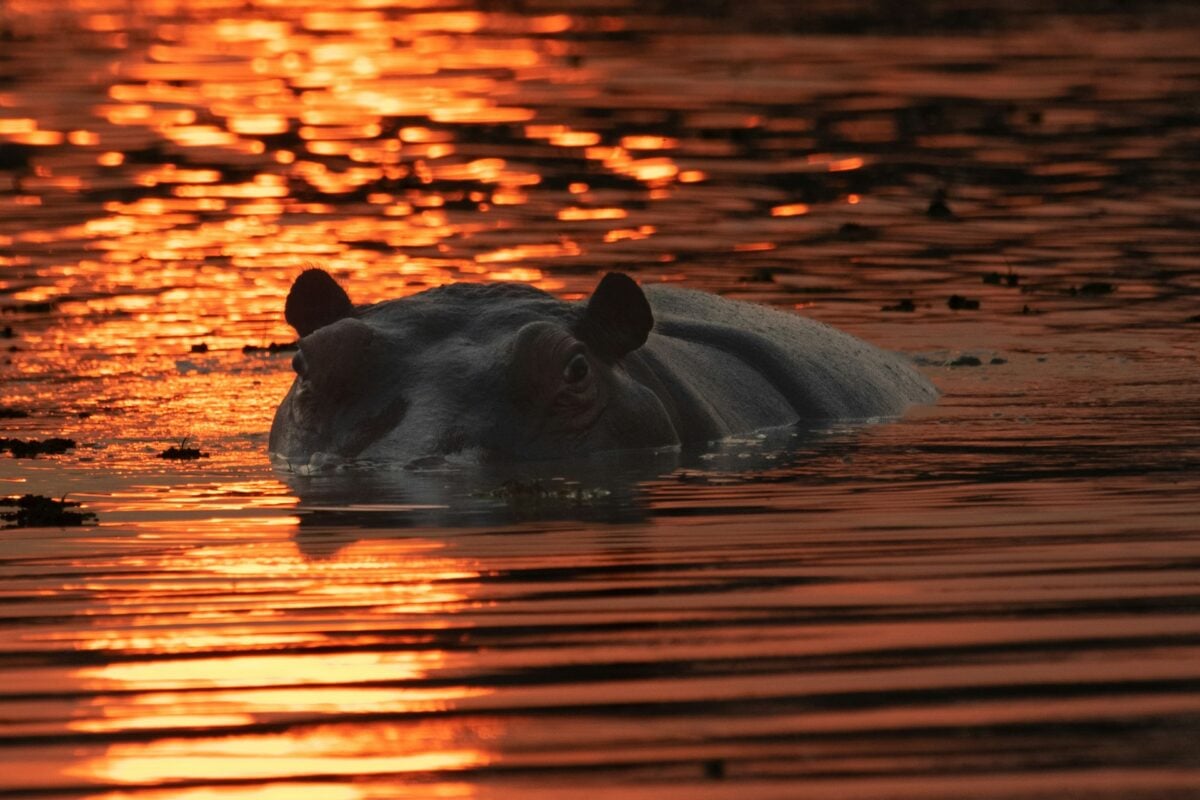
Picture a shadow the size of a small car moving through your village at midnight, and you’re getting close to understanding how hippos spend half their lives. When darkness falls, these river-bound giants become land wanderers.
They lumber out of the water to graze, following paths they’ve used for generations — paths that increasingly cut straight through human settlements. A hippo can travel up to six miles from water in a single night, methodically eating grass and leaving behind footprints the size of dinner plates.
The problem isn’t just their size during these midnight grocery runs. It’s their single-minded focus on getting back to water before dawn breaks.
Speed and Agility
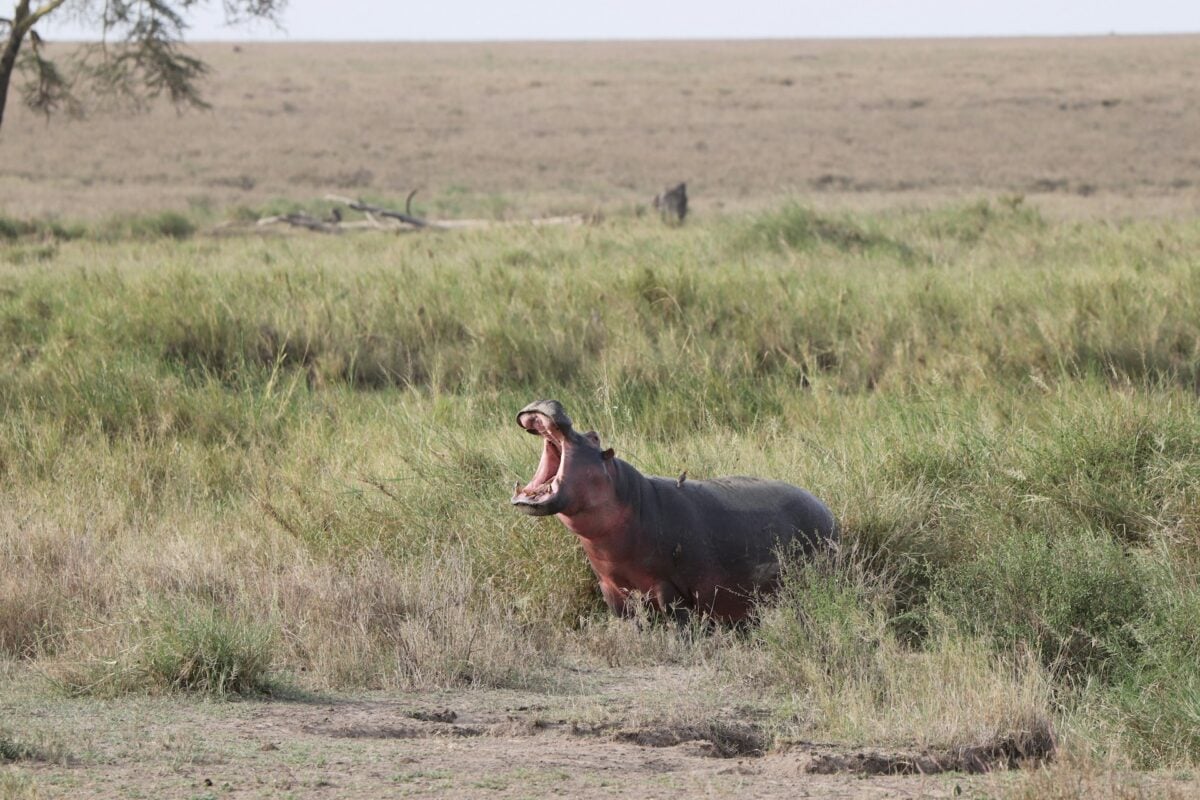
Hippos can run 30 miles per hour on land. This destroys every assumption you might have about how fast a 4,000-pound animal should move.
For reference, the average human sprints at about 15 miles per hour. Elite athletes might hit 20.
A charging hippo doubles that while weighing as much as a small truck. Even in water, they’re faster than they have any right to be.
They don’t actually swim — they run along the bottom and push off, launching themselves through water like torpedoes with legs.
Powerful Jaws and Teeth
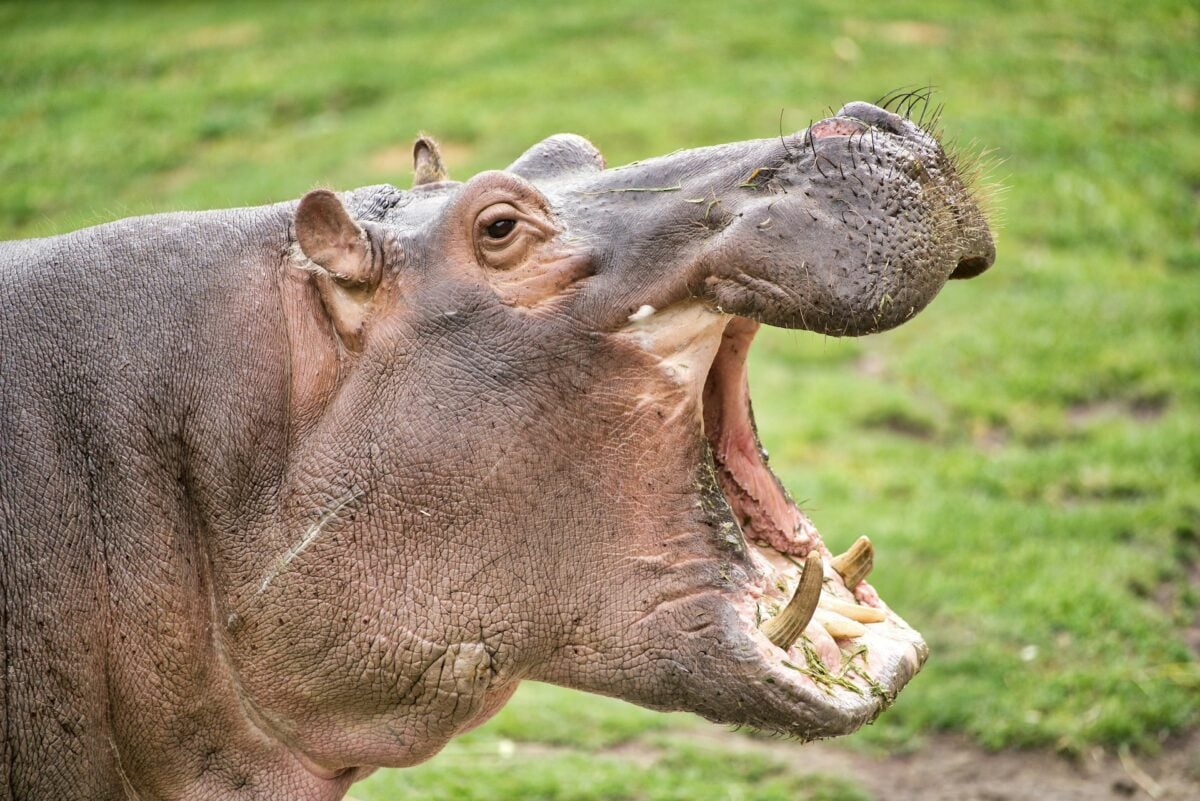
There’s something almost theatrical about the way nature designed hippo teeth — as if someone wanted to make sure the weaponry matched the attitude. Those canines aren’t just long, they’re sharp, they’re curved, and they never stop growing, which means they stay razor-sharp through constant use against each other and whatever else gets in the way.
The bite force clocks in at around 1,800 pounds per square inch, putting hippos in the same league as crocodiles and great white sharks when it comes to jaw strength. And yet (because apparently regular devastating bite force wasn’t enough) hippos can open their mouths wide enough to engulf a human head and shoulders without much difficulty.
But the real engineering marvel isn’t the size of the bite — it’s how quickly they can deploy it.
Aggressive Nature
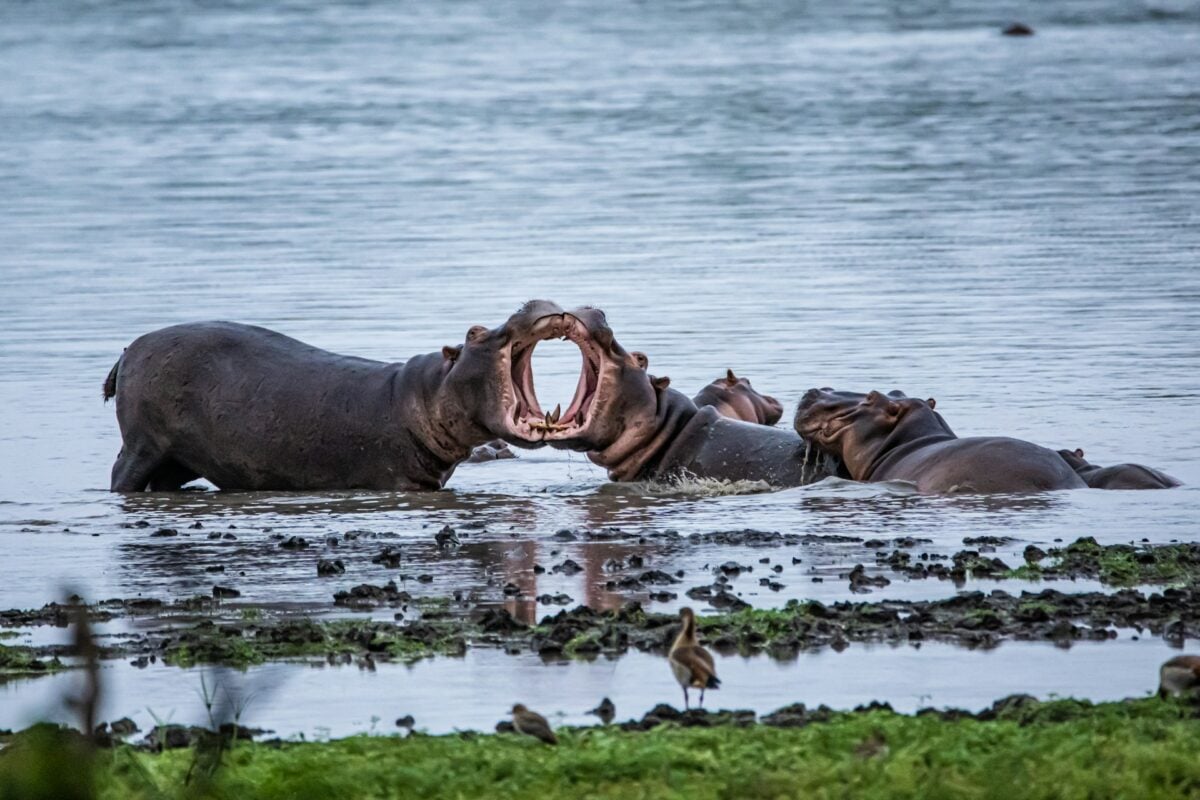
Hippos don’t negotiate. They don’t give warning shots.
They see a threat and they eliminate it. This isn’t the calculated aggression of a predator hunting for food. It’s the hair-trigger defensiveness of an animal that’s decided everything within a certain radius belongs to them, and anything that disagrees can test that theory if it wants to.
Most animals escalate gradually — posturing, then warning displays, then actual contact. Hippos skip straight to the final step, which explains why encounters with them go wrong so quickly.
Unpredictable Behavior
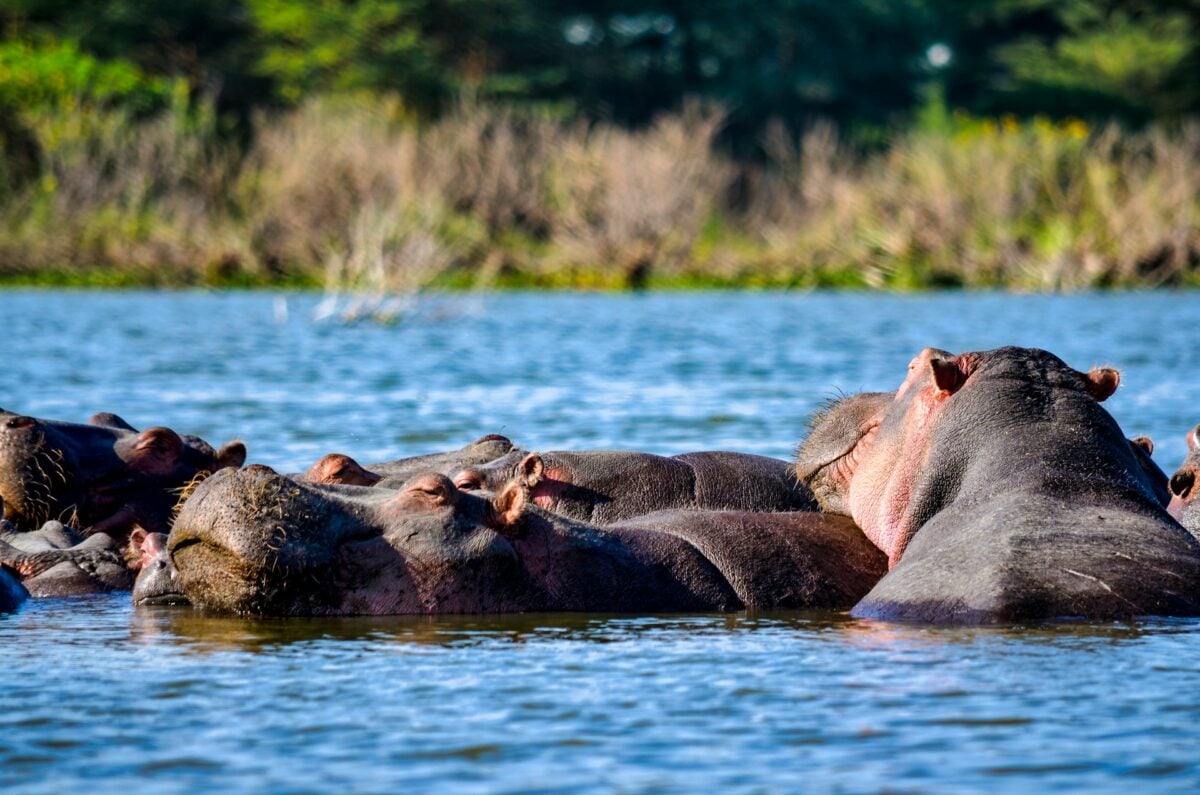
You can’t read a hippo the way you might read other dangerous animals, and this creates exactly the kind of problem that turns routine river crossings into life-or-death gambles. A lion telegraphs its intentions — the crouch, the stalk, the focused attention that gives you at least some advance warning about what’s coming next.
Crocodiles are patient and predictable in their patience, lying motionless until the precise moment when motionless becomes explosive. But hippos operate on a completely different logic system, one where the rules change without notice and the consequences of misunderstanding those rules are immediate and irreversible.
What looks like a hippo having a perfectly peaceful day in the water can transform into a charging nightmare in the span of a heartbeat, and the trigger for that transformation might be something as subtle as a change in wind direction or a sound that registered as threatening in ways that make perfect sense to a hippo and no sense whatsoever to anything else. So encounters with hippos become exercises in guessing what an animal is thinking when that animal’s thought process follows patterns that seem almost deliberately designed to be incomprehensible to human logic.
Maternal Instincts
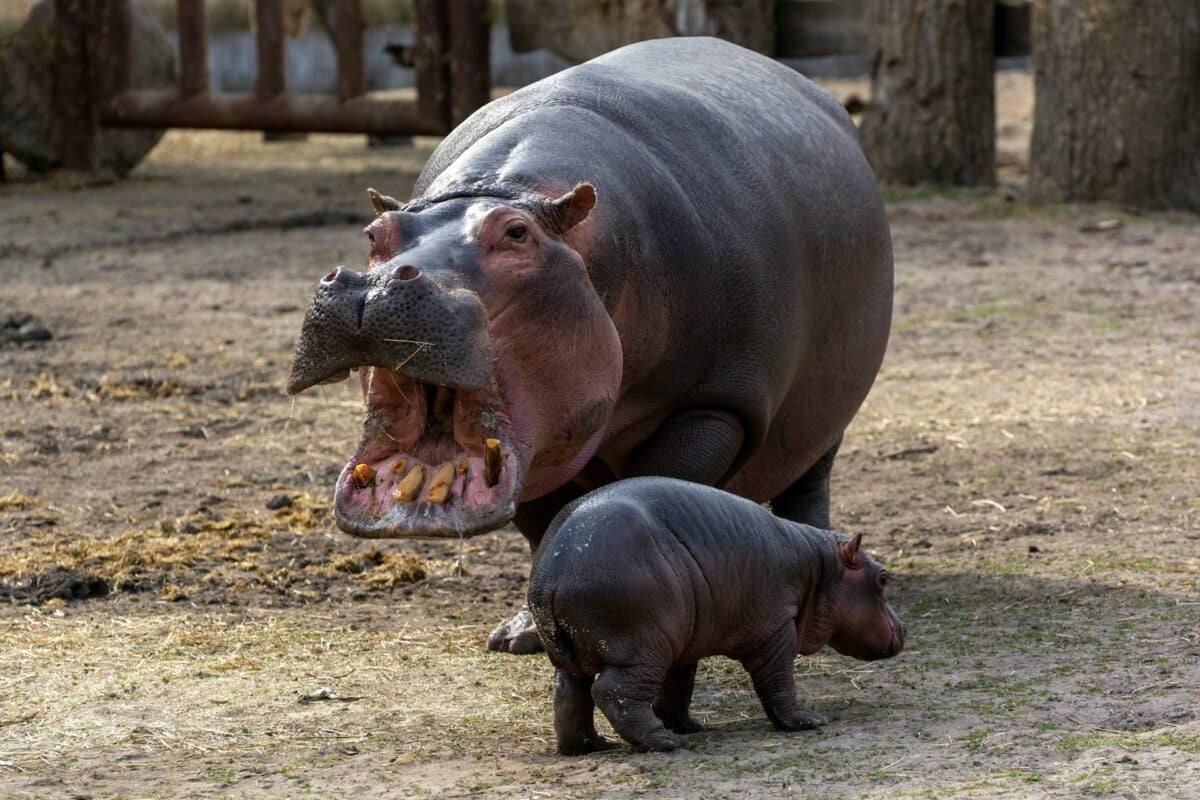
Female hippos with calves don’t mess around. The protective instinct that kicks in when they’re caring for young turns an already dangerous animal into something genuinely terrifying.
A mother hippo will attack anything that comes within what she considers threatening distance of her offspring. That distance is subjective, changes without warning, and tends to be much larger than most people expect.
Even other hippos give mothers with calves extra space. When your own species knows to be careful around you, that’s saying something.
Habitat Overlap with Humans
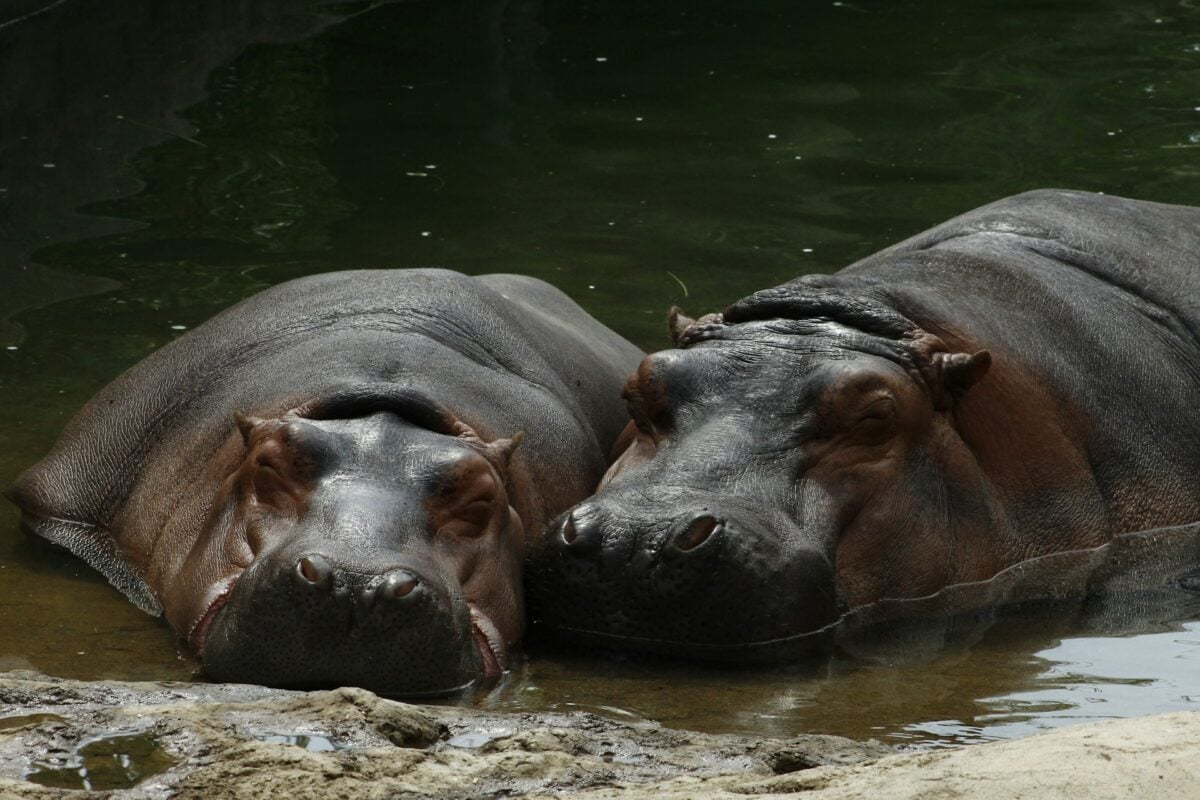
The real problem isn’t that hippos are dangerous — it’s that they’re dangerous in exactly the places where people need to be. Rivers aren’t just hippo habitat, they’re human lifelines: sources of water, transportation routes, fishing grounds, places where communities have built their lives for generations because that’s where life is sustainable.
So the overlap isn’t incidental or avoidable, it’s fundamental and growing as human populations expand and hippo habitat shrinks. Villages that have coexisted with hippos for decades suddenly find themselves dealing with more frequent encounters as development pushes closer to waterways and traditional hippo paths get interrupted by houses, roads, and farms that weren’t there before.
And since hippos don’t adapt their behavior to accommodate human infrastructure (why would they?), the result is a daily negotiation between species that don’t speak the same language and where one side has a significant advantage when negotiations break down.
Statistical Evidence
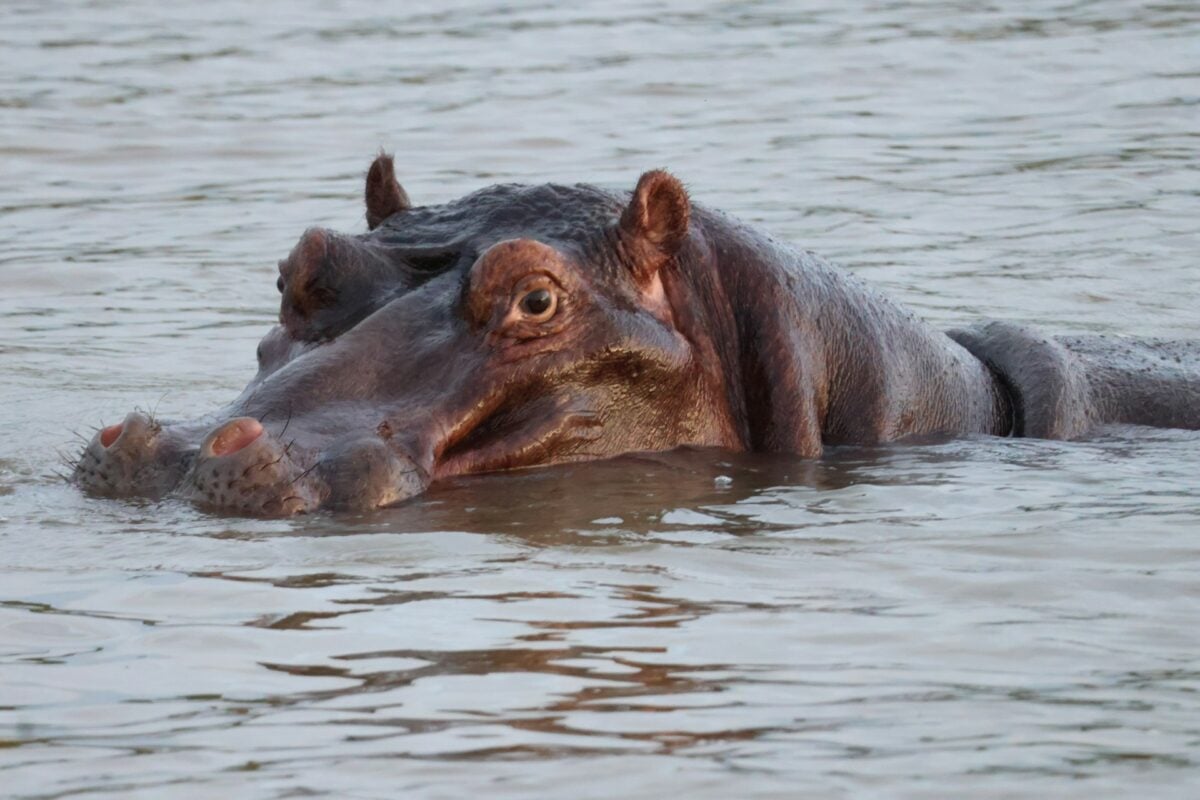
The numbers don’t lie, and they don’t comfort either. Hippos kill an estimated 500 people per year in Africa, making them statistically more dangerous than lions, elephants, and leopards combined.
These aren’t rough estimates or inflated figures designed to make headlines. They’re documented cases, reported incidents, patterns that have held consistent across decades of record-keeping.
To put this in perspective, shark attacks worldwide kill fewer than 10 people annually. The animal that everyone fears in the water is responsible for a fraction of the deaths caused by the animal that looks like it should be selling pool inflatables.
Water Dominance
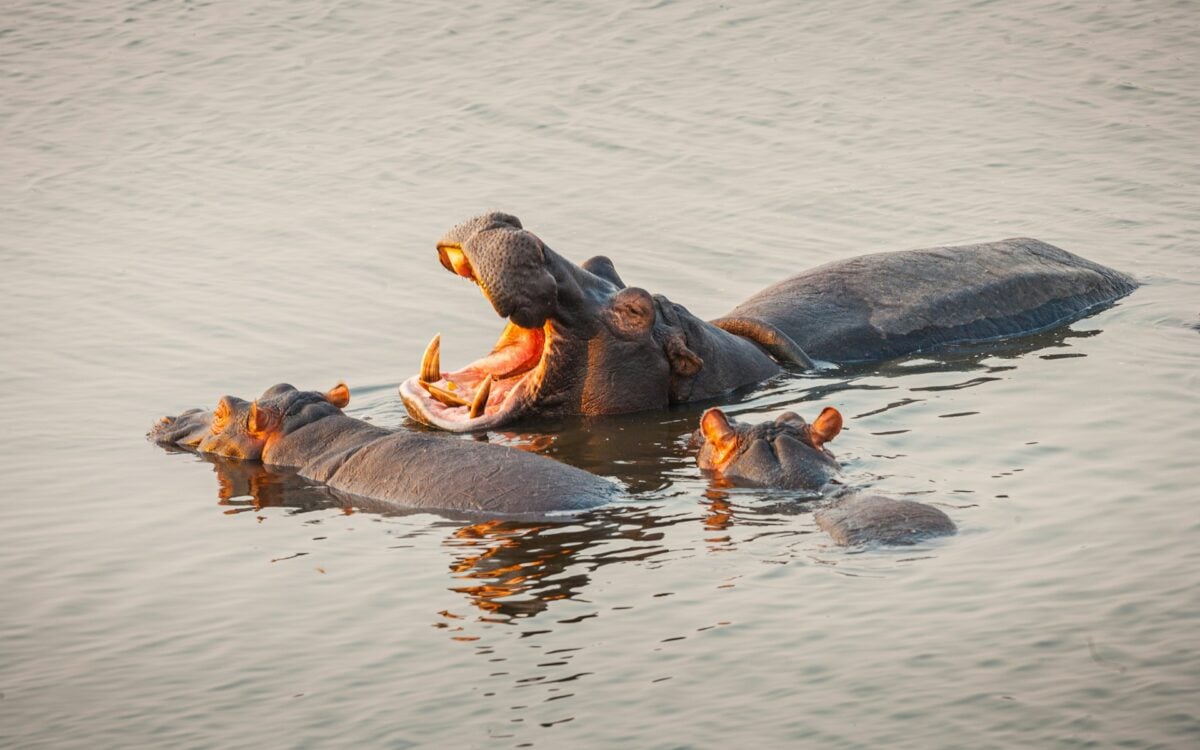
In water, hippos don’t just have home-field advantage — they own the field, the stands, and everything in between. They can hold their breath for up to five minutes, surface without making a ripple, and move underwater with the kind of stealth that seems impossible for something their size.
Boats mean nothing to them. Canoes are toys.
Even larger vessels become irrelevant when a hippo decides the water you’re traveling through belongs to them. The worst part is how little warning you get.
A stretch of river that looks completely empty can hide a dozen hippos, and you won’t know they’re there until one surfaces directly underneath your boat.
Encounters with Fishing Communities
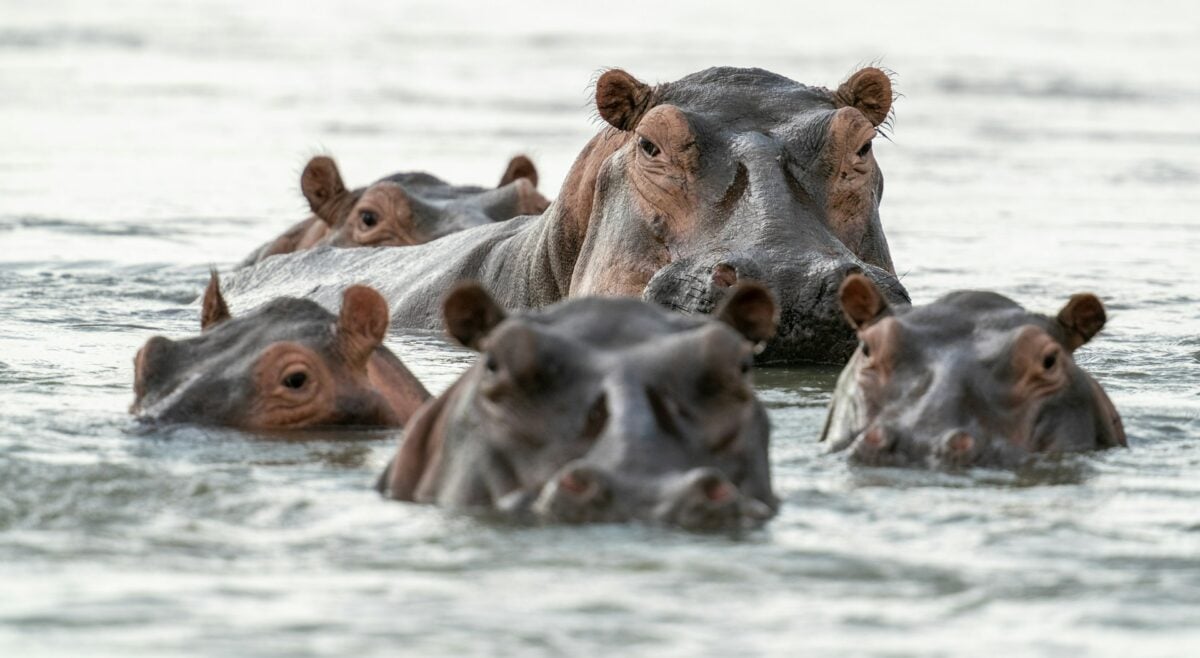
Ask any fishing community along African rivers about hippos, and the stories you hear will change how you think about both animals and risk management. Fishermen don’t fear hippos out of superstition or exaggerated caution.
They fear them because they’ve seen what happens when someone misreads the water, misjudges the distance, or simply ends up in the wrong place when a hippo decides to make a point. These are communities that have worked these waters for generations, people who know every current and sandbar.
Their wariness of hippos comes from experience, not imagination.
Conservation Paradox
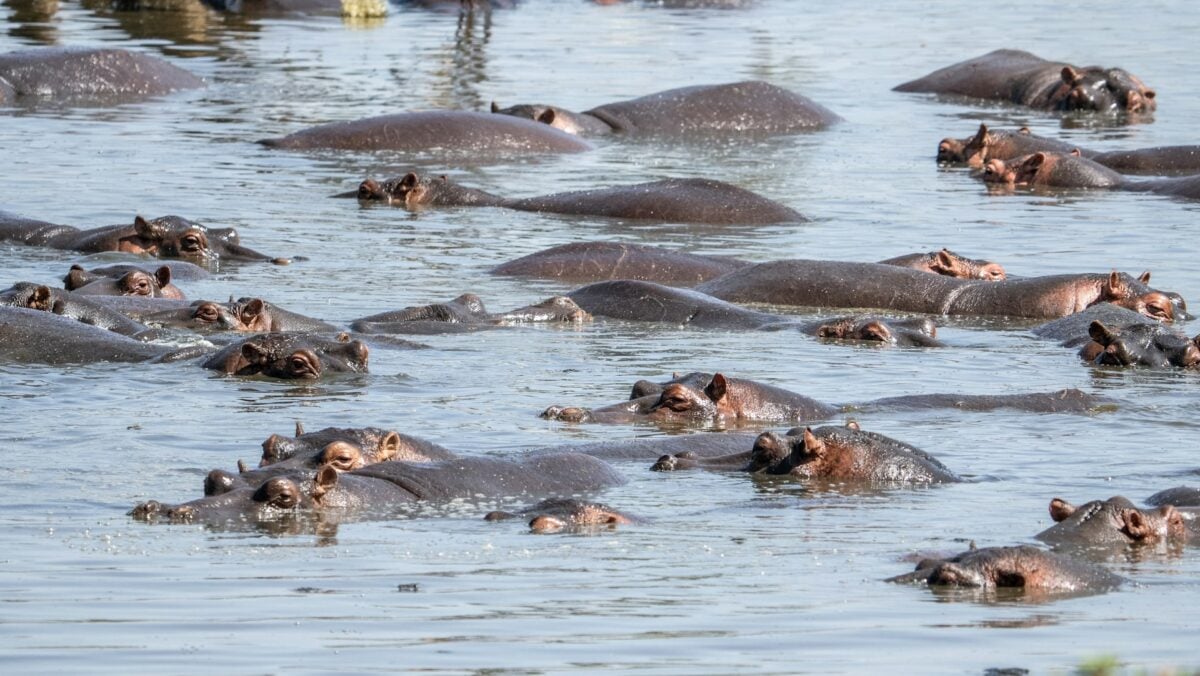
Here’s the uncomfortable reality: hippos need protection, and hippos are genuinely dangerous to the people who live closest to them. Conservation efforts are crucial for maintaining hippo populations, but those same populations pose real, daily risks to human communities that don’t have the luxury of appreciating these animals from a safe distance.
Villages dealing with regular hippo encounters aren’t necessarily opposed to conservation — but they’re also not interested in academic discussions about ecosystem balance when their children can’t safely collect water from the river. The challenge isn’t choosing between human safety and animal protection.
It’s finding ways to make both possible in the same space.
When Worlds Collide
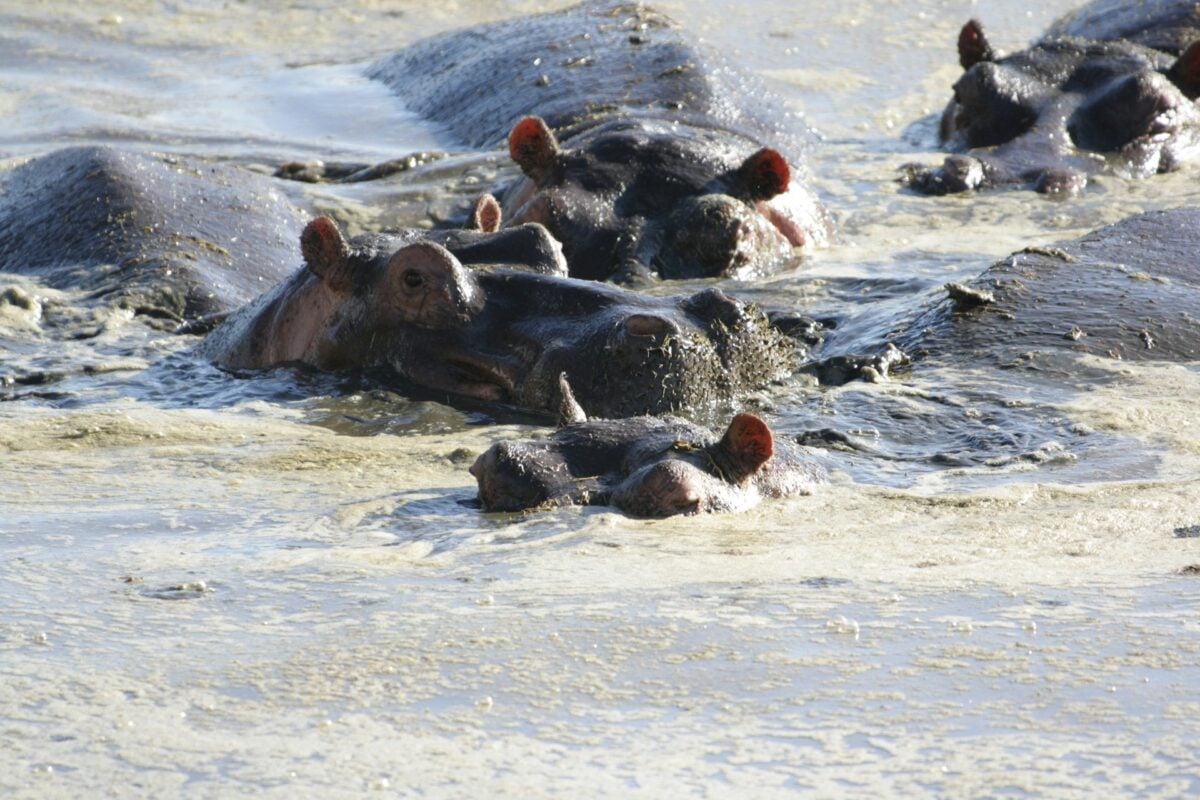
The story of hippos as nature’s killers isn’t really about hippos at all. It’s about what happens when two species with completely different needs end up sharing the same space, and one of those species has evolved to be absolutely uncompromising about defending what it considers home.
Hippos didn’t choose to be dangerous to humans. Humans didn’t choose to need the same water sources that hippos have claimed for millions of years.
But choices or no choices, the reality remains: these massive, deceptively peaceful-looking animals have earned their reputation as one of Africa’s most lethal creatures through sheer consistency in defending their territory against anything they perceive as a threat. Understanding that doesn’t make them less dangerous.
It just makes the danger make sense.
More from Go2Tutors!

- The Romanov Crown Jewels and Their Tragic Fate
- 13 Historical Mysteries That Science Still Can’t Solve
- Famous Hoaxes That Fooled the World for Years
- 15 Child Stars with Tragic Adult Lives
- 16 Famous Jewelry Pieces in History
Like Go2Tutors’s content? Follow us on MSN.



