The Most Hated Fictional Characters
There are characters that make you want to be the hero. Some force you to hurl objects at your screen.
Some fictional characters have accomplished something extraordinary throughout the history of television, movies, and literature: they have brought audiences together in a shared hatred. These aren’t your usual bad guys who gain uneasy admiration for their charm or guile.
These are the characters that truly enrage you, that you fervently hope will be removed from the narrative, and that fans detest to the core of their being. These characters have earned their places in the hall of infamy, whether it is because they are cruel, manipulative, have obnoxious personality traits, or are simply poorly written.
There are wide variations in what constitutes a truly hated character. Sometimes it’s intentional—authors create villains who are so heinous that viewers can’t help but hate them.
At other times, characters that are meant to be humorous or likeable fall flat and are universally despised. This is a list of 13 fictional characters that sparked intense animosity from viewers worldwide.
Dolores Umbridge
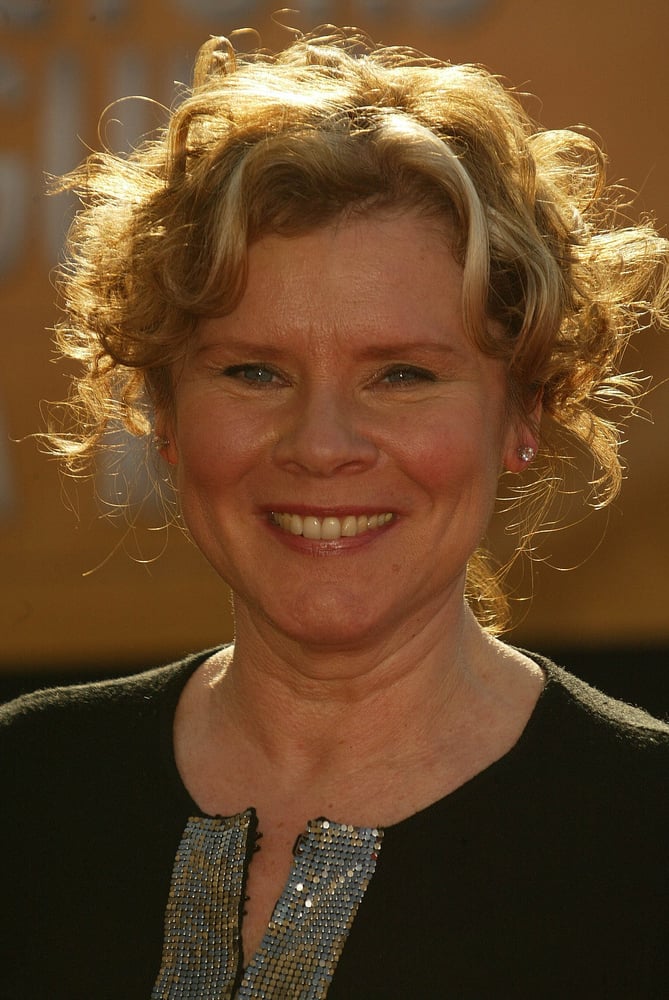
Harry Potter fans will tell you something remarkable—they hate Dolores Umbridge more than Voldemort himself. While the Dark Lord represents obvious evil, Umbridge embodies something far more insidious and relatable.
She’s the petty tyrant who abuses authority while maintaining a veneer of sweetness and propriety. Her pink cardigans and kitten plates disguise a cruel administrator who subjects students to torture, forces Harry to carve words into his own hand with a blood quill, and turns Hogwarts into an oppressive nightmare.
Umbridge represents every terrible teacher, bureaucrat, or boss who’s made your life miserable while smiling sweetly the whole time. That’s why she hits harder than any fantasy villain ever could.
Joffrey Baratheon
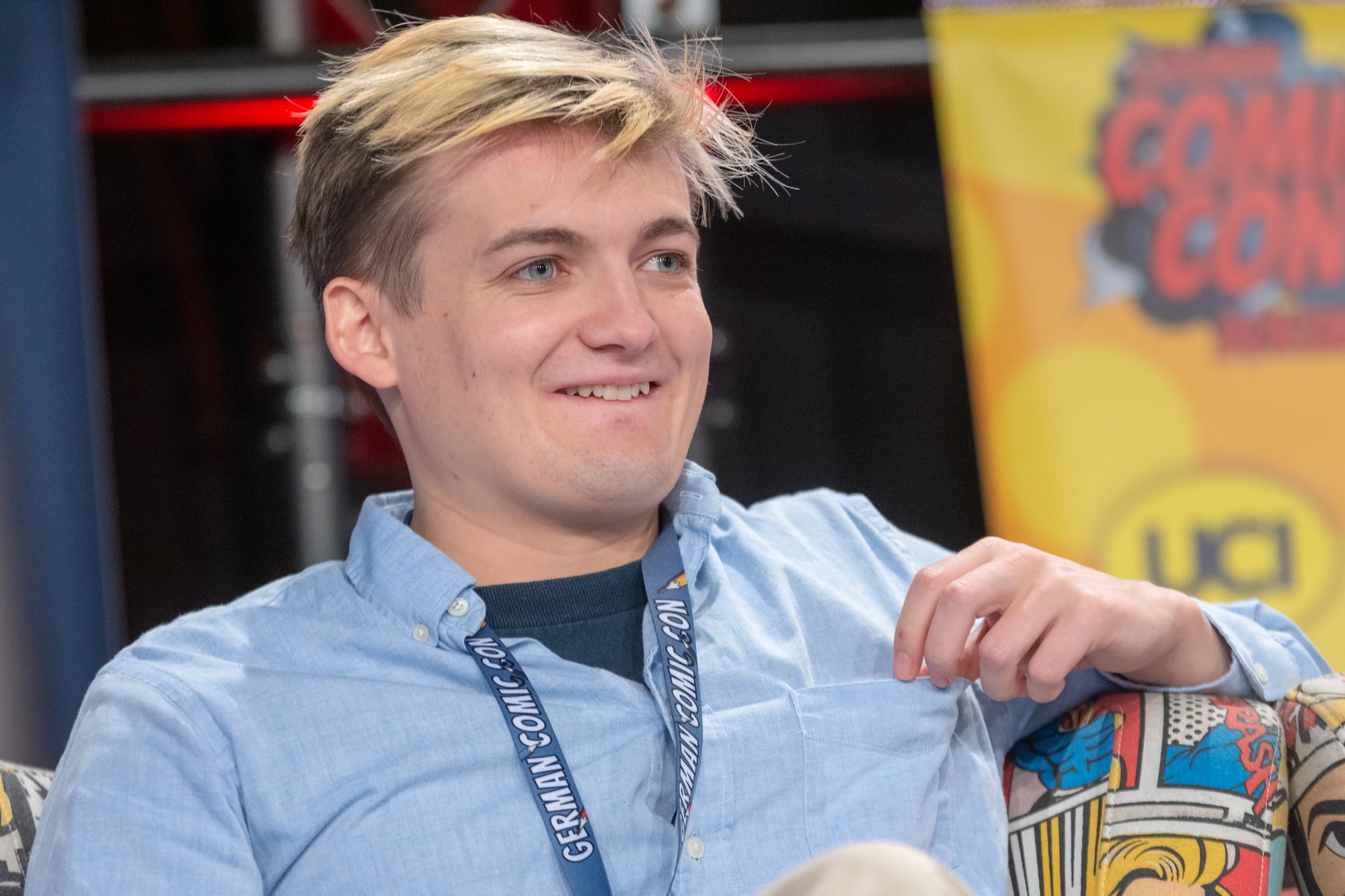
Game of Thrones introduced audiences to a character so sadistic and cowardly that viewers cheered his demise louder than any heroic victory. Joffrey possesses all the worst traits imaginable—he’s cruel without reason, powerful without earning it, and completely devoid of redeeming qualities.
He orders executions for sport, torments Sansa Stark relentlessly, and proves himself a coward at every opportunity. Unlike complex villains in the series who have motivations and depth, Joffrey is simply a spoiled monster who inherited power he never deserved.
His famous wedding scene remains one of the most satisfying moments in television history precisely because audiences had been waiting for it since his first appearance.
Jar Jar Binks
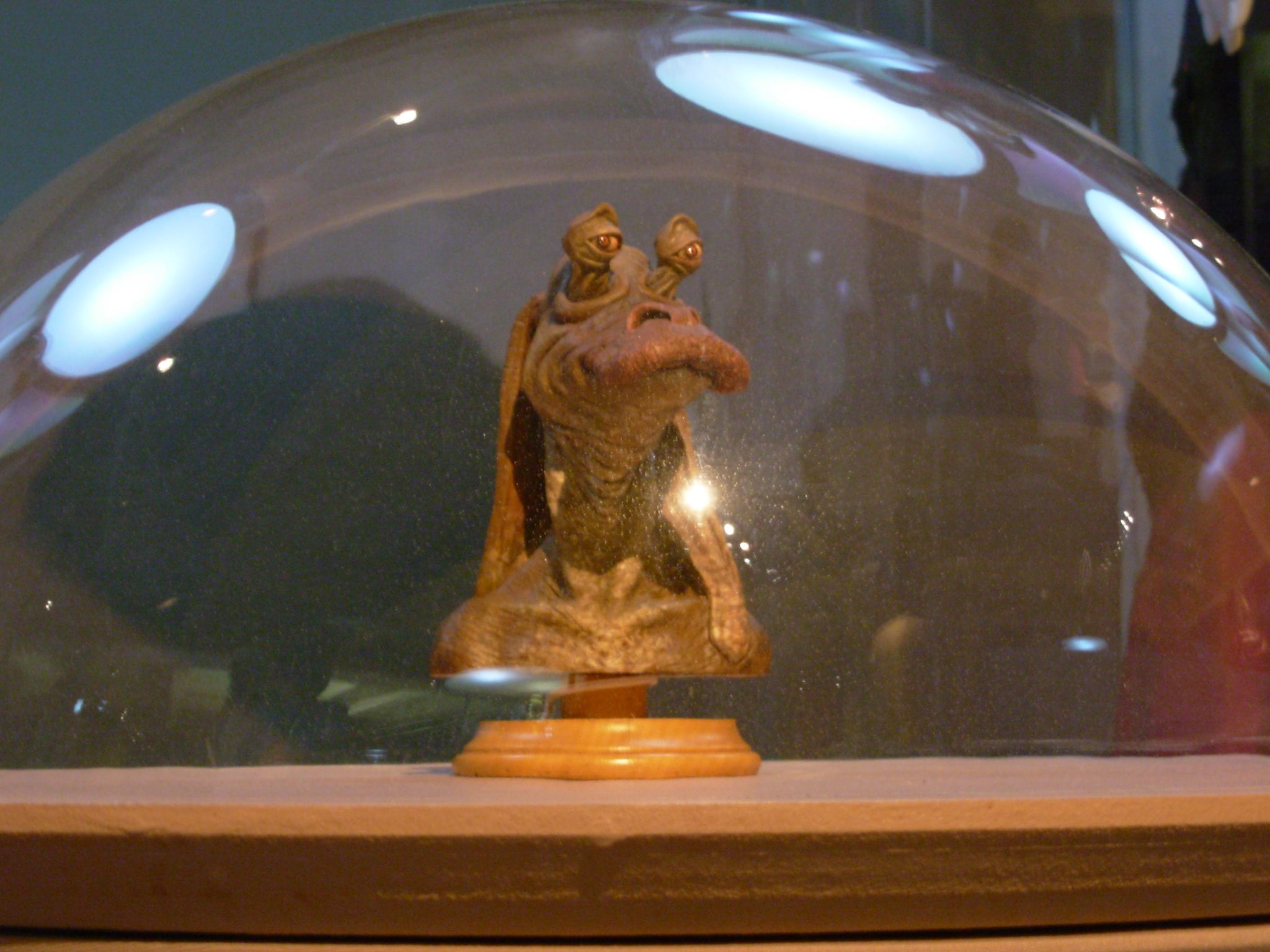
Star Wars fans didn’t just dislike Jar Jar Binks—they actively campaigned to erase him from existence. George Lucas intended the clumsy Gungan to provide comic relief in The Phantom Menace, but instead created arguably the most universally despised character in cinema history.
His grating voice, slapstick antics, and ability to accidentally solve problems through sheer stupidity insulted longtime fans who wanted serious science fiction storytelling. Critics also pointed out troubling racial stereotypes in the character’s design and speech patterns.
Jar Jar became so toxic that he essentially disappeared from subsequent films, and actor Ahmed Best faced such severe backlash that it affected his mental health for years.
Ramsay Bolton
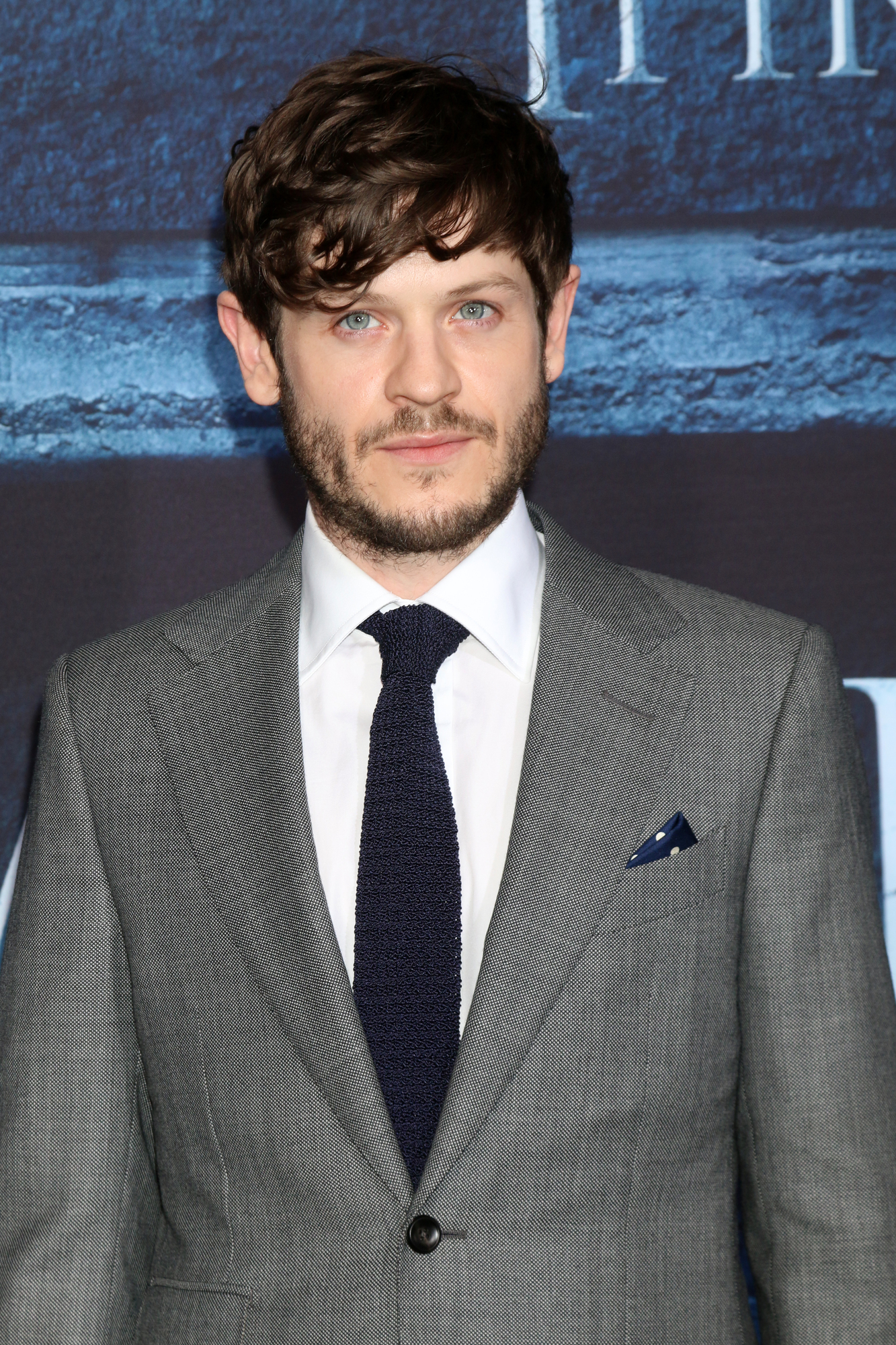
If Joffrey was bad, Ramsay Bolton took cruelty to entirely new levels in Game of Thrones. This sadistic psychopath didn’t just kill his enemies—he broke them physically and psychologically first.
His torture of Theon Greyjoy remains some of the most difficult television ever aired, and when he turned his brutality toward beloved character Sansa Stark, fan hatred reached fever pitch. Ramsay had no redeeming qualities, no sympathetic backstory, and no limits to his depravity.
He hunted women for sport and fed people to his dogs while smiling about it. The only satisfaction fans got was knowing his eventual death would be as brutal as his crimes deserved.
Regina George

Mean Girls gave audiences the ultimate high school villain—beautiful, wealthy, and absolutely vicious. Regina George rules her school through manipulation, backstabbing, and carefully calculated cruelty.
She compliments you to your face while planning your social destruction behind your back. What makes Regina fascinating is that she’s not a cartoonish villain—she’s terrifyingly realistic.
Everyone who survived high school knew a Regina George, or at least feared becoming her target. Rachel McAdams played her with such perfect venom that the character became the gold standard for mean girl portrayals, launching a thousand Halloween costumes and endless quotable moments.
Cal Hockley

Titanic’s villain isn’t the iceberg—it’s Rose’s controlling fiance Cal Hockley. Billy Zane portrayed him as the embodiment of entitled wealth and toxic masculinity.
Cal constantly belittles Rose, treats her like property rather than a person, and reveals himself to be a complete coward when the ship starts sinking. In the extended version of the film, his most despicable moment comes when he grabs a crying child and claims her as his own daughter just to secure a spot on a lifeboat, abandoning the girl once he’s safely aboard.
Cal represents every abusive partner who uses money and status to control others while hiding behind a veneer of respectability.
Bella Swan

Sometimes protagonists become divisive not for villainy but for being frustratingly bland. Bella Swan from the Twilight series drew significant criticism for being such a blank slate that she barely qualified as a character.
Many readers and viewers found her passive, self-absorbed, and devoid of personality beyond her obsession with Edward Cullen. She makes questionable decisions, treats her friends poorly, and spends most of the series waiting for things to happen to her rather than driving any action herself.
The frustration came from wanting to follow more dynamic characters like Alice or even the villains, but being stuck with Bella’s perspective on everything instead.
Commodus
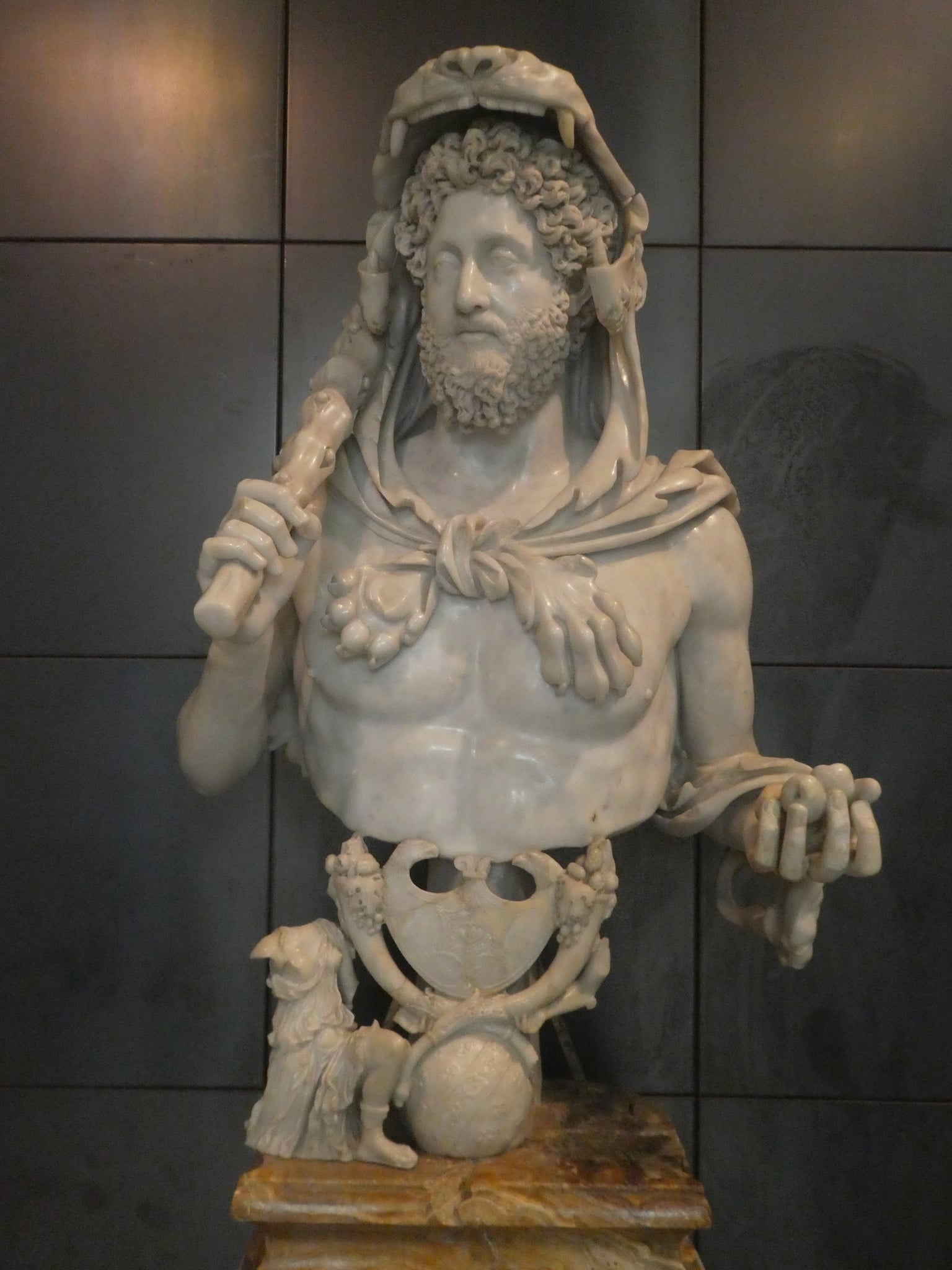
Joaquin Phoenix delivered such a powerfully despicable performance in Gladiator that Commodus became the villain everyone loved to hate. He murders his own father to seize the throne, sentences Maximus to death and murders his family out of jealousy, and proves himself a coward who only fights when he has overwhelming advantage.
Phoenix played him with sniveling insecurity masked by cruelty, making Commodus both pathetic and terrifying. His refusal to ever fight with honor, even in his final moments, cemented his status as completely irredeemable.
The satisfaction of watching Maximus defeat him remains one of cinema’s great cathartic moments.
Wesley Crusher
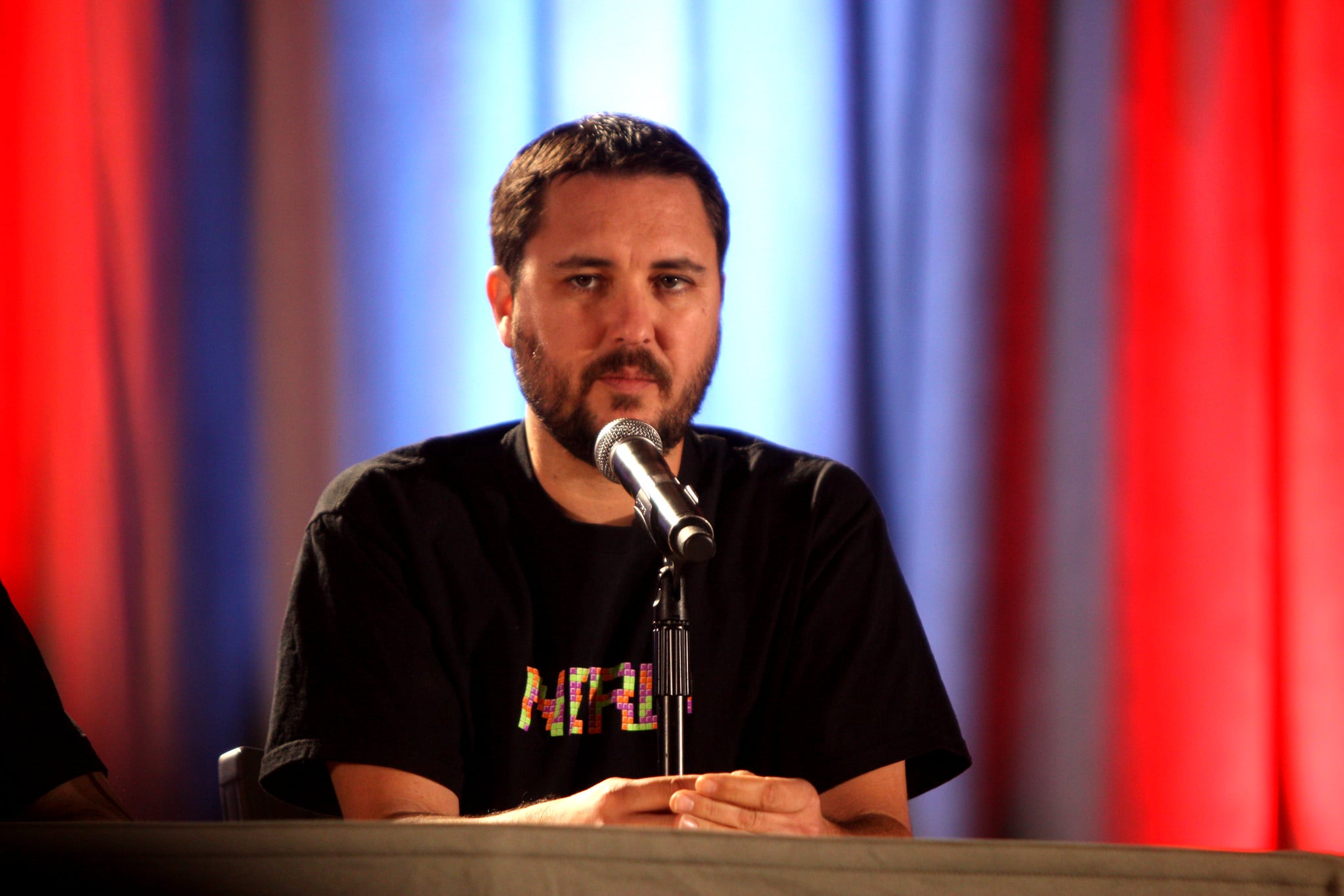
Star Trek: The Next Generation gave us some of the franchise’s best characters—and also its most annoying. Wesley Crusher represented what fans call the “Creator’s Pet,” a character who solves problems through implausible genius despite being the least interesting person on screen.
While Captain Picard demonstrated wisdom, Data explored humanity, and Riker showed charisma, Wesley just happened to save the day repeatedly despite being a teenager with no real qualifications. Wil Wheaton himself has acknowledged how poorly the character was written in early seasons.
Wesley’s presence weakened episodes by taking focus away from the fascinating adult characters fans actually wanted to watch.
Cersei Lannister
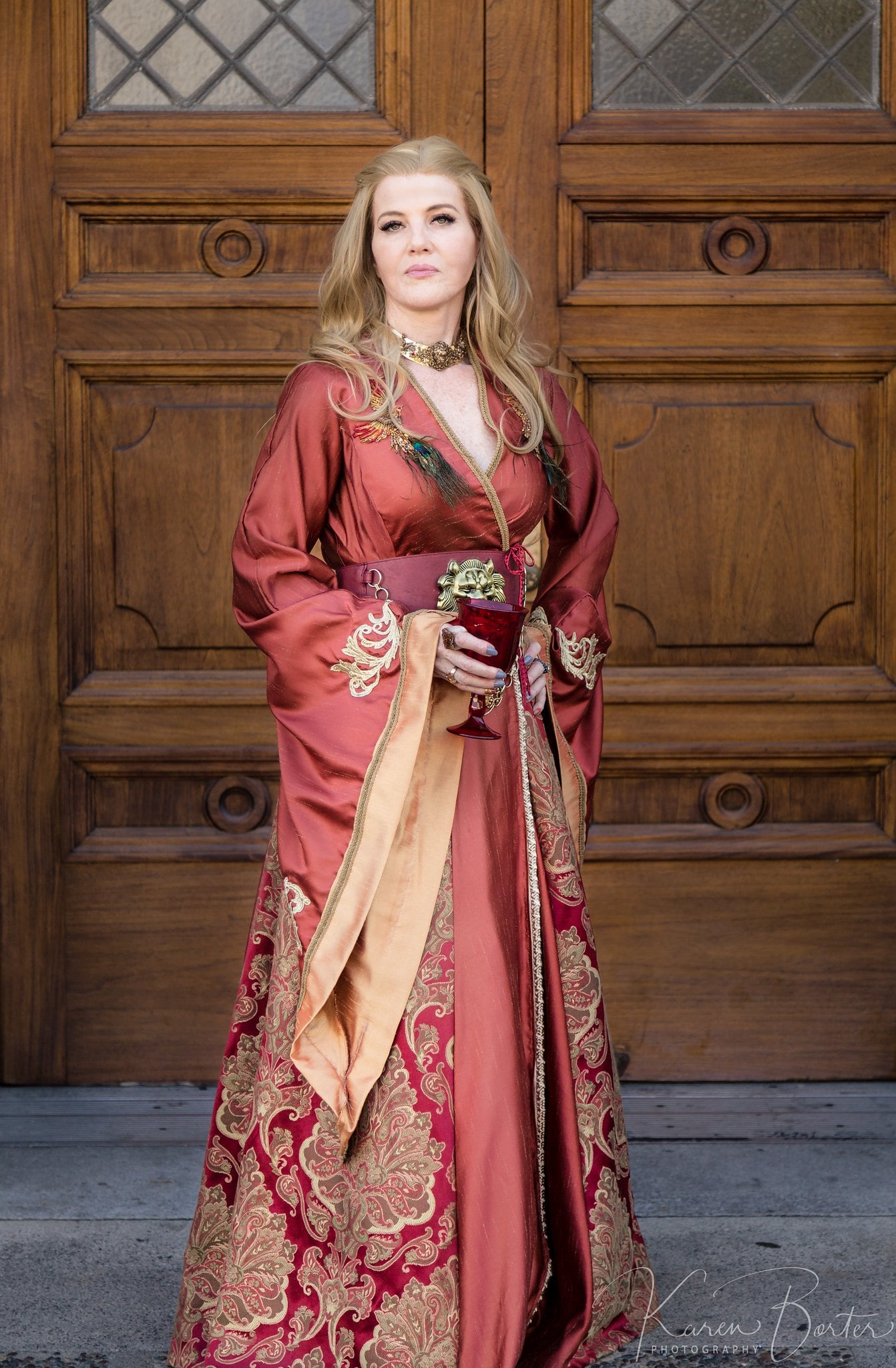
Game of Thrones gave us plenty of villains, but Cersei Lannister earned special hatred through her combination of ruthlessness, narcissism, and complete disregard for consequences. She’s willing to destroy anyone who threatens her power, including blowing up an entire sept full of people just to eliminate her enemies.
Unlike some villains who have understandable motivations, Cersei’s driving force is pure self-interest wrapped in motherly devotion that somehow makes everything worse. Lena Headey’s brilliant performance made Cersei simultaneously compelling and absolutely infuriating, especially as her terrible decisions repeatedly made situations worse for everyone around her.
Veruca Salt
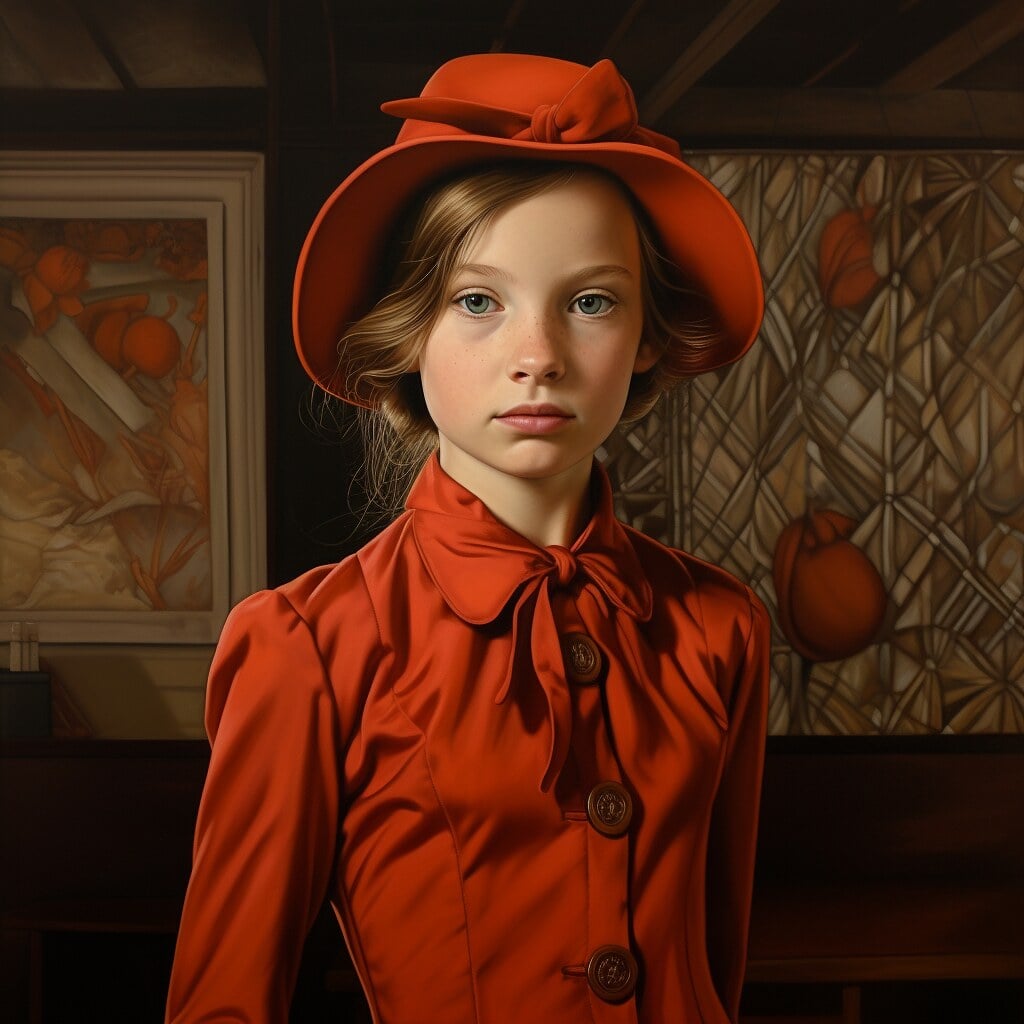
Roald Dahl understood how to create characters children would hate, and Veruca Salt from Charlie and the Chocolate Factory epitomizes the spoiled brat archetype. She’s the girl who screams ‘I want it now!’ and has parents who give her everything without question.
Her demands, tantrums, and complete lack of gratitude make her unbearable from her first scene. What makes Veruca satisfying as a hated character is her comeuppance—in the beloved 1971 film adaptation, she’s sorted as a bad nut and sent down the garbage chute.
Dahl knew that sometimes the most satisfying thing in children’s literature is watching spoiled kids face consequences for their awful behavior.
Homelander
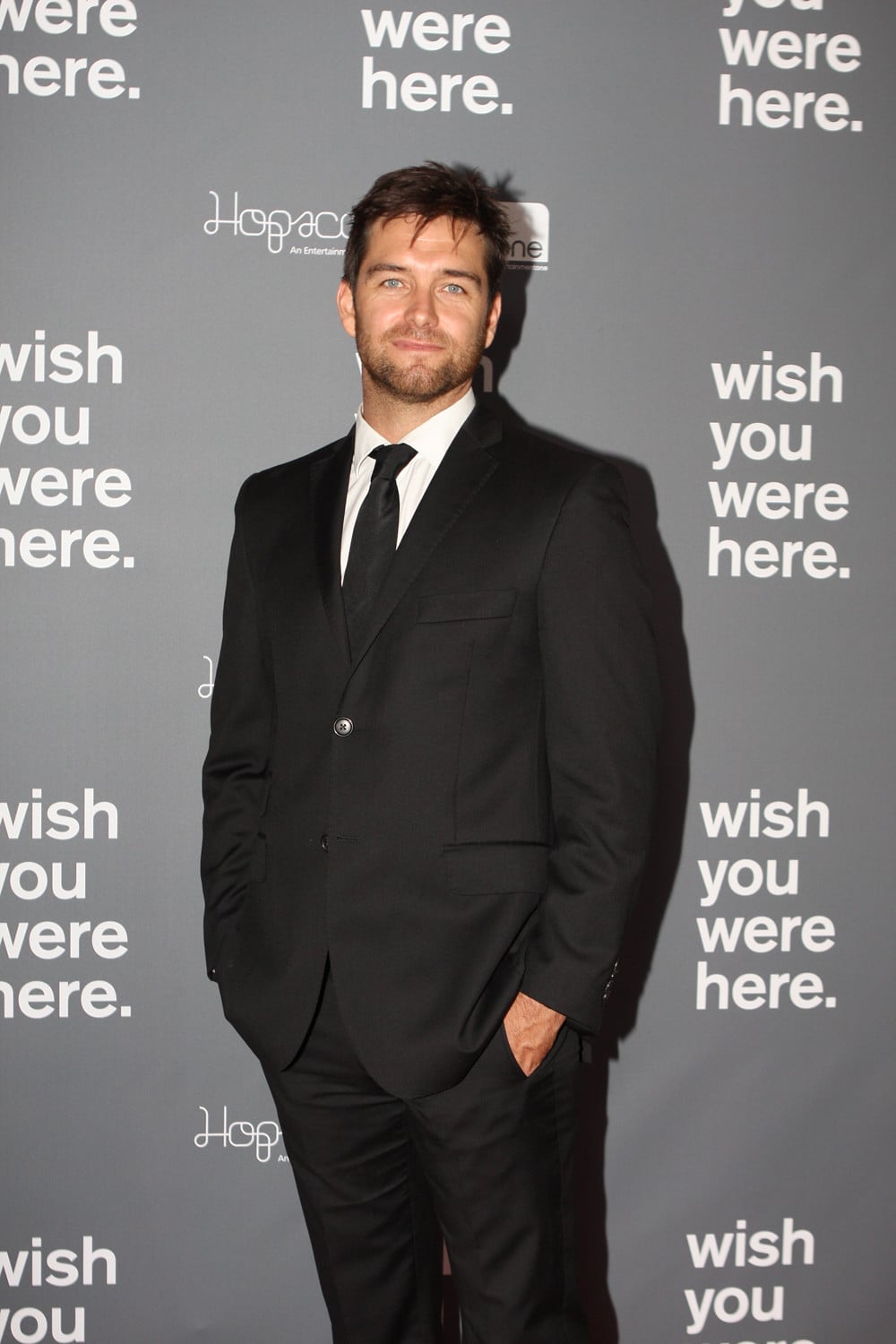
The Boys turned the superhero genre on its head with Homelander, a character with Superman’s powers but absolutely none of his morality. Antony Starr plays him as a sociopath wearing a cape, someone who commits atrocities while maintaining his public image as America’s greatest hero.
He’s narcissistic, insecure, and violently unstable, murdering anyone who threatens his ego or position. What makes Homelander particularly unsettling is his unpredictability—you never know when his smile will turn into casual murder.
He represents everything wrong with unchecked power and celebrity worship, making him both terrifying and darkly fascinating.
Mr. Potter
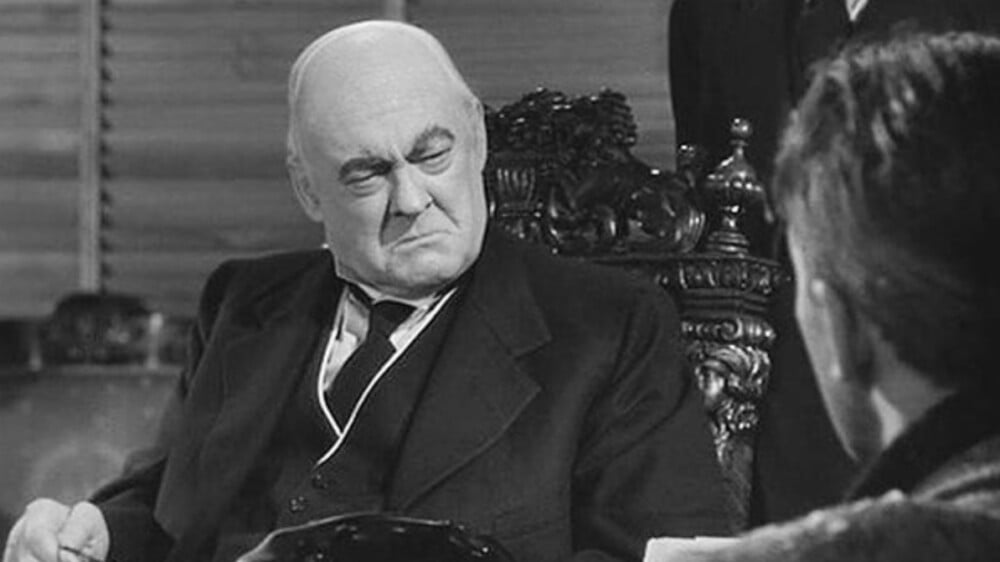
It’s a Wonderful Life is beloved for its heartwarming message, but fans have never forgiven the film for letting Mr. Potter escape justice. This greedy banker spends the entire movie trying to crush George Bailey and control Bedford Falls through financial manipulation.
His most villainous act comes when he finds the missing bank money and deliberately keeps it, knowing it will ruin George, then watches the Bailey family suffer without remorse. While the town rallies to save George, Potter faces no consequences for his theft and cruelty.
That lack of comeuppance has frustrated audiences for decades, making Potter one of cinema’s most hated villains despite appearing in a feel-good Christmas classic.
Why We Need Characters to Hate
Storytelling relies heavily on hated characters. They provide conflict that propels stories along, give heroes someone to overcome, and provide catharsis when they ultimately receive what they are due.
When you call someone a Regina George or liken a bureaucrat to Dolores Umbridge, everyone understands what you mean. The truly memorable ones go beyond their stories to become cultural touchstones.
Specificity is what makes great, hated characters stand out from forgettable ones. Characters with unique characteristics that appeal to our psychological sensibilities leave a lasting impression, while generic villains bored us.
We’ve all had to deal with small-time despots, which is why Umbridge speaks to us. Jar Jar is irritated because he stands for imaginative choices that completely fell short.
The reason Regina George survives is that everyone understands the social dynamics of high school. The greatest authors are aware that evoking strong feelings in their readers, including hatred, indicates that they have produced something potent.
As long as the hatred stems from skillful writing rather than ineptitude, these characters demonstrate that being hated can be just as much of an accomplishment as being loved. They serve as a reminder of why we invest in stories in the first place: when we are moved to hate a fictional character, the story has succeeded.
More from Go2Tutors!

- The Romanov Crown Jewels and Their Tragic Fate
- 13 Historical Mysteries That Science Still Can’t Solve
- Famous Hoaxes That Fooled the World for Years
- 15 Child Stars with Tragic Adult Lives
- 16 Famous Jewelry Pieces in History
Like Go2Tutors’s content? Follow us on MSN.