The Rarest Precious Metals on Earth
Most people think of gold and silver when precious metals come to mind. These shiny materials have been valued for thousands of years, appearing in everything from ancient coins to modern jewelry.
But deep in the earth’s crust, there are metals so rare that most people have never even heard of them. Some are worth far more than gold per ounce, while others are so scarce that only a few hundred pounds exist in the entire world.
These extraordinary materials don’t just sit in vaults looking pretty. They power critical technologies, from cancer treatments to spacecraft, making them essential to modern life despite their incredible rarity.
Let’s look at these fascinating elements that make gold seem almost common by comparison.
Rhodium
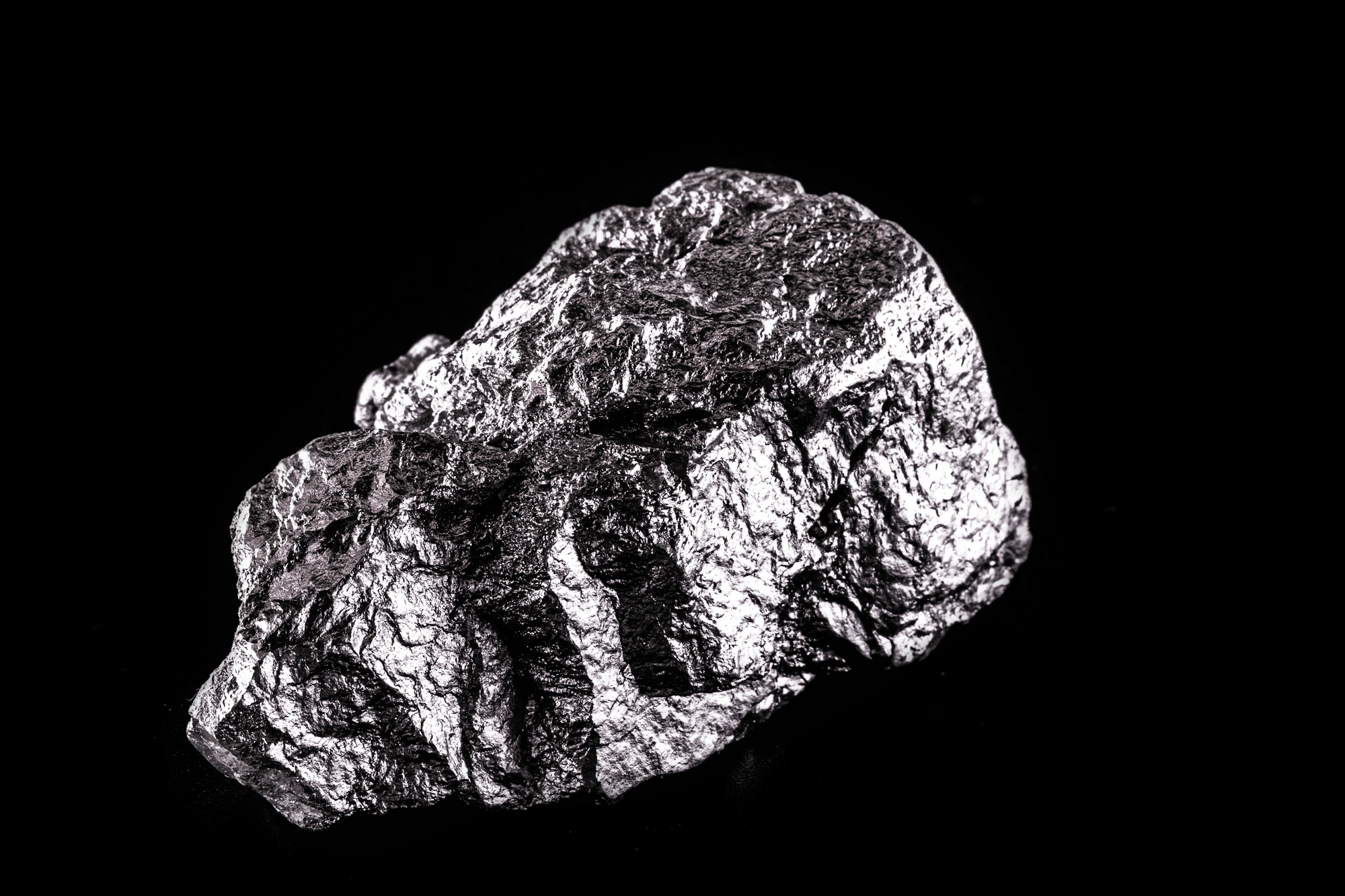
This silvery white metal sits at the top of the rarity pyramid, and its price reflects that status. Rhodium belongs to the platinum group of metals and comes almost exclusively from mining operations in South Africa and Russia.
Car manufacturers desperately need this material because it makes catalytic converters work efficiently, turning harmful engine emissions into less dangerous gases. The metal is so rare that annual global production amounts to only about 30 tons, which is roughly the weight of five elephants.
Jewelry makers also use thin rhodium plating to give white gold its brilliant shine and protect silver from tarnishing.
Osmium
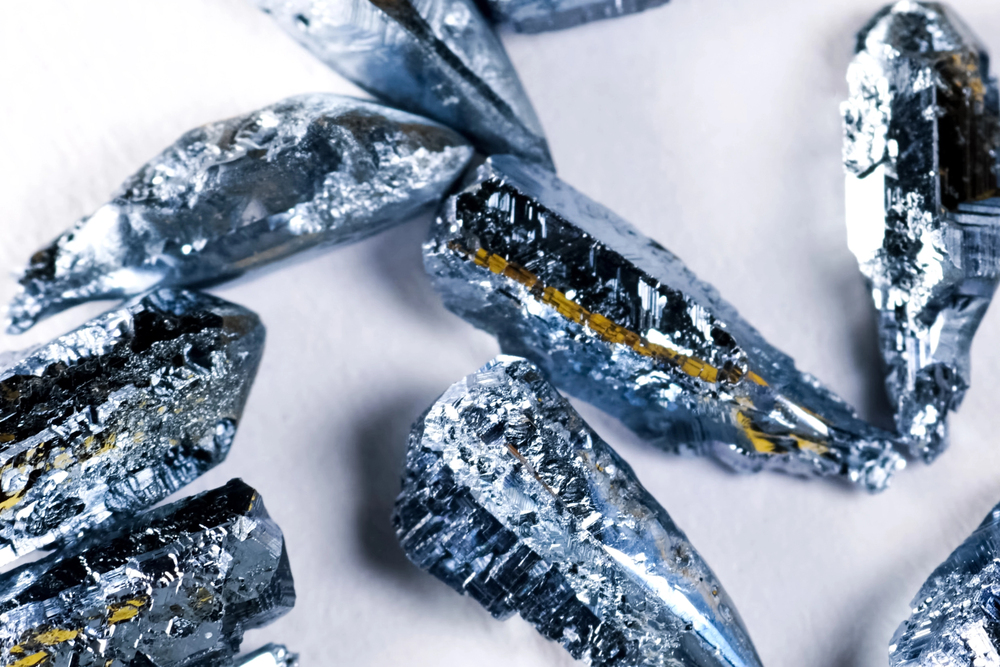
Picture the heaviest naturally occurring element on the periodic table, and you’re looking at osmium. This bluish silver metal is twice as dense as lead, which means a basketball sized sphere of osmium would weigh about 485 pounds.
Finding osmium in nature is extremely difficult because it only appears as a byproduct when mining platinum and nickel. The metal has an unusual property that makes it both fascinating and challenging to work with: it forms a toxic compound when exposed to air at room temperature.
Despite this hazard, scientists value osmium for making extremely hard alloys used in fountain pen tips and electrical contacts that need to resist wear for decades.
Iridium

When scientists needed to explain why dinosaurs vanished 66 million years ago, they found their answer in iridium. This metal barely exists in Earth’s crust because most of it sank to the planet’s core billions of years ago during formation.
A thin layer of iridium rich clay circles the globe at the geological boundary marking the dinosaur extinction, providing strong evidence that an asteroid impact caused the catastrophe. Modern uses for iridium include spark plugs that last hundreds of thousands of miles and crucibles that can hold molten materials at temperatures exceeding 3,600 degrees Fahrenheit.
The metal resists corrosion better than almost any other element, making it perfect for equipment that faces extreme conditions.
Ruthenium
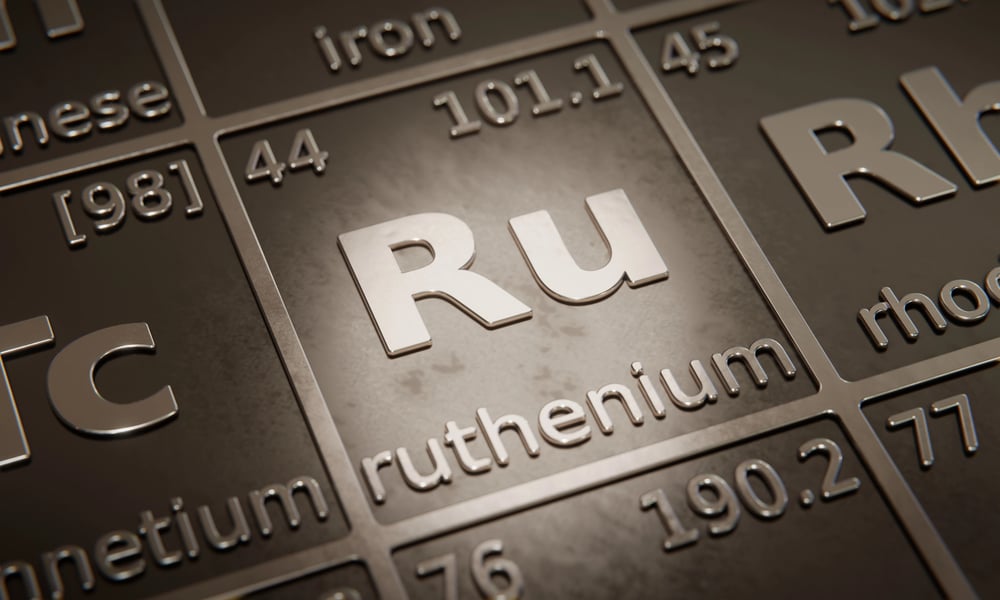
This member of the platinum group has a dark gray appearance that sets it apart from its shinier cousins. Ruthenium rarely gets attention in jewelry stores, but electronics manufacturers consider it incredibly valuable.
The metal helps make computer hard drives store more data by allowing magnetic layers to be packed more densely together. Annual production worldwide amounts to only about 30 tons, similar to rhodium, with most coming from Russia and South America.
Chemists also appreciate ruthenium because it speeds up certain reactions without being consumed in the process, making it useful for producing ammonia and other industrial chemicals.
Rhenium

Aircraft engines couldn’t reach their current levels of performance without rhenium. This silver white metal has the third highest melting point of any element, letting it survive the extreme heat inside jet turbines.
Engineers blend rhenium with nickel to create superalloys that maintain their strength even when glowing red hot. Only about 50 tons get produced each year globally, mostly as a byproduct of molybdenum mining in Chile and the United States.
The metal also appears in catalysts used by oil refineries to convert crude oil into high octane gasoline. Prices for rhenium can swing wildly depending on demand from the aerospace industry.
Palladium
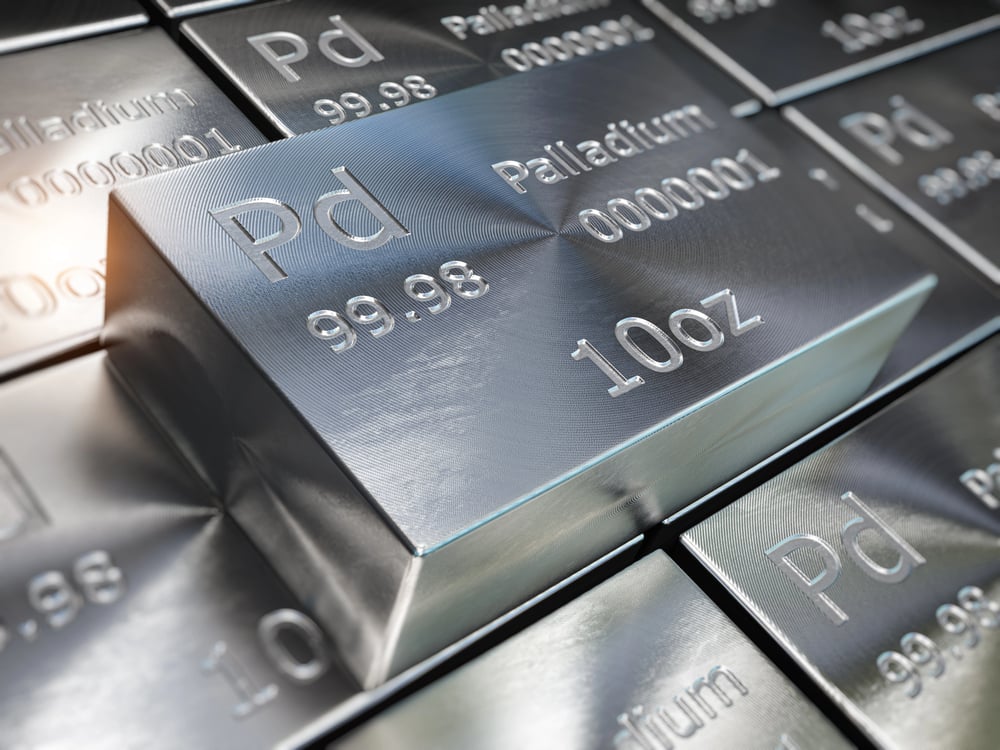
Car buyers probably don’t realize they’re driving around with one of Earth’s rarest metals under their vehicles. Palladium has become essential for catalytic converters, especially in gasoline powered cars, because it efficiently reduces nitrogen oxide emissions.
Russia and South Africa supply most of the world’s palladium through mining operations that also yield platinum and other rare metals. The electronics industry uses this silvery material in multilayer ceramic capacitors found in smartphones, laptops, and televisions.
Palladium’s price surpassed gold in 2019 and has stayed higher for extended periods, reflecting strong demand and limited supply. Jewelers sometimes use palladium as a white gold alternative because it doesn’t require rhodium plating.
Platinum
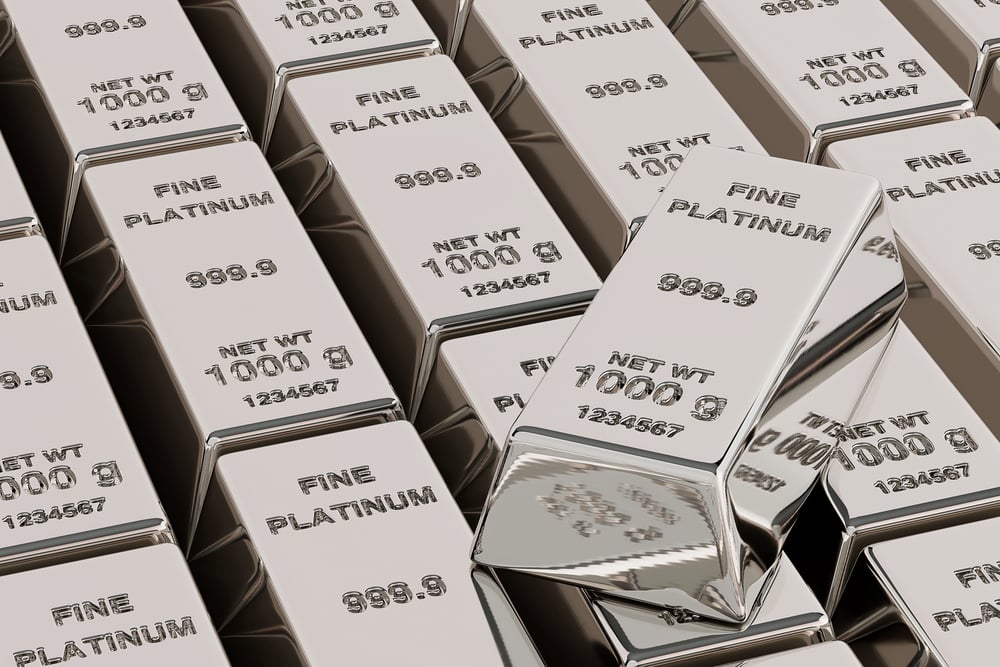
Ancient Egyptians used platinum in jewelry without fully understanding what they had, mixing it with gold to create decorative objects. This dense, silver white metal resists tarnishing and corrosion so well that it looks the same after decades of wear.
Most platinum comes from just two countries: South Africa produces about 70 percent of the world’s supply, while Russia accounts for much of the remainder. The metal’s high melting point and stability make it ideal for laboratory equipment, high temperature thermocouples, and electrodes in various industrial processes.
Cancer patients also benefit from platinum based chemotherapy drugs that help fight tumors. Wedding bands made from platinum last generations because the metal barely wears down over time.
Tellurium
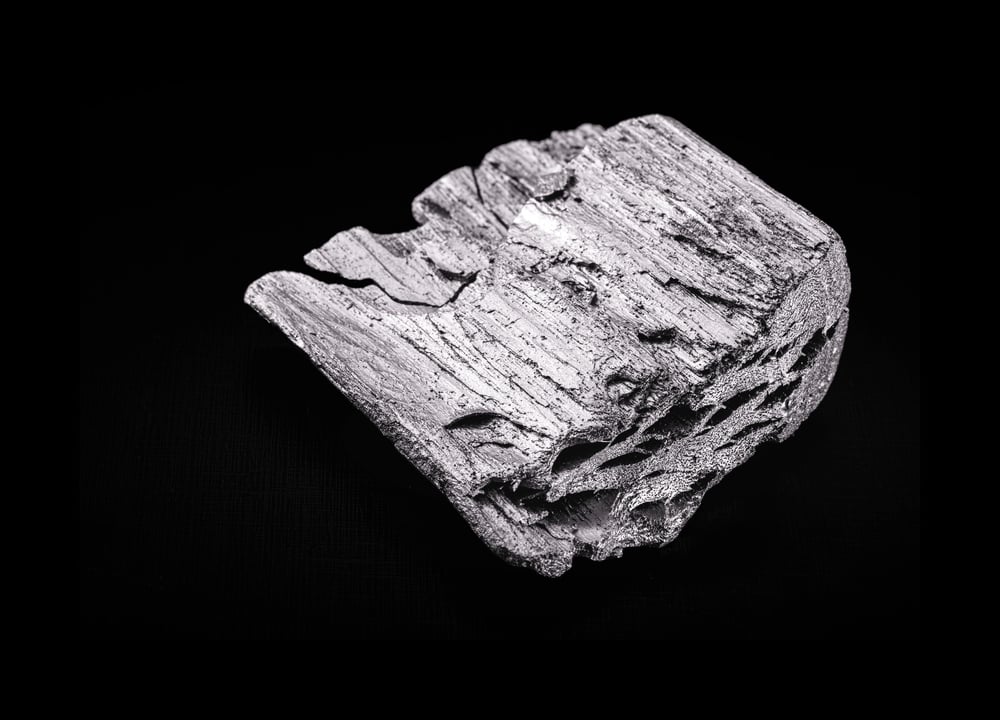
This element sits in an odd place on the periodic table between metals and non metals, giving it unusual properties. Tellurium appears so rarely in Earth’s crust that it’s about as scarce as platinum, yet far fewer people know about it.
Solar panel manufacturers need tellurium to create thin film photovoltaic cells that convert sunlight into electricity efficiently. The element also improves steel and copper alloys by making them easier to machine without reducing their strength.
Most tellurium comes as a byproduct of copper refining, with annual production reaching only a few hundred tons worldwide. Adding small amounts of tellurium to rubber helps it resist heat and aging.
Scandium
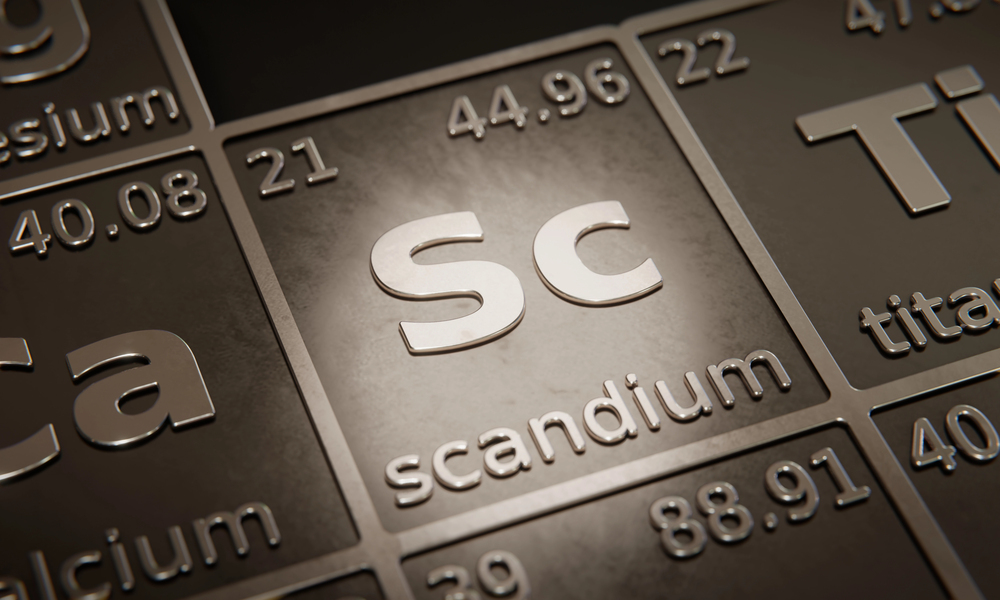
Aluminum alloys become significantly stronger and lighter when manufacturers add tiny amounts of scandium. This property makes the metal extremely valuable to aerospace companies building aircraft frames and to sporting goods makers creating high end baseball bats and bicycle frames.
Scandium doesn’t occur in concentrated deposits the way other metals do, instead spreading thinly through various minerals. China, Russia, and Ukraine produce most of the world’s scandium supply, though annual production barely reaches 20 tons.
The metal also shows promise in solid oxide fuel cells that could provide efficient power generation. Its rarity and the difficulty of extraction keep scandium prices high despite relatively modest demand.
Indium
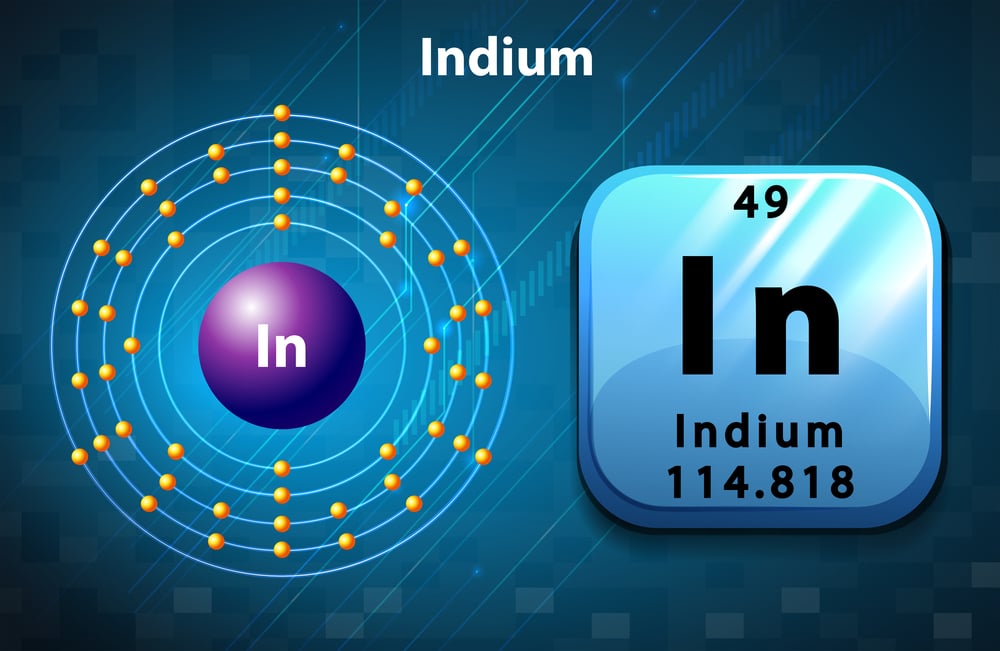
Touchscreens on smartphones and tablets wouldn’t work without indium tin oxide, a transparent conducting material. This soft, silvery metal bends easily and has a low melting point that makes it useful for creating low temperature solders.
Most indium comes as a byproduct of zinc ore processing, with China supplying roughly half of global production. The electronics industry consumes most of the world’s indium supply for making LCD screens, light emitting diodes, and solar panels.
Scientists worry about potential indium shortages as demand for touchscreen devices continues growing while discovery of new deposits remains rare. Annual production amounts to less than 1,000 tons worldwide.
Gold
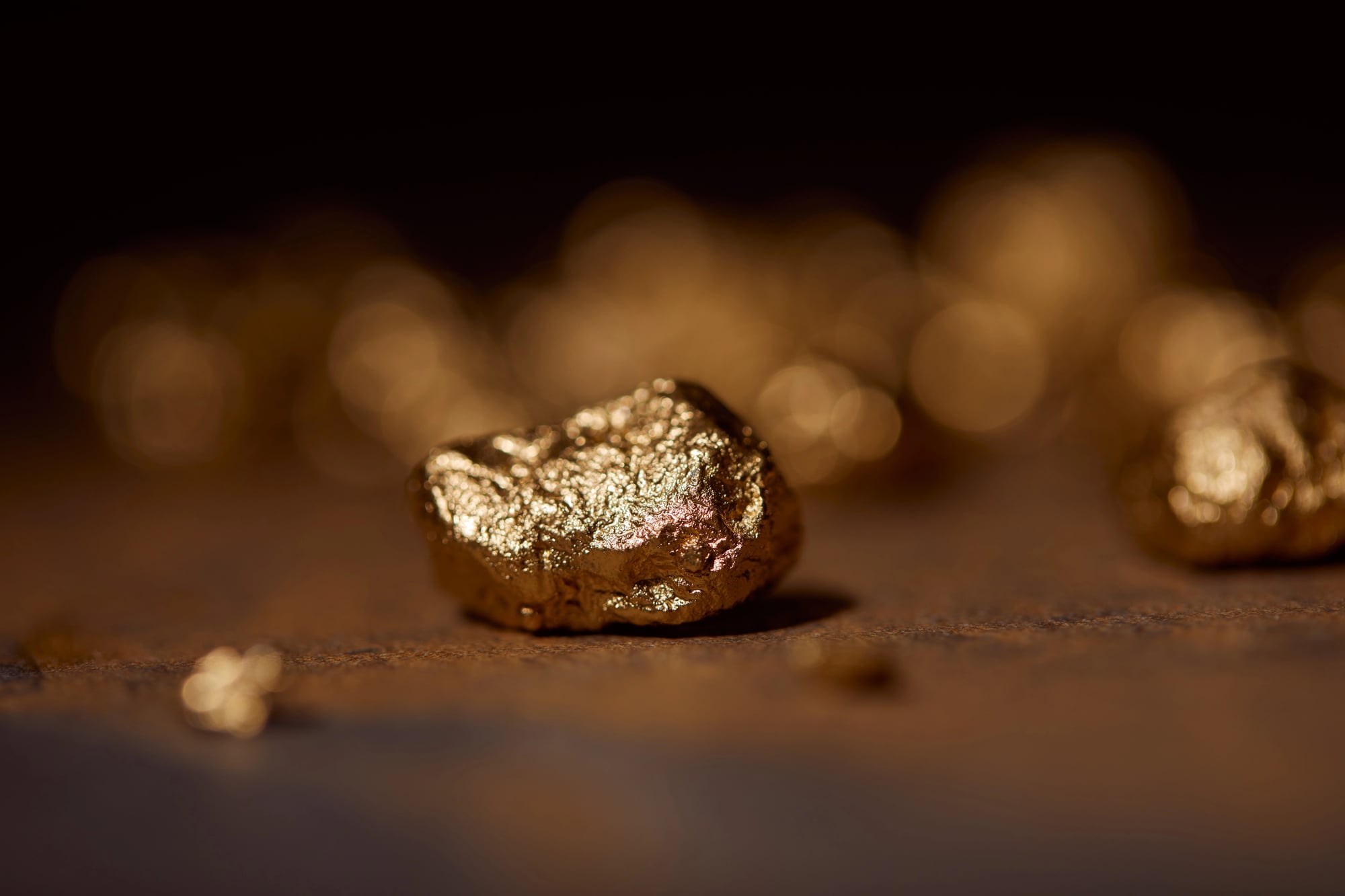
Yes, gold makes this list despite its fame because it truly is remarkably rare. All the gold ever mined throughout human history would fit into a cube measuring only about 72 feet on each side.
This yellow metal doesn’t rust, tarnish, or corrode, which explains why ancient gold artifacts still shine after thousands of years underground. Beyond jewelry and investment bars, gold serves critical roles in electronics because it conducts electricity reliably and resists oxidation.
Dentists use gold alloys for crowns and bridges that can last 40 years or more. The metal’s value comes not just from scarcity but from its unique combination of beauty, workability, and chemical stability.
Miners must move and process about 10 tons of ore to extract a single ounce of gold.
Silver
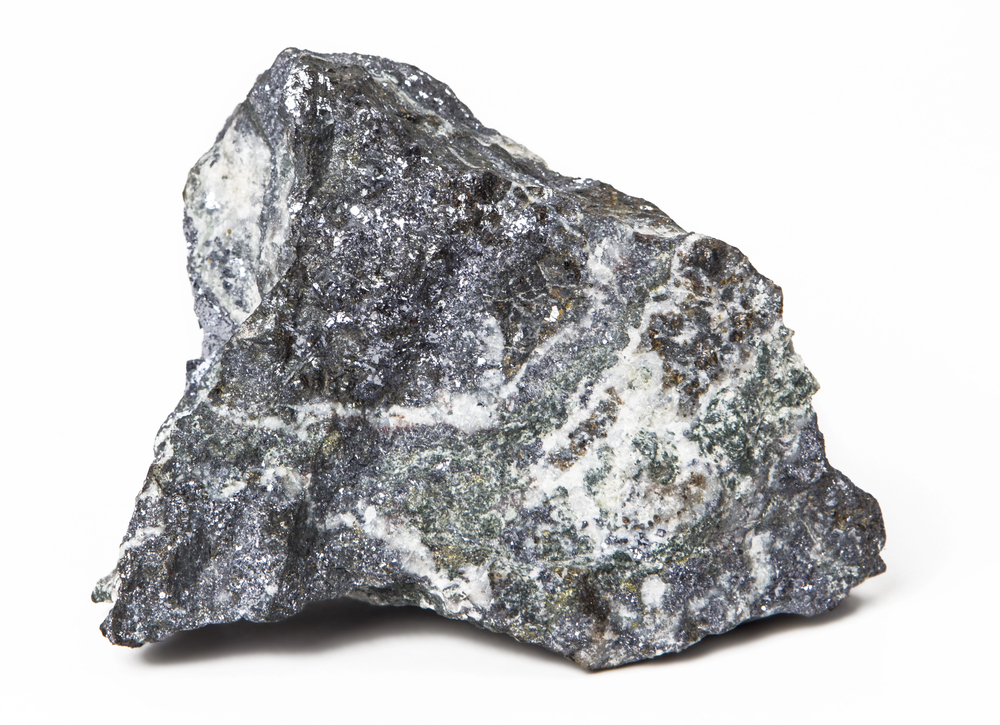
This shiny white metal has been minted into coins for over 2,500 years and remains popular for jewelry worldwide. Silver conducts electricity and heat better than any other element, making it essential for solar panels, electrical contacts, and high performance batteries.
Photography relied heavily on silver compounds for over a century before digital cameras reduced that demand. The metal also has natural antibacterial properties, leading to its use in medical equipment, water purification systems, and odor resistant fabrics.
Mexico produces more silver than any other country, followed by Peru and China. Unlike gold, silver tarnishes when exposed to sulfur compounds in the air, creating that familiar dark coating that requires polishing.
Gallium

Hold a piece of gallium in your hand and watch it melt from your body heat, turning into a silvery liquid. This unusual metal stays solid until temperatures reach about 85 degrees Fahrenheit, making it one of the few metals that can exist as a liquid near room temperature.
Smartphone manufacturers rely on gallium arsenide and gallium nitride compounds to make the integrated circuits and LEDs that power modern devices. The metal comes primarily as a byproduct of processing aluminum ore and zinc ores.
Global production reaches only a few hundred tons annually, with China dominating supply. Gallium also shows up in thermometers designed to replace mercury because it’s much less toxic.
Germanium
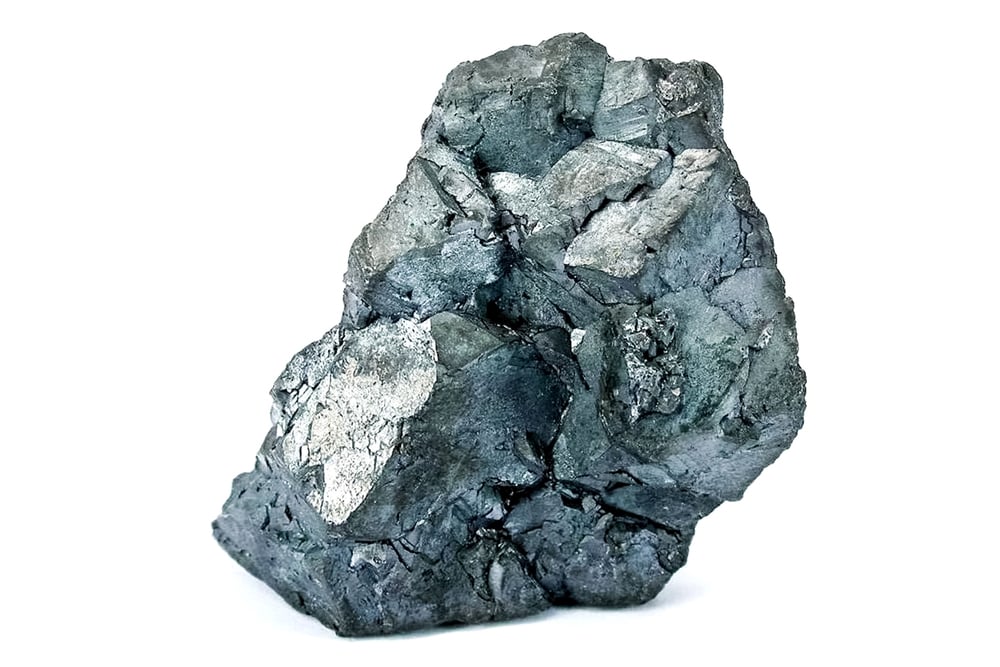
This grayish white element played a crucial role in creating the first transistors that launched the computer revolution. Fiber optic cables use germanium oxide to improve signal transmission, carrying internet data across continents at the speed of light.
The metal also appears in infrared optics for night vision goggles and thermal imaging cameras that detect heat signatures. China produces about two thirds of the world’s germanium supply, extracting it from zinc ores and coal ash.
Annual production worldwide amounts to only about 160 tons. Germanium’s semiconducting properties make it valuable for specialized high speed electronics, though silicon has replaced it in most common applications.
Hafnium
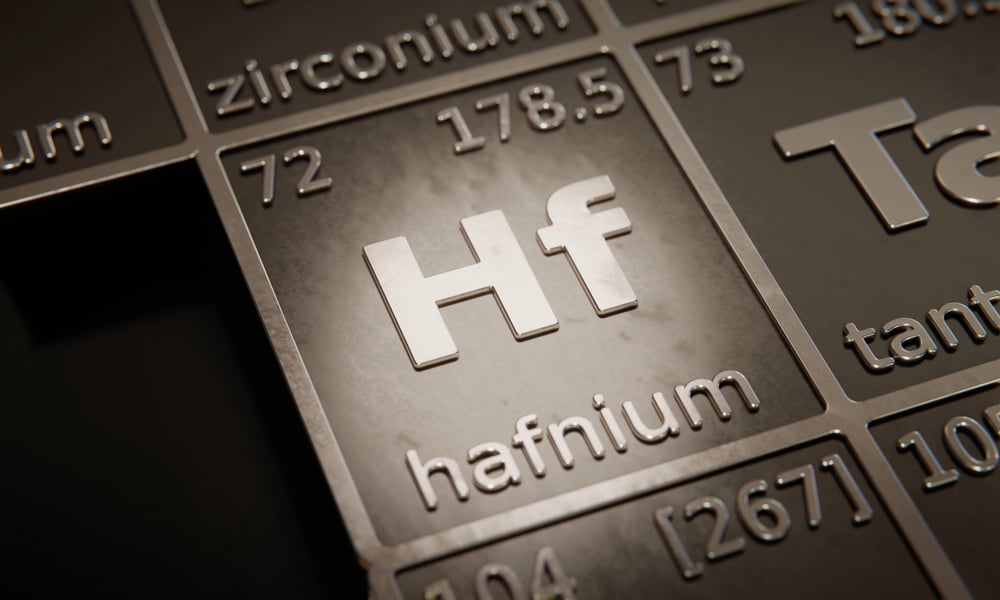
Nuclear reactors use hafnium in control rods to soak up neutrons while keeping chain reactions under control. Though it’s a silvery metal, it resembles zirconium so much that scientists couldn’t tell them apart till the 1900s long after they found zirconium.
In tech, companies rely on hafnium oxide as a barrier inside cutting edge microchips, allowing denser transistor layouts without overheating. Nearly all supply stems from plants processing zirconium across France, America, and parts of Ukraine.
Yearly output is just over 100 tons worldwide. Because it withstands heat so well while resisting rust, this material works well in high performance alloys used across modern industry.
Tantalum
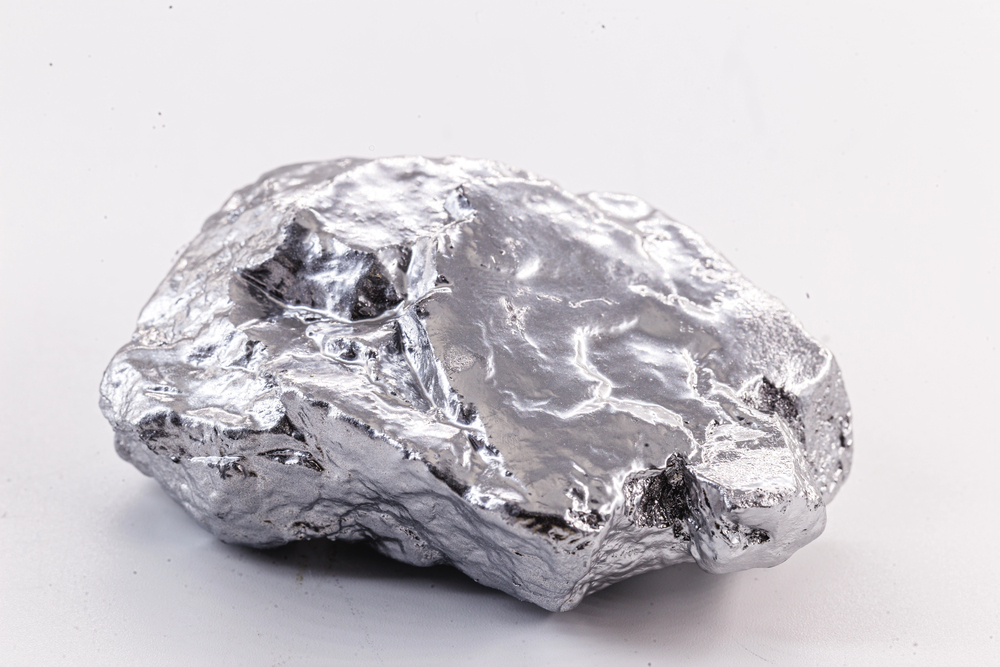
Doctors put tantalum into people’s bodies since it doesn’t cause bad reactions it just works well with living tissue. This bluish silver material shows up in parts used for fixing bones, mending skulls, or supporting healing through mesh like structures.
Most of this metal goes to tech companies building tiny storage units for electricity inside phones, computers, and game systems. It mostly comes from digging in places like Rwanda, Congo, and Brazil, where getting it needs extra care so no war linked materials are involved.
Tantalum doesn’t rust easily when exposed to acids, so it’s useful in making gear for handling chemicals. Every year, around 1,800 metric tons are produced across the globe, but need keeps growing faster than fresh sources show up.
Niobium
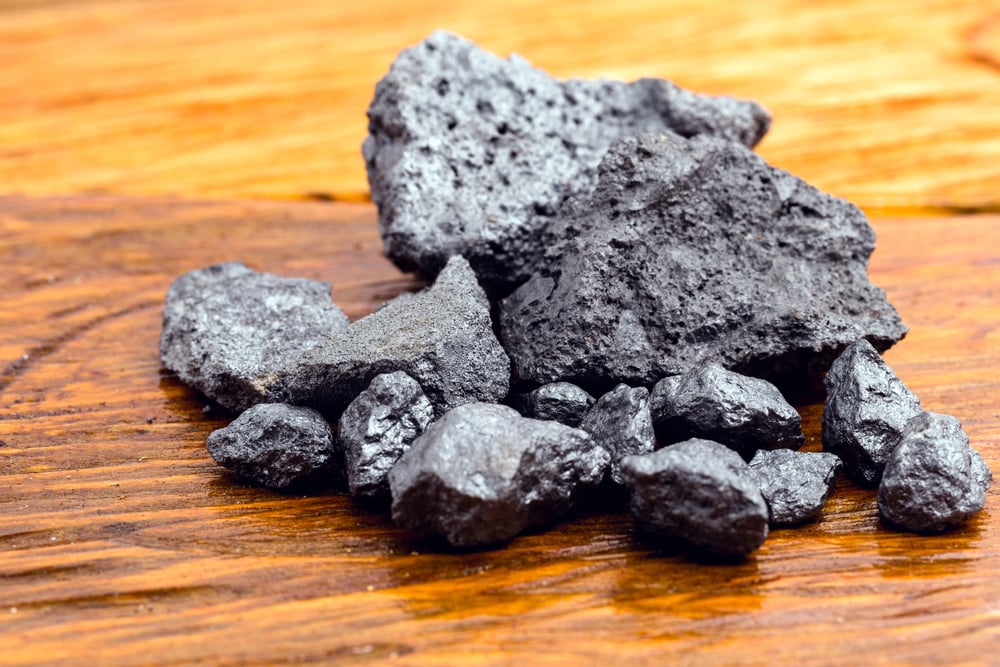
Brazil handles about 90 percent of the world’s niobium output, so it pretty much calls the shots on this key material. Instead of using regular steel, factories mix in a bit of niobium to make stronger, lighter versions for things like car parts, tall building frames, or oil pipes.
On top of that, scientists rely on it for powerful magnetic systems found in medical scanners and research gear probing how matter works. Compared to other pure metals, niobium switches into a no resistance electrical state at the coldest point something only possible when cooled by liquid helium.
Jewelry makers occasionally pick anodized niobium its bright colors come from electric currents forming thin surface films. Around 75,000 tons get produced worldwide every year, mainly pulled from one huge mine in Brazil.
Where rare things mix with what you really need
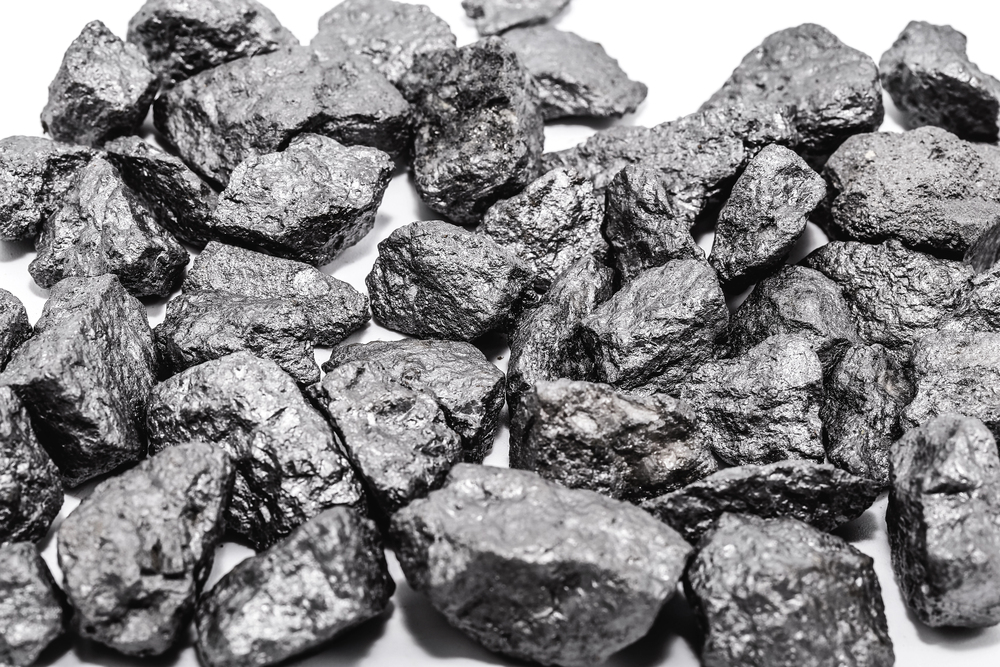
These metals show how uncommon stuff can turn out vital. Not just in car exhaust systems cutting pollution, but also inside scanners spotting health issues everyday life leans on substances folks rarely meet raw.
Because they’re hard to find, brains are racing toward alternatives while builders tweak gadgets needing smaller bits. Next time you hear about valuable metals, think again the true gems might not glitter behind glass counters.
More from Go2Tutors!

- The Romanov Crown Jewels and Their Tragic Fate
- 13 Historical Mysteries That Science Still Can’t Solve
- Famous Hoaxes That Fooled the World for Years
- 15 Child Stars with Tragic Adult Lives
- 16 Famous Jewelry Pieces in History
Like Go2Tutors’s content? Follow us on MSN.