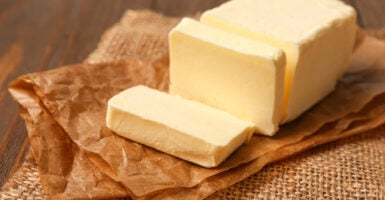
The science behind butter’s strange traits
Ever noticed how butter behaves so mysteriously? One minute it’s rock-hard from the fridge, the next it’s a golden puddle on your warm toast.
You might think you understand butter, but this everyday kitchen staple is actually one of science’s more fascinating puzzles. What makes butter so uniquely complex isn’t just its taste — it’s the incredible molecular dance happening inside every single stick.
From its bizarre crystal structures to its death-defying emulsion tricks, butter defies the basic rules of chemistry while somehow staying perfectly spreadable on your morning bagel. Here’s a list of strange scientific facts about butter that reveal why this seemingly simple food is actually a masterpiece of molecular engineering.
Butter Contains Over 120 Different Flavor Compounds
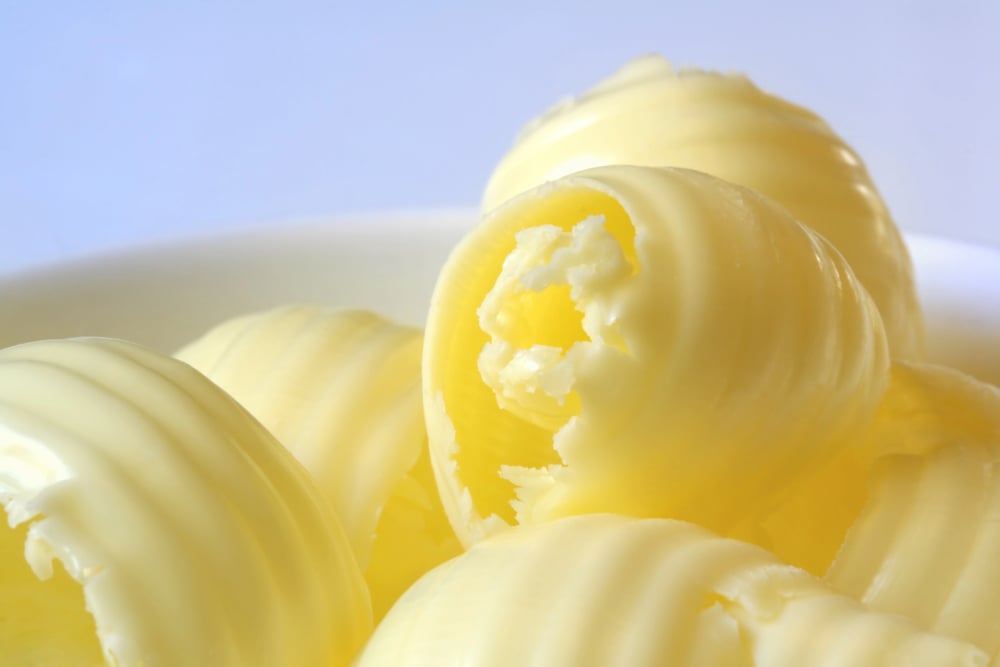
Butter isn’t just ‘buttery’ — it’s a complex symphony of more than 120 different chemical compounds working together to create that distinctive taste. These include lactones, fatty acids, diacetyl, methyl ketones, and dimethyl sulfide, each contributing its own note to butter’s flavor profile.
Think of it like a molecular orchestra where every instrument plays a crucial part in the final performance.
It’s Actually a Water-in-Oil Emulsion
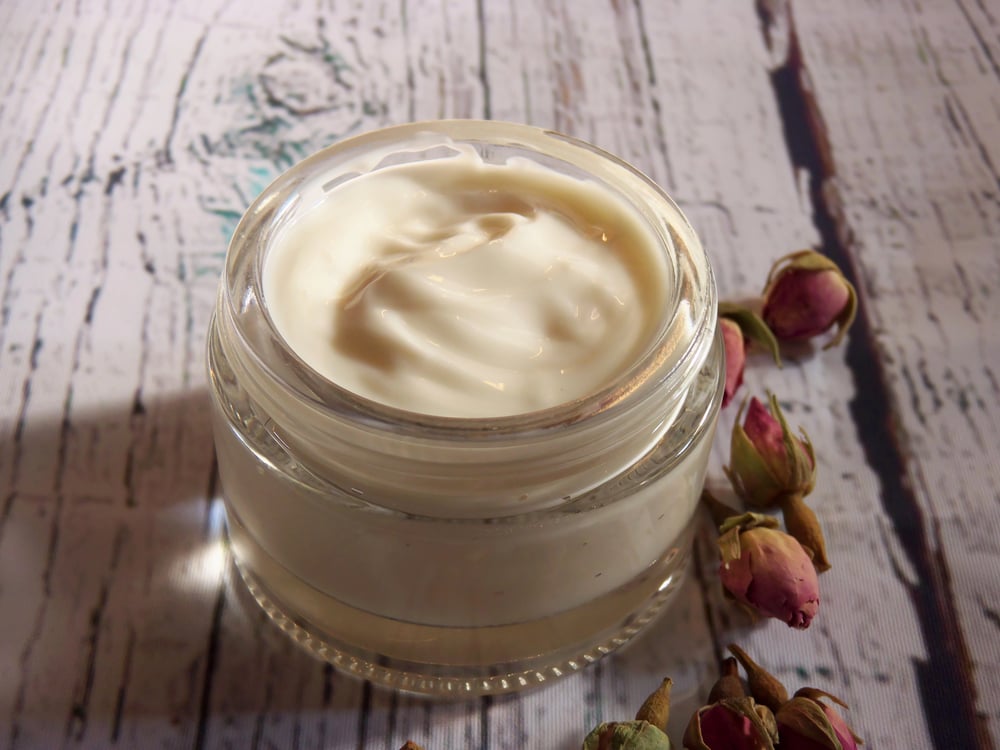
This might blow your mind: butter is a water-in-oil emulsion resulting from an inversion of the cream, where the milk proteins are the emulsifiers. Basically, tiny water droplets are suspended throughout the fat, which completely goes against what you’d expect.
While oil and water don’t normally mix, in butter, tiny microscopic water droplets are dispersed within the fat — it’s like having thousands of invisible water balloons floating in a sea of fat.
Butter Has Multiple Crystal Forms Like Diamonds
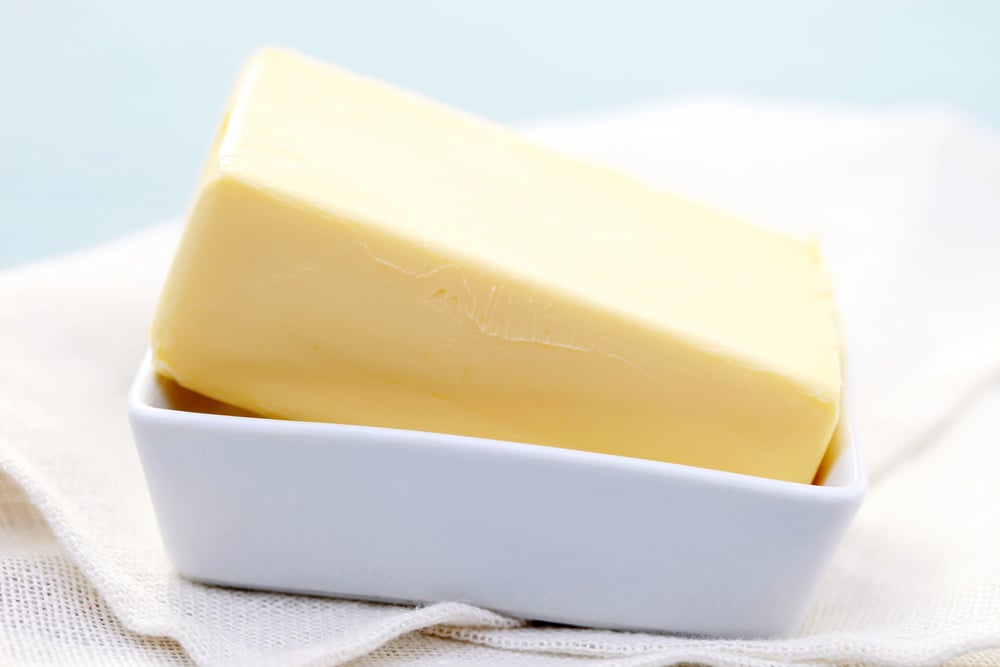
Just like how diamonds and graphite are both carbon but have different crystal structures, butter fat can arrange itself in several different crystal forms. The three most important forms found in fats are denoted α, β′ and β in order of increasing stability.
The β form creates the hardest, most stable crystals, while α crystals are the softest and least stable — which explains why your butter’s texture can change so dramatically.
Its Melting Point Is Perfectly Calibrated to Your Mouth

Butter melts to a thin liquid consistency at 32 to 35 °C (90 to 95 °F), which is remarkably close to human body temperature. This isn’t coincidence — butter fat can arrange itself so that it maintains a solid form, yet allows it to melt at a lower temperature close to the human body temperature, providing a rich mouthfeel.
Nature essentially designed butter to deliver maximum flavor impact the moment it hits your tongue.
Temperature Changes Completely Transform Its Personality
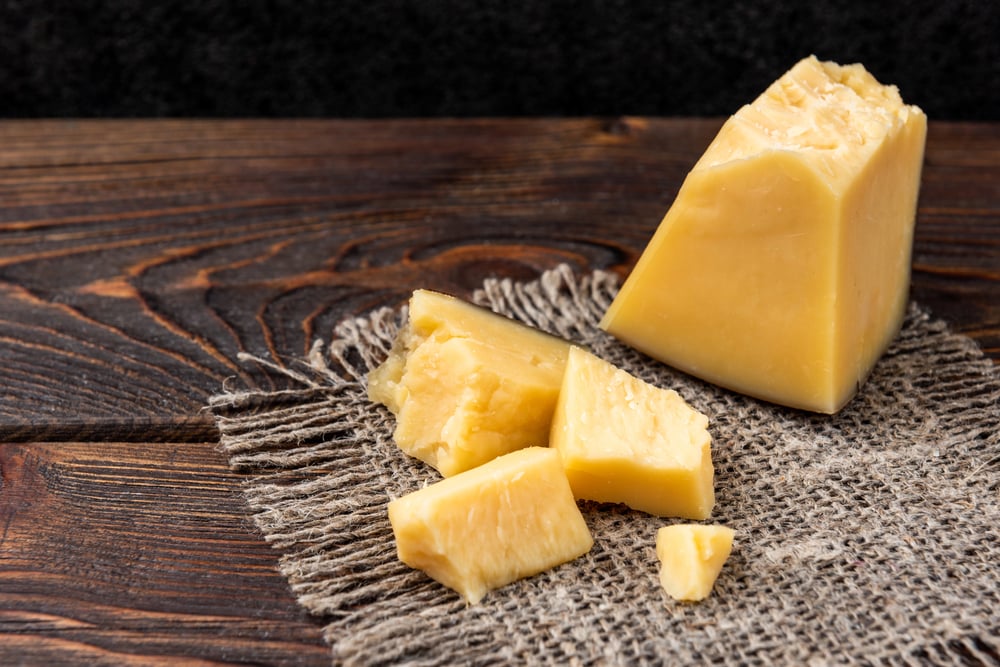
At 0-5°C butter is rock hard, at 15-18°C it reaches the ‘spreadable sweet spot,’ and above 27°C it melts into a golden liquid consistency. But here’s what’s fascinating — normal butter’s storage modulus drops approximately 10 MPa between 4°C and 20°C, meaning it becomes dramatically softer with just slight temperature increases.
It’s like butter has multiple personalities that activate at different temperatures.
Churning Creates a Molecular Revolution
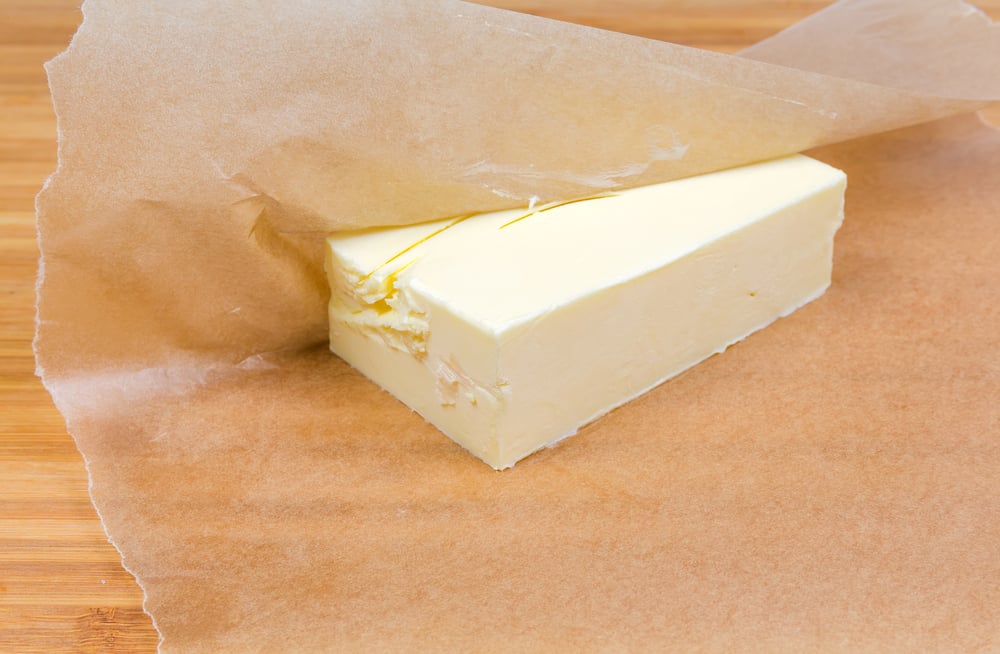
When cream transforms into butter, something remarkable happens at the molecular level. During the churning process, the fatty globules in the cream break open to release the entrapped fat molecules, which clump together and mix to form larger fat globules that coalesce into larger solid fat droplets.
You’re literally watching an emulsion flip inside-out — cream starts as oil-in-water, and churning flips it to become water-in-oil.
Butter Fat Globules Are Microscopic Marvels

Milkfat globules range in size from 0.1-20 microns and have three protective layers surrounding the fat triglycerides. These globules are so small that they’re lighter than water and form a ‘stable suspension’ — a colloid.
Each one is essentially a microscopic container engineered to keep fat stable until you’re ready to turn it into butter.
It Has Multiple Polymorphic Forms That Affect Texture
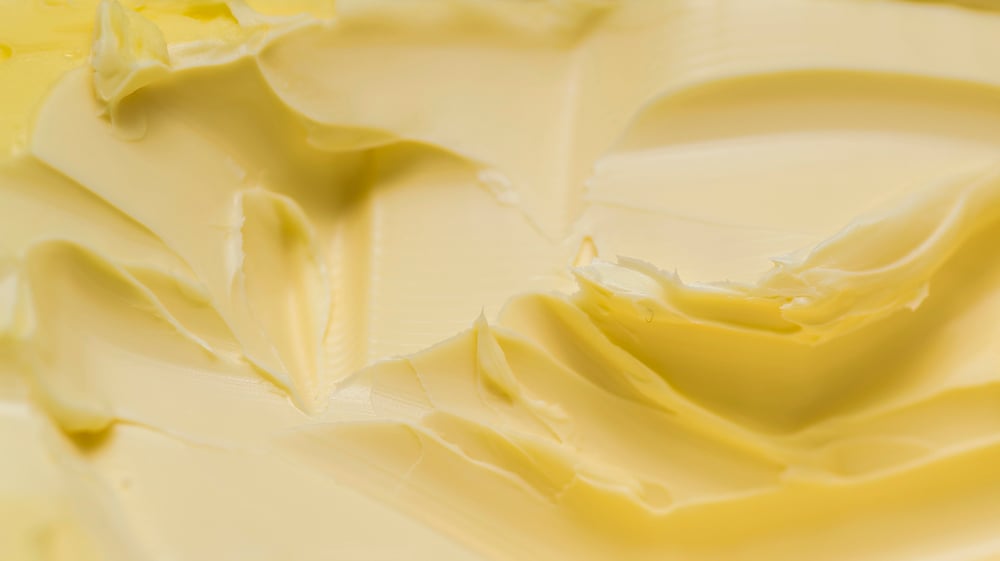
Fat crystal polymorphism is the ability of triacylglycerol molecules to arrange in different crystal lattice structures yet having an identical composition. This means butter with identical ingredients can feel completely different depending on how its molecules are arranged.
The different polymorphic forms are characterized by the short and long d-spacings of their crystal lattice which constitutes an identifying structural fingerprint — like molecular fingerprints that determine texture.
Once Melted, Butter Never Returns to Its Original Form
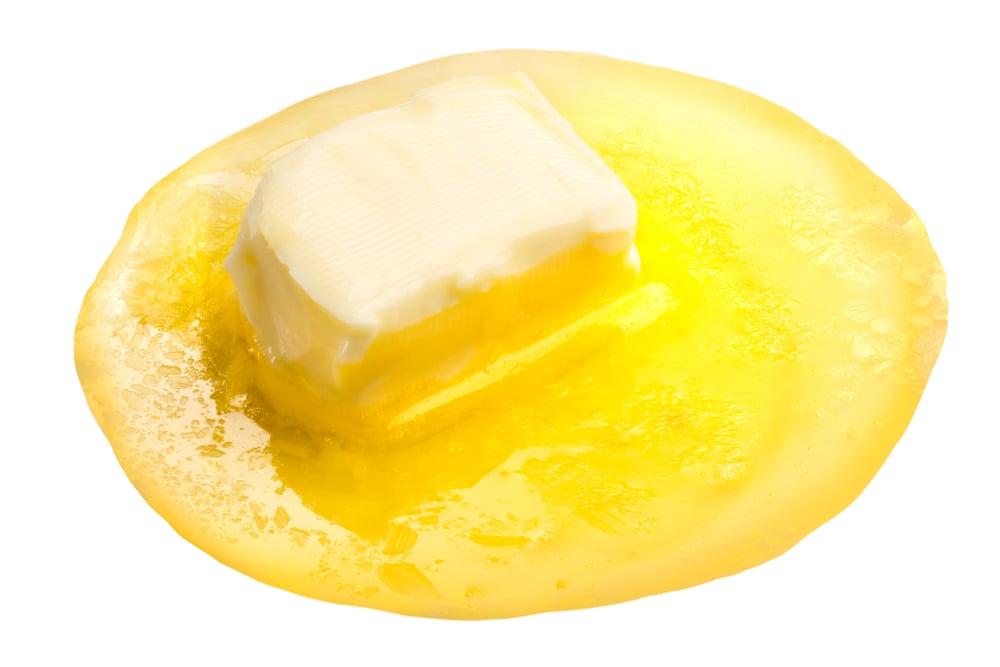
Even if the butter is melted, chilled and resolidified, it will not behave in the same way as before it has been melted. Think of it like chocolate — once you melt and reform it, the molecular structure permanently changes.
This is why bakers are so particular about butter temperature — when butter melts completely, its emulsion breaks down and the milk solids separate from the butterfat, permanently altering the texture.
Butter Contains 97% Triglycerides But It’s the 3% That Matters
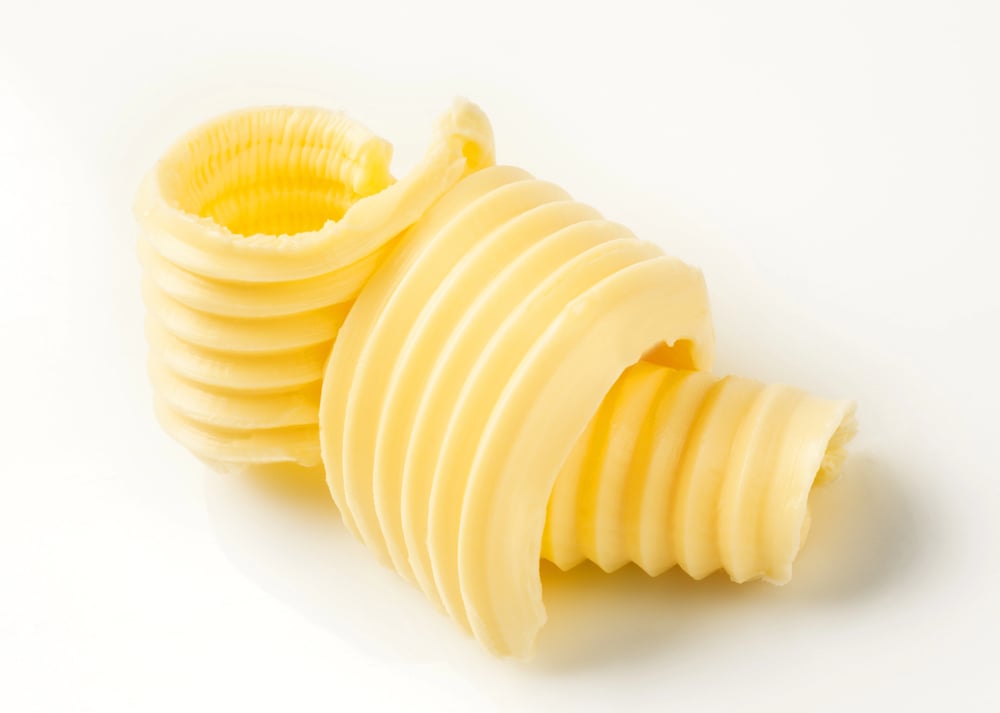
Triglycerides make up about 97-98% of the fat found in milk, with the rest divided between mono & di-glycerides, cholesterol and phospholipids. Though these minor components represent just 2-3% of butter’s composition, they serve important roles in the emulsification effects that impact melting and spreadability.
Sometimes the smallest ingredients make the biggest difference.
Milk Fat Has a Unique Fatty Acid Profile
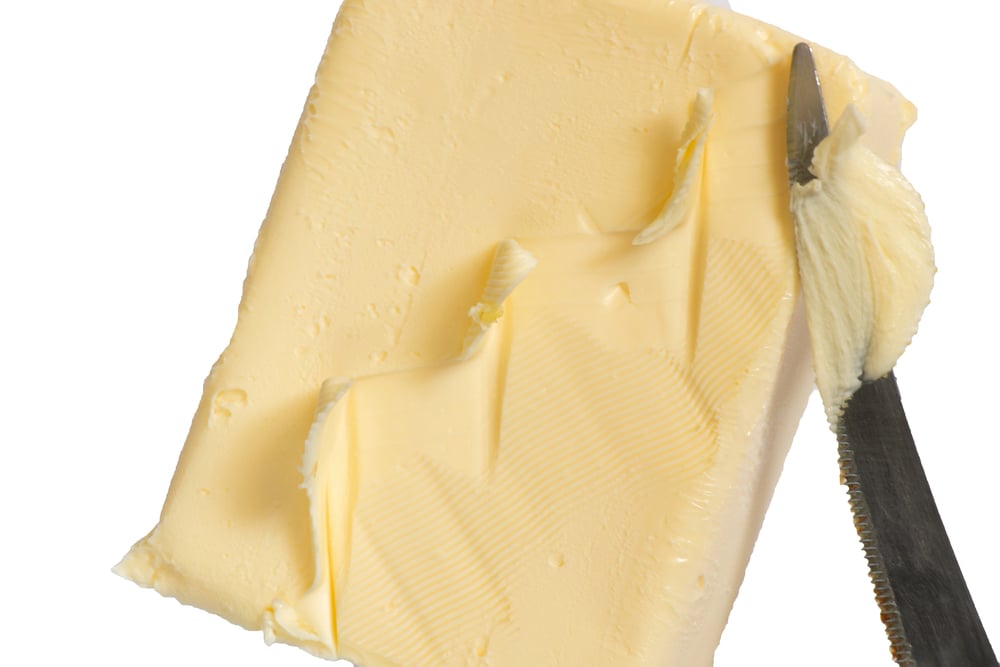
A unique characteristic of milk fat is that these triglycerides are composed of a wide variety of fatty acids that melt at different temperatures. The structure of the fats in butter impacts the melting and softness — if you introduce unsaturated fatty acids this will cause a kink in the chain and the triglycerides won’t nest together as nicely.
Each fatty acid contributes to butter’s complex melting behavior.
The Crystallization Process Continues Even After Making
During cooling, the nuclei formed in the cream during tempering grow and may decrease spreadability, though chilling too rapidly can promote a short, brittle body and texture. Your butter is literally still evolving after it’s made.
After phase inversion during the churning process, liquid fat continues to crystallize during low-temperature storage, exhibiting a ‘hardening or setting’ of butter.
Butter Behaves Like a Non-Newtonian Fluid
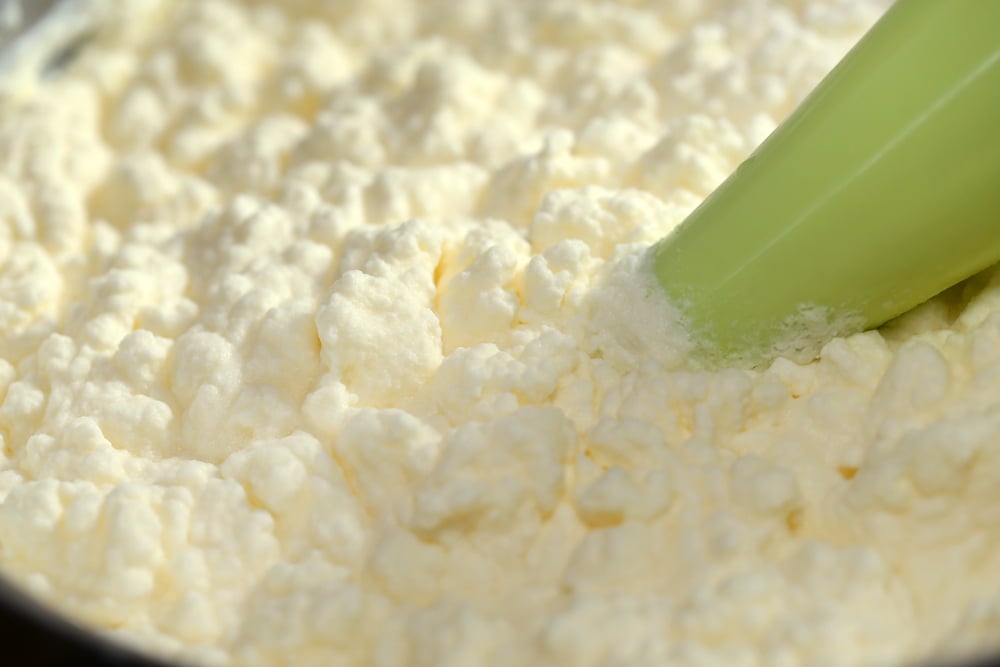
Though we think of butter as solid, it actually exhibits properties of both solids and liquids depending on the forces applied to it. At 4°C, normal butter has very low phase angles (less than 10°) indicating that samples are very solid-like when stored in the fridge, yet it can flow and spread under pressure.
This complex rheological behavior is what makes butter perfect for both spreading and baking applications.
From Simple Cream to Molecular Marvel
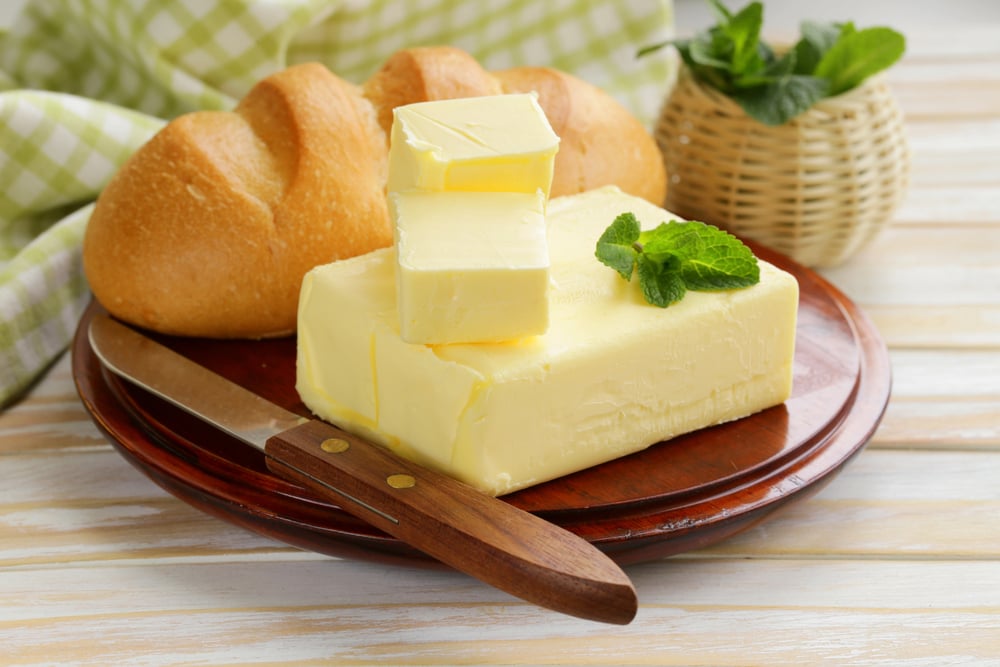
Understanding butter’s science reveals why this seemingly simple kitchen staple has captivated humans for thousands of years. What appears to be just churned cream is actually a sophisticated molecular system where crystal structures, emulsions, and temperature dynamics work in perfect harmony.
The next time you spread butter on toast or watch it melt in a hot pan, remember — you’re witnessing one of nature’s most elegant examples of edible chemistry in action. That golden transformation isn’t just melting; it’s a masterclass in molecular engineering that happens to taste incredible.
More from Go2Tutors!

- The Romanov Crown Jewels and Their Tragic Fate
- 13 Historical Mysteries That Science Still Can’t Solve
- Famous Hoaxes That Fooled the World for Years
- 15 Child Stars with Tragic Adult Lives
- 16 Famous Jewelry Pieces in History
Like Go2Tutors’s content? Follow us on MSN.