Things Pilots Notice But You Don’t
Flying feels routine after you’ve done it a few times. You board, find your seat, watch the safety demo, and settle in for the journey.
But up in the cockpit, pilots are processing dozens of details that passengers never think about. These observations aren’t about superior knowledge—they’re just part of what becomes automatic when you spend thousands of hours at the controls.
The Way Other Aircraft Move
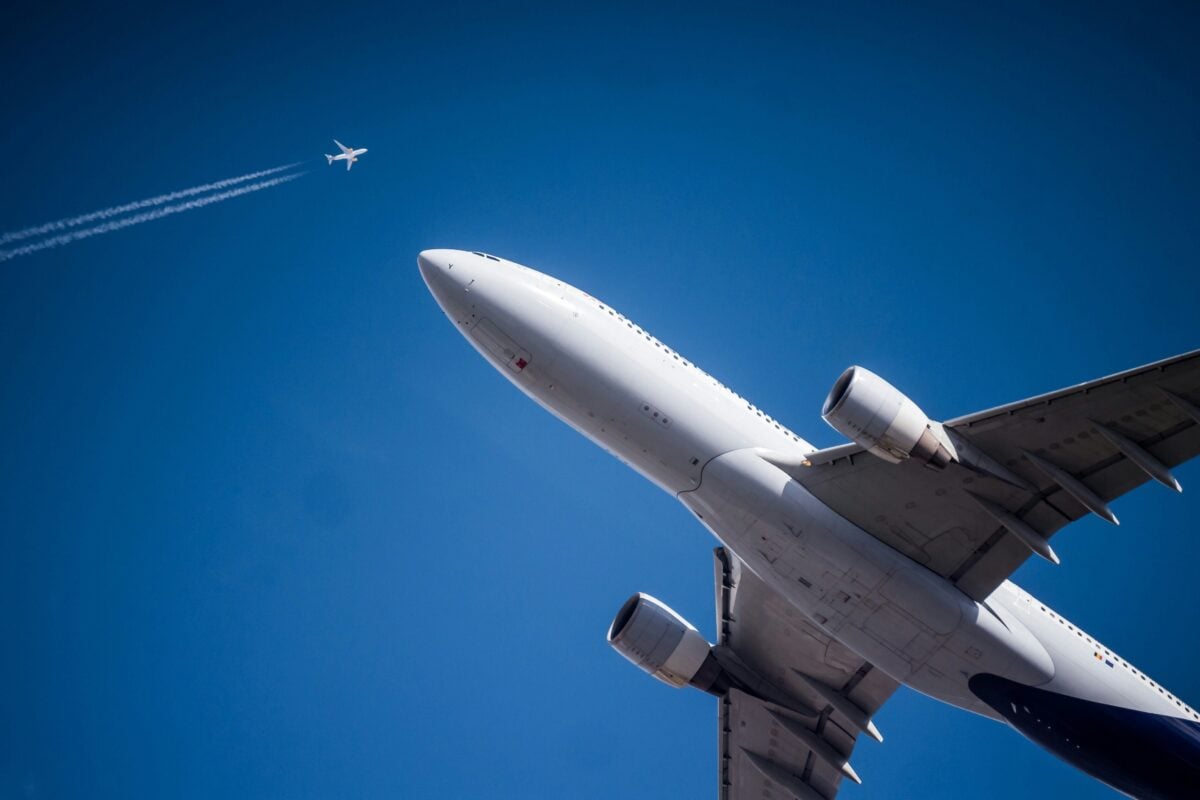
Pilots track other planes constantly. Not just nearby traffic, but aircraft at different altitudes, those preparing to land, and planes taking off below.
You might glance out the window and see a dot in the distance. A pilot sees that dot’s altitude, direction, and approximate speed.
They’re already calculating whether paths will cross. This awareness extends beyond visual contact.
Radio chatter fills the cockpit with position reports from aircraft you can’t see. Every call sign, altitude change, and heading adjustment paints a picture of the airspace.
How Wind Changes Everything
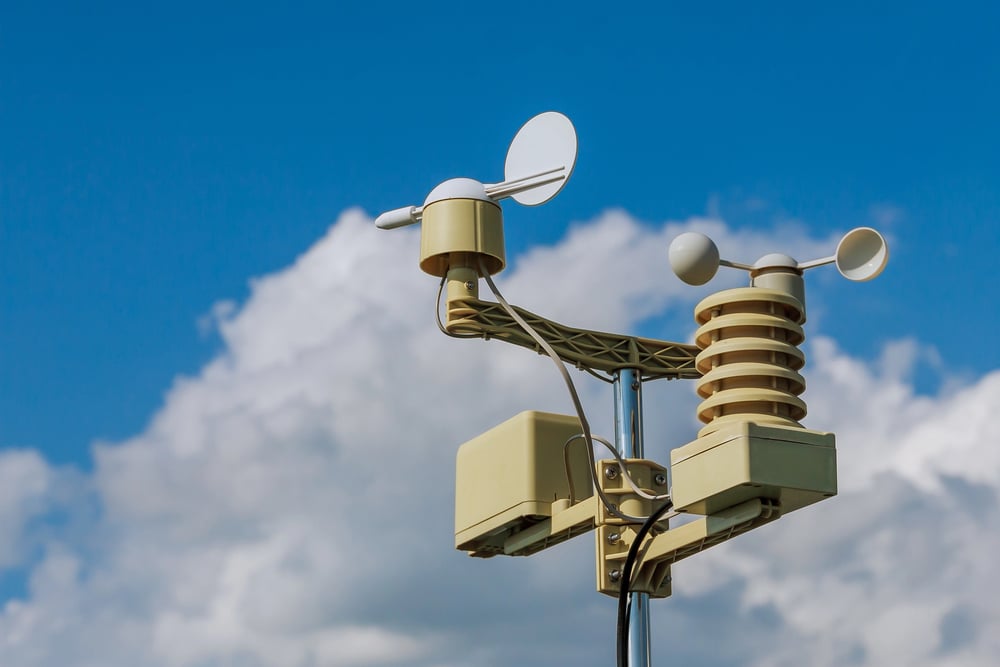
You feel turbulence. Pilots feel wind direction shifts, crosswinds on approach, and how gusts affect the aircraft’s behavior. They adjust constantly for wind that passengers never notice.
During landing, a strong crosswind forces the plane into a crab angle—nose pointed slightly into the wind while the fuselage tracks straight down the runway centerline. Passengers might sense something feels different.
Pilots are managing rudder inputs and aileron corrections in real time to keep the aircraft aligned. Wind also determines which runway gets used.
Airports switch active runways throughout the day based on wind direction. That’s why your departure route might differ from your arrival, even at the same airport.
Subtle Sounds That Tell Stories
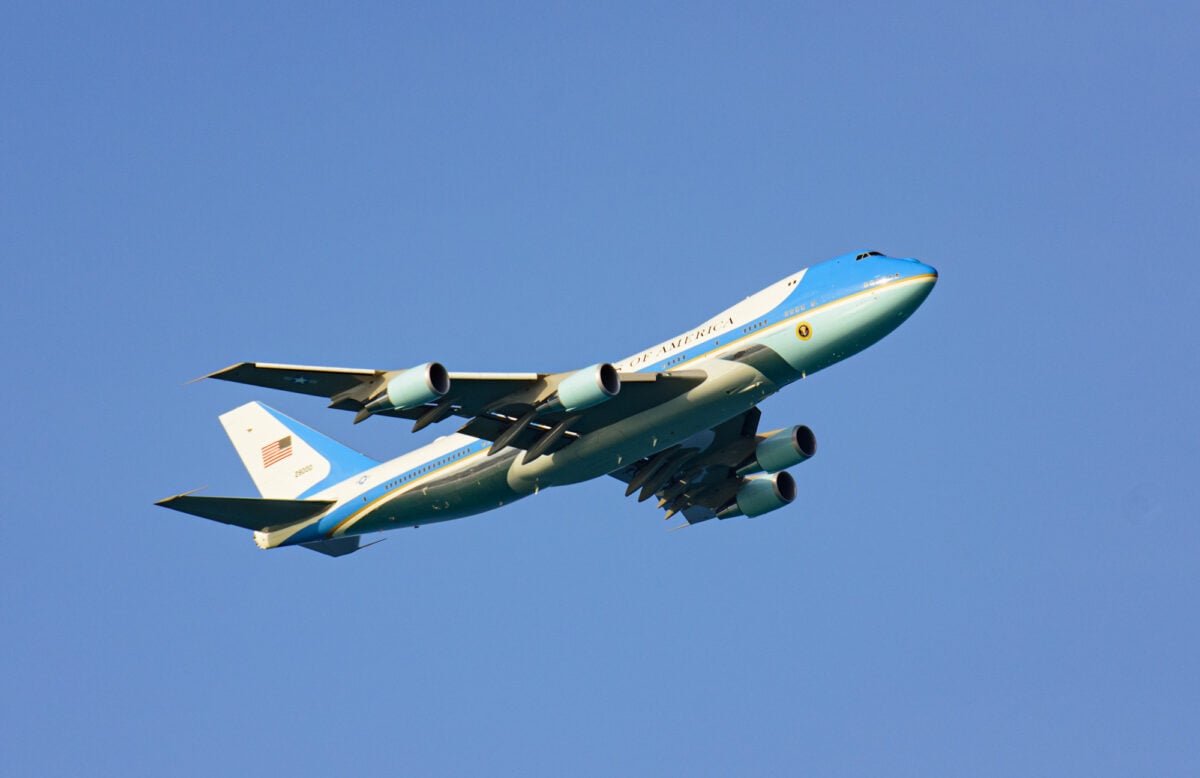
Aircraft make specific sounds during different phases of flight. The whir of hydraulic pumps, the thunk of landing gear extending, the change in engine pitch during descent—pilots recognize each one and know what it means.
Passengers often mistake normal sounds for problems. That grinding noise after takeoff? Landing gear retracting.
Does the engine sound change at cruise altitude? Power reduction after climb.
The occasional thump during descent? Speed brake deployment.
Pilots also notice when familiar sounds are missing or different. An unusual vibration or an unexpected tone triggers immediate attention.
These subtle audio cues provide constant feedback about aircraft systems.
Weight Distribution Matters More Than You Think
Every flight starts with weight calculations. Pilots know exactly how much fuel is onboard, how many passengers, how much cargo.
This determines takeoff speeds, climb performance, and landing distance requirements. You board and take your assigned seat.
Pilots sometimes request passengers move to balance the aircraft, especially on smaller planes. A plane that’s tail-heavy flies differently than one that’s nose-heavy.
The difference affects fuel consumption, handling characteristics, and safety margins. Fuel weight alone can shift the aircraft’s center of gravity significantly.
A plane departing with full tanks flies heavier than the same aircraft arriving after burning fuel for hours. Pilots adjust their technique accordingly.
The Dance of Airport Operations
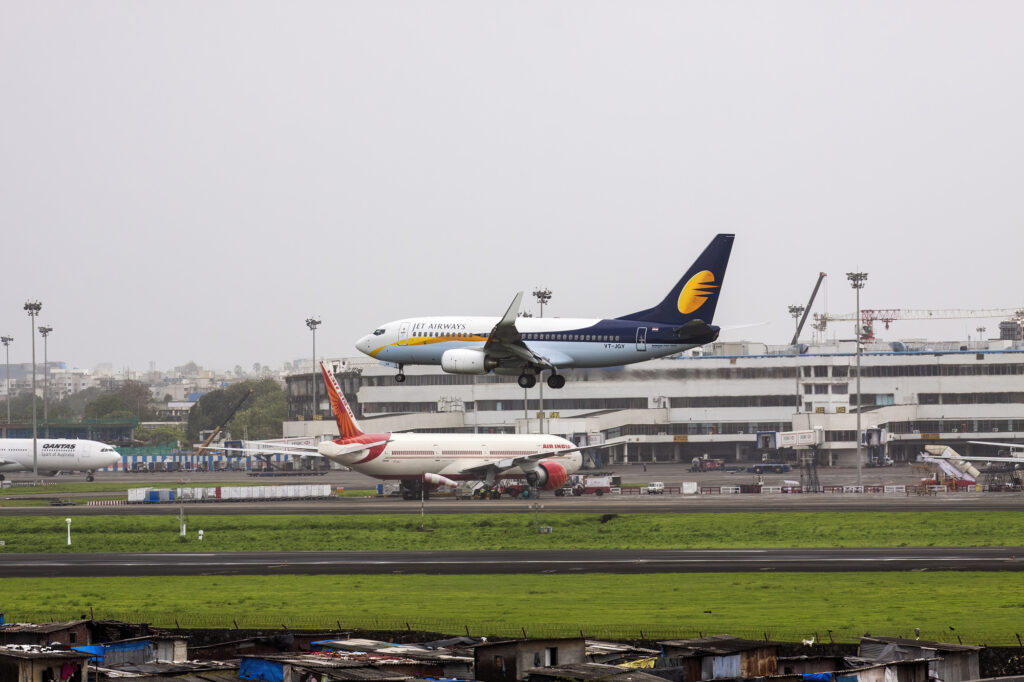
From the cockpit, airports look completely different. Pilots see the intricate choreography of ground vehicles, taxiing aircraft, and coordinated movements across dozens of active zones simultaneously.
Taxiways have specific names and routes. What looks like random wandering is actually a precise path assigned by ground control.
Pilots follow these routes exactly, watching for other aircraft at intersections and holding short of runways until cleared to cross. That brief pause before takeoff isn’t random either.
Air traffic control spaces departures to maintain safe separation. Pilots wait for their slot, often watching other planes lift off ahead of them.
Runway Conditions Tell a Story
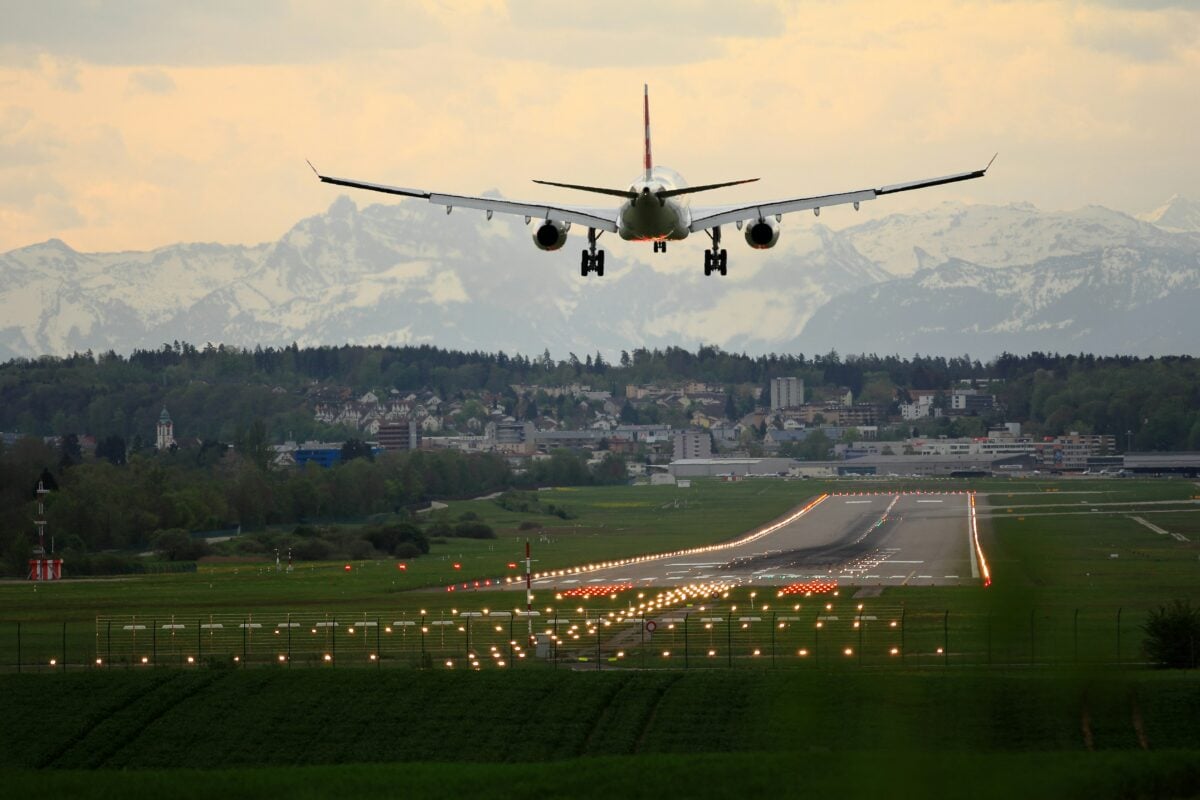
You see a strip of pavement. Pilots assess surface conditions, slope, length, and surrounding terrain.
Runways have different characteristics that affect landing and takeoff performance. Wet runways reduce braking action.
Snow or ice changes everything. Pilots check runway condition reports before every approach, adjusting their technique based on reported friction coefficients.
Some runways slope upward or downward. Landing uphill helps with deceleration. Taking off downhill provides extra acceleration.
Pilots factor these details into their performance calculations.
Communication That Never Stops
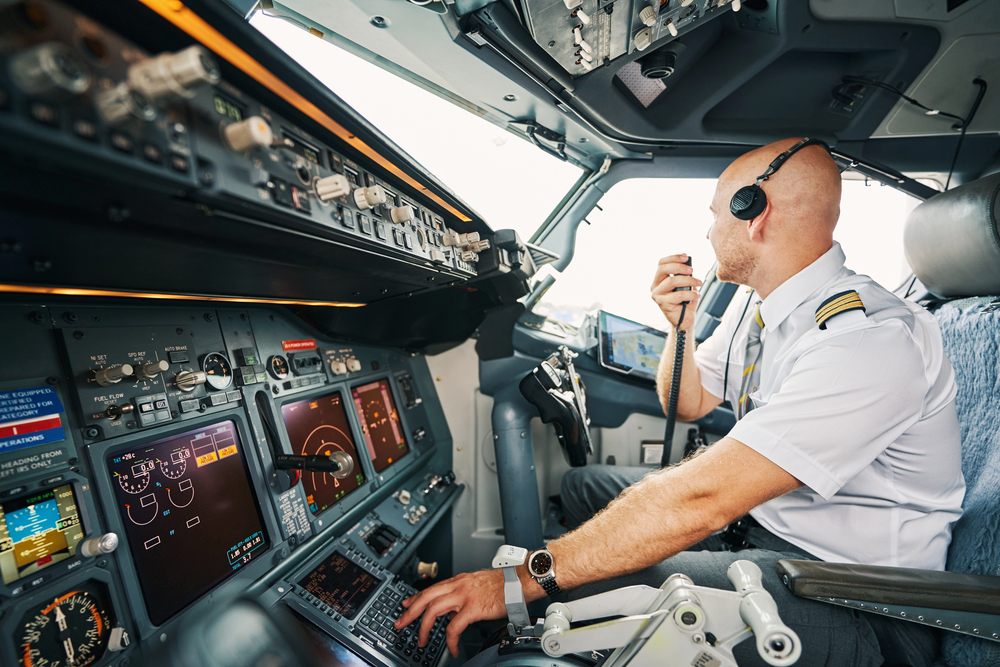
The radio never goes quiet. Pilots maintain constant contact with air traffic control, monitoring multiple frequencies and responding to instructions while managing the aircraft.
Passengers hear nothing. Pilots are listening to clearances, traffic advisories, weather updates, and other pilots’ transmissions.
They’re decoding alphanumeric codes, remembering complex route changes, and reading back instructions for verification. This communication follows strict protocols.
Specific phrases eliminate ambiguity. “Roger” means message received. “Wilco” means to comply. “
Affirmative” and “negative” replace yes and no to prevent confusion.
Visual Cues on the Ground
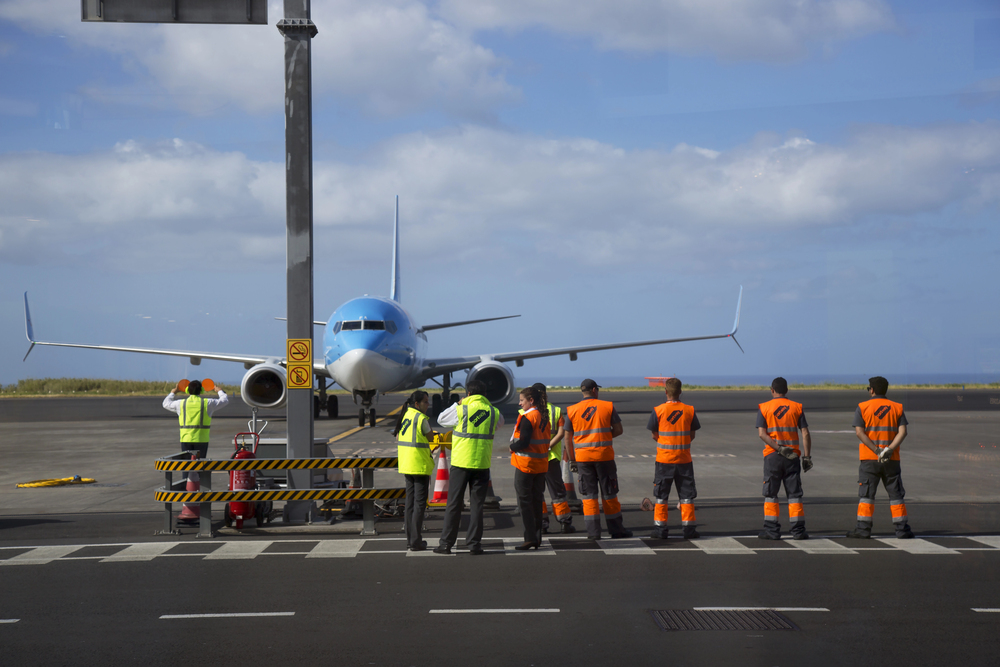
Airport markings create a visual language. Yellow lines indicate taxiways.
White lines mark runways. Hold short lines warn pilots to stop and wait for clearance before proceeding.
Pilots read these markings constantly during taxi operations. Signs display taxiway names, runway directions, and mandatory holding positions.
Missing a sign or crossing a line without clearance can create dangerous situations. At night, lighting systems provide additional guidance.
Blue lights edge taxiways. White lights line runways.
Green lights mark runway thresholds. Pilots use this lighting to maintain orientation and follow assigned paths.
How Wings Flex More Than You’d Expect
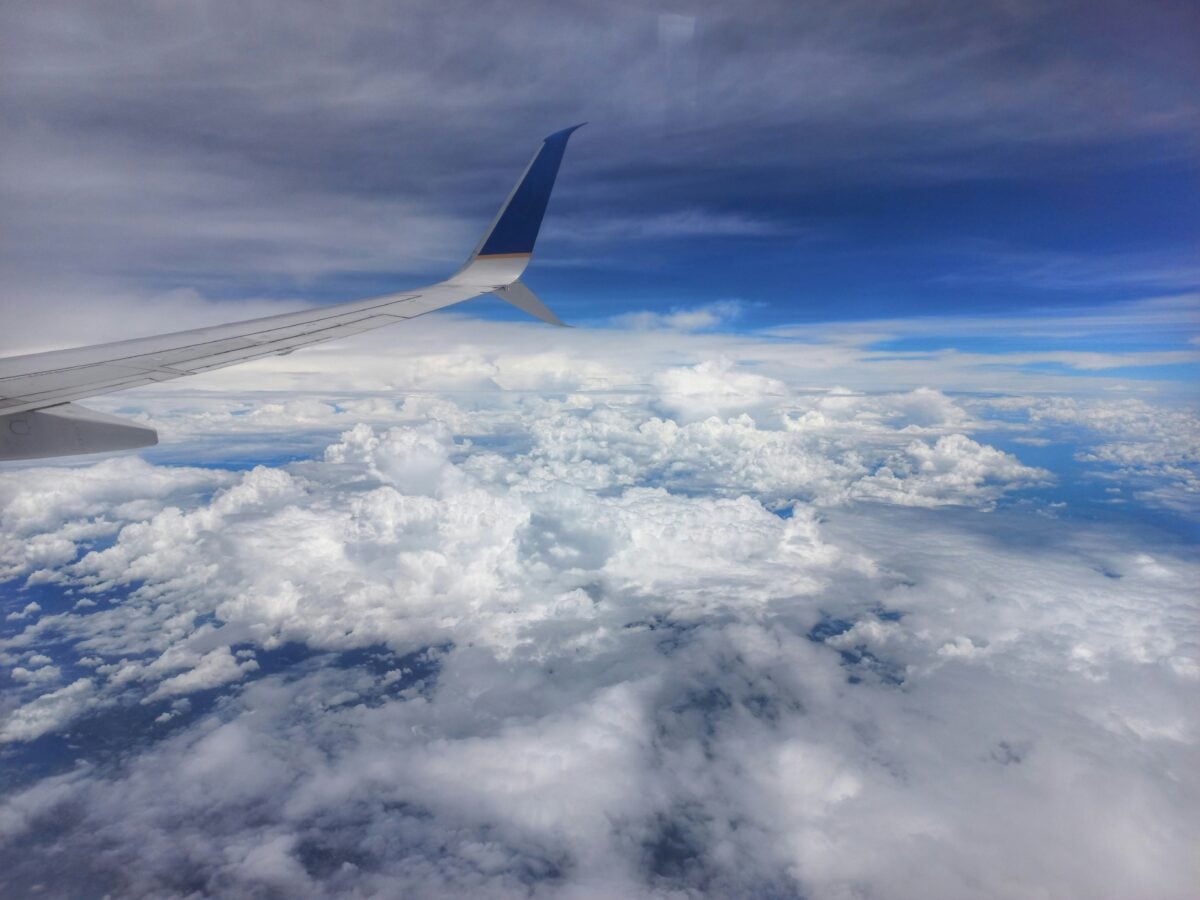
Aircraft wings bend during flight. You might glance out and see them looking solid and rigid.
Pilots know those wings are flexing constantly, responding to air pressure changes, turbulence, and G-forces. This flexibility is intentional. Rigid wings would crack under stress.
Modern wing designs allow significant flex—sometimes several feet of vertical movement at the wingtips during hard maneuvers or rough air. During turbulence, pilots feel the aircraft’s response through the control column.
Each bump translates to wing flex and control surface adjustments. Passengers experience the result as a bumpy ride.
Pilots are managing the aircraft’s dynamic response to changing air conditions.
Instrument Cross-Checks Happen Continuously
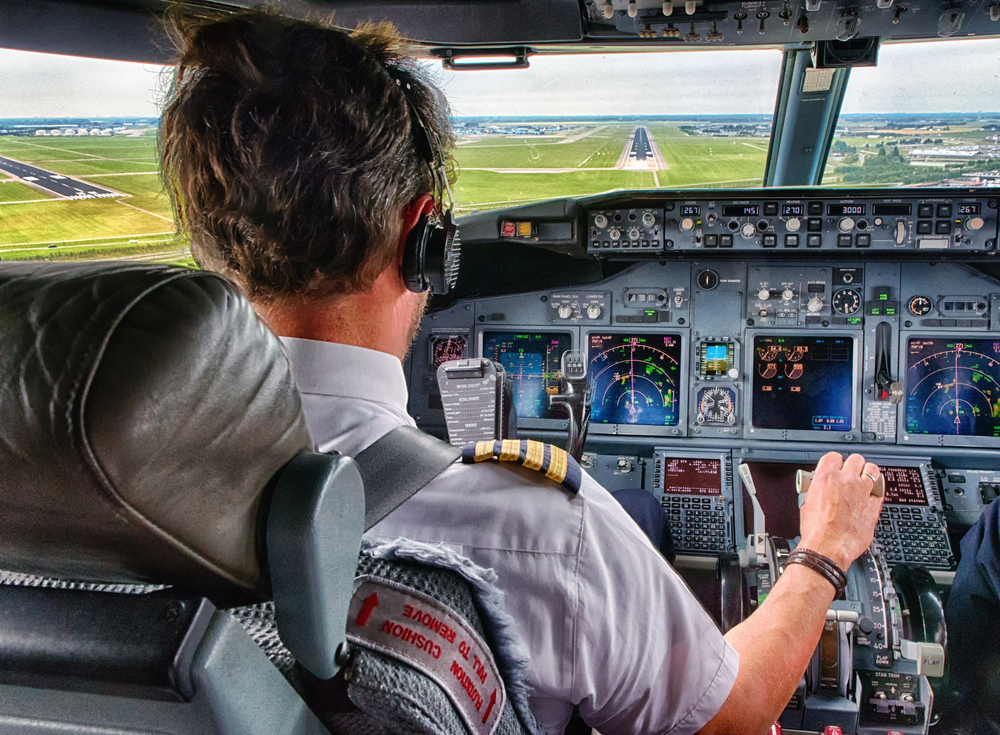
Your attention wanders during cruise flight. Pilots are scanning instruments constantly, verifying altitude, heading, speed, fuel quantity, engine parameters, and navigation data.
This scan pattern becomes automatic. Eyes move from airspeed indicator to attitude indicator to altimeter, checking each instrument in sequence.
Any deviation from expected values triggers immediate attention. Modern glass cockpits display vast amounts of information.
Pilots filter this data, focusing on what matters for the current phase of flight. During climb, engine performance and rate of ascent matter most.
During cruise, fuel consumption and navigation accuracy take priority.
Weather Develops in Predictable Patterns
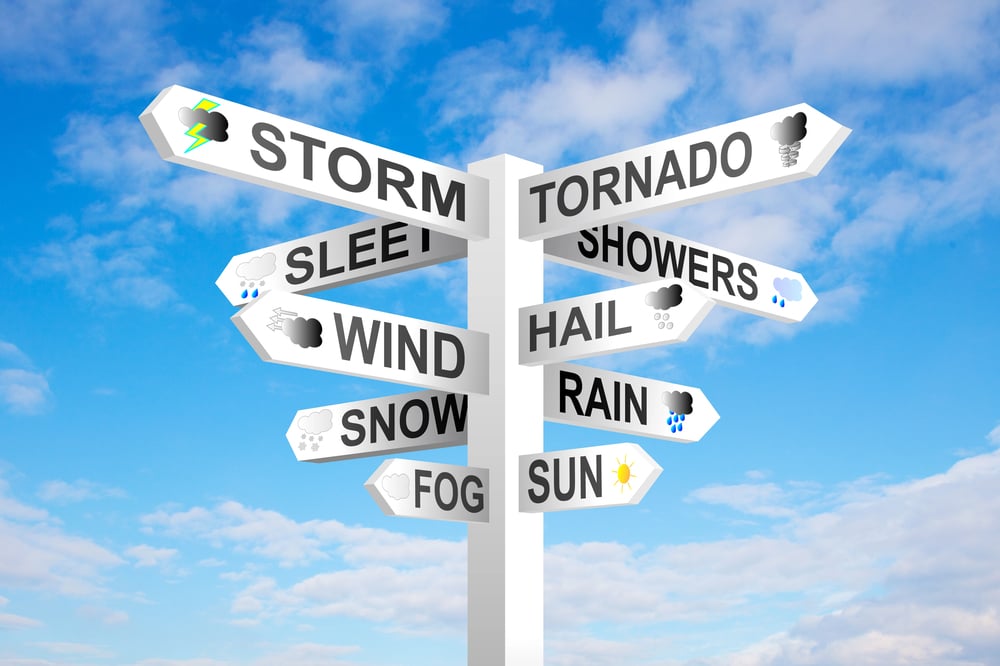
Those clouds outside your window tell pilots about atmospheric conditions. Cumulus clouds indicate thermal activity and potential turbulence.
Cirrus clouds at high altitude suggest wind shear possibilities. Dark cumulus towers mean thunderstorms and areas to avoid.
Pilots receive weather briefings before flight and updates en route. They’re comparing forecasts to actual conditions, noting where reality differs from predictions.
This helps them anticipate what lies ahead and request route changes if needed. Temperature and pressure changes affect aircraft performance.
Hot days reduce engine power and require longer takeoff rolls. Cold temperatures increase air density, improving performance.
Pilots adjust their calculations for these variables.
The Precision of Approach Procedures

Landing looks simple from your seat. Pilots are following precise vertical and horizontal paths, managing speed, configuring the aircraft, and processing approach clearances—all while preparing for potential missed approach scenarios.
Modern instrument approaches guide aircraft down specific paths to the runway. Pilots track these paths using on-board navigation systems, making small corrections to stay centered.
Deviations of even a few hundred feet trigger go-around decisions. The final moments before touchdown require intense focus.
Pilots judge height above the runway, manage descent rate, and time the landing flare to achieve smooth contact. What feels like a gentle touchdown is the result of dozens of small control inputs in the final seconds.
Small Details That Affect Performance

Aircraft fly differently in different conditions. Humidity affects engine power. Density altitude—a combination of pressure, temperature, and humidity—determines how much lift wings generate.
You notice none of this. Pilots calculate these factors before every flight.
High density altitude means reduced performance. The aircraft needs more runway for takeoff, climbs more slowly, and requires higher speeds for safe flight.
Even the direction of flight matters. Flying east with a jet stream tailwind can save an hour compared to flying west against those same winds.
Pilots request altitude changes to find favorable winds, sometimes climbing or descending thousands of feet to improve efficiency.
When Normal Becomes Abnormal
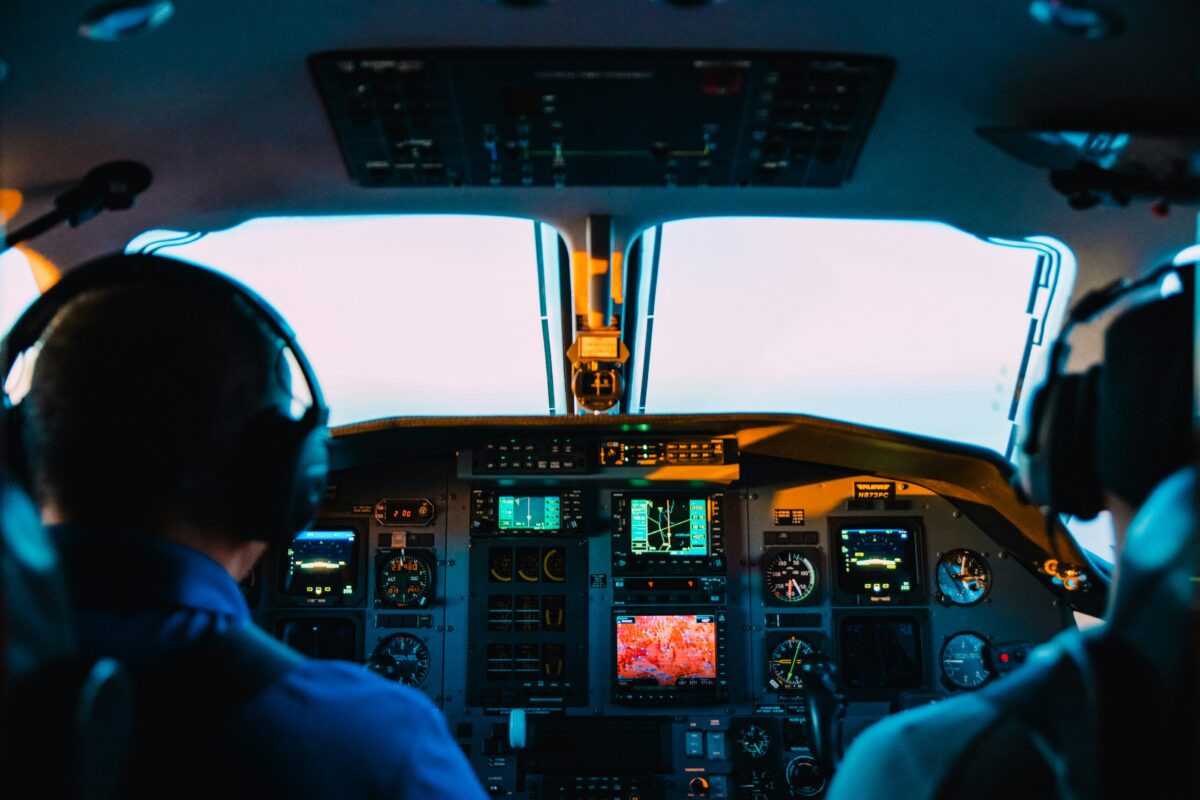
Experience teaches pilots to recognize when something feels wrong, even when instruments show normal readings. A subtle change in handling, an unusual smell, or a barely noticeable vibration can indicate developing problems.
This intuition comes from hours of normal operations. When the aircraft deviates from expected behavior, pilots notice immediately.
They cross-check instruments, verify system status, and prepare for potential failures. Passengers rarely sense these subtle changes.
Pilots train for abnormal situations constantly, practicing responses until they become automatic. This preparation allows them to handle unexpected events calmly while passengers remain unaware that anything unusual is happening.
Looking Beyond the Horizon
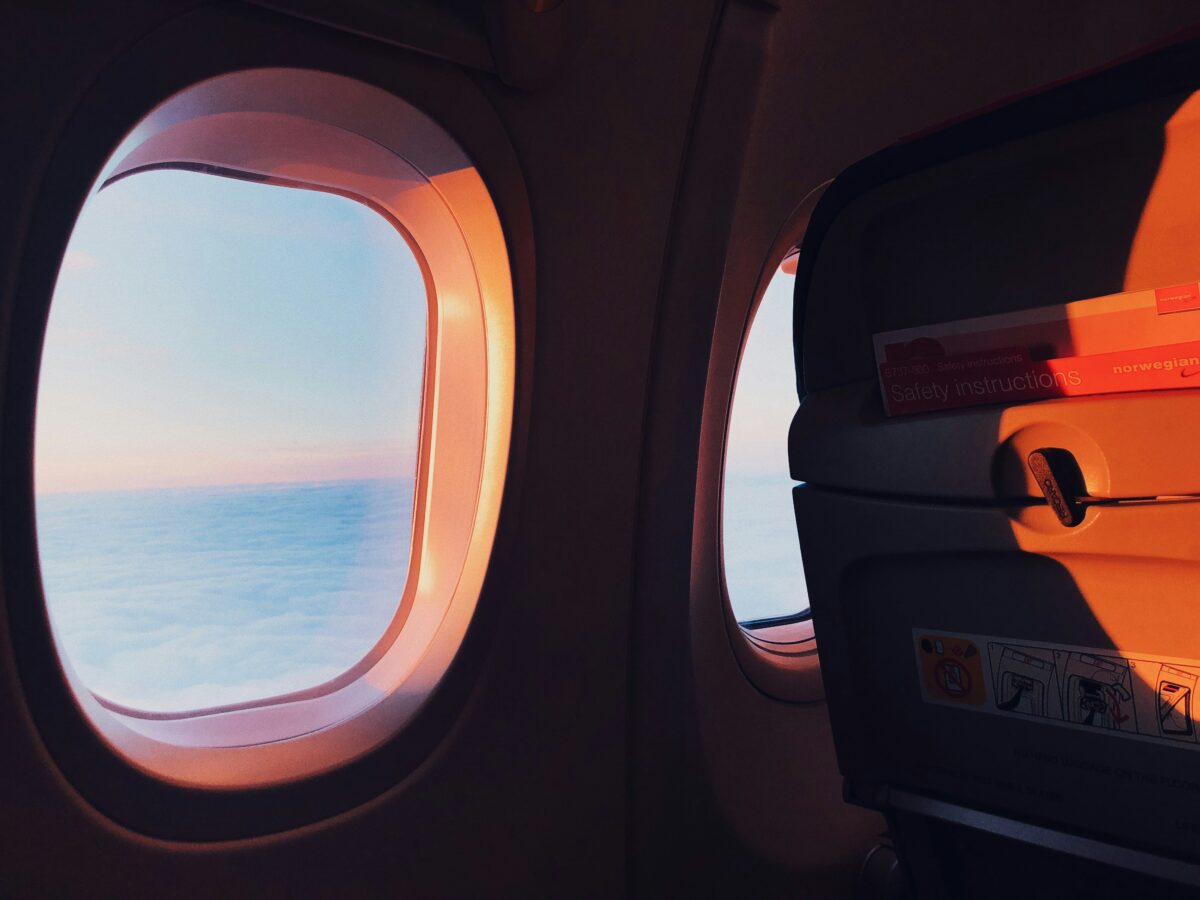
The view from thirty-five thousand feet reveals weather systems, cities, geographic features, and other aircraft that remain invisible from the ground. Pilots use these visual references for orientation and situation awareness.
Mountains create unique challenges. Terrain clearance becomes critical, especially during instrument approaches in poor weather.
Pilots maintain heightened awareness of surrounding terrain, using altitude buffers that provide safety margins. The curvature of the Earth becomes visible at cruise altitude.
Sunrises and sunsets paint the sky with colors that ground observers never see. These moments remind pilots why they chose this profession, even after thousands of flights.
The Quiet Awareness Between Events
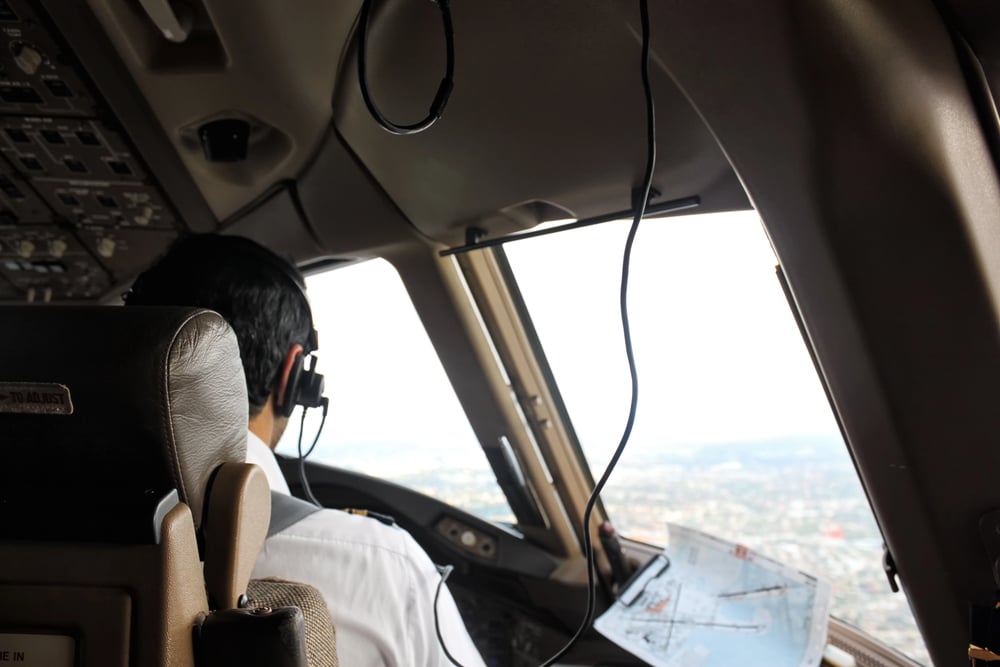
Aviation involves long periods of monitoring punctuated by moments of intense activity. During cruise flight, pilots maintain awareness while the autopilot handles routine flying.
This isn’t boredom—it’s active monitoring of multiple systems and conditions. Passengers read, sleep, or watch movies.
Pilots are thinking ahead to the arrival phase, reviewing approach plates, checking weather at the destination, and calculating fuel reserves. They’re preparing for decisions that might be needed hours later.
This constant awareness creates mental fatigue different from physical exhaustion. Pilots train to maintain focus during these quiet periods, knowing that situations can change rapidly.
The ability to shift from monitoring to active flying is what separates routine flights from emergencies handled successfully.
Where Observation Becomes Second Nature

Hours pile up, then spotting small signs just happens. Most checks slip below thought for flight crews now.
Responses form ahead of effort, shaped by quiet mental routines. That quiet mastery comes only after years of practice and repetition.
Starting out, pilots must concentrate deeply just to follow basic routines. Over time, actions become automatic – guided by familiarity rather than effort.
With tasks running smoothly in the background, seasoned flyers can focus on what matters most ahead. Noticing what happens in flight – pilots do it differently than travelers, but it has nothing to do with smarts or focus.
Context shapes it. Training builds it.
Spending months in a cockpit, those small things begin to stand out. Remove a pilot from flying for too long, gradually the sharpness slips away.
Out in the sky, flying depends on details most travelers overlook. Each trip rides on a stream of quiet choices shaped by what crew members see.
Because of this constant watching, the space between danger stays wide. Modern planes move safely through the air, though few realize just how much pilots track without saying a word.
More from Go2Tutors!

- The Romanov Crown Jewels and Their Tragic Fate
- 13 Historical Mysteries That Science Still Can’t Solve
- Famous Hoaxes That Fooled the World for Years
- 15 Child Stars with Tragic Adult Lives
- 16 Famous Jewelry Pieces in History
Like Go2Tutors’s content? Follow us on MSN.



