Things Teachers Forced Us to Memorize for No Reason
School was supposed to prepare us for the real world, but somewhere along the way, we ended up memorizing an awful lot of information that has proven spectacularly useless in adult life. You probably haven’t needed to recall the order of the planets since your last science test, and yet it sits in your brain, taking up space that could be used for remembering where you left your keys.
Teachers meant well, but the curriculum had some questionable priorities. Here is a list of 14 things teachers forced us to memorize that turned out to be pretty pointless.
The Quadratic Formula
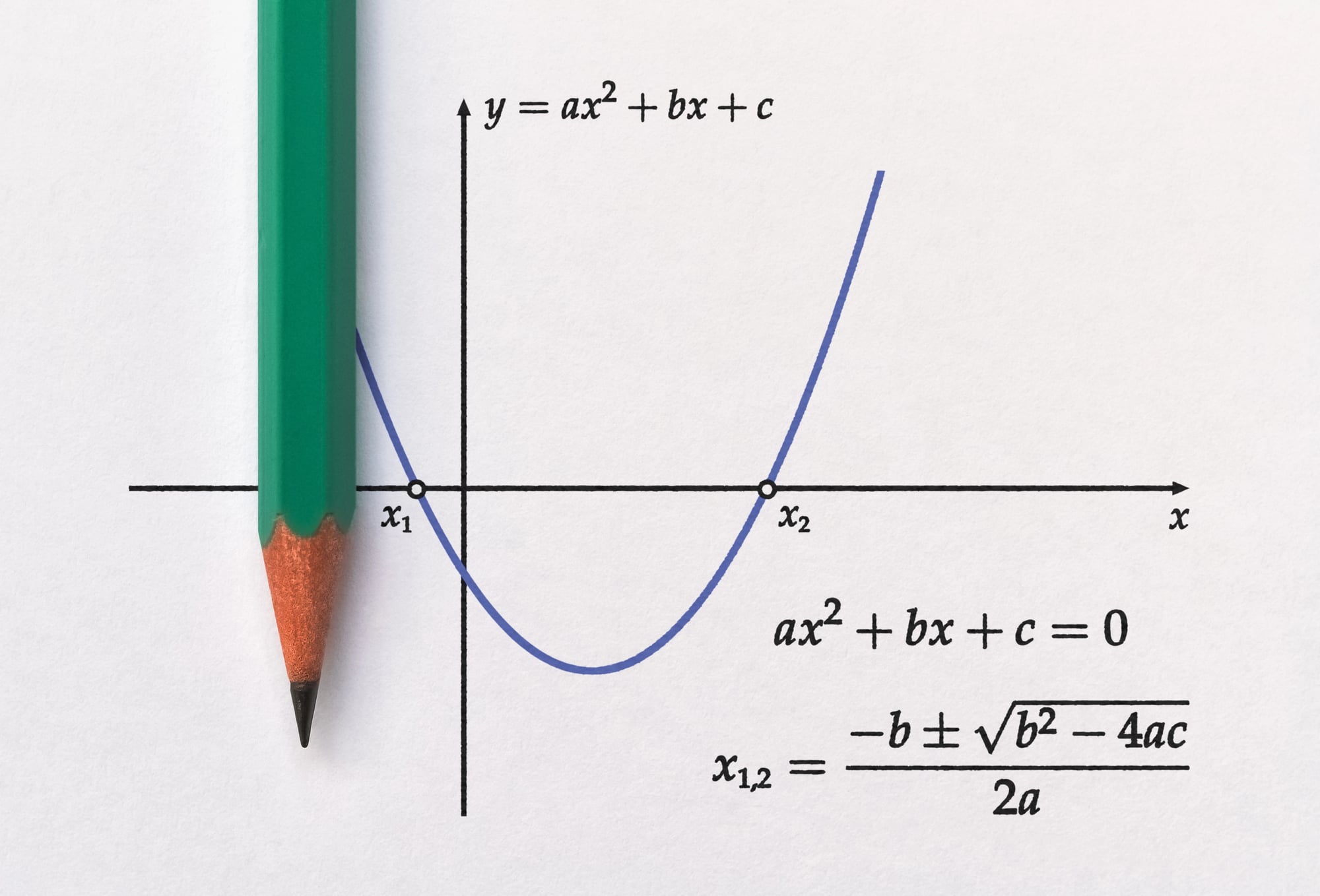
Negative b plus or minus the square root of b squared minus 4ac, all over 2a. If you can still recite that, congratulations on retaining information you will never use again.
Unless you became a mathematician or engineer, this formula has gathered dust in your brain since high school. Teachers made students sing it to the tune of nursery rhymes to help it stick, which only made the whole experience more surreal.
The truth is that anyone who actually needs to solve quadratic equations in their job uses software or calculators to do it. Even math educators admit that memorizing formulas without understanding where they come from teaches students very little about actual mathematical thinking.
State Capitals

Quick, what’s the capital of Montana? If you said Helena, you either just Googled it or you spent third grade drilling flashcards.
Knowing all 50 state capitals was once considered essential knowledge, the kind of thing that would presumably come up in job interviews or polite dinner conversation. It never did.
In the age of smartphones, the answer to any capital city question is about three seconds away. The mental energy spent memorizing that Montpelier is the capital of Vermont could have gone toward literally anything more useful, like learning how taxes work or how to change a tire.
The Periodic Table
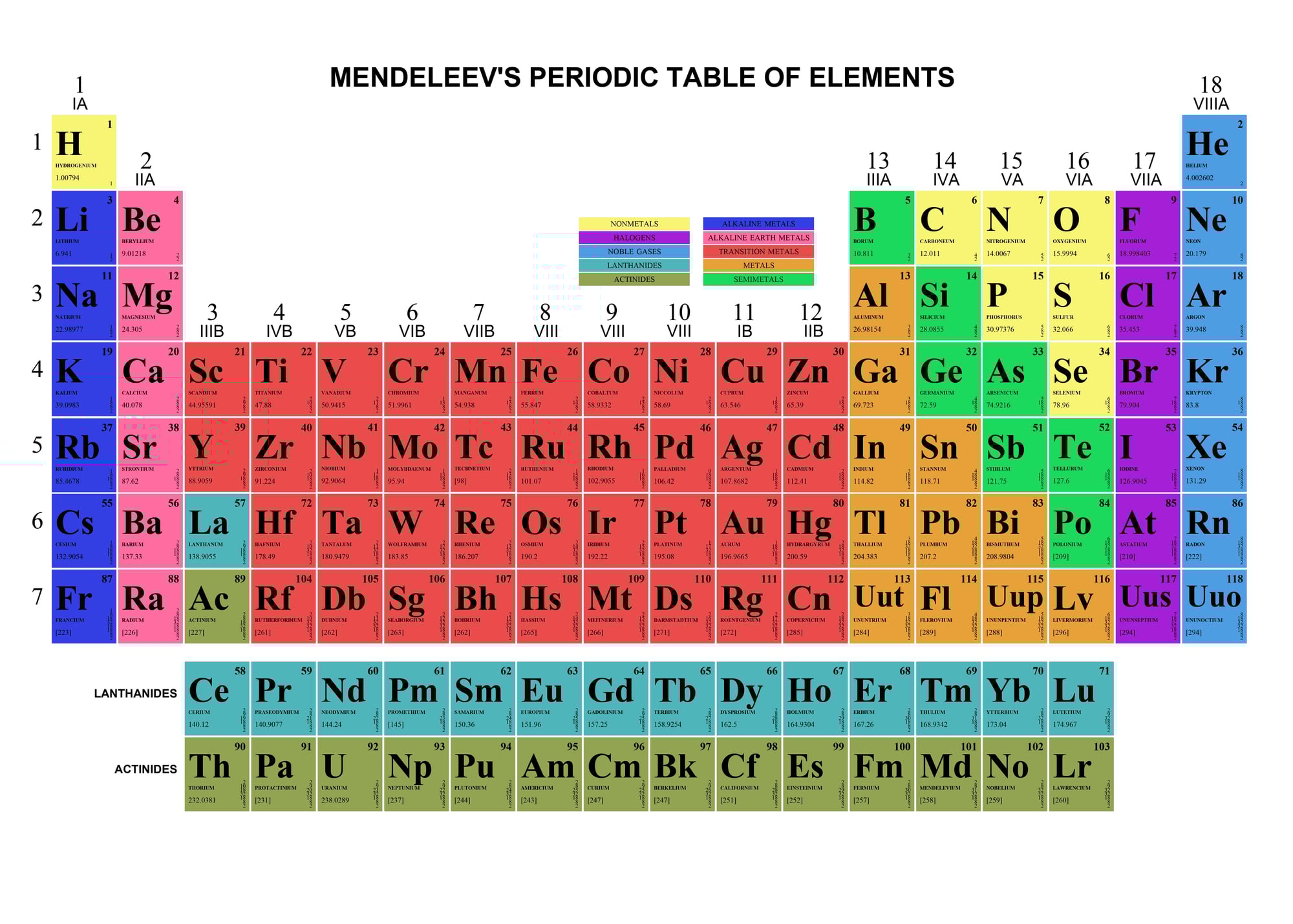
Hydrogen, helium, lithium, beryllium, boron, carbon, nitrogen, oxygen… and that’s probably where your memory starts to fade. Chemistry teachers loved to make students memorize the elements in order, sometimes all the way through the lanthanides and actinides.
Even professional chemists admit they never memorized the whole thing because the periodic table exists specifically so you don’t have to. It’s a reference tool, not a memory test.
The elements you actually use in your work you’ll learn naturally through repetition, and the rest will always be right there on the wall of any lab in the world. Making students memorize it was a bit like requiring them to recite the dictionary.
Cursive Writing
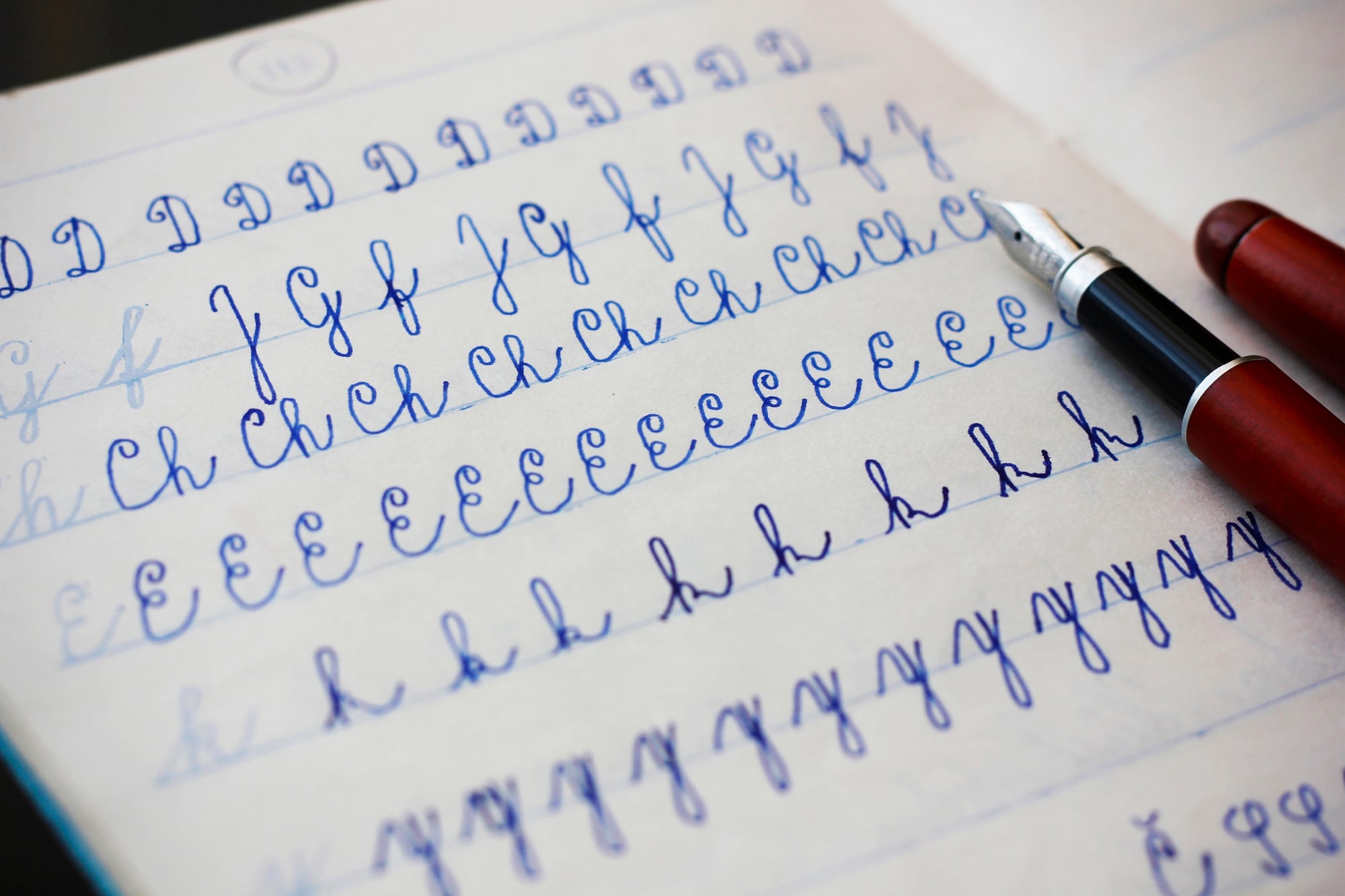
Remember spending weeks learning to make that weird loopy capital Q that looks like a 2? Cursive was once treated as an essential life skill, but it was dropped from Common Core standards in 2010, and for good reason.
The vast majority of communication now happens through keyboards, and even handwritten notes rarely require the flowing script your third-grade teacher insisted upon. Former Harvard President Drew Gilpin Faust noted that in one of her history seminars, two-thirds of students admitted they couldn’t read or write cursive.
While some argue it helps with fine motor skills or reading historical documents, the hours spent perfecting loops and tails could have been directed toward, say, typing skills that students would actually use every day.
Understanding the Constitution is genuinely important, but memorizing its preamble word-for-word teaches you almost nothing about how the government actually works. You could recite every syllable and still have no idea what the commerce clause does or how a bill becomes law.
The preamble is essentially a mission statement, and memorizing mission statements has never been anyone’s path to civic enlightenment.
Dinosaur Names and Classifications
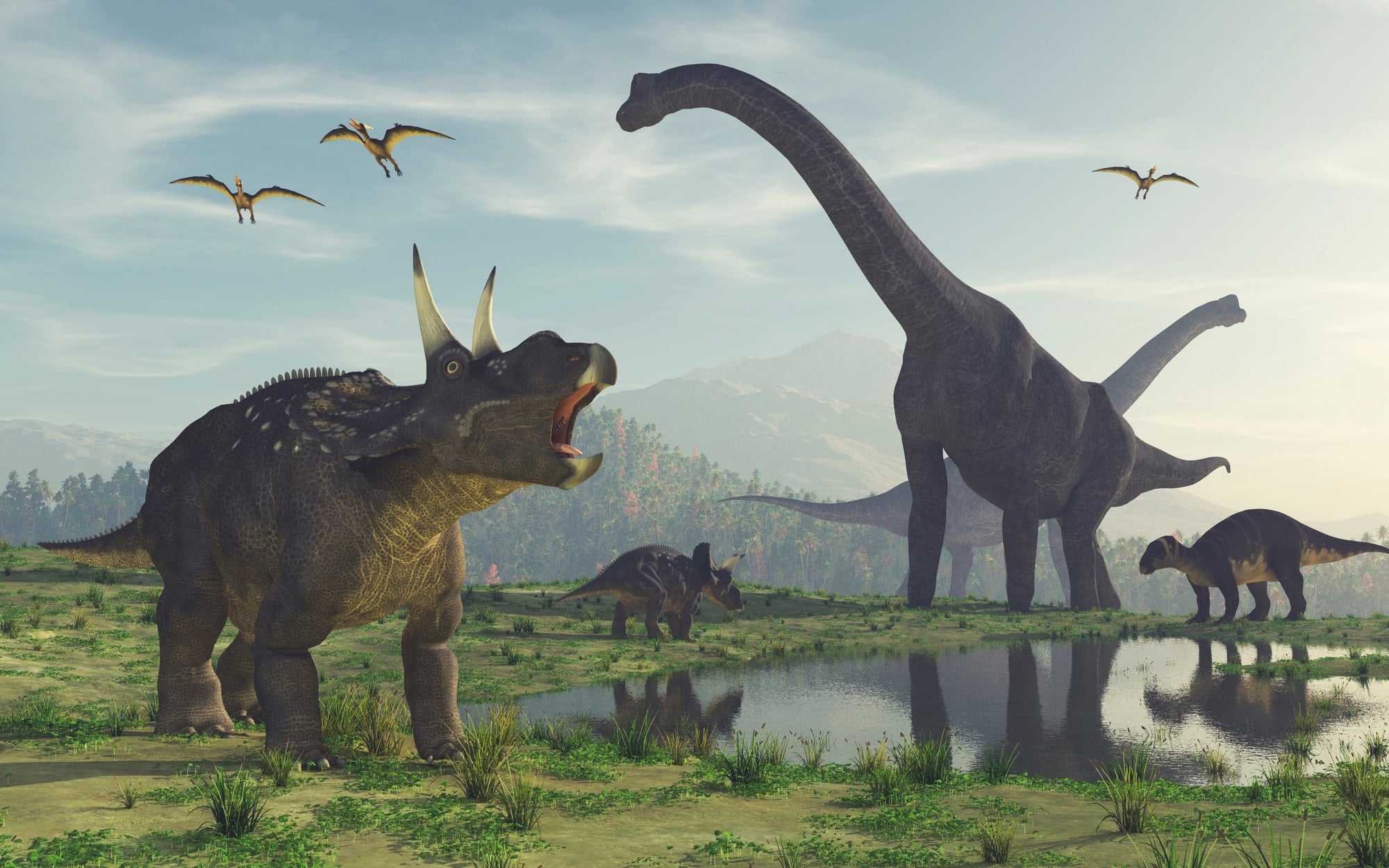
Stegosaurus, triceratops, brachiosaurus, velociraptor. If you can identify a pachycephalosaurus on sight, you can thank your elementary school education for taking up that particular corner of your brain.
Kids love dinosaurs, and that enthusiasm is great, but the educational focus on memorizing species names and distinguishing theropods from sauropods rarely connects to anything students will need later. Unless you become a paleontologist, knowing that T. rex lived during the late Cretaceous period will not advance your career.
The obsession with dinosaur taxonomy was essentially trivia training dressed up as science education.
Types of Rocks

Igneous, sedimentary, metamorphic. This trinity of rock classification was drilled into students as though they might one day need to identify geological formations while stranded in the wilderness.
For the vast majority of people, this information has never come up outside of school. You probably couldn’t tell a piece of basalt from granite if your life depended on it, and your life has never depended on it.
Geology is a fascinating field, but memorizing rock categories without any hands-on application or understanding of geological processes made this feel more like busywork than education.
Long Division

Before calculators became ubiquitous, long division made some sense. You needed a reliable method for dividing large numbers by hand.
But students continued to be drilled on it long after everyone started carrying supercomputers in their pockets. The process of dividing, multiplying, subtracting, and bringing down numbers became a ritualistic exercise that taught patience more than it taught mathematics.
Today, pulling out a phone to divide 4,847 by 23 takes about two seconds. The argument that long division builds foundational understanding would be more convincing if most adults could actually remember how to do it.
The Order of the Planets
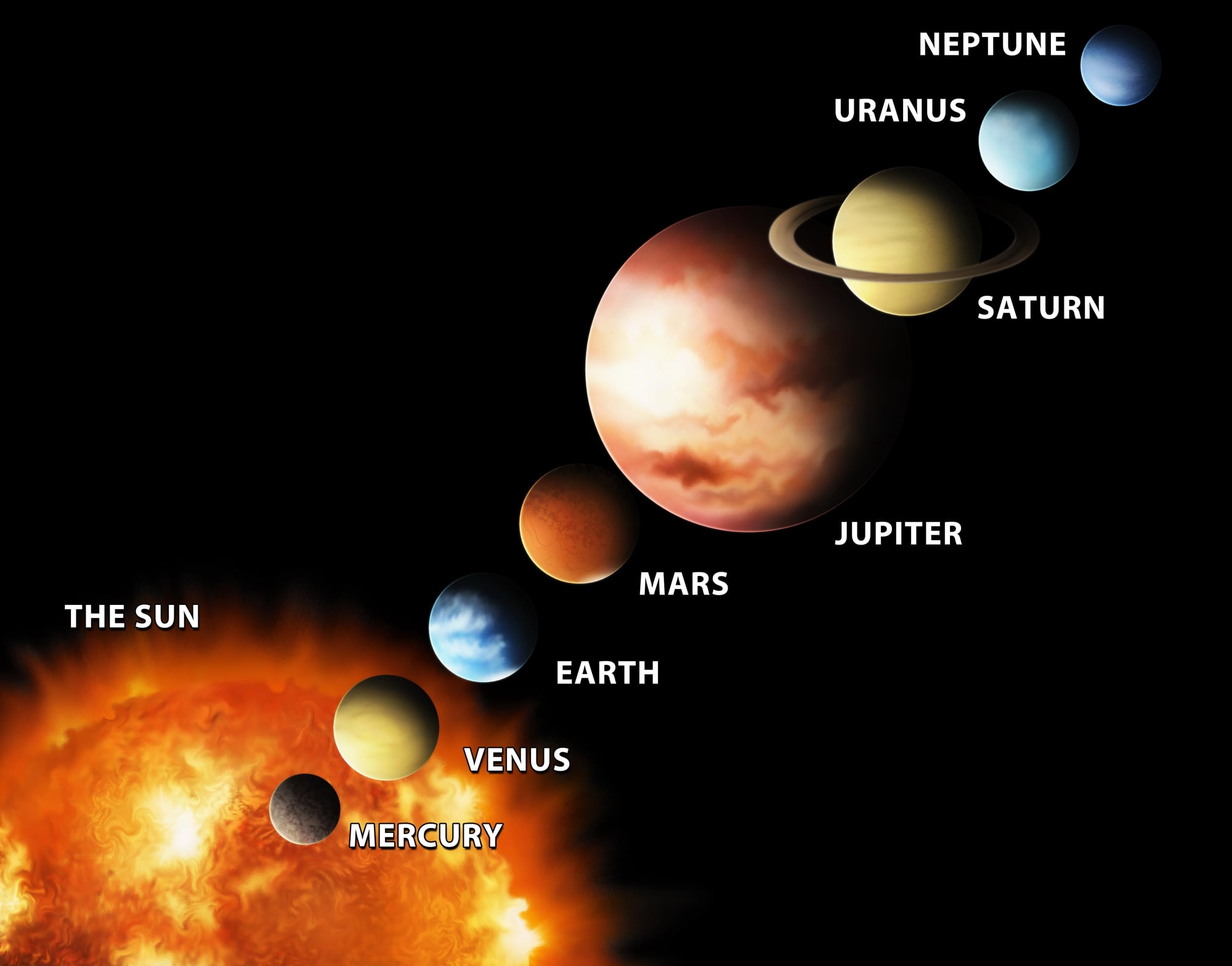
My Very Educated Mother Just Served Us Nachos. Or Nine Pizzas. Or Nothing, after Pluto got demoted in 2006.
Memorizing the order of the planets from the sun felt cosmic and important when you were eight years old. As an adult, this information has zero practical application unless you work at NASA.
Knowing that Jupiter comes after Mars has never helped anyone pay rent or navigate a relationship. The mnemonic devices teachers created to help students remember the sequence are themselves more memorable than any actual planetary fact, which probably says something about how our brains prioritize information.
All the Presidents in Order
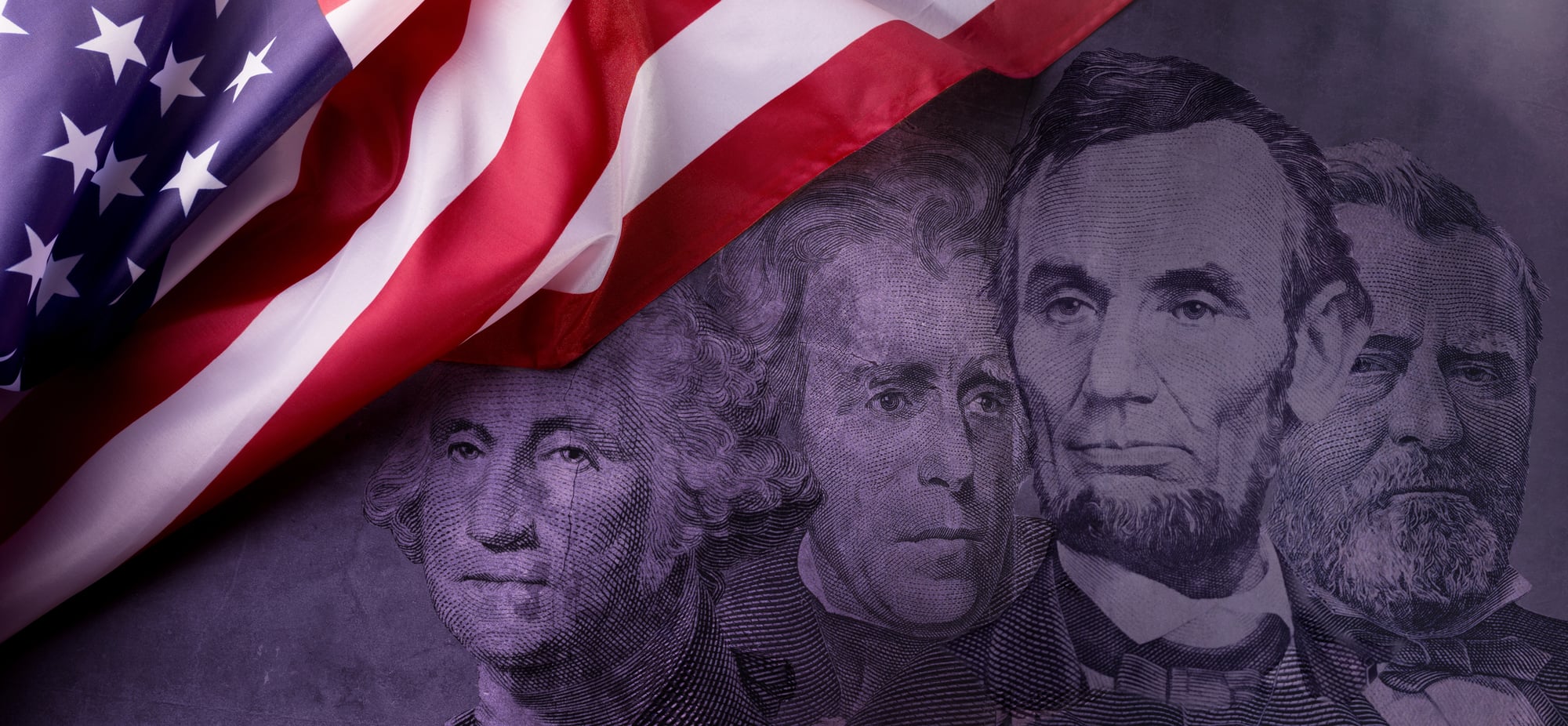
Washington, Adams, Jefferson, Madison, Monroe, Adams again… Memorizing all the presidents in chronological order was presented as a badge of patriotic scholarship.
But knowing that Millard Fillmore was the 13th president tells you nothing about what he actually did or why it mattered. The exercise became about sequence rather than substance, a party trick rather than historical understanding.
You could recite every president from Washington to the present and still have no idea what the Compromise of 1850 was or why the Progressive Era happened. History is fascinating; lists are not.
Anatomical Diagrams

Students were made to memorize the parts of cells, the organs of the human body, the bones of the skeleton, often with tests requiring labels on blank diagrams. The mitochondria is the powerhouse of the cell and became a meme precisely because it’s the one thing everyone remembers from biology class, despite having no idea what mitochondria actually do or why it matters.
Memorizing that the femur connects to the tibia connects to the fibula doesn’t teach you how the body works. It just teaches you to match words to pictures, which is a skill with limited real-world application unless you’re going into medicine.
Poetry by Rote

The Road Not Taken. Stopping by Woods on a Snowy Evening. Because I Could Not Stop for Death.
English teachers loved assigning poems to be memorized and recited in front of the class. The idea was that internalizing great literature would somehow elevate the soul or improve language skills.
What actually happened was that students associated poetry with anxiety and performance rather than beauty or meaning. Most people can still recite fragments of poems they memorized decades ago without having the faintest idea what they’re about.
Robert Frost’s two roads diverging in a yellow wood is widely misunderstood as an inspirational message about individuality when it’s actually much more ambiguous.
Sentence Diagramming
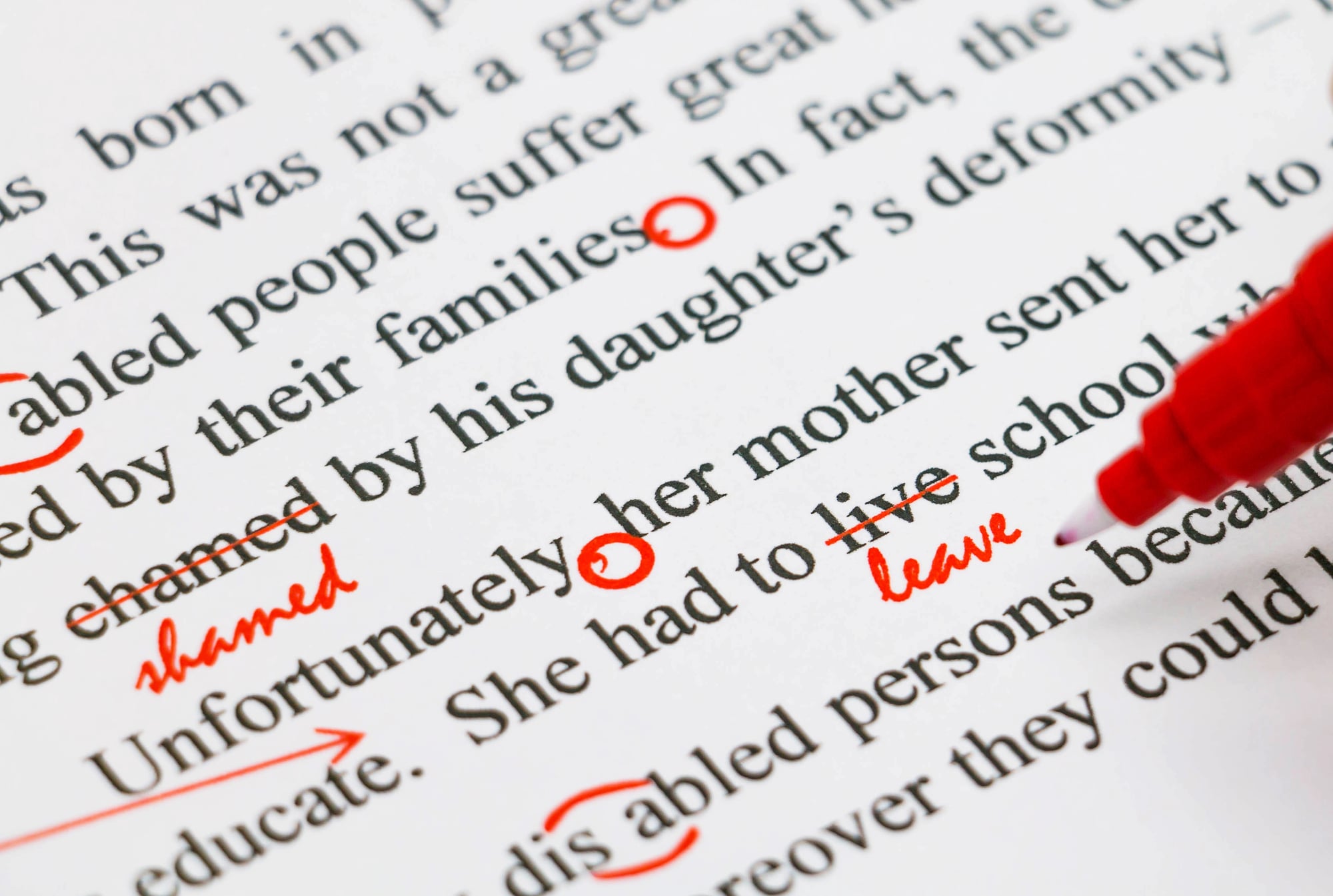
There was a time when English class meant drawing elaborate tree structures to show how sentences were organized. Subject here, predicate there, prepositional phrases dangling off branches.
The idea was that visualizing grammar would lead to better writing. Studies have failed to support this assumption.
Most professional writers have no idea how to diagram a sentence, and they don’t need to. Understanding grammar is valuable, but the diagramming exercise itself became an end rather than a means.
Students could correctly place every word on a line and still have no sense of how to write a clear, compelling paragraph.
Recorder Songs
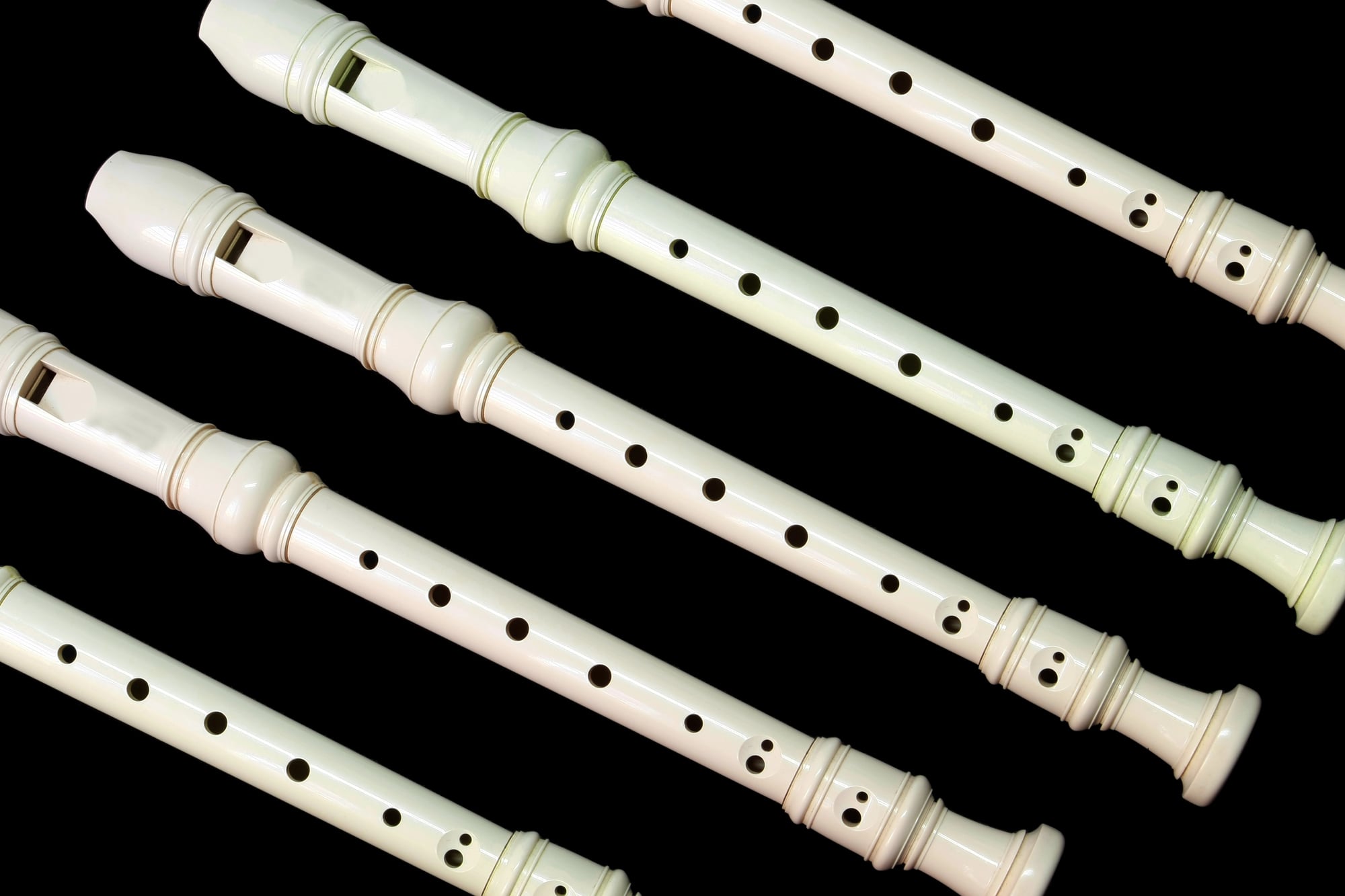
Hot Cross Buns. Mary Had a Little Lamb.
If you attended elementary school in America, you probably spent at least one year learning to play the recorder, a plastic wind instrument that sounds like a dying bird in the hands of a beginner. The theory was that this would introduce students to music and perhaps inspire them to pick up real instruments.
In practice, it introduced students to the experience of making unpleasant sounds in a room full of other children also making unpleasant sounds. Most people who learned recorder never touched another instrument.
The main lasting effect was ensuring that parents everywhere dreaded practice time.
The Report Card That Didn’t Matter

Looking back, so much of what we were forced to memorize in school had less to do with preparing us for life and more to do with measuring us against each other. The information was testable, which made it teachable, even if it wasn’t particularly useful.
Real skills like managing money, understanding contracts, cooking meals, or navigating relationships were largely absent from the curriculum. The things that stuck in our brains were the things we repeated enough times to pass the test.
Twenty years later, most of us still know that the mitochondria is the powerhouse of the cell, and we still can’t remember our passwords.
More from Go2Tutors!

- The Romanov Crown Jewels and Their Tragic Fate
- 13 Historical Mysteries That Science Still Can’t Solve
- Famous Hoaxes That Fooled the World for Years
- 15 Child Stars with Tragic Adult Lives
- 16 Famous Jewelry Pieces in History
Like Go2Tutors’s content? Follow us on MSN.