Things That Surprise Visitors to the USA
Long before setting foot there, some people already sense they know the U.S. Movies made across the ocean quietly set the scene.
TV scenes play on loop in distant living rooms, forming images bit by bit. Online clips add texture, filling gaps without words.
Tall buildings rise like signals from afar. Bright yellow buses roll through neighborhoods, predictable and steady.
Wide stretches of homes fan out beyond city edges, expected yet strange up close. Off the plane, things shift fast.
Suddenly, everything moves bigger, quicker – harder to ignore. Sounds pile up where silence should be.
Familiar routines for locals hit like surprises. Eyes widen without meaning to.
Normal life elsewhere stumbles into view. What surprises most travelers shows up only after they arrive.
Sudden culture gaps appear in everyday moments across the country. Differences reveal themselves through small habits people have without realizing.
Unexpected routines pop up in places like gas stations or grocery stores. New patterns emerge during simple conversations on buses or trains.
These details tend to slip past guidebooks and websites entirely.
The Sheer Size of Everything
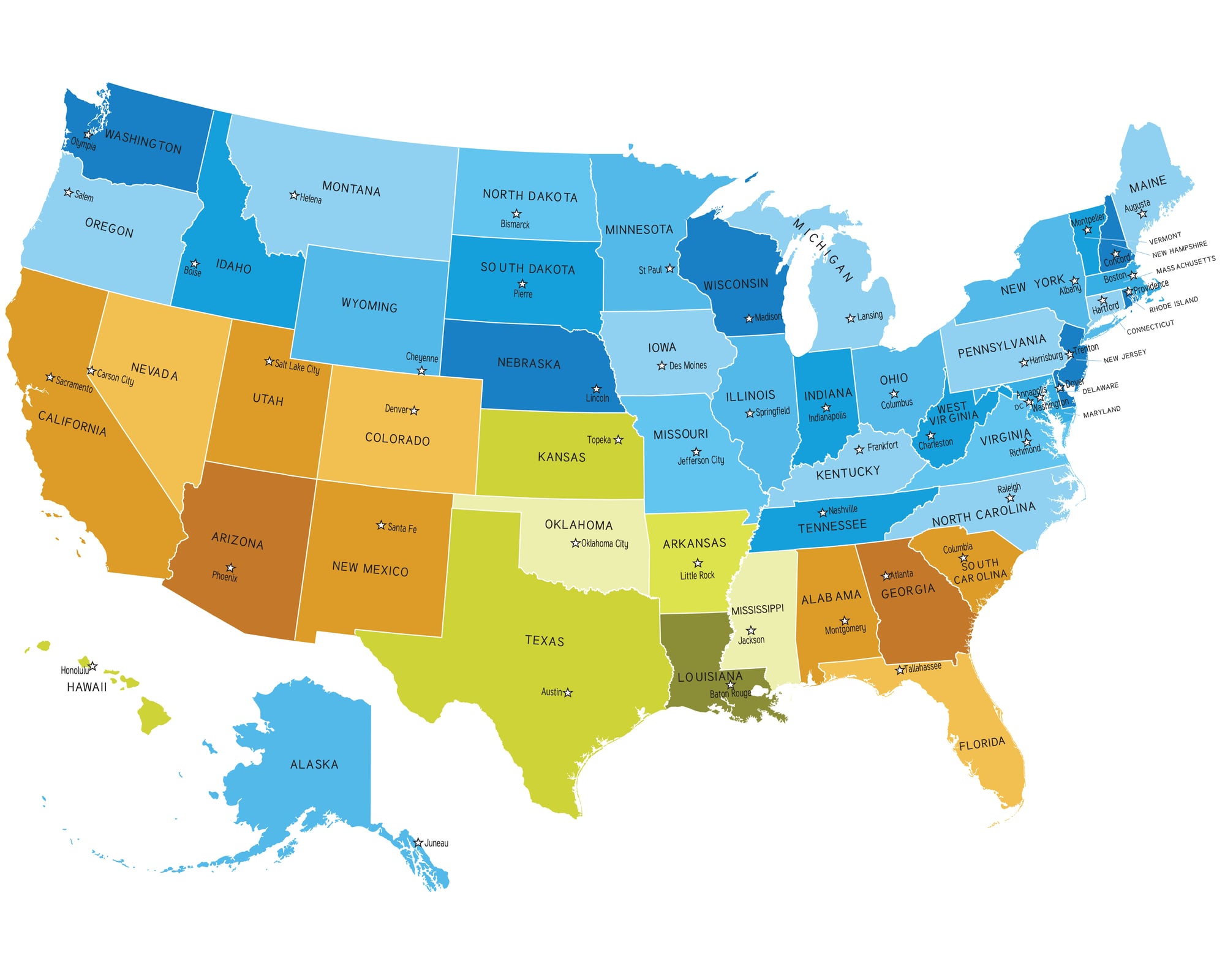
One of the first surprises is the physical scale. The country itself spans nearly 3,000 miles from coast to coast, and that vastness filters down into daily life.
Highways stretch endlessly, grocery stores resemble warehouses, and vehicles often appear noticeably larger than those in many other countries. Distances between cities can be misleading.
A trip that looks manageable on a map may involve hours of driving. Public transportation between regions is limited compared to Europe or parts of Asia, making car travel almost essential outside major metropolitan areas.
Even so, the scale contributes to a sense of openness. Wide roads, expansive parking lots, and broad suburban layouts reflect a design philosophy rooted in space rather than density.
Portion Sizes at Restaurants

Visitors frequently comment on the size of American restaurant portions. Entrees can easily exceed what might be considered a standard serving elsewhere.
Free refills on drinks are common, and side dishes often arrive in generous quantities. This abundance can feel indulgent at first.
Tourists sometimes share meals or request takeaway containers, a routine practice in the United States. The expectation that leftovers will be boxed up and brought home surprises many first-time diners.
Still, portion sizes reflect cultural habits shaped by decades of agricultural production, marketing, and consumer preference. The emphasis is often on value and fullness rather than restraint.
Tipping Culture

Tipping in the United States is not merely a polite gesture; it is an embedded part of the service economy. In restaurants, a gratuity of 15 to 20 percent is typically expected.
Taxi drivers, hair stylists, and hotel staff are also commonly tipped. For visitors from countries where service charges are included, this practice can feel confusing.
Calculating percentages at the table adds a layer of social pressure. Yet for many service workers, tips form a substantial portion of income.
That structure shapes interactions. Service often feels attentive and personable, partly because compensation depends directly on customer satisfaction.
The Informal Friendliness

Americans are often described as outgoing and conversational with strangers. Small talk at grocery store checkout lines, casual greetings in elevators, and open smiles can surprise visitors accustomed to more reserved public behavior.
Friendliness is usually not an invitation to deep connection. It is a social lubricant, designed to ease daily interactions.
A simple ‘How’s it going?’ rarely demands a detailed answer. On the other hand, the ease of casual conversation can feel refreshing.
It lowers barriers and creates brief moments of warmth in otherwise ordinary routines.
The Cost of Healthcare

For many international visitors, the cost of healthcare in the United States is startling. Even a routine visit to an urgent care clinic can carry significant expense without insurance.
Emergency services and hospital stays can be especially costly. Travel insurance becomes essential for visitors aware of these realities.
Stories of high medical bills circulate widely, reinforcing the perception that healthcare operates differently here than in countries with universal systems. Still, the United States is home to many leading medical institutions and cutting-edge research centers.
The quality of care can be high, even if the cost structure feels daunting.
Flag Displays and Patriotism

The presence of the American flag is more visible than many visitors expect. Flags appear outside homes, businesses, schools, and public buildings.
National holidays often feature large-scale celebrations, parades, and fireworks. Expressions of patriotism can feel more pronounced than in some other countries.
Sporting events frequently include national anthems and military tributes. The symbolism is woven into everyday life.
That said, the country also hosts a wide range of political opinions and debates. Visible patriotism does not necessarily reflect uniform viewpoints, but it remains a consistent cultural feature.
The Variety of Landscapes

Many visitors arrive expecting cities and highways, yet the natural diversity of the United States can be surprising. From the deserts of Arizona to the forests of the Pacific Northwest, the country contains dramatically different ecosystems within its borders.
National parks such as Yellowstone and the Grand Canyon draw millions of visitors each year. Vast mountain ranges and coastline stretches reveal a scale of natural beauty that contrasts sharply with urban imagery.
Even so, the contrast between regions reinforces how large the country truly is. A few hours of travel can transform scenery entirely.
Sales Tax Added at Checkout

In many countries, the price listed on a product is the final price. In the United States, sales tax is typically added at the register.
The percentage varies by state and sometimes by city. For visitors unfamiliar with this system, the difference between shelf price and final total can feel confusing.
Budgeting becomes slightly more complicated when the posted number is not the exact amount due. Still, the practice reflects a decentralized tax structure.
States and local governments set their own rates, creating regional variation across the country.
The 24-Hour Lifestyle

The United States, particularly in major cities, often operates on extended hours. Grocery stores, pharmacies, and diners may remain open late or even around the clock.
This accessibility can feel convenient and unusual. The constant availability reflects a culture shaped by varied work schedules and a strong service economy.
Shift work, entertainment industries, and long commutes contribute to demand beyond traditional business hours. On the other hand, smaller towns may maintain earlier closing times, highlighting how regional differences shape daily rhythms.
The Culture of Choice

Perhaps the most consistent surprise is the sheer number of options. Supermarkets carry dozens of cereal brands.
Streaming platforms compete for attention. Clothing stores present rows of near-identical styles in subtle variations.
The abundance can feel empowering at first, then slightly overwhelming. Decision fatigue becomes real when nearly every purchase involves multiple alternatives.
Still, the culture of choice aligns with broader themes of individualism and consumer autonomy. The ability to customize experiences, from coffee orders to phone plans, reflects a deeply embedded cultural preference.
Why These Surprises Matter

From afar, small things stand out sharply. A glance at daily life surprises those who just arrived.
Familiar patterns, built slowly, seem odd to fresh eyes. Distance changes what looks normal.
Routine actions unsettle when seen anew. What seems plain here can startle elsewhere.
Time shapes behavior in ways hard to notice from inside. Slowly, those odd moments start to melt away when people get used to moving around.
Meals feel less overwhelming once you settle into the rhythm. Tipping slips into habit without much thought.
Big views across land start feeling normal instead of wild. What felt strange at first turns quiet and known.
What sticks out isn’t one thing alone – instead, it’s how opposites stack up. Huge spaces feel personal here, plenty comes tangled with complications, known patterns twist into sudden unknowns.
This blend lingers, coloring memory well past departure.
More from Go2Tutors!

- The Romanov Crown Jewels and Their Tragic Fate
- 13 Historical Mysteries That Science Still Can’t Solve
- Famous Hoaxes That Fooled the World for Years
- 15 Child Stars with Tragic Adult Lives
- 16 Famous Jewelry Pieces in History
Like Go2Tutors’s content? Follow us on MSN.



