Concerts That Changed Music Forever
Some performances don’t just entertain. They shift how people think about music, how artists approach their craft, and even how society views culture itself.
These weren’t just good shows with great setlights and applause. They were moments that drew a line in history, separating what came before from everything that followed.
Let’s look at the concerts that didn’t just make noise but made history.
Woodstock 1969

Half a million people showed up to a farm in upstate New York expecting a music festival. What they got was a cultural revolution packed into three days of mud, rain, and some of the most iconic performances ever captured on film.
Jimi Hendrix’s rendition of the national anthem became a protest anthem without a single word. The festival proved that young people could gather peacefully in massive numbers, and it cemented the idea that music festivals could be more than just entertainment.
The Beatles at Shea Stadium

When The Beatles took the stage at Shea Stadium in 1965, they weren’t just playing to 55,000 fans. They were inventing the stadium concert as we know it today.
Nobody had attempted a rock show on that scale before, and the screaming was so loud that the band couldn’t hear themselves play. This concert showed promoters and artists that rock music could fill venues previously reserved for baseball games, opening the door for every arena tour that followed.
Monterey Pop Festival 1967

Monterey Pop gave America its first real look at several artists who would define the next decade. Jimi Hendrix set his guitar on fire onstage, creating one of rock’s most enduring images.
Janis Joplin’s performance launched her from unknown to sensation overnight. The festival helped establish the template for how multi-day music events should operate, and it introduced mainstream audiences to artists they’d only heard whispers about.
Live Aid 1985
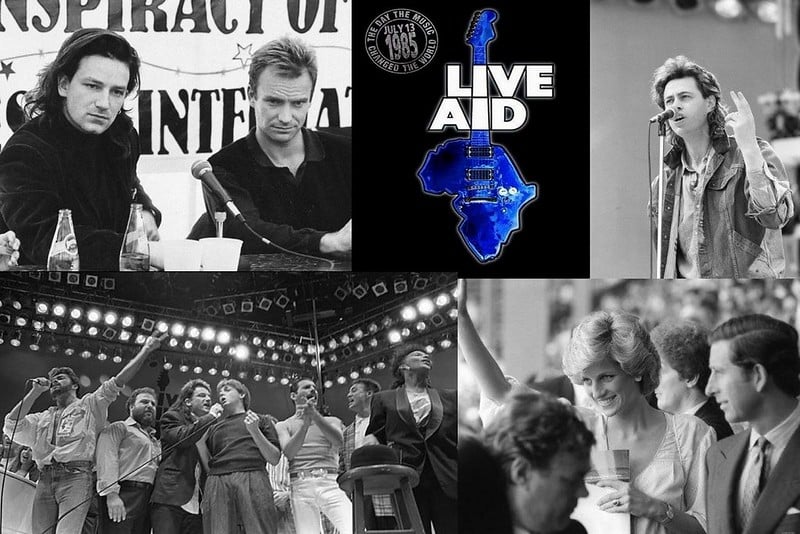
Two stadiums on two continents hosted a single concert that raised over $125 million for famine relief in Ethiopia. Queen’s 20-minute set became legendary, with Freddie Mercury commanding the crowd at Wembley Stadium while millions watched on television worldwide.
Live Aid proved that concerts could mobilize global audiences for social causes, and it set the standard for every benefit concert that came after. The event reached an estimated 1.9 billion viewers across 150 countries.
Nirvana MTV Unplugged 1993

Kurt Cobain led his band through an acoustic set that stripped away the distortion and revealed the songwriting underneath. The band covered obscure songs alongside their hits, creating an intimate atmosphere that contrasted sharply with their usual raw energy.
This performance changed how people viewed grunge music and showed that heavy bands could create powerful moments with quiet instruments. The show aired five months before Cobain’s death, making it a haunting final statement.
Bob Dylan Goes Electric at Newport 1965

Folk music fans came to see their acoustic hero and got three songs with a full electric band instead. The crowd booed, some walked out, and the folk community felt betrayed.
But Dylan had just announced that music didn’t need to stay in its lane, and artists could evolve beyond what their fans expected. This single performance accelerated the merging of folk and rock, creating a hybrid that dominated the late 1960s.
James Brown at the Boston Garden 1968

The day after Martin Luther King Jr. was assassinated, cities across America erupted in riots. Boston’s mayor convinced James Brown to go ahead with his scheduled concert and broadcast it live on television, hoping to keep people home and calm.
The show worked, and Boston remained peaceful while other cities burned. This concert demonstrated that music could serve as a tool for social stability during a crisis.
The Last Waltz 1976

The Band decided to end their touring career with a single concert at Winterland Ballroom in San Francisco, and they invited everyone who mattered. Bob Dylan, Eric Clapton, Joni Mitchell, and others joined them onstage while director Martin Scorsese filmed everything.
The resulting concert film set the gold standard for how to document live music, influencing every concert movie made since. It proved that a farewell show could be an art piece rather than just a final gig.
Altamont Free Concert 1969

The Rolling Stones tried to create their own Woodstock and instead produced a cautionary tale about poor planning. The Hells Angels, hired for security, killed a concertgoer during the Stones’ set while violence broke out across the venue.
This concert ended the idealistic notion that all rock festivals would naturally be peaceful gatherings, forcing organizers to take safety and planning seriously.
Prince at the Super Bowl 2007

Heavy rain poured down during halftime at Super Bowl XLI, and Prince asked the producers a simple question before taking the stage. He wanted to know if it could rain harder.
His performance in a downpour became the most celebrated halftime show in the game’s history, proving that spectacle and genuine artistry could coexist. The show changed how the NFL approached halftime entertainment and raised expectations for every performer who followed.
Johnny Cash at Folsom Prison 1968
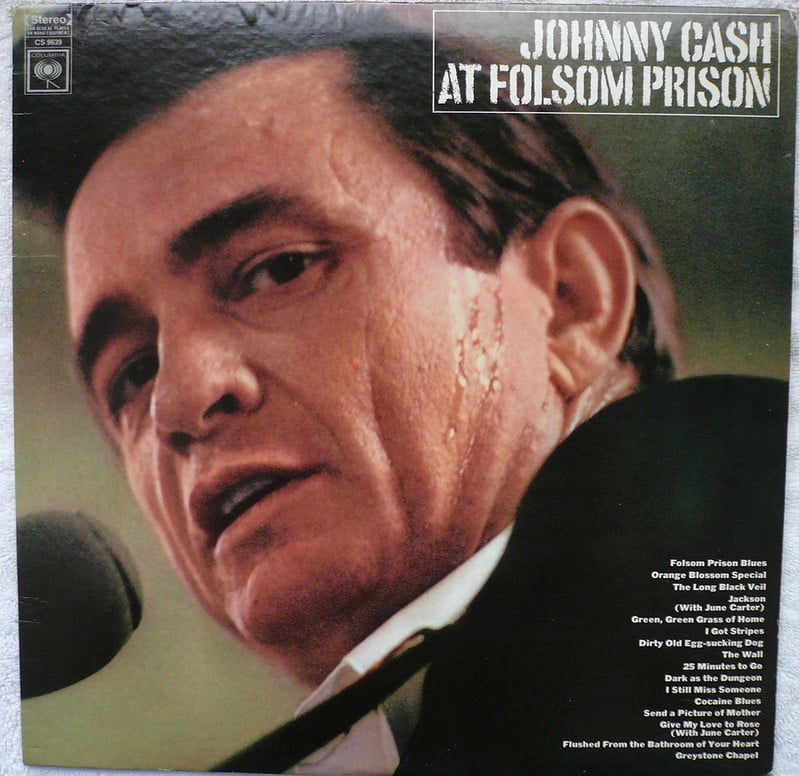
Cash walked into a maximum-security prison with his band and recorded a live album in front of inmates. The performance captured on tape felt raw and authentic in ways that studio albums couldn’t match.
This concert album reached number one on the country charts and revived Cash’s career while proving that live recordings could outsell carefully produced studio work. It also brought attention to prison conditions and the humanity of incarcerated people.
Talking Heads Stop Making Sense 1984

David Byrne walked onto a bare stage with an acoustic guitar and a boom box, performing one song alone before band members gradually joined him. The show built from minimalist beginning to full production spectacle, captured in a concert film that influenced how artists thought about staging and performance art.
Jonathan Demme’s direction turned the concert into cinema, proving that filmed performances could be artistic statements rather than just documentation.
Grateful Dead at the Pyramids of Giza 1978

The Dead hauled their entire sound system to Egypt and played three shows in front of the Great Pyramid during a total lunar eclipse. The performances mixed their improvisational approach with the mystique of the ancient setting, creating an event that felt more like a pilgrimage than a concert.
This showed how far bands could push the boundaries of where and how they performed, inspiring decades of destination concerts.
Pink Floyd The Wall Live 1980

Roger Waters and his bandmates didn’t just play their album. They built an actual wall across the stage during the performance, separating the band from the audience as a literal representation of isolation.
The theatrical staging included puppets, projections, and a crashing airplane, raising the bar for what concerts could achieve visually. This production changed arena rock forever by proving that spectacle could enhance rather than distract from the music.
Run-DMC at Live Aid 1985

Hip-hop hadn’t penetrated mainstream rock audiences when Run-DMC took the stage at JFK Stadium in Philadelphia. Their performance introduced rap music to millions of viewers who had never given the genre serious attention.
This appearance helped break down the walls between musical communities and accelerated hip-hop’s journey from underground culture to global phenomenon.
Bruce Springsteen and the E Street Band Reunion 1999

After eleven years apart, Springsteen and his original band played a reunion tour that proved nostalgia and vitality weren’t mutually exclusive. The shows lasted over three hours and mixed classic hits with new energy, demonstrating that reunions could be artistically valid rather than just cash grabs.
This tour influenced how aging rock acts approached their legacy and showed that bands could return without seeming desperate.
David Bowie’s Retirement of Ziggy Stardust 1973

Bowie stepped onstage at London’s Hammersmith Odeon and announced it would be the last show ever. He meant it was the last show for his Ziggy Stardust character, but the crowd thought he was retiring from music entirely.
The performance captured on film shows an artist willing to kill off his most successful creation at its peak, proving that reinvention mattered more than commercial safety. This concert established the idea that personas could be as important as the music itself.
A Tribe Called Quest Final Performance 2013

The groundbreaking rap crew got back together for what they called their final gig ever – held at a tiny spot in NYC. This close-up concert came across less like an event, more like a heartfelt note to supporters and the classic era of rap they shaped.
Sadly, Phife Dawg died three years after, turning this into their real last time on stage as a team. It showed people clearly: certain experiences just don’t happen again, no matter how much you wish.
Where the sounds hang around

Those shows started small but grew fast, shifting how musicians play live and fans enjoy gigs. Some brought fresh tech or stage ideas later copied everywhere.
Others just nailed a vibe so well, every show since then nods to them somehow. The acts didn’t realize they were shaping the future, yet followed gut feelings and broke rules that held things back.
Modern festivals, big arena runs, even online broadcasts – each carries traces from those times when “okay” stopped being acceptable.
More from Go2Tutors!

- The Romanov Crown Jewels and Their Tragic Fate
- 13 Historical Mysteries That Science Still Can’t Solve
- Famous Hoaxes That Fooled the World for Years
- 15 Child Stars with Tragic Adult Lives
- 16 Famous Jewelry Pieces in History
Like Go2Tutors’s content? Follow us on MSN.