Toys Inducted Into the Hall of Fame
The National Toy Hall of Fame in Rochester, New York, isn’t just some random collection of old playthings gathering dust. It’s a real place that honors toys that have stood the test of time and changed the way kids play.
Every year, a panel of experts picks a few toys from hundreds of nominations to join the ranks of the all-time greats. Getting into this hall of fame is harder than you might think.
Let’s look at some of the toys that made the cut and earned their spot in toy history.
Barbie

Barbie joined the hall of fame in 1998, and it’s easy to see why she made it. Since 1959, this fashion doll has sold over a billion units worldwide and sparked countless hours of imaginative play.
She’s been an astronaut, a doctor, a president, and just about every other profession you can think of. Mattel releases new versions every year, and collectors pay thousands of dollars for rare vintage Barbies from the early days.
Love her or hate her, Barbie changed the toy industry forever and gave kids a doll that could be anything they wanted her to be.
Lego
Lego bricks got inducted in 1998, the same year as Barbie. These little plastic blocks from Denmark have been around since 1949 and haven’t changed much in design since 1958.
The genius of Lego is that bricks from the 1960s still click together perfectly with ones made today. Kids can build anything from simple houses to working robots, and adults have gotten so into it that there are entire conventions dedicated to elaborate Lego creations.
The company nearly went bankrupt in the early 2000s but came back stronger than ever with movie tie-ins and video games.
Crayola crayons

Crayola crayons earned their spot in 1998, which makes sense since almost every kid in America has used them at some point. The company started making crayons in 1903, and the basic 8-count box became an instant classic.
Today they make 120 different colors with names like ‘Razzmatazz’ and ‘Macaroni and Cheese.’ The company produces about 3 billion crayons every year, which would circle the Earth four and a half times if you lined them up end to end.
Teachers and parents love them because they’re cheap, non-toxic, and keep kids busy for hours.
Frisbee
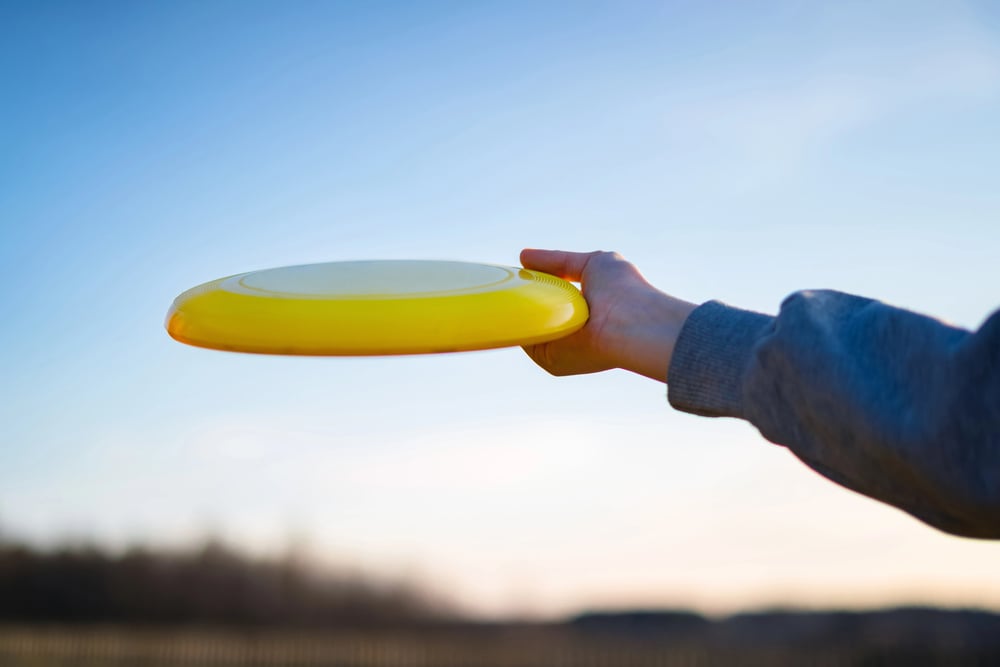
The Frisbee flew into the hall of fame in 1998 after decades of backyard tosses and beach games. College students in the 1940s started throwing empty pie tins from the Frisbie Pie Company, and someone eventually had the bright idea to make a proper flying disc out of plastic.
Wham-O bought the rights in 1957 and misspelled the name as ‘Frisbee’ to avoid trademark issues. The toy became so popular that entire sports developed around it, including Ultimate Frisbee and disc golf.
You can buy a basic Frisbee for a few dollars, and it works just as well as the fancy ones that cost ten times more.
Yo-yo
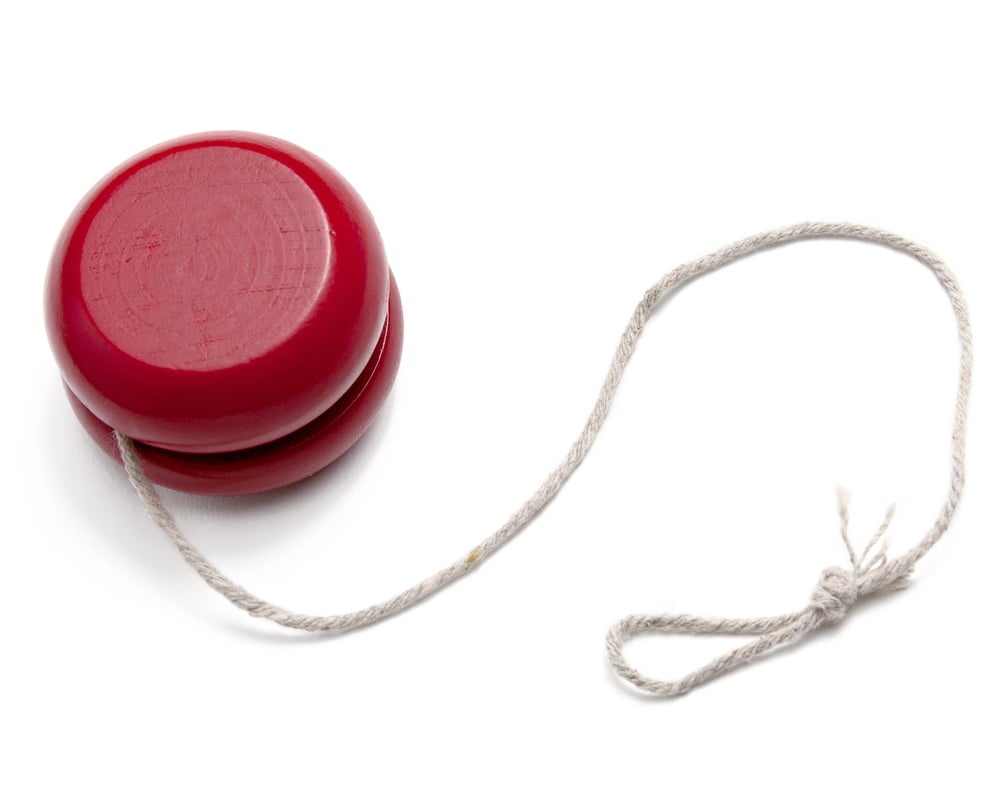
The yo-yo got inducted in 1999, honoring a toy that’s been around for thousands of years. Ancient Greeks played with yo-yos made of wood and metal, and the toy showed up in China and the Philippines long before it reached America.
Duncan Toys popularized the modern yo-yo in the 1920s and created tricks like ‘Walk the Dog’ and ‘Around the World’ that kids still try to master today. Professional yo-yo competitions now offer prize money, and some champions can do tricks that look like they’re defying physics.
The basic design hasn’t changed much because it works perfectly as is.
Etch A Sketch

The Etch A Sketch joined the hall in 1998, celebrating one of the most frustrating yet addictive toys ever made. André Cassagnes invented it in France in the late 1950s, and Ohio Art brought it to America in 1960.
The toy uses aluminum powder and a stylus to create drawings that disappear when you shake it. Kids spend hours trying to draw perfect circles or stairs, only to accidentally shake the whole thing and lose their masterpiece.
Artists have created incredibly detailed works using Etch A Sketch, proving that the simple toy has way more potential than most people realize.
Slinky
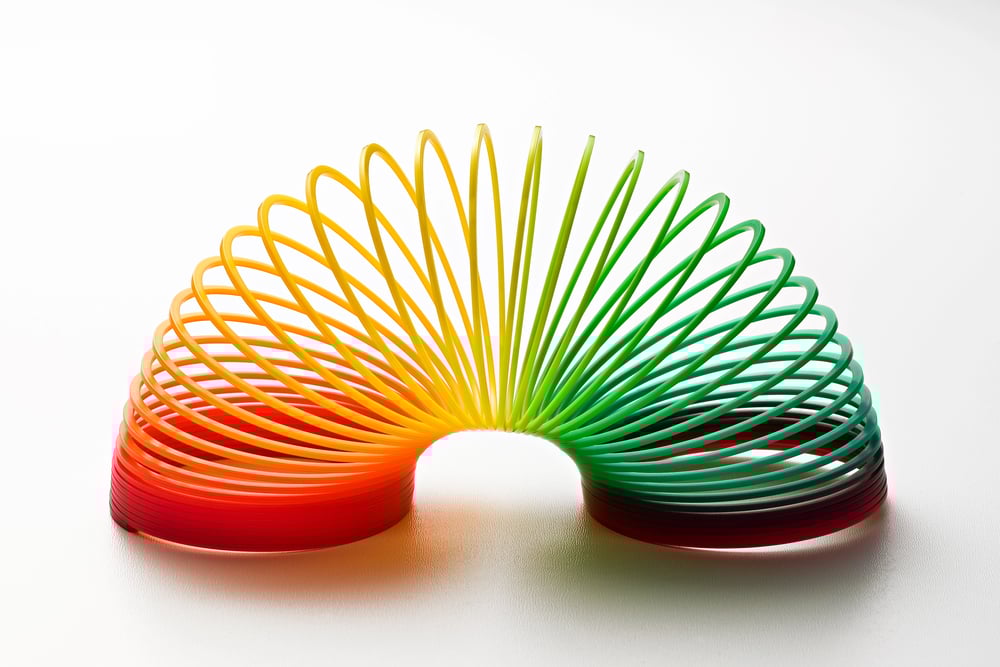
The Slinky walked into the hall of fame in 2000 after decades of going down stairs. Richard James invented it by accident in 1943 when a tension spring fell off his desk and kept moving.
He and his wife started selling them in 1945, and they sold 400 in the first 90 minutes. The toy is just a coiled spring, but watching it walk down stairs never gets old.
Over 300 million Slinkys have been sold, and the original factory in Pennsylvania still makes them today. The jingle from the commercials is so catchy that people who haven’t heard it in 30 years can still sing every word.
Monopoly
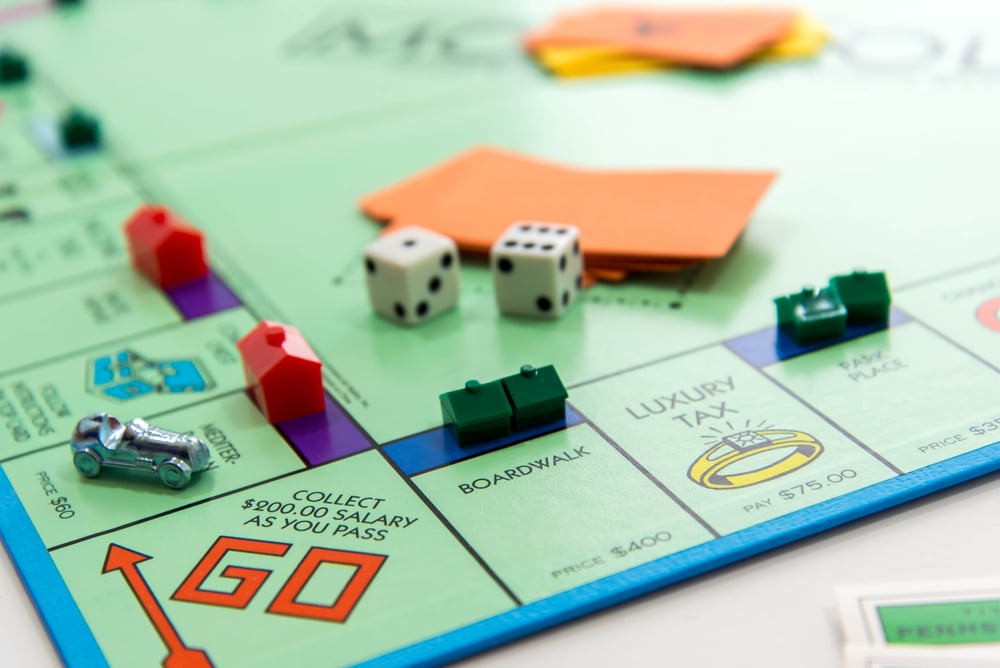
Monopoly rolled into the hall of fame in 1998, though the game’s history is more complicated than most people know. Elizabeth Magie created an early version called ‘The Landlord’s Game’ in 1903 to teach people about the problems with monopolies.
Charles Darrow later sold a modified version to Parker Brothers in 1935, and it became one of the best-selling board games ever. Families have been arguing over Monopoly rules for generations, and games can last for hours if everyone refuses to quit.
Special editions exist for nearly every city and franchise you can imagine, from Star Wars to Fortnite.
Checkers
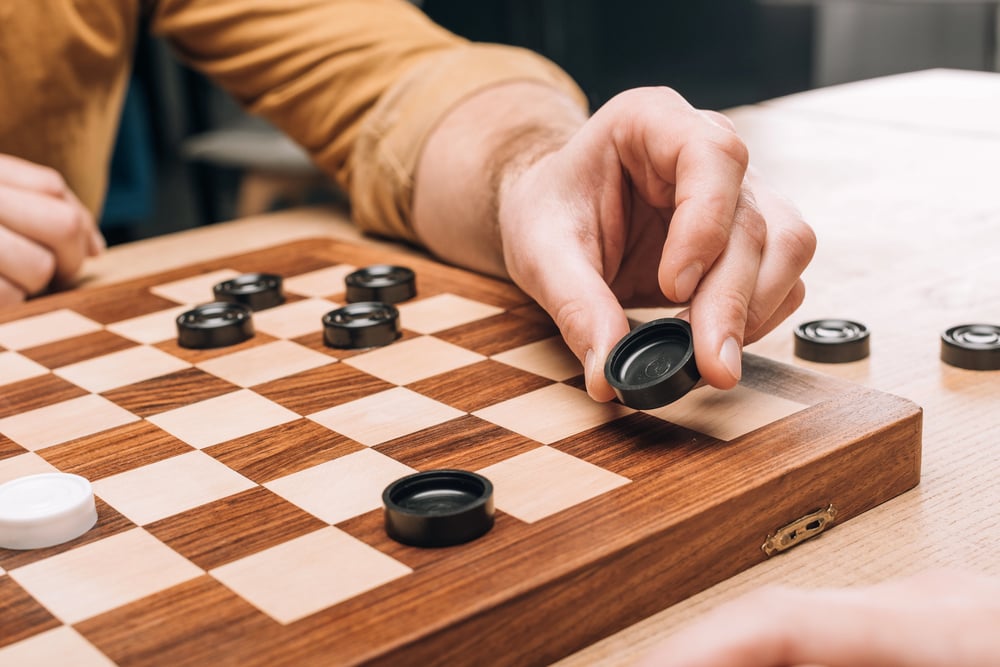
Checkers joined the hall in 2007, recognizing a game that’s been played for over 5,000 years. Ancient Egyptians played a version of checkers, and the game evolved over centuries into the version we know today.
It’s simple enough that young kids can learn it in minutes but complex enough that computers have studied it for decades. In 2007, computer scientists finally solved checkers, proving that perfect play by both sides always leads to a draw.
Despite being solved, people still enjoy playing it because the social aspect matters more than finding the mathematically perfect move.
Kite

Kites flew into the hall of fame in 2000, honoring one of the oldest toys in human history. The Chinese invented kites over 2,000 years ago, and they spread to every continent over the centuries.
Benjamin Franklin famously used a kite to study electricity in 1752, though he was lucky not to get killed in the process. Kids today can buy simple diamond kites for a few dollars or elaborate stunt kites that require skill to control.
Flying a kite requires wind, open space, and patience, making it one of the few toys that forces kids to go outside and deal with nature.
Marbles
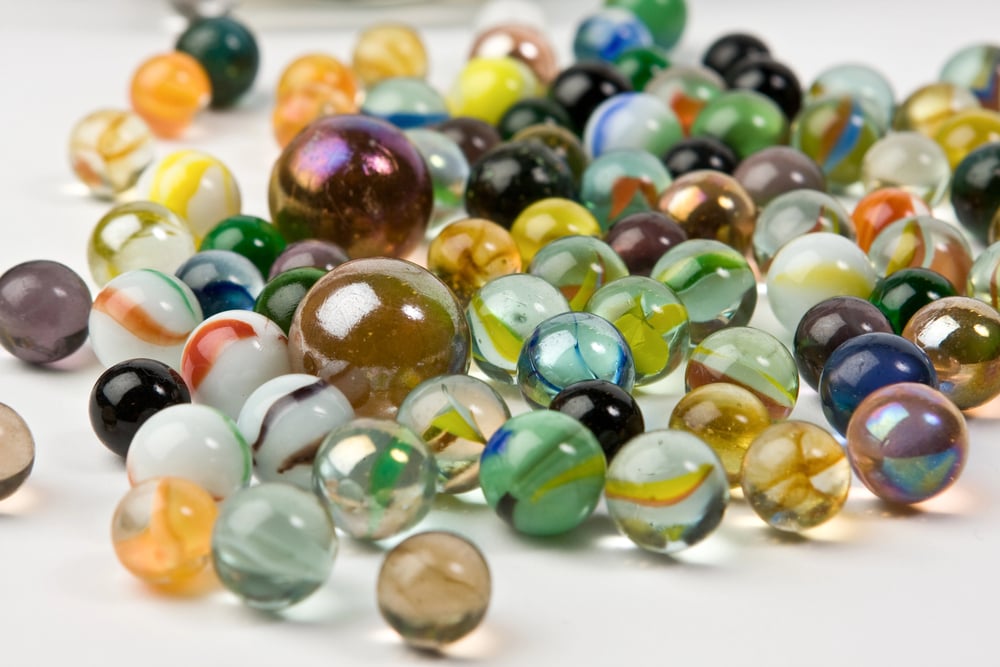
Marbles rolled into the hall in 1998 after being a childhood staple for thousands of years. Ancient Romans and Egyptians played with marbles made of clay, stone, and nuts.
Glass marbles became popular in the 1800s when factories started mass-producing them. Kids played for keeps, meaning winners took the marbles they won, which taught some hard lessons about winning and losing.
Rare vintage marbles now sell for thousands of dollars to collectors who appreciate the swirls and colors inside each glass sphere. The phrase ‘losing your marbles’ comes from the frustration of getting beaten in marble games.
Play-Doh
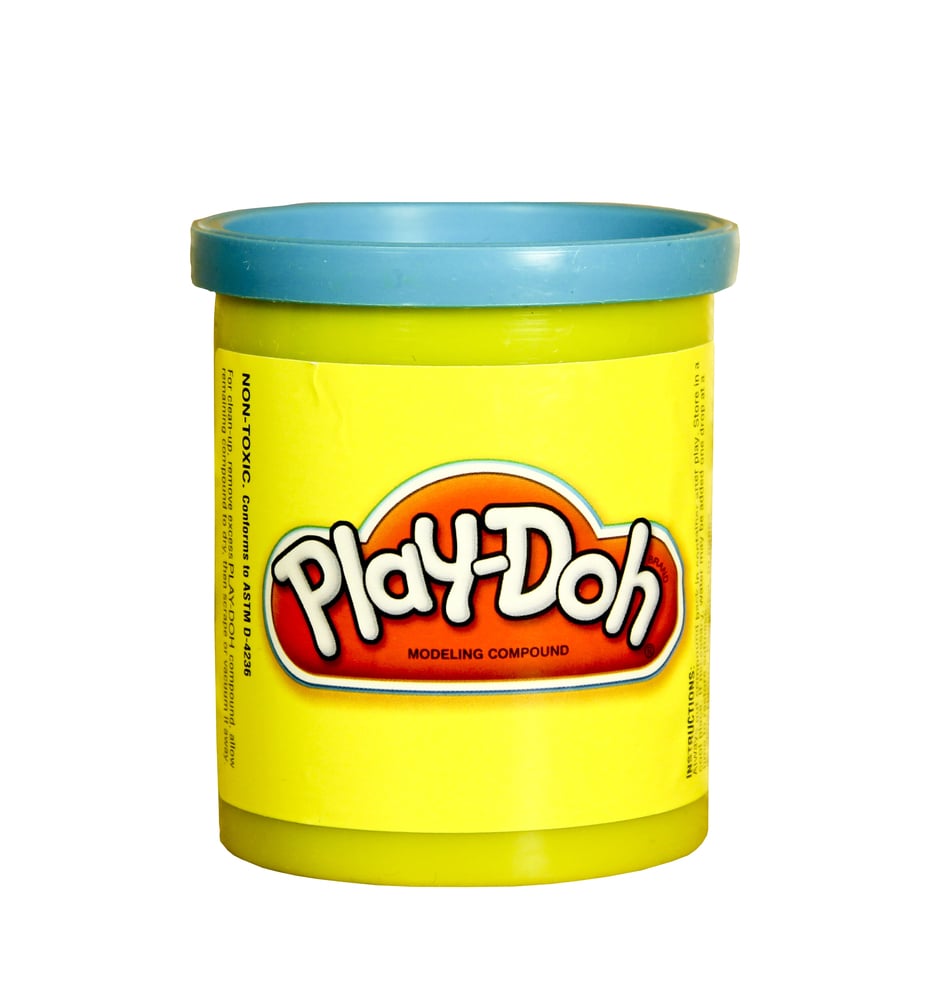
Play-Doh squished its way into the hall in 1998, though it started life as a wallpaper cleaner. The company Kutol made a putty for cleaning soot off walls in the 1930s, but when people stopped heating homes with coal, the product became obsolete.
Someone noticed that kids liked playing with it, so they reformulated it, added colors, and sold it as a toy starting in 1956. The salty smell of Play-Doh is so distinctive that the company trademarked the scent.
Over 3 billion cans have been sold, and teachers love it because it keeps kids entertained while helping them develop hand strength and creativity.
Rubik’s Cube
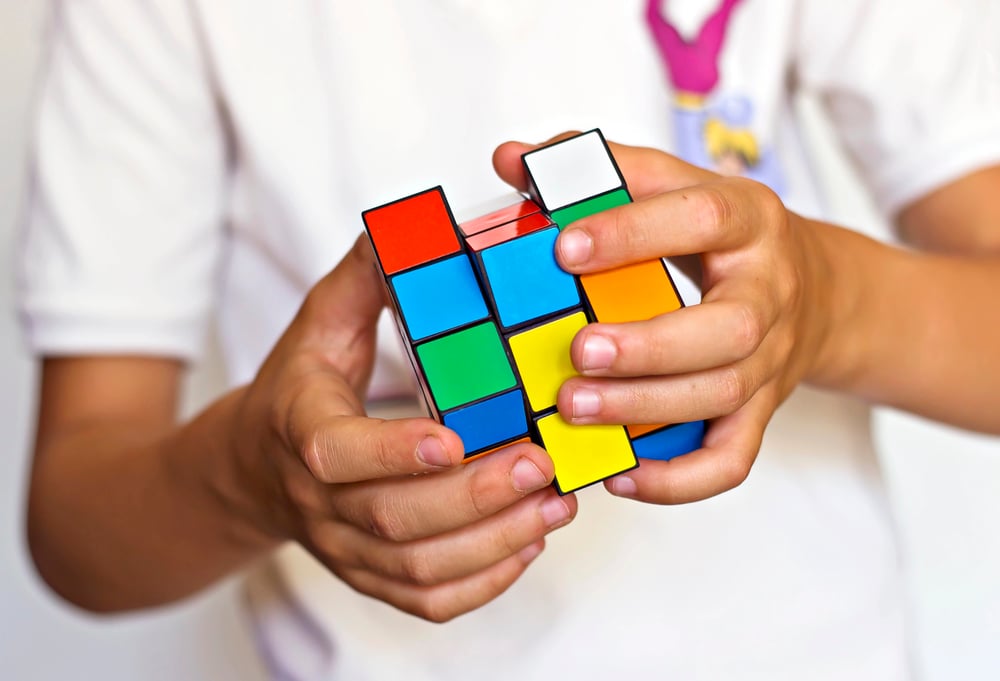
The Rubik’s Cube twisted into the hall in 2014, recognizing the puzzle that frustrated and fascinated people since 1980. Ernő Rubik invented it in Hungary in 1974 as a teaching tool for his architecture students.
When it hit stores worldwide in 1980, it became the best-selling puzzle toy ever, with over 350 million cubes sold. Most people never solve it without looking up instructions, but speedcubers can do it in under five seconds.
The math behind the cube is mind-boggling, with over 43 quintillion possible combinations, but only one solution.
Scrabble

Scrabble spelled its way into the hall in 2004, honoring the word game that’s been testing vocabularies since 1938. Alfred Mosher Butts created it during the Great Depression, but it didn’t catch on until the 1950s when the president of Macy’s played it on vacation and decided to stock it in his stores.
The game has strict rules about which words are legal, and tournament players memorize thousands of obscure two-letter words to gain an edge. Arguments about whether a word is real have probably caused more family fights than any other board game.
Scrabble exists in 29 languages, though the letter values change based on how common each letter is in that language.
Silly Putty

Silly Putty bounced into the hall in 2001 after starting as a failed experiment during World War II. Engineers were trying to create synthetic rubber for the war effort when they accidentally made a stretchy, bouncy goo that served no practical purpose.
Someone packaged it in plastic eggs and sold it as a toy in 1950, and it became a surprise hit. Kids loved that it could copy newspaper comics when pressed against the page, stretch like candy, and bounce higher than a rubber bouncer.
Astronauts even took it to space on Apollo 8 to secure tools in zero gravity. The toy has no real purpose, which is probably why kids love it so much.
Teddy bear

Teddy bears joined the hall in 2002, celebrating the stuffed animal that’s been comforting kids since 1903. The toy got its name from President Theodore ‘Teddy’ Roosevelt after a hunting trip where he refused to shoot a captured bear.
A political cartoon about the incident inspired toymakers to create stuffed bears. Within a year, teddy bears became a craze, and they’ve never really gone away.
Kids form deep attachments to their teddy bears, and many adults still have their childhood bears stored away somewhere. Rare antique teddy bears sell for tens of thousands of dollars at auction, especially ones from the early 1900s.
Twister

Out of nowhere in 2015, Twister bounced back into public view, though it had stirred debate since its debut in 1966. Back then, many frowned upon it, seeing the required closeness between players as too bold for the era.
Yet when Johnny Carson took a turn with Eva Gabor on The Tonight Show, eyes across America tuned in. That moment lit a spark; suddenly everyone wanted to try it.
Bodies twist, limbs stretch – players balance awkwardly on reds, greens, blues, and yellows as random calls pile up. Chaos wins every time. Flexibility wins here, even when brains might fail.
Back in dorm days, kids poured shots instead of playing by the rules – hardly Milton Bradley’s dream.
Playing cards
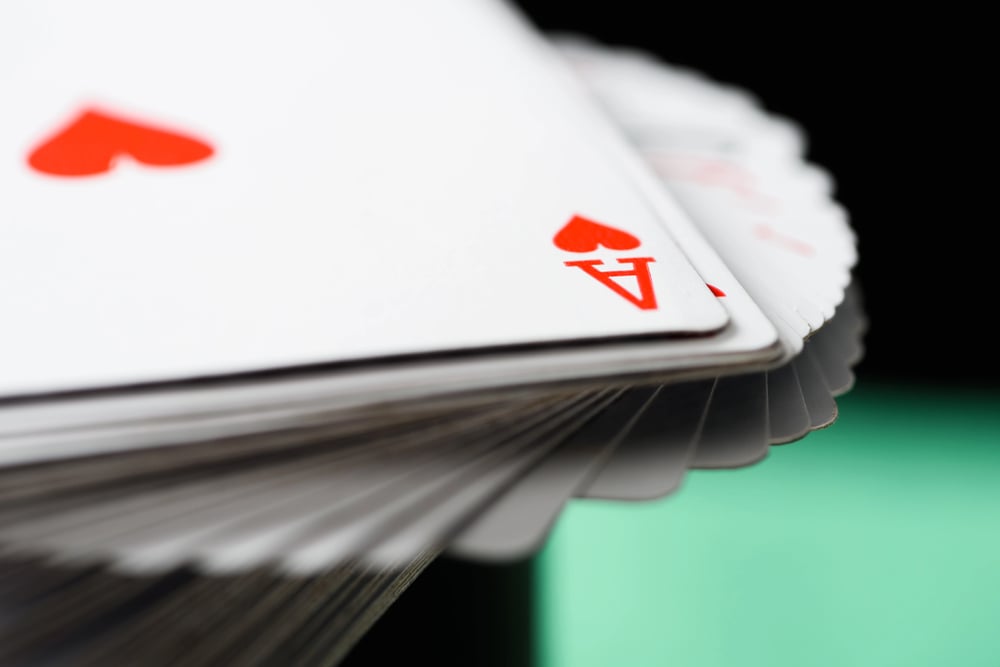
Into the Hall of Fame they slipped in 2015 – those quiet decks that have passed time for more than a millennium. Back in the 800s, China gave them life, later wandering westward by the late 1300s.
Not much money buys one, yet hours unfold without end across countless ways to play. Watch a magician twist reality with a flick, children stack them into fragile towers, while grown-ups lean into hands of poker or call bids in bridge.
Folks still use today’s card designs – same ones from five centuries back – simply because they get the job done. Nearly every American household has a pack lying around, which means these little rectangles are about as common as playthings come.
After all this time, the game goes on

Ah, the toys sitting proud in that hall of fame – proof you don’t need blinking lights or touch panels to grab a child’s attention. Some have danced through generations, skipping past waves of short-lived crazes without missing a beat.
What keeps them alive isn’t tech, but grit: they demand fingers busy at work, minds spinning stories, feet chasing daylight beyond the front door. When someone sighs that modern kids live glued to consoles, just point to how factories keep churning these basics, millions strong, year after stubborn year.
More from Go2Tutors!

- The Romanov Crown Jewels and Their Tragic Fate
- 13 Historical Mysteries That Science Still Can’t Solve
- Famous Hoaxes That Fooled the World for Years
- 15 Child Stars with Tragic Adult Lives
- 16 Famous Jewelry Pieces in History
Like Go2Tutors’s content? Follow us on MSN.