True Stories Behind Famous TV Theme Songs
Television theme songs do more than fill the space before a show starts.
The best ones become part of the cultural fabric, instantly recognizable and deeply nostalgic.
But behind those catchy tunes and memorable lyrics are stories that are often just as entertaining as the shows themselves.
From reluctant rock bands to teenage lyricists, the origins of some of TV’s most iconic themes reveal a fascinating world of last-minute creativity, happy accidents, and unlikely collaborations.
Here’s a closer look at the real stories that brought these unforgettable theme songs to life.
Friends
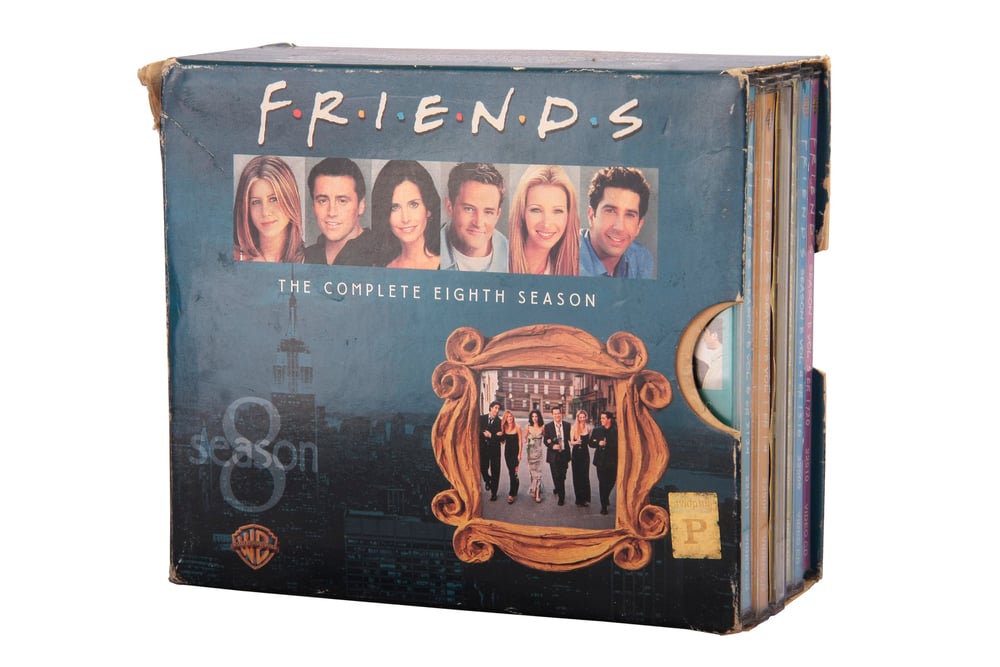
The story behind ‘I’ll Be There for You’ is one of the great ironies in television history. The Rembrandts, a power-pop duo riding high in the alternative rock scene, absolutely did not want to record it.
When the producers of Friends initially approached them in 1994, Phil Solem and Danny Wilde were working on their third album and considered themselves a ‘pretty hip band.’ Recording a sitcom theme felt like selling out.
The producers had actually wanted R.E.M.’s ‘Shiny Happy People,’ but when that fell through, they turned to The Rembrandts simply because they were the only available band on Warner Bros. Records at the time.
But then something unexpected happened.
A radio station in Nashville started playing the 42-second TV version on repeat, looping it to create a makeshift three-minute song.
Listeners went wild. Warner Bros. realized they had a hit and pressured the band to record a proper full-length version.
The Rembrandts were furious—they’d been working on a dark, heavy rock album that was already finished.
When they tried writing a darker second verse, the producers rejected it and brought in the show’s creators to help finish it.
The song became a massive global hit and, by their own admission, ruined their career.
They went from playing cool clubs to matinee shows with kids in the audience.
The song became such an albatross that it broke up the band for several years. Looking back now, Danny Wilde has made peace with it.
The song’s been on television somewhere in the world 24 hours a day for decades, and every play means a little payment. It put both his kids through college and bought him a comfortable home.
The Fresh Prince of Bel-Air
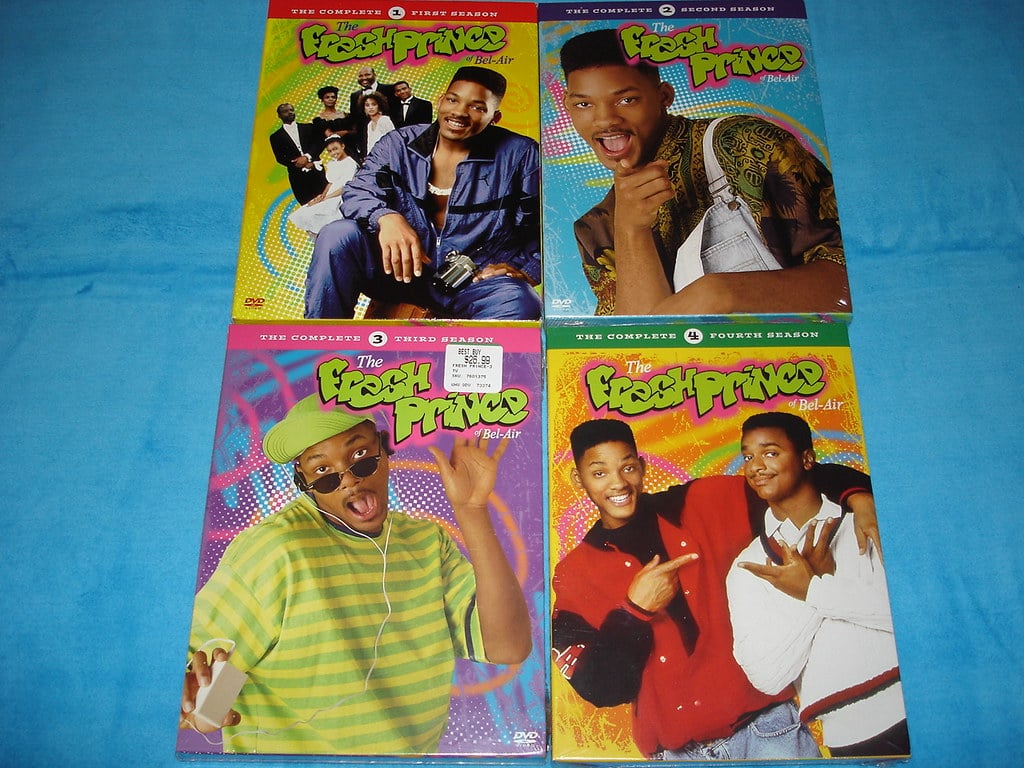
Will Smith wrote one of the most recognizable theme songs in television history in about 15 minutes.
The story starts with legendary producer Quincy Jones pitching an original theme that sounded like classic sitcoms from decades past. Smith hated it.
But this was Quincy Jones, one of the most respected names in music history.
How do you tell a legend that his work isn’t working?
Smith couldn’t bring himself to say it directly, so he called his frequent collaborator DJ Jazzy Jeff in a panic.
Jeff had his equipment in his hotel room, and the two decided to create their own version.
Jeff came up with the beat while Smith read through the pilot script, pulling out the key story points.
The entire process took roughly 15 minutes.
Smith laid down the vocals, they polished it quickly, and then came the nerve-wracking part: presenting it to Quincy.
Jones heard it and immediately agreed that the remix was a much better fit.
The genius of the theme is how efficiently it tells the entire premise of the show.
In just over a minute, you know who Will is, where he’s from, what kind of person he is, why his mom sent him away, and what sort of family he’s joining.
Some have argued it might be the most well-known rap song in the world, with more people able to recite its lyrics than those of many chart-topping hits.
MAS*H
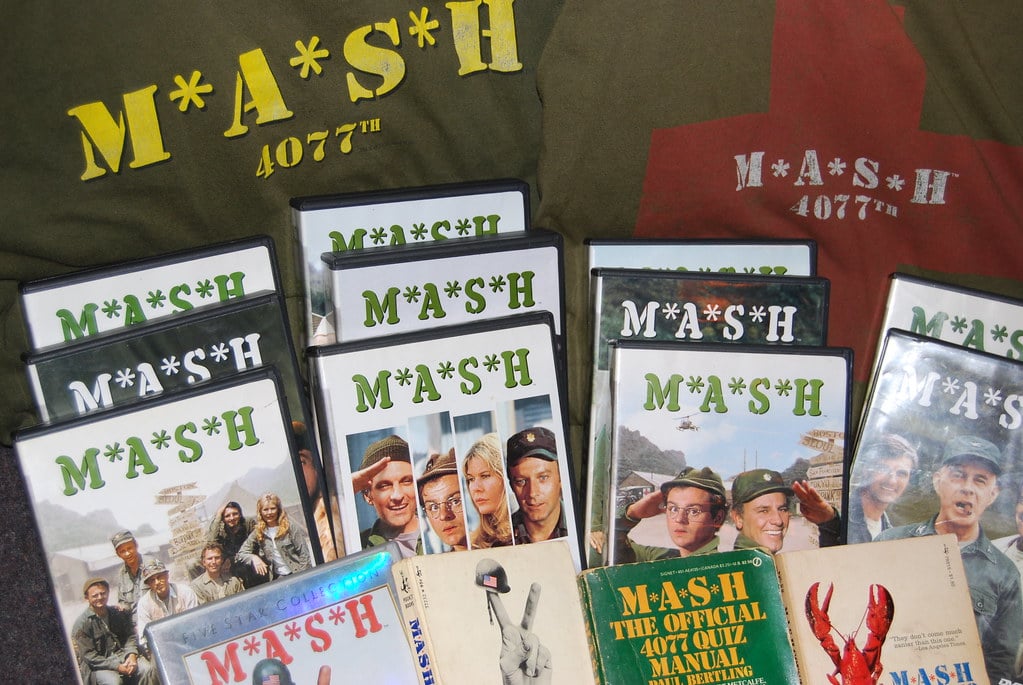
The theme to MAS*H has one of the darkest titles in television history, and it was written by a 14-year-old in about five minutes.
Director Robert Altman needed a song for a scene in the 1970 film where a character nicknamed ‘Painless Pole’ decides to end his life.
Altman gave composer Johnny Mandel specific instructions: the song had to be ‘the stupidest song ever written.’
Mandel composed the music but struggled with the lyric requirement.
Altman tried writing the words himself but returned a few days later admitting defeat.
His solution? Ask his teenage son Michael to take a crack at it.
Michael Altman knocked out the entire lyric in roughly five minutes.
Lines like ‘The sword of time will pierce our skins / The pain grows stronger, watch it grin’ somehow hit the exact tone his father wanted.
Mandel was mortified when Robert Altman decided to use the song not just for the scene but as the film’s opening theme.
But somehow it worked perfectly, creating an eerie contrast that set the tone for the entire film.
When the TV series launched in 1972, CBS refused to use the lyrics, worried that young viewers would go around singing about how painless things are.
An instrumental version became the show’s theme instead.
The financial irony is delicious: Michael Altman earned more than a million dollars from his five-minute effort, while his father made only $70,000 for directing the entire film.
Cheers

‘Where Everybody Knows Your Name’ wasn’t originally written for Cheers at all.
Songwriters Gary Portnoy and Judy Hart-Angelo had composed it for a musical they were working on called Preppies, where it was titled ‘People Like Us.’
When the producers of Cheers heard an early demo, they loved the melody and the sentiment but needed different lyrics to match the show’s setting.
Portnoy and Hart-Angelo reworked the song to fit a Boston bar where regulars gathered to escape their troubles and find community.
The producers decided to have Portnoy sing it himself rather than bringing in another vocalist. In 2013, TV Guide named it the greatest TV theme song of all time.
Beverly Hills 90210

Sometimes panic produces brilliance.
When Fox executives screened the pilot for Beverly Hills 90210, they hated the original theme music from an unidentified rock band.
This triggered a late-night emergency call to series composer John E. Davis, who was given one impossible task: deliver a completely new theme by morning.
Davis worked through the night, trying to create something that felt both contemporary and emotionally resonant.
He wanted the aggressive California rock sound with guitar shredding and saxophones, but also needed to capture the family values at the heart of the show.
The result was that iconic blend of rock edge and unexpected sweetness that defined an entire generation’s sound.
The Jeffersons
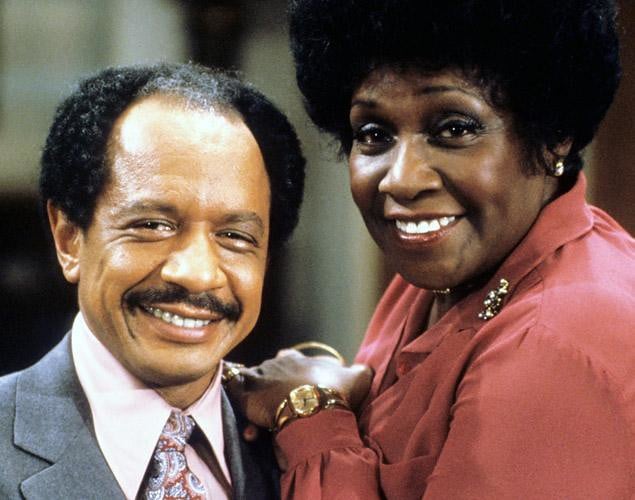
‘Movin’ On Up’ wasn’t just catchy—it was autobiographical.
The song was co-written and performed by Ja’net DuBois, who also played Willona Woods on Good Times.
The lyrics literally told the story of George and Louise Jefferson’s lives, a Black family who’d built a successful dry-cleaning business and moved from a working-class neighborhood in Queens to a luxury apartment on Manhattan’s East Side.
The theme was part of a golden era when TV shows actually explained their premises in song.
You didn’t need to watch a single episode to understand what The Jeffersons was about.
Gilmore Girls

Carole King’s ‘Where You Lead’ had already been a hit from her legendary 1971 album Tapestry when it was chosen for Gilmore Girls.
But the show’s version added something special: King re-recorded it with her daughter Louise Goffin, emphasizing the mother-daughter bond at the show’s heart.
The original lyrics were slightly modified to fit the relationship between Lorelai and Rory.
Interestingly, when the show returned for a four-episode revival in 2016, the theme was dropped from the opening credits entirely.
Creator Amy Sherman-Palladino explained they were telling a different kind of story, and the format without commercial breaks made it harder to include a traditional opening.
The Brady Bunch

Few theme songs are as perfectly suited to their era as The Brady Bunch’s aggressively sunny tune.
Co-written by Frank De Vol and show creator Sherwood Schwartz, the song helpfully explains the entire premise in its opening lines.
It introduces the lovely lady with three girls, the man with three boys of his own, and how they all became the Brady Bunch.
The song is unquestionably corny, almost irritatingly cheerful, but that’s precisely what makes it memorable.
Combined with the iconic grid of faces in boxes, it created a visual and auditory signature that’s remained lodged in the cultural memory for more than 50 years.
Why It Endures

These stories reveal something important about the creative process: sometimes the best work comes from constraints, accidents, and reluctant compromises.
The Rembrandts didn’t want to write a sitcom theme but created one of the most beloved songs on television.
A teenager knocked out lyrics in five minutes that have endured for half a century.
A composer pulled an all-nighter and created a generational anthem.
Television theme songs represent a particular art form that’s largely disappeared from modern shows, which tend to favor minimal credits and quick transitions.
But for those of us who grew up when themes mattered, these songs remain powerful time machines, transporting us instantly back to specific moments in our lives.
More from Go2Tutors!

- The Romanov Crown Jewels and Their Tragic Fate
- 13 Historical Mysteries That Science Still Can’t Solve
- Famous Hoaxes That Fooled the World for Years
- 15 Child Stars with Tragic Adult Lives
- 16 Famous Jewelry Pieces in History
Like Go2Tutors’s content? Follow us on MSN.



