Truths about the Ghost Army of WWII
Most people think of World War II as tanks rolling across battlefields and soldiers charging forward with rifles drawn. But one group of 1,100 Americans fought differently.
They carried inflatable rubber tanks that weighed 93 pounds each. They broadcast recordings of armies on the move through massive speakers.
They painted fake insignia on their jeeps and pretended to be generals in local cafes. For over 50 years, their story stayed classified.
They Recruited Artists Instead of Soldiers
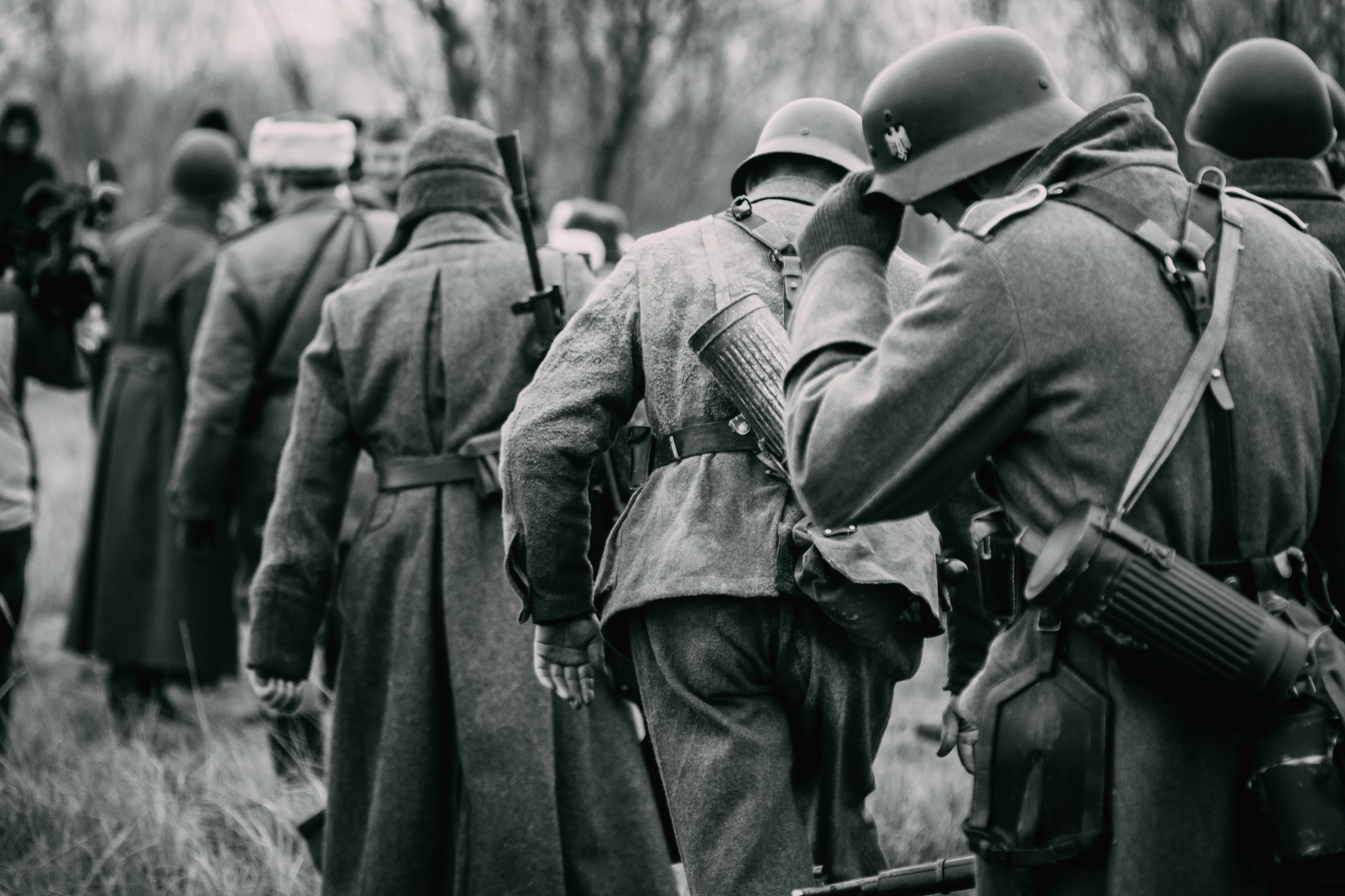
The Army didn’t want traditional combat troops for this unit. They wanted painters, sculptors, designers, architects, and sound engineers.
Recruiters visited art schools in New York and Philadelphia with a vague posting about a camouflage unit. Fashion designer Bill Blass signed up.
Painter Ellsworth Kelly joined. Wildlife artist Arthur Singer enlisted.
Photographer Art Kane came along too. The unit reportedly had an average IQ of 119, one of the highest in the Army.
The Unit Had Four Different Parts
The 23rd Headquarters Special Troops pulled together four separate groups. The 603rd Camouflage Engineers handled the visual tricks with inflatable equipment.
The 3132nd Signal Service Company created fake radio traffic. Another signal company managed sonic deception with speakers and recordings.
The 406th Combat Engineers provided security. Together they could simulate two entire divisions, around 30,000 men, using just over 1,000 people.
Inflatable Tanks Looked Real From Above
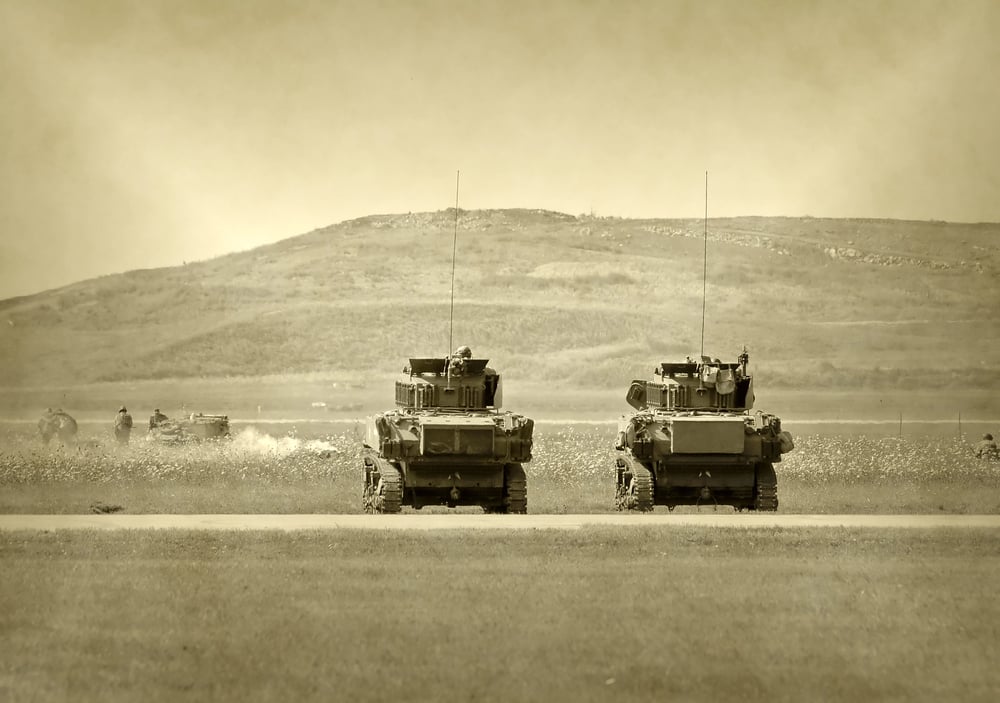
The rubber tanks, trucks, jeeps, and artillery pieces came with air compressors. Four soldiers could lift and move a dummy tank that would take a whole crew to operate if it were real.
The Ghost Army set up these decoys near the front lines where German reconnaissance planes could photograph them. The trick was making the camouflage imperfect on purpose.
Too good and the enemy couldn’t see them. Too obvious and the Germans would know it was fake.
Artists left gaps and flaws that made the equipment visible from certain angles.
Sound Trucks Played Recorded Armies
Engineers recorded the sounds of real units on the move. Tanks rumbling forward.
Troops shouting commands. Equipment being assembled.
Bulldozers clearing ground for bridges. They captured it all on records and played it back through speakers mounted on trucks that could project sound for 15 miles.
At night near the front lines, German troops heard what sounded like massive American forces preparing for an attack.
Radio Operators Created Phantom Divisions
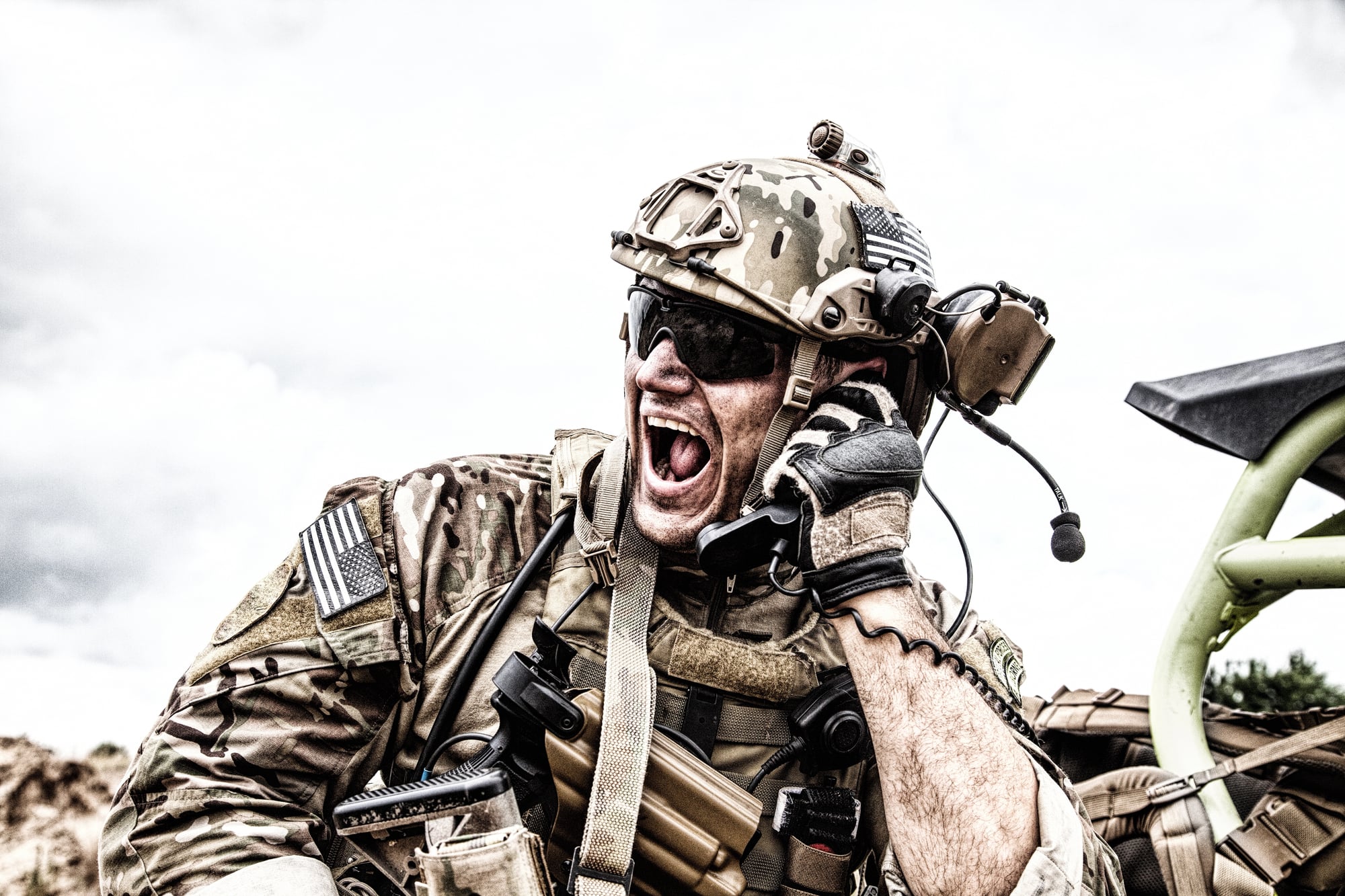
Soldiers trained in radio operations learned the communication patterns of different units. They studied how divisions talked to each other, what codes they used, and how often they checked in.
Then they impersonated those units on the airwaves. German intelligence officers monitoring radio traffic heard chatter suggesting American forces were in locations miles away from their actual positions.
They Dressed Up and Played Roles
Soldiers wore the shoulder patches of units they were impersonating. They drove vehicles painted with fake division markings.
When they went to local cafes and bars, they talked about their made-up units loud enough for potential spies to overhear. Some even pretended to be colonels and generals, putting on the uniforms and playing the part in public.
The men became actors performing for an audience that wanted to kill them.
Their First Big Test Came at Brest
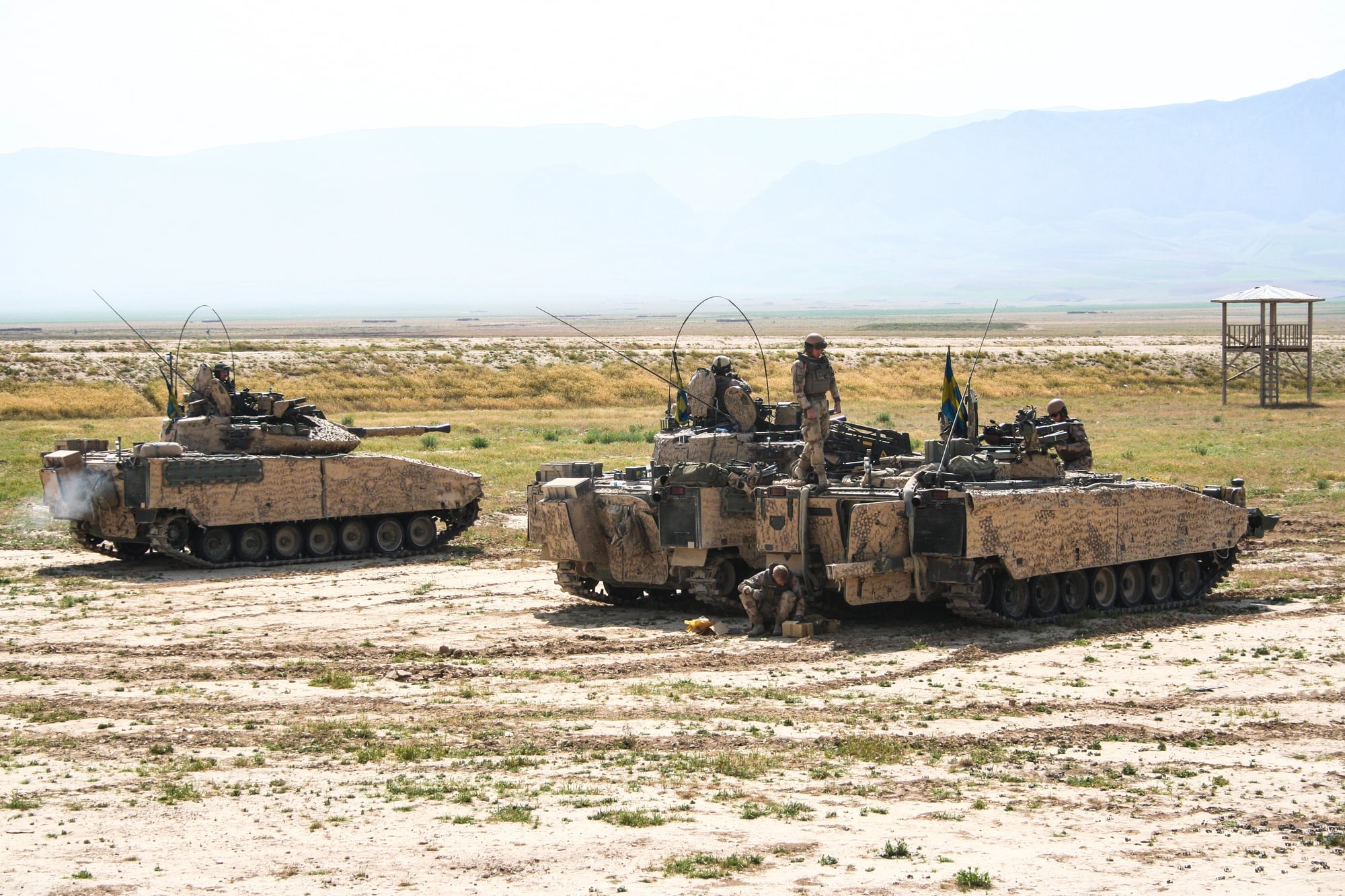
In August 1944, three American divisions surrounded the French port city of Brest where German forces refused to surrender. The Ghost Army arrived and made those three divisions look like many more.
They set up inflatable tanks and artillery. They broadcast sounds of construction and troop movements.
They created fake radio networks. The Germans inside Brest believed they faced a much larger force than actually encircled them.
They Helped Patton Fill a Dangerous Gap
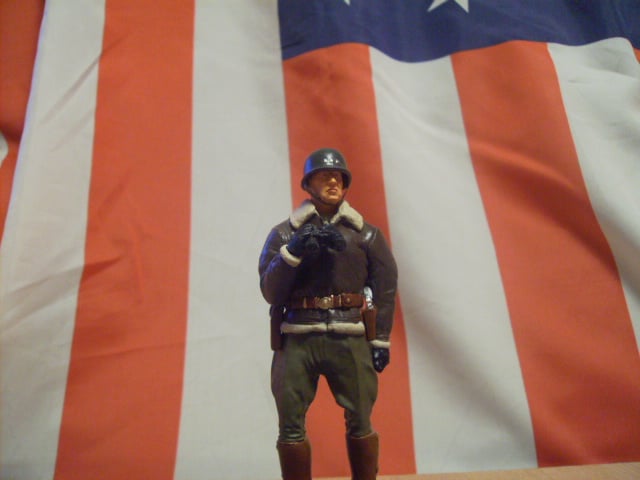
During the attack on Metz in September 1944, General George Patton’s forces stretched too thin. A gap opened in his line that German commanders could have exploited.
The Ghost Army moved in and held that position for seven days using only their tricks. Inflatable equipment.
Loudspeakers playing recordings of tanks and shouting sergeants. Fake radio traffic.
The illusion worked long enough for real divisions to arrive and secure the line.
Operation Viersen Was Their Greatest Success
In March 1945, the Ninth Army prepared to cross the Rhine River into Germany. The Ghost Army staged their biggest deception yet.
They simulated two full divisions, roughly 40,000 soldiers, in the wrong location. More than 600 inflatable vehicles went up.
Sound trucks ran around the clock playing construction noises as if bridging units were building pontoon boats. Radio operators transmitted false messages suggesting a crossing far from the actual site.
Flash canisters simulated artillery fire.
The Germans bought it completely. They moved troops to defend against the fake crossing.
When the real Ninth Army attacked miles away, they met almost no resistance. Intelligence officers captured German maps showing American forces exactly where the Ghost Army had pretended to be.
The 30th Division reported the attack came as a complete surprise with an astonishing number of low casualties. Historians credit this operation with saving thousands of American lives.
Three Soldiers Died and Dozens Were Wounded
The Ghost Army worked dangerously close to front lines. German artillery sometimes targeted their inflatable equipment.
Soldiers scrambled to patch damaged rubber tanks so the illusion wouldn’t collapse. Three men were killed during operations.
Dozens more were wounded. They carried only .50 caliber machine guns for protection.
If the Germans discovered the deception and attacked in force, the Ghost Army would have been slaughtered.
Bill Blass Read Vogue in His Foxhole
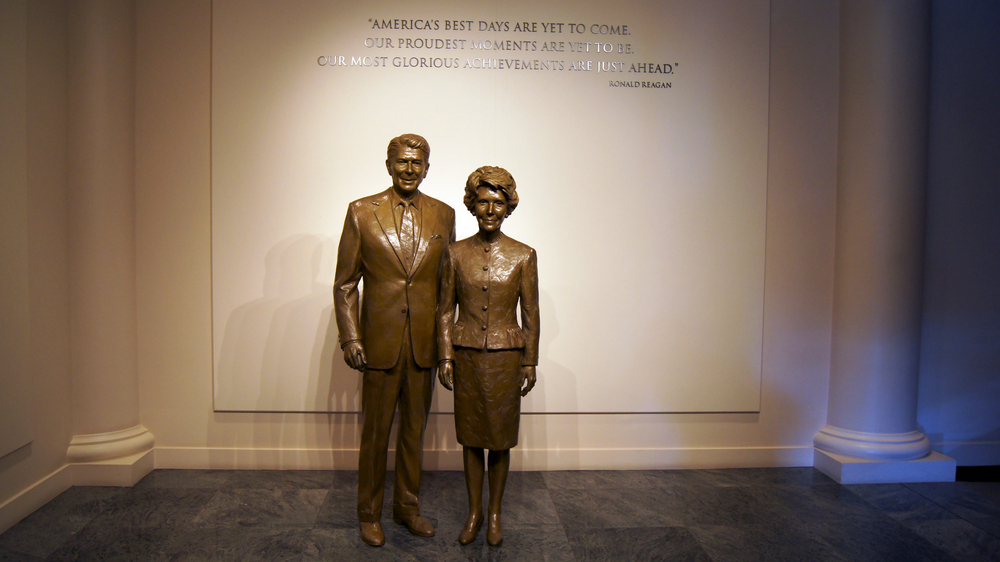
The future fashion icon sketched designs for Rio de Janeiro and Buenos Aires fashion houses during downtime. He created his corporate logo while lying on a bunk in Luxembourg in 1944.
Twenty-five years later, that logo appeared on his company door. After the war, Blass dressed Jackie Kennedy and Nancy Reagan.
He won more than 40 fashion awards and eventually donated $10 million to the New York Public Library.
Ellsworth Kelly Used the War as Art School

The minimalist painter had no formal art training before joining the Ghost Army. His work creating camouflage and deception became his education in visual design.
He spent spare moments sketching in hedgerows and foxholes. His wartime drawings show a developing eye for shape, color, and space.
Two decades after the war, he became one of the leading painters of American modernism.
They Kept Everything Secret for Decades
When the war ended in 1945, the Army ordered Ghost Army members to never speak about their work. The operations stayed classified.
Most soldiers took the secret to their graves without telling even their families. The government didn’t declassify the details until 1996, more than 50 years after the war ended.
By then, many of the men had died without recognition for what they accomplished.
The Congressional Gold Medal Came in 2024
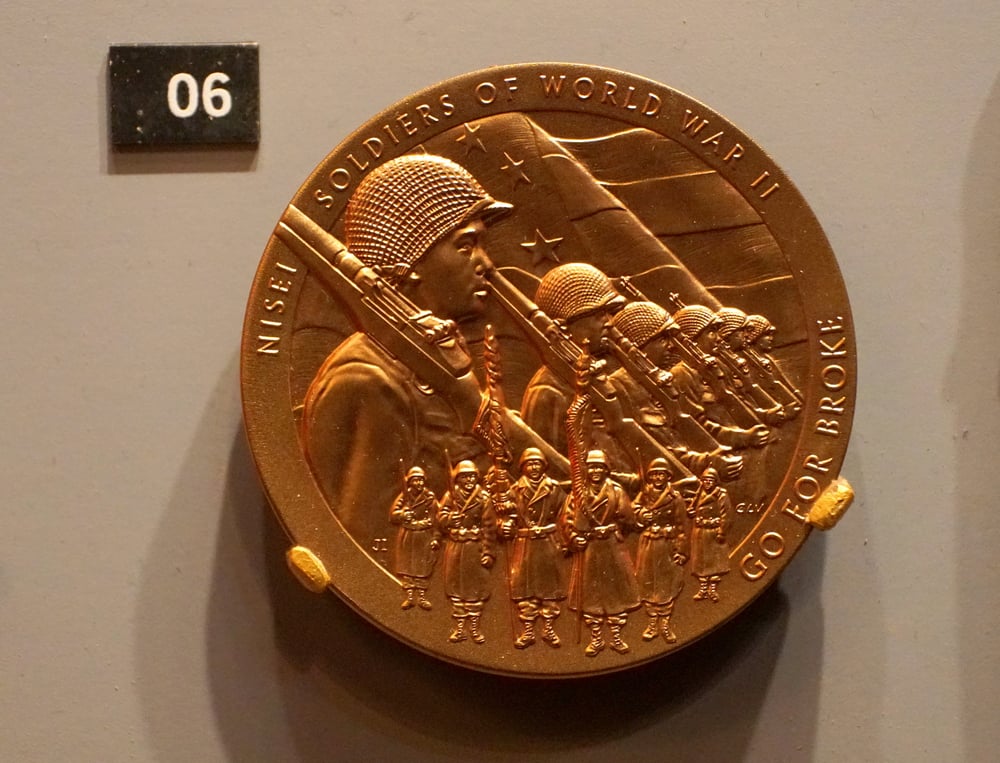
Only seven Ghost Army veterans were still alive when Congress finally awarded them the Congressional Gold Medal. Three of them traveled to Washington to accept the honor on behalf of all 1,100 men who served.
The ceremony took place on March 21, 2024, almost 80 years after the unit was activated. Families of deceased veterans received replica medals.
A Military Analyst Called Them Extraordinary
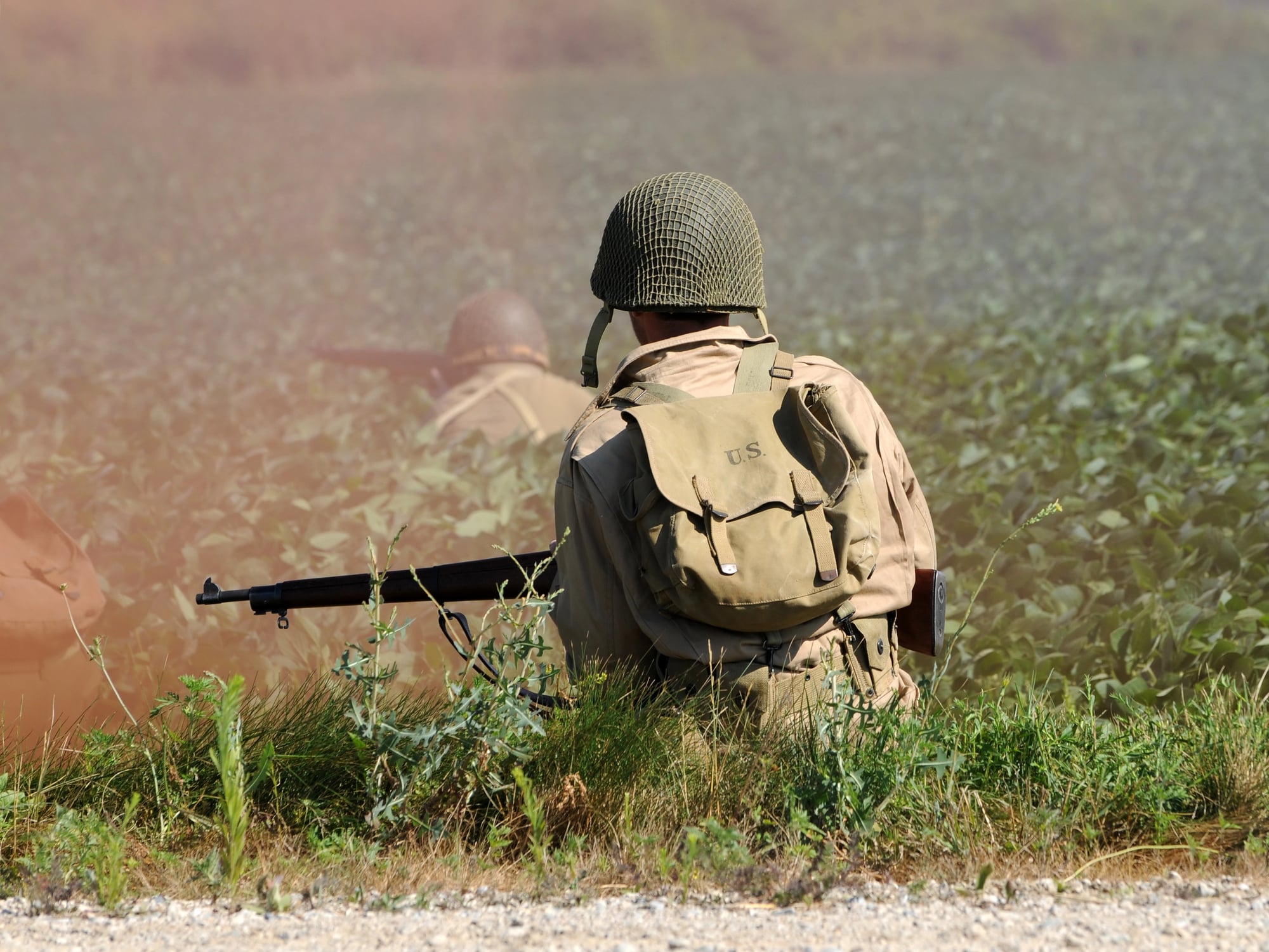
Thirty years after the war, while the Ghost Army still remained classified, an Army analyst studied their missions. He wrote that rarely had so few men influenced the outcome of a major military campaign so greatly.
The 23rd Headquarters Special Troops and the 3133rd Signal Company conducted more than 20 battlefield deceptions. Military estimates suggest they saved between 15,000 and 30,000 American lives.
Artists Documented Their Own War
The soldiers sketched and painted constantly. They created watercolors between operations.
They drew portraits of each other and landscapes of the European countryside they passed through. One corporal said nothing kept them from finding time to make art, even when sleeping in foxholes.
These works now provide a unique visual record of the war, showing both the destruction and the quiet moments between battles.
The British Inspired the Whole Idea
American planners Ralph Ingersoll and Billy Harris studied British deception operations in North Africa. During Operation Bertram before the Battle of El Alamein in 1942, the British fooled German General Erwin Rommel about where and when the Allies would attack.
The success convinced American commanders that a dedicated deception unit could work. Ingersoll and Harris sold the concept to top brass and the Ghost Army was born in January 1944.
When Memory Becomes Monument
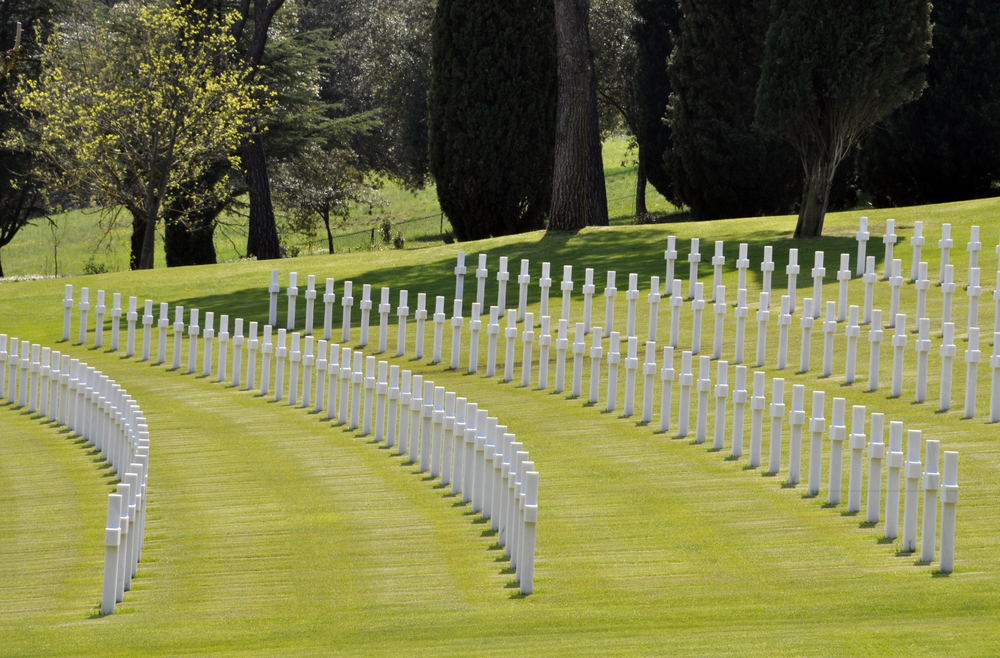
The Ghost Army burned their inflatable equipment in a bonfire somewhere in France as the war ended. They destroyed the evidence of their work and went home to silence.
For half a century, the deception lived only in sealed government files and the memories of men who couldn’t speak. Now their story sits in museums and history books.
Their rubber tanks appear in exhibitions. Their sketches hang on walls.
The soldiers who fought with imagination instead of bullets finally stand recognized for winning battles no one knew were fought.
More from Go2Tutors!

- The Romanov Crown Jewels and Their Tragic Fate
- 13 Historical Mysteries That Science Still Can’t Solve
- Famous Hoaxes That Fooled the World for Years
- 15 Child Stars with Tragic Adult Lives
- 16 Famous Jewelry Pieces in History
Like Go2Tutors’s content? Follow us on MSN.



