16 Countries That Banned Certain Colors and the Shocking Reasons Why
Color shapes everything around us, from the clothes on our back to the paint on our walls. It seems impossible that something so basic could be forbidden, yet throughout history, governments have wielded color restrictions like weapons of control.
These bans reveal the hidden power that hues hold over human psychology, politics, and social order.
France
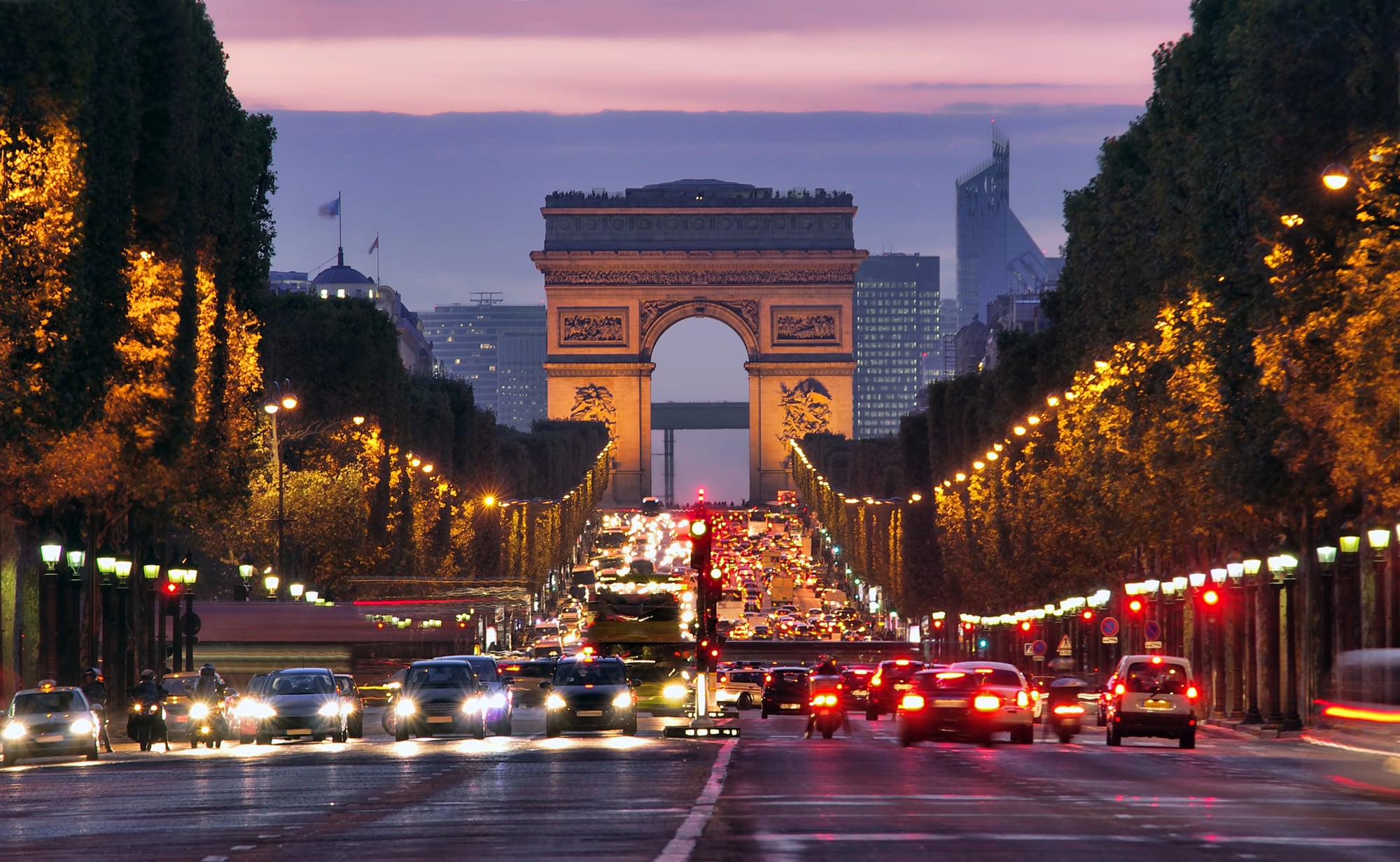
Purple belonged to royalty alone. The French monarchy didn’t just prefer this color—they owned it legally.
Commoners caught wearing purple faced fines, imprisonment, or worse. The restriction wasn’t about fashion snobbery but about maintaining clear class distinctions in a society built on rigid hierarchy.
Ancient Rome
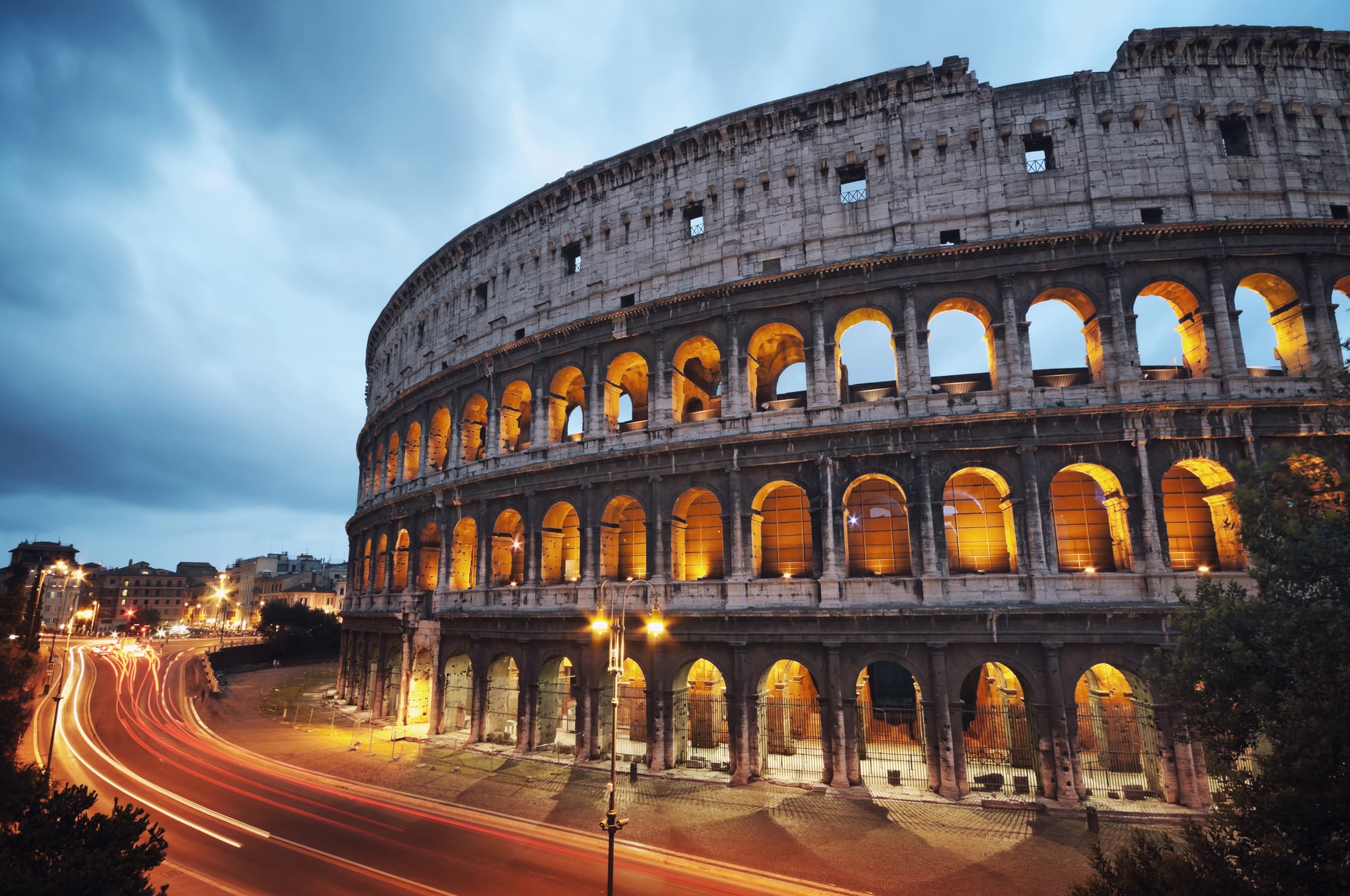
Roman senators had exclusive rights to the purple stripe on their togas. This wasn’t mere decoration but a symbol of political power that ordinary citizens couldn’t touch.
The penalty for wearing senatorial purple without authorization was severe enough to bankrupt families. Status symbols work best when they’re genuinely exclusive.
China
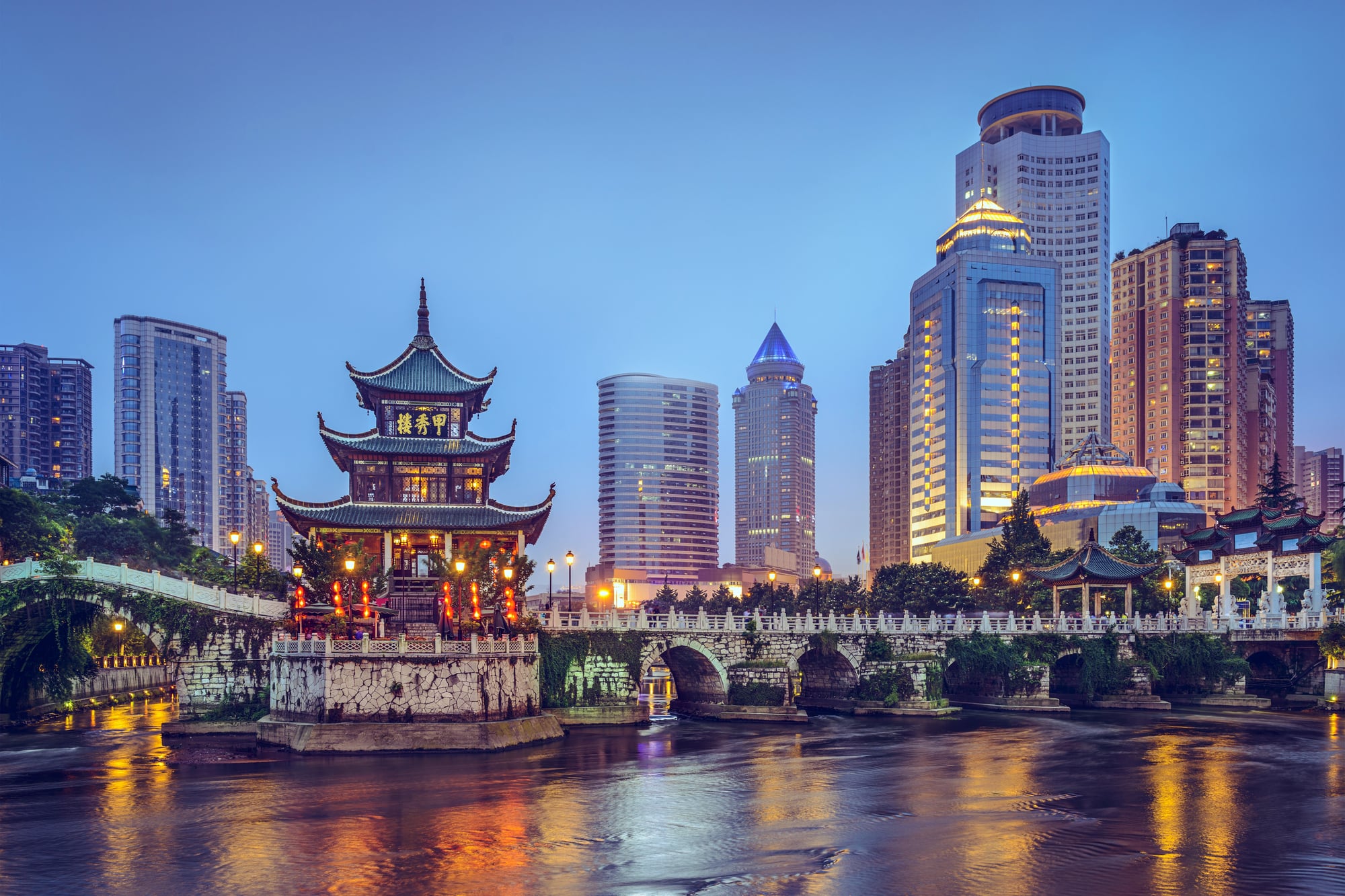
Yellow was the emperor’s color during imperial times, and anyone else caught wearing it committed treason (which, for context, often involved being drawn and quartered in particularly creative ways). The reasoning was straightforward enough: if the emperor represented heaven on earth, then his color needed to remain untouchable by mortal hands.
So the entire population learned to avoid anything remotely golden, which explains why Chinese fashion stayed remarkably conservative for centuries. And here’s where it gets interesting—the ban was so thorough that it extended to household items, decorations, and even certain flowers in public gardens.
But the enforcement was inconsistent, creating this strange underground market for yellow dyes that operated like a medieval drug trade. People would smuggle turmeric and saffron across provinces just to add a hint of forbidden color to their lives, because apparently human nature includes an irresistible urge to break arbitrary rules about pigmentation.
Iran
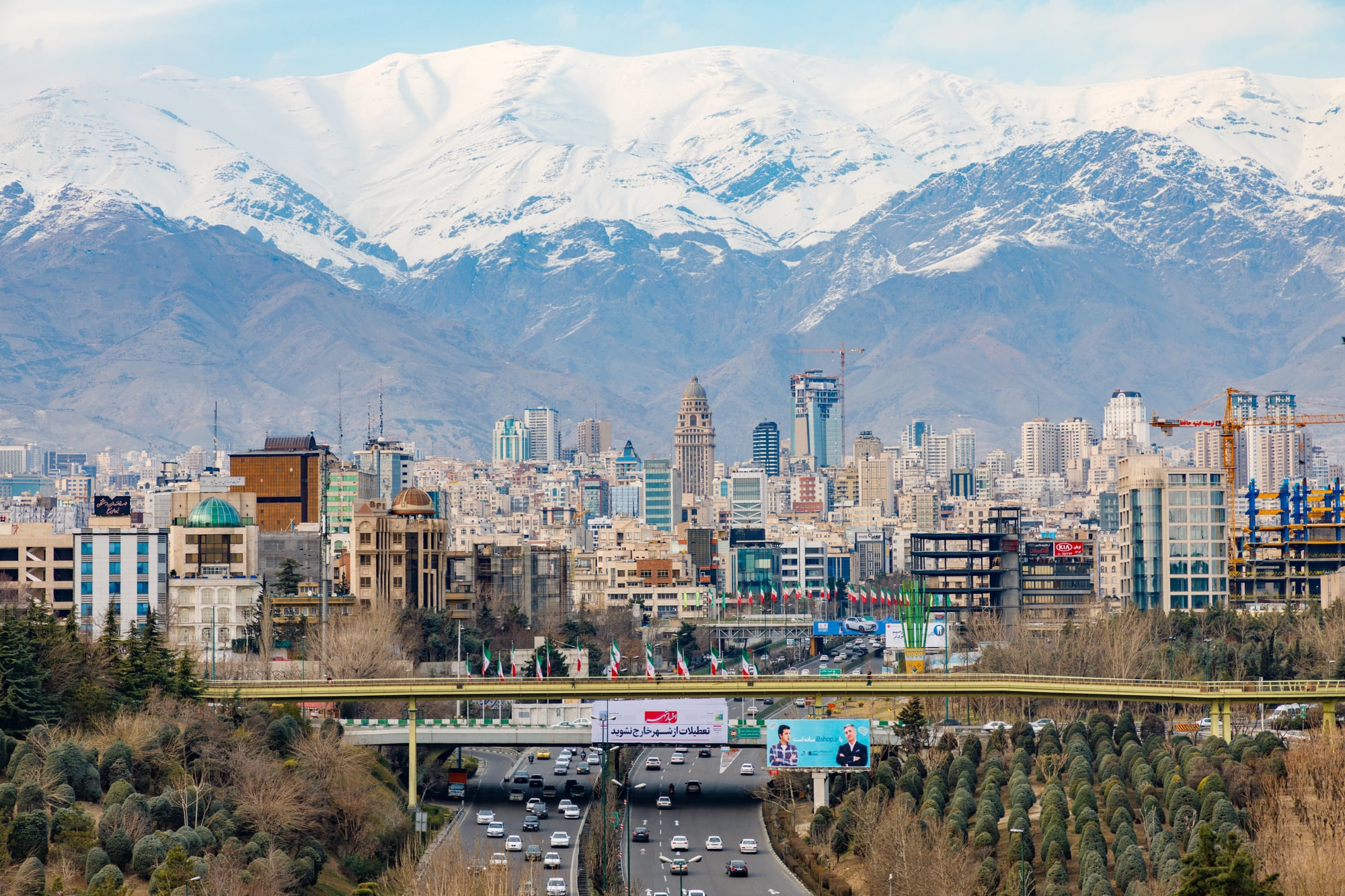
Green belongs to Islam in modern Iran, but the restriction runs deeper than religious reverence. The government banned civilians from wearing certain shades of green to prevent mockery or misuse of sacred symbolism.
This creates an odd situation where people navigate clothing stores with the careful attention of someone defusing a bomb. The ban extends to sports uniforms, car paint, and even packaging design.
International companies learned this the hard way when their green products were confiscated at customs. Color restrictions force entire industries to redesign their visual identity for a single market.
North Korea
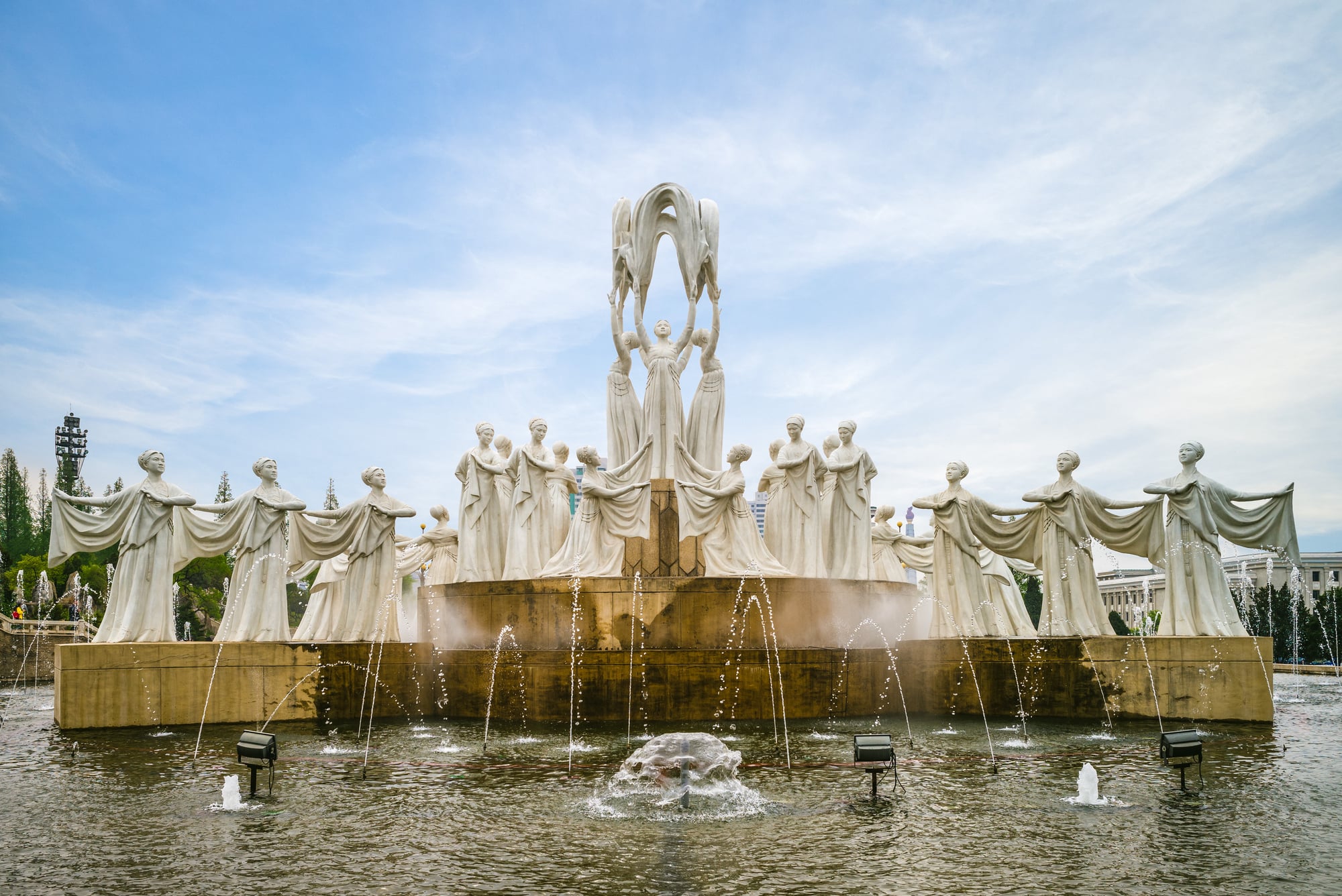
Red carries such weight in North Korea that the wrong shade can land someone in a labor camp. Only the ruling party can use specific tones of red in clothing, flags, or decorations.
The government doesn’t just control what people say—they control what colors they’re allowed to embody. Like a painter working with a deliberately limited palette, North Korean citizens have learned to express themselves within impossibly narrow boundaries.
The color red becomes a constant reminder of who holds power and who doesn’t, hanging over every wardrobe decision like an invisible presence.
Thailand
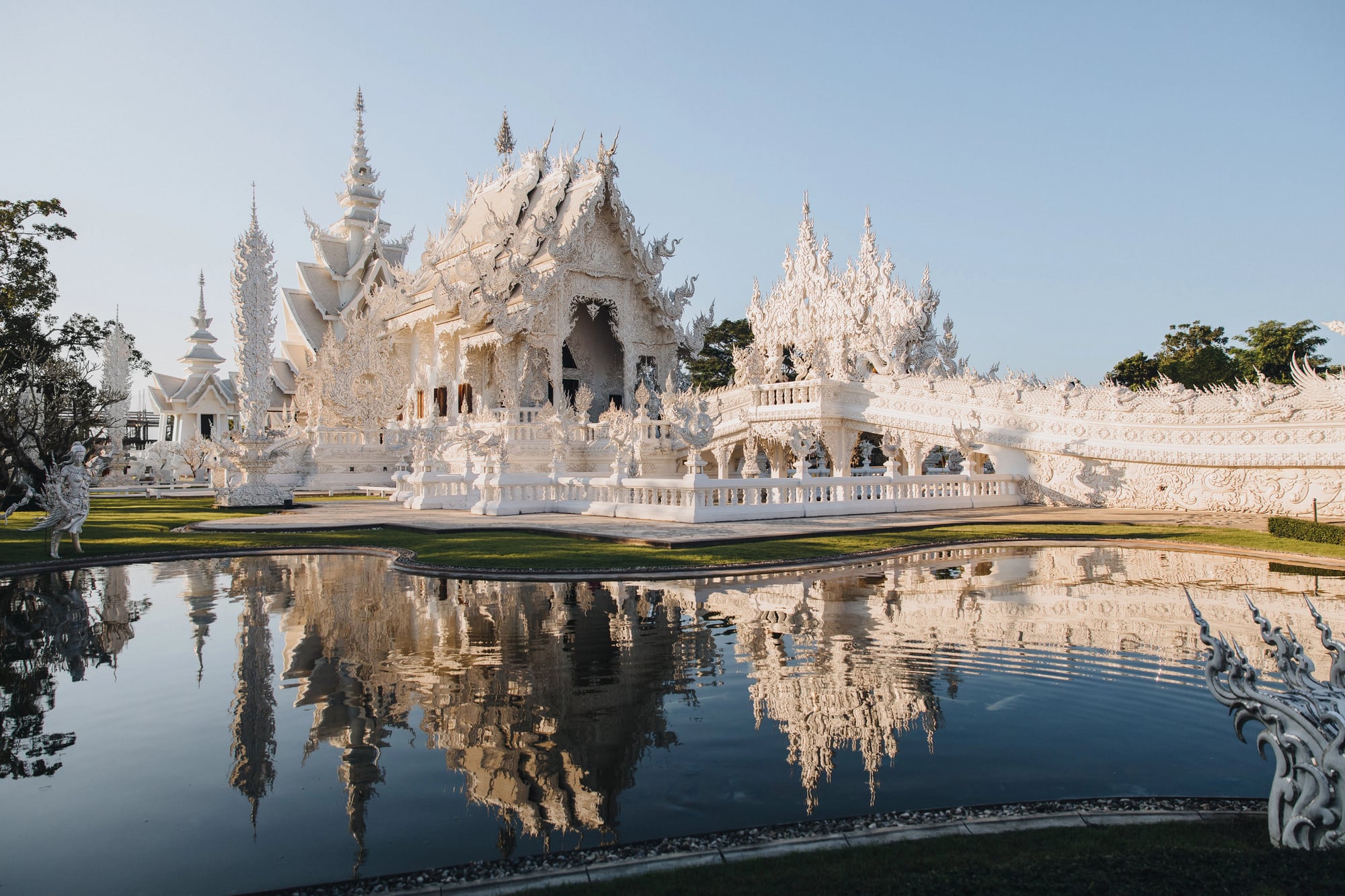
Yellow represents the monarchy, and wearing it during certain periods has been outright banned for civilians. The restriction intensifies during royal mourning periods when the wrong color choice becomes an act of disrespect punishable by law.
Fashion becomes a minefield of potential political missteps.
Myanmar
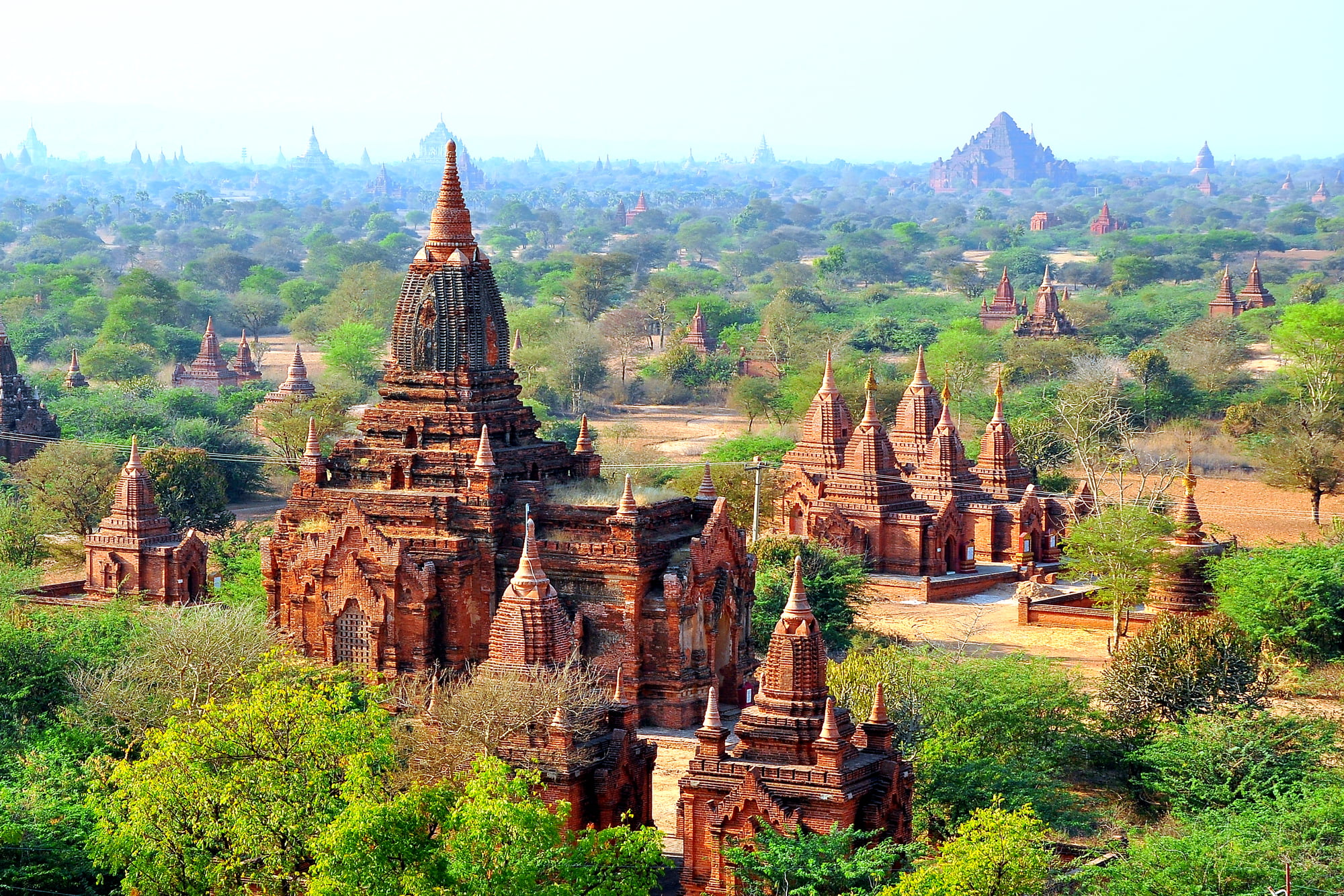
Saffron belongs exclusively to Buddhist monks, and the military government has violently enforced this restriction. During the 2007 Saffron Revolution, wearing orange became an act of political defiance that could result in imprisonment or worse.
The monks’ robes transformed from religious garments into symbols of resistance.
Saudi Arabia
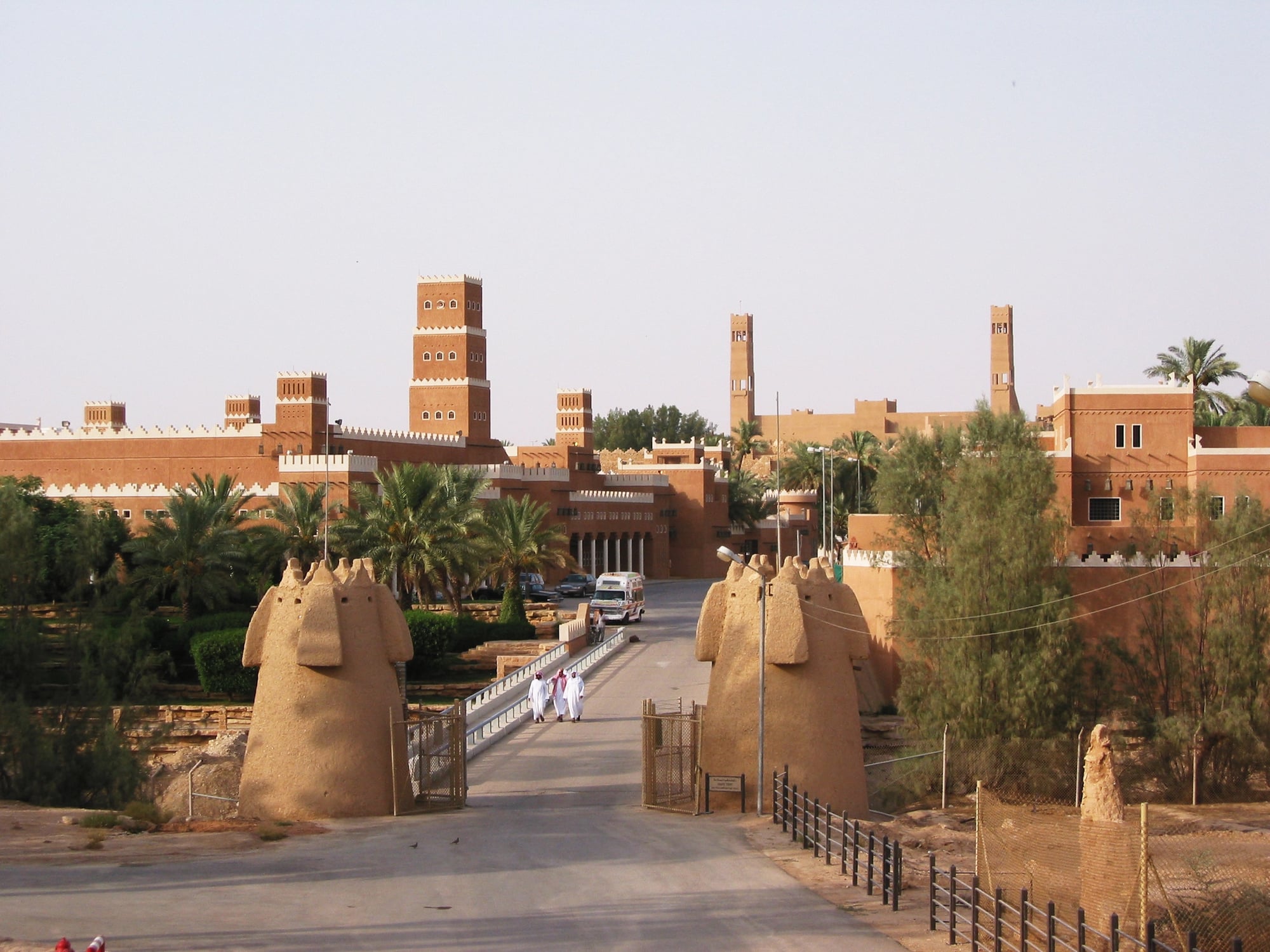
The religious police once banned bright colors entirely during certain periods, declaring them un-Islamic and morally corrupting. Women faced particular scrutiny over colorful clothing that might attract attention or express individuality.
Black became not just preferred but mandatory, turning personal expression into a form of rebellion.
Medieval England
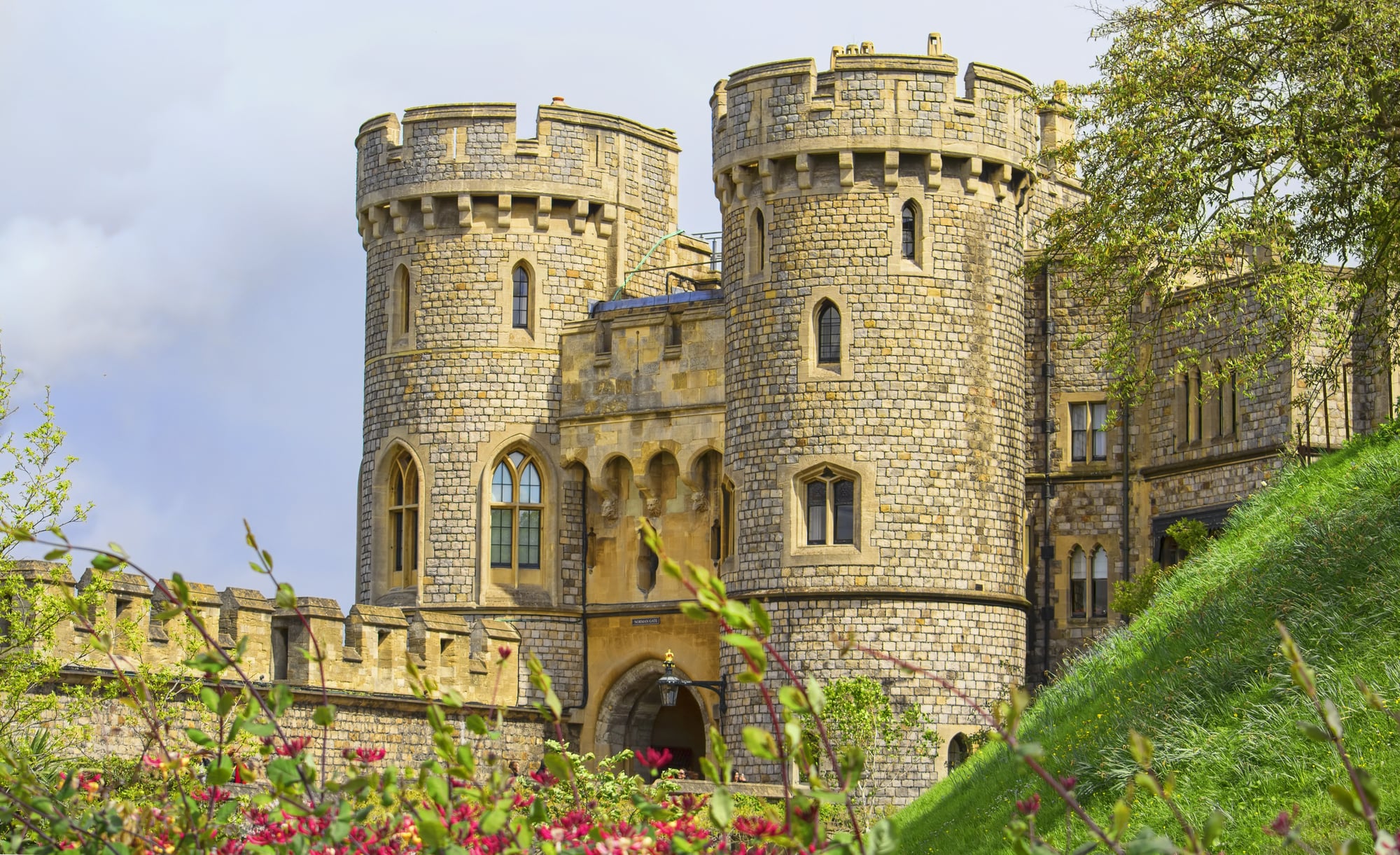
Scarlet was reserved for the nobility through sumptuary laws that regulated who could wear what colors based on social rank. These weren’t suggestions but legal requirements with real penalties.
A merchant wearing scarlet could face fines that would bankrupt their business. Class distinctions needed to be visible from across a crowded marketplace.
Japan
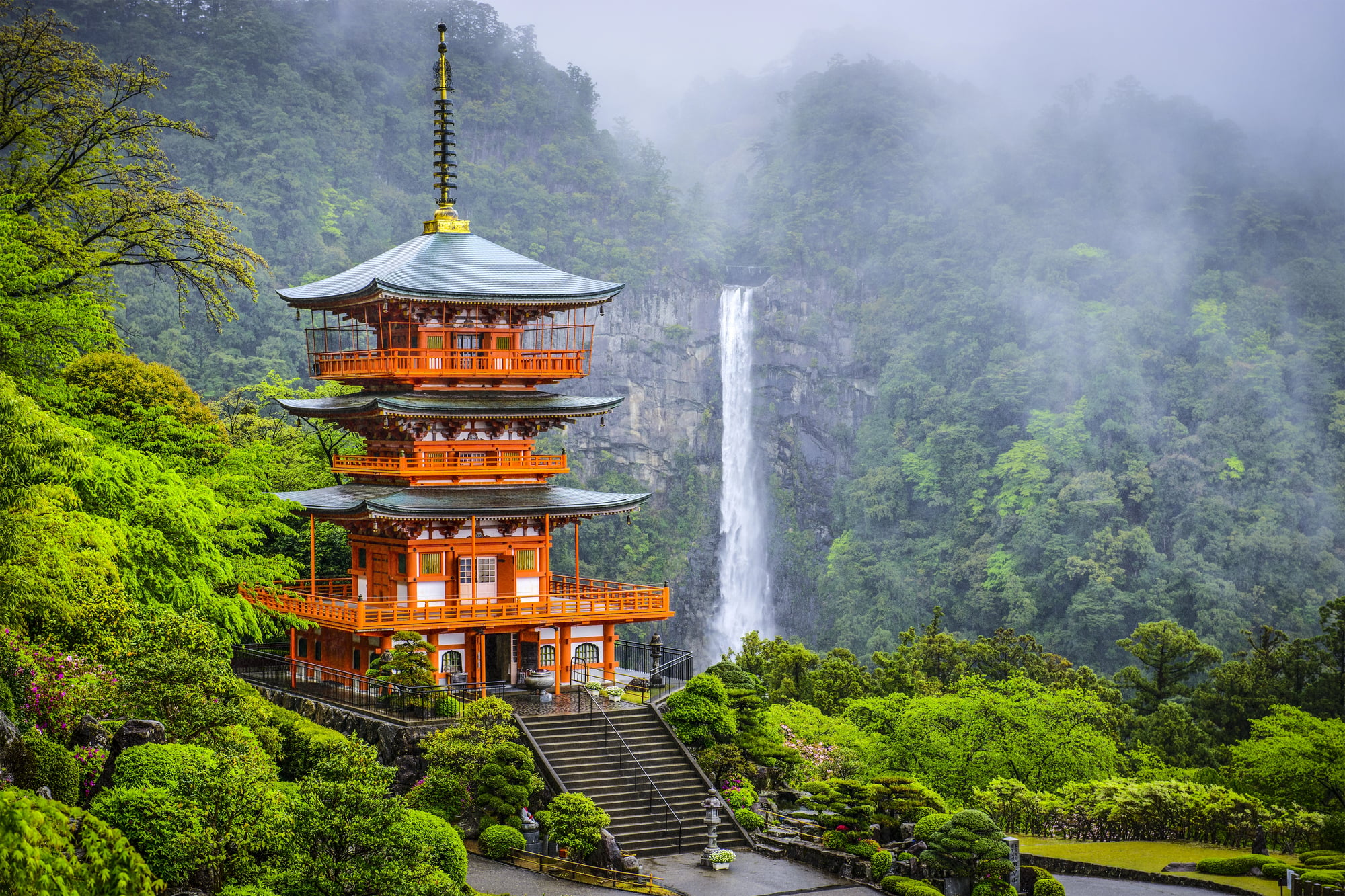
Purple dyes were so expensive during the Edo period that the government banned commoners from wearing them to prevent financial ruin. The restriction was economic policy disguised as social control.
Families were literally going bankrupt trying to afford fashionable colors, so the government decided to make the temptation illegal.
Nazi Germany
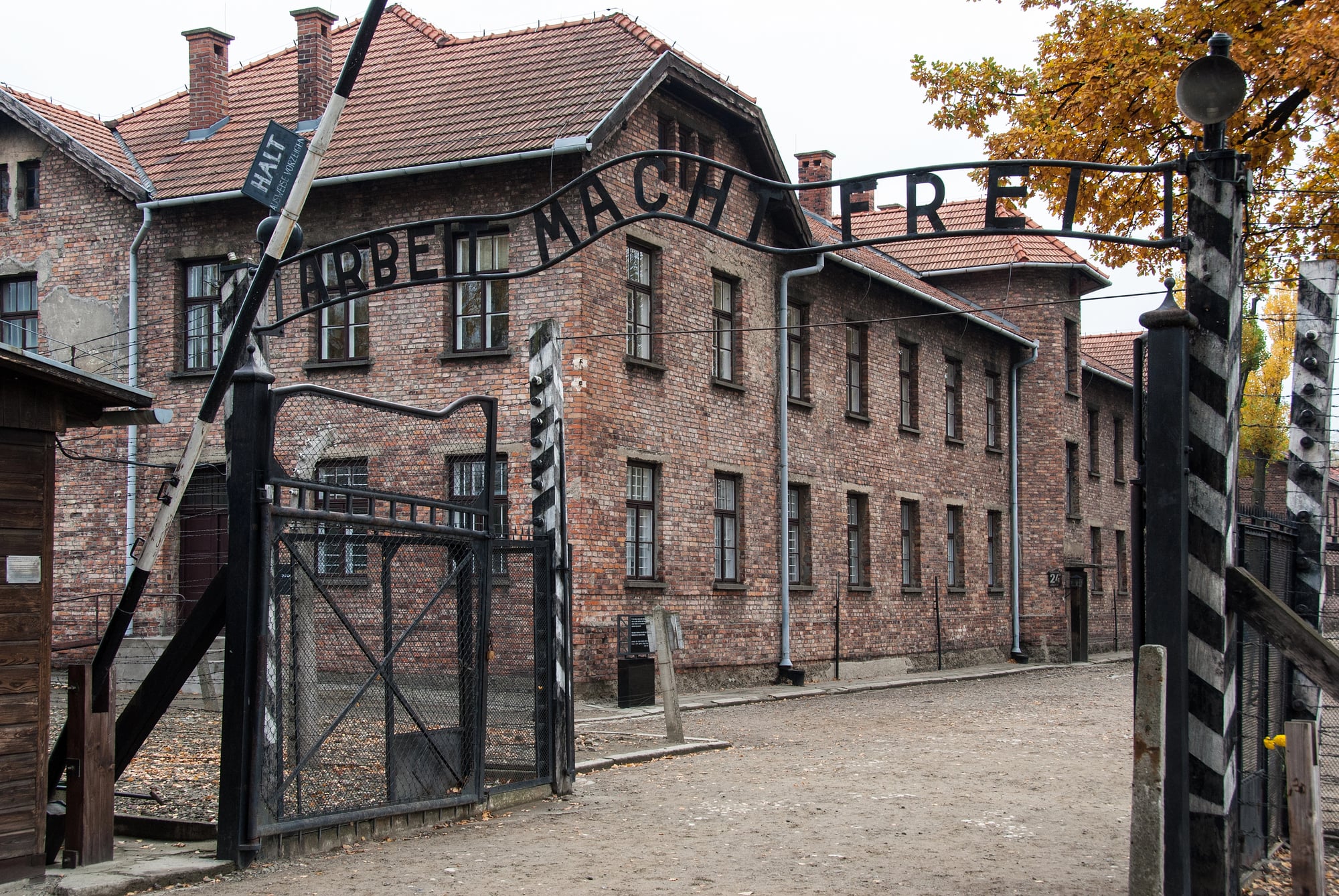
The regime banned certain color combinations that represented opposing political parties, particularly red and black together. The restriction extended to clothing, home decorations, and even flower arrangements (because apparently even gardens could be subversive when they bloomed in the wrong colors).
People learned to express political resistance through carefully chosen color combinations that flew under the radar of authorities who couldn’t monitor every clothing choice but tried anyway. But the enforcement created its own problems—neighbors reported each other for wearing suspicious color combinations, turning every wardrobe into a potential political statement.
And so fashion became another front in a war where the stakes were life and death, and choosing the wrong shirt could mean the difference between safety and a concentration camp.
Soviet Union
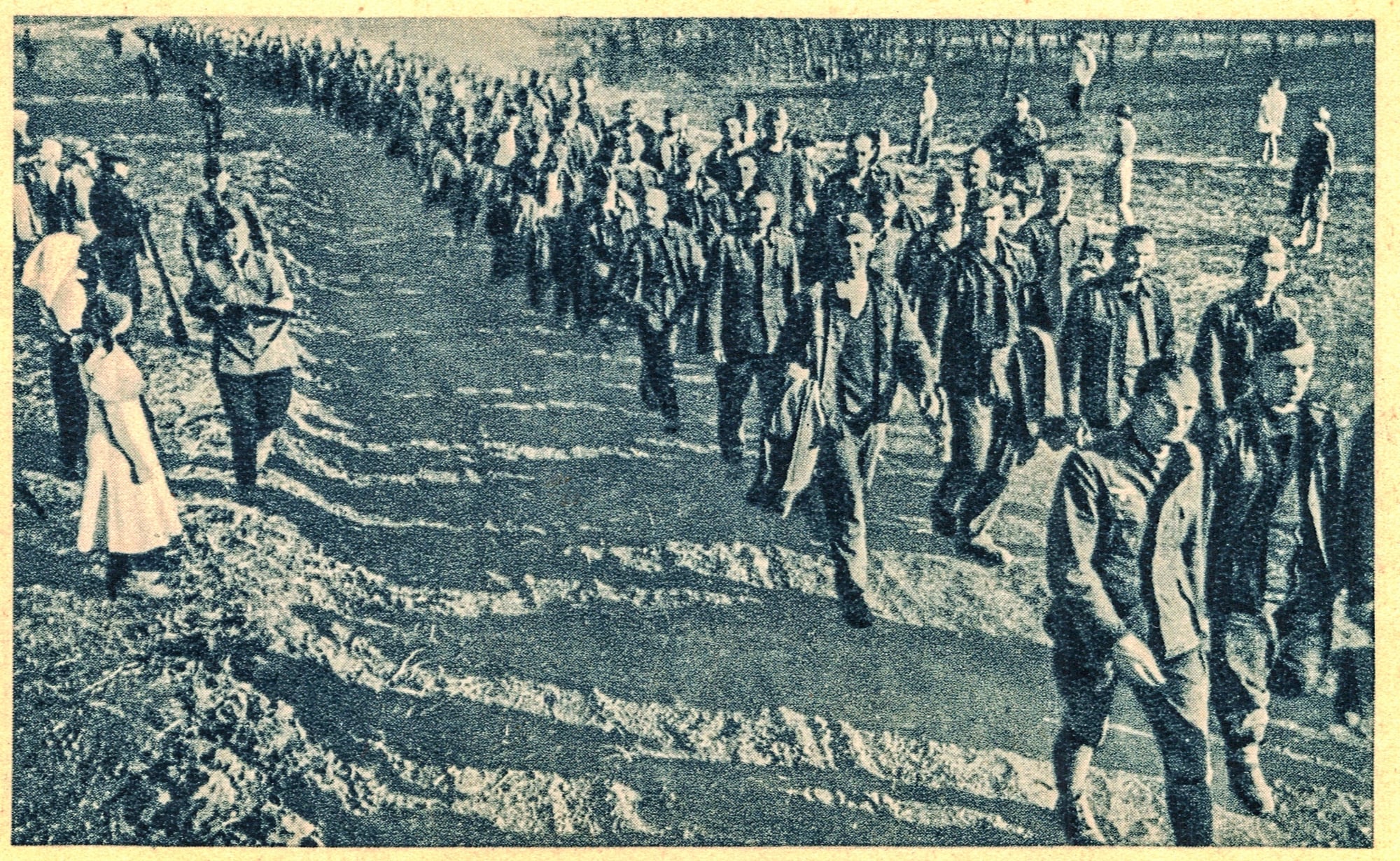
Bright colors were discouraged and sometimes banned as symbols of Western decadence and capitalist excess. The government promoted gray, brown, and muted tones as properly socialist colors that reflected serious revolutionary values.
Fashion became another battlefield in the ideological war against Western influence. Citizens developed a underground appreciation for forbidden colors, smuggling bright fabrics across borders and hiding colorful clothing like contraband.
The restriction backfired by making Western fashion even more desirable and turning color choices into acts of quiet rebellion.
Spain Under Franco
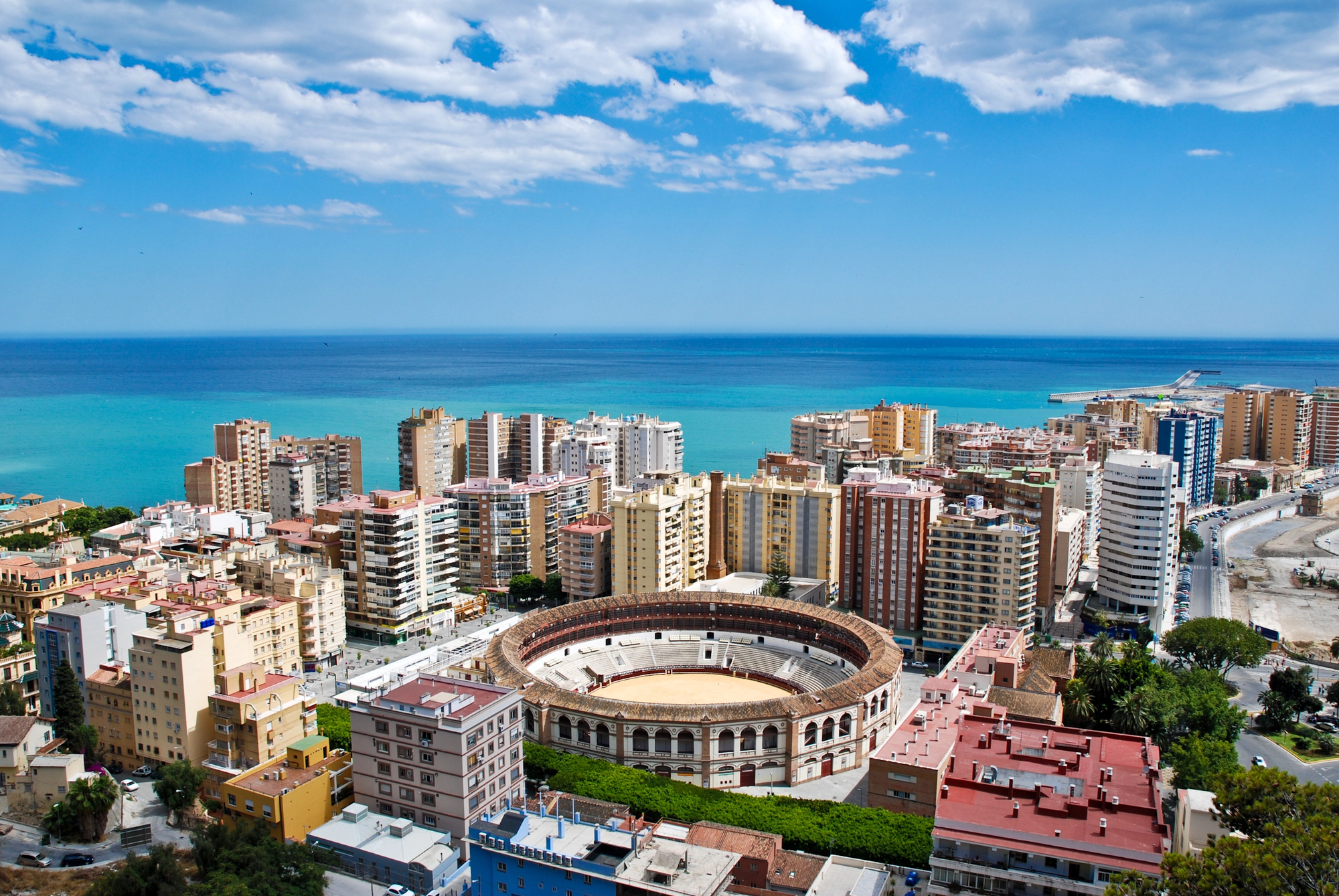
The dictator banned the yellow and red stripes of the Catalan flag, extending the restriction to any clothing or decoration that resembled the forbidden pattern. People were arrested for wearing striped shirts in the wrong color combination.
Regional identity became a crime punishable by imprisonment.
India Under British Rule
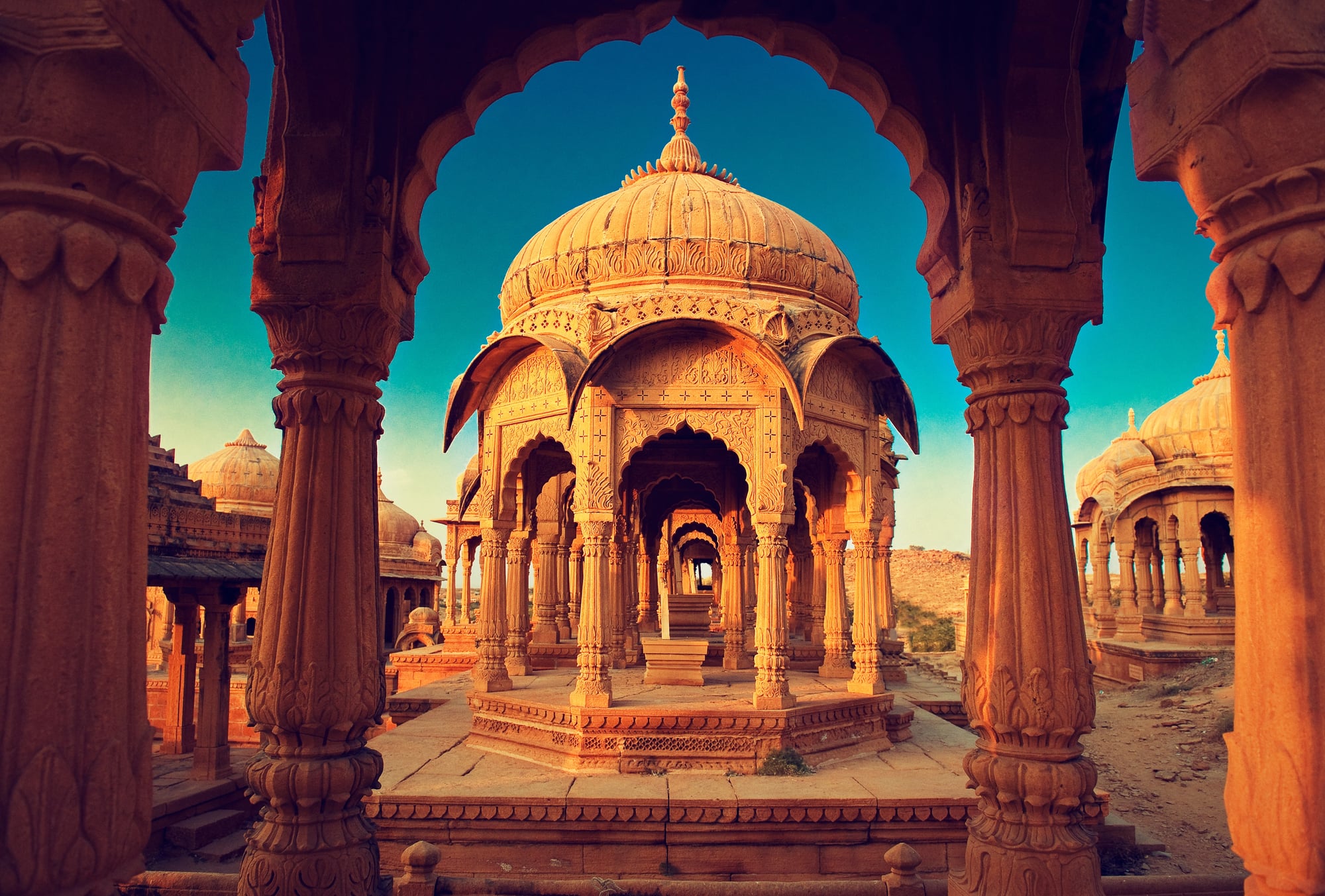
The colonial government restricted certain traditional dyes and colors to break Indian textile industries and force dependence on British imports. The color bans weren’t about morality or politics but about economic control.
Traditional indigo and madder red became symbols of resistance against colonial rule.
Turkey Under Atatürk
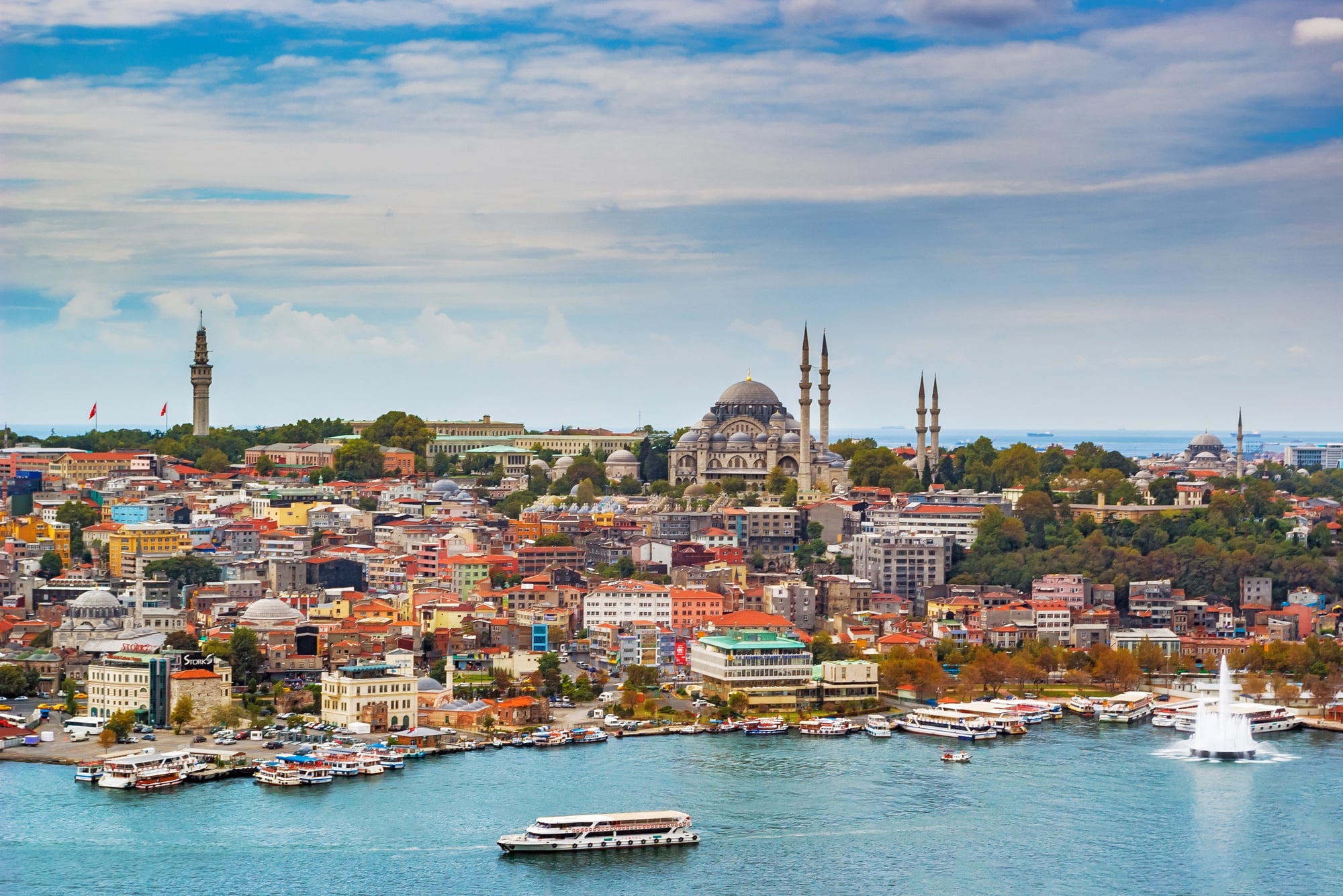
Religious colors faced restrictions as part of the modernization campaign to separate mosque and state. Traditional Islamic green was discouraged in government buildings and official contexts.
The color bans were part of a broader attempt to reshape Turkish identity away from religious tradition toward secular nationalism.
Cambodia Under the Khmer Rouge
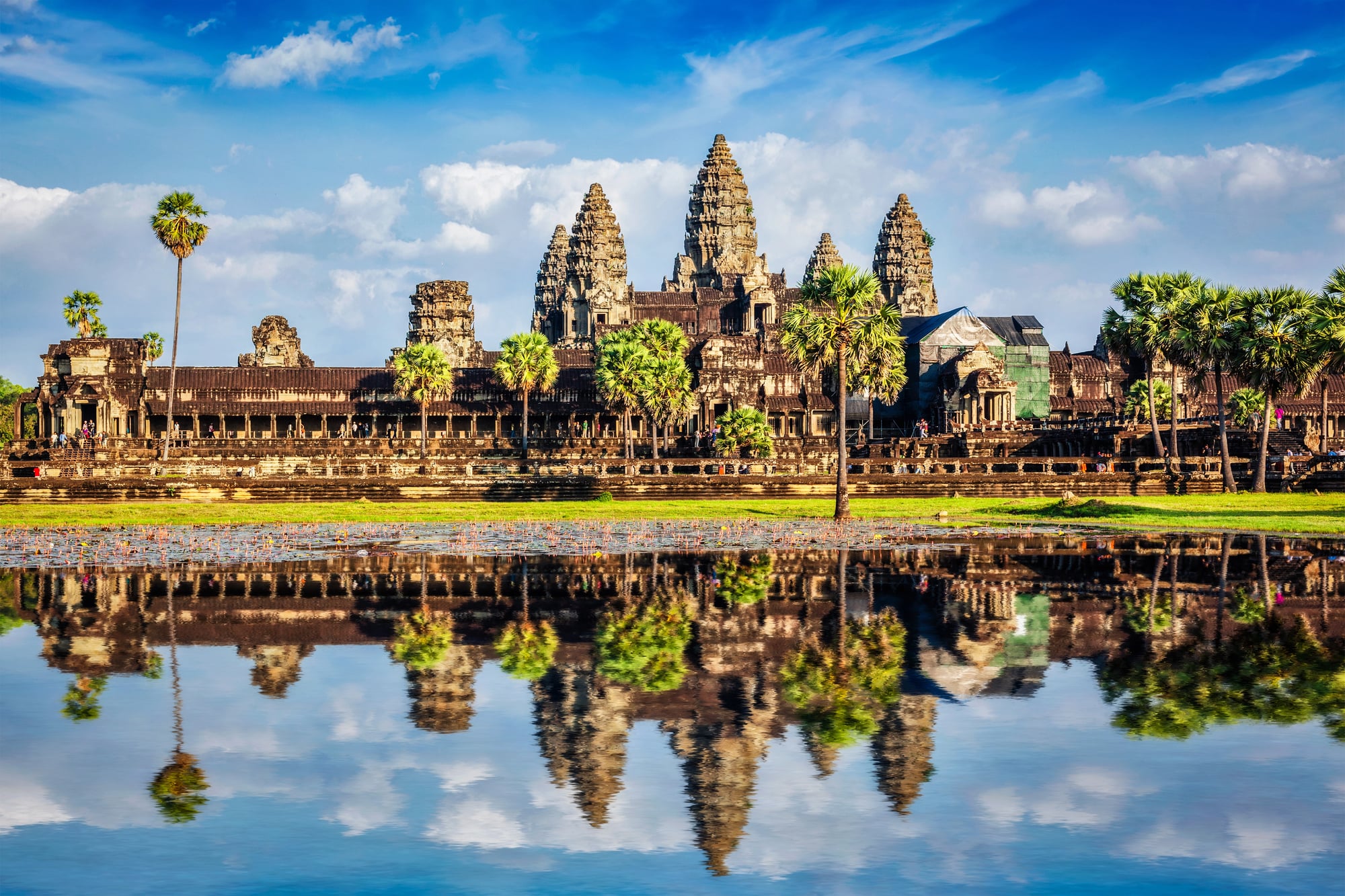
The regime banned all colors except black and dark blue as part of their campaign to eliminate class distinctions and individual expression. Bright clothing was evidence of bourgeois tendencies that could result in execution.
Color became another way the government erased human personality and reduced people to uniform shadows of themselves.
When Colors Carry More Weight Than Words
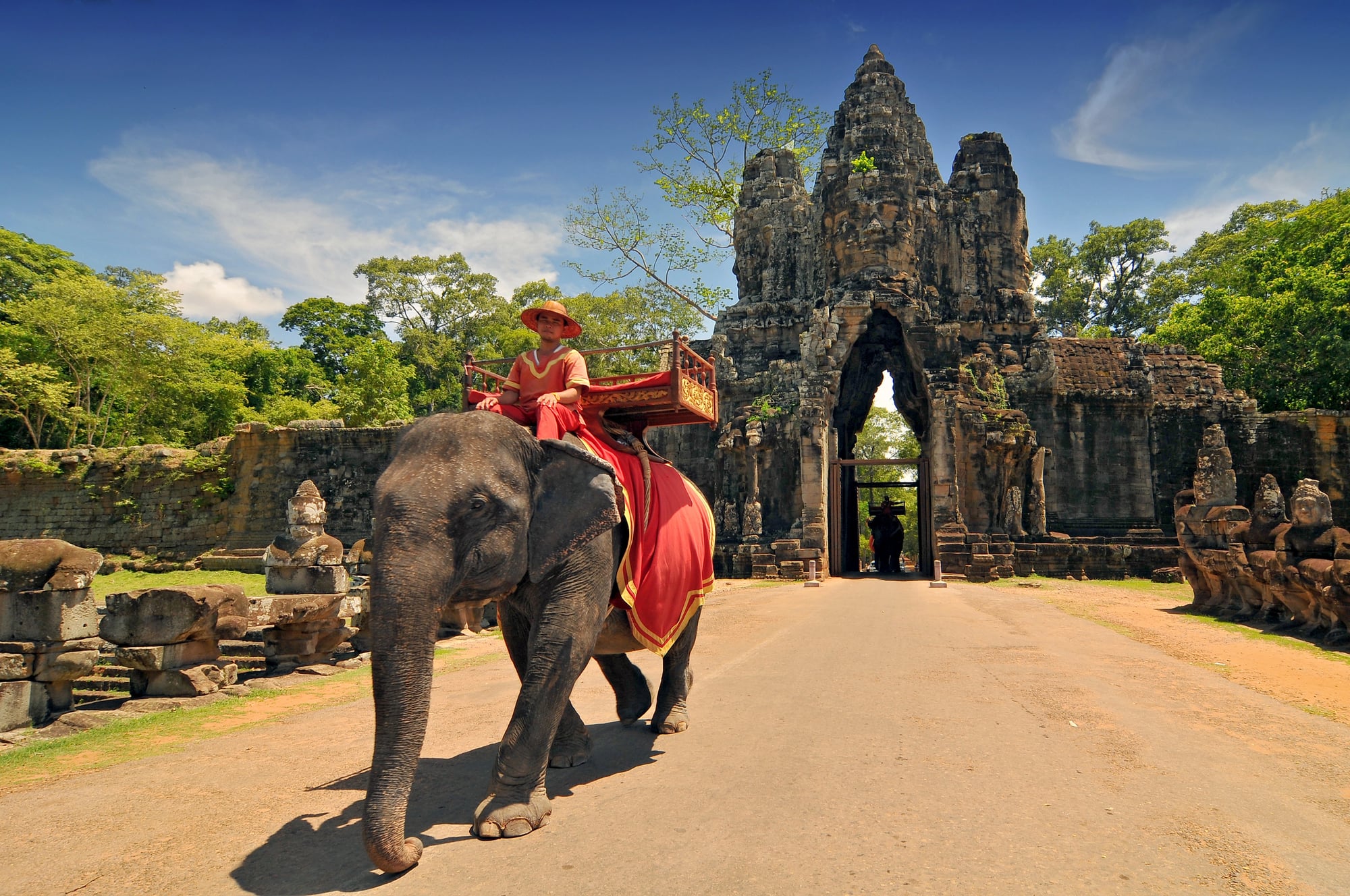
These restrictions reveal something unsettling about human nature and political control. Governments understand that color communicates faster than language and cuts deeper than words.
A red shirt or yellow dress can convey rebellion, status, or identity without saying anything at all. So they regulate the rainbow itself, turning the visible spectrum into another tool of power.
Perhaps the most shocking thing isn’t that countries banned colors, but how effectively those bans worked to control the human spirit.
More from Go2Tutors!

- The Romanov Crown Jewels and Their Tragic Fate
- 13 Historical Mysteries That Science Still Can’t Solve
- Famous Hoaxes That Fooled the World for Years
- 15 Child Stars with Tragic Adult Lives
- 16 Famous Jewelry Pieces in History
Like Go2Tutors’s content? Follow us on MSN.