Largest Insects On the Planet
Most insects fit comfortably in your palm. They scurry across sidewalks, buzz past your ear, or land briefly on a window before disappearing.
But some insects grew far beyond normal proportions. They reach sizes that make people do double-takes.
A cricket is heavier than a gerbil. A stick insect longer than your arm.
Moths with wingspans wider than dinner plates. These giants evolved in specific environments that allowed them to break the usual size limits.
Islands without mammal predators. Rainforests have abundant food.
Ancient atmospheres with different oxygen levels. Each massive insect tells a story about why nature sometimes creates creatures that seem impossible.
Defining the largest insect depends on what you measure. Length? Weight? Wingspan? Different insects win in different categories.
There’s no single champion. Instead, there’s a collection of record holders, each claiming a specific title.
Giant Weta Outweighs Everything Else

The Little Barrier Island giant weta holds the Guinness World Record for the heaviest insect ever verified. One female specimen weighed 2.5 ounces.
That’s about 71 grams. Heavier than five empty soda cans.
About the same weight as a well-fed gerbil. These cricket-like insects evolved in New Zealand in the complete absence of mammals.
Without predators, they grew enormous. They became ground-dwelling creatures that feed on leaves, flowers, and fruit at night.
Their large size made them vulnerable once rats and cats arrived with human settlers. Giant wetas look prehistoric.
They have spiny legs for defense and powerful mandibles. Some people describe them as armored crickets.
They move slowly compared to smaller insects. Their size comes at a cost.
They can’t fly, and they struggle to move quickly. Conservation efforts are critical because introduced predators devastated their populations.
Only a handful of giant weta species survive on predator-free islands. Little Barrier Island remains their stronghold.
Without protection, these heavyweight champions would vanish entirely.
Stick Insects Stretch to Impossible Lengths

The longest insect in the world is a stick insect discovered in China in 2014. Scientists initially found a wild female measuring 62.4 centimeters with legs extended.
Then a captive-bred specimen reached 64 centimeters. That’s over two feet long. As long as the average adult human arm.
This species doesn’t even have an official scientific name yet. It’s simply called Phryganistria chinensis Zhao after the researcher who discovered it.
These insects live for about a year and spend most of their time motionless among branches. Other stick insects compete for the length title.
The Chan’s megastick and the giant Malayan stick insect both exceed 50 centimeters. The gargantuan stick insect from Australia reaches 56.5 centimeters.
All these species share the same survival strategy. They look exactly like twigs and branches. Predators fly right past without noticing them.
Despite their impressive length, stick insects have relatively short bodies. Most of their length comes from ridiculously long legs.
Their bodies remain thin and lightweight. A two-foot stick insect weighs just a few grams.
Goliath Beetle Larvae Are Shockingly Heavy

Adult Goliath beetles are impressive. They grow up to 4.5 inches long and commonly exceed 50 grams.
But the larval stage is where these beetles really become heavy. Goliath beetle larvae can reach 115 grams.
That’s over four ounces. Some researchers consider them the heaviest insects in the world.
These massive grubs live underground for months, feeding constantly on decaying plant matter. They need enormous amounts of food to support their growth.
The larval stage lasts much longer than the adult stage. When they finally emerge as beetles, they’re smaller and lighter than they were as larvae.
Adult Goliath beetles live in western equatorial Africa. They feed on tree sap and fruit.
Despite their size, they fly surprisingly well. Their colorful exoskeletons feature striking black and white patterns.
Some are brown. Others display vibrant colors.
Local cultures collect and display Goliath beetles as exotic curiosities. They pose no threat to humans.
They’re gentle giants that just want to eat fruit and find mates.
Queen Alexandra’s Birdwing Dominates Butterflies

The largest butterfly in the world lives in the rainforests of Papua New Guinea. Female Queen Alexandra’s birdwing can have wingspans exceeding 250 millimeters.
That’s about 10 inches. They’re bigger than many small birds.
The butterfly gets its name from Queen Alexandra of Denmark. Males are smaller and more colorful than females.
Females have larger bodies and broader wings in brown and cream colors. Males display brilliant blue and green iridescence.
This butterfly faces serious threats from habitat destruction. Palm oil plantations replace the rainforests where they live.
Collectors target them because of their enormous size and beauty. Conservation efforts struggle to protect remaining populations.
You need a permit to collect or trade Queen Alexandra’s birdwings. The species is protected under international law.
Despite this protection, illegal collecting continues. Breeding programs exist, but wild populations continue declining.
White Witch Moth Has the Longest Wingspan
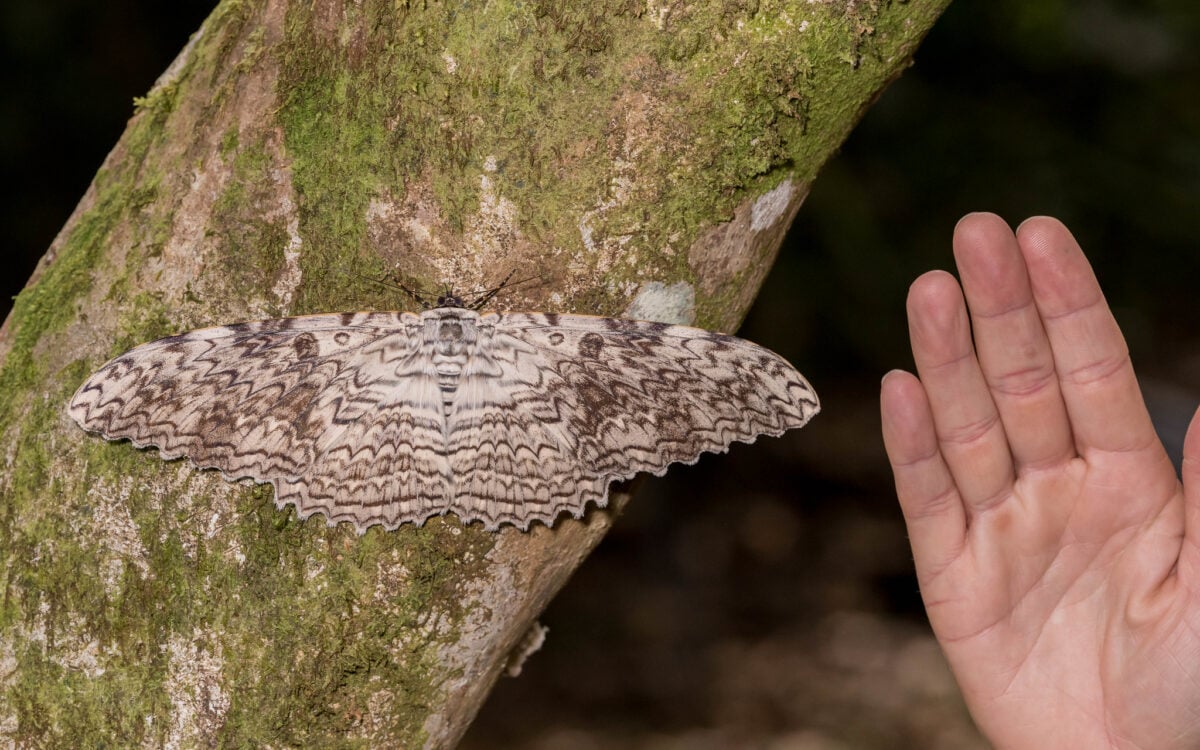
The white witch moth holds the record for the longest wingspan of any insect. A Brazilian specimen measured almost 12 inches across.
Most individuals reach 11 to 11.5 inches. These moths live throughout Central and South America, from Mexico to Uruguay.
The moth gets its name from its pale gray coloring and ghostly appearance. Early naturalists sometimes confused them with birds or bats when collecting specimens at night.
The wingspan is impressive, but the wing surface area is actually smaller than some other moth species. White witch moths belong to the same family as owlet moths.
They’re nocturnal and drawn to lights. People occasionally find them resting on buildings in the early morning.
Their wings show intricate patterns in browns and grays. Scientists didn’t document the caterpillar stage of this moth until 2025. Despite 300 years of observations, nobody had found the larvae.
A specimen was finally discovered in Panama and raised to adulthood. The moth’s enormous geographic range and migratory behavior made finding caterpillars extremely difficult.
Atlas Moth Combines Size and Beauty
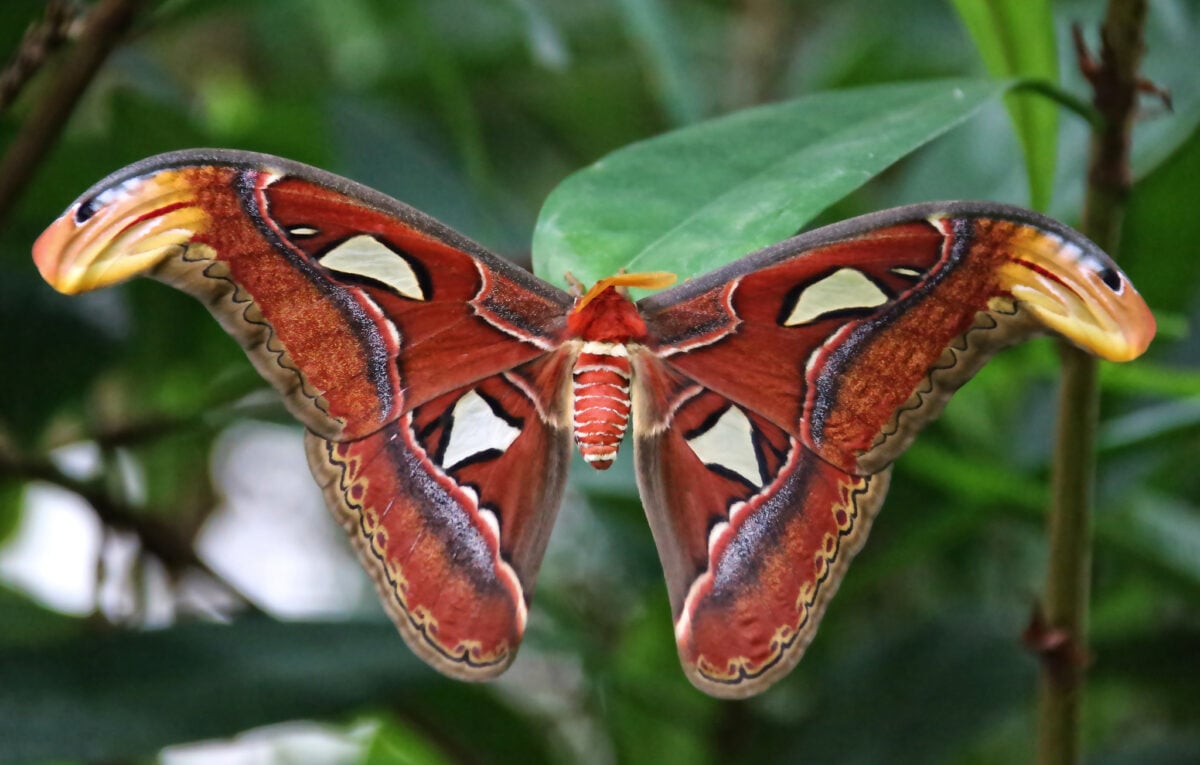
The Atlas moth is often called the largest moth in the world because it combines wingspan and wing surface area. Females reach wingspans of 10 inches or more.
Their wings cover over 25 square inches. They’re massive insects.
These moths get their name either from the Titan Atlas of Greek mythology or from the map-like patterns on their wings. The wing tips feature extensions that look remarkably like snake heads.
When threatened, the moth moves its wings to make these patterns more obvious. Predators see what appears to be a snake and back off.
Atlas moths have no mouth. Adults cannot eat.
They survive entirely on fat reserves stored during the larval stage. This gives them a lifespan of only one to two weeks.
Every flight burns precious energy. They rest during the day and fly at night to conserve resources.
In some regions, people harvest Atlas moth cocoons for silk production. The silk is brown and wool-like, called fagara.
It’s more durable than regular silk but harder to work with because it comes in broken strands rather than continuous thread. In Taiwan, people use the cocoons as small purses.
Hercules Beetle Grows an Enormous Horn
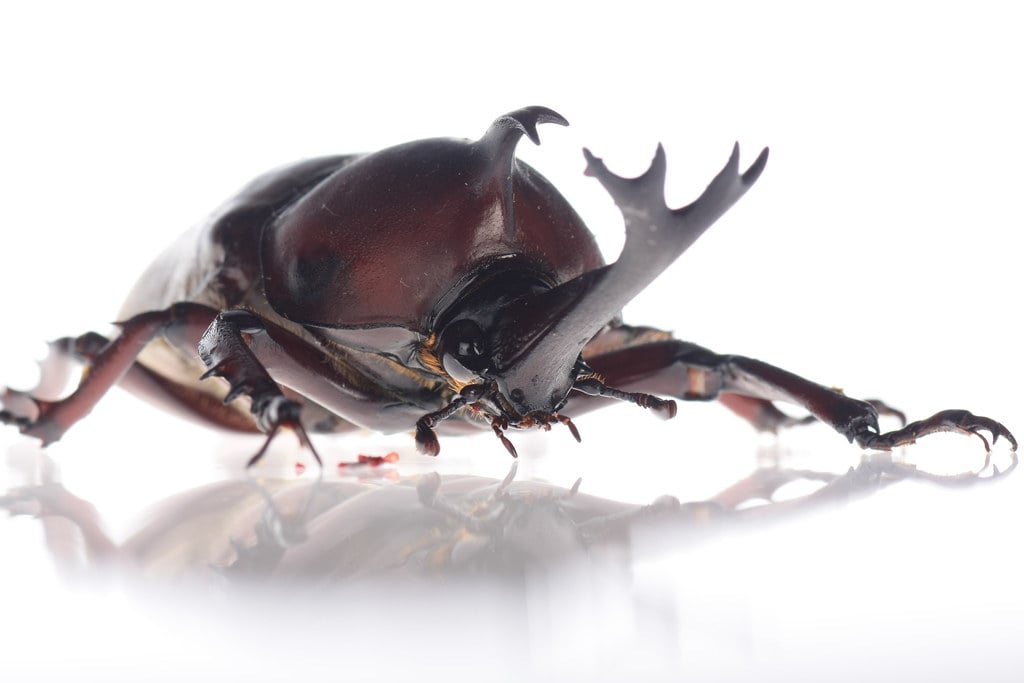
The Hercules beetle can reach seven inches long, but nearly half that length is horn. Males grow a massive horn extending from their thorax and a second horn from their head.
Females lack horns entirely and look much smaller. This rhinoceros beetle lives in Central and South American rainforests.
The horn makes males look intimidating, but it’s mainly for show. Males use their horns to wrestle other males during mating competitions.
They try to lift rivals and flip them over. The size of the horn depends on nutrition during the larval stage.
Well-fed larvae become adults with proportionally larger horns. The horn serves no purpose for survival.
It’s purely for competing with other males. Hercules beetle larvae grow up to five inches long over a two-year development period.
They live in rotting wood, eating constantly. The larvae go through three metamorphosis stages before pupating.
Adult beetles live for several months.
Titan Beetle Is All Body, No Horn
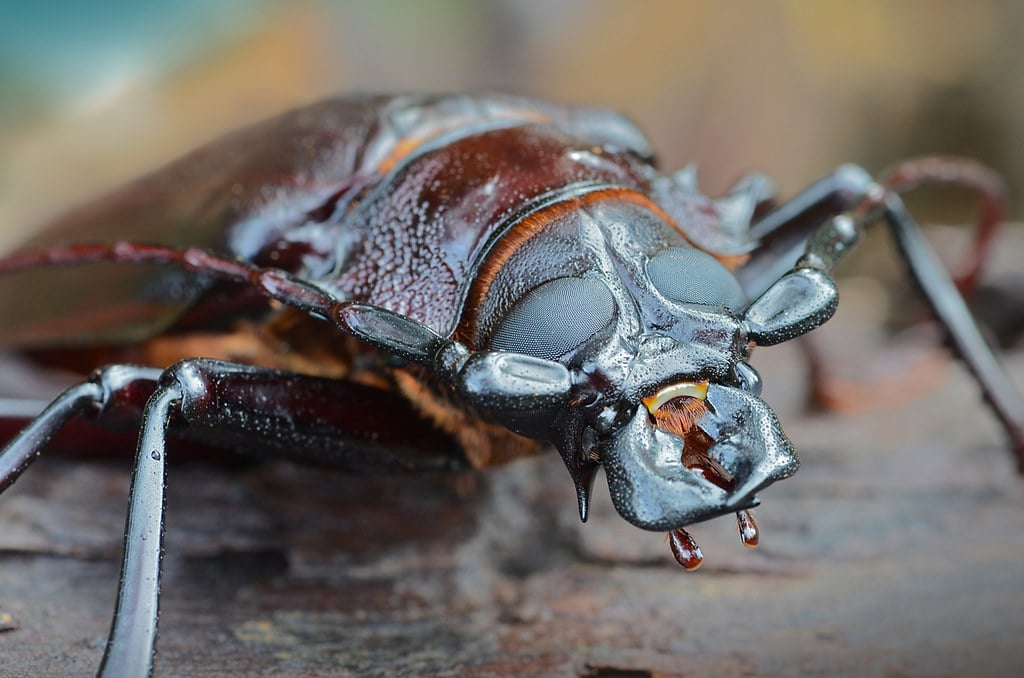
The titan beetle grows over six inches long with a much bigger body than the Hercules beetle. It lacks horns completely.
The titan’s massive size comes from pure bulk. Its body is thick and powerful.
These beetles live in the Amazon rainforest. They’re rarely seen despite their size.
Scientists have never actually observed titan beetle larvae. Estimates suggest larvae might grow up to 12 inches based on the size of the tree boreholes they leave behind.
Adult titan beetles can bite hard enough to snap pencils and draw blood from human skin. They make hissing sounds when threatened.
The large mandibles serve as weapons. Despite their intimidating appearance, they don’t hunt.
Adults don’t even eat. Like Atlas moths, they survive on stored fat from the larval stage. Collectors prize titan beetles.
Specimens sell for high prices. The difficulty of finding them adds to their value.
Most are collected by attracting them to lights at night.
Japanese Giant Hornet Terrifies Beekeepers
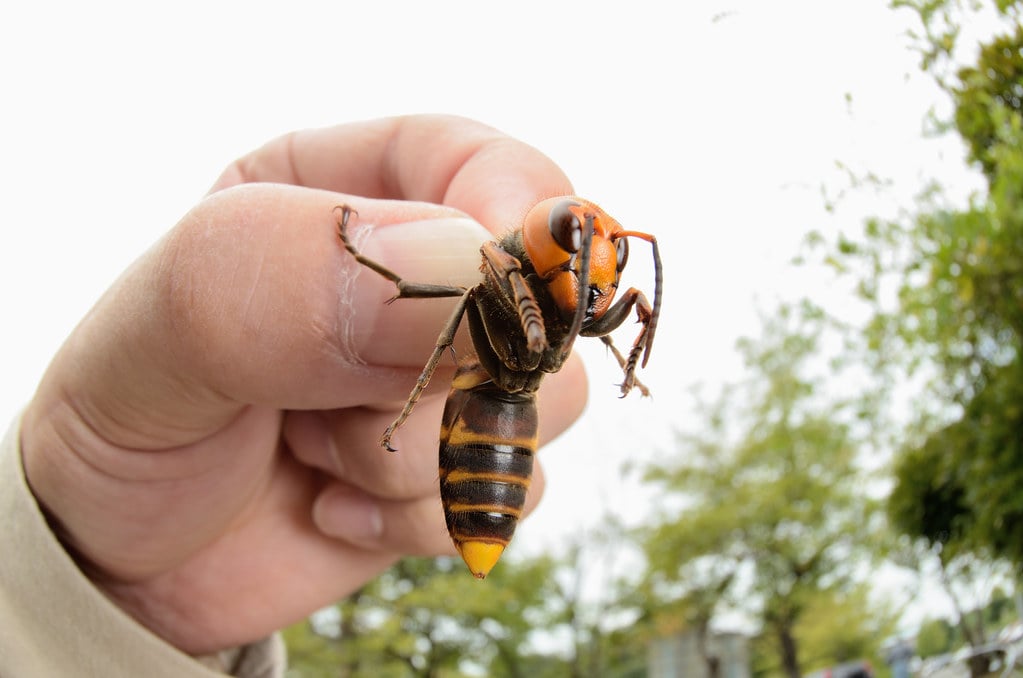
The world’s largest hornet lives primarily in Japan. Queens reach two inches long with wingspans of around three inches.
These predators have potent venom that can dissolve human tissue. The venom causes allergic reactions and can be fatal in serious cases.
Japanese giant hornets are apex predators in their ecosystem. They prey on other insects including bees and mantises.
A small group of these hornets can destroy an entire honeybee hive in hours. They decapitate bees and carry the bodies back to feed their larvae.
The hornet’s yellow and black coloring makes it easily identifiable. The large size and aggressive behavior make encounters dangerous.
Most hornet deaths occur when people disturb nests. The hornets defend their colonies fiercely.
Japanese beekeepers have developed defensive strategies. Native Japanese honeybees can survive hornet attacks by surrounding intruders and vibrating their wing muscles.
This creates heat that kills the hornet without killing the bees. European honeybees lack this defense and suffer massive casualties.
Giant Water Bug Attacks Fish and Frogs
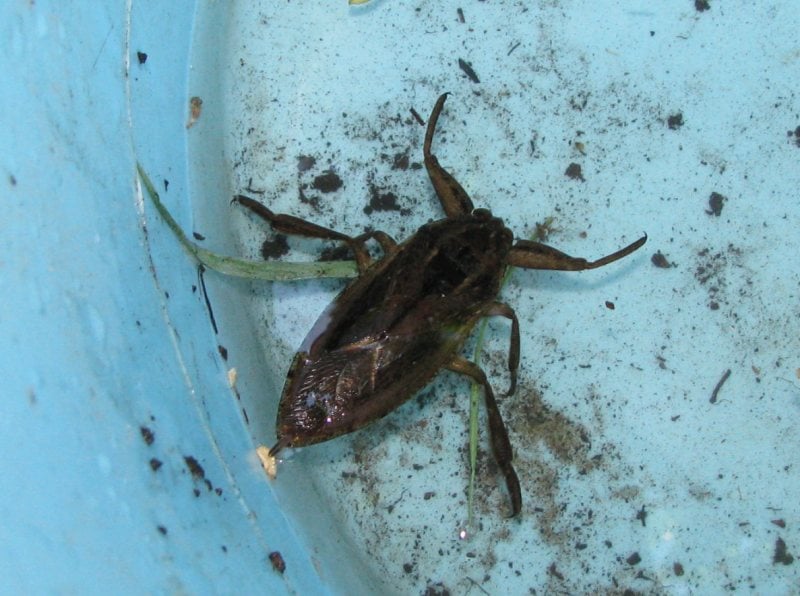
Giant water bugs grow up to four inches long and live in freshwater ponds and streams across multiple continents. They’re the largest aquatic insects in most regions where they live.
These predators have powerful front legs designed for grasping prey. The bugs hunt fish, amphibians, and even small birds.
They inject digestive enzymes into victims and suck out the liquefied insides. Their bite is considered one of the most painful any insect can inflict.
They only bite humans in self-defense, but the pain is intense. Female giant water bugs lay eggs on the male’s back.
He carries them until they hatch, providing protection and keeping them moist. This parenting behavior is unusual among insects.
People in some cultures eat giant water bugs. They’re considered a delicacy in parts of Southeast Asia.
The bugs are prepared by roasting or frying. The flavor is reportedly reminiscent of shrimp.
Tarantula Hawk Wasp Hunts Giant Spiders
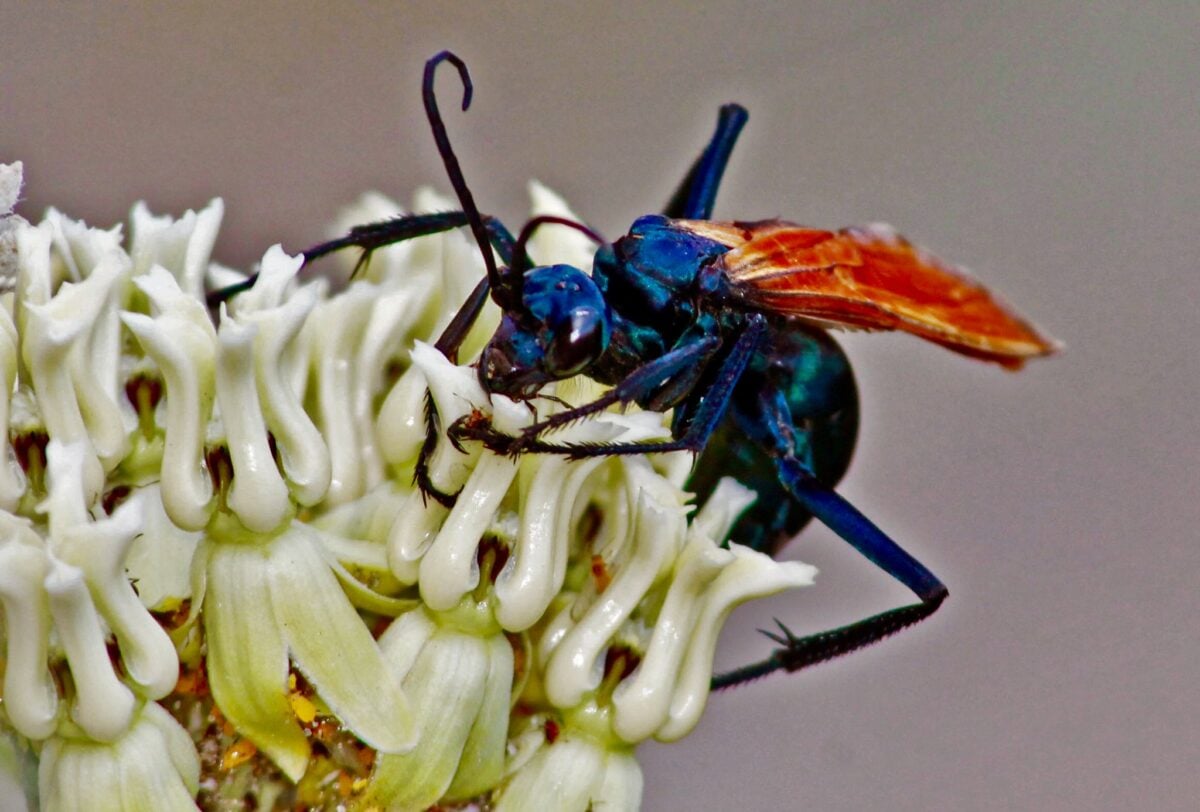
These wasps reach lengths up to 2.5 inches. They’re named for their hunting behavior.
Female tarantula hawk wasps hunt tarantulas. The wasp’s sting is considered one of the most painful in the insect world.
One researcher described it as immediate, excruciating, and blinding. The female wasp paralyzes a tarantula with her sting.
She drags the immobilized spider to a burrow and lays a single egg on its abdomen. When the larva hatches, it feeds on the still-living spider.
The spider remains paralyzed but alive for weeks while being eaten from the inside. Tarantula hawk wasps help control tarantula populations and maintain ecological balance.
They’re not aggressive toward humans unless directly threatened. Their bright coloring warns predators to stay away.
Few animals will attack these wasps after learning about their sting. The wasps feed on flower nectar as adults.
Only the larvae eat meat. Males lack stingers and pose no threat at all.
They spend their time seeking females and feeding on flowers.
Giant Burrowing Cockroach Doesn’t Fly
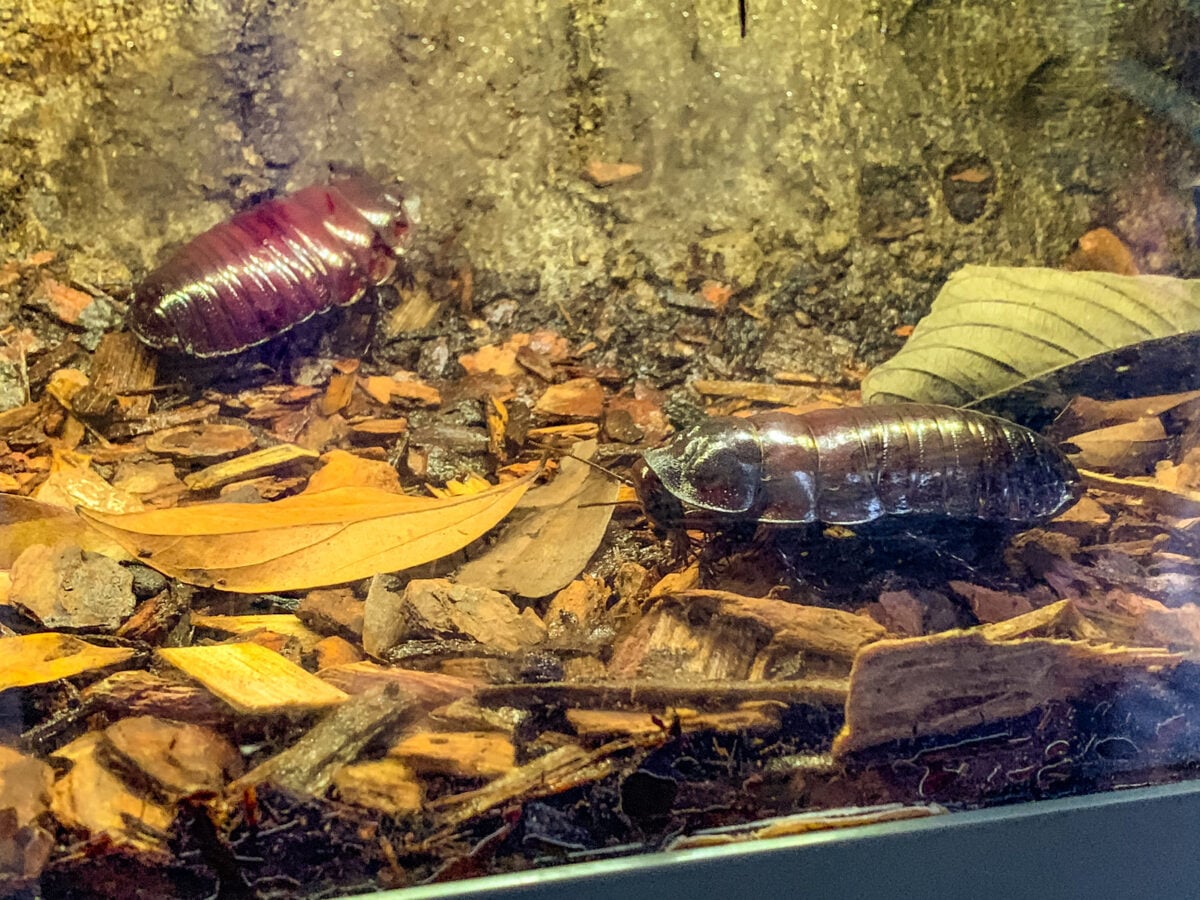
The largest cockroach species is the giant burrowing cockroach from Australia. These roaches grow up to 3.5 inches long and can weigh up to 1.5 ounces.
They’re sometimes called rhinoceros cockroaches because of their size and appearance. Unlike most cockroaches, these giants are wingless.
They live underground in burrows. They feed on dead leaves and decaying plant matter.
Their lifestyle is more like that of earthworms than typical cockroaches. These cockroaches can live up to 10 years.
That’s an extremely long lifespan for an insect. Some people keep them as pets.
They’re docile and easy to care for. They don’t smell bad like some cockroach species.
They don’t infest homes or spread disease. The roaches serve an important ecological role.
They break down dead plant material and enrich the soil. Their burrowing aerates the ground.
In their native habitat, they’re beneficial insects rather than pests.
Dragonflies Once Had Three-Foot Wingspans

If you think modern insects are big, prehistoric insects were absolute monsters. About 300 million years ago during the Carboniferous period, dragonfly-like creatures called griffinflies ruled the skies.
Meganeuropsis permiana had a wingspan of about 28 inches. Some estimates suggest wingspans reached 30 inches or more.
These ancient predators weren’t true dragonflies but belonged to a related extinct order. They hunted other insects in forests that would become coal deposits millions of years later.
Their massive size was possible because atmospheric oxygen levels were much higher back then. Higher oxygen levels allowed insects to grow larger.
Insects breathe through tubes called tracheae that deliver oxygen directly to their tissues. More oxygen in the air meant these tubes worked efficiently even at larger sizes.
When oxygen levels dropped, giant insects couldn’t survive. Modern dragonflies are impressive but much smaller.
The largest living species have wingspans of around seven inches. That’s enormous by today’s standards but tiny compared to their prehistoric cousins.
The blue-winged helicopter damselfly from Central America has the largest wingspan of any living dragonfly or damselfly at about 7.5 inches.
Why Insects Don’t Get Bigger Today
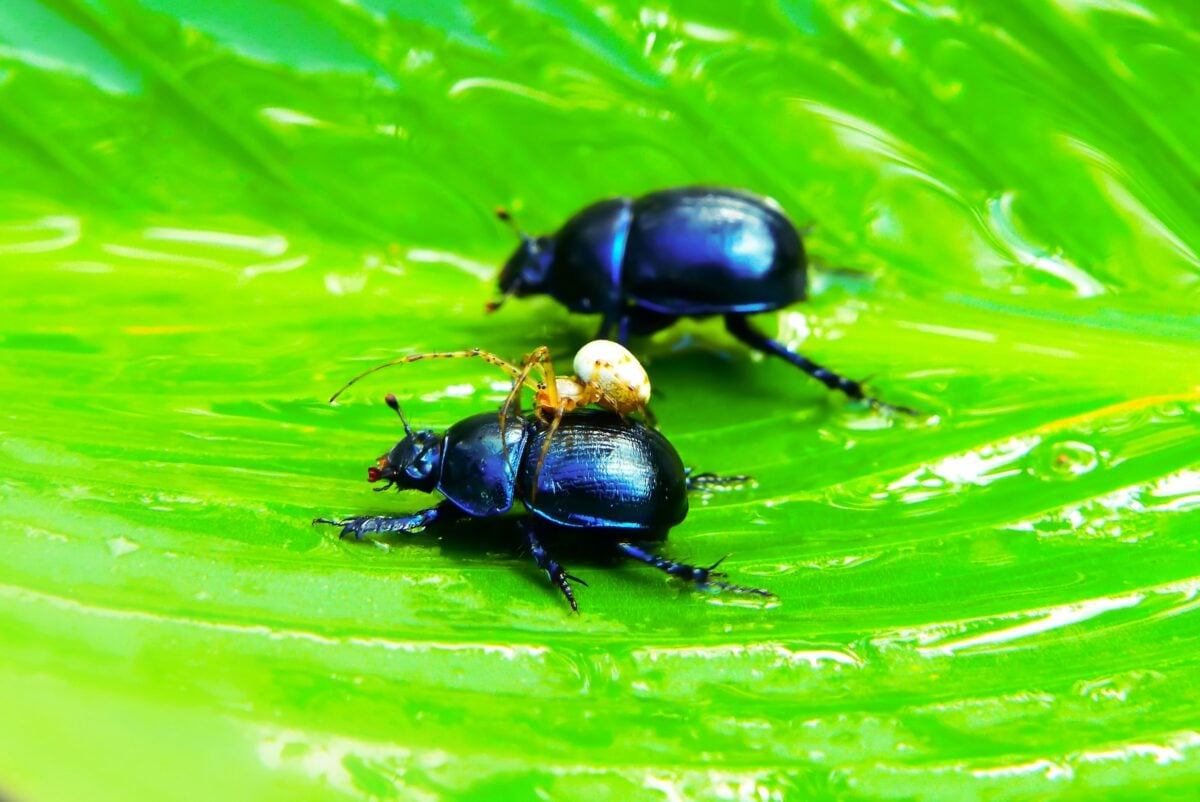
Several factors limit insect size in the modern world. The most important thing is oxygen. Today’s atmosphere contains about 21 percent oxygen.
During the Carboniferous period, oxygen levels reached 35 percent. That extra oxygen allowed much larger body sizes.
Insects also face competition from vertebrates. Birds evolved to fill ecological niches that large insects once occupied.
A huge dragonfly today would compete with birds for food and airspace. Birds are faster, smarter, and more efficient fliers.
The insect exoskeleton creates limits too. Larger insects need thicker exoskeletons to support their weight.
Thicker exoskeletons require bigger muscles to move. Eventually, the insect becomes so heavy it can barely move.
There’s a practical upper limit to how big an insect can get with an external skeleton. Temperature matters as well.
Many of the largest insects live in tropical regions with stable, warm temperatures. Cold climates make it harder for large insects to maintain body heat.
Smaller insects have advantages in variable climates.
Giants Still Among Us
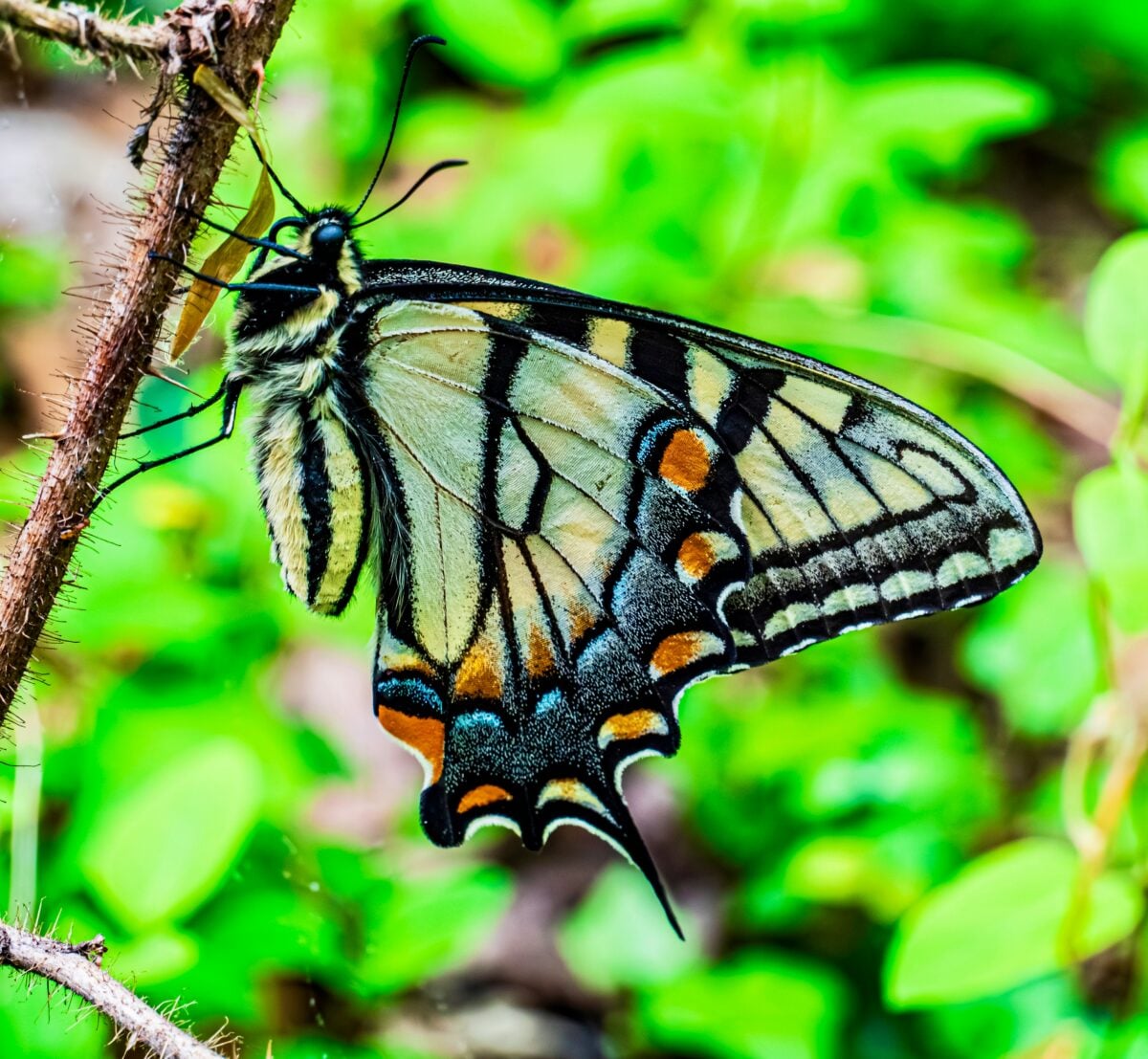
The largest insects alive today survive in specific places with specific conditions. New Guinea’s rainforests.
New Zealand’s predator-free islands. The Amazon basin.
These locations provide what giant insects need: abundant food, stable temperatures, and protection from competitors. Some of these insects remain undiscovered.
Scientists found the world’s longest stick insect in 2014. Who knows what else hides in unexplored rainforest canopies or deep caves?
New species are discovered regularly. Some might break existing size records.
Climate change and habitat destruction threaten many of these giants. Queen Alexandra’s birdwing butterflies lose rainforest to palm oil plantations.
Giant wetas survive on a handful of small islands. Titan beetles become rarer as Amazon logging continues.
These massive insects need large, intact habitats to survive. You probably won’t encounter the world’s largest insects unless you travel to remote tropical locations.
They don’t live in cities or suburbs. They hide in places humans rarely visit.
But they exist, right now, crawling through rainforest understories or resting on tree trunks. Giants among insects.
Survivors from a time when the world allowed creatures to grow beyond the limits we see today. Their existence proves that nature still makes monsters.
You just have to know where to look.
More from Go2Tutors!

- 16 Historical Figures Who Were Nothing Like You Think
- 12 Things Sold in the 80s That Are Now Illegal
- 15 VHS Tapes That Could Be Worth Thousands
- 17 Historical “What Ifs” That Would Have Changed Everything
- 18 TV Shows That Vanished Without a Finale
Like Go2Tutors’s content? Follow us on MSN.