15 Things Kids Today Will Never Experience
Growing up in the digital age means today’s kids have access to incredible technology and conveniences that previous generations could only dream of. Yet this rapid technological evolution has also made certain experiences from just a few decades ago completely obsolete. From the anticipation of waiting for photos to develop to the art of folding a perfect paper map—countless rituals and moments that defined childhood for millions are now as foreign to modern kids as using a rotary phone.
Here’s a list of 15 things that kids today will never experience, each representing a small piece of history that shaped how we connected, learned, and navigated the world.
Waiting a Week to Develop Film

Dropping off a roll of film at the pharmacy meant counting down the days until you could see your pictures. Kids today won’t know the anxiety of wondering if that perfect shot actually turned out—or the crushing disappointment of realizing half your vacation photos were blurry disasters.
Something magical existed in that surprise element. You never quite knew what memories you’d captured until that envelope of glossy prints was finally in your hands.
Using a Phone Book
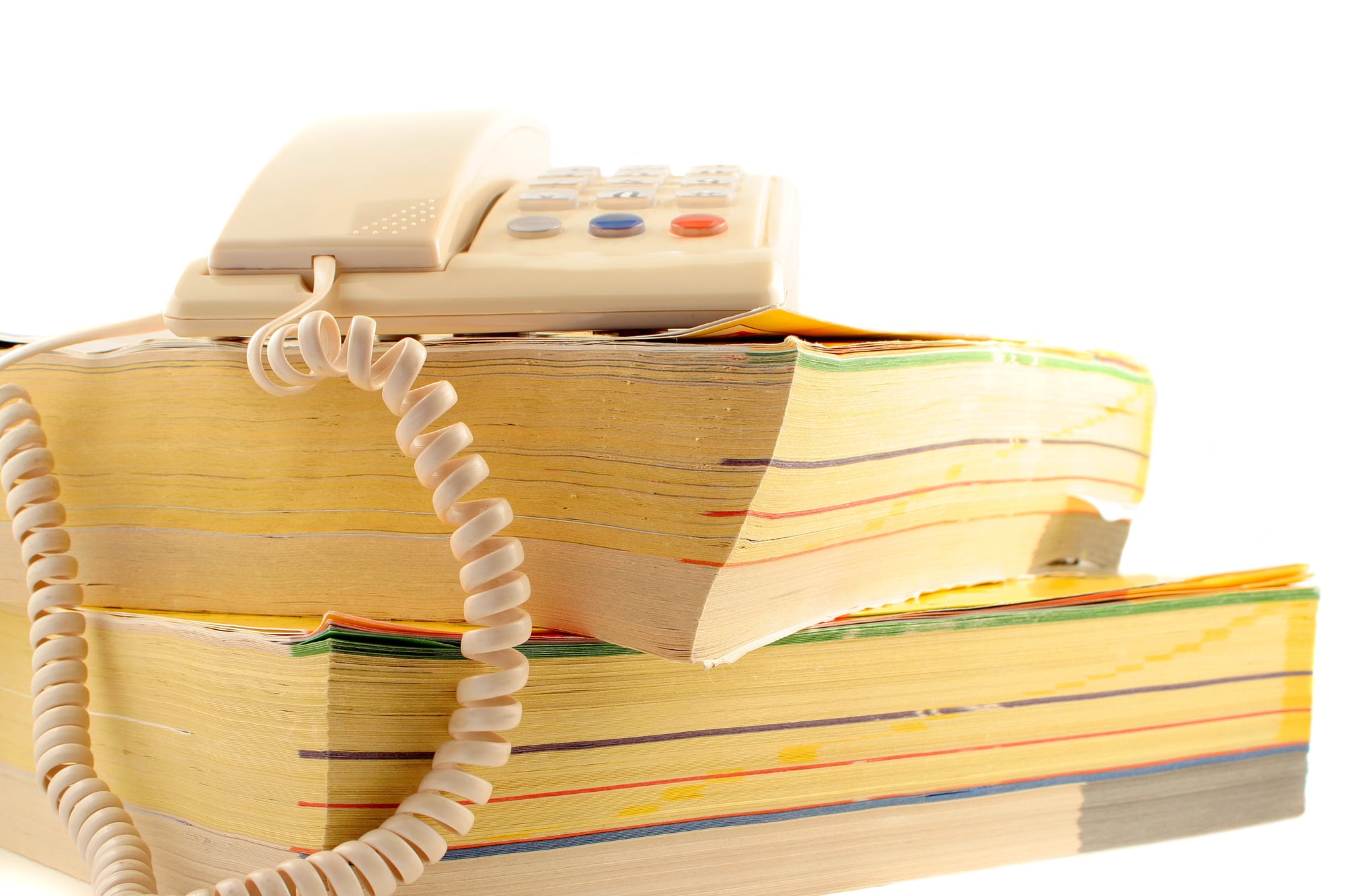
Those thick yellow pages and white pages were essential household items once upon a time. They served as the internet before the internet existed.
Kids today can’t imagine flipping through hundreds of thin pages to find a business number or looking up a friend’s address. These massive books were so common they served double duty as makeshift booster seats—even doorstops when they became outdated.
Like Go2Tutors’s content? Follow us on MSN.
Rewinding VHS Tapes
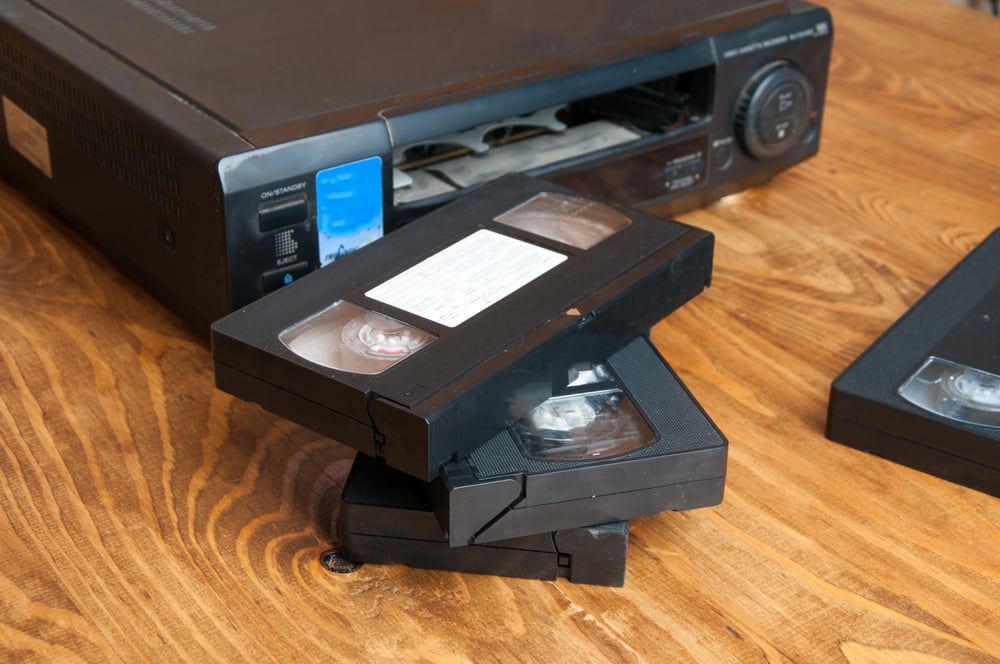
‘Be kind, rewind’ wasn’t just a slogan. It was a social contract that every video store customer understood.
Modern kids will never experience the mild panic of realizing you forgot to rewind a rental—or the satisfaction of hitting that rewind button and listening to the tape whir backward. The entire ritual of fast-forwarding through previews and finding your exact spot in a movie remains completely foreign to the Netflix generation.
Getting Kicked Off the Internet When Someone Called
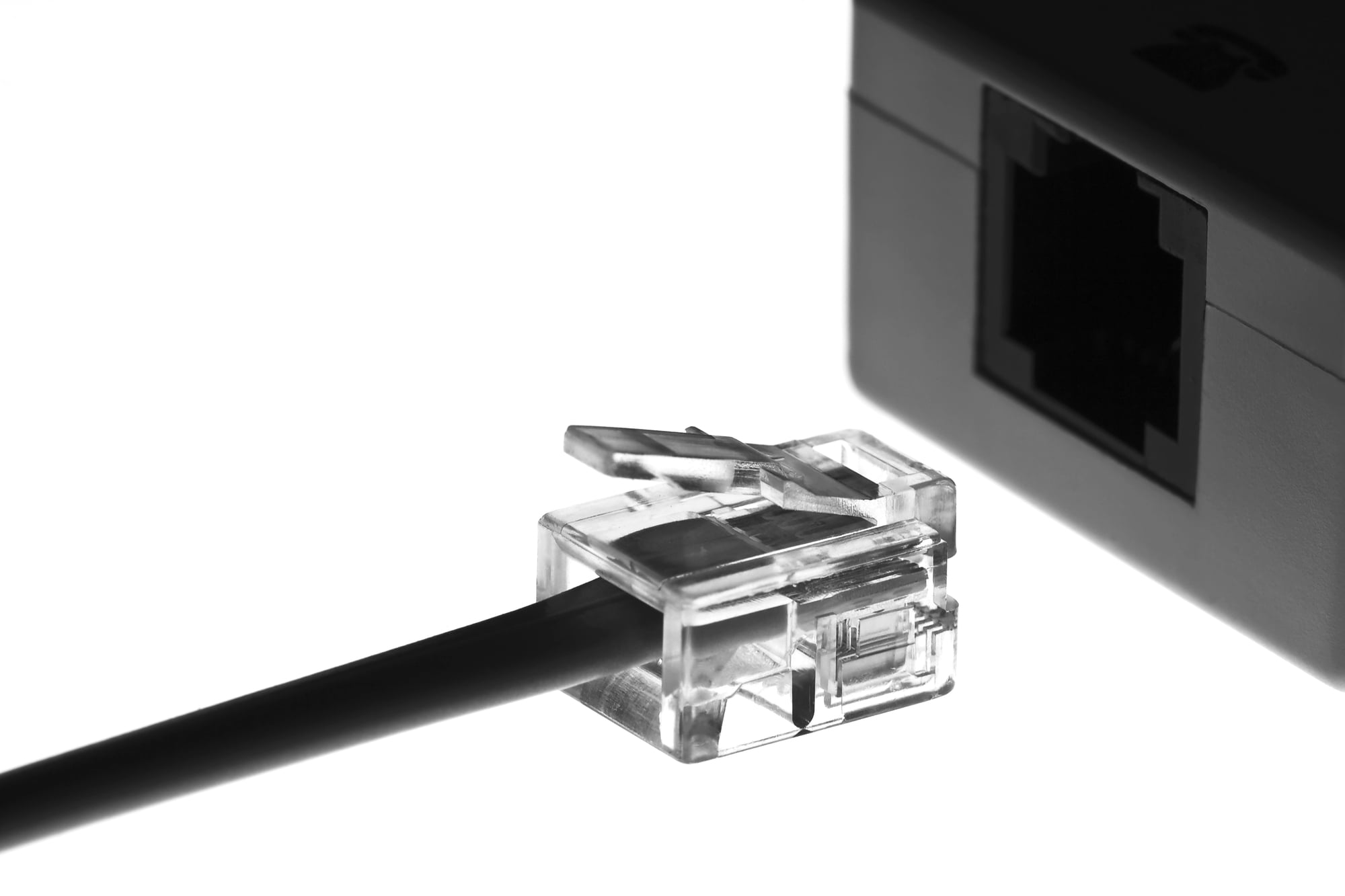
Dial-up internet meant choosing between browsing the web and answering the phone. This concept seems absurd to kids who’ve grown up with constant connectivity.
The distinctive screech of a modem connecting was the soundtrack of the early internet—followed by the frustration of losing your connection mid-download when Grandma called. Patience wasn’t just a virtue back then. It was a necessity for anyone trying to load a single webpage.
Folding Paper Maps

Before GPS and smartphones, navigation required actual skill. You needed the ability to refold a massive paper map without creating a crumpled mess.
Kids today will never know the art of reading road atlases—or the teamwork required when the passenger became the designated navigator on family road trips. Getting lost meant actually being lost, not just waiting for your phone to recalculate your route.
Like Go2Tutors’s content? Follow us on MSN.
Recording Songs Off the Radio

The dedication required to capture your favorite song on cassette tape was intense. You had to sit by the radio, finger poised over the record button—hoping the DJ wouldn’t talk over the beginning or end.
Kids today can’t fathom the patience needed to wait for hours just to record one song. Even worse was the heartbreak of accidentally recording over something important. These mixtapes became treasured possessions, each one a carefully curated soundtrack to your life.
Calling Movie Theaters for Showtimes

Before online movie listings, getting theater information required calling a dedicated phone line—then listening to a recorded message that seemed to go on forever. You’d often have to call multiple theaters to compare times.
There was no way to know if a show was sold out until you arrived. The whole process of planning a movie night required significantly more effort and coordination than kids today could imagine.
Using Encyclopedia Sets for School Projects

Those heavy, leather-bound encyclopedia volumes were the Wikipedia of previous generations. Kids today will never experience the hunt through multiple books to gather information for a report.
You couldn’t just search for keywords. You had to know which volume contained your topic—then read through pages of text to find relevant information. Research was a physical activity that required actual trips to the library and strategic planning.
Like Go2Tutors’s content? Follow us on MSN.
Adjusting TV Antennas for Better Reception
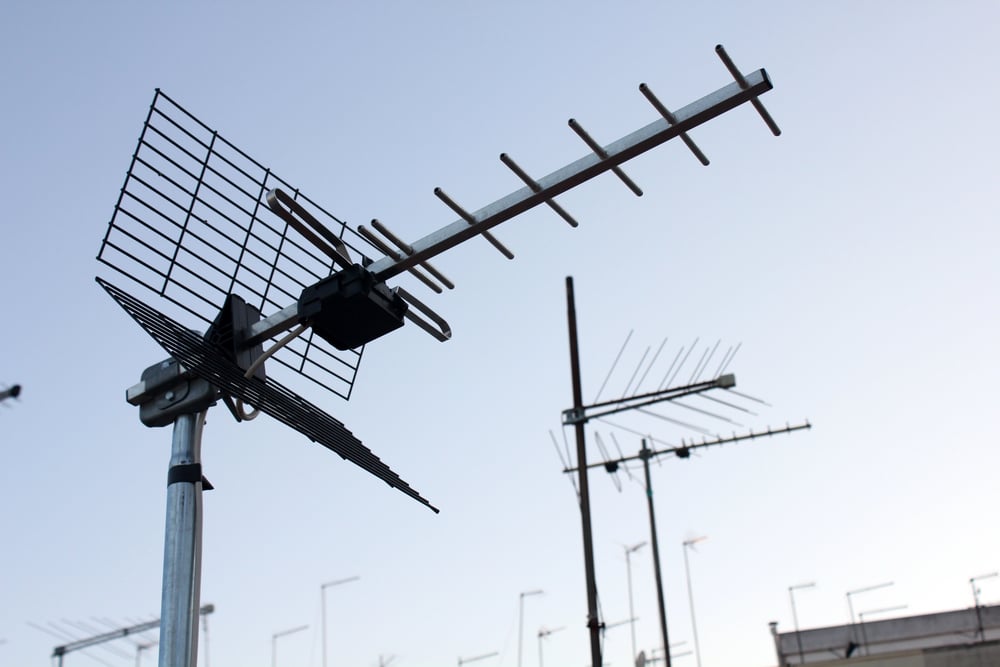
The delicate dance of positioning rabbit ears or rotating a rooftop antenna to get a clear picture is completely foreign to kids raised on cable and streaming. Someone always had to stand in just the right spot, holding the antenna at the perfect angle while another person confirmed whether the signal improved.
Weather could completely ruin your viewing experience. Sometimes you’d watch an entire show through static—because it was your only option.
Memorizing Phone Numbers

Before contacts lists and speed dial, kids memorized dozens of important phone numbers by heart. Friends, family, pizza places, and emergency numbers were all stored in your brain rather than your device.
You’d write important numbers on scraps of paper or inside book covers. Losing your address book was a genuine crisis. The ability to remember and dial a seven or ten-digit number without looking it up was a basic life skill.
Waiting for Your Favorite TV Show
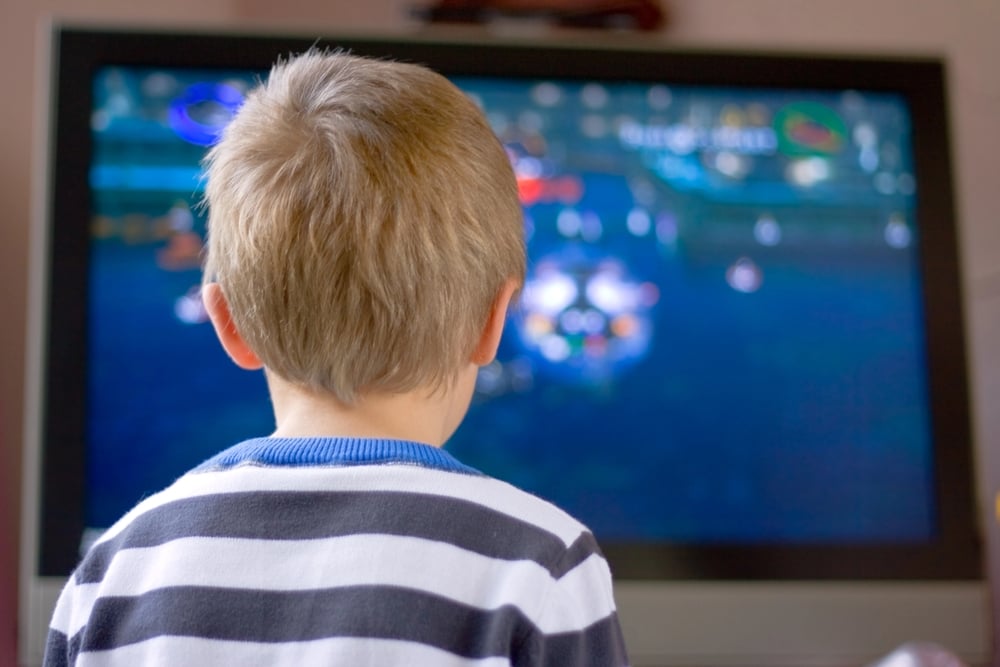
Appointment television meant planning your entire week around specific shows, and missing an episode meant waiting months for a rerun or never seeing it at all. Kids today cannot imagine the collective cultural experience of everyone watching the same show at the same time or the water cooler discussions that followed big episodes.
There was no pause button, no rewind, and definitely no binge-watching entire seasons in one sitting.
Like Go2Tutors’s content? Follow us on MSN.
Using Pay Phones
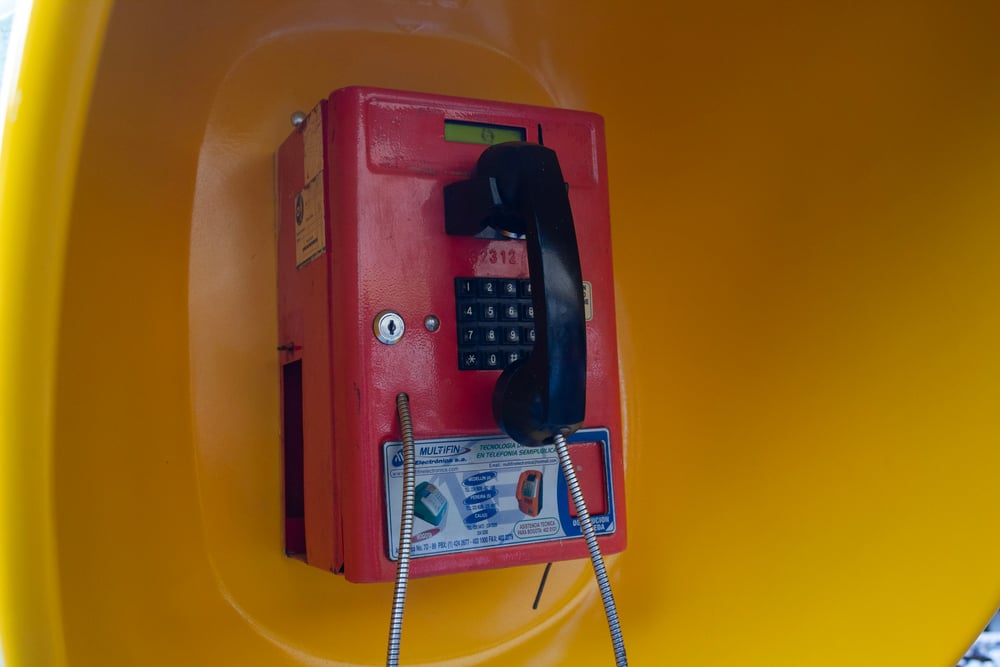
Those metal booths with heavy handsets and coin slots were once as common as fire hydrants, providing a vital communication link when you were away from home. Kids today will never experience the panic of not having enough quarters for an important call or the awkwardness of having a private conversation in a public space.
The phrase ‘phone home’ actually required finding a physical phone and having the correct change.
Buying Music One Album at a Time
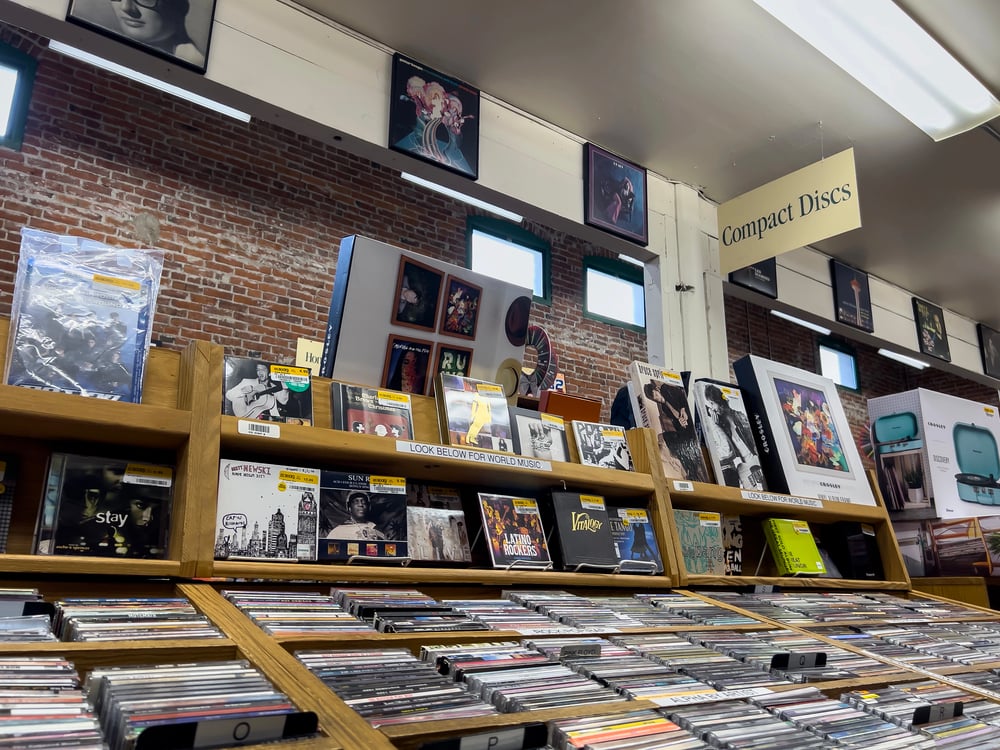
Each CD or cassette purchase was a significant investment that required careful consideration. Kids today will never understand the commitment of buying an entire album based on one good song.
You would listen to that album repeatedly, discovering hidden gems and learning to appreciate songs that did not immediately grab you. Music consumption was intentional and finite. You owned maybe a few dozen albums rather than having access to millions of songs.
Writing Letters and Waiting for Replies

Correspondence took weeks, not seconds, and the anticipation of receiving a letter in the mail was genuinely exciting for kids of previous generations. You had to think carefully about what you wanted to say since there was no delete button, and each letter represented a significant time investment.
The physicality of handwritten notes, the paper, the ink, the envelope, created a tangible connection that today’s instant messages simply cannot replicate.
Like Go2Tutors’s content? Follow us on MSN.
Developing Patience for Everything
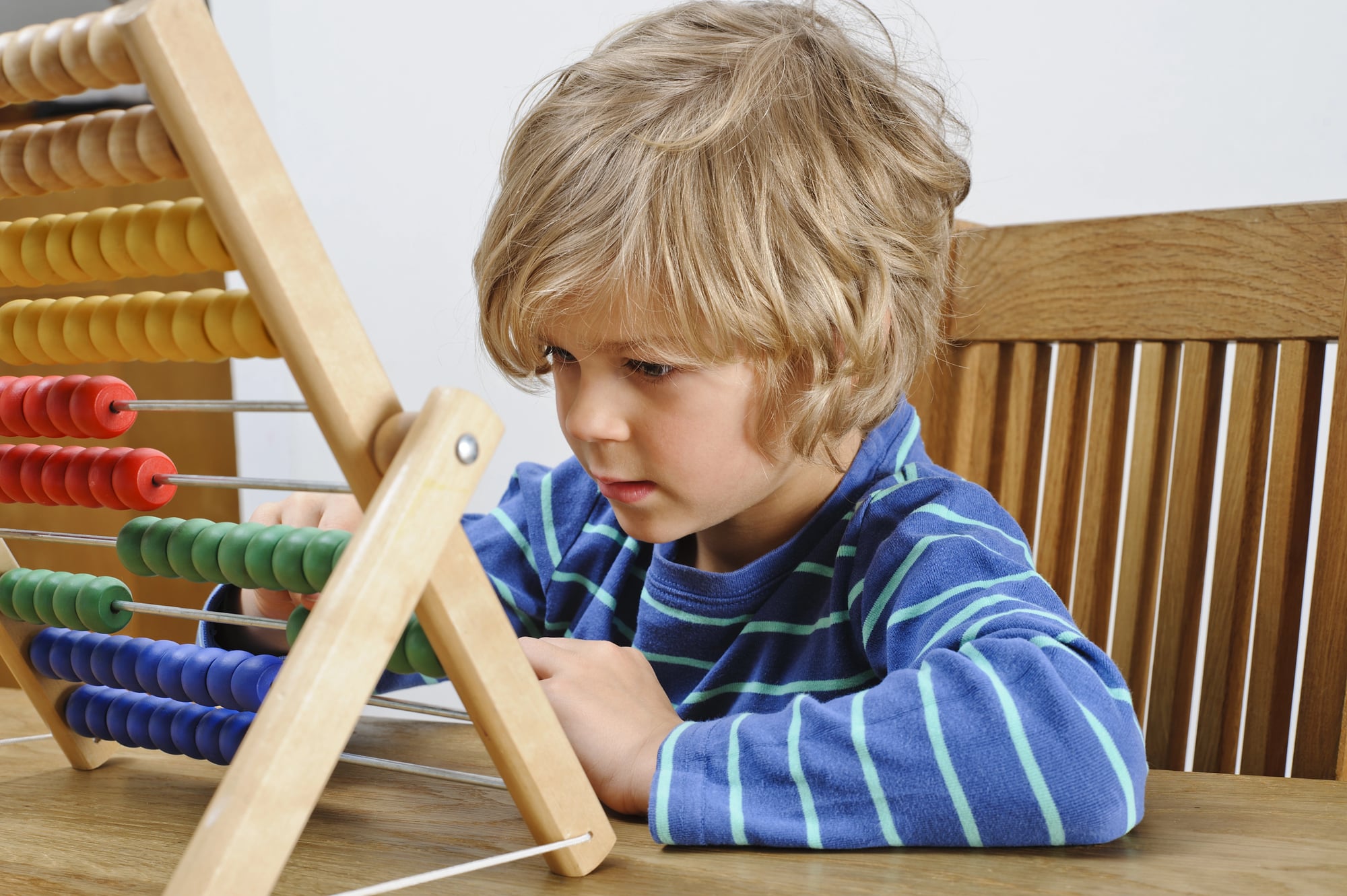
Perhaps the most significant difference is that kids today will never experience the slow pace of pre-digital life, where almost everything required waiting, planning, and patience. Whether it was waiting for pictures, saving money for a purchase, or planning to watch a specific show, delayed gratification was built into nearly every aspect of daily life.
This slower rhythm taught valuable lessons about anticipation, appreciation, and making the most of limited resources.
How the Past Connects to Today

These vanished experiences were not just inconveniences. They shaped entire generations’ approach to problem-solving, social interaction, and patience.
While today’s kids benefit from incredible convenience and instant access to information, they are also missing out on the satisfaction that came from working within limitations and finding creative solutions to everyday challenges. The skills developed through these seemingly mundane activities, spatial reasoning from map reading, social skills from phone conversations, research abilities from library visits, helped form the foundation for how people learned to navigate an analog world.
Understanding these differences helps us appreciate both how far technology has advanced and what we might have gained and lost in the transition to our hyperconnected present.
More from Go2Tutors!

- 16 Historical Figures Who Were Nothing Like You Think
- 12 Things Sold in the 80s That Are Now Illegal
- 15 VHS Tapes That Could Be Worth Thousands
- 17 Historical “What Ifs” That Would Have Changed Everything
- 18 TV Shows That Vanished Without a Finale
Like Go2Tutors’s content? Follow us on MSN.



