Unlikely Cities That Became Political Centers
Not all political power flows in the same predictable way as major cities or historically significant power centers. Throughout history, some of the most surprising locations in the world have become the focal points of entire nations, usually due to clever compromise, strategic planning, or just plain old luck.
These unlikely capitals and political hubs show how timing, geography, and politics can have the most unexpected effects.These are 13 surprising cities that defied expectations and became major centers of world politics.
Brasília’s Desert Dreams
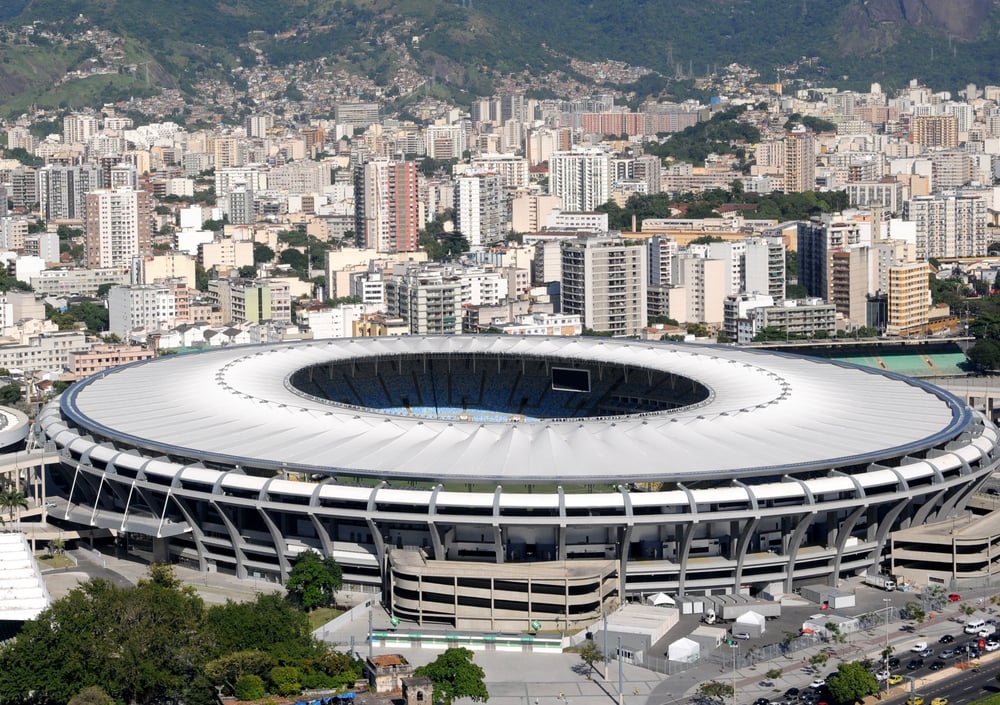
Brazil built an entire capital city from scratch in the middle of nowhere, with construction running from 1956 to 1960 before its official inauguration.President Juscelino Kubitschek moved the capital 600 miles inland from coastal Rio de Janeiro to encourage development of Brazil’s interior regions.
The futuristic city, designed by Oscar Niemeyer, now houses over 3 million people in what was once uninhabited wilderness.
Canberra’s Sibling Rivalry Solution
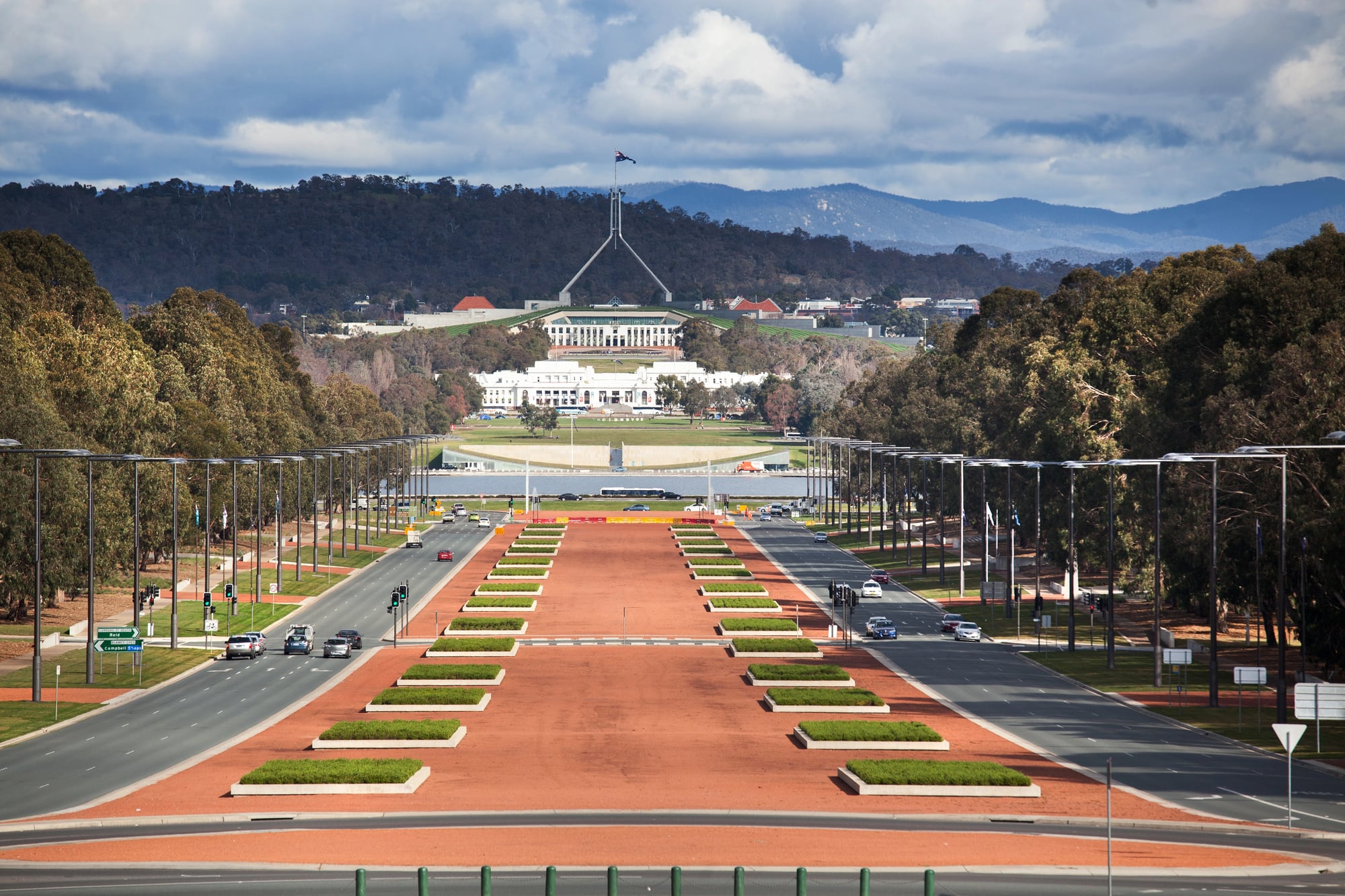
Australia couldn’t decide between Sydney and Melbourne for its capital, so it picked neither and created Canberra instead.The government chose a sheep farming area roughly halfway between the two rival cities in 1908, settling one of the young nation’s biggest political disputes.
What started as rolling pastures is now home to Parliament House and Australia’s federal government, proving that compromise can literally build cities.
Like Go2Tutors’s content? Follow us on MSN.
Ottawa’s Lumber Town Transformation

Queen Victoria selected Ottawa as Canada’s capital in 1857, shocking everyone who expected her to choose Toronto, Montreal, or Quebec City.The rough-and-tumble lumber town on the Ottawa River seemed like an odd choice for refined government business.
The queen picked it precisely because it sat safely inland and balanced French and English interests, turning a frontier settlement into the seat of Canadian power.
Bern’s Medieval Surprise

Switzerland’s capital isn’t Geneva or Zurich, but rather the medieval city of Bern, which became the federal seat almost by default.When Switzerland needed a capital in 1848, the larger cities were too politically powerful and threatened to dominate the new confederation.
Bern’s central location and smaller size made it the perfect neutral choice, allowing this 12th-century city to govern a modern nation.
Bonn’s Temporary Forever

West Germany intended Bonn to serve as a temporary capital after World War II, but the small university town ended up running the country from 1949 to 1990.Politicians chose Bonn over larger cities like Frankfurt specifically because it seemed provisional and wouldn’t compete with eventual reunification plans.
The sleepy Rhine River city became the unlikely stage for Cold War politics and economic miracle governance.
Like Go2Tutors’s content? Follow us on MSN.
Washington’s Swampy Compromise

America’s founders picked a location along the Potomac River that included wetlands, forests, and farmland, prioritizing political balance over practical considerations.The location satisfied both Northern and Southern states while giving the federal government its own territory separate from any existing state.
George Washington personally surveyed the area that would bear his name, transforming the mixed terrain into the world’s most powerful political address.
Astana’s Steppe Gambit

Kazakhstan moved its capital from Almaty to a remote steppe city originally called Akmola, later renamed Astana in 1998, then Nur-Sultan in 2019, and back to Astana in 2022.The capital sits in a harsh continental climate where temperatures swing from 100°F in summer to -30°F in winter.
President Nazarbayev chose this unlikely location to shift the country’s center of gravity northward and create a symbol of Kazakhstan’s independence and ambition.
Pierre’s Prairie Politics
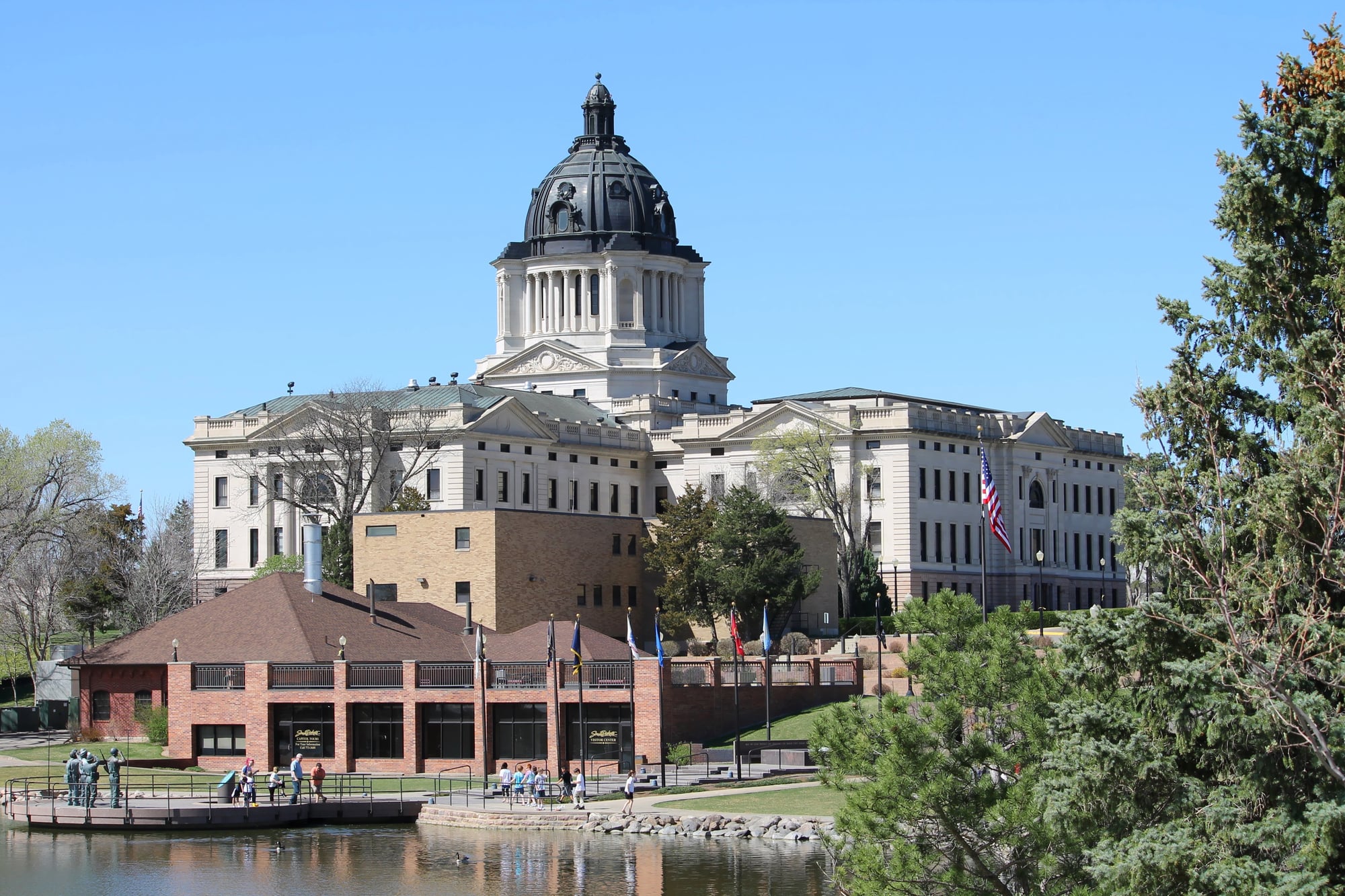
South Dakota chose Pierre (pronounced ‘peer’) as its capital instead of larger cities like Sioux Falls because of its central location along the Missouri River.The small frontier town beat out more established communities through strategic railroad connections and geographic compromise.
Pierre remains one of America’s smallest state capitals, with about 14,000 residents governing a state of nearly 900,000 people.
Like Go2Tutors’s content? Follow us on MSN.
Tallahassee’s Halfway Point
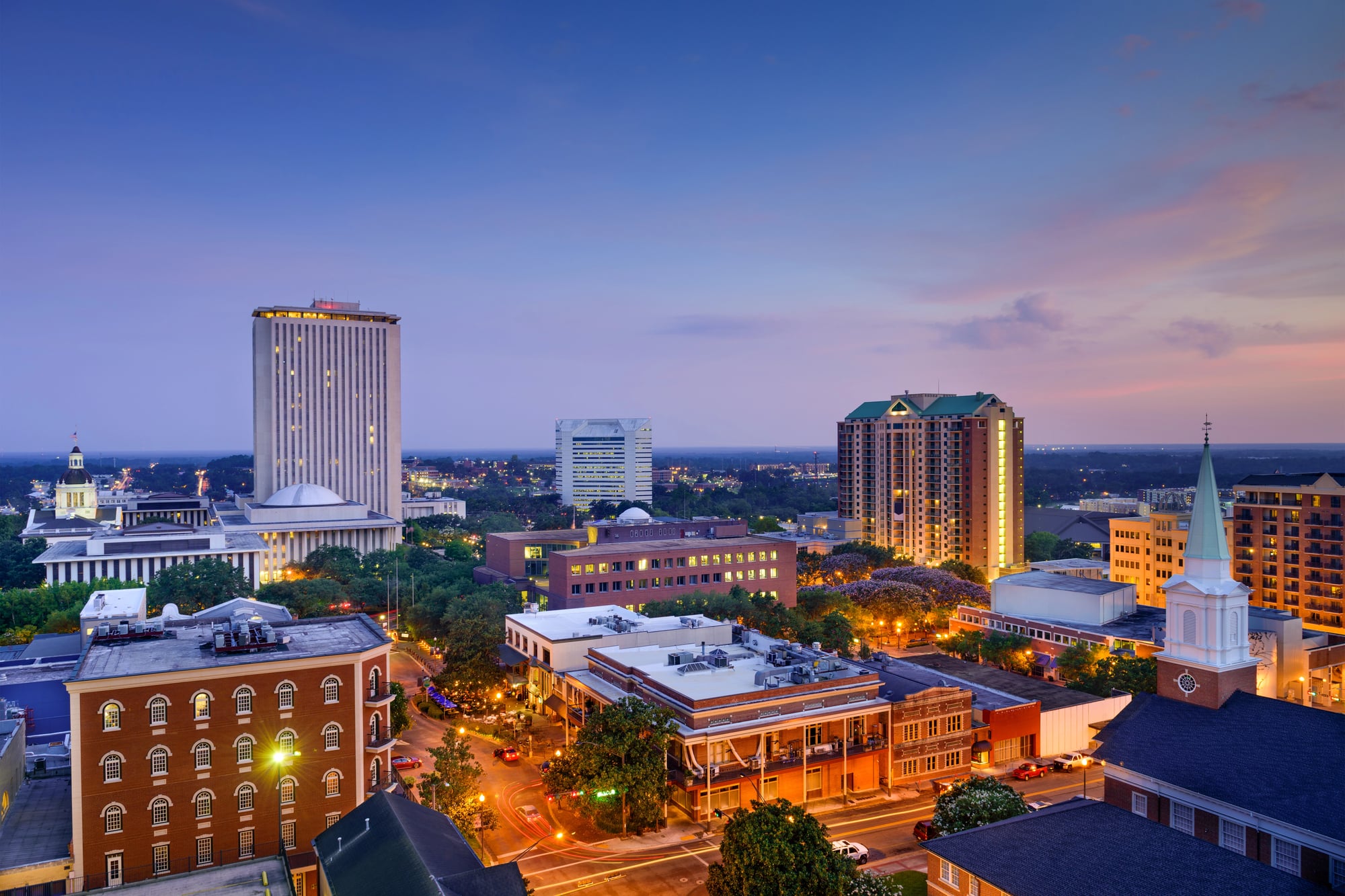
Florida picked Tallahassee as its capital in 1824 by literally finding the midpoint between the state’s two major cities, St. Augustine and Pensacola.Legislators on horseback met in the middle of what was then largely wilderness, establishing government in rolling hills rather than coastal plains.
The decision created one of the few American state capitals located inland rather than on major waterways or harbors.
Albany’s Dutch Legacy
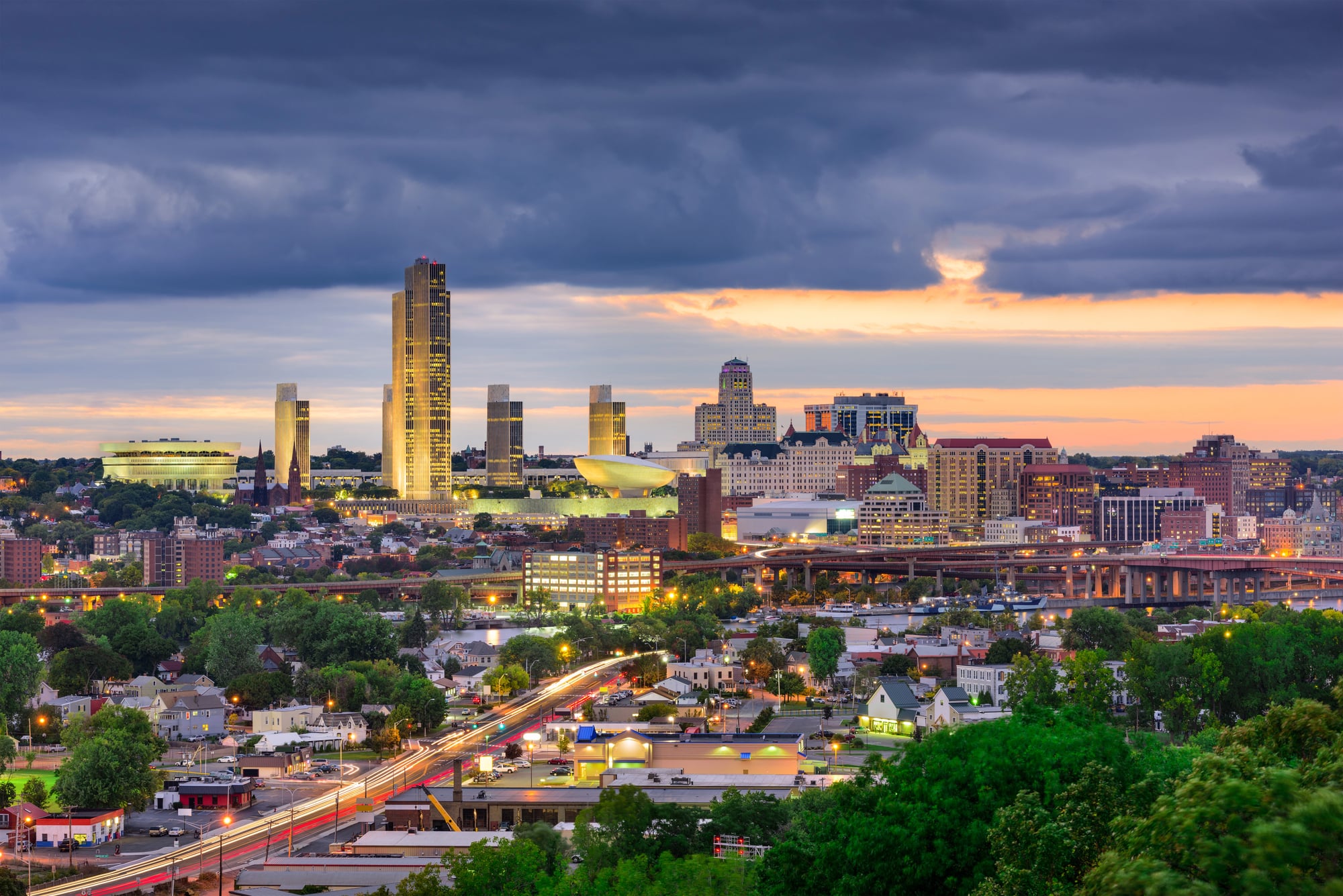
New York’s capital isn’t the famous metropolis of New York City, but rather Albany, a much smaller city 150 miles up the Hudson River.The Dutch established a fur trading post at Albany in 1614, and it remained politically important as colonial powers changed hands.
Albany’s location provided strategic river access to Canada while keeping the government safely away from the distractions and potential attacks facing coastal cities.
Carson City’s Mining Camp Origins
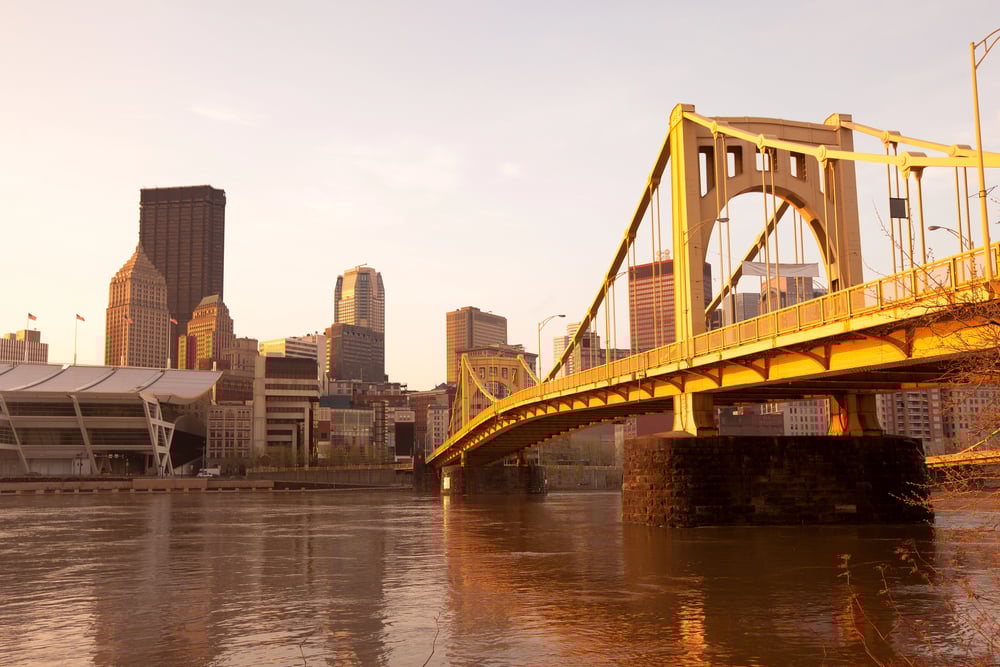
Nevada chose Carson City as its capital when it was barely more than a mining camp, passing over the larger and more established Virginia City.The small settlement in the Carson River valley offered better access to California and central Nevada’s silver mines.
Carson City became one of America’s smallest state capitals, governing the entire Silver State with a population that now reaches about 58,000 residents.
Like Go2Tutors’s content? Follow us on MSN.
Springfield’s Prairie Capital

Illinois moved its capital from Kaskaskia to Springfield in 1839, largely thanks to lobbying efforts by a young lawyer named Abraham Lincoln.Springfield was a small prairie town of about 2,500 people when it beat out larger and more established cities for the honor.
The central location allowed equal access from all parts of the rapidly growing state, turning a frontier settlement into the political heart of Illinois.
Montpelier’s Village Government

Vermont’s capital, Montpelier, remains the smallest state capital in America with about 7,500 residents.The city was chosen in 1805 partly because local citizens offered the most money to attract the government, outbidding larger communities.
Montpelier’s size means you might bump into the governor at the local coffee shop, creating an unusually intimate relationship between citizens and their political leaders.
When Geography Meets Politics

These unlikely capitals demonstrate how, when making political decisions, long-term planning, balance, and compromise are usually prioritized over immediate convenience or obvious choices.
Many of these cities were successful precisely because they weren’t the first choice, as they offered a compromise where competing interests could coexist. Their experiences show that political power can flourish anywhere there are the right conditions, a clear vision, and a need. These once-improbable government centers continue to have an impact on national and international affairs, proving that sometimes the most unexpected locations yield the most memorable political statements.
Like Go2Tutors’s content? Follow us on MSN.
More from Go2Tutors!

- 16 Historical Figures Who Were Nothing Like You Think
- 12 Things Sold in the 80s That Are Now Illegal
- 15 VHS Tapes That Could Be Worth Thousands
- 17 Historical “What Ifs” That Would Have Changed Everything
- 18 TV Shows That Vanished Without a Finale
Like Go2Tutors’s content? Follow us on MSN.