Collectible Items That Defined Different Decades
Every generation leaves behind a trail of objects that become more than just things. They turn into time capsules, little pieces of history that people hunt down at estate sales, dig out of attic boxes, or bid on during late-night internet auctions.
These items weren’t meant to be valuable when they first appeared, but somehow they captured the spirit of their time so perfectly that collectors can’t get enough of them.
Let’s take a walk through the decades and see what people were keeping, collecting, and treasuring along the way.
Depression glass

During the 1930s, movie theaters and gas stations gave away colorful glassware as promotions to keep customers coming back. These pieces came in soft pinks, greens, yellows, and blues, brightening up kitchens during America’s darkest economic period.
Families would collect entire sets one piece at a time, and the glass became a symbol of hope when hope was hard to find. Today, collectors seek out rare patterns like Cherry Blossom and American Sweetheart, with complete sets fetching hundreds or even thousands of dollars.
Bakelite jewelry

The 1940s belonged to Bakelite, the world’s first completely synthetic plastic that could be molded into just about anything. Women wore chunky bracelets, bold pins, and colorful necklaces made from this material that felt substantial and modern.
The jewelry came in wild colors and patterns that you couldn’t get with traditional materials, making it perfect for wartime fashion when metal was scarce. Collectors now test vintage pieces with hot water or special solutions to verify authenticity, and a single rare Bakelite bracelet can sell for over a thousand dollars.
Vintage lunch boxes
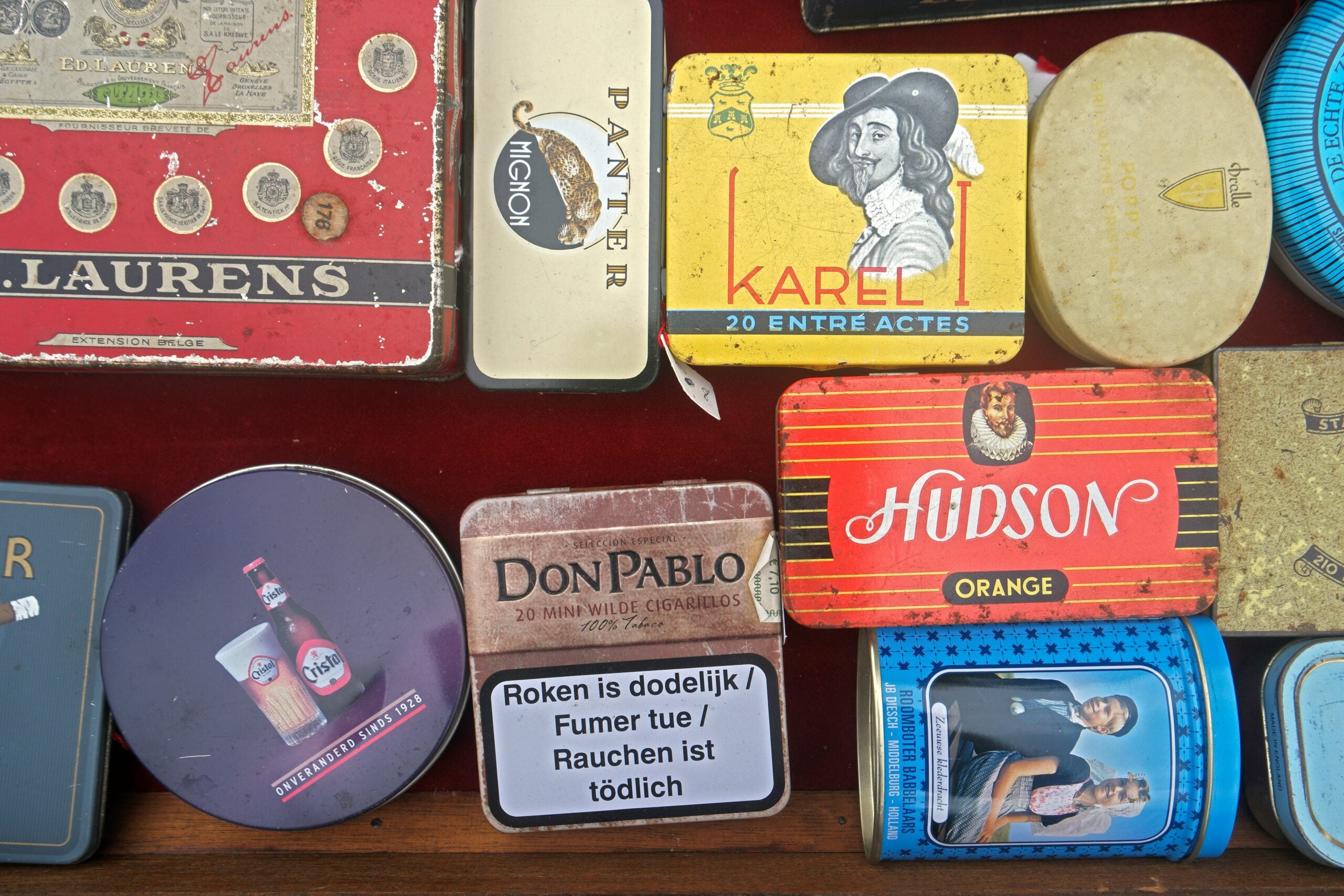
Kids carried their sandwiches to school in metal lunch boxes decorated with their favorite TV shows and cartoon characters starting in the 1950s. The Beatles, Star Wars, and Superman all got the lunch box treatment, turning a practical item into a miniature billboard of childhood obsessions.
These boxes got dented, scratched, and eventually tossed when kids outgrew them, which makes surviving examples in good condition particularly valuable. A mint condition 1954 Superman lunch box sold at auction for over $13,000, proving that what parents threw away became someone else’s treasure.
Milk glass

White, opaque glassware called milk glass showed up on shelves throughout the 1950s and early 1960s, often given away as premiums with laundry detergent or dish soap. Manufacturers like Fenton and Westmoreland produced hobnail patterns, ruffled edges, and delicate designs that looked elegant despite their humble origins.
The pieces were affordable enough for everyday use but pretty enough to display, which meant families actually used them instead of packing them away. Modern collectors appreciate the way milk glass fits with both vintage and contemporary decor, keeping demand steady for well-preserved pieces.
Tin toys

Before plastic took over, children played with tin toys that clicked, whirred, and rolled across floors with mechanical precision. Japanese manufacturers dominated the market in the 1950s and 1960s, producing robots, cars, and space ships with lithographed designs and wind-up mechanisms.
These toys were cheaply made and meant to be played with hard, so finding one in working condition with its original box is like striking gold. A rare tin robot from the 1950s can bring five figures at specialty auctions, especially if it still performs its original movements.
Trading cards
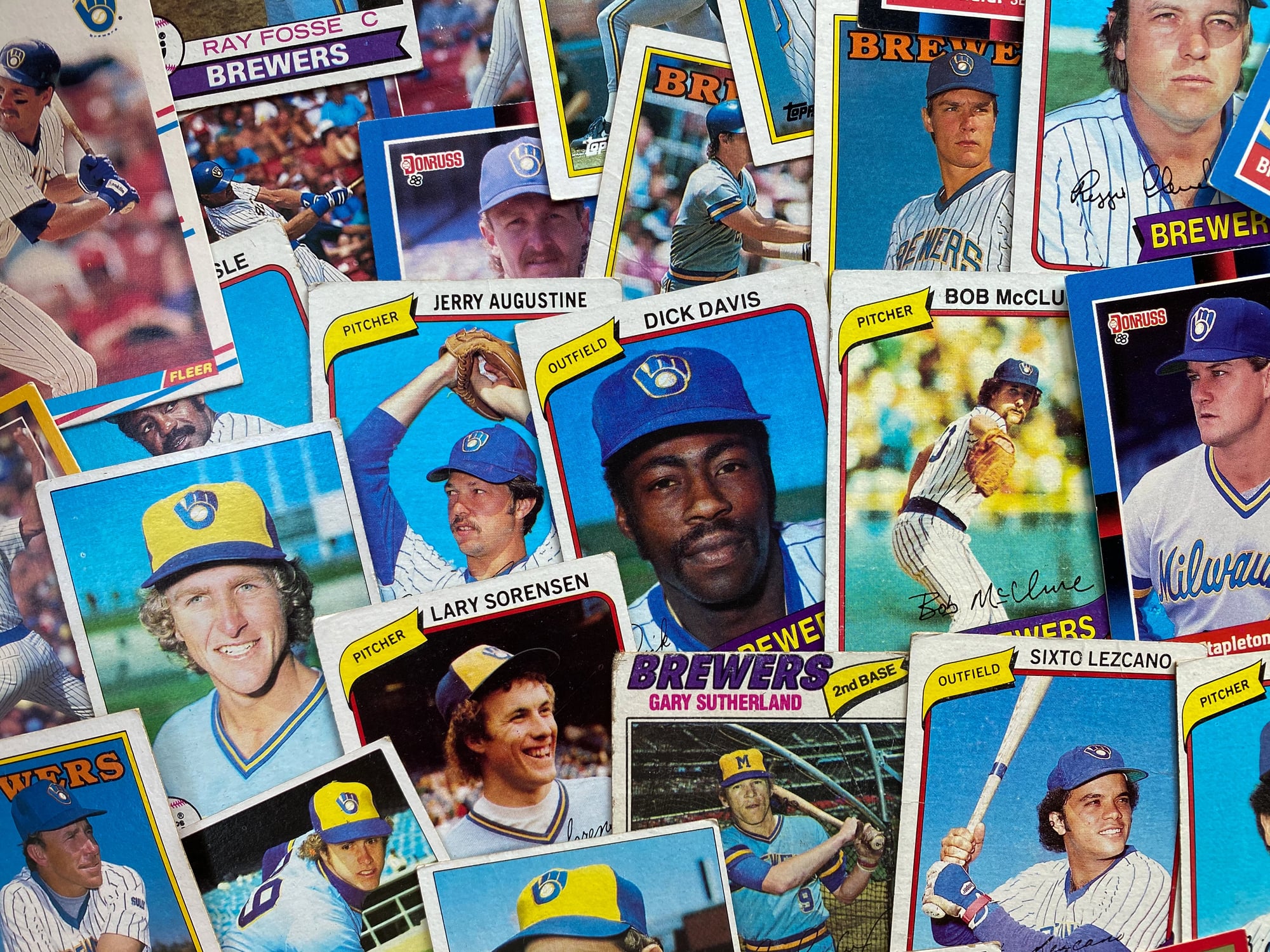
Baseball cards stuffed into packs of bubble gum became serious business in the 1950s and 1960s, with kids flipping, trading, and clothes-pinning them to bicycle spokes. Topps dominated the market, printing millions of cards that captured players at the height of their careers or the beginning of legendary runs.
Most cards got handled so much that corners bent and surfaces scratched, which makes pristine examples incredibly rare. A 1952 Topps Mickey Mantle card in gem mint condition sold for over $12 million in 2022, making it one of the most valuable collectibles ever sold.
Vinyl records
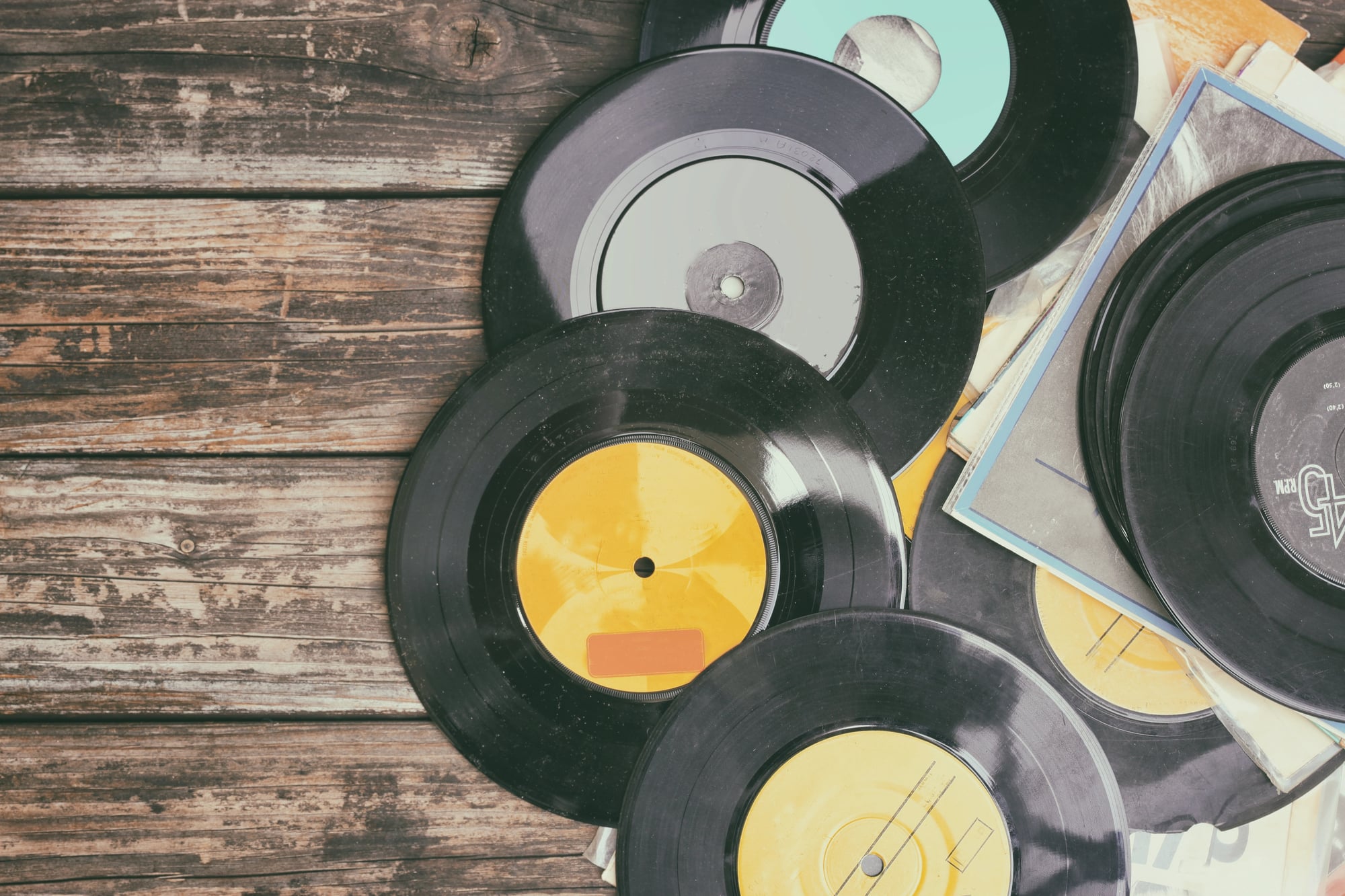
The 1960s and 1970s saw vinyl records become more than just music delivery systems. Album covers turned into art, liner notes became reading material, and pressing variations created accidental rarities that collectors would chase for decades.
First pressings, limited editions, and records from small labels command premium prices, especially when they come with original inserts and posters. The Beatles’ White Album numbered copies and rare punk singles can fetch thousands, and the vinyl market has only heated up as streaming makes physical media feel special again.
Cabbage Patch Kids

In 1983, a toy shortage created a frenzy that had parents literally fighting in store aisles over pudgy-faced dolls with adoption certificates. Each Cabbage Patch Kid came with a unique name and birth certificate, making every doll feel like a one-of-a-kind adoption rather than a mass-produced toy.
The craze died down eventually, but certain rare editions and early handmade versions from creator Xavier Roberts now sell for impressive sums. Collectors focus on unusual features, rare outfits, and dolls from the first production runs before millions flooded the market.
Atari cartridges
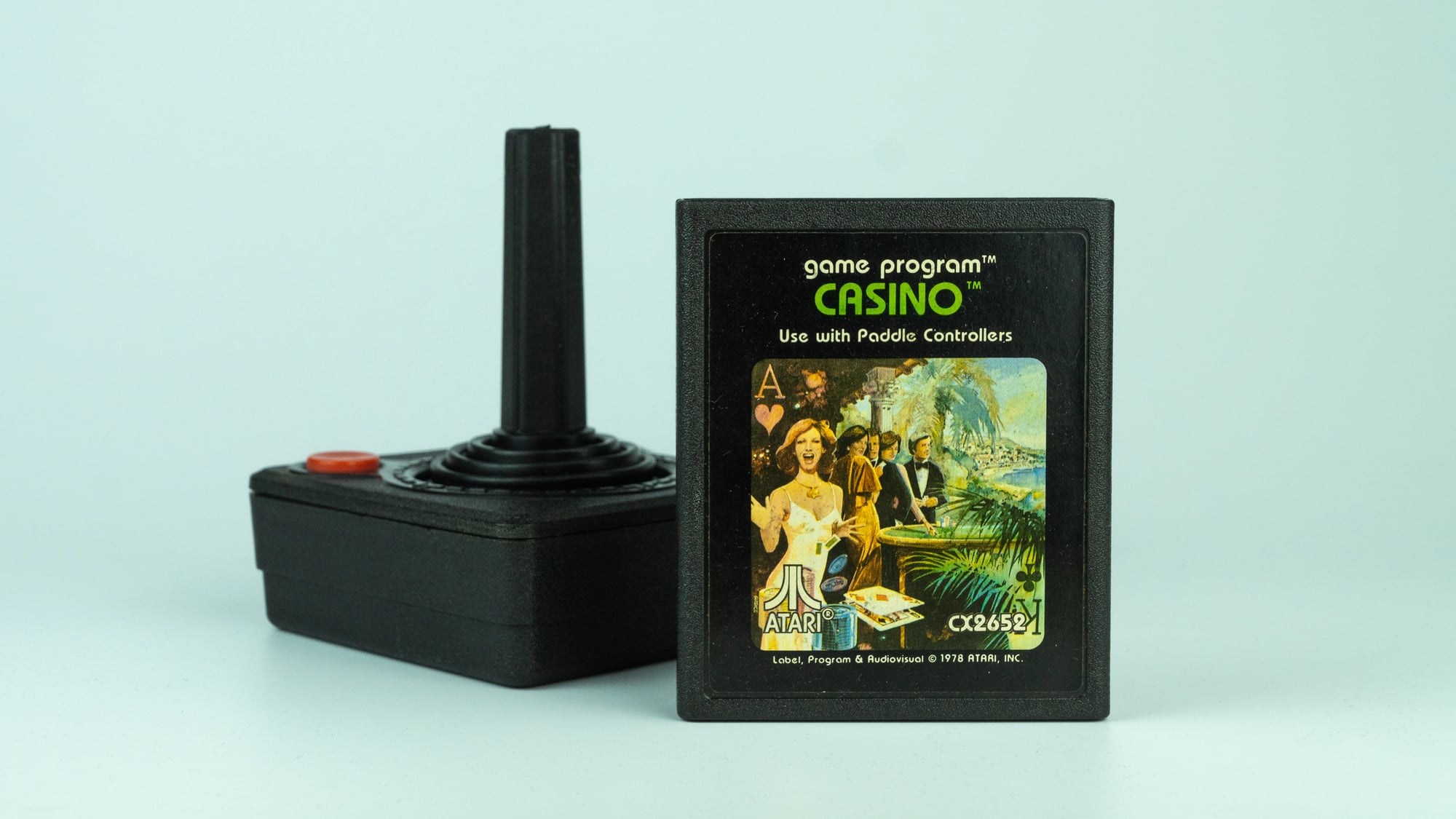
Video game cartridges from the late 1970s and early 1980s weren’t meant to last forever, but certain titles have become legendary among collectors. Games with limited production runs, controversial content, or ties to major franchises command serious money when they surface in good condition.
The infamous E.T. cartridge that nearly destroyed Atari actually sells well now because of its notoriety, while rare titles like Air Raid can bring thousands. Collectors want boxes, manuals, and cartridges in pristine shape, since most games get played until they stop working and then tossed without a second thought.
Beanie Babies

The mid-1990s saw a collecting mania that convinced regular people they were sitting on retirement funds made of bean-filled plush. Ty Inc. created artificial scarcity by retiring certain animals, fueling a secondary market where rare Beanies sold for thousands.
The bubble burst hard, leaving most collections worthless, but truly rare pieces like first-edition Princess Diana bears or misprinted tags still fetch good money. The Beanie Baby craze taught a generation about speculative collecting and the difference between manufactured hype and genuine rarity.
Pokemon cards

When Pokemon cards hit America in 1998, they combined gaming, collecting, and trading into a phenomenon that emptied allowances and sparked playground economies. Holographic Charizard cards became the ultimate prize, with kids trading dozens of common cards hoping to land one.
First edition cards from the original base set now sell for staggering amounts when graded in perfect condition, with a pristine Charizard breaking auction records. The Pokemon Company keeps printing new cards, but collectors focus on those early sets when nobody knew the franchise would still be going strong decades later.
Vintage concert posters
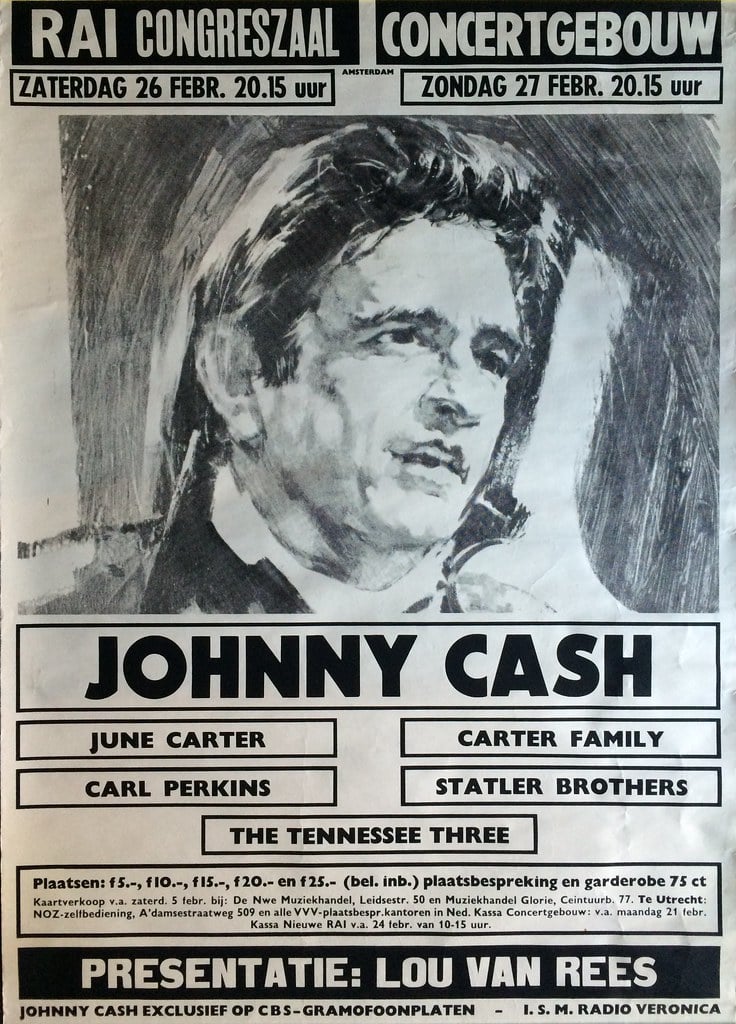
Rock concerts in the 1960s and 1970s produced psychedelic posters that advertised shows at venues like the Fillmore and Winterland. Artists like Rick Griffin and Stanley Mouse created designs that captured the visual language of the counterculture, making these posters art pieces in their own right.
Original concert posters got tacked to walls, weathered by thumbtacks and time, so finding one in good condition takes serious hunting. A rare Jimi Hendrix concert poster can sell for tens of thousands, especially if it advertised a particularly legendary show.
Action figures from the 1980s
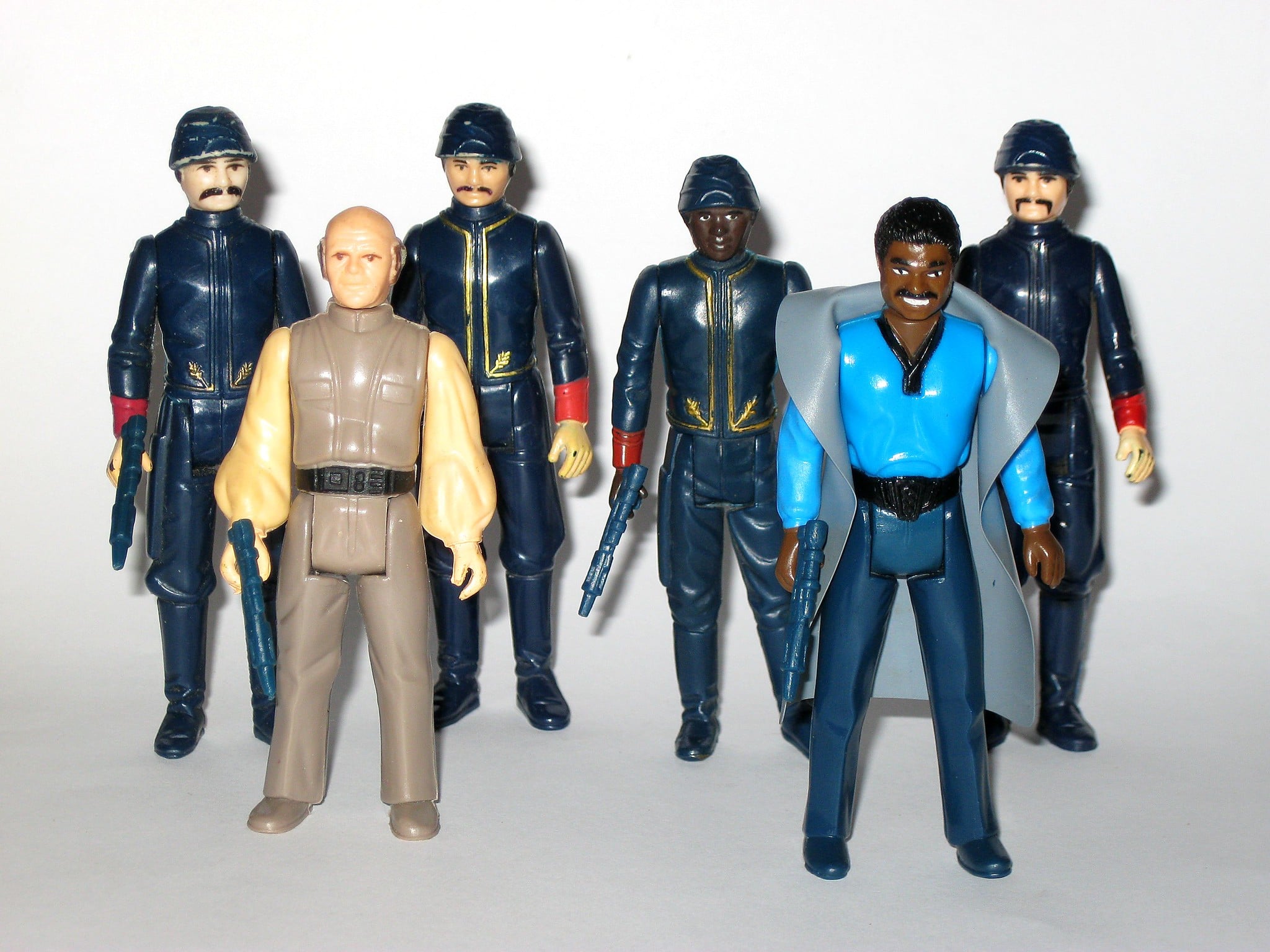
Star Wars, G.I. Joe, and Transformers action figures dominated toy boxes throughout the 1980s, but most kids ripped them from packages and played until parts broke or got lost. Collectors now seek out figures still sealed in their original packaging, which protects them from the wear and tear of actual play.
The difference between a loose figure and one mint on card can be thousands of dollars, and rare characters or variants command even more. A rocket-firing Boba Fett prototype that never made it to production sold for over $200,000, showing how prototype and pre-production items can be the holy grail.
Vintage video game consoles
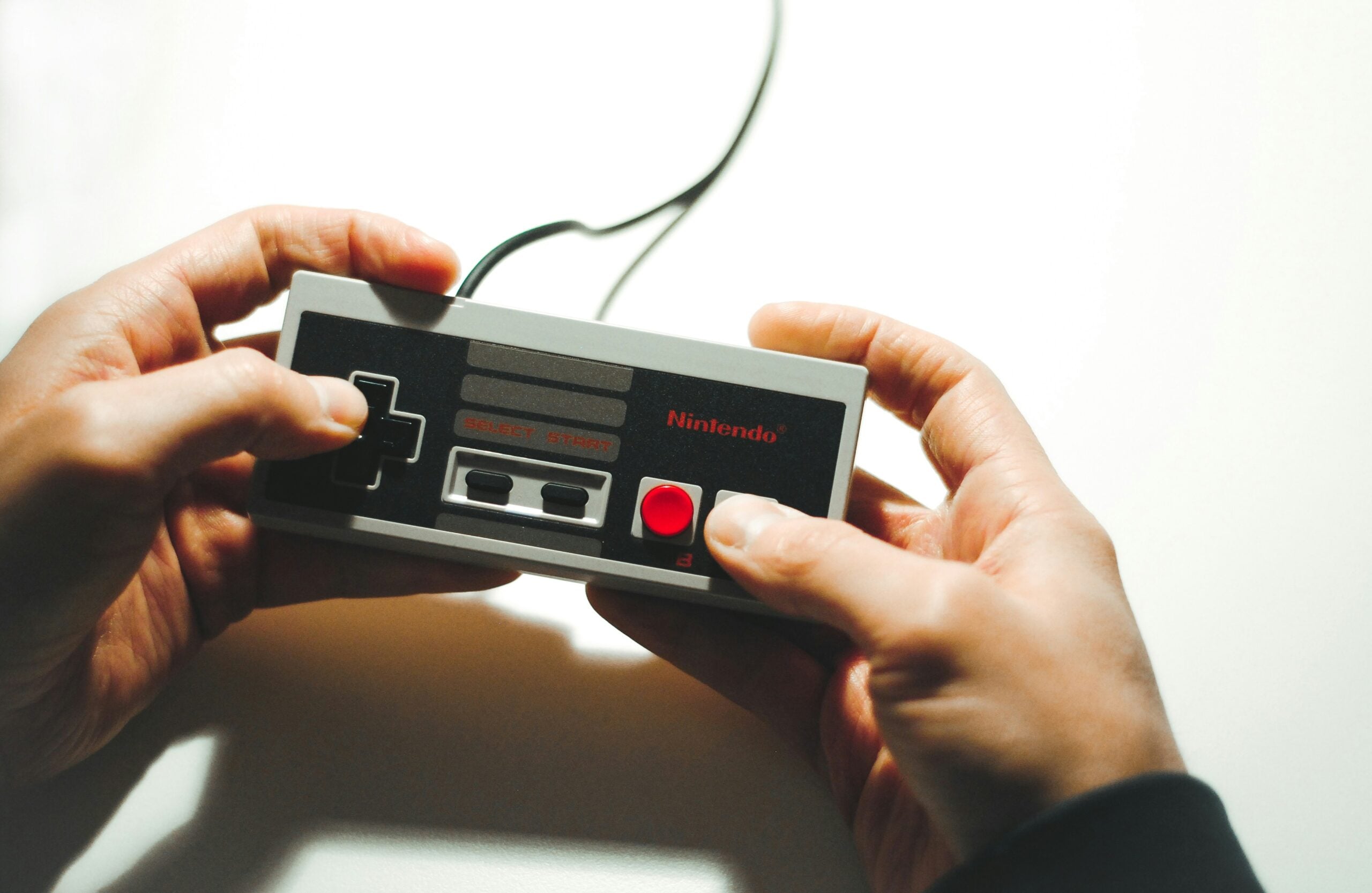
Original Nintendo Entertainment Systems, Sega Genesis units, and other consoles from the 1980s and 1990s have become collectible as retro gaming gained popularity. Complete systems with original boxes, inserts, and even the Styrofoam packaging fetch premium prices from collectors who want to preserve gaming history.
Special edition consoles, limited releases for specific regions, and variants with unique colors or bundled games are particularly sought after. The market has grown enough that reproduction boxes and aftermarket parts have flooded in, making authentication important for serious collectors.
McDonald’s Happy Meal toys

Fast food promotions created countless plastic toys that mostly ended up in landfills, but certain sets have become surprisingly collectible. Disney movie tie-ins, Beanie Babies Happy Meal editions, and toys from the 1980s and 1990s that came in themed series all have dedicated collectors.
Complete sets with original packaging command the most money, since individual toys were usually played with immediately and discarded when the next promotion arrived. Some rare international releases or recalled toys have become valuable simply because so few survived.
Vintage band t-shirts
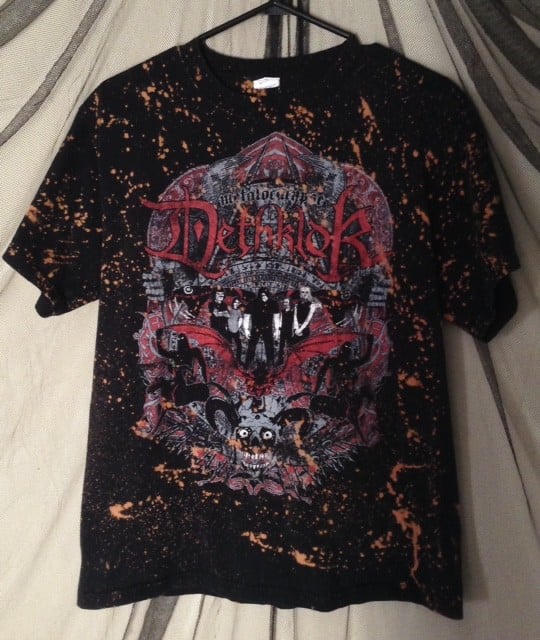
Concert t-shirts from the 1970s, 1980s, and 1990s have transformed from souvenirs into investment pieces worth hundreds or thousands of dollars. Original tour shirts got worn, washed, and eventually used as rags or thrown away, making survivors with vivid printing and intact tags incredibly rare.
Collectors authenticate vintage band shirts through printing methods, tag styles, and copyright dates, since reproductions flood the market. A genuine 1980s Metallica or Iron Maiden tour shirt can sell for over a thousand dollars, and earlier shirts from legendary artists only get harder to find.
Early Apple computers
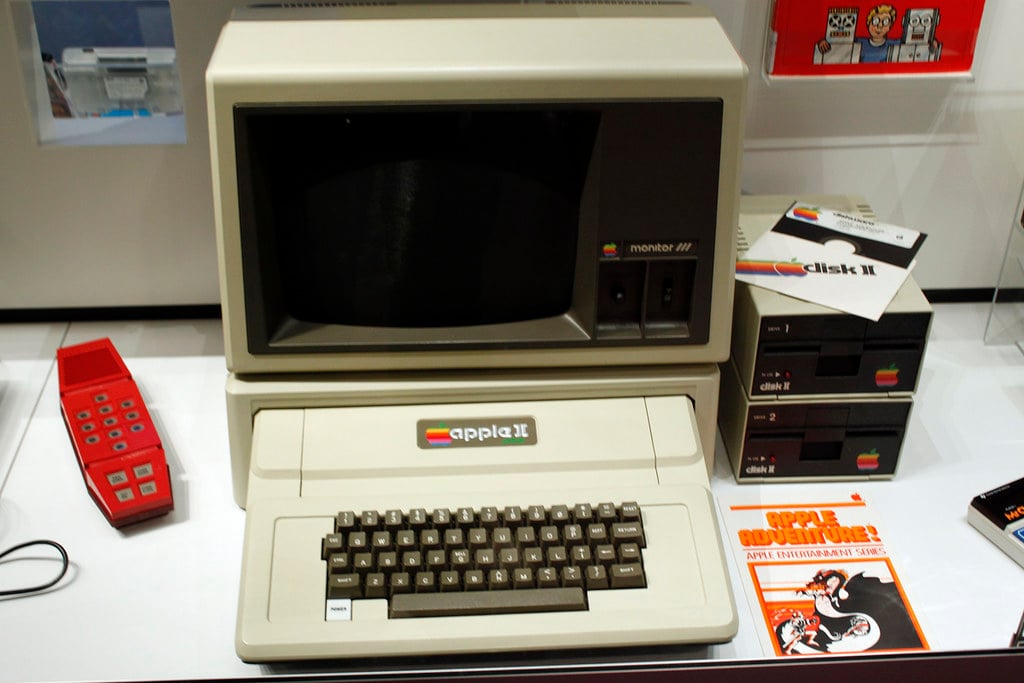
Back when Steve Jobs and Steve Wozniak tinkered in a garage, building clunky boxes, no one thought they’d end up behind glass in museums or fetching big cash at auctions. Take the Apple-1—only around 200 ever existed, less than 80 still around—and it now trades for way over $100k.
Devices like the first Macintosh, or those chunky iMacs with see-through rainbow shells? Yep, people hunt those down too. They mark where home computing kicked off; as working units vanish, what’s left gains even more worth.
First edition books
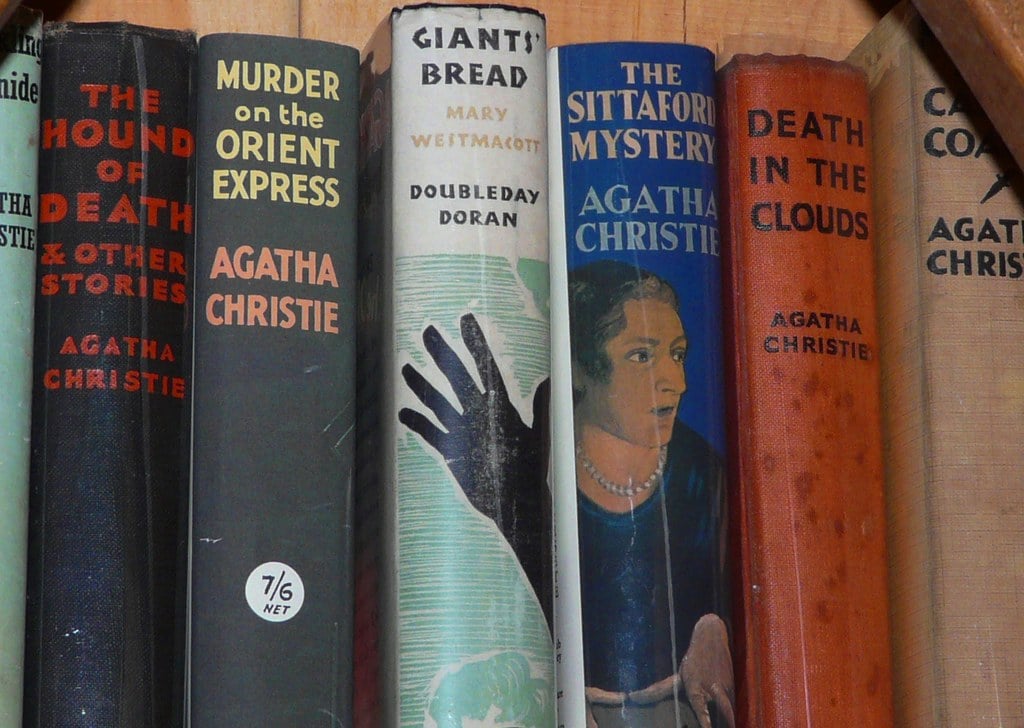
Book collecting covers every era, yet some 20th-century first prints stand out as values rose with an author’s fame. Take early UK Harry Potter copies—those with mistakes in print—some sell for huge sums.
Same goes for debut issues by writers such as Hemingway, Fitzgerald, or Salinger, especially if their original cover sleeves are still attached. How clean the copy is, what edition it counts as, and who owned it before—all play big roles here.
In fact, tiny details in how a book was printed might turn a $50 buy into something worth way more.
What these things show us

The stuff folks saved from old years shows what was big back then—what children nagged their parents for, also what grown-ups figured deserved a spot on the shelf. Certain items shot up in price right away since there weren’t many around, whereas others turned precious just ’cause nearly everyone tossed them out.
Demand for retro stuff shifts constantly as younger crowds stumble upon toys and trinkets that shaped earlier eras; something seen as junk now could grab top dollar later. Sure, cash plays a role, yet it’s more than profit.
It’s about clinging to bits of history, recalling when each piece felt fresh, thrilling, common.
More from Go2Tutors!

- The Romanov Crown Jewels and Their Tragic Fate
- 13 Historical Mysteries That Science Still Can’t Solve
- Famous Hoaxes That Fooled the World for Years
- 15 Child Stars with Tragic Adult Lives
- 16 Famous Jewelry Pieces in History
Like Go2Tutors’s content? Follow us on MSN.