Unusual Collections Displayed in Museums
Most folks think of paintings, old bones, or dusty relics when they step into a museum. Yet in different corners of the planet, caretakers gather oddities that surprise you instead.
Some of these spots highlight weird twists, forgotten bits, or just plain odd expressions of what people make and care about. What turns an object into something a museum would want? These exhibits show that every item people create, touch, or go nuts over holds a tale fit for saving.
The Museum of Broken Relationships
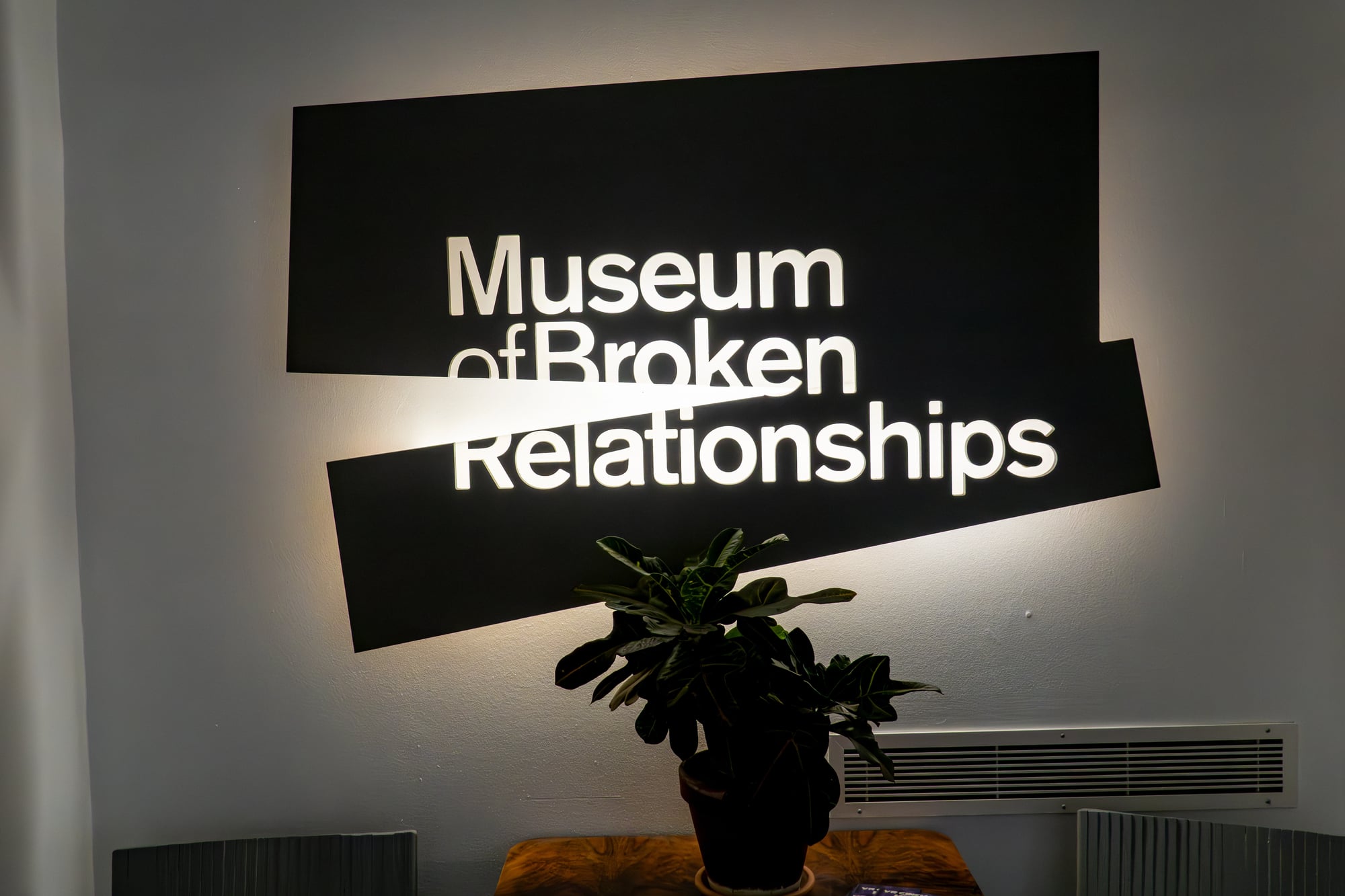
Zagreb, Croatia houses a museum dedicated entirely to failed relationships. Visitors walk through displays of ordinary objects—a pair of shoes, a garden gnome, an axe—each accompanied by a brief story explaining its connection to a relationship that ended.
A woman donated the axe she used to destroy her ex-boyfriend’s furniture. Someone contributed a single prosthetic leg, explaining that their partner left them and took the matching one.
The toaster was from a marriage that lasted exactly as long as the warranty. The collection grew from a traveling exhibition by two Croatian artists who had ended their own relationship.
They invited others to contribute objects and stories. The response overwhelmed them. Apparently, everyone has relationship debris they don’t know what to do with.
Cancun Underwater Museum

Most museums ask you not to touch the exhibits. This one in Mexico expects you to swim through them.
Over 500 life-sized sculptures rest on the ocean floor in the waters around Cancun and Isla Mujeres. British sculptor Jason deCaires Taylor designed most of the installations using pH-neutral materials that encourage coral growth.
The sculptures serve as artificial reefs. Within months of installation, marine life colonizes the figures. Coral grows on their faces. Fish nest in their crevices.
The collection includes a sculpture garden of people sitting at desks, a Volkswagen Beetle, and a two-story house. Divers and snorkelers visit the site, turning an environmental restoration project into an otherworldly art experience.
The Hair Museum
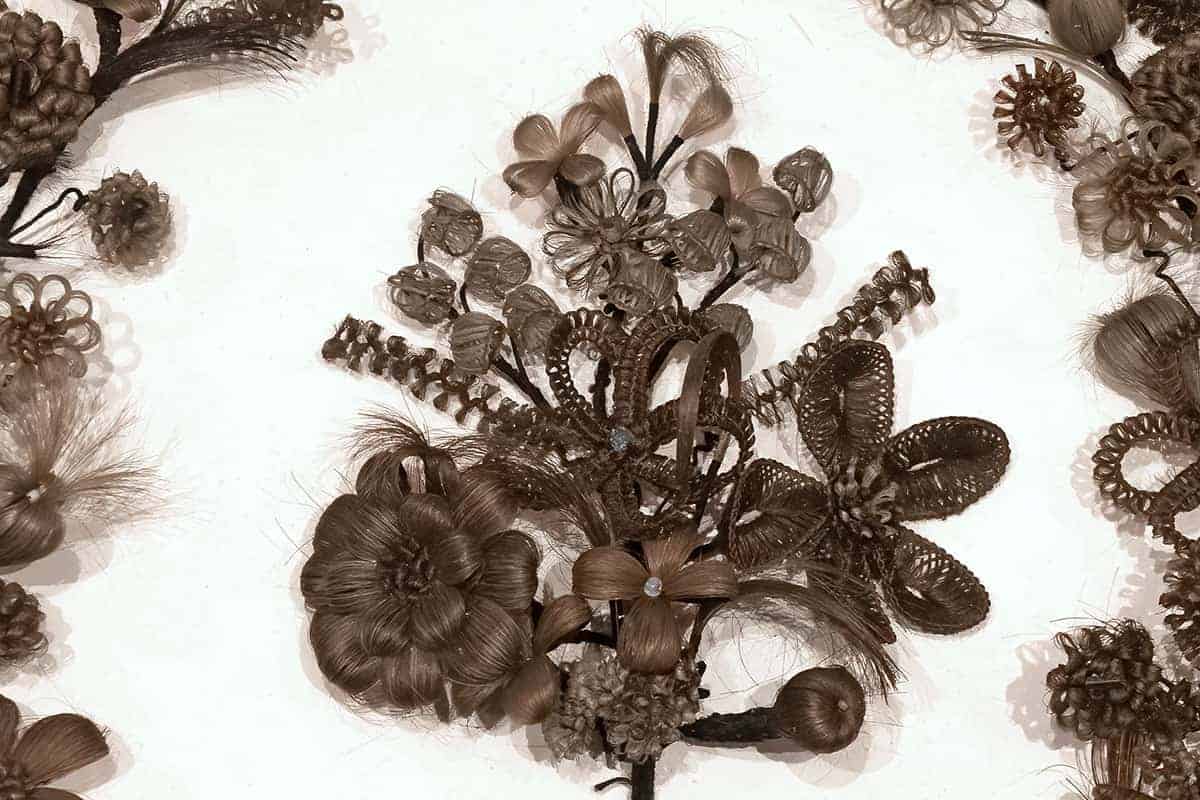
Leila’s Hair Museum in Independence, Missouri displayed wreaths, jewelry, and artwork made entirely from human hair. The collection spanned over 600 hair wreaths and more than 2,000 pieces of jewelry, with some dating back to the early 1800s.
The museum permanently closed in September 2025 after the passing of its founder, Leila Cohoon. Victorian mourning practices drove much of this craft. When someone died, family members would weave their hair into intricate designs as keepsakes.
Hair doesn’t decay, making it a permanent memorial. The wreaths could contain hair from multiple generations of a family. The jewelry was equally elaborate. Bracelets, brooches, and watch chains incorporated braided hair in complex patterns.
Some pieces included tiny portraits or inscriptions. Looking at these objects felt intimate and uncomfortable in equal measure.
Meguro Parasitological Museum
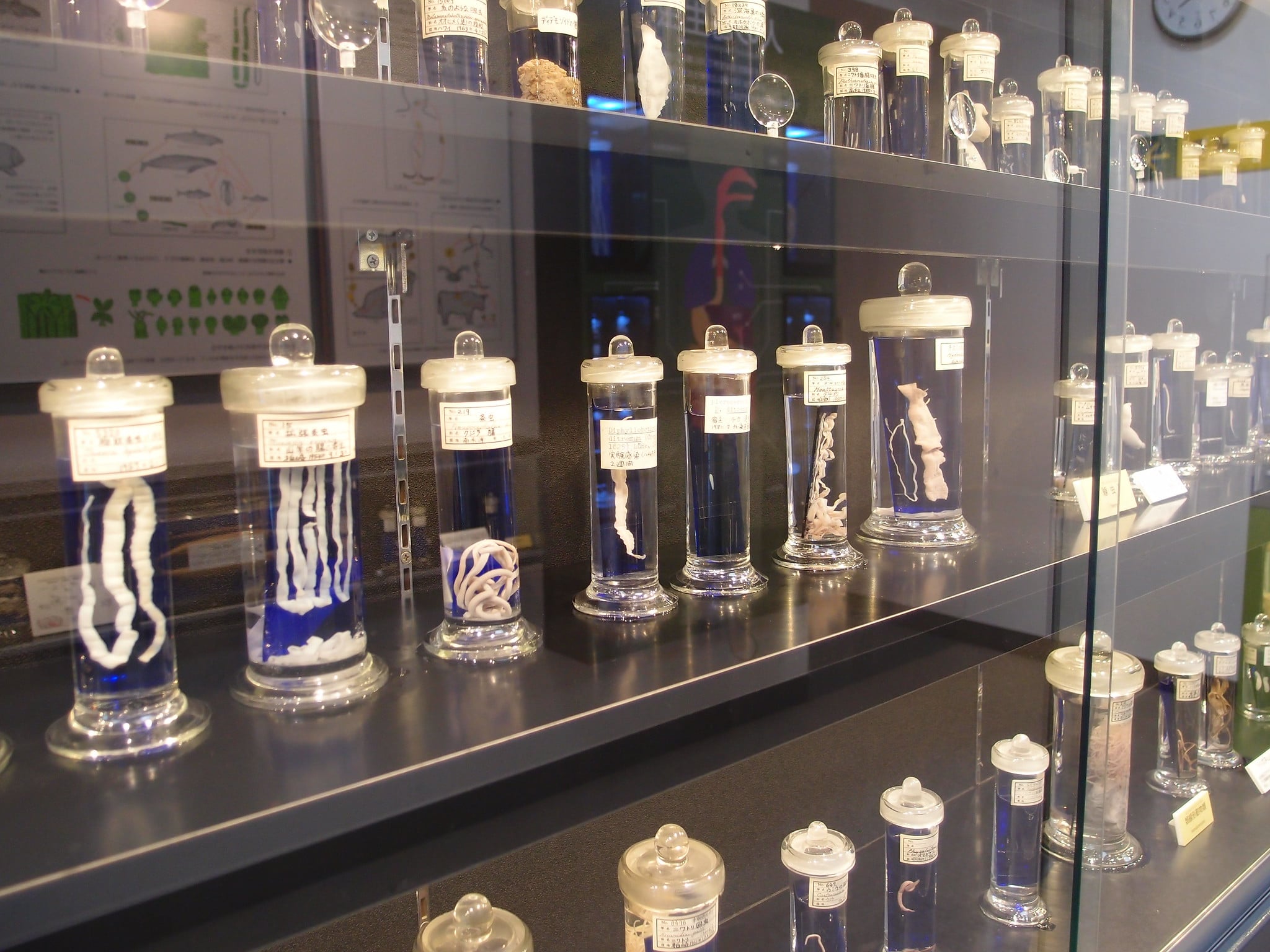
Tokyo’s parasite museum holds the world’s largest collection of parasites and parasite-related scientific specimens. Over 60,000 items fill the collection, with about 300 on display at any time.
The star attraction is an 8.8-meter tapeworm removed from a patient. It’s displayed stretched out to its full length so visitors can appreciate just how much of this creature was living inside a human body.
Other displays show parasites preserved in jars, microscope slides, and detailed anatomical drawings. The museum takes its mission seriously. It’s a research institution, not just a curiosity cabinet.
But that doesn’t make it any less unsettling to look at creatures designed to live inside other organisms.
Museum of Bad Art
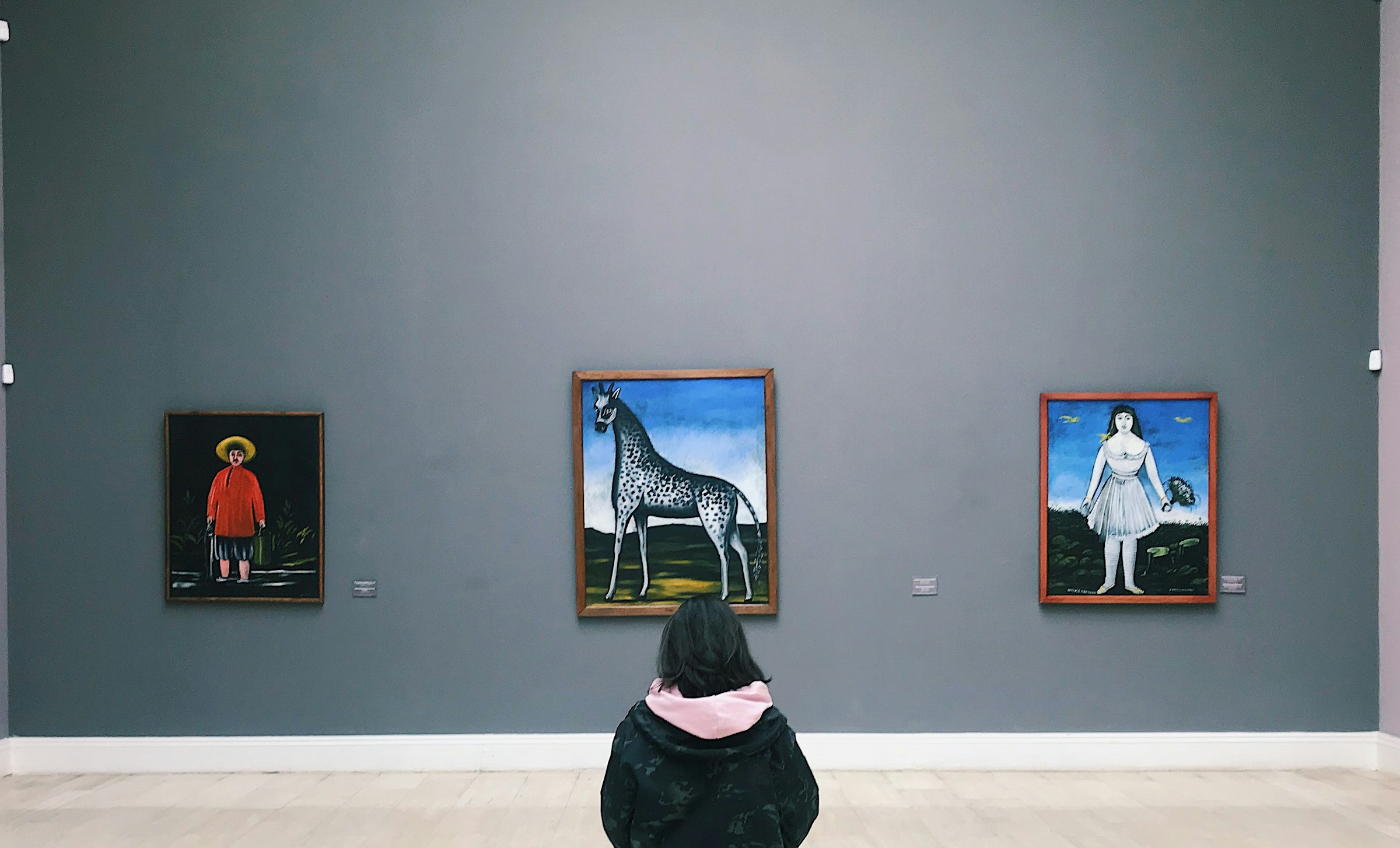
This collection celebrates art that’s too good to ignore but too flawed to display in conventional museums. Founded in 1994, the Museum of Bad Art (MOBA) has acquired hundreds of pieces rescued from trash bins and thrift stores.
The curators look for sincere artistic effort that went genuinely wrong. They reject intentionally bad art or art by children. The pieces must show that someone tried hard and missed the mark in spectacular fashion.
The collection includes portraits with anatomical impossibilities, landscapes defying the laws of perspective, and still lifes that somehow make fruit threatening. Each piece gets an earnest title and description, treating it with the same respect a traditional museum gives to masterpieces.
International Banana Museum
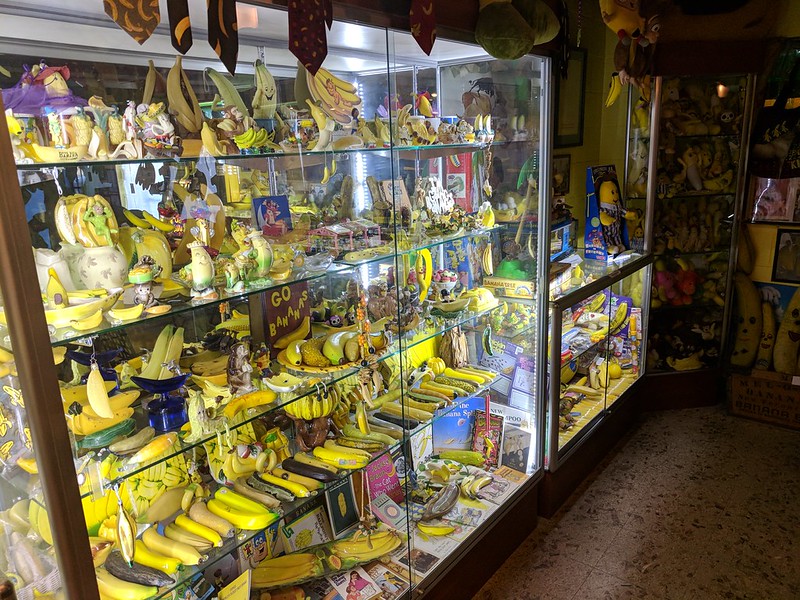
Mecca, California hosts over 25,000 banana-related items in what claims to be the world’s largest collection devoted to a single fruit. The collection includes banana furniture, banana clothing, banana toys, and banana art.
Owner Fred Garbutt started collecting in the 1970s and never stopped. The museum takes over an entire building. Every surface holds something banana-shaped or banana-themed.
There are banana phones, banana lamps, banana cookie jars, and banana everything else imaginable. The collection raises a philosophical question: at what point does a hobby become pathological?
Garbutt crossed that line decades ago and kept going. The result is simultaneously impressive and concerning.
The Dog Collar Museum

Leeds Castle in Kent, England maintains a collection of dog collars spanning five centuries. Over 100 collars show how humans have protected and decorated their dogs throughout history.
Medieval collars were purely functional—heavy iron rings with spikes pointing outward to protect hunting dogs from wolves and boars. Renaissance collars added decoration. By the Victorian era, collars had become elaborate fashion statements with velvet padding and silver fittings.
The collection includes collars that belonged to famous dogs and noble families. Some feature family crests. Others have elaborate engravings.
The progression from brutal necessity to baroque luxury says something about how humanity’s relationship with dogs evolved.
Museum of Toilets
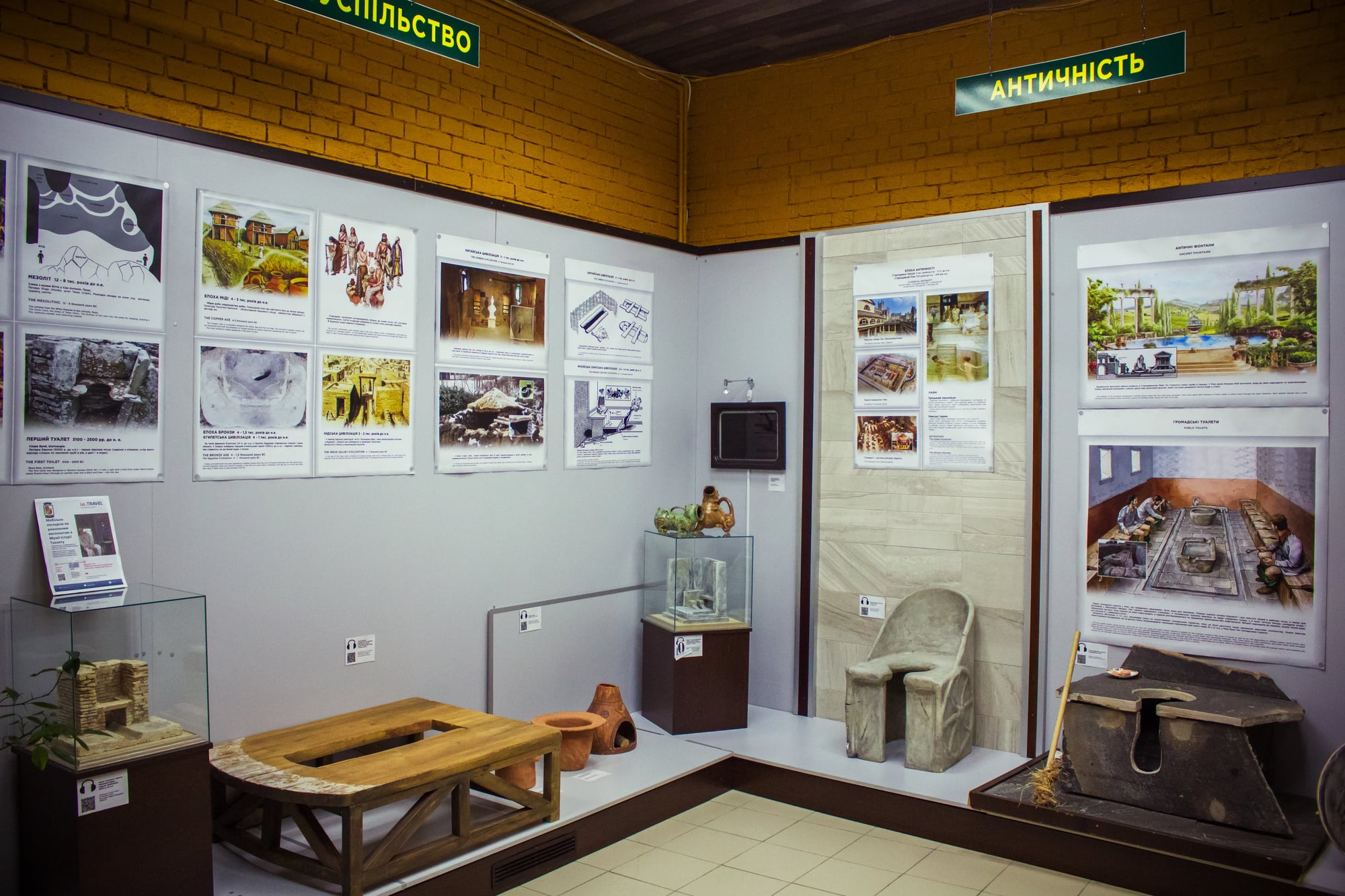
New Delhi’s Sulabh International Museum of Toilets documents 4,500 years of sanitation history. The collection includes chamber pots, bidets, commodes, and toilet-related artifacts from around the world.
Ancient Roman latrines, medieval close stools, and Victorian-era water closets show technological and cultural evolution. The museum displays toilet poetry, toilet humor, and toilet-themed art.
There’s a reproduction of King Louis XIV’s throne-like toilet, which he reportedly used while holding court. The museum’s mission is serious. Proper sanitation remains a pressing global issue.
But walking through a museum dedicated entirely to toilets still feels surreal, no matter how important the message.
The Museum of Witchcraft and Magic
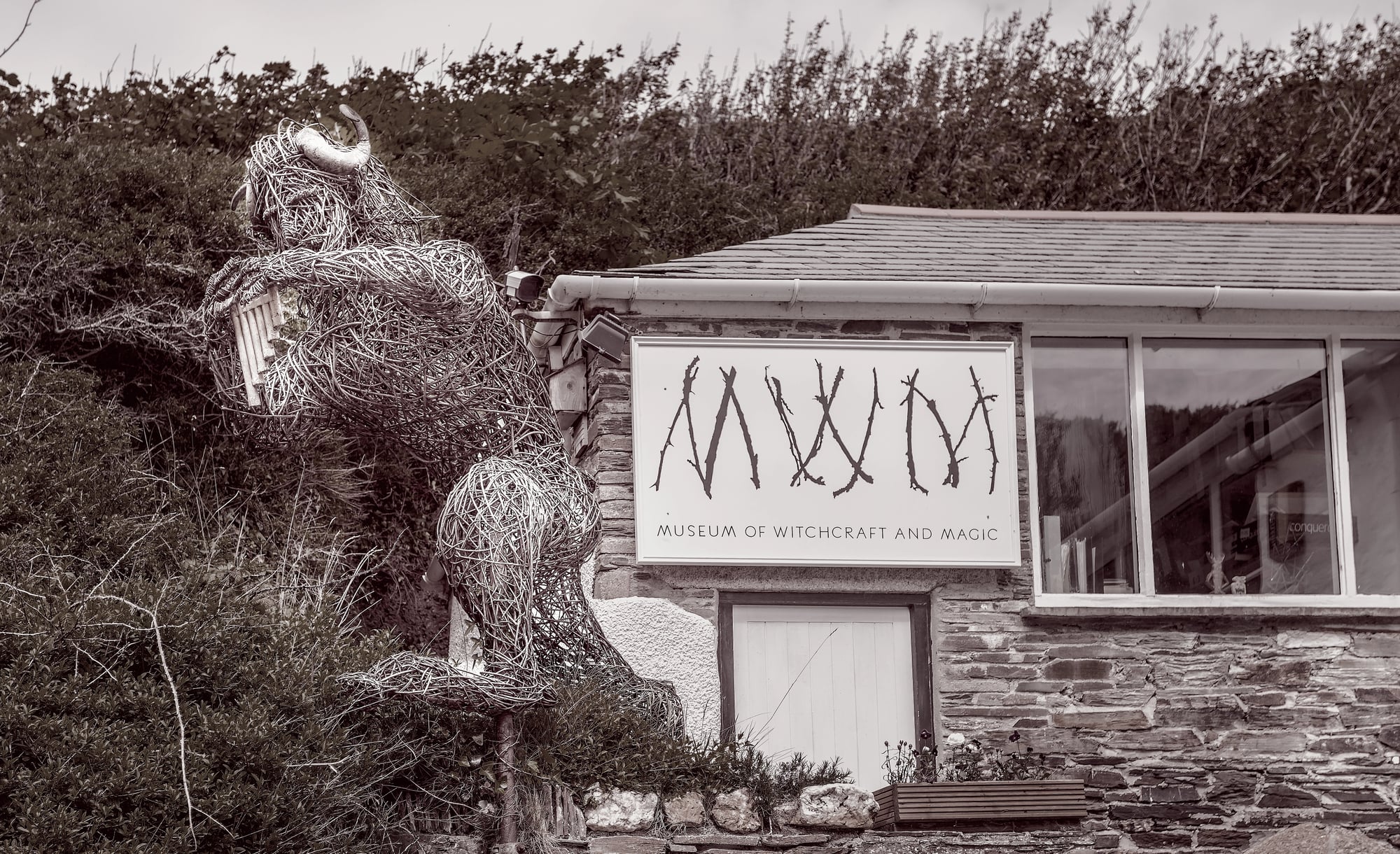
Boscastle, Cornwall houses the world’s largest collection of objects related to witchcraft and folk magic. Over 3,000 items include ritual tools, spell books, scrying mirrors, and objects used in curses.
The collection takes a scholarly approach to its subject. Displays explain different magical traditions without judgment. You’ll find materials related to Wicca, traditional English cunning craft, ceremonial magic, and folk superstitions.
Some objects carry disturbing histories. One display contains a witch’s ladder—a cord with feathers woven in, supposedly used for cursing. Another shows a mummified cat found in a wall, placed there as protection against evil spirits.
The museum doesn’t claim these things work, but it preserves them as cultural artifacts.
Psychiatric Museum Glore
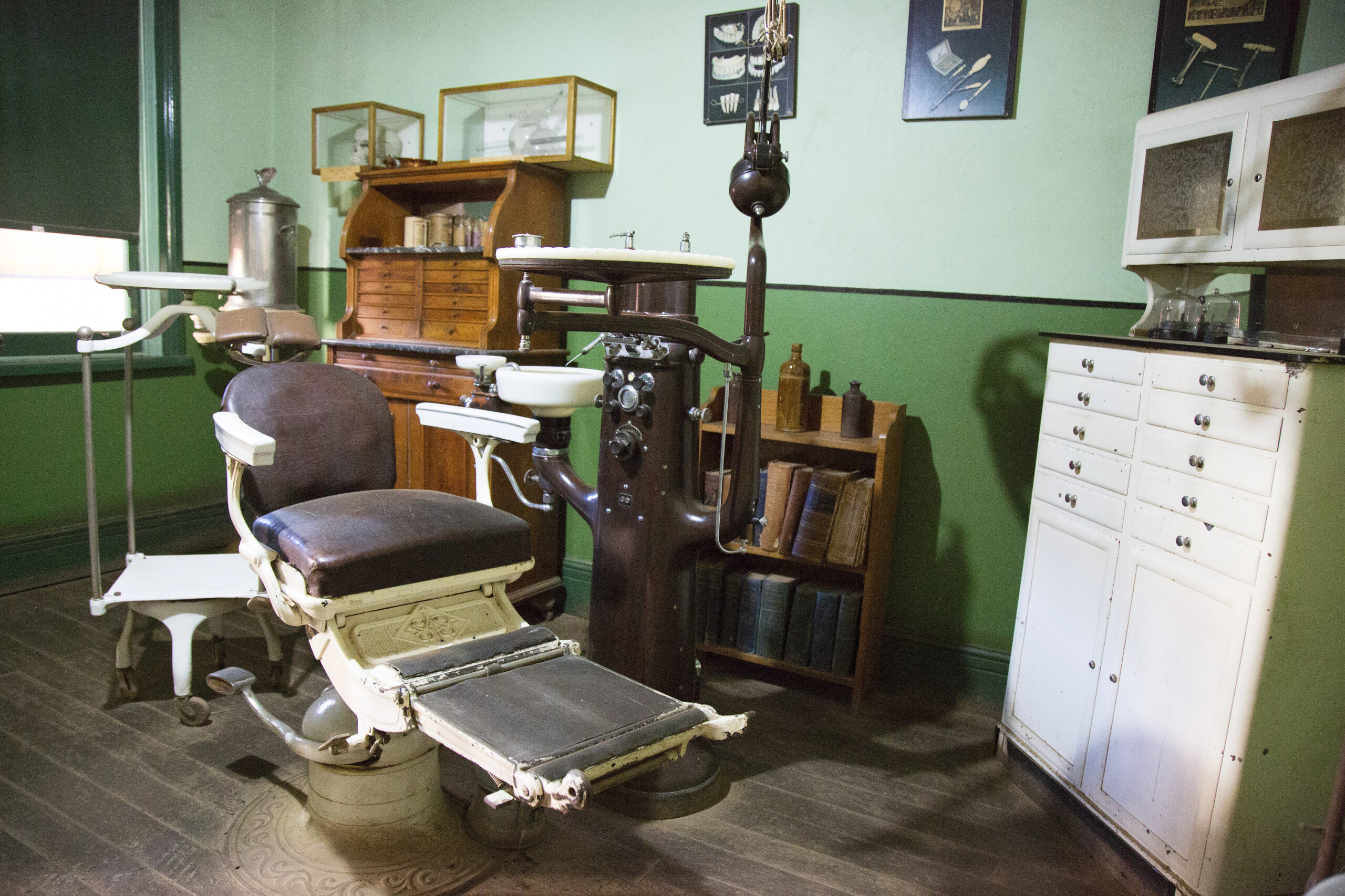
St. Joseph, Missouri features a museum of psychiatric treatment history that will make you grateful for modern medicine. The displays include restraint devices, treatment equipment, and disturbing illustrations of outdated psychiatric practices.
The hollow wheel was a spinning device meant to calm agitated patients through disorientation. The tranquilizer chair restrained every part of a patient’s body. The fever cabinet induced artificial fevers as a treatment for mental illness.
The museum doesn’t sensationalize these objects. It presents them as part of medical history. But seeing the tools used on psychiatric patients just decades ago is deeply uncomfortable.
The collection serves as a reminder that good intentions don’t guarantee humane treatment.
Devil’s Rope Museum

McLean, Texas dedicates an entire museum to barbed wire. The collection includes over 2,000 varieties of wire, patents, tools, and related artifacts. Barbed wire transformed the American West, and this museum documents that transformation.
Different wire designs serve different purposes. Some prevented cattle from escaping. Others were designed to injure animals that pushed against fences. The museum displays wire from famous ranches and battlefields.
The variety is staggering. You’d think wire with barbs is just wire with barbs. But examining hundreds of variations reveals that people devoted serious creativity to making better ways to keep things separated.
The museum makes a boring subject fascinating through sheer obsessive detail.
The Mütter Museum
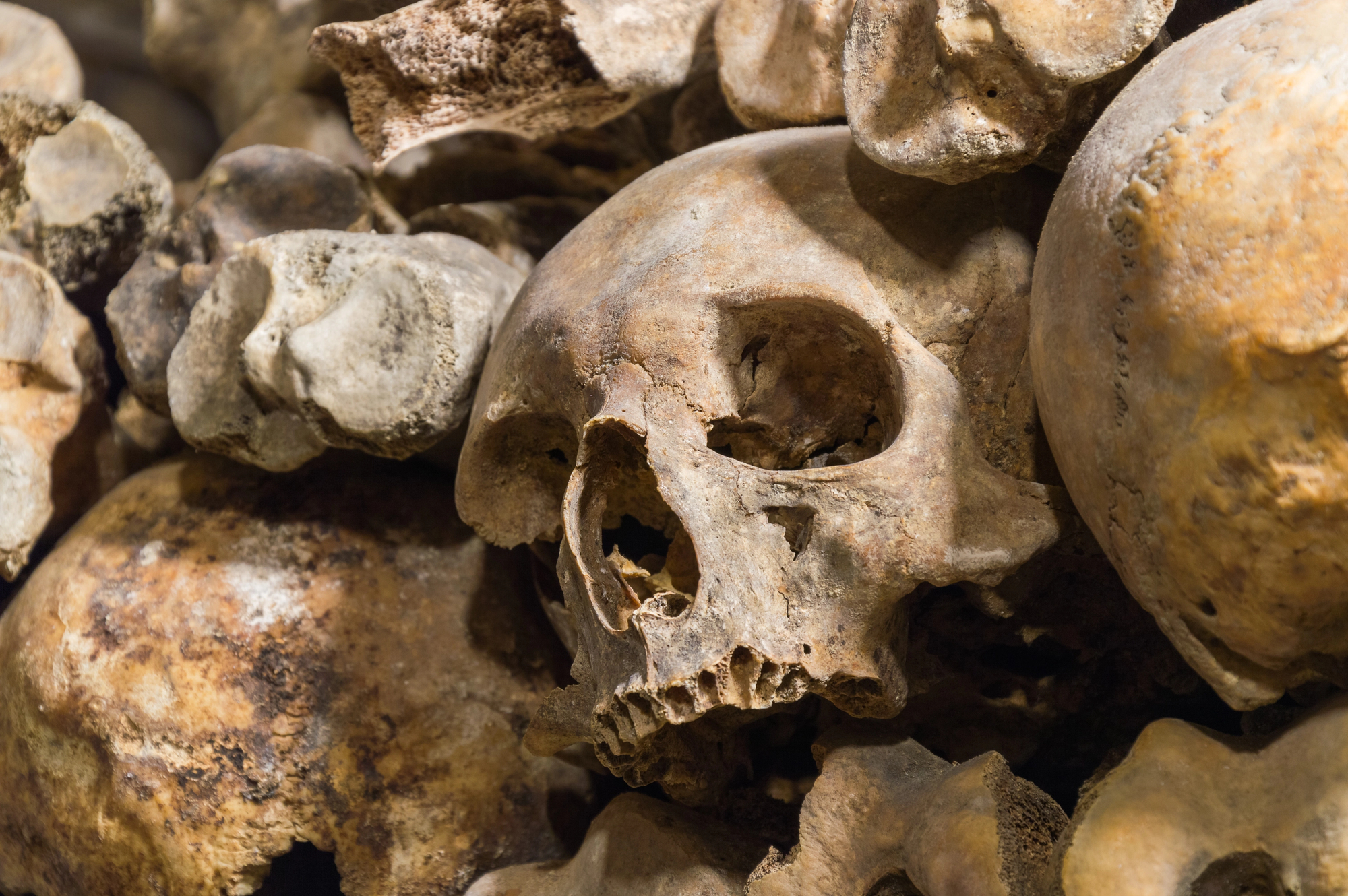
Philadelphia’s Mütter Museum holds medical specimens, anatomical models, and medical instruments. The collection includes preserved organs showing various diseases, skeletons with unusual deformations, and the death cast of conjoined twins.
The museum owns pieces of Albert Einstein’s brain, preserved in jars. It displays a collection of objects swallowed by patients—coins, pins, and an impressively large assortment of other items people somehow ingested.
The tallest and shortest skeletons in North America stand side by side. The collection of skulls shows variations in human anatomy. Everything is presented clinically, for medical education.
But medical education has never looked this macabre.
Preserving What Others Discard
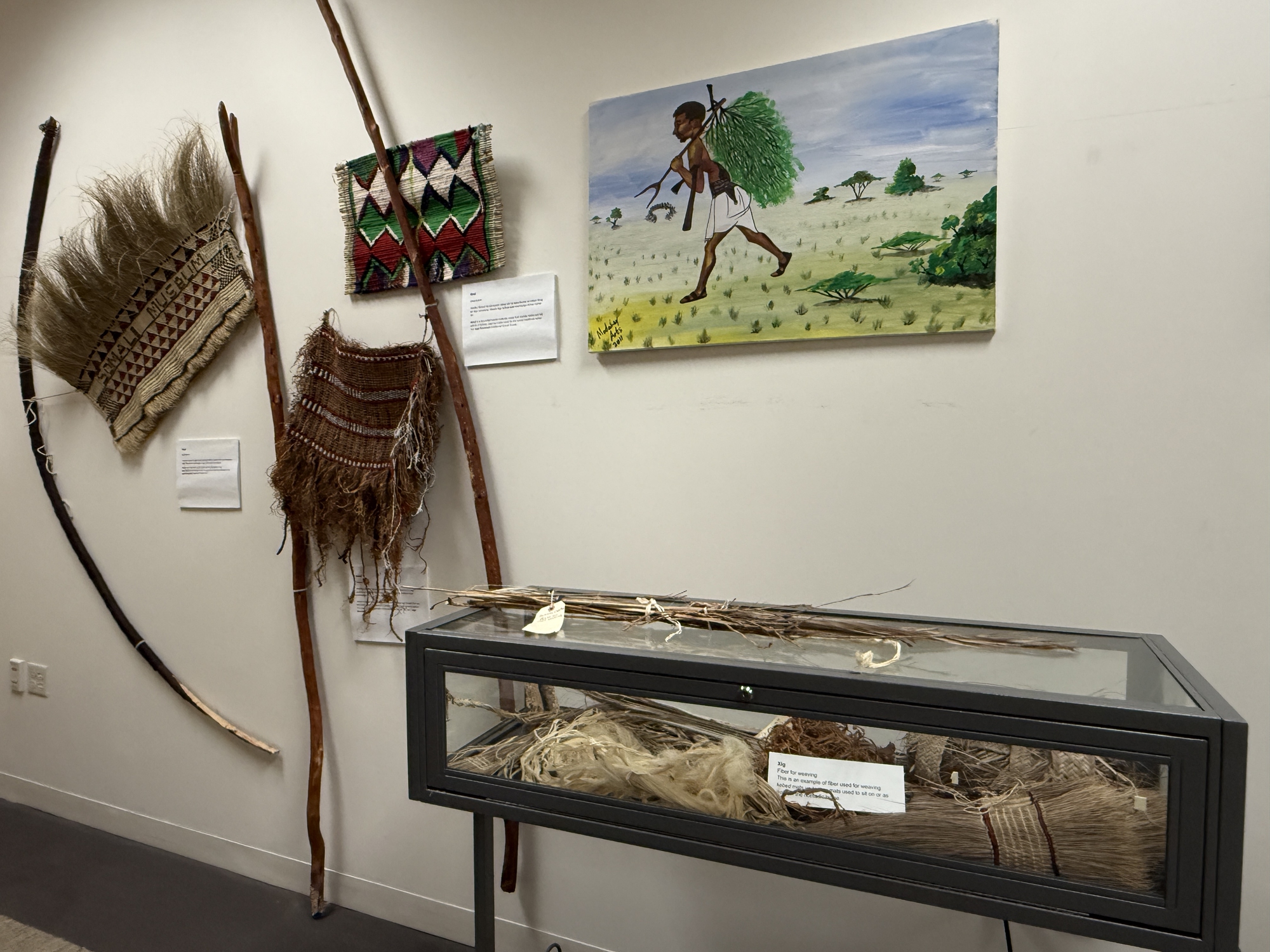
These places are driven by one thing – saving stuff before it’s gone. One person saw junk like broken ties, bugs, or rusty wire, then thought, “This is worth keeping.”
They gathered it, wrote it down, showed it off – not because it’s pretty, but ’cause it means something. A single moment of saving turns everyday items into relics.
Tossed out on the street, a busted toaster’s just waste. But place it behind glass – give it context – it opens up lives once lived.
This is why these collections click – by grabbing topics folks usually skip or hate, then pushing us to stare harder. Because of this, hidden layers pop up: odd elegance, raw honesty, messy creation trails.
Stuff we build, toss aside, forget about suddenly feels heavy with meaning.
More from Go2Tutors!

- The Romanov Crown Jewels and Their Tragic Fate
- 13 Historical Mysteries That Science Still Can’t Solve
- Famous Hoaxes That Fooled the World for Years
- 15 Child Stars with Tragic Adult Lives
- 16 Famous Jewelry Pieces in History
Like Go2Tutors’s content? Follow us on MSN.