Unusual Laws That Shaped Modern Countries
Laws tend to reflect the anxieties, priorities, and sometimes the peculiarities of the societies that create them. Some regulations seem absurd on the surface, yet they’ve quietly shaped economies, influenced culture, and even defined national identity.
Others started as practical solutions to specific problems and ended up leaving marks that lasted centuries beyond their original purpose. The history of legislation is filled with these strange cases.
And the stranger they are, the more they reveal about the values and challenges of the people who wrote them.
The Greek Lawgiver Who Made Death the Default

Around 621 BCE, Athens had a problem. Oral laws controlled by aristocrats led to blood feuds, corruption, and chaos.
The city commissioned a man named Draco to write down the laws for the first time, creating a code anyone could read and understand. Draco delivered.
But his code was severe beyond measure. According to later accounts, the punishment for nearly every offense was death.
Stealing vegetables warranted execution. So did being idle.
When asked why he made death the penalty for so many crimes, Draco reportedly answered that minor offenses deserved death, and he simply couldn’t think of anything worse for major ones.
The laws were said to be written in blood rather than ink. Whether literally true or metaphorically apt, the phrase captured the code’s brutality.
Draco’s laws lasted only a few decades before his successor Solon repealed most of them, keeping only the homicide statutes.
But Draco’s legacy endured in an unexpected way. The word “draconian” entered languages around the world, still used today to describe punishments grossly disproportionate to the crime.
A man who lived 2,600 years ago gave us a vocabulary word we still reach for when governments overreact.
The Tsar Who Taxed Facial Hair

When Peter the Great returned to Russia in 1698 after traveling incognito through Western Europe, he came back with a radical vision. Russia would modernize.
It would adopt Western dress, Western architecture, Western customs. And Western faces were clean-shaven.
Peter wasted no time. At his welcome-home party, he personally took a razor to the beards of his court nobles.
His razor-wielding jester worked the crowd at the New Year’s banquet, boxing the ears of anyone who seemed reluctant to comply.
The Russian Orthodox Church taught that facial hair reflected the divine image. Shaving was blasphemous.
Peasants and aristocrats alike considered their beards essential to their honor and masculinity. The backlash was immediate and intense.
Peter softened his stance. Instead of forcing everyone to shave, he created a beard tax.
Wealthy merchants paid 100 rubles annually for the privilege of keeping their beards. Townsfolk paid 60 rubles.
Peasants paid a small fee every time they entered a city. Those who paid received a copper or silver “beard token” showing a nose, mouth, whiskers, and beard, which they had to carry as proof of payment.
Guards monitored city gates. Tax collectors stopped bearded men and demanded to see their tokens.
The tax remained in place until 1772, when Catherine the Great finally repealed it. By then, the clean-shaven look had become fashionable among the Russian elite anyway.
Peter’s beard tax had worked, just not in the way he originally intended.
When England Mandated Wool Caps

In 1571, the English Parliament passed a law requiring every male citizen over the age of six, except nobility, to wear a cap made of English wool on Sundays and holidays. The penalty for non-compliance was a fine of three shillings and four pence per day.
The law had nothing to do with fashion and everything to do with economics. Cap knitting was an important domestic industry, protected by professional guilds.
The wool trade was a cornerstone of the English economy. By mandating that common people wear wool caps, Parliament created guaranteed demand for domestic wool products.
The Statute of Apparel stayed in effect for only about two decades before being repealed in 1597. But the flat cap had already become embedded in English culture.
It remained the everyday headwear of working-class men for centuries afterward, evolving into what became known as the flat cap, the newsboy cap, and various other styles that spread across Britain and Ireland.
Today the flat cap remains associated with British and Irish heritage. A law meant to protect the wool industry ended up creating a fashion tradition that lasted nearly 500 years beyond the statute itself.
A Bunker for Every Citizen

Switzerland has never been invaded since Napoleon’s time. The country is famously neutral.
Yet it maintains one of the most extensive civil defense systems in the world, with enough nuclear bunkers to shelter more than 100% of its population.
This didn’t happen by accident. In 1963, the Swiss government passed a law requiring that every person in the country be guaranteed access to a protective shelter.
New residential buildings had to include basement bunkers with reinforced steel doors, ventilation systems, anti-gas filters, and enough shelving for two weeks of supplies. Those who didn’t build private shelters paid into a fund for public ones.
The policy emerged from Cold War anxieties and the memory of European cities devastated by aerial bombardment in World War II. The Swiss decided prevention meant preparing for the worst, even if the worst seemed unlikely.
Nearly 12 billion Swiss francs have been spent on the program. Switzerland now has over 370,000 shelters, including 9,000 public bunkers.
The largest, built in Lucerne on top of two motorway tunnels, was designed to shelter 20,000 people.
The rules have relaxed since their height. Buildings with fewer than 38 apartments no longer need private shelters.
Many of the old bunkers have been converted into wine cellars and storage rooms. But Swiss law still guarantees every resident a spot in a shelter within a 30-minute walk of their home.
Japan’s Campaign Against Belly Fat

In 2008, Japan introduced what became known as the “Metabo Law.” The government established maximum waistline measurements: 85 centimeters (33.5 inches) for men aged 40 to 74, and 90 centimeters (35.4 inches) for women.
Every year, citizens in that age range have their waists measured during mandatory health checkups.
The term “metabo” comes from metabolic syndrome, the cluster of health risks associated with abdominal fat, including high blood pressure, elevated cholesterol, and increased diabetes risk. Japan was concerned about healthcare costs in a rapidly aging society and decided to intervene early.
Individuals who exceed the waistline thresholds aren’t directly punished. Instead, they’re offered counseling, dietary guidance, and follow-up support.
But their employers and local governments face consequences. Companies that fail to reduce the number of overweight employees can be fined, with penalties potentially reaching millions of dollars for large corporations.
The law sparked a fitness boom. Companies introduced wellness programs, exercise classes, and healthier cafeteria options.
The word “metabo” entered Japanese pop culture, appearing in advertisements and even exercise songs. Whether the law has actually reduced obesity rates remains debatable, but it certainly changed workplace culture and made waistlines a matter of public policy.
Radio Waves and National Identity

In 1971, Canada introduced regulations requiring radio stations to dedicate a percentage of their airtime to Canadian music. The rules, known as CanCon (short for Canadian Content), were controversial from the start.
Radio stations complained they couldn’t be told what to play. The government replied that they absolutely could, and that it was now a non-negotiable condition of their broadcast licenses.
The policy emerged from concerns about cultural identity. With most radio programming dominated by American and British artists, Canadian musicians struggled to get airtime in their own country.
The regulations initially required stations to play 25% Canadian content, a threshold that was raised to 30% in the 1980s and then to 35% in 1999.
To qualify as Canadian content, music must meet at least two of four criteria: the music is composed by a Canadian, the artist is Canadian, the production is wholly recorded in Canada, or the lyrics are written by a Canadian.
The system uses the acronym MAPL (Music, Artist, Production, Lyrics) to track compliance.
The law faced resistance. Some stations initially played their Canadian content during overnight hours when few people were listening.
Regulations were updated to require the content be aired during peak hours. Over time, the industry adapted.
Canadian artists who might never have gotten radio play found audiences. The country that produced The Guess Who and Anne Murray eventually produced Céline Dion, Alanis Morissette, Drake, and The Weeknd.
Whether CanCon created the Canadian music industry or simply supported an industry that would have grown anyway remains debated. But the regulations fundamentally shaped how Canadians heard music for over 50 years.
The Kingdom Where Names Come From a List
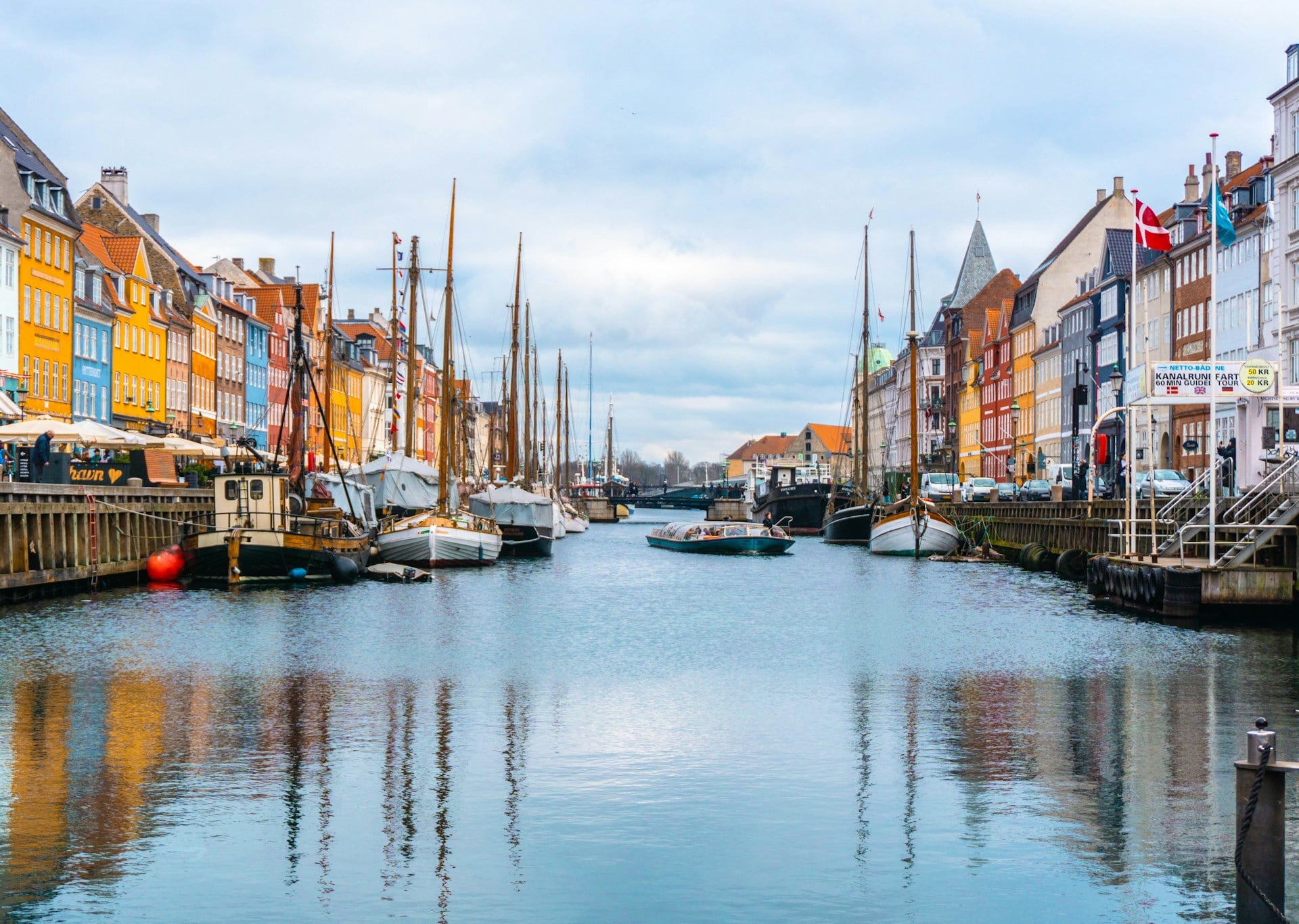
In Denmark, you cannot name your child whatever you want. The country maintains a list of approximately 50,000 pre-approved names, divided into categories for boys, girls, and gender-neutral names.
If you want to use a name not on the list, you must apply for permission and make your case to the government.
The law dates back to the early 20th century, originally created to stop the practice of patronymics, where families changed their last names every generation based on the father’s first name. This made bureaucratic record-keeping nearly impossible.
The restrictions eventually expanded to cover first names as well, particularly after someone in the 1960s tried to name a child something that sounded like the Danish word for urine.
The rules aim to protect children from embarrassing names, preserve cultural heritage, and ensure names follow Danish spelling conventions. You cannot give a girl a boy’s name, or vice versa, except for approved gender-neutral names.
Creative spellings of common names are rejected. Names that might harm a child’s wellbeing are denied.
Parents who fail to name their child within six months face fines. If no name is registered by the deadline, the child automatically receives the mother’s surname.
The system has loosened considerably since a 2006 reform. About 74% of name applications are now approved.
Names like Gandalf, Yoda, and Smiley have made it onto the approved list. But Pluto, Monkey, and Anus remain forbidden, and the Danish government continues to have the final say on what parents can call their children.
The Law That Guards a Throne
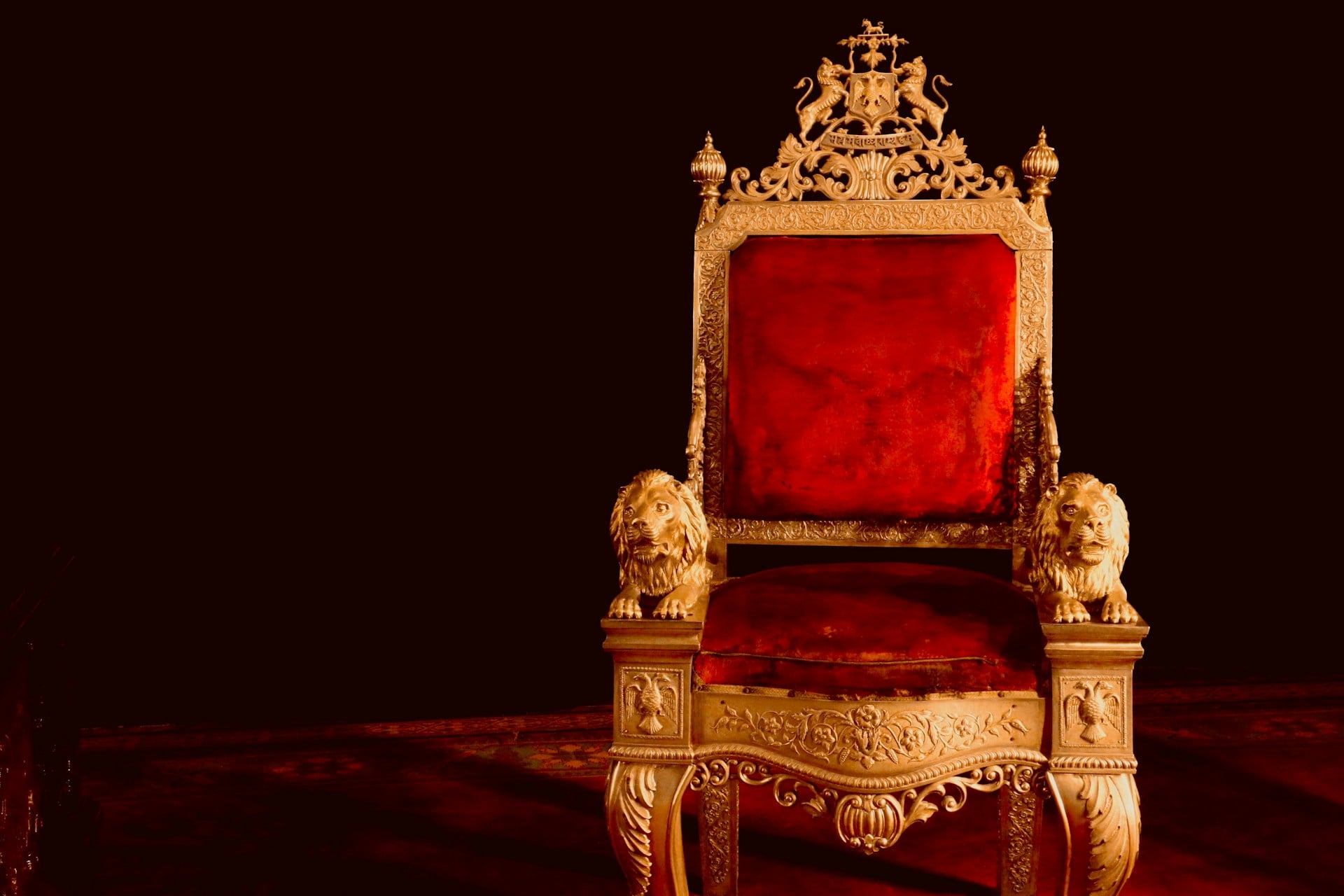
Thailand has what observers call the world’s harshest lèse-majesté law. Article 112 of the Thai criminal code makes it illegal to defame, insult, or threaten the king, queen, heir-apparent, or regent.
The penalty ranges from three to fifteen years in prison per offense, and sentences are consecutive.
The law has existed in various forms since Thailand’s first criminal code in 1908. But its current strength dates to 1976, when a military junta strengthened penalties during a period of political instability.
The punishment jumped from a maximum of seven years to the current three-to-fifteen-year range.
Anyone in Thailand can file a lèse-majesté complaint against anyone else, and police are obligated to investigate. Courts often hear cases in secret.
The definition of what constitutes an insult remains deliberately vague, creating a chilling effect on any discussion of the monarchy.
In 2017, a 33-year-old man received 35 years for ten Facebook posts about the royal family. The sentence was reduced from 70 years after a guilty plea.
Minors have faced charges. People have been prosecuted for sharing images, wearing certain clothing, or even refusing to stand during the royal anthem.
The Thai monarchy remains constitutionally enshrined in a position of “revered worship” that “shall not be violated.” The lèse-majesté law serves to enforce that reverence, making Thailand one of the few constitutional monarchies where criticism of the crown remains a serious criminal offense.
Protecting the Salmon’s Reputation

Britain’s Salmon Act of 1986 contains a provision that makes it illegal to “handle salmon in suspicious circumstances.” Section 32 of the act creates an offense for anyone who receives or disposes of salmon believing, or having reason to believe, that the fish was caught illegally.
The law sounds absurd until you understand the context. The salmon fishing industry needed protection from poachers and black-market operators.
The 1986 act updated Victorian-era legislation designed to protect fish stocks and ensure legal fishing practices.
The maximum penalty is two years imprisonment. The law applies to all fish now, not just salmon.
It’s meant to discourage the purchase and sale of illegally caught fish rather than to prosecute people for looking shifty while holding seafood.
Still, the phrase “handling salmon in suspicious circumstances” has become something of a legal curiosity, regularly appearing on lists of strange laws.
It demonstrates how practical legislation, designed to address a real problem, can sound ridiculous when stripped of context.
The Armor Ban That Outlasted Its King

In 1313, King Edward II of England banned the wearing of armor in the Houses of Parliament. The law remains technically on the books to this day.
Edward II had reason to worry. His reign was plagued by rebellions, and powerful nobles had a habit of showing up to Parliament in full armor to intimidate other members.
The statute forbidding the bearing of arms in Parliament was an attempt to prevent legislative sessions from turning into armed standoffs.
The precaution didn’t save Edward himself. He was overthrown in 1327 and reportedly died under mysterious circumstances in Berkeley Castle.
But his armor ban endured, surviving every constitutional change, civil war, and legal reform of the following 700 years.
The law has never been formally repealed. In 2013, the Law Commission of England and Wales confirmed its continued existence when reviewing legal oddities.
No one has tested the law recently by arriving at Parliament in a suit of armor, but doing so would technically still be illegal.
When the Unusual Becomes Normal
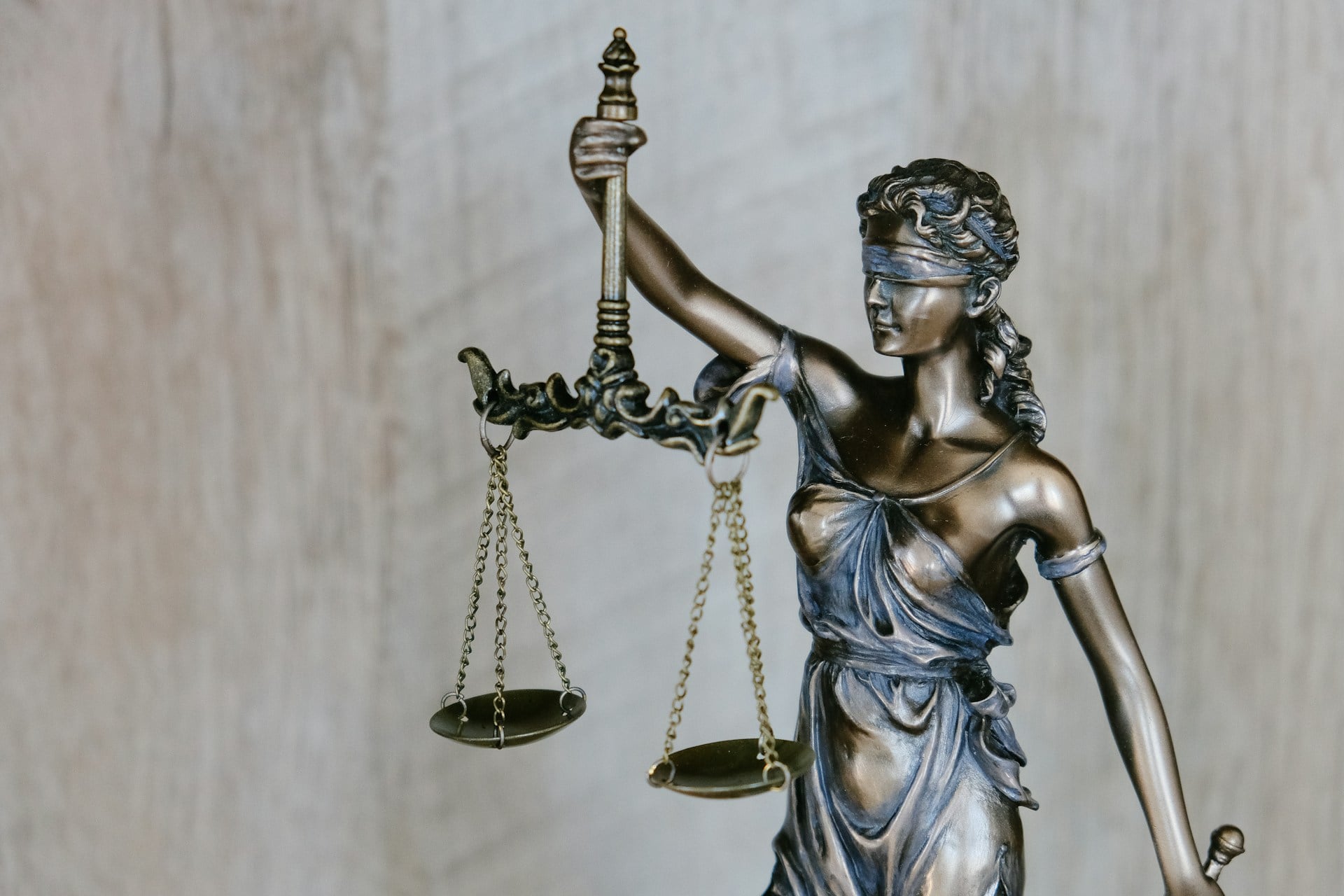
These laws share something beyond their strangeness. Each emerged from a specific moment when societies faced problems and reached for legislative solutions, sometimes elegant, sometimes extreme, sometimes simply practical.
The beard tax reflected a modernizing impulse. The wool cap law protected an industry.
The nuclear bunker requirement prepared for catastrophe.
What seems unusual from the outside often makes perfect sense within its original context. And what starts as a solution to a temporary problem sometimes outlasts the problem itself, shaping culture and behavior for generations.
Laws are never just rules. They’re records of what people feared, what they valued, and what they were willing to enforce.
The stranger they are, the more they tell us about the societies that wrote them into existence.
More from Go2Tutors!

- The Romanov Crown Jewels and Their Tragic Fate
- 13 Historical Mysteries That Science Still Can’t Solve
- Famous Hoaxes That Fooled the World for Years
- 15 Child Stars with Tragic Adult Lives
- 16 Famous Jewelry Pieces in History
Like Go2Tutors’s content? Follow us on MSN.