15 Ruins That Shouldn’t Exist Based on What We Know About Ancient Civilizations
Decades of archeological study, historical documentation, and scientific analysis have influenced our knowledge of past civilizations. Nonetheless, there are remarkable constructions all around the world that contradict accepted historical accounts and technology timetables. These enigmatic structures continue to baffle scholars and cast doubt on conventional wisdom about the accomplishments of our predecessors.
These are 15 ancient ruins that don’t seem plausible given what we know about the societies that constructed them from orthodox archaeology.
Göbekli Tepe

Göbekli Tepe in Turkey, which predates Stonehenge by 6,000 years, has revolutionized our knowledge of prehistoric civilization. The structure, which dates back 11,000 years, has enormous T-shaped pillars that are carved with detailed animal reliefs.
These pillars were made by hunter-gatherers, who were not expected to have the tools or organizational skills necessary to construct monumental building. The location challenges the widely held belief that complex civilization and architecture developed after agriculture, not the other way around.
Sacsayhuamán
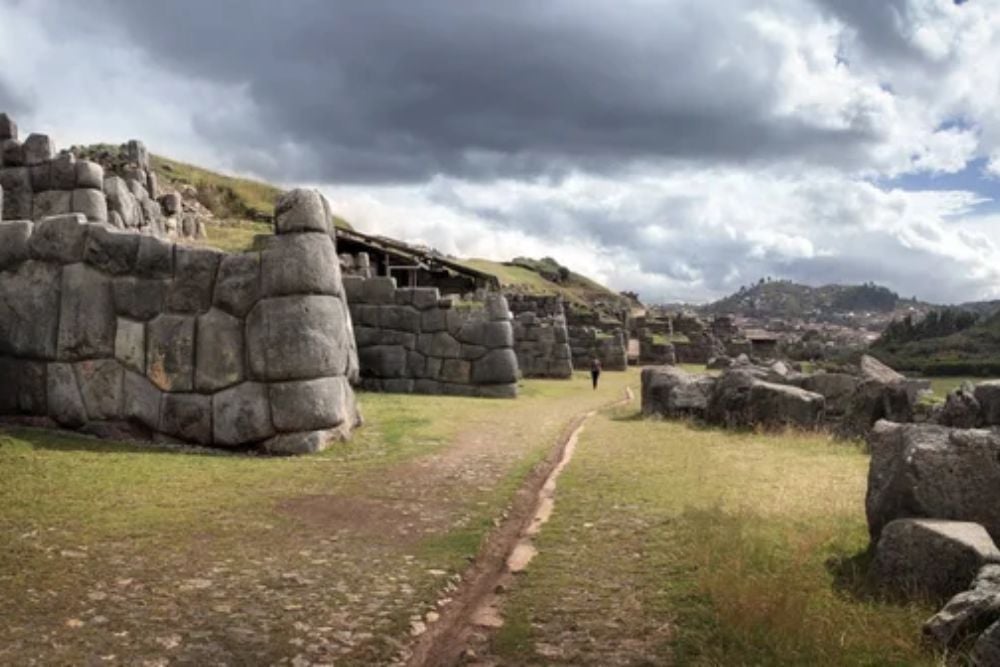
The 200-ton blocks of limestone that make up the fortress of Sacsayhuamán in Peru are so precisely fitted together that not even a piece of paper can pass through them. Without vehicles or draft animals, these massive stones were carried uphill from quarries located kilometers distant.
Even with today’s construction technology, some of the largest blocks would be difficult to move, according to modern engineers.
Derinkuyu Underground City
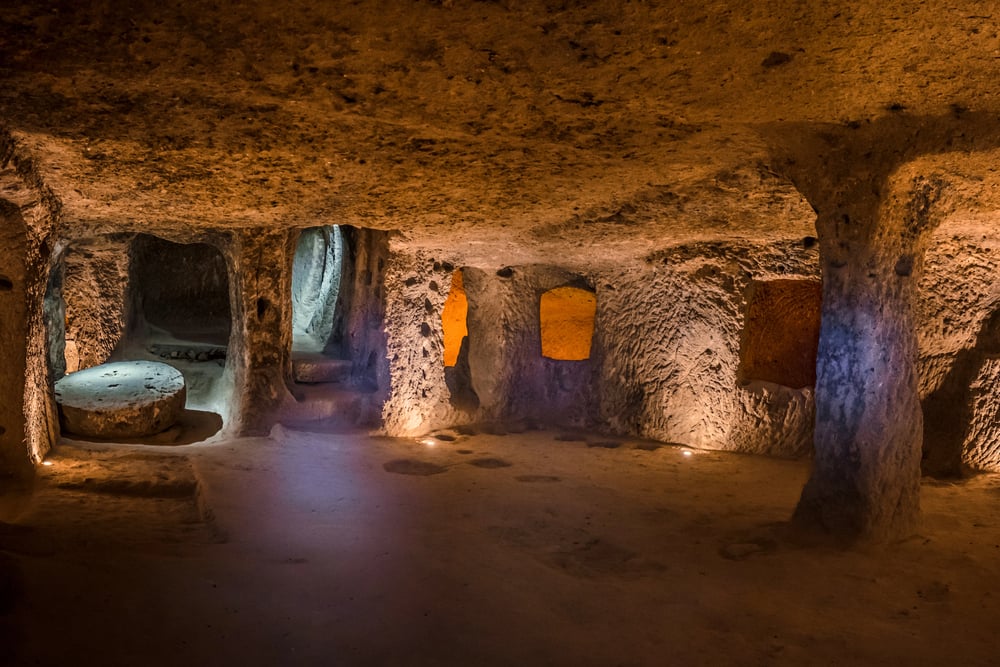
Carved into the soft volcanic rock of Cappadocia, Turkey, Derinkuyu descends 18 stories below ground and could shelter 20,000 people along with their livestock. The subterranean complex includes ventilation shafts, wells, kitchens, stables, and churches—all connected by miles of tunnels.
The engineering knowledge required to create proper ventilation and prevent cave-ins at this scale seems implausibly advanced for ancient Phrygians.
Puma Punku
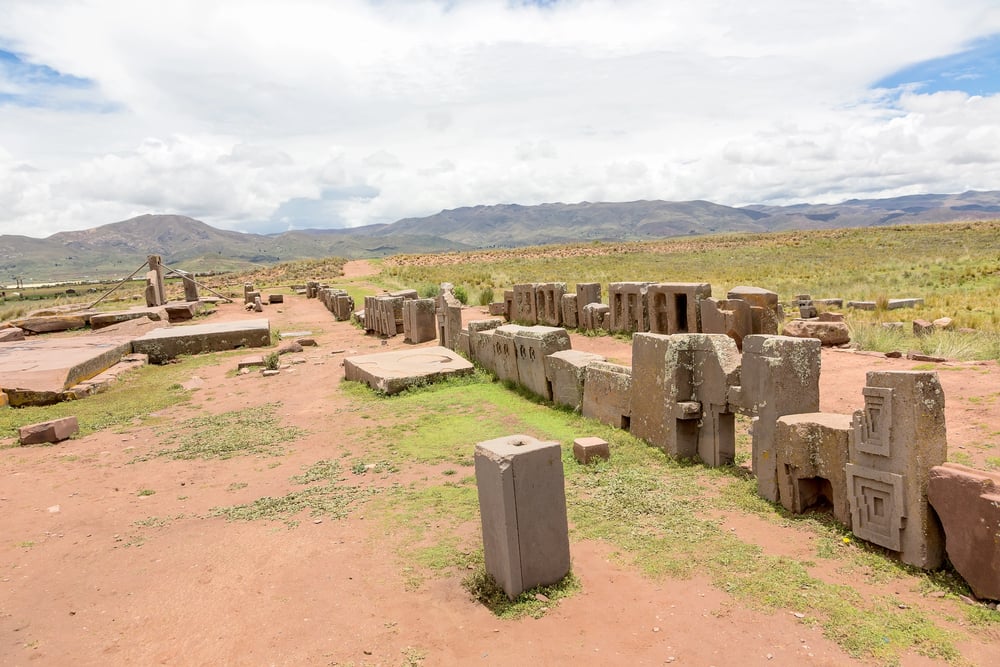
Part of the Tiwanaku site in Bolivia, Puma Punku features blocks cut with such extraordinary precision that they appear to have been machine-made rather than hand-carved. Some stones contain perfect right angles, precise drill holes, and complex interlocking patterns that would be challenging to replicate even with modern tools.
The technical perfection achieved at 12,800 feet above sea level, using stones weighing up to 800 tons, continues to baffle experts.
The Antikythera Mechanism
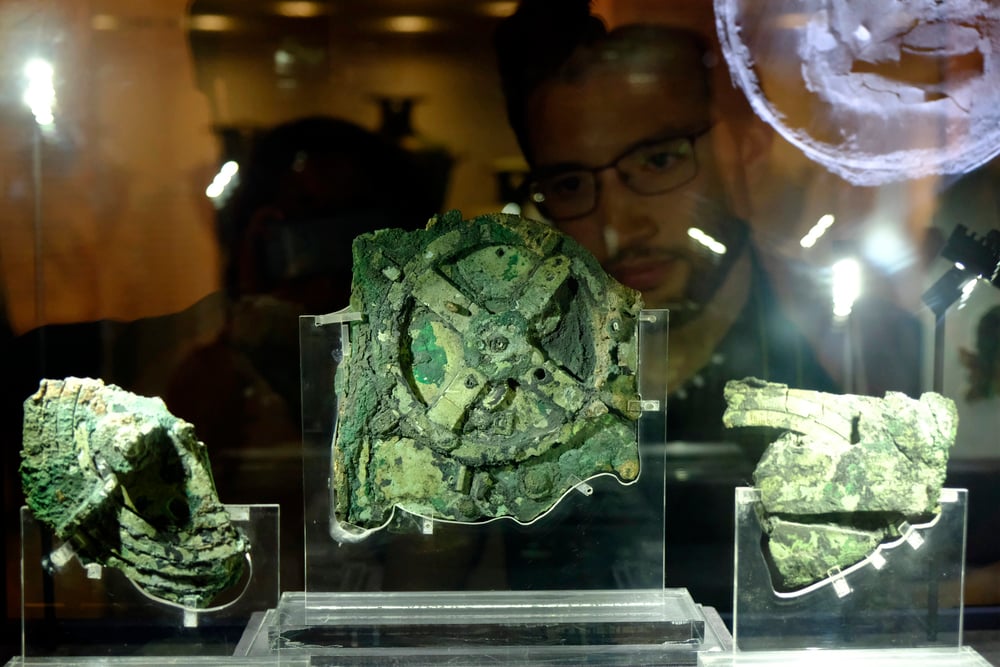
This ancient Greek device found in a shipwreck is not quite a ruin, but it does represent technology that shouldn’t have been around in 100 BCE. With at least 30 carefully designed gears, the device tracked eclipses and astronomical positions like an analog computer.
Its intricacy implies differential gearing knowledge that would not be “rediscovered” until the 14th century, more than 1,400 years later.
Nan Madol
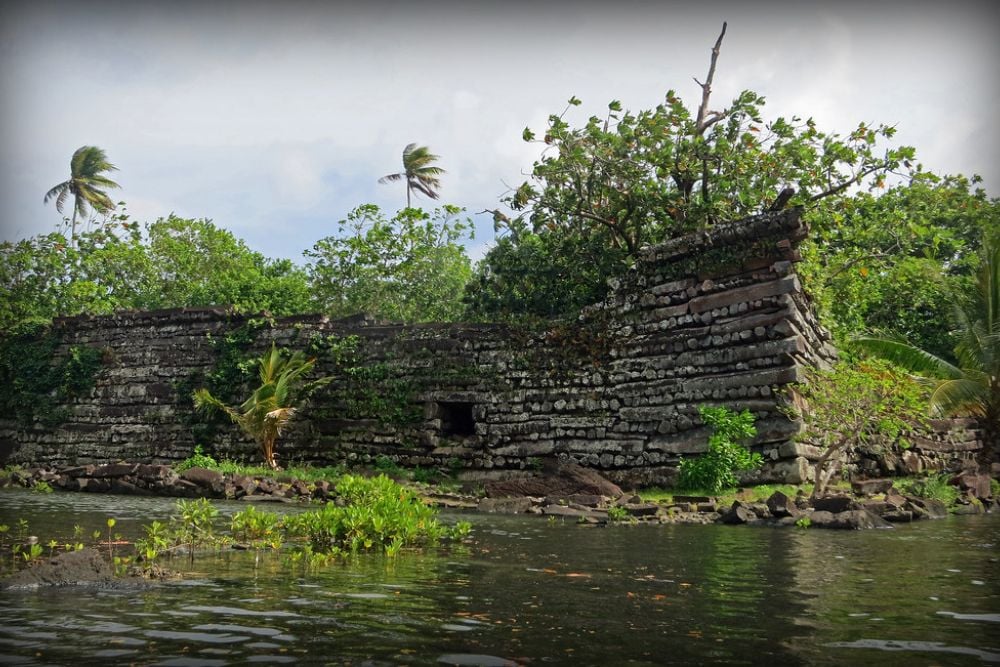
Off the coast of Pohnpei Island in Micronesia, Nan Madol consists of 92 artificial islets made from massive basalt columns, some weighing up to 50 tons. Built between 1200-1500 CE without metal tools or wheeled vehicles, the ‘Venice of the Pacific’ required moving an estimated 750,000 tons of basalt with a population that never exceeded 1,000 people.
The engineering feat would be equivalent to every person moving 750 tons of stone throughout their lifetime.
The Longyou Caves
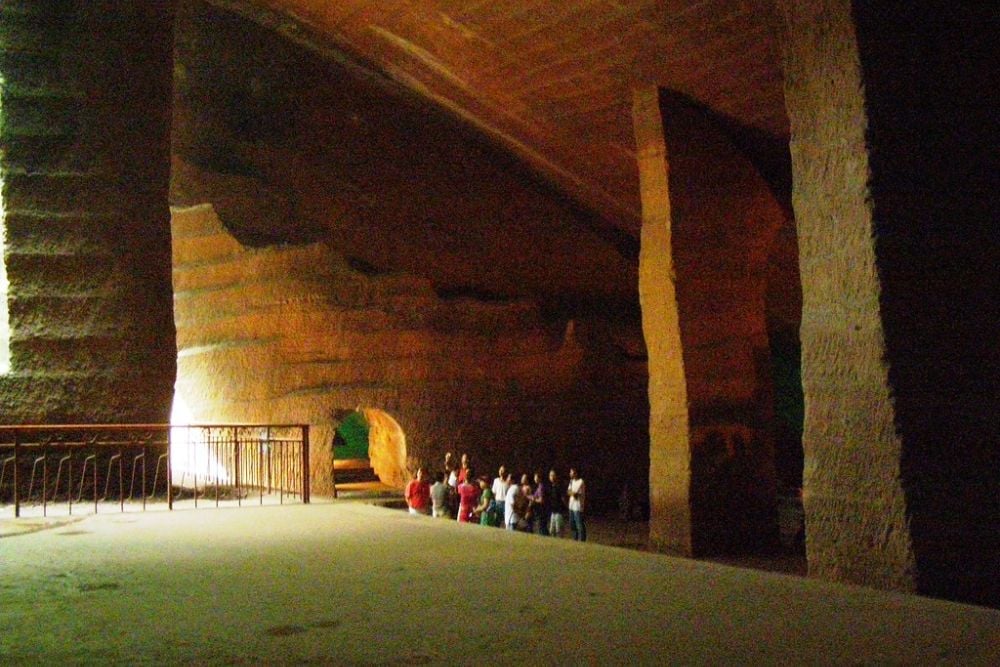
These enormous man-made tunnels were found in 1992 in the Zhejiang region of China. They were expertly carved from solid rock. The caverns have ceilings over thirty feet high and walls with consistent parallel chisel marks.
Their construction is not documented in history, and it is unknown what equipment and methods were employed to remove almost 1 million cubic yards of rock. An unfathomable degree of preparation and execution is suggested by the markings’ consistency throughout the caves.
Costa Rica Stone Spheres
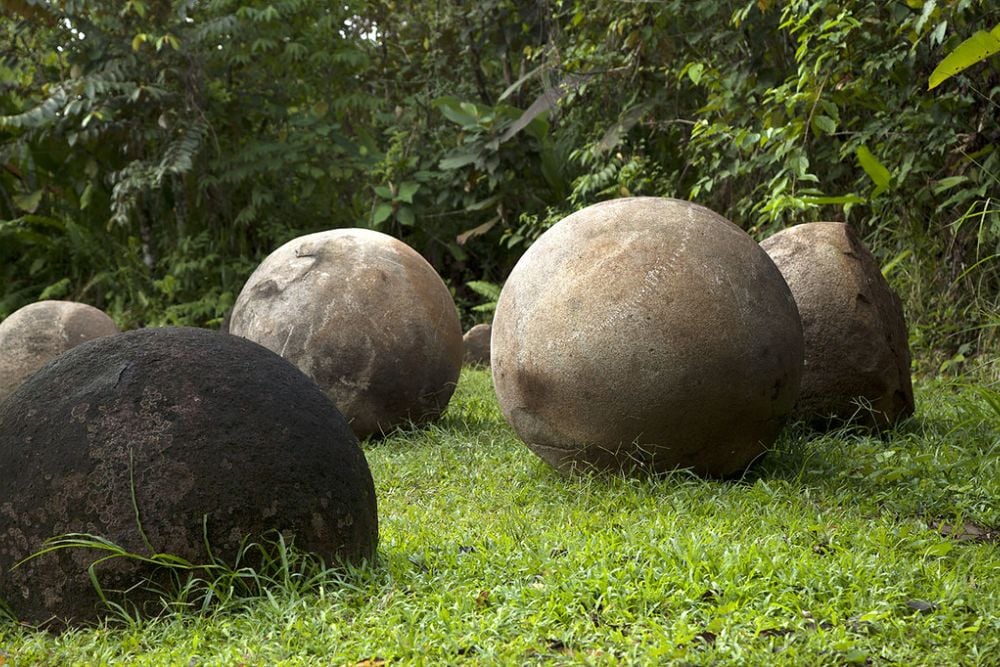
Hundreds of perfectly spherical stones dot the landscape of Costa Rica’s Diquís Delta, ranging from a few inches to over 8 feet in diameter and weighing up to 16 tons. Created around 600 CE, these spheres were carved to near-perfect roundness without metal tools or measuring devices.
The mathematical knowledge required to create such precise spherical shapes seems beyond what we understand of pre-Columbian cultures.
Coral Castle

Built by a single man, Edward Leedskalnin, in the early 20th century, this modern ‘ruin’ demonstrates the mystery of ancient megalithic construction. Leedskalnin, who stood just 5 feet tall and weighed 100 pounds, somehow quarried, transported, and erected limestone blocks weighing up to 30 tons—all without heavy machinery.
His construction methods remain unknown, offering a glimpse into how ancient builders might have accomplished similar feats.
Great Pyramid of Giza

The most famous ancient structure contains enough mysteries to fill books. The Great Pyramid contains approximately 2.3 million stone blocks averaging 2.5 tons each, aligned to true north with an accuracy of 0.05 degrees.
The interior chambers and passageways display remarkable precision engineering, and the structure embodies mathematical principles like pi and the golden ratio centuries before their formal documentation.
Moai of Easter Island

Nearly 1,000 monolithic statues stand on remote Easter Island, with the largest weighing 82 tons and standing 33 feet tall. The small island population somehow quarried, carved, and transported these massive figures miles across difficult terrain.
Recent experiments attempting to replicate their methods have yielded theories but no definitive explanation for how a small, isolated community accomplished this monumental task.
Baalbek Temple Complex
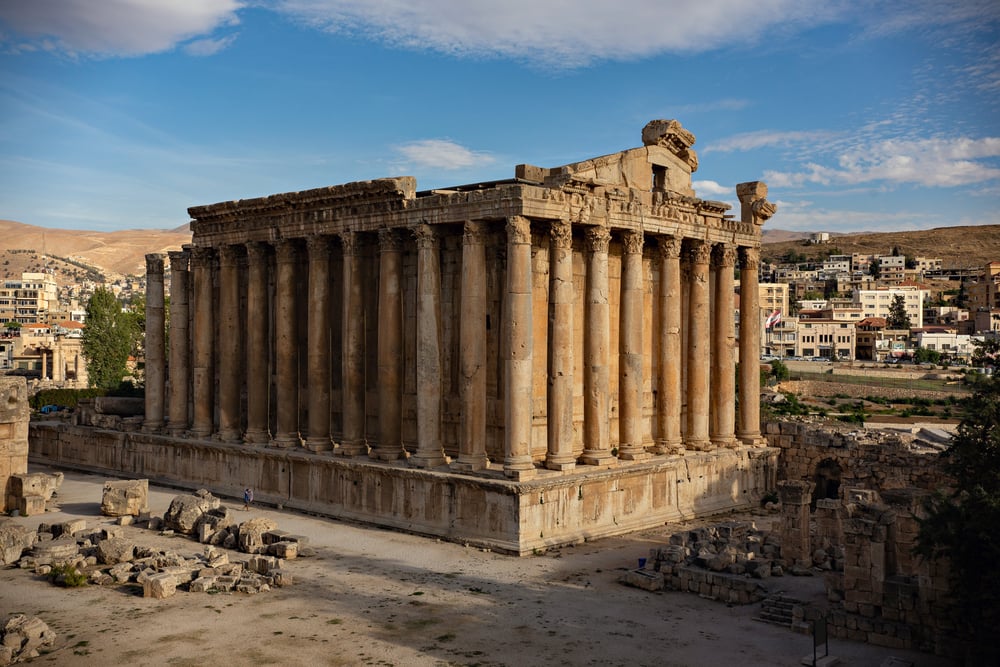
The stone platform at Baalbek, Lebanon contains some of the largest building blocks ever used. The ‘Stone of the Pregnant Woman’ weighs approximately 1,000 tons, with nearby blocks weighing up to 1,650 tons.
These immense limestone blocks were somehow lifted 20 feet into the air and placed with millimeter precision. Modern cranes can barely handle stones of this size, making their ancient placement seem virtually impossible.
Adam’s Calendar
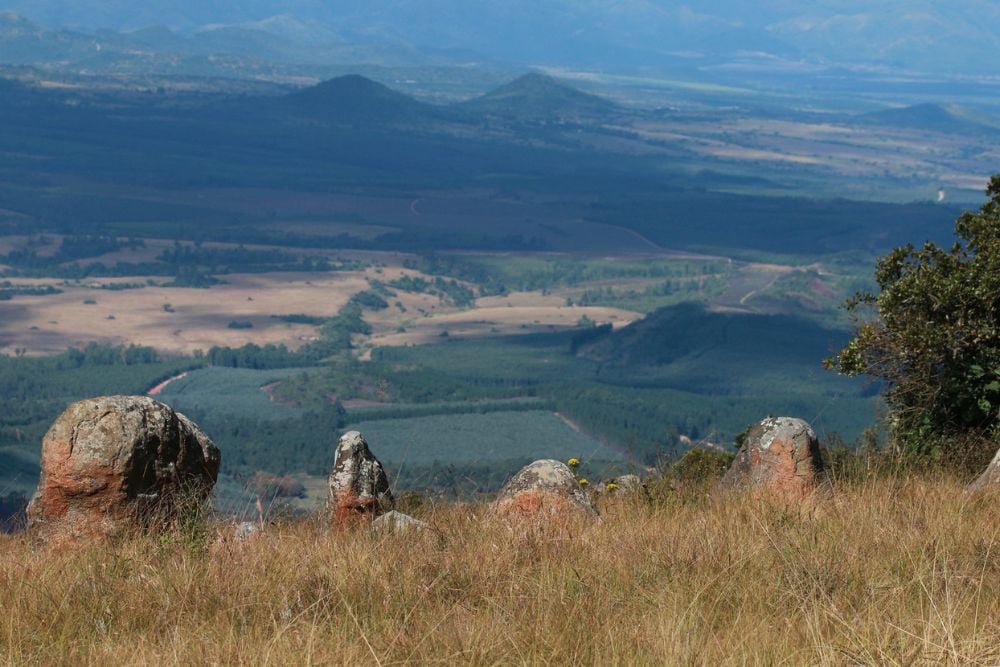
This stone circle in South Africa is potentially the oldest human-made structure on Earth, possibly dating back 75,000 years or more. The site aligns with solstices, equinoxes, and specific stars with remarkable precision.
If the dating is accurate, it would mean that humans had sophisticated astronomical knowledge tens of thousands of years before we thought possible, challenging the timeline of human intellectual development.
Gunung Padang
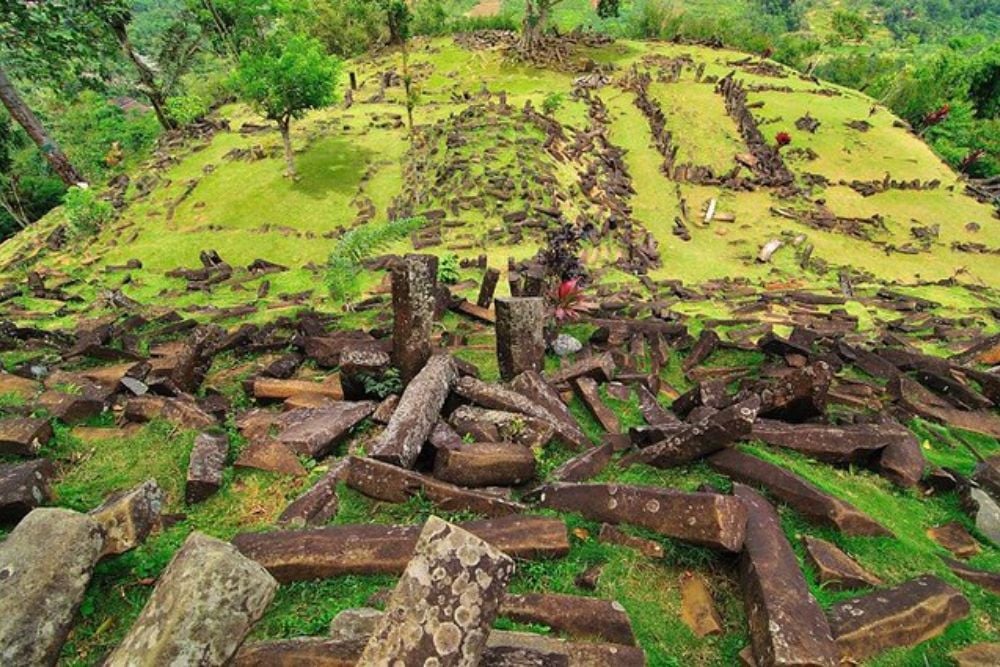
Recent controversial research suggests this Indonesian site may be a massive pyramid complex dating back 20,000 years, potentially making it the oldest monumental structure on Earth. Ground-penetrating radar has revealed what appear to be chambers, layered construction, and artificial cavities deep within the hill.
If confirmed, Gunung Padang would predate the accepted timeline for advanced human civilization by more than 10,000 years.
The Baghdad Battery
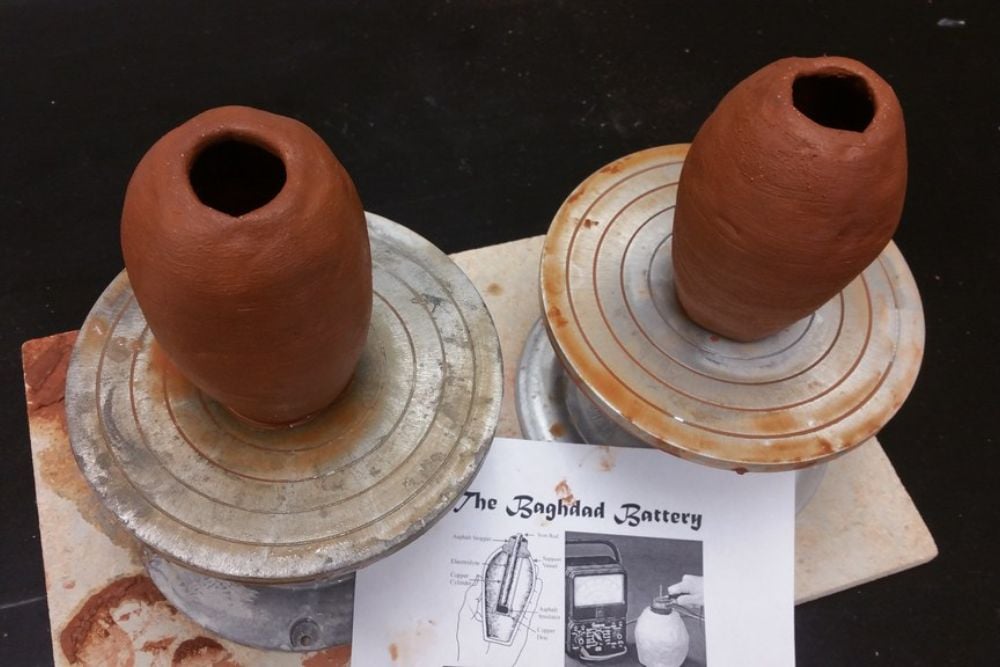
Discovered in Iraq, these 2,000-year-old clay jars containing copper cylinders and iron rods may have functioned as galvanic cells capable of producing electric current. When filled with an acidic liquid like vinegar, they generate approximately 2 volts.
Their existence suggests knowledge of electricity over 1,800 years before its supposed ‘discovery’ by modern science, raising questions about what other advanced technologies might have been lost to time.
The Persistent Mystery
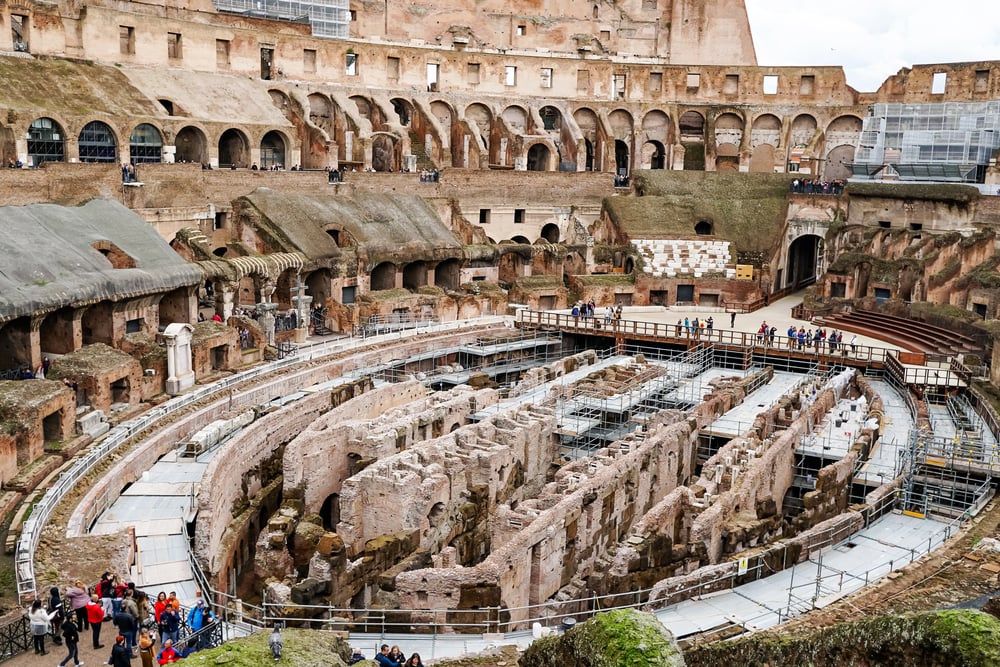
More than just archaeological oddities, these remarkable locations raise important issues regarding the past and potential of humanity. These ruins serve as a reminder that our knowledge of ancient civilizations is still lacking, whether it is due to misinterpreted engineering methods, lost technologies, or historical accounts that require modification.
We are prompted to reevaluate what our predecessors may have accomplished and what wisdom may have been lost over millennia by the stories the stones left behind tell, which defy our preconceptions.
More from Go2Tutors!

- The Romanov Crown Jewels and Their Tragic Fate
- 13 Historical Mysteries That Science Still Can’t Solve
- Famous Hoaxes That Fooled the World for Years
- 15 Child Stars with Tragic Adult Lives
- 16 Famous Jewelry Pieces in History
Like Go2Tutors’s content? Follow us on MSN.



