What Early Skate Culture Tells Us About US Identity
When surfers in 1950s California nailed roller skate wheels to wooden planks, they had no idea they were creating something that would mirror the American psyche itself. What started as a way to pass time when waves were flat evolved into a cultural movement that captured the essence of what it means to be American—the good, the contradictory, and everything in between.
Here is a list of 17 ways early skate culture reveals fundamental truths about US identity.
Born from Boredom and Innovation

The first skateboards emerged in the late 1940s and early 1950s when California surfers wanted something to do during flat wave days. This wasn’t some grand invention commissioned by a corporation or government agency. Nobody knows who made the first board, as several people came up with similar ideas around the same time. Americans have always taken whatever materials they had lying around and built something new. The skateboard represents that scrappy, make-it-work mentality that defines much of American innovation—not waiting for permission, just figuring it out in the garage.
The Suburbanization of Rebellion

Skateboarding emerged during a moment in US history when the figure of the youth rebel was gaining prominence, with figures like James Dean representing an antiauthoritarian, democratic image during the Cold War. America needed to show the world it was different from communist conformity. The mainstream media picked up on skateboarding’s suburban appeal, constructing it as both a craze and a menace, which laid the foundation for skateboarding’s location as a practice where white male youths could imagine themselves as outside the mainstream while asserting traditional forms of power. This perfectly captures the American contradiction—rebelling within the system while still benefiting from it.
Like Go2Tutors’s content? Follow us on MSN.
Freedom as the Highest Value

Skateboarders place tremendous importance on their ability to act as individuals and the feeling of freedom facilitated by skateboarding. When you ask skaters why they do it, they’ll talk about that sensation of gliding down a street with nothing controlling them except their own body and board. Their breathless descriptions of opportunities to both express individual style and practice self-guidance bring to light the highly American nature of skateboarding. The sport has no referees, no coaches yelling from sidelines, no mandatory uniforms. It’s pure personal expression, which is about as American as it gets.
The DIY Ethos

Both skateboarding and punk emerged as counter-cultural movements, rejecting societal norms and embracing a DIY ethos. Early skaters built their own ramps in backyards when skateparks didn’t exist. The Do-It-Yourself approach is ingrained in skateboarding’s DNA, with skaters often building their ramps, creating their spots, and shaping their own scene. America was built by people who didn’t wait for someone else to solve their problems. They rolled up their sleeves and got to work. Skateboarding embodies that same spirit—if the world doesn’t give you what you need, build it yourself.
Entrepreneurship from the Streets

Frank Nasworthy, who invented urethane skateboard wheels after being kicked out of college for attending a political demonstration, became successful because of his creative approach to the plastics industry and his entrepreneurial spirit. His story represents the American dream—while he lost access to educational institutions, he found success independently and revitalized skateboarding. This pattern repeated throughout skate history, with teenagers starting companies in garages that grew into multi-million dollar operations. The American economic system rewards those who spot opportunities and take risks, and skateboarding culture produced countless young entrepreneurs who did exactly that.
Like Go2Tutors’s content? Follow us on MSN.
Redefining Masculinity

Skateboarders reveal that masculinity poses a problem for them, disclosing a yearning for the opportunity to express themselves and a space to feel freedom or transcendence. Traditional American sports emphasize physical dominance, competition, and emotional repression. Skateboarding culture allows for emotional, cooperative, and artistic expression of identity that is tied to dissatisfaction with dominant notions of masculinity. Yet it remained predominantly male for decades, showing how America struggles to reimagine gender roles even when creating alternative spaces.
The Illusion of Classlessness

Skateboarding empowers working class youth to pursue pleasure in spaces they have been excluded from by reimagining bodies outside the boundaries of urban design. All you needed was a board, and suddenly you had access to the same thrills as anyone else. The archetypal skater boy ultimately still squares with the American ideal of freedom-loving, individualistic male heroes, though America raises kids to believe they can do anything while designing systems that make it more difficult to do so. Skateboarding promised equality but couldn’t escape the economic realities that shaped everything else in American life.
Turning Public Space into Playgrounds
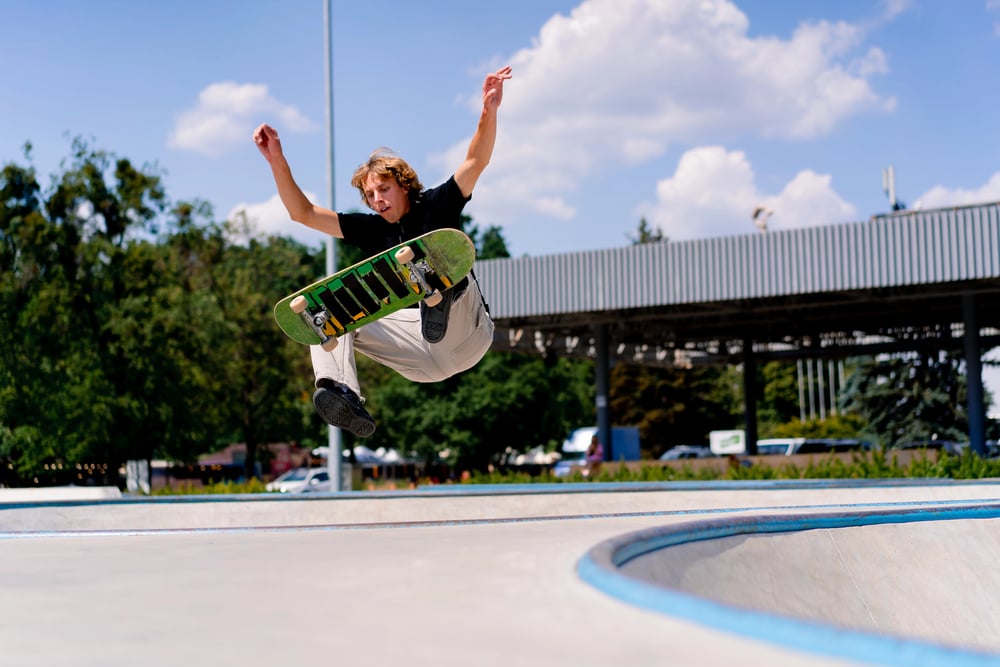
Skaters imagine their bodies outside the boundaries of urban design and re-appropriate environments designed to segregate or gentrify, imprinting their bodies on the city landscape. Handrails became slides. Stairs became launch pads. Parking lots transformed into arenas. Americans have always had a complicated relationship with public space, and skaters pushed that tension to its limit. They looked at architecture designed for one purpose and said, ‘No, this is ours now.’ That takes a special kind of audacity that feels distinctly American.
Like Go2Tutors’s content? Follow us on MSN.
The Outlaw Identity
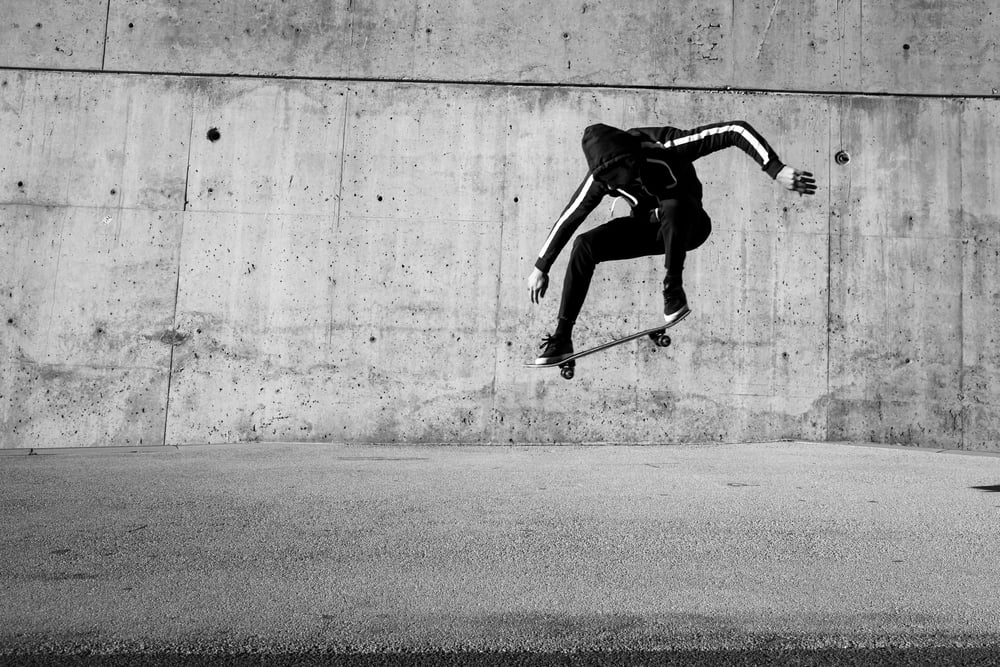
In 1965, skateboarding’s initial popularity waned because of warnings from safety professionals that the activity was dangerous. Cities banned it. Property owners chased skaters away. Police in New Jersey told the New York Times they seized boards from youth in the streets, saying skaters ‘scare the wits out of drivers and pedestrians’. Being told you can’t do something is the fastest way to make Americans want to do it more. The outlaw image became part of skateboarding’s appeal, reflecting the American romance with rebels and rule-breakers.
No Rules, No Winners, No Losers

Skaters noted there isn’t competition in skateboarding in the traditional sense because there are no huge goals to attain, with success measured by having your best run and making all your tricks rather than beating somebody. This stands in stark contrast to American obsession with winning and competition in traditional sports. Skateboarding allows for individuality as rules are minimal and self-expression is encouraged. Yet even this alternative space eventually got commercialized and competitive, because America can’t resist turning everything into a contest with winners and losers.
Style Over Technique

Each participant had an individual sense of style that provided for self-expression, with comfortable attire like baggy jeans and loose-fitting t-shirts that allow for movement. Two skaters could do the exact same trick, but one would look smooth while the other looked awkward. Individualism was central to the skateboarding identity, with newcomers who displayed a prefabricated version of a skateboarder not considered true skateboarders by established members. Americans claim to value individuality while often enforcing rigid conformity, and skateboarding showed both sides of that contradiction.
Like Go2Tutors’s content? Follow us on MSN.
The Punk Connection

Punk music’s aggressive, angry feeling of discontent resonated with skateboarders let down by huge companies and official institutions, introducing them to underground culture and zines. Both movements rejected mainstream values and celebrated being an outsider. Bands like Black Flag and the Dead Kennedys became the pulse of skate sessions, fueling the sense of rebellion and raw energy that defined the culture. America has always produced countercultures that critique the mainstream while remaining fundamentally American in their emphasis on individual freedom.
Media and Self-Documentation

With mainstream media turning a blind eye to skateboarding, skateboarders were given the chance to document their own culture through their own lens, wielding the powers of producing their own media culture. Skate videos, magazines, and later social media meant skaters controlled their own narrative. The Bones Brigade Video Show, directed by Stacy Peralta in the early 1980s, showed the world that skateboarding was about pushing boundaries, breaking rules, and creating art on four wheels. Americans have always understood the power of the media and used it to shape their own stories.
The Boom and Bust Cycle
Skateboarding has suffered strenuous peaks and valleys in popularity, with the 1960s boom followed by crashes due to manufacturers not keeping up with demand and safety concerns. In the 1970s, urethane wheels elevated the sport again, but by the end of the decade, skatepark liability problems and the proliferation of BMX biking caused another crash. This mirrors the American economy itself—wild booms, devastating busts, and somehow always bouncing back. The resilience of skateboarding culture reflects the resilience Americans pride themselves on, the ability to rebuild after everything falls apart.
Like Go2Tutors’s content? Follow us on MSN.
Community Through Competition

Skate parks serve as more than just venues for skateboarding—they are social hubs where individuals from varied backgrounds congregate, share experiences, and foster a sense of belonging. Despite the anti-competitive rhetoric, skateparks became gathering places where reputations were built and hierarchies formed. The inclusive nature of these spaces allows for a diverse range of young people to participate, breaking down barriers and promoting mutual respect. America talks about individualism but actually functions through tight communities, and skateboarding demonstrated exactly that tension.
Commercialization of Rebellion

The X Games cut a skillful path through the counterculture-mainstream athlete dichotomy, marketing extreme sports as both ‘outlandish, on-the-edge sports’ and ‘true athletes’. What started as kids doing tricks in empty pools became a billion-dollar industry with Olympic recognition. Despite commercialization, the core of skateboarding culture—creativity, freedom, and community—remains intact, with independent brands, street-level film crews, and grassroots events continuing to thrive. America has a genius for taking countercultural movements and selling them back as products, and skateboarding became a case study in how rebellion becomes a brand.
The Myth and the Reality
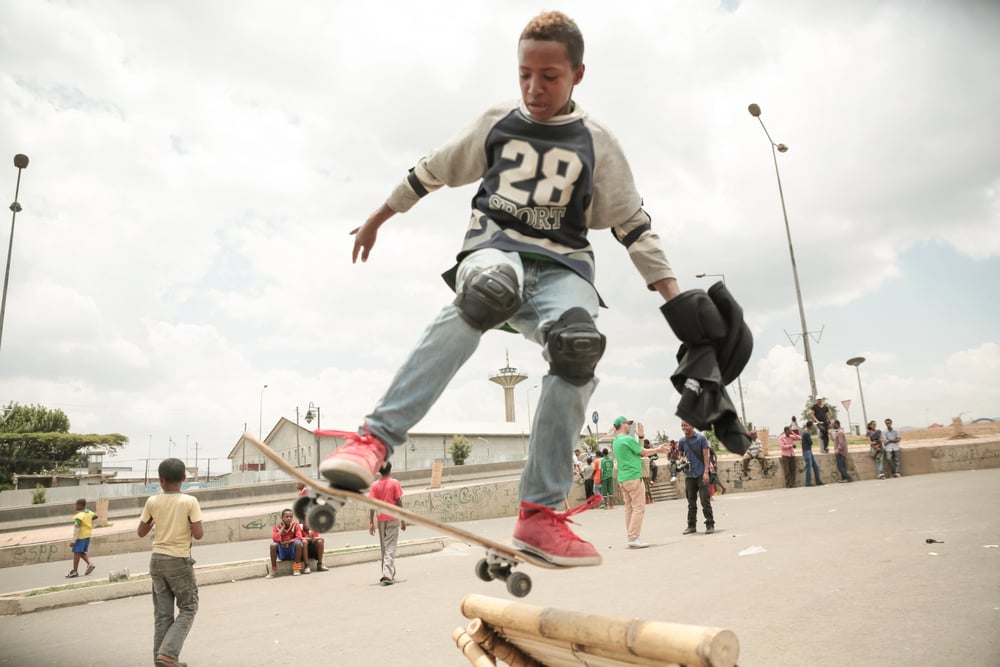
What could be more American than a freedom-loving, individualistic group of young men? The unquestionable dominance of individualism and freedom means that skateboarding culture places itself firmly within mainstream America rather than outside it. Skaters thought they were rejecting American values, but they were actually embodying them in their purest form. The dedication, hard work, entrepreneurial spirit, and individual expression that defined skate culture were the same values taught in schools and preached from podiums. Early skateboarding held up a mirror to America and showed us exactly who we are—independent and conformist, rebellious and traditional, outsiders who want nothing more than to belong.
Like Go2Tutors’s content? Follow us on MSN.
What Wheels and Wood Revealed
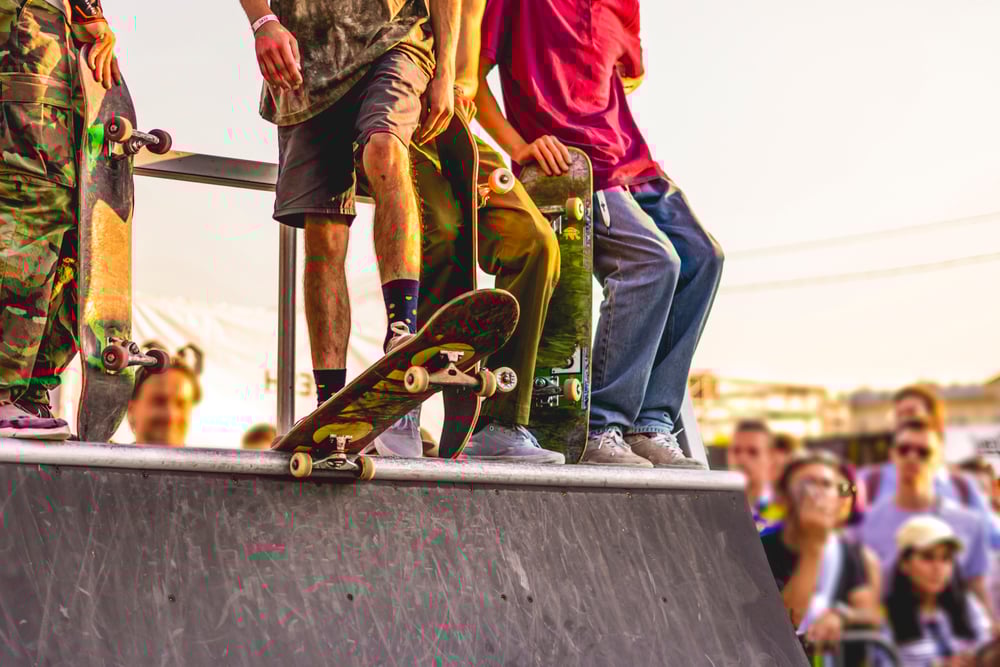
Early skate culture captured something essential about the American character that persists today. It showed how Americans create spaces of freedom within systems of control, how we celebrate individualism while craving community, and how we turn rebellion into industry without losing the spark that made it matter. Those California kids rolling down hills on homemade boards weren’t just inventing a sport. They were writing a chapter in the ongoing story of what it means to be American, complete with all the contradictions that make that identity so complicated and so compelling.
More from Go2Tutors!

- 16 Historical Figures Who Were Nothing Like You Think
- 12 Things Sold in the 80s That Are Now Illegal
- 15 VHS Tapes That Could Be Worth Thousands
- 17 Historical “What Ifs” That Would Have Changed Everything
- 18 TV Shows That Vanished Without a Finale
Like Go2Tutors’s content? Follow us on MSN.